
This lesson was drafted by a Local Solar System Foundation team member and could be improved by a qualified reviewer. Are you qualified in this subject?ផ្ដល់យោបល់កែសម្រួល
ប្រអប់ខ្សាច់អ័ក្ស
បើកទំព័រពេញWhat is an orbit? Throw a ball sideways and it curves down to the ground.Throw it faster and it lands farther away.Throw it fast enough and the ground curves away beneath it as quickly as it falls, so it never lands: it keeps falling around the planet and always misses.That is an orbit.Nothing holds a satellite up;it is falling all the time.
អ្វីដែលកើតឡើង:
ព្យាយាមក្នុងនេះ
ធ្លាក់ត្រឡប់ក្រោយ អូប៊ីត ជម្រះ
·
កំណត់អ័ក្សឲ្យសម (ធាតុអ័ក្ស និងច្បាប់របស់ Kepler)
Astronomers describe an orbit with five numbers called orbital elements.Change them here;the height and speed above follow.
របៀបប្រើវា
- ល្បឿនចំហៀង
- This one control decides what happens.Too slow and it falls back.Fast enough and it goes round in a circle.Faster and it swings out into an ellipse.Faster than escape speed and it leaves for ever.The coloured bar under the slider shows where each begins at the chosen height.
- កម្ពស់
- Where it starts.Higher up, gravity is weaker, so a slower speed is enough to stay in orbit.
- ល្បឿនពេលវេលា
- Real orbits take hours, days or years, so time runs faster here.ពេលវេលា × 1,000 មានន័យថាវិនាទីនីមួយៗនៅលើអេក្រង់គឺ 1,000 វិនាទី (ប្រហែល 17 នាទី) ក្នុងចន្លោះ ។The planet's turning is sped up by the same amount.The numbers shown are always the real ones.
- បទដី
- The gold trail on the ground is the path directly beneath the satellite.Earth turns underneath the orbit, so each lap passes over different places.
- ព្រួញមាស
- Which way it is moving and how fast: the longer the arrow, the faster.
- មើលជុំវិញ
- Drag to turn the view, scroll or pinch to zoom.The faint grid is the plane of Earth's equator (or, around the Sun, the plane of Earth's orbit).
តារាងទិន្នន័យ (ជំនួសអត្ថបទ)
| ជំហានពេលវេលា | ចម្ងាយពីព្រះអាទិត្យបច្ចុប្បន្ន | ល្បឿនឥឡូវ |
|---|
Around 1600, Johannes Kepler spent years trying to make the planets move in perfect circles. The observations of Mars refused to fit. អ្វីដែលគាត់បានរកឃើញជាការផ្លាស់ប្ដូរ គឺច្បាប់បីដែលនៅតែដឹកនាំយានអវកាសទាំងអស់ដែលយើងបានបើកចំហ។
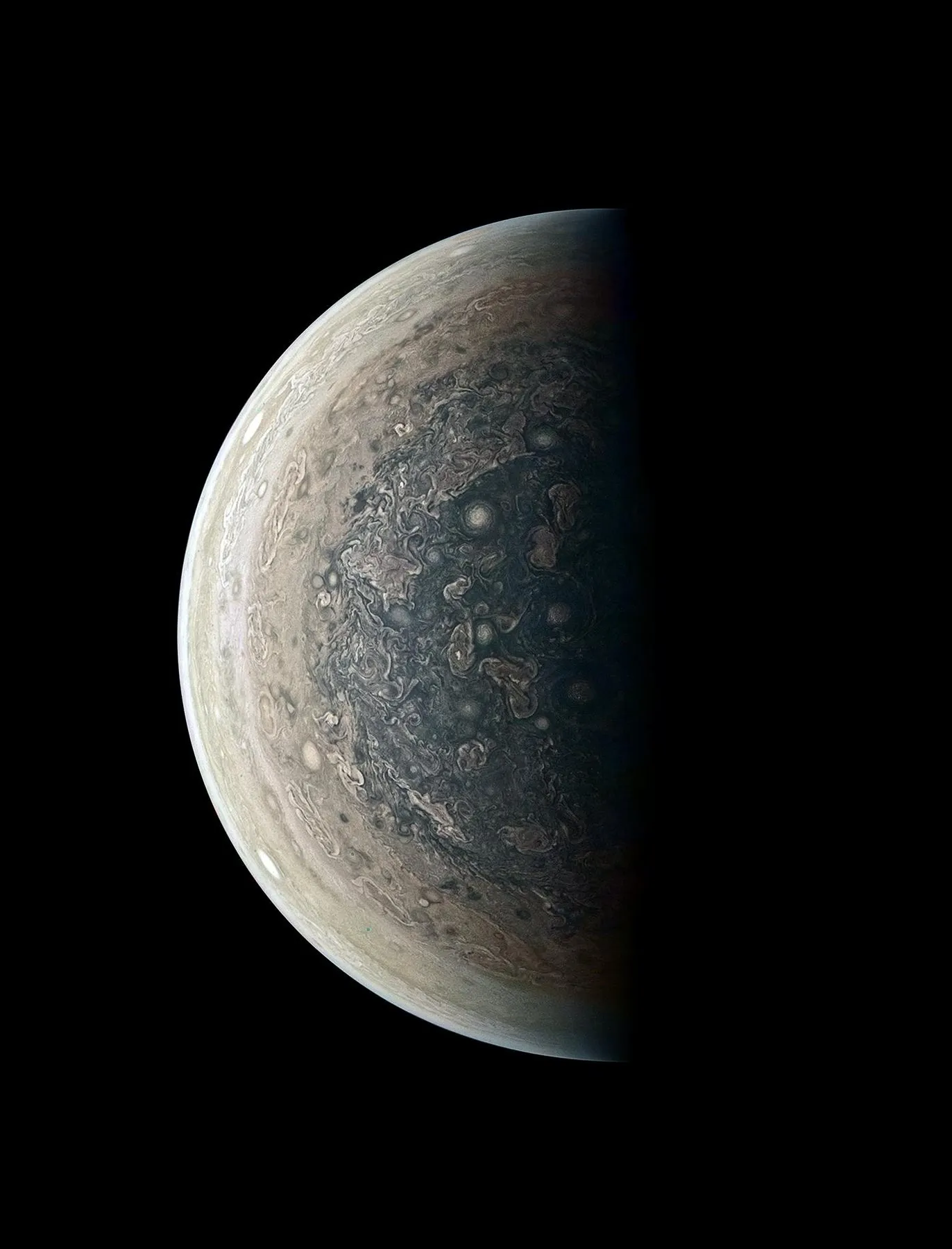
The numbers refused to fit the circles. So Kepler changed the circles.
មើល
នៅឆ្នាំ 1600 លោក Johannes Kepler បានធ្វើការជាមួយការសង្កេតដ៏ត្រឹមត្រូវជាច្រើនឆ្នាំរបស់ភពផែនដីដែលធ្វើដោយ Tycho Brahe ។ Everyone assumed planets moved in perfect circles. The numbers refused to fit. After years of work, Kepler found three rules that do fit.
- អូប៊ីតជារាងពងក្រពើ (រង្វង់ពង្រីក), ជាមួយនឹងព្រះអាទិត្យមួយបន្តិច off- កណ្តាលនៅចំណុចដែលហៅថា ផ្ដោត.
- A planet speeds up near the Sun and slows down far from it. Draw a line from the Sun to the planet: it sweeps out equal areas in equal times.
- Bigger orbits take much longer. Not just longer because the path is longer, but disproportionately longer.
In the sandbox above, Halley’s Comet is loaded. Watch it whip around the Sun and then crawl through the outer part of its orbit. The coloured slices are all swept in the same amount of time: thin and long far away, short and wide close in. Same area, same time. That is the second law in action.
យល់
An ellipse is described by two numbers:
- semi-major axis a: ពាក់កណ្តាលទទឹងវែងបំផុត ។ It sets the size.
- The eccentricity e: how stretched it is. 0 គឺជារង្វង់;ក្បែរ 1 គឺវែង និងតូច ។
The closest point to the Sun is the periapsis (perihelion for the Sun), at distance a(1 − e). ចំណុចដែលឆ្ងាយបំផុតគឺ ចំណុចចុង (aphelion), នៅ( 1 + e) ។
| វត្ថុ | មួយ | និង |
|---|---|---|
| ផែនដី | 1.000 | 0.017 |
| ផ្កាយព្រះអាទិត្យ | 1.524 | 0.093 |
| ផ្កាយរណប Halley | 17.9 | 0.967 |
Third law. For everything orbiting the Sun, the square of the period is proportional to the cube of the semi-major axis. In years and au:
T² =a³
ភពព្រះច័ន្ទ:a= 5.20 au, so T = 5.20^1.5 = 11.9 ឆ្នាំ ។ Halley: មួយ = 17.9 au ផ្តល់ឱ្យ T = 75.9 ឆ្នាំ, ជិតទៅនឹងការត្រឡប់មកវិញដ៏ល្បីរបស់វា 75 ទៅ 76 ឆ្នាំ។
ប្រអប់ខ្សាច់បង្ហាញ T²/a³ ក្នុងឆ្នាំ² ក្នុង au³ ។ Change the orbit around the Sun as much as you like: it stays 1.
មេ
Newton derived all three laws from his law of gravity. The third law in full form is:
T =2π · √(a³ / μ), μ = G( M + m)
ដូច្នេះ T²/a³ = 4π²/μ គឺដូចគ្នាសម្រាប់អ័ក្សទាំងអស់ជុំវិញរាងកាយកណ្តាលមួយប៉ុន្តែខុសគ្នាសម្រាប់រាងកាយផ្សេងៗ។ ប្ដូររាងកាយកណ្តាលរបស់ sandbox ទៅភពផែនដី ហើយចំនួនថេរនឹងក្លាយជា 9.9 × 10⁻⁵ s² km⁻³ ជំនួសឲ្យ 1 yr² au⁻³ ។ m ក្នុង μ គឺជាមូលហេតុដែលកំណែរបស់ Kepler ខុសបន្តិចបន្តួចសម្រាប់ភពព្រះច័ន្ទ ដែលមានមាសប្រហែល 0,1% នៃមាសនៃព្រះអាទិត្យ ។
The second law is conservation of angular momentum. The areal velocity is dA/dt = h/2, where h = r²·dν/dt is the specific angular momentum, constant for any central force. At periapsis and apoapsis the velocity is perpendicular to the radius, so r_p·v_p = r_a·v_a: the speed ratio equals the inverse distance ratio. សម្រាប់ Halley r_a/r_p = (1 + e) /(1 − e) ≈ 60 ដូច្នេះវាផ្លាស់ទីប្រហែល 60 ដងលឿនជាងនៅ perihelion ជាងនៅ aphelion ។
To place a body on its orbit at a given time you need the mean anomaly M = n(t − t_p), with mean motion n = 2π/T, and then Kepler’s equation, M = E − e sin E. វាគ្មានដំណោះស្រាយបិទសំណុំបែបបទទេឧបករណ៍នៅលើតំបន់បណ្ដាញនេះដោះស្រាយវាដោយការកើតឡើងនីតិវិធីរបស់ញូវតុន, ដែលប្រមូលផ្តុំគ្នានៅក្នុងជំហានមួយចំនួនសូម្បីតែសម្រាប់ Halley របស់ e = 0.967.
សាកល្បងវា
In the sandbox, pick 'Earth around the Sun'.ចំណាំតម្លៃរបស់ T²/a³ ។ឥឡូវនេះផ្លាស់ប្ដូរអ័ក្សពាក់កណ្តាលធំទៅអ្វីដែលអ្នកចង់បាន ហើយពិនិត្យ T²/a³ ម្តងទៀត ។Then switch the central body to Earth: what changes, and why?
អស្ចារ្យ. ការប្រឈមមុខគឺជាកន្លែងដែលការរៀនត្រូវបានចង ។
សំណួររហ័ស
3 quick questions.Pick an answer to see if you are right.
-
According to Kepler's first law, a planet's orbit is:
- A រង្វង់ល្អឥតខ្ចោះដែលមានព្រះអាទិត្យជាកណ្តាល
- B រាងពងក្រពើដែលមានព្រះអាទិត្យនៅចំណុចផ្ដោតមួយ
- C រាងពងក្រពើដែលមានព្រះអាទិត្យនៅកណ្ដាល
- D រាងរង្វង់
បង្ហាញចម្លើយ
B. រាងពងក្រពើដែលមានព្រះអាទិត្យនៅចំណុចផ្ដោតមួយ
-
A comet moves fastest when it is:
- A ឆ្ងាយបំផុតពីព្រះអាទិត្យ
- B ឆ្ងាយបំផុតពីព្រះអាទិត្យ
- C ពាក់កណ្ដាលតាមអ័ក្សរបស់វា
- D វាតែងតែផ្លាស់ទីនៅល្បឿនដូចគ្នា
បង្ហាញចម្លើយ
B. ឆ្ងាយបំផុតពីព្រះអាទិត្យ Kepler's second law: equal areas in equal times, so close to the Sun the comet must cover more path per day.
-
A planet's orbit has a semi-major axis 4 times Earth's.How long is its year?
- A 4 ឆ្នាំ
- B 8 ឆ្នាំ
- C 16 ឆ្នាំ
- D 64 ឆ្នាំ
បង្ហាញចម្លើយ
B. 8 ឆ្នាំ T² =a³ = 64, ដូច្នេះ T = 8 ឆ្នាំ។
បន្ទាត់បញ្ចប់
- បានលេងជាមួយអន្តរកម្ម
- អានមេរៀន
- បានធ្វើការប្រកួត
- បានធ្វើការសាកល្បង
Mark the lesson complete to save it to your progress on this device.
Lesson complete.ល្អណាស់!
ឡើងលើបន្ទាប់ ធាតុអ័ក្សពាក្យក្នុងមេរៀននេះ
ប្រភព
- NASA JPL, Basics of Space Flight, Chapter 3: Gravity and Mechanics
- J. Kepler, Astronomia Nova (1609), facsimile at the Internet Archive
- JPL SSD: Keplerian elements for approximate positions of the planets
- NASA Earth Observatory: Planetary Motion, the history of an idea
មេរៀននេះមានអាជ្ញាបណ្ណ CC BY-SA 4.0.