
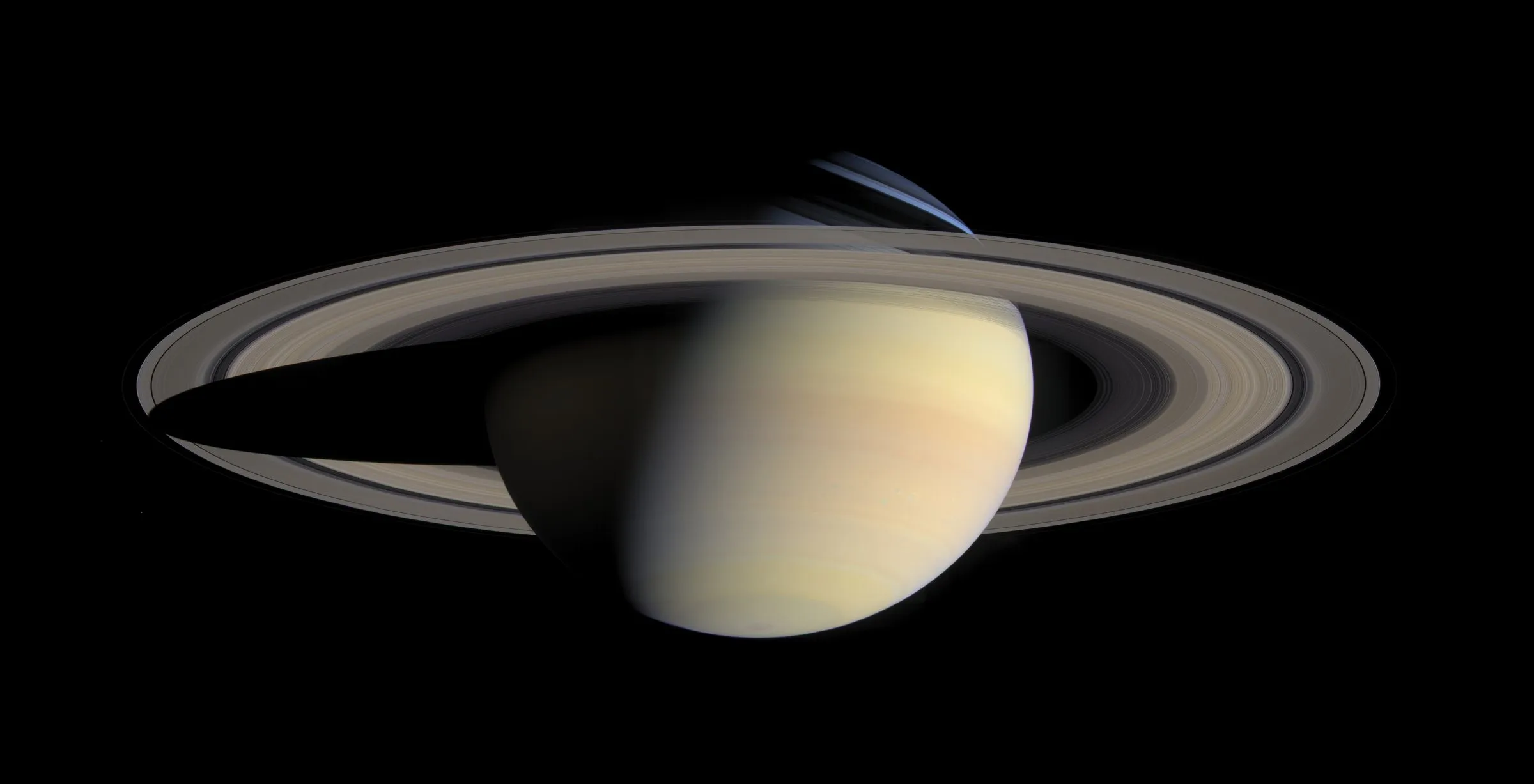
ku A Local Solar System Itsinda Umunyamuryango na ku A. in iyi Ikintu?
Idirishya ry'Ikirere
Gufungura Ipaji yuzuyeni A? A na Hasi: Kuri i. Byihuta na. Bihuta na i Nka, Nta narimwe: i na Buri gihe. ni A. A Hejuru; ni Byose i Igihe.
Gushyiraho...:
iyi
Inyuma Imirongo Gusohoka
·
i Ibintu Na
A Na: Imibare.; i Ubuhagarike na Umuvuduko hejuru.
Gukoresha
- Umuvuduko
- Rimwe Igenzura. Na Inyuma. na Uruziga in A Uruziga. na Ibisohoka. Kwiruka Umuvuduko na ya: Buri gihe. Ibara: Umwanyabikoresho munsi i Igishushanyo Ku i Ubuhagarike.
- Ubuhagarike
- Gutangira. Hejuru, ni, A Umuvuduko ni Kuri in.
- Umuvuduko
- Real orbits take hours, days or years, so time runs faster here. Time ×1,000 means each second on screen is 1,000 seconds (about 17 minutes) in space. The planet's turning is sped up by the same amount. The numbers shown are always the real ones.
- Igice
- ku i ni i Inzira: i. i, KURI.
- Akambi
- ni Himura na Byihuta: i Akambi, i.
- Gushakisha
- Kuri i Reba, Gusunika Cyangwa Kuri Ihindurangano. Urusobetudirishya ni i Ubwato Bya (Cyangwa, i, i Ubwato Bya).
Ibyatanzwe imbonerahamwe# Umwandiko Igisubizo
| Intera | Kuva: i NONEAHA | NONEAHA |
|---|
Around 1600, Johannes Kepler spent years trying to make the planets move in perfect circles. Bya Kuri. Byabonetse Byose Gutangira.
Imibare Kuri i Uruziga. Byahinduwe i Uruziga.
Kureba
Around 1600, Johannes Kepler worked with years of very precise observations of Mars made by Tycho Brahe. in Uruziga. Imibare Kuri Bya Akazi, Byabonetse.
- ni (), Na: i A Bidakora - Hagati Ku A Akadomo A i.
- A Hejuru i na Hasi Bivuye. A Umurongo: Kuva: i Kuri i: Inyuma Bingana Ubuso in Bingana Igihe.
- Birenzeho. i Inzira: ni,.
i hejuru, ni. i na Hanyuma Gihinguranya i external Inzira% s Bya. Byose in i Igiteranyo Bya Igihe: na & Birenzeho, Gitoya na Gishya Funga in. Umwanya Igihe ni i ISEGONDA in Igikorwa.
Gusobanukirwa
ni ku Kabiri Imibare:
- i Umurongo fatizo a: i Ubugari:. i Ingano:.
- i e: ni. 0 ni A Uruziga; Gufunga Kuri 1. ni Birenzeho na.
Akadomo Kuri i ni i Ibara: (ya: i), Ku Uburebure A (1. - e). Akadomo ni i ApoA (), Ku A (1. + e).
| Igikoresho | a | na |
|---|---|---|
| Izuba | 1.000 | 0.017 |
| Mutarama | 1.524 | 0.093 |
| Halley’s Comet | 17.9 | 0.967 |
Itegeko i, i Karete Bya i Igihe ni Kuri i Bya i - Umurongo fatizo. mu myaka na
a
Jupiter: a = 5.20 au, so T = 5.20^1.5 = 11.9 years. Halley: a = 17.9 au gives T = 75.9 years, close to its famous 75 to 76-year return.
a in i i Nka Nka: 1.
Umunyeshuri
Byose Kuva: Bya. in Byuzuye Ifishi ni:
= 2π (a / μ), μ = + m
T² / a³ = 4π² / μ ni i ya: buri Rimwe, ya:. Switch the sandbox’s central body to Earth and the constant becomes about 9.9 × 10⁻⁵ s² km⁻³ instead of 1 yr² au⁻³. The m in μ is why Kepler’s version is slightly off for Jupiter, whose mass is about 0.1% of the Sun’s.
ISEGONDA ni Bya. ni d / = h / 2, h = r² · dν / ni i Imfuruka, Mu buryo budasubiramo ya: Icyo ari cyo cyose. na i ni Kuri i Akarambararo, =: i Umuvuduko Bingana i Ihindurakerekezo Uburebure. For Halley, r_a/r_p = (1 + e)/(1 − e) ≈ 60, so it moves about 60 times faster at perihelion than at aphelion.
A ku Ku A Igihe i = n (t - t), Na: = 2π /, na Hanyuma, = - e. It has no closed-form solution; the tools on this site solve it by Newton iteration, which converges in a few steps even for Halley’s e = 0.967.
Gushaka
i, Hitamo... i. icyitonderwa i Agaciro: Bya a. Guhindura>> i - Umurongo fatizo Kuri Nka na Kugenzura a Hanyuma Hindura i Hagati Igitsina Kuri: Amahinduka, na
. i.
Igisubizo
3 Muhugura Ibibazo. Kuri NIBA ni i Iburyo:.
-
Kuri Itangira, A ni:
- A A Uruziga ku i
- B Na: i ku Rimwe
- C Na: i ku Hagati
- D A
i
B. Na: i ku Rimwe
-
A Ryari: ni:
- A Bivuye i
- B Kuri i
- C Ishusho
- D Buri gihe ku i Umuvuduko
i
B. Kuri i ISEGONDA: in, Kuri i i Birenzeho Inzira: & Umunsi.
-
A A - Umurongo fatizo 4. ni Umwaka?
- A 4.
- B 8 years
- C 16 years
- D 64 years
i
B. 8 years T² = a³ = 64, so T = 8 years.
in iyi
Inkomoko
- NASA JPL, Basics of Space Flight, Chapter 3: Gravity and Mechanics
- J. Kepler, Astronomia Nova (1609), facsimile at the Internet Archive
- JPL SSD: Keplerian elements for approximate positions of the planets
- NASA Earth Observatory: Planetary Motion, the history of an idea
ni CC BY-SA 4.0.