Itangira
Courses and interactive tools that turn anyone into someone who understands orbits, rockets and the space economy. Free, forever.
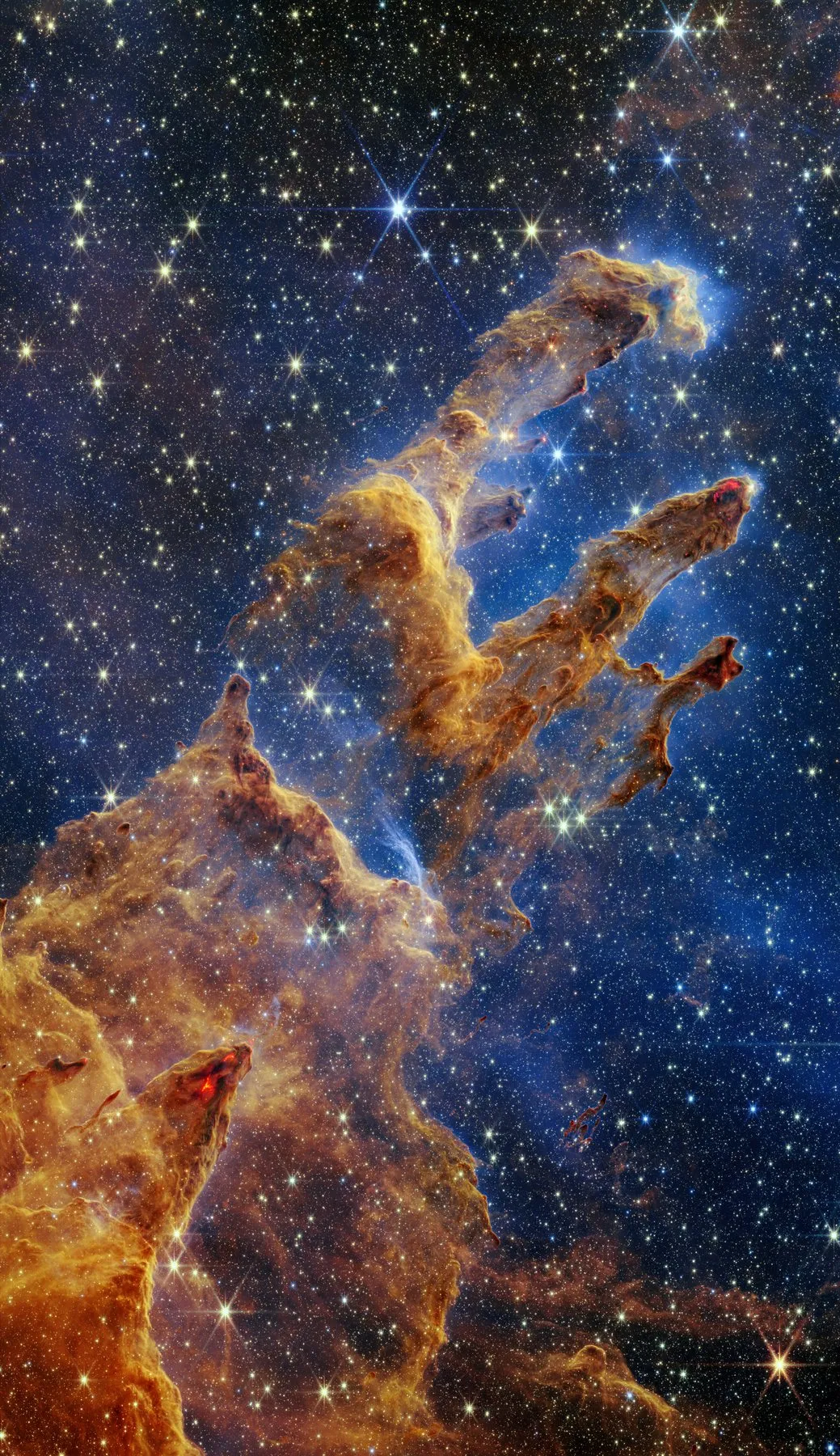
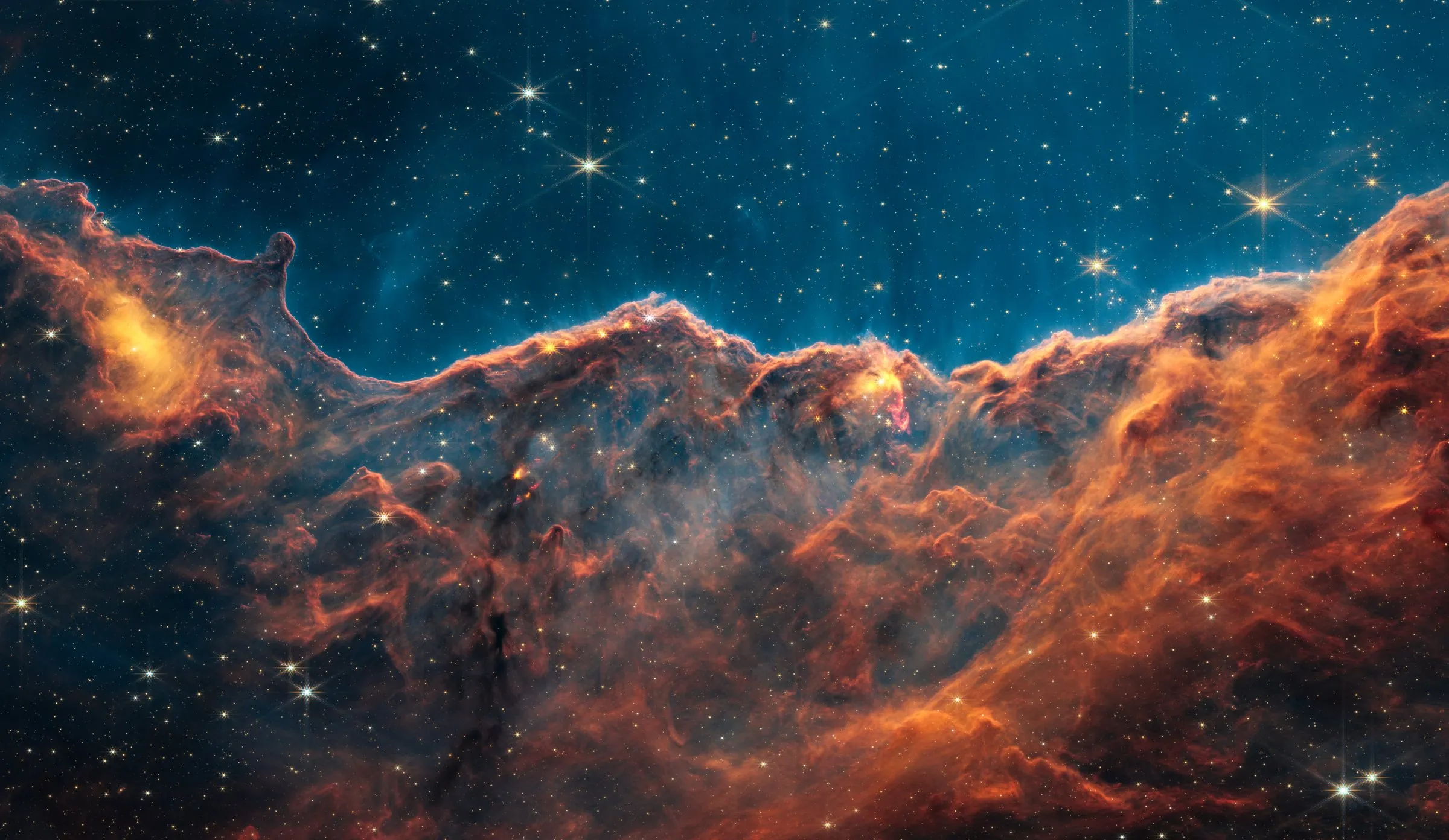
Gushakisha ItangiraNASA, ESA, CSA, STScI; J. DePasquale, A. Koekemoer, A. Pagan (STScI) (CC BY 4.0)
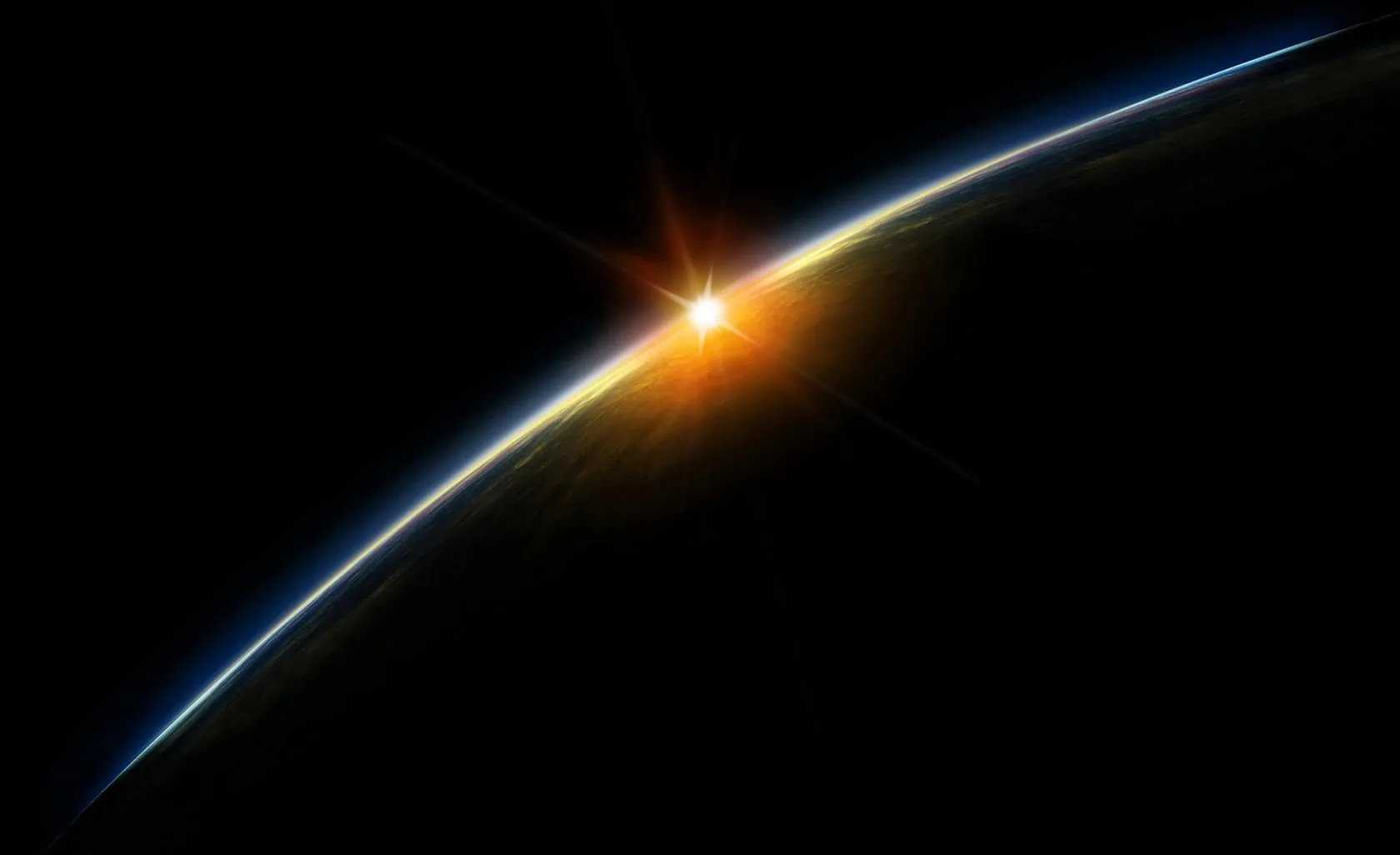
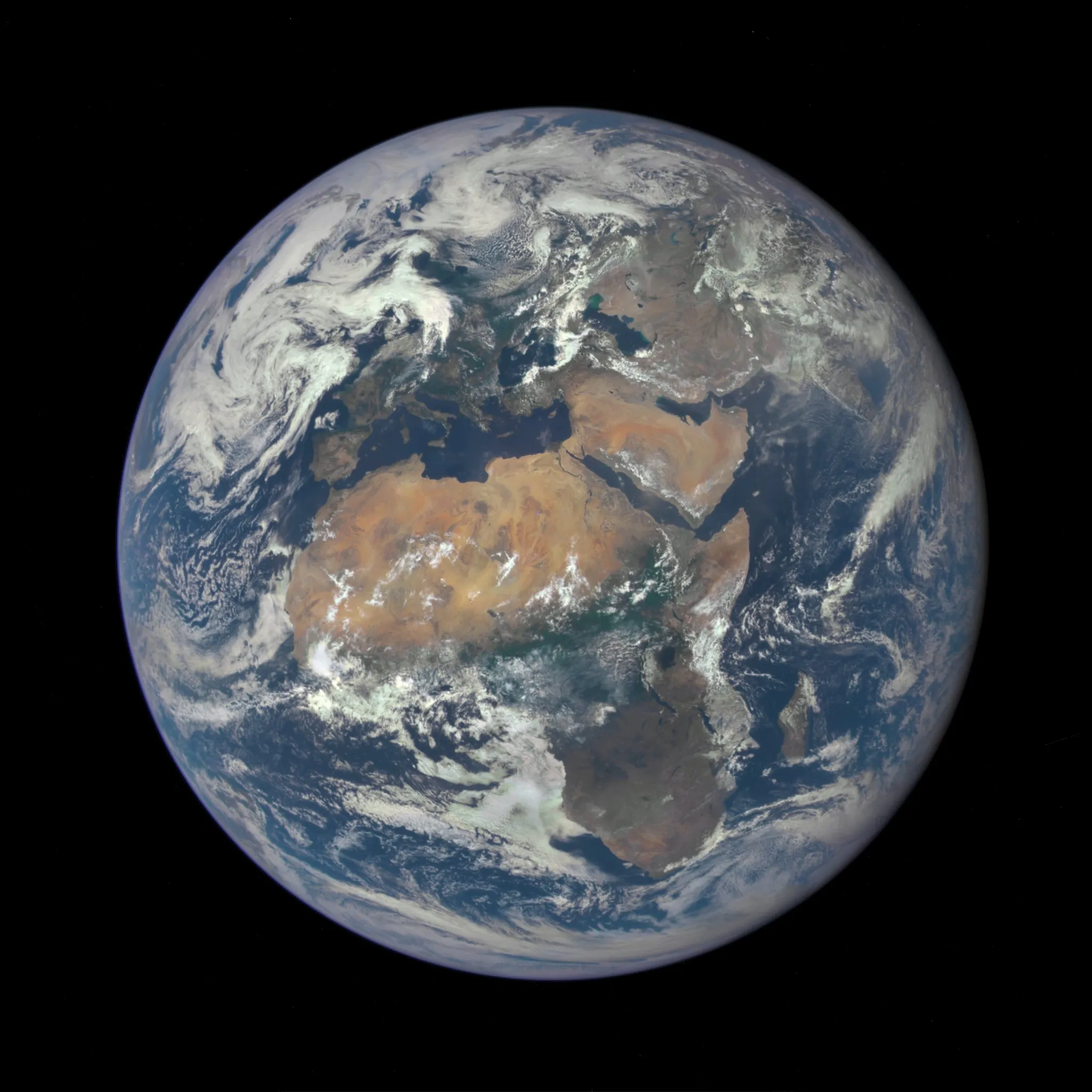
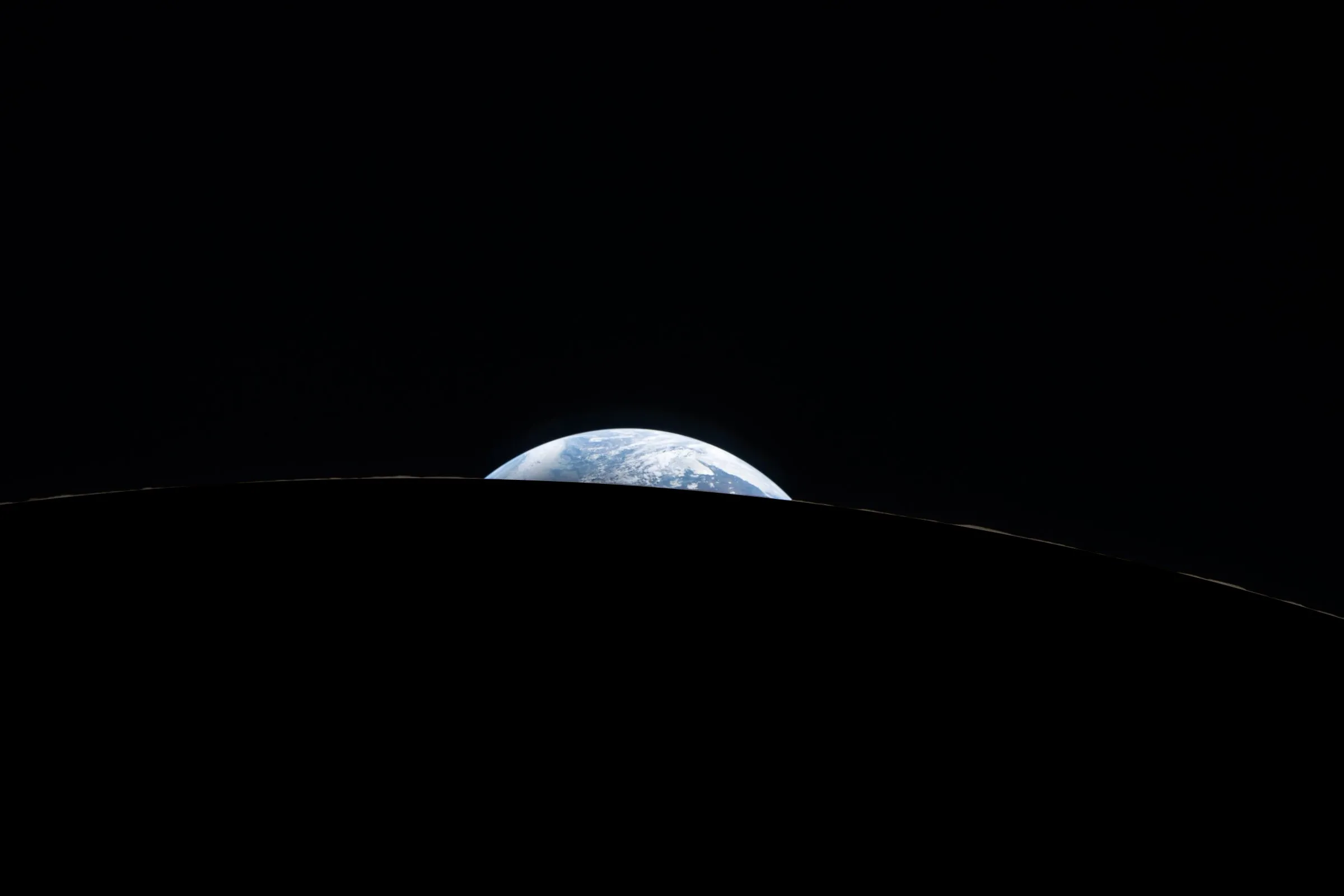
Before we leave, look at where you are. You are standing on a small, wet stone, spinning faster than sound and falling forever around an ordinary star. The iron in your blood and the calcium in your bones were made in stars that died before the Sun was born. In a moment we will fly outward, at true scale, past the worlds that share our light. Most of the journey is darkness; that is the point. Keep an eye on the pale blue dot behind you. It is the only place we know where anyone has ever looked up and wondered.
The Sun
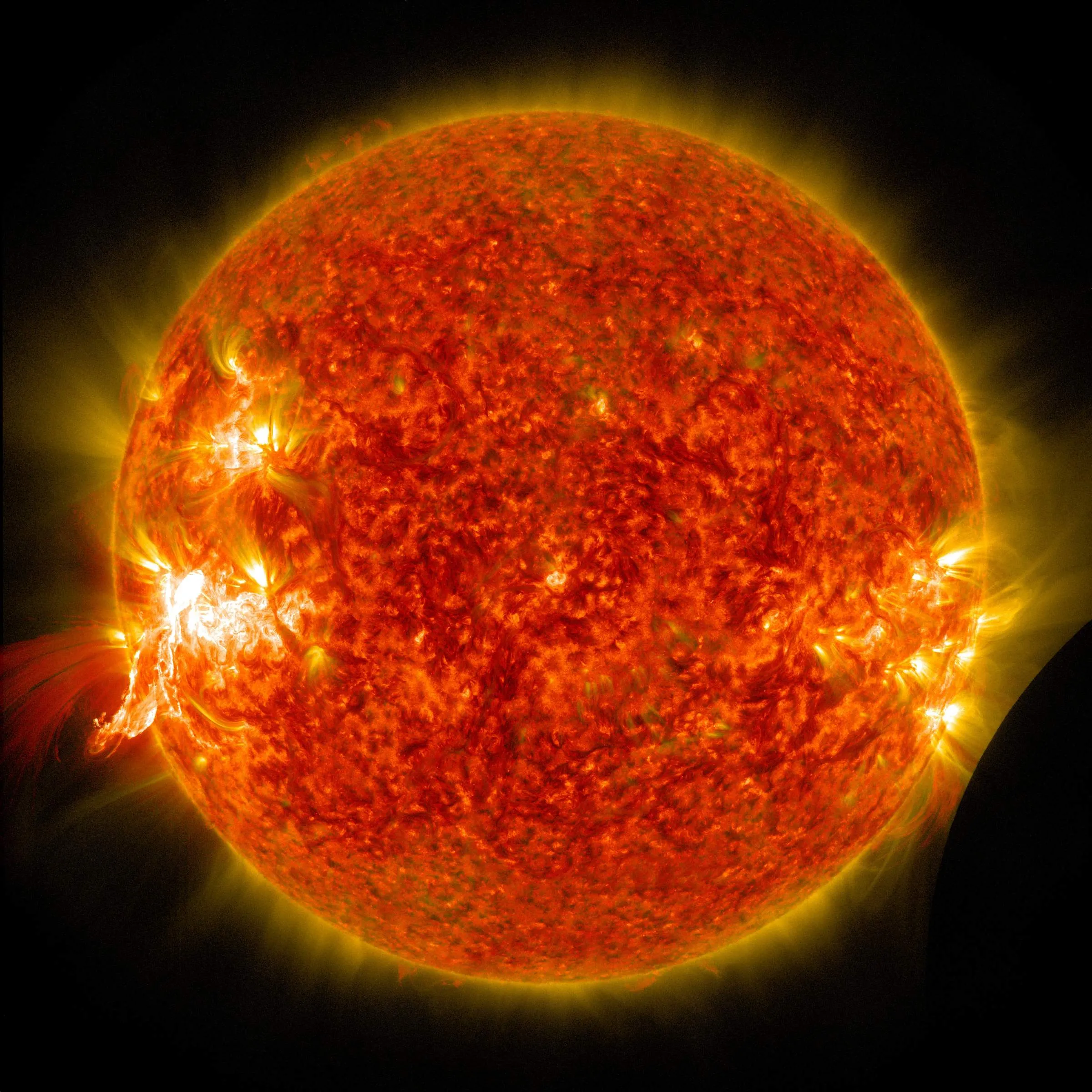
Everything starts here. The Sun holds 99.86% of all the mass in the solar system: a fusion reactor 109 Earths wide.
Hover or tap the name and the numbers to discover more
NASA
Everything starts here. The Sun holds 99.86% of all the mass in the solar system: a fusion reactor 109 Earths wide.
i: 0 AU · Izuba: 0 s · 5.499 °C
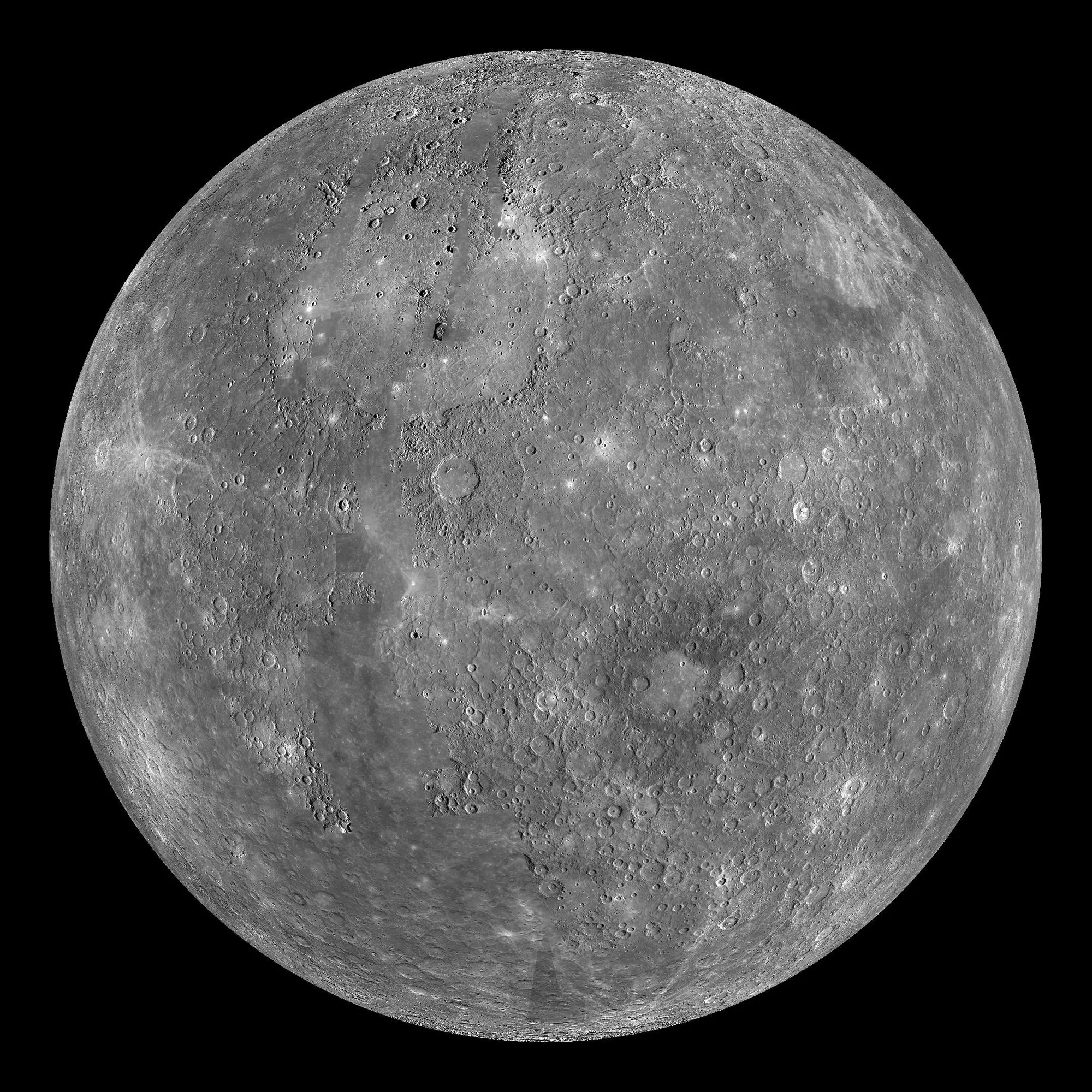
A year here lasts 88 days, but one sunrise to the next takes 176. The fastest planet has the slowest days.
i: 0,4 AU · Izuba: 3,2 min · UMUNSI: 4.222,6 h · 167 °C
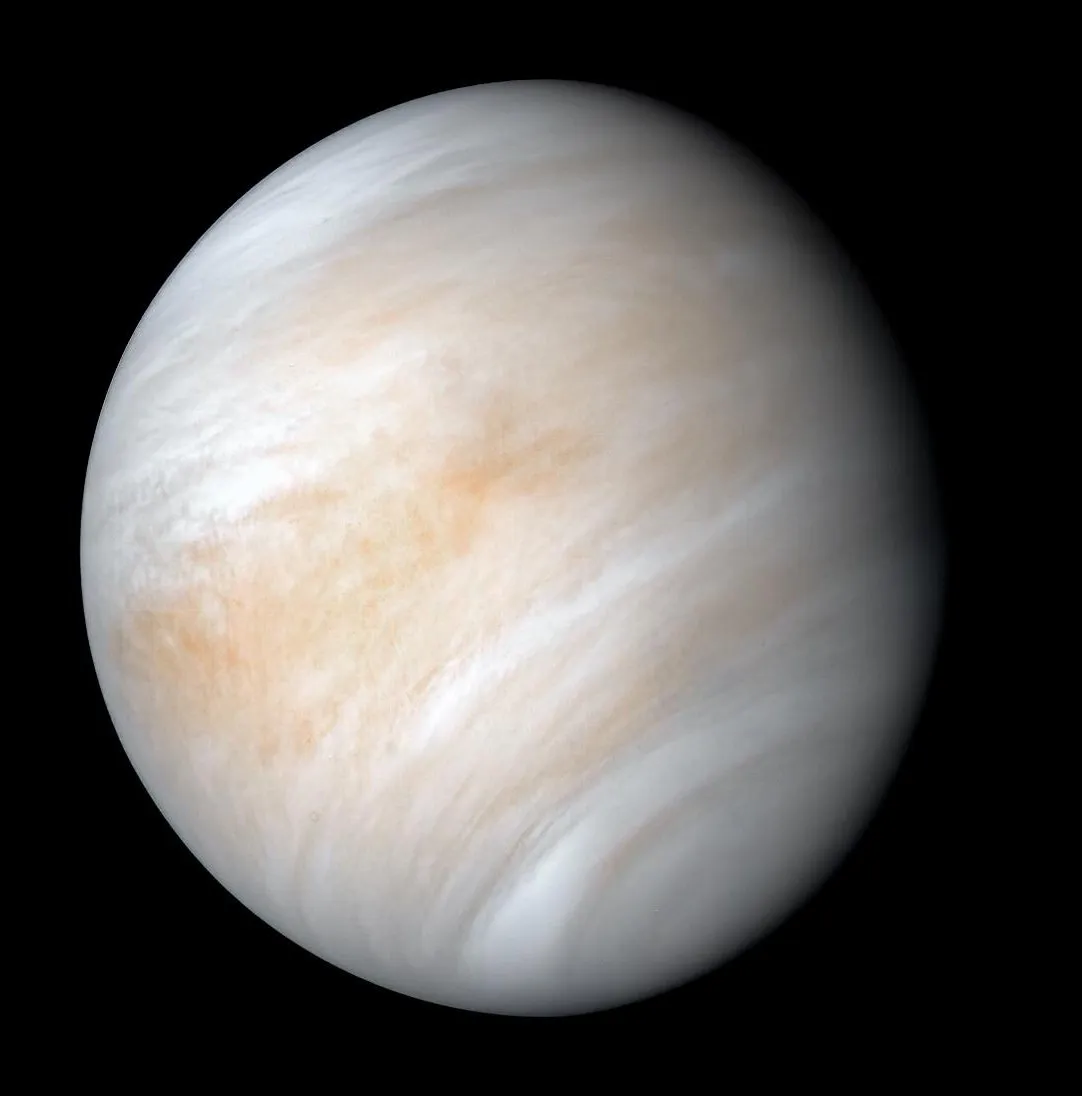
Not the closest to the Sun, yet the hottest. A runaway greenhouse keeps the ground at 464 °C, hot enough to melt lead.
i: 0,7 AU · Izuba: 6 min · UMUNSI: 2.802 h · 464 °C
A pale blue dot, and the only place we know where anyone has ever asked a question. Every problem we work on lives here.
i: 1 AU · Izuba: 8,3 min · UMUNSI: 24 h · 15 °C
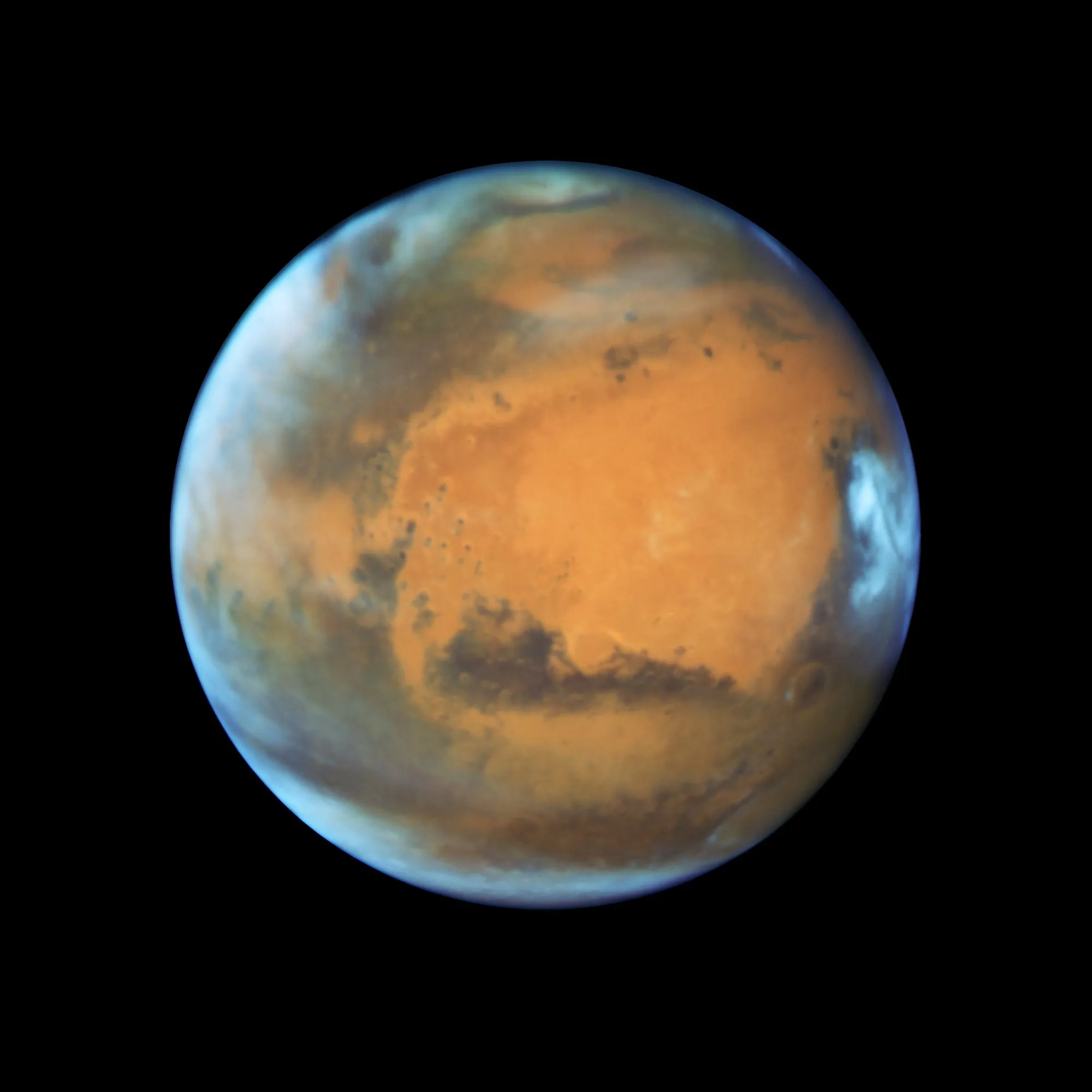
Half the size of Earth, with sunsets that turn blue. The next world people plan to walk on.
i: 1,5 AU · Izuba: 12,7 min · UMUNSI: 24,7 h · -65 °C
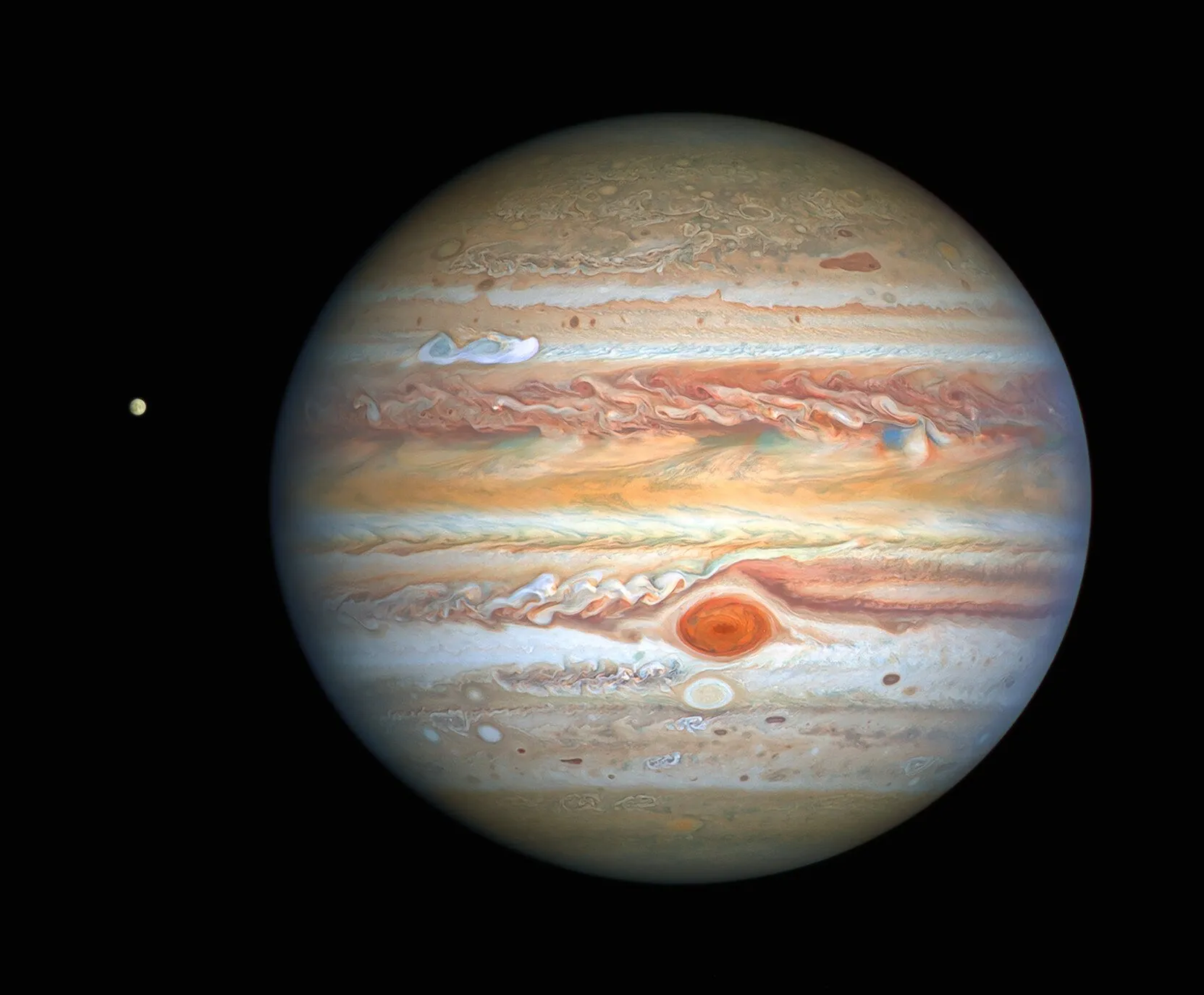
More than twice the mass of all the other planets combined. Its Great Red Spot is a storm wider than Earth.
i: 5,2 AU · Izuba: 43,3 min · UMUNSI: 9,9 h · -110 °C
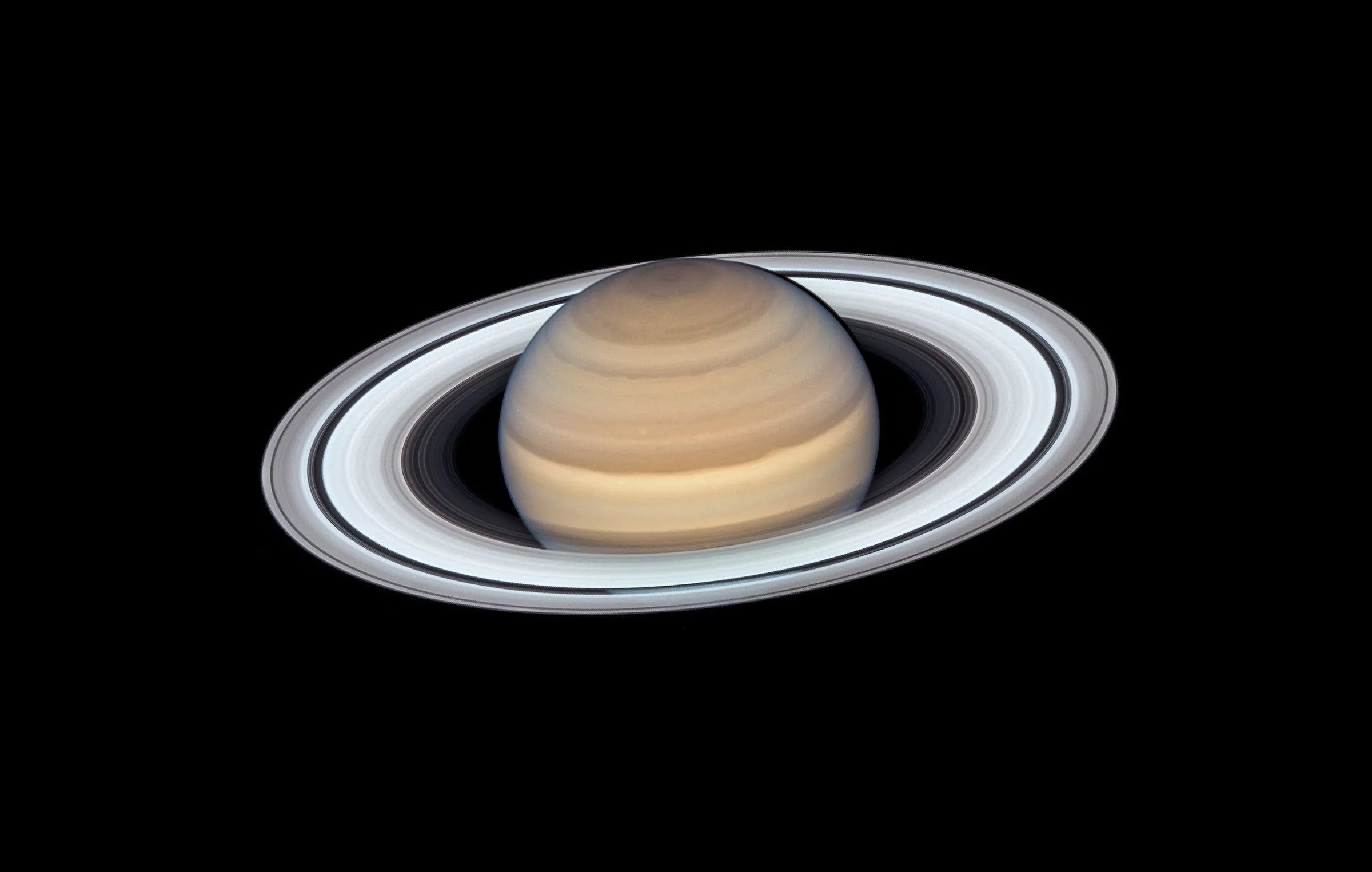
Rings wider than 270,000 km and, in places, about ten metres thick. Saturn is less dense than water.
i: 9,5 AU · Izuba: 1 h 19 min · UMUNSI: 10,7 h · -140 °C
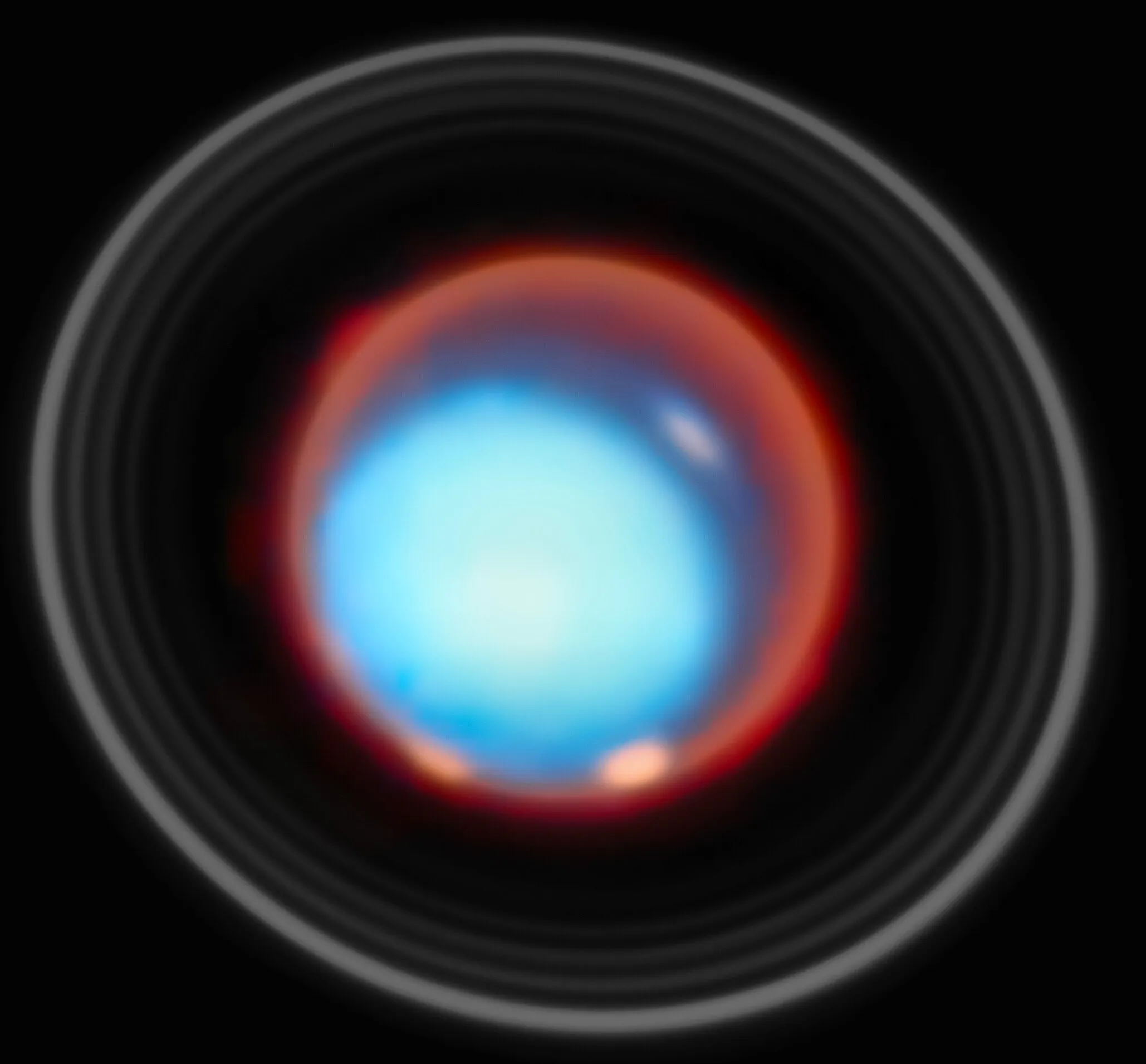
Tipped over at 98 degrees, it rolls around the Sun. Each pole gets 42 years of daylight, then 42 of night.
i: 19,2 AU · Izuba: 2 h 40 min · UMUNSI: 17,2 h · -195 °C
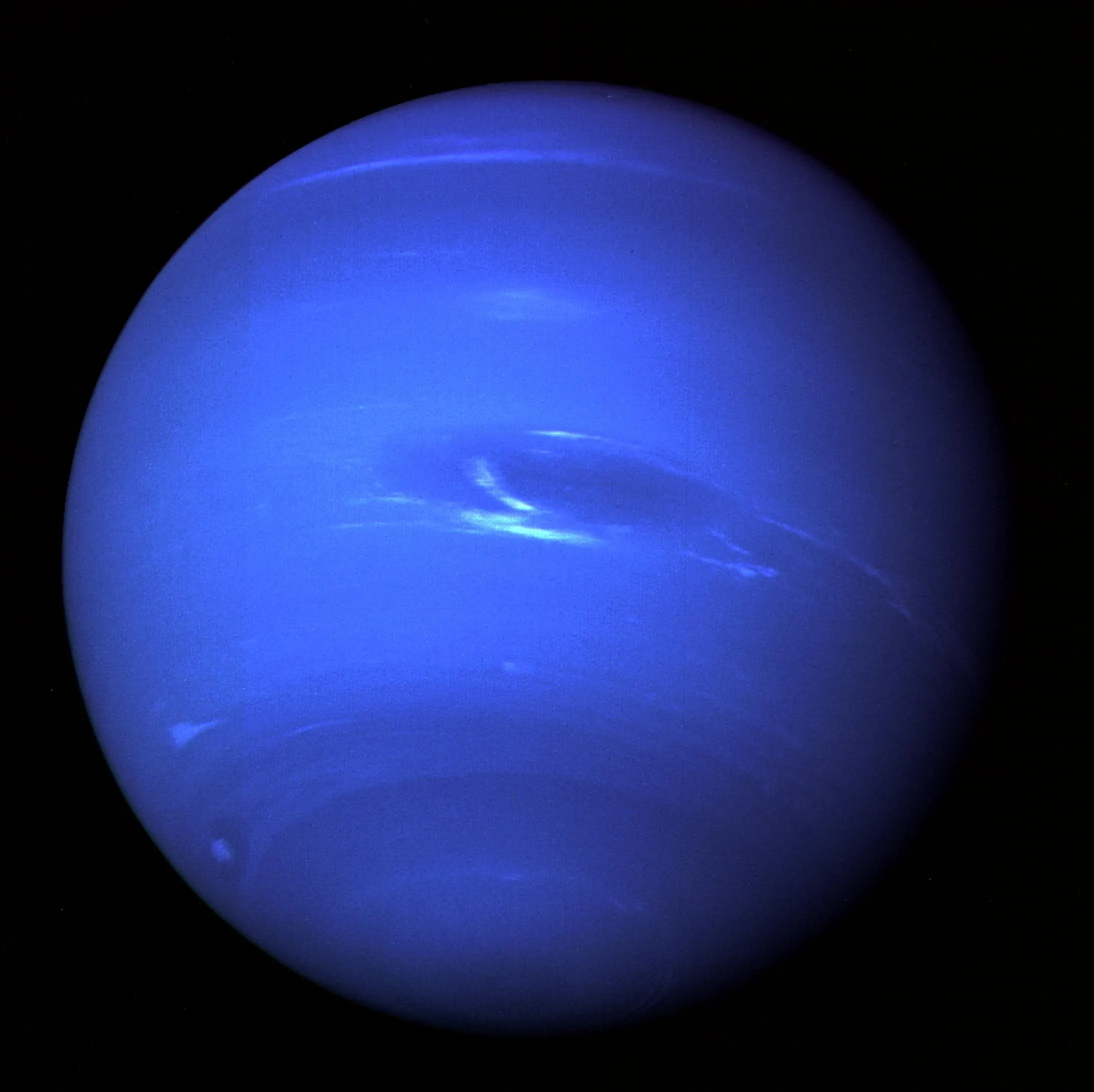
Winds of up to 2,000 km/h, the fastest in the solar system. From here the Sun is only the brightest star in a black sky.
i: 30,1 AU · Izuba: 4 h 10 min · UMUNSI: 16,1 h · -200 °C

You have just crossed 4.5 billion kilometres. Sunlight makes the same journey in about four hours, and it has been making it for four and a half billion years.
AkaziEvery problem on Earth is, at heart, a problem of knowledge. We explain the science behind the threats to our only home, teach the physics of the sky to anyone who looks up, and fund it all in the open. No paywall. No shareholders. Only curiosity, aimed at the future.
Four ways of caring for one small planet: its oceans and air, its energy, the quality of the lives lived on it, and an open classroom for everyone who wants to reach beyond it.

Courses and interactive tools that turn anyone into someone who understands orbits, rockets and the space economy. Free, forever.
Gushakisha ItangiraNASA, ESA, CSA, STScI; J. DePasquale, A. Koekemoer, A. Pagan (STScI) (CC BY 4.0)

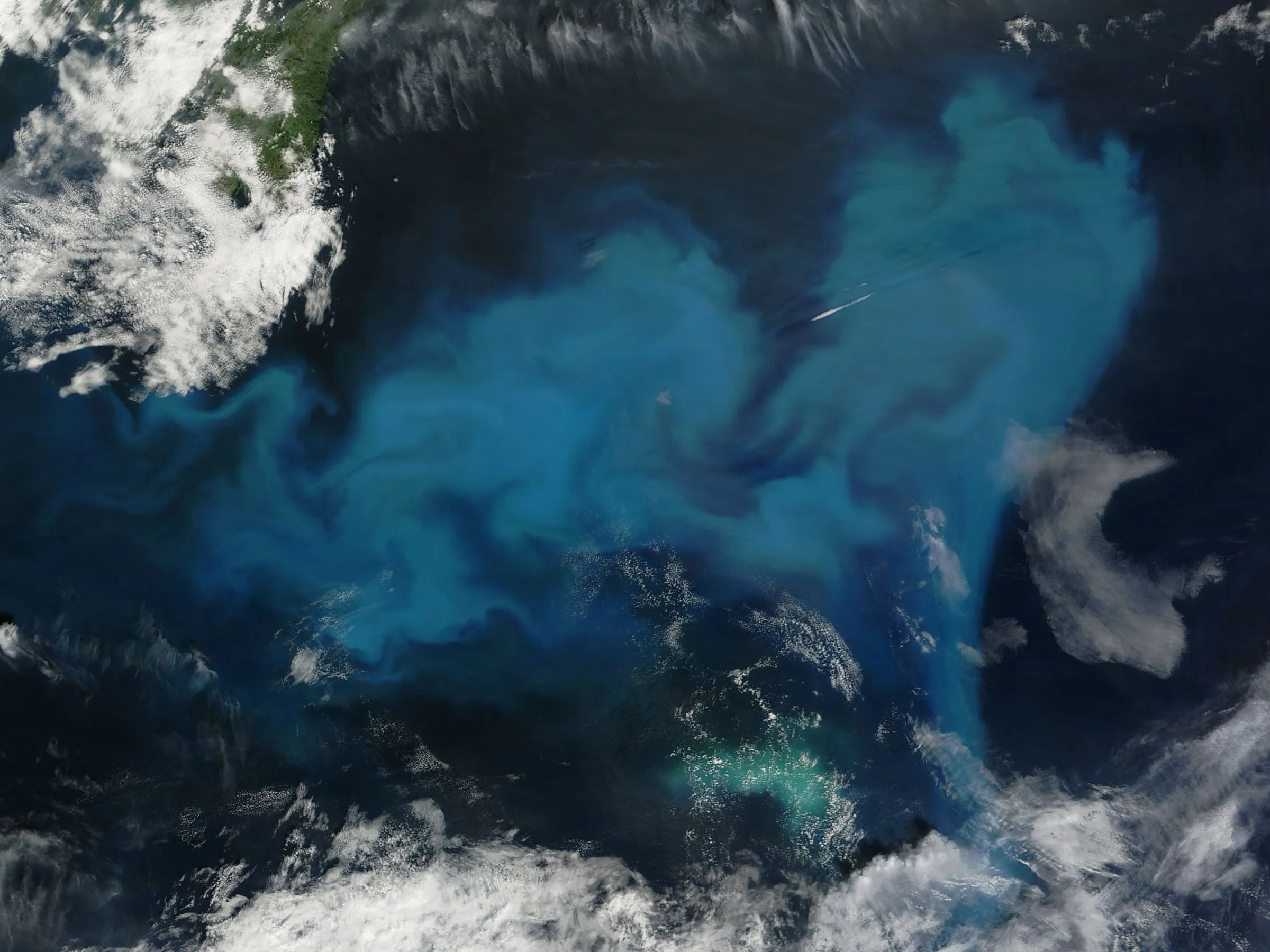
Oceans choking on plastic, air we cannot see, seas that rise a few millimetres a year. We explain the science and the numbers behind them.
Gushakisha Blue InitiativeNASA

A Igihe. Umubare w'abaturage, Ukoresha: na Imisusire Rimwe.
Gushakisha Green InitiativeNASA

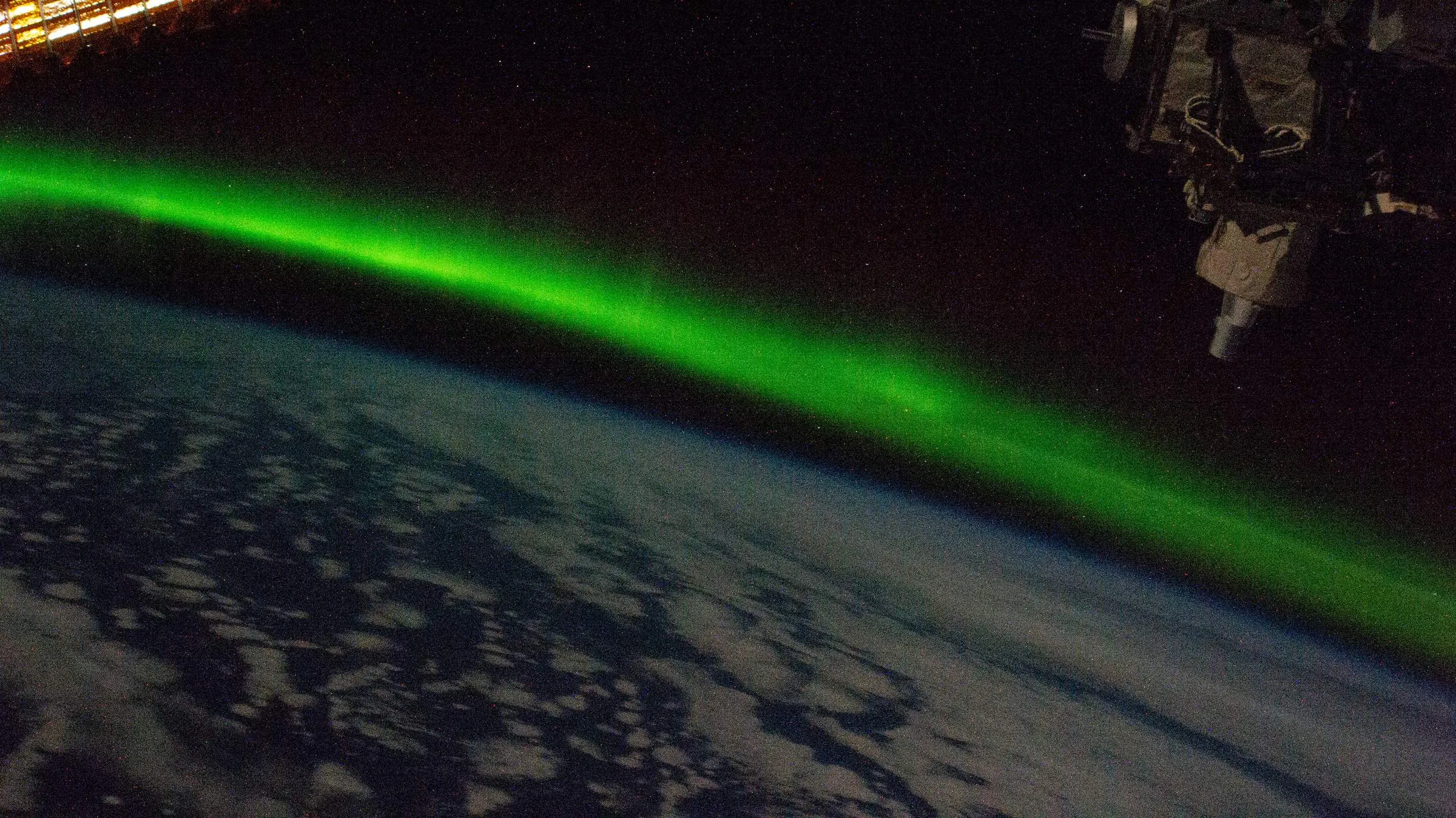
Eight in ten people live under light-polluted skies, and one in three can no longer see the Milky Way from home. We fight for dark skies and follow the research on healthy ageing.
Gushakisha Red InitiativeNASA

No account, no fee, no ads. Start with the scale of the solar system, end up planning a trip to Mars. Every lesson comes in three depths, from a first look to university level.
NASA, ESA, CSA, and STScI, J. DePasquale (STScI) (CC BY 4.0)

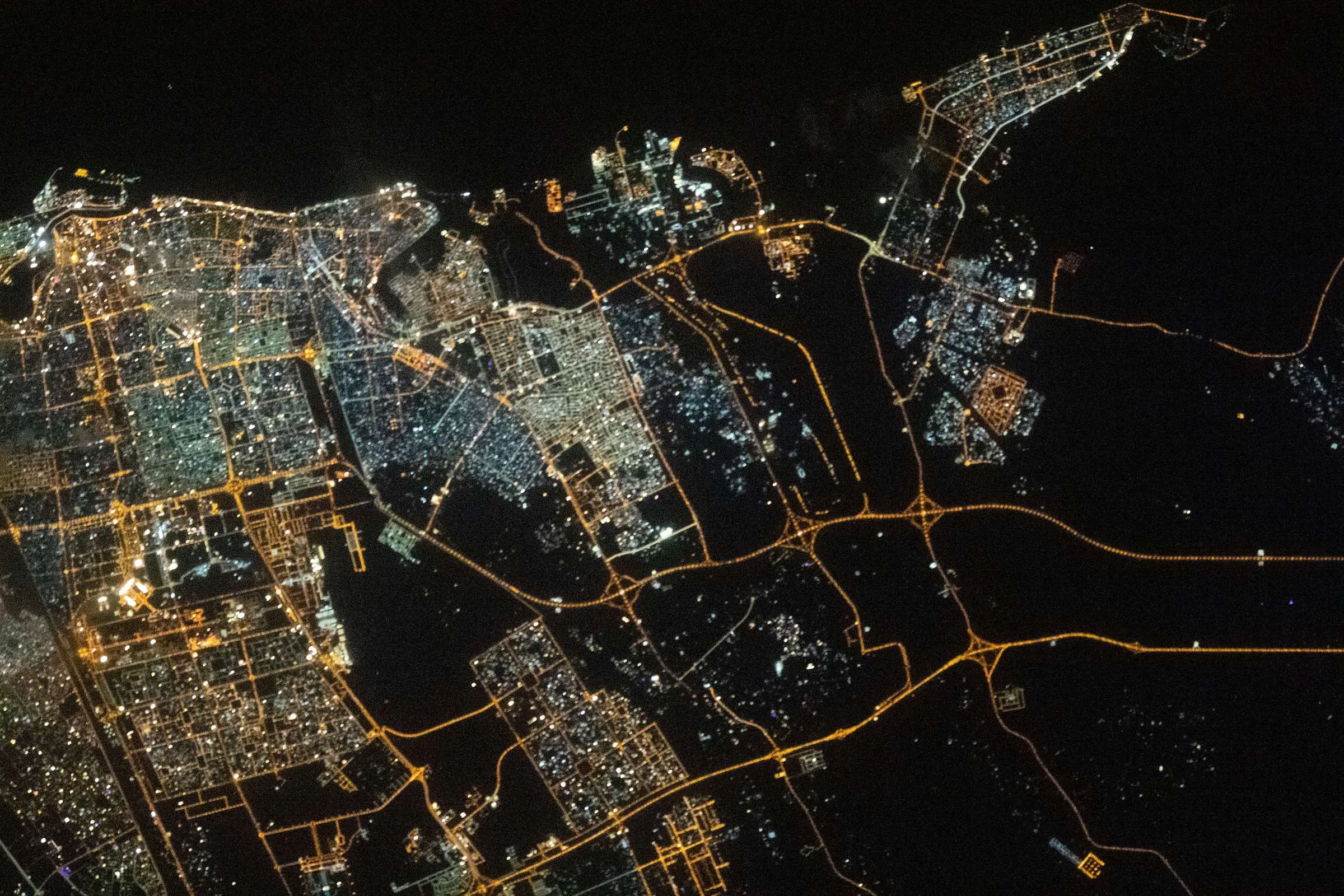
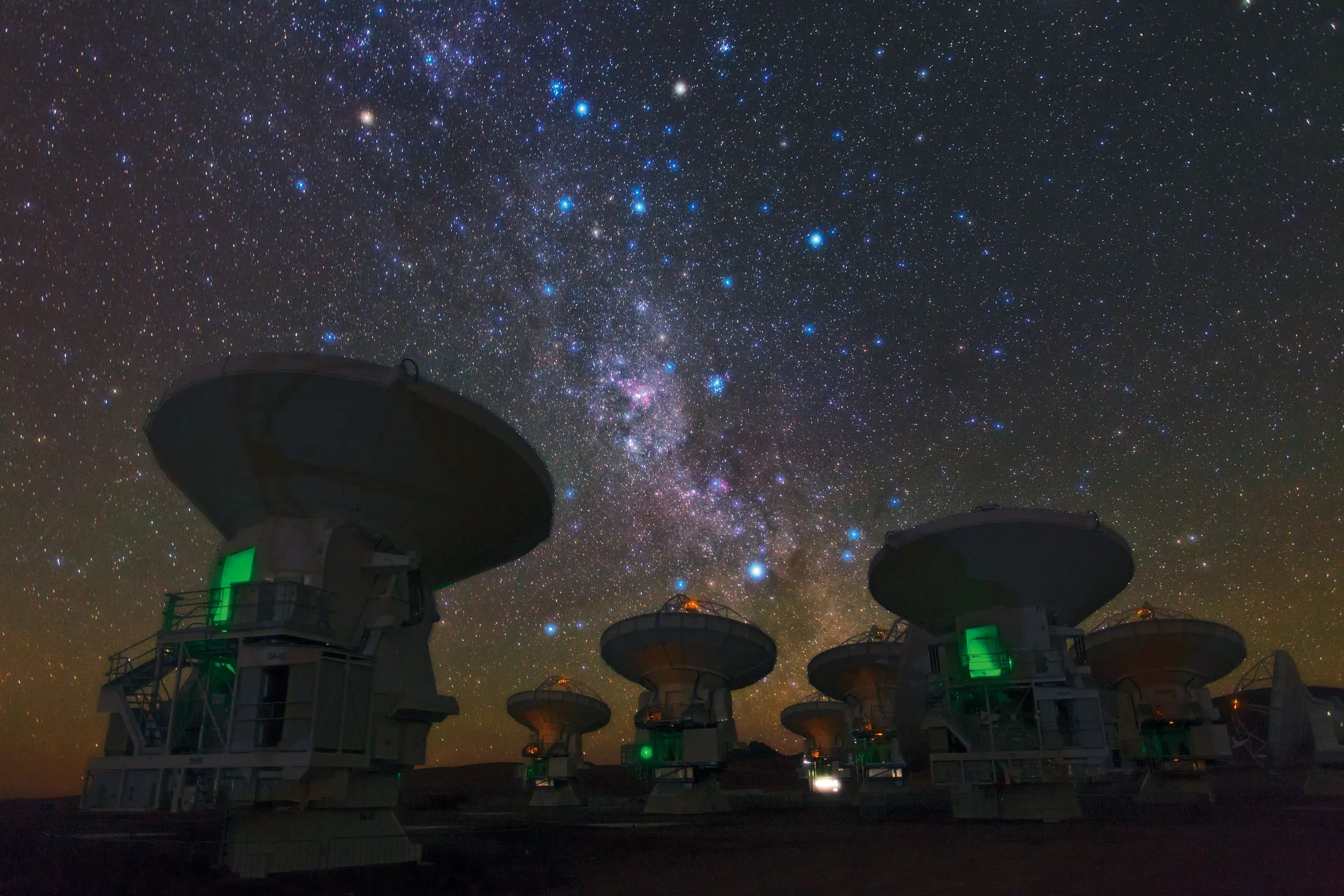
For all of human history, anyone could look up and find the Milky Way. Today one person in three never sees it, and eight in ten live under skies that are never truly dark. The cure is simple: shield the light, soften it, and let the night return when no one needs it.
ESO/B. Tafreshi (twanight.org) (CC BY 4.0)
Translate a lesson, check the physics, build a tool, organise a dark-sky night. Every contribution is logged, and regular contributors can become members of the DAO.
a IgikorwaEverything here is free, and always will be. Since 2017 the founders have carried this project themselves, for the simple joy of showing people the sky we share. If the site has given you something, a donation helps keep the lessons, tools and research open for the next curious mind.
NASA