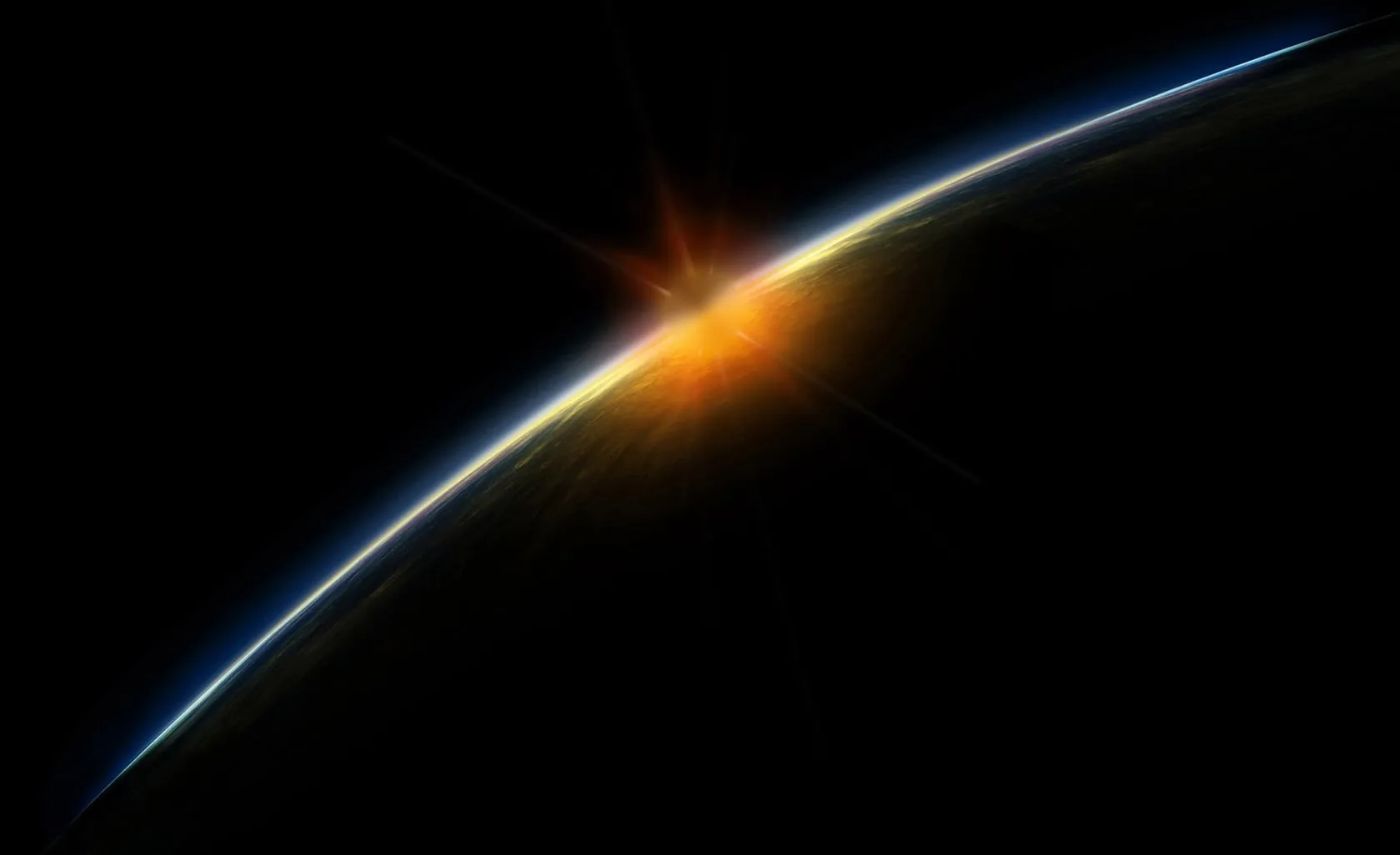
NASA, ESA, CSA, STScI; J. DePasquale, A. Koekemoer, A. Pagan (STScI) (CC BY 4.0)
日
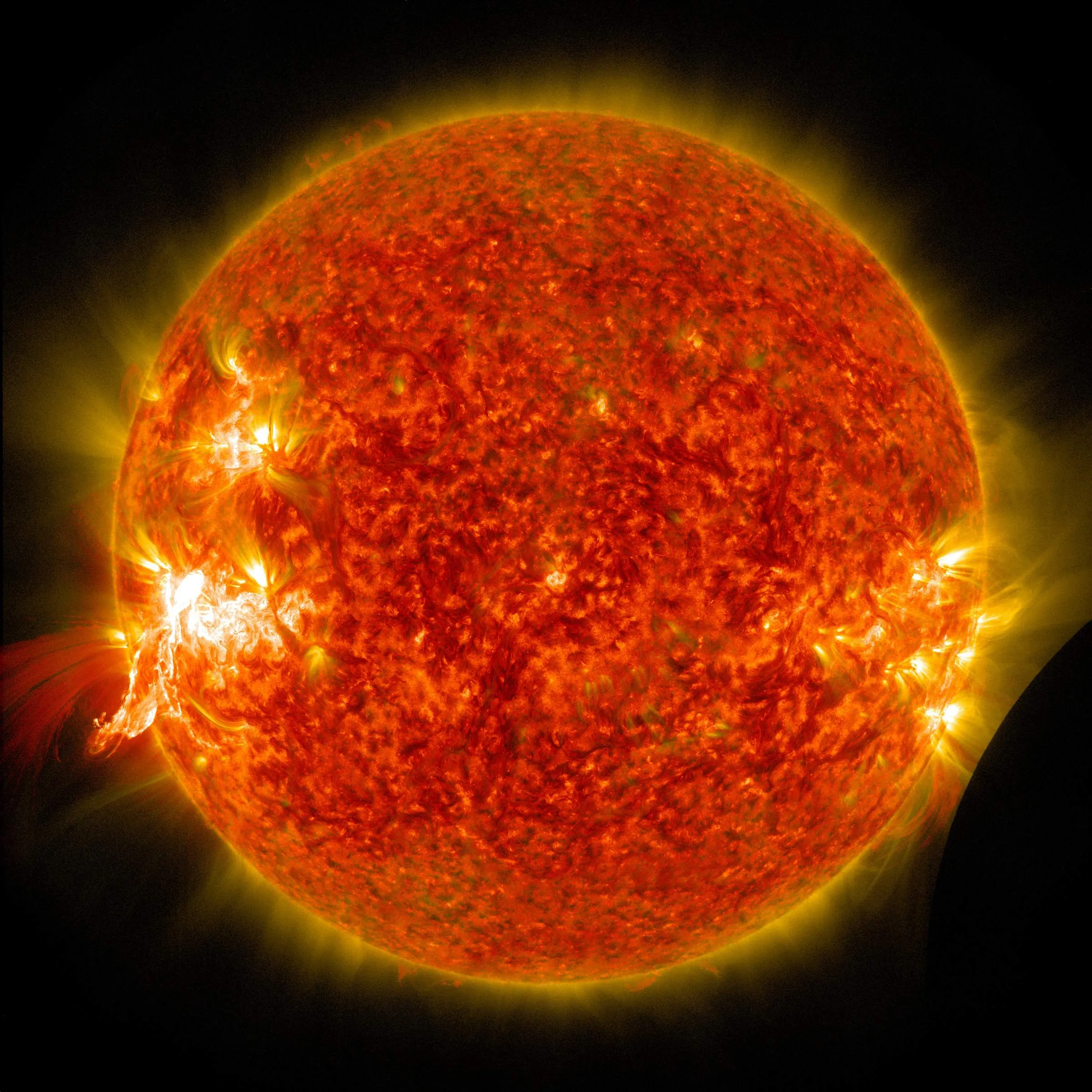
太陽は太陽系の質量の99.86%を占める 地球109倍の核融合炉
NASA
太陽は太陽系の質量の99.86%を占める 地球109倍の核融合炉
フロム・ザ・サン: 0 AU · 日光を浴びて: 0 s · 5,499 °C
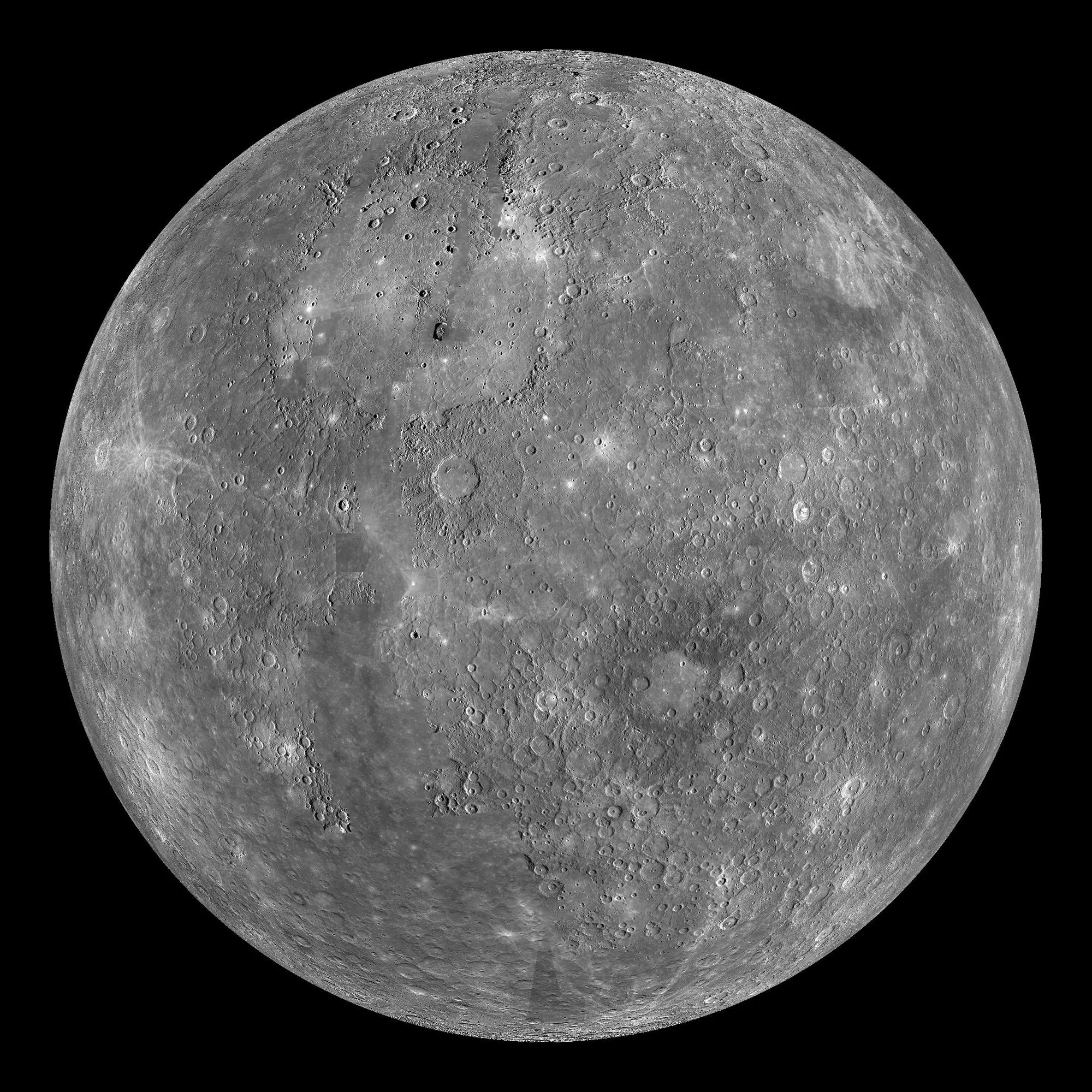
一年は88日だが 日の出から日の入りまでに176日かかる 最も速い惑星は最も遅い日を持つ
フロム・ザ・サン: 0.4 AU · 日光を浴びて: 3.2 min · One day lasts: 4,222.6 h · 167 °C
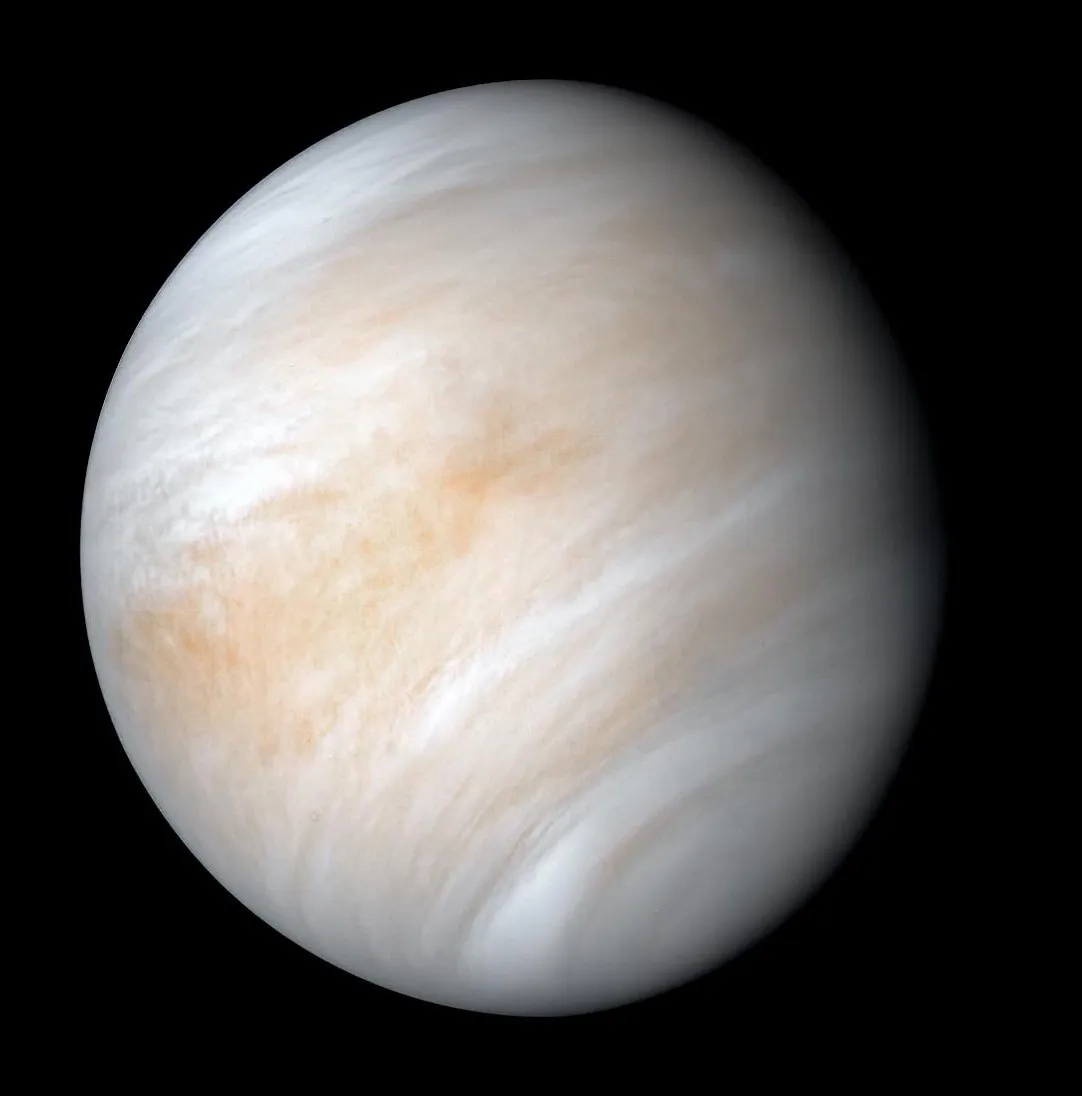
太陽に最も近いわけではないが 最も熱い 地球の温室効果は 464°Cで鉛を溶かすほどだ
フロム・ザ・サン: 0.7 AU · 日光を浴びて: 6 min · One day lasts: 2,802 h · 464 °C
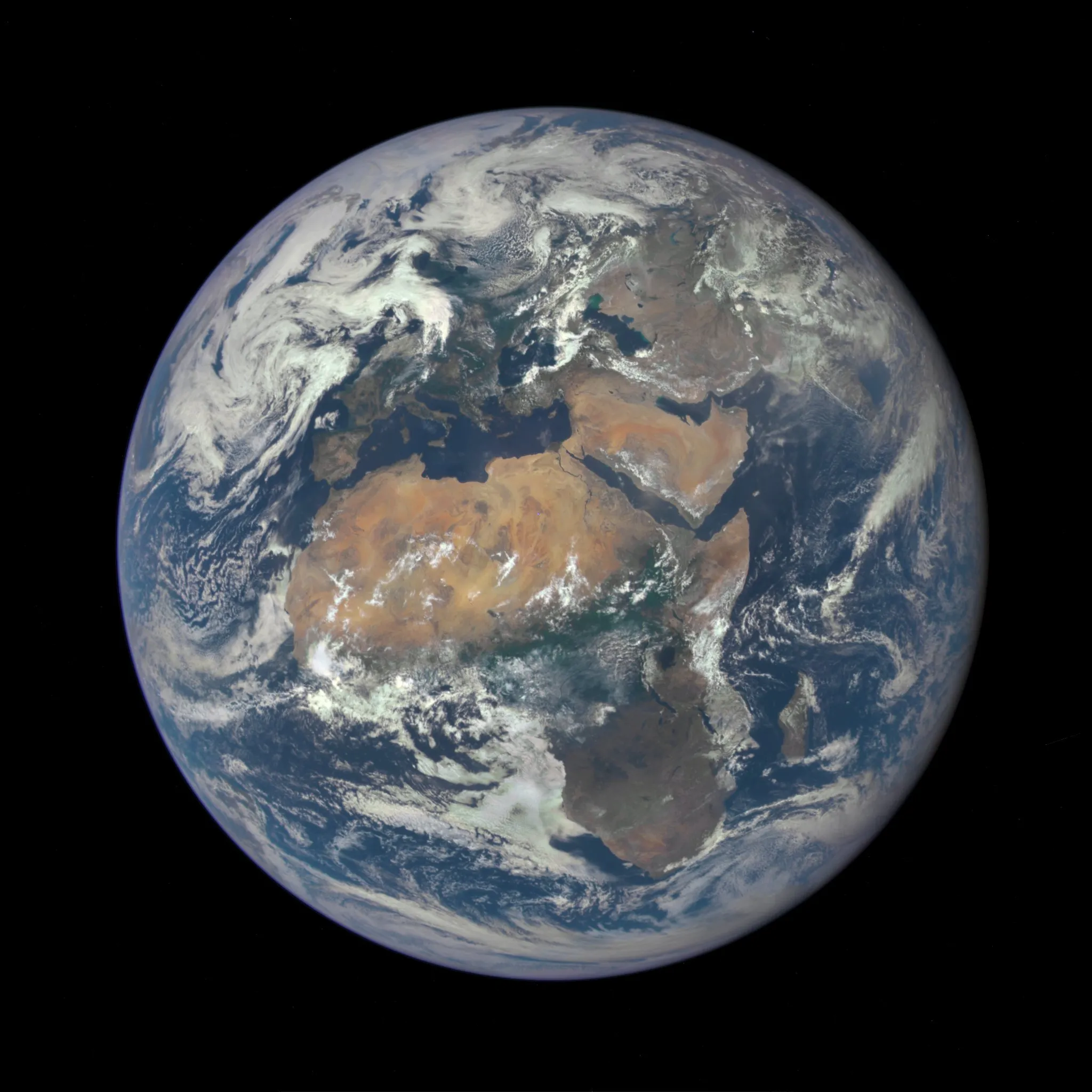
誰かが質問をした唯一の場所だ 我々が取り組んでいる全ての問題はここにある
フロム・ザ・サン: 1 AU · 日光を浴びて: 8.3 min · One day lasts: 24 h · 15 °C
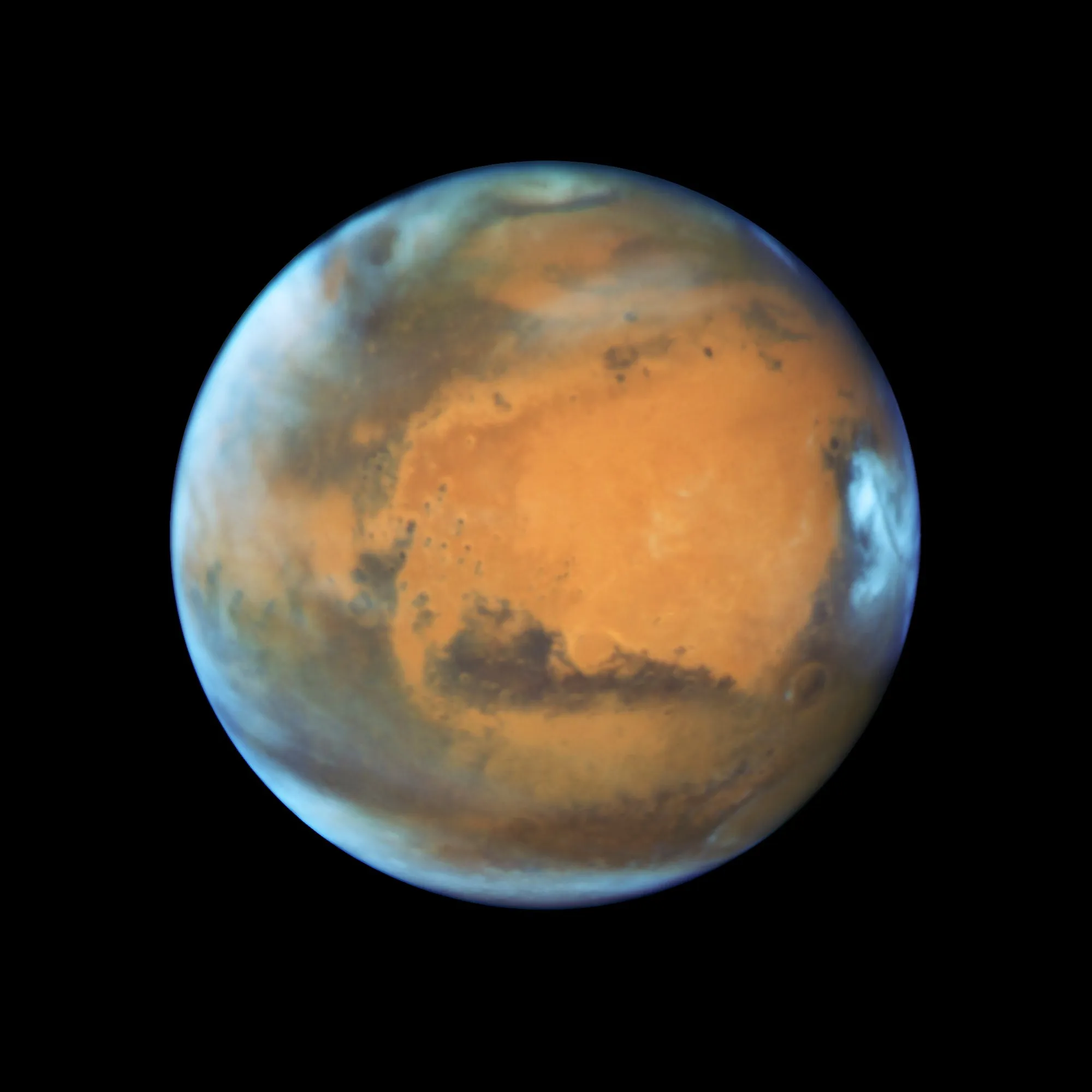
地球の半分の大きさで 夕日が青くなる 人々が歩き回る次の世界だ
フロム・ザ・サン: 1.5 AU · 日光を浴びて: 12.7 min · One day lasts: 24.7 h · -65 °C
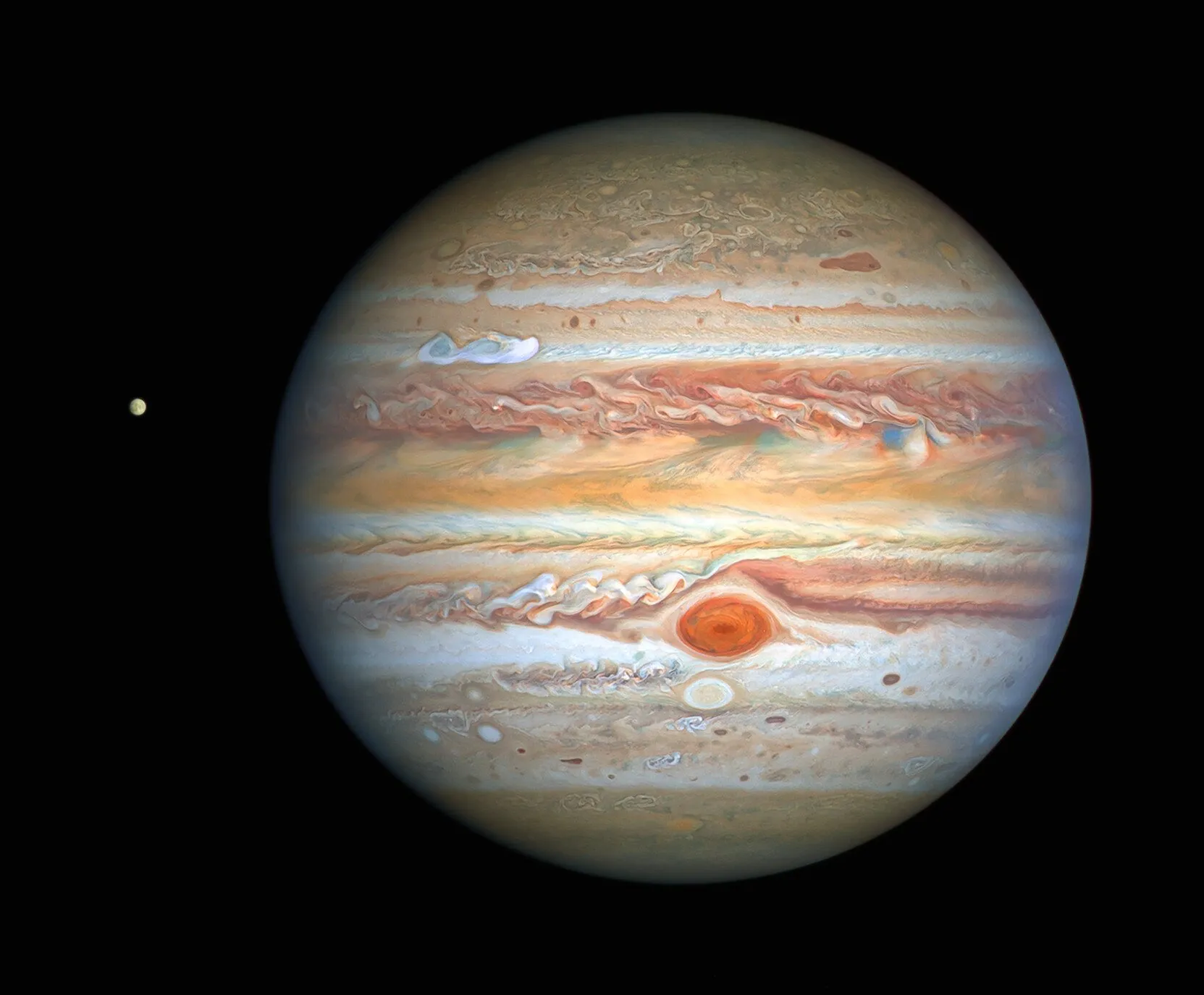
More than twice the mass of all the other planets combined. Its Great Red Spot is a storm wider than Earth.
フロム・ザ・サン: 5.2 AU · 日光を浴びて: 43.3 min · One day lasts: 9.9 h · -110 °C
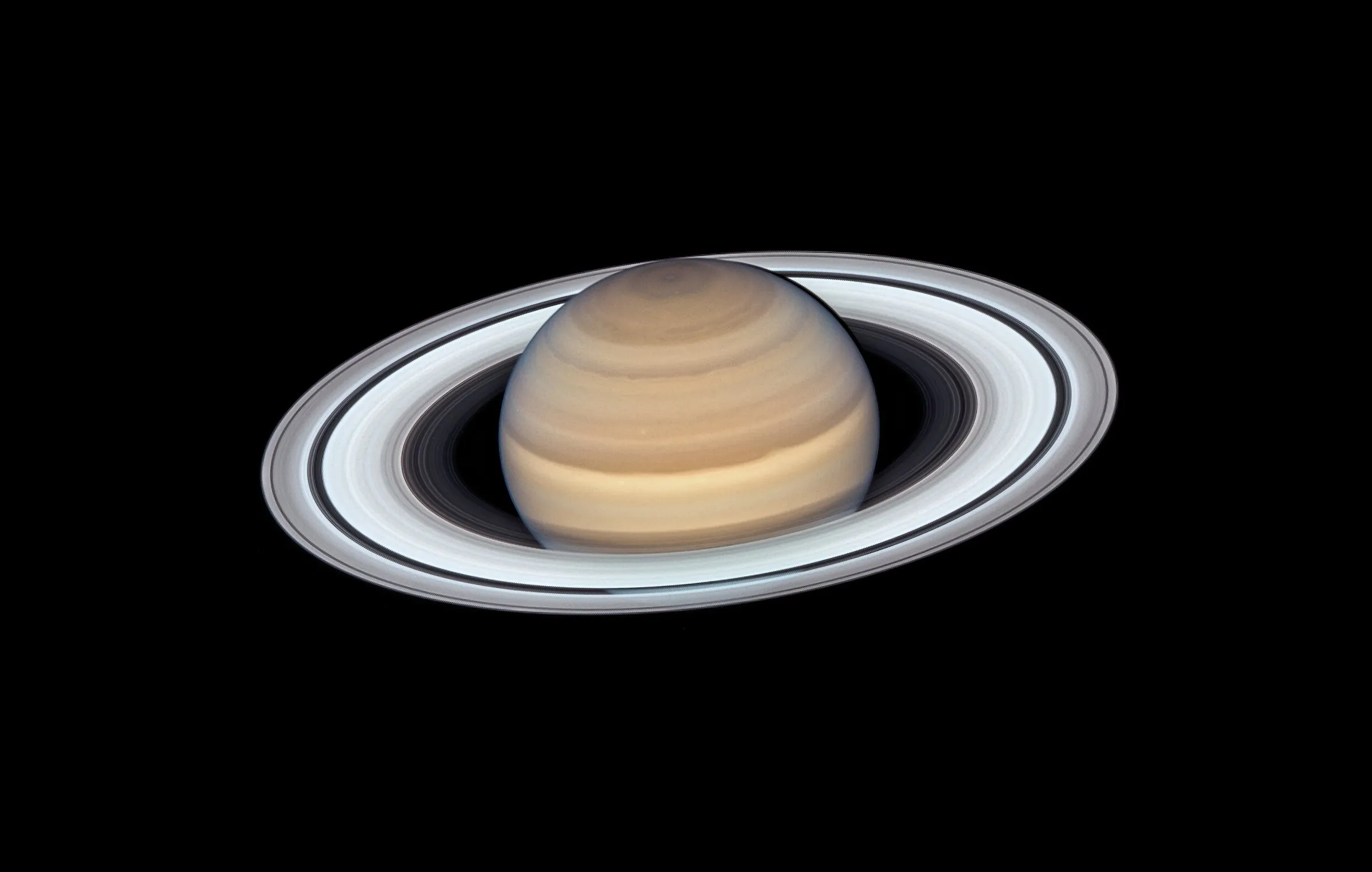
Rings wider than 270,000 km and, in places, about ten metres thick. Saturn is less dense than water.
フロム・ザ・サン: 9.5 AU · 日光を浴びて: 1 h 19 min · One day lasts: 10.7 h · -140 °C
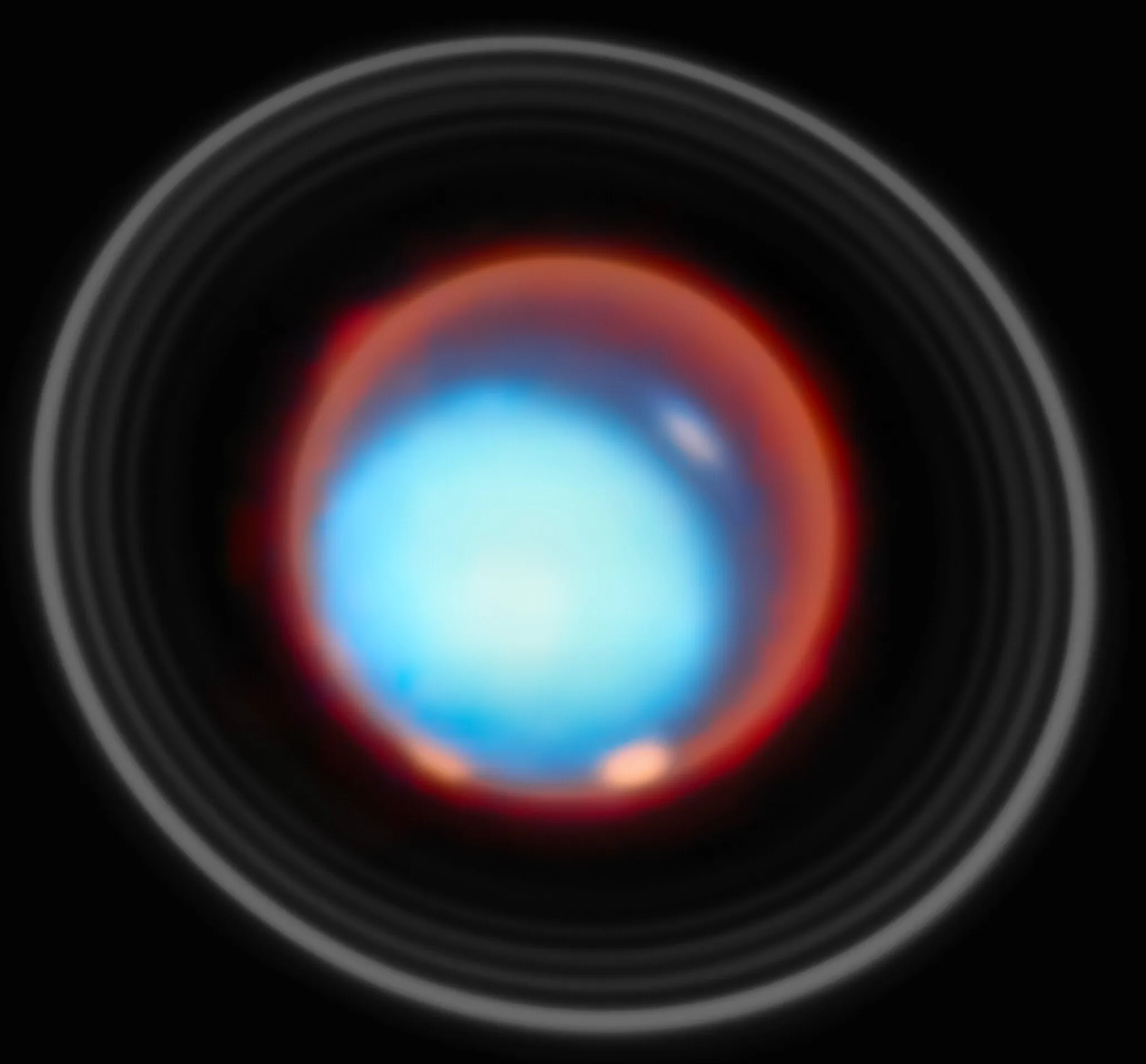
98度傾けて太陽の周りを回る それぞれの極には42年間の昼光と 42年間の夜がある
フロム・ザ・サン: 19.2 AU · 日光を浴びて: 2 h 40 min · One day lasts: 17.2 h · -195 °C
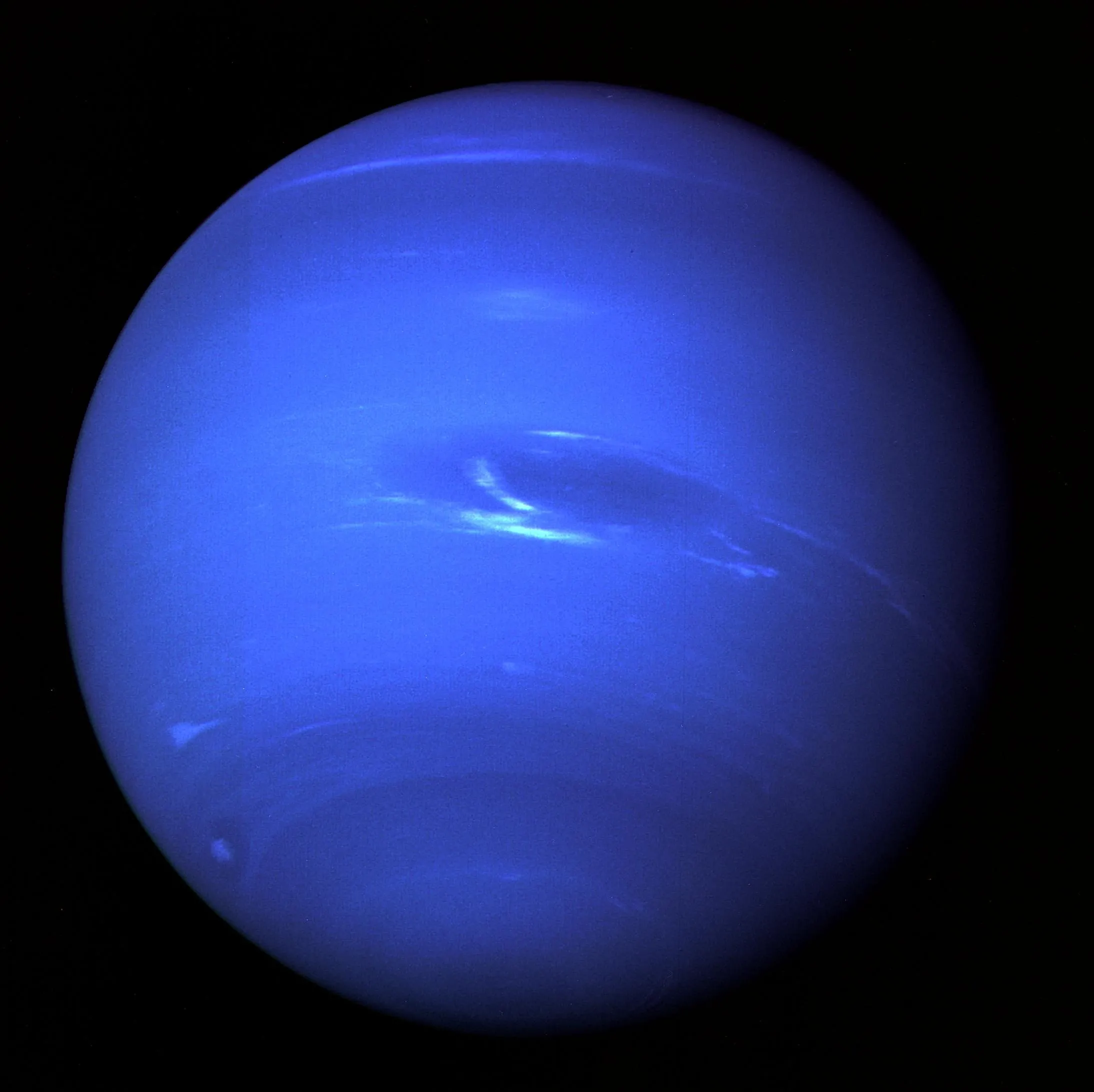
風速は時速2000キロメートルに達し、太陽系で最も速い。ここでは太陽は空の中で一番明るい星です。
フロム・ザ・サン: 30.1 AU · 日光を浴びて: 4 h 10 min · One day lasts: 16.1 h · -200 °C
You just crossed 4.5 billion kilometres. Light needs about four hours for the same trip.
軌道の本当の仕組みを学ぶ地球上の問題は全て知識の問題です 我々は我々の惑星に対する最大の脅威の背後にある科学を説明し、誰でも無料で宇宙の物理学を教えます。
全ての寄付金は 財務省に送られる
NASA, ESA, CSA, STScI; J. DePasquale, A. Koekemoer, A. Pagan (STScI) (CC BY 4.0)
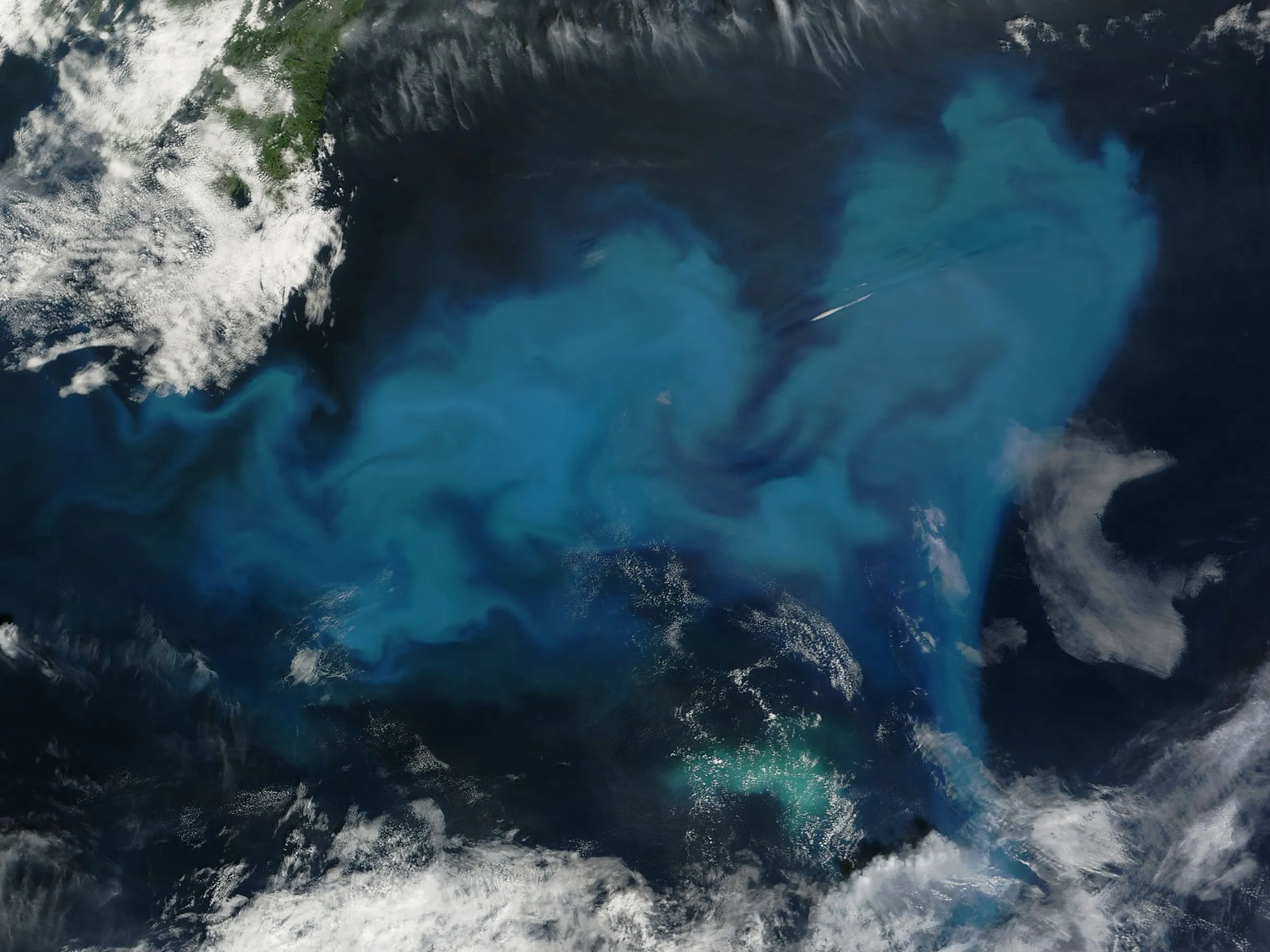
NASA
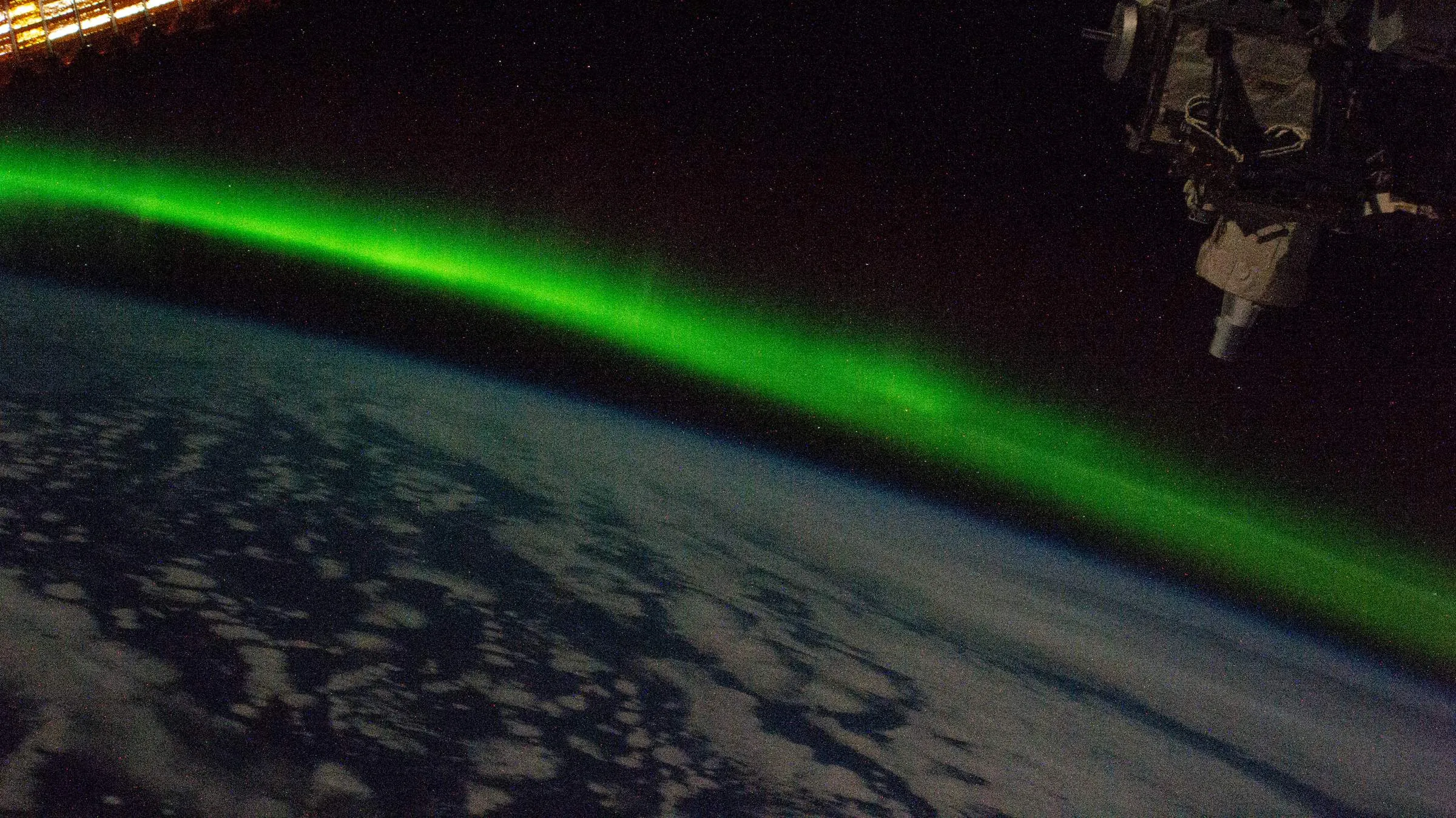
NASA
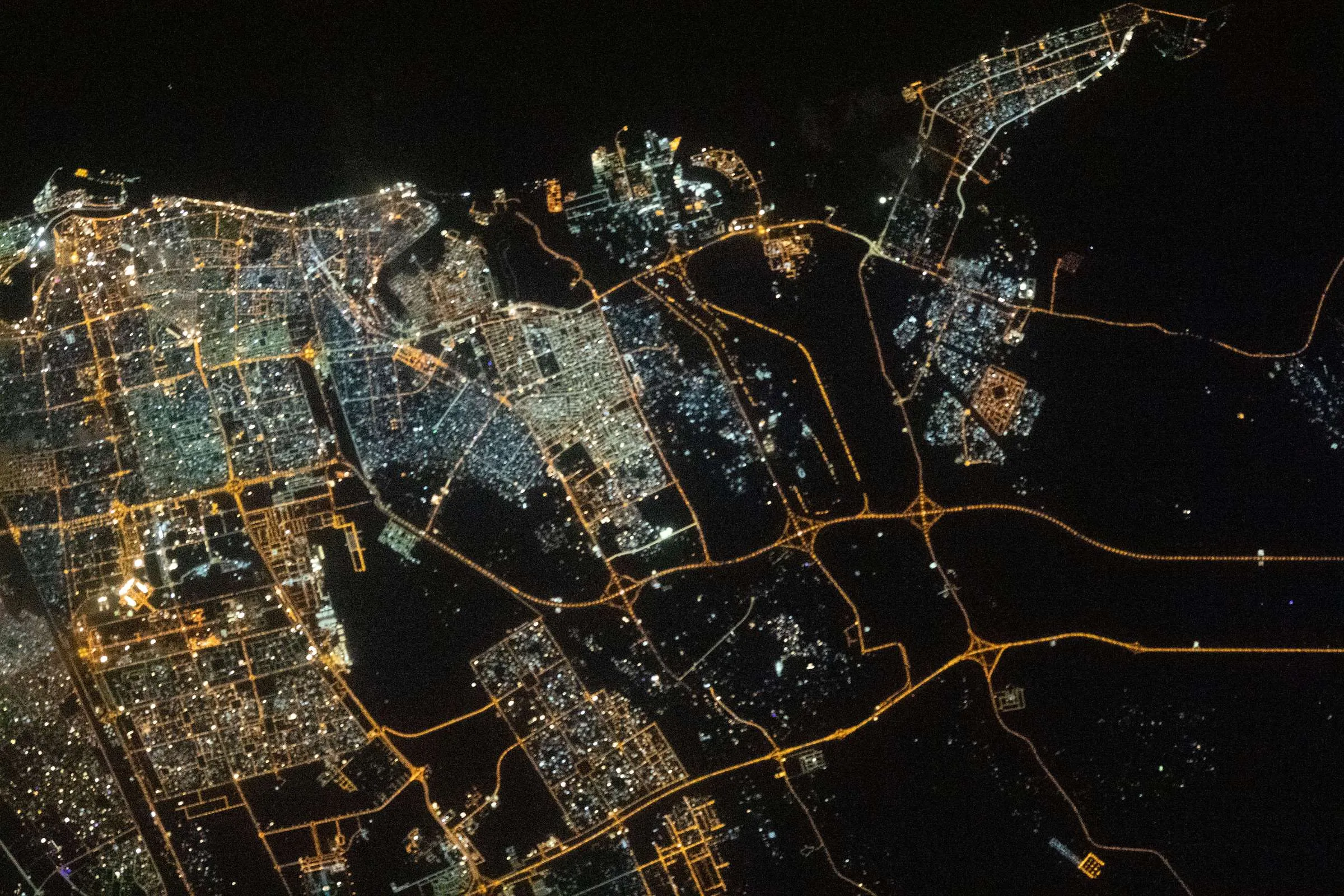
Eight in ten people live under light-polluted skies, and one in three can no longer see the Milky Way from home. We fight for dark skies and follow the research on healthy ageing.
エクスプローラー レッド・イニシアティブNASA
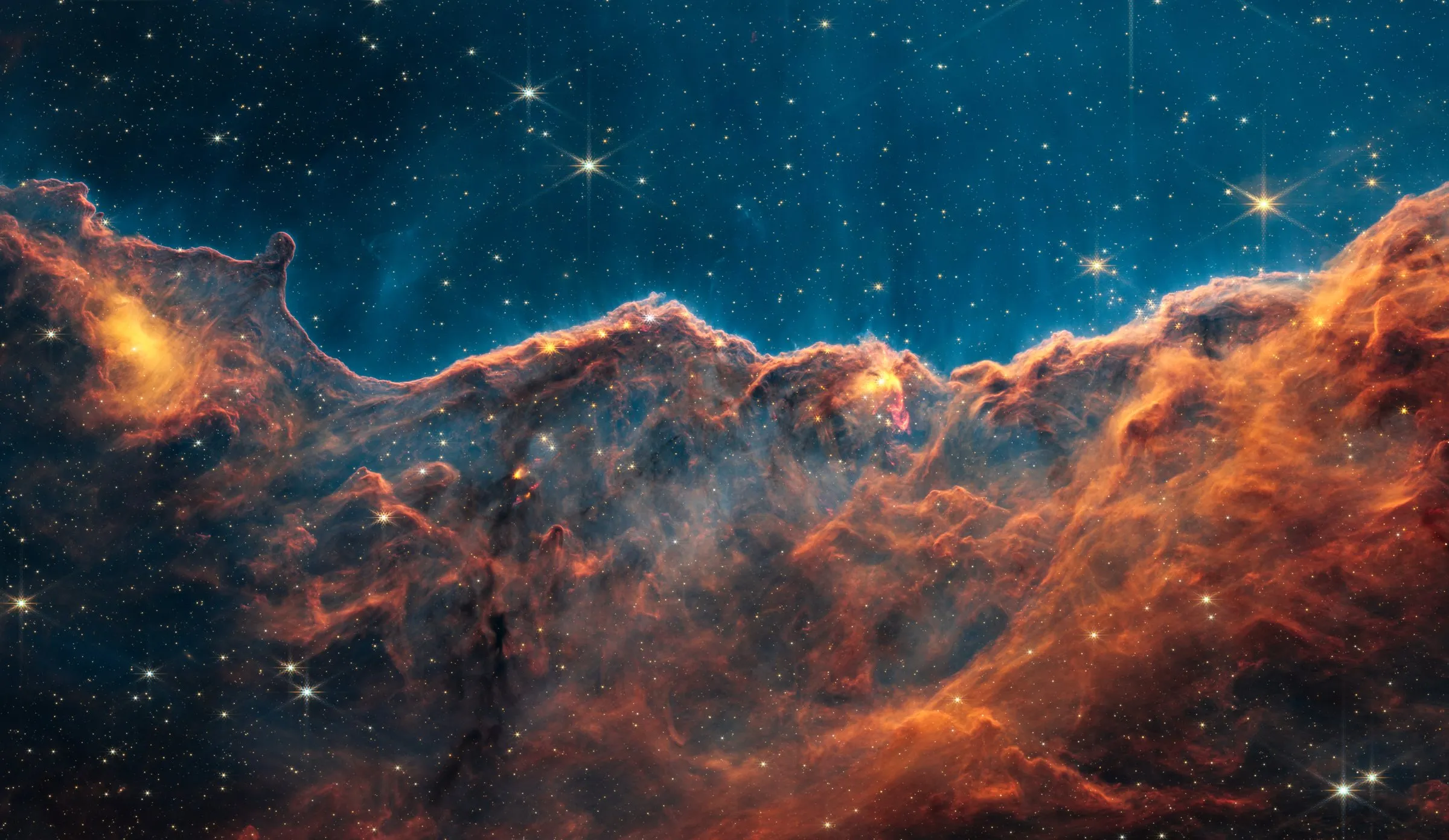
No account, no fee, no ads. Start with the scale of the solar system, end up planning a trip to Mars. Every lesson comes in three depths, from a first look to university level.
NASA, ESA, CSA, and STScI, J. DePasquale (STScI) (CC BY 4.0)
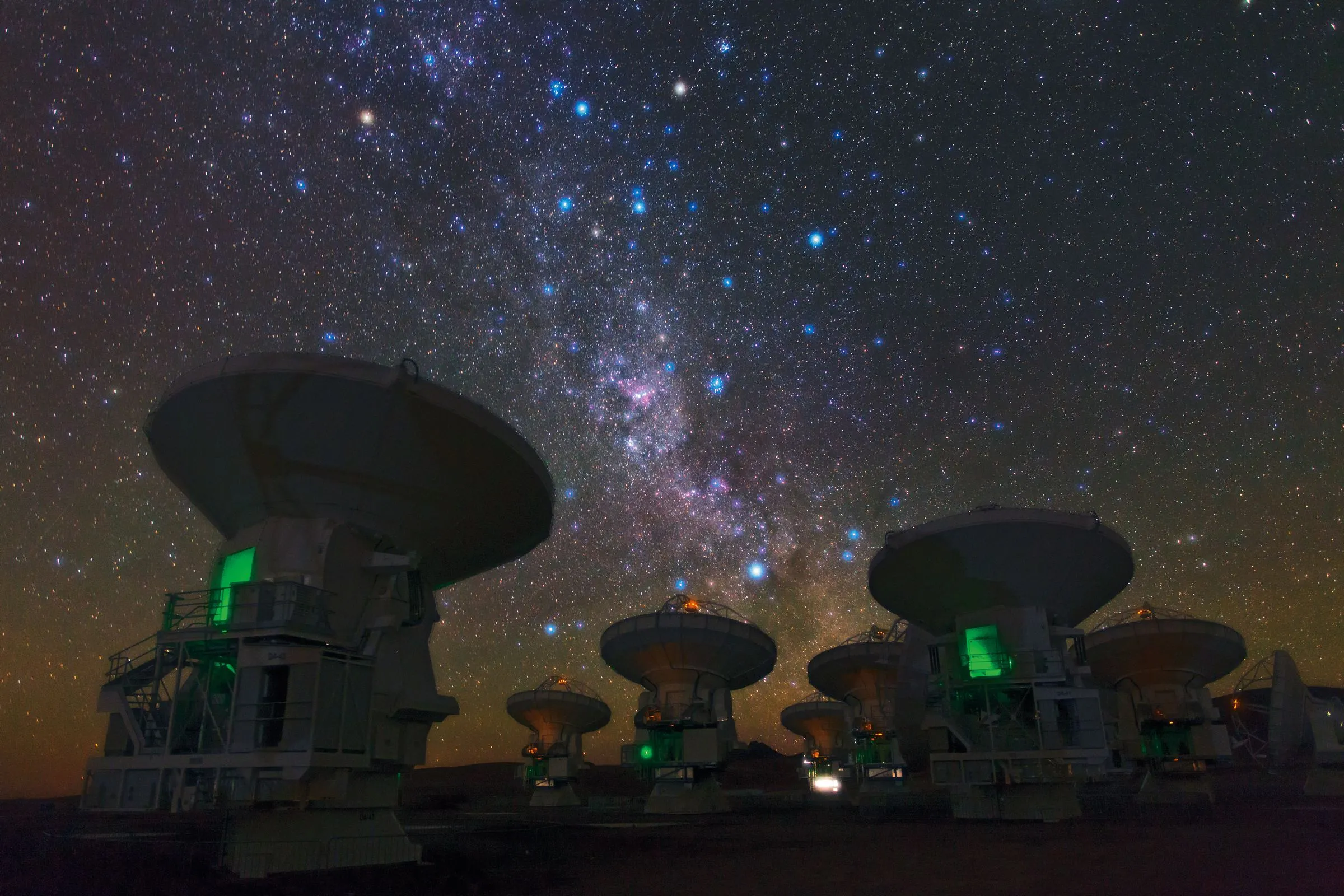
For all of history, anyone could look up and see the Milky Way. Today one person in three cannot, and eight in ten live under skies that are never truly dark. The fix is cheap: shield the light, dim it, turn it off when no one needs it.
ESO/B. Tafreshi (twanight.org) (CC BY 4.0)
レッスンを翻訳し、物理学をチェックし、ツールを作り、暗い空の夜を組織します。すべての貢献はログされ、定期的な貢献者は DAO のメンバーになり得ます。
タスクを検索すべての寄付は、プロジェクトが必要とする全てを支払う一つの財務省に行く: それを構築する人々、供給者とサービス、サーバ、ソフトウェアとライセンス、研究とテスト。
NASA