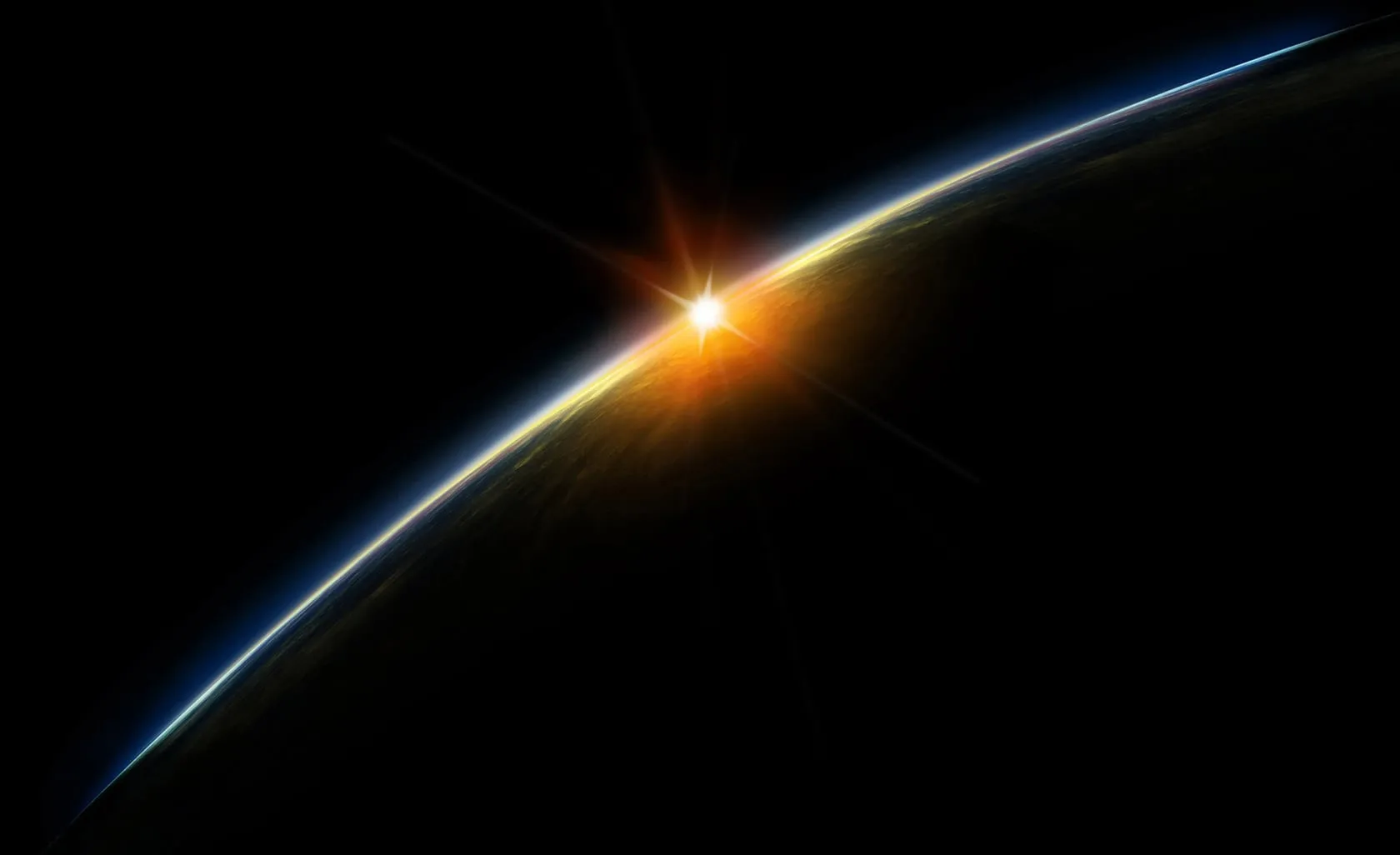
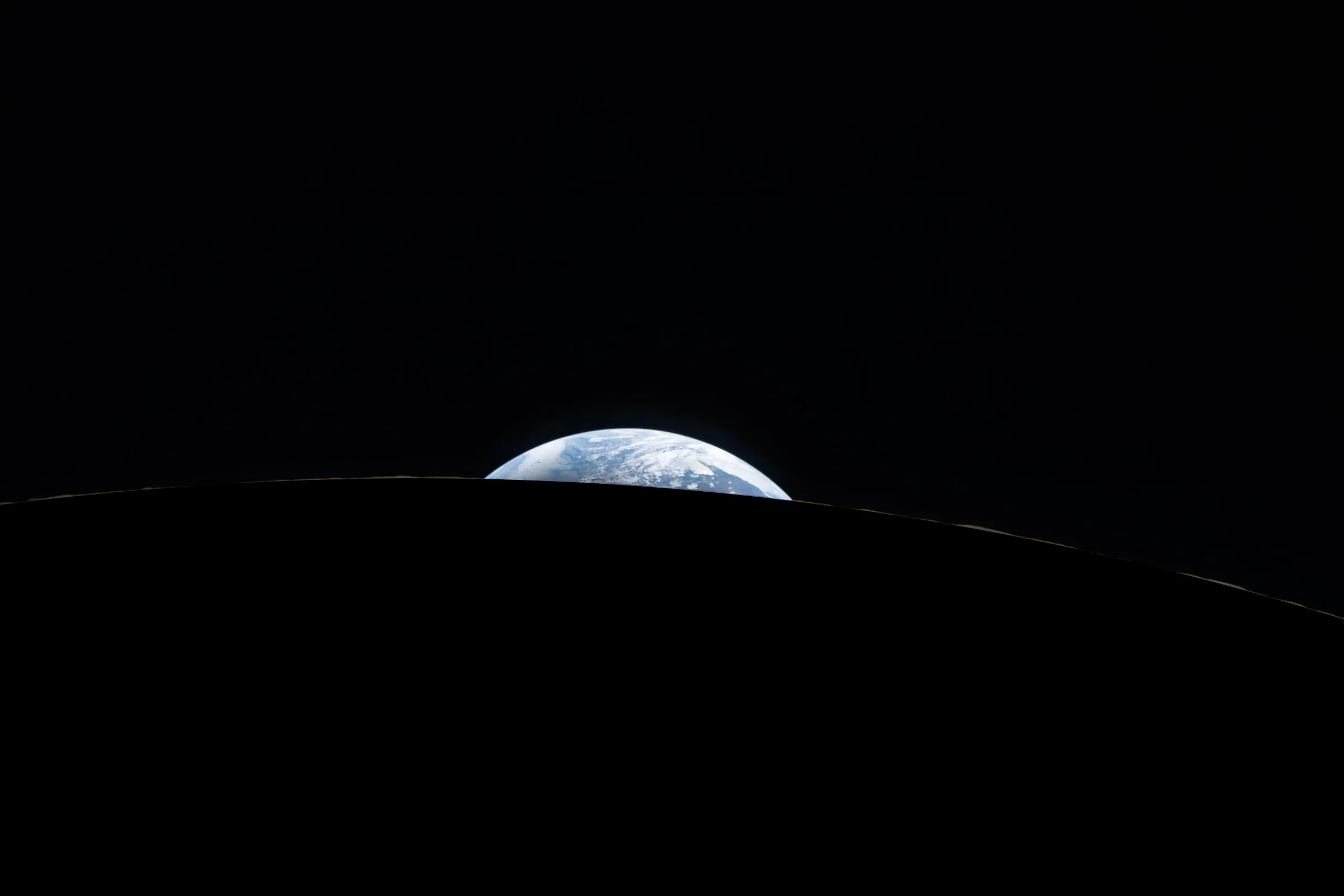
The Sun rising over the curved horizon of the Earth, seen from space.
Local Solar System

Applying Capitalism to Science

Free knowledge and open research for our one shared planet, and a path to the worlds beyond it for everyone who looks up.

The journey

Nine worlds, true to scale

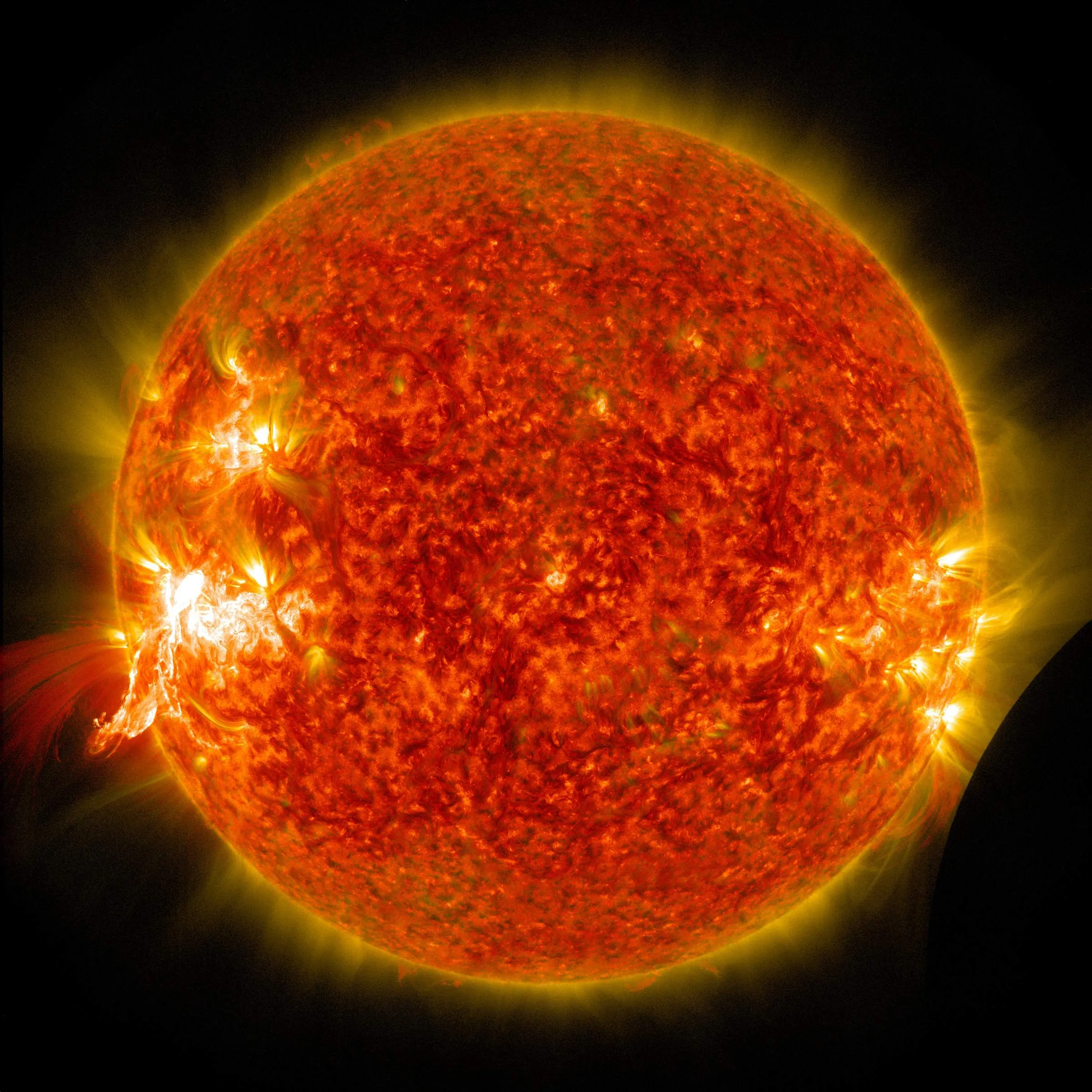
Sun

Everything starts here. The Sun holds 99.86% of all the mass in the solar system: a fusion reactor 109 Earths wide.

From the Sun
0 AU
Sunlight takes
0 s
Average temperature
5,499 °C

Hover or tap the name and the numbers to discover more

NASA

  1. Sun

    Everything starts here. The Sun holds 99.86% of all the mass in the solar system: a fusion reactor 109 Earths wide.

    From the Sun: 0 AU · Sunlight takes: 0 s · 5,499 °C

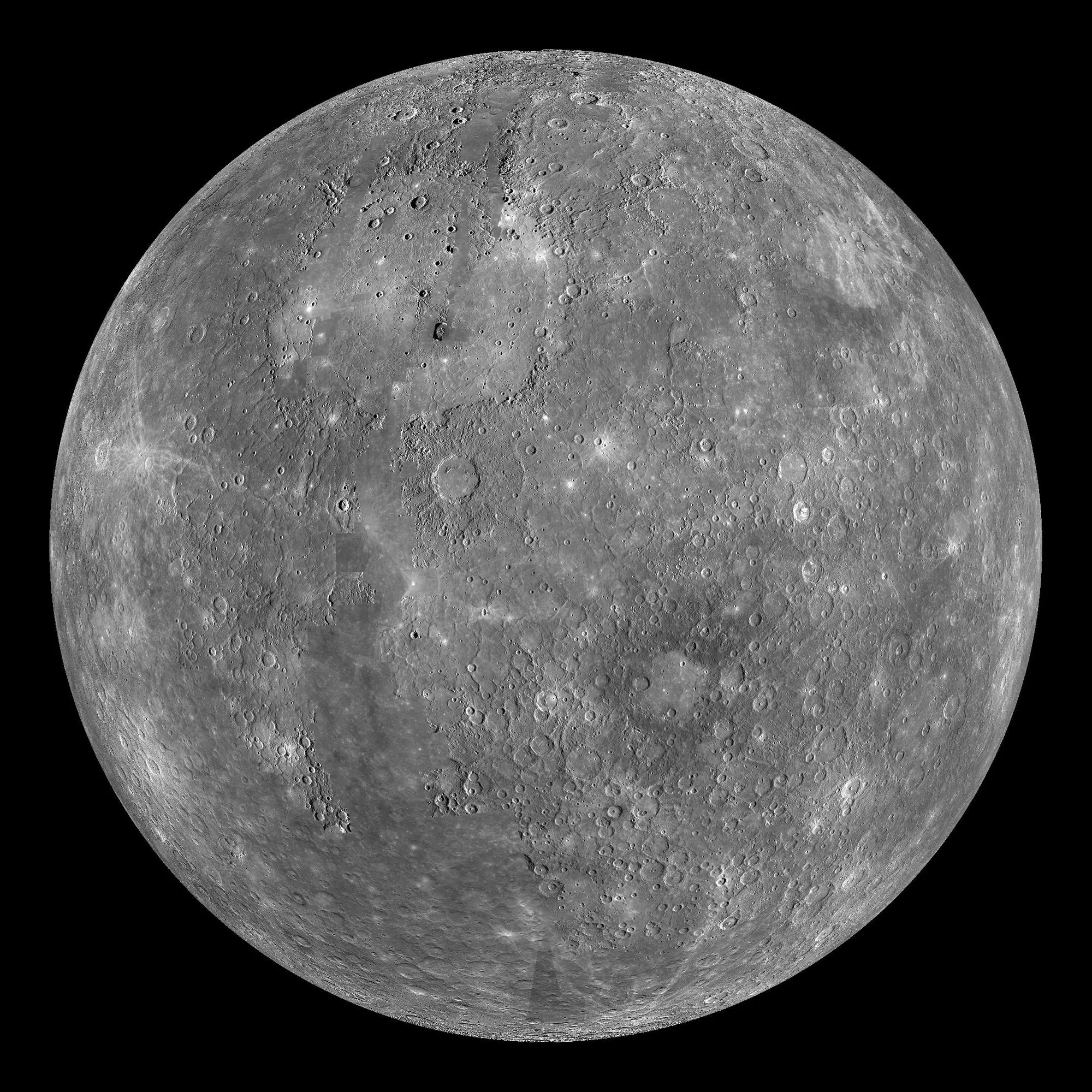
  2. Mercury

    A year here lasts 88 days, but one sunrise to the next takes 176. The fastest planet has the slowest days.

    From the Sun: 0.4 AU · Sunlight takes: 3.2 min · One day lasts: 4,222.6 h · 167 °C

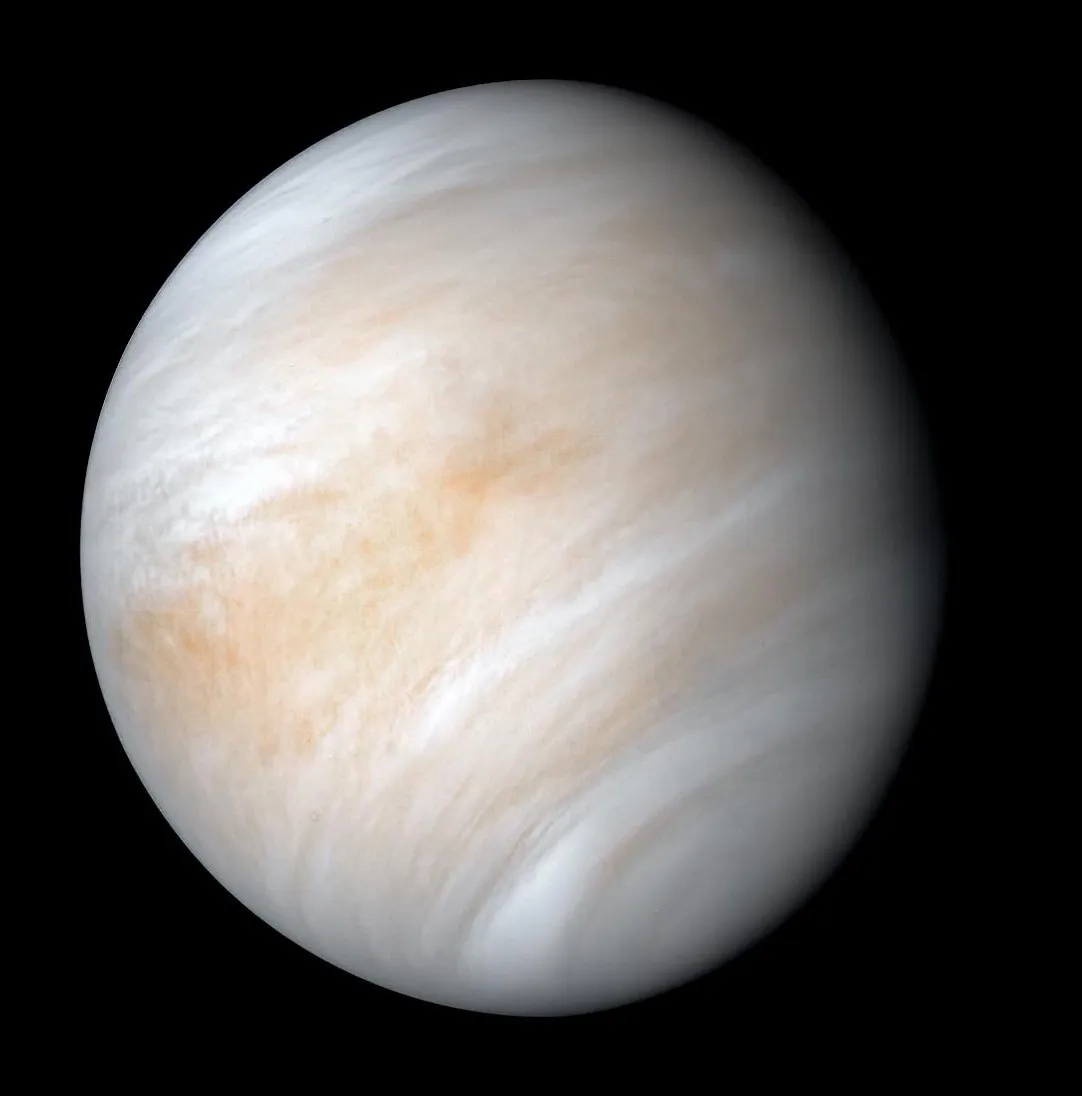
  3. Venus

    Not the closest to the Sun, yet the hottest. A runaway greenhouse keeps the ground at 464 °C, hot enough to melt lead.

    From the Sun: 0.7 AU · Sunlight takes: 6 min · One day lasts: 2,802 h · 464 °C

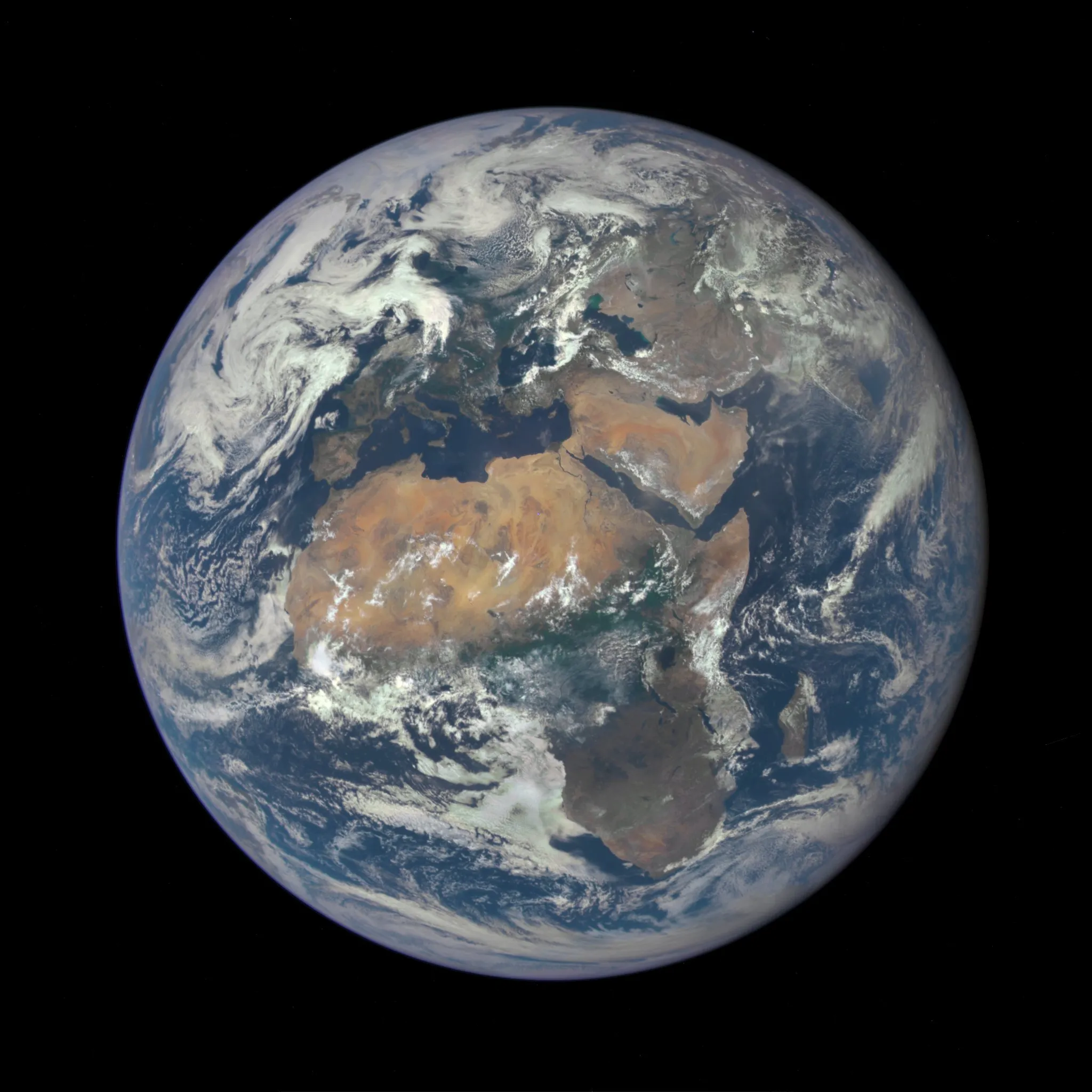
  4. Earth

    A pale blue dot, and the only place we know where anyone has ever asked a question. Every problem we work on lives here.

    From the Sun: 1 AU · Sunlight takes: 8.3 min · One day lasts: 24 h · 15 °C

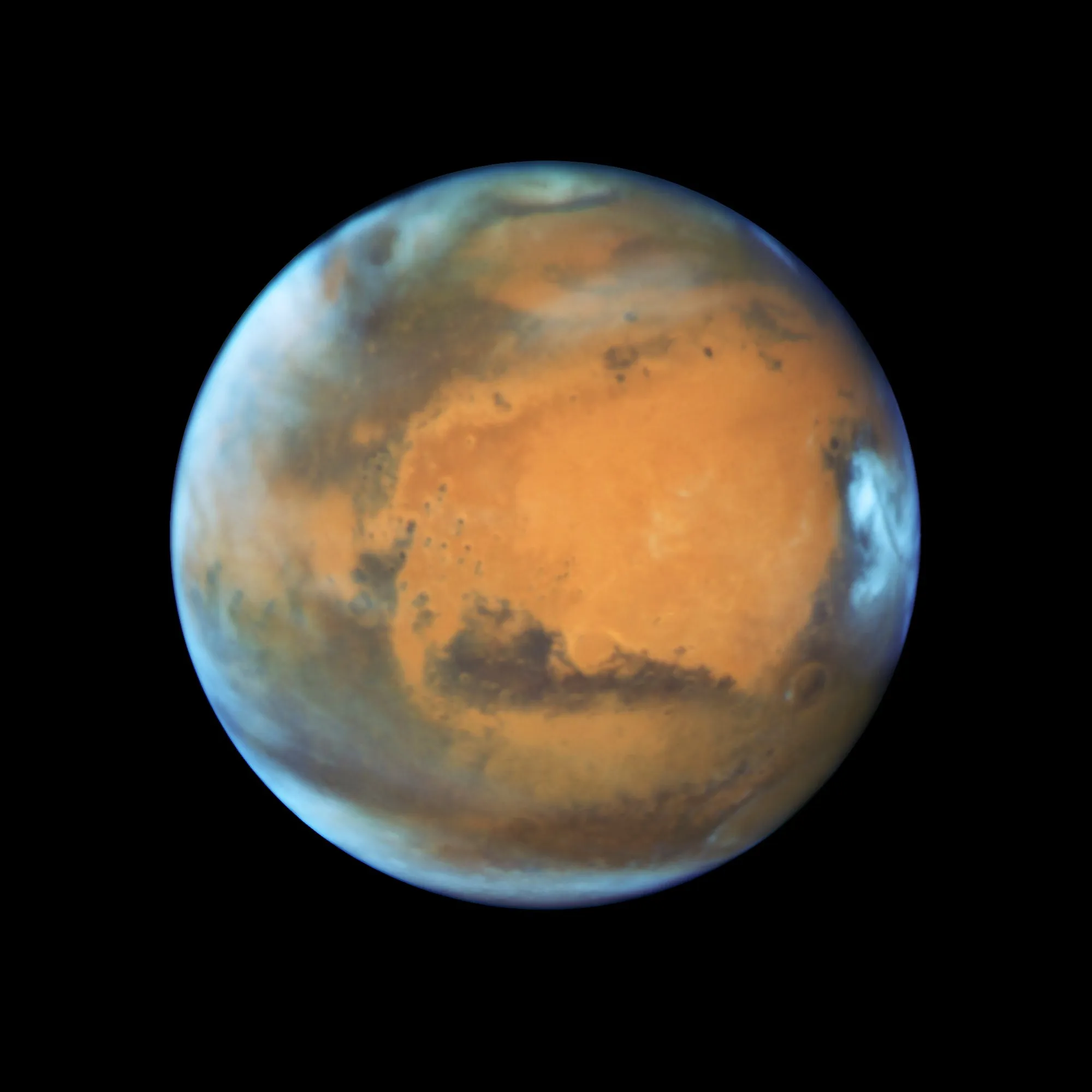
  5. Mars

    Half the size of Earth, with sunsets that turn blue. The next world people plan to walk on.

    From the Sun: 1.5 AU · Sunlight takes: 12.7 min · One day lasts: 24.7 h · -65 °C

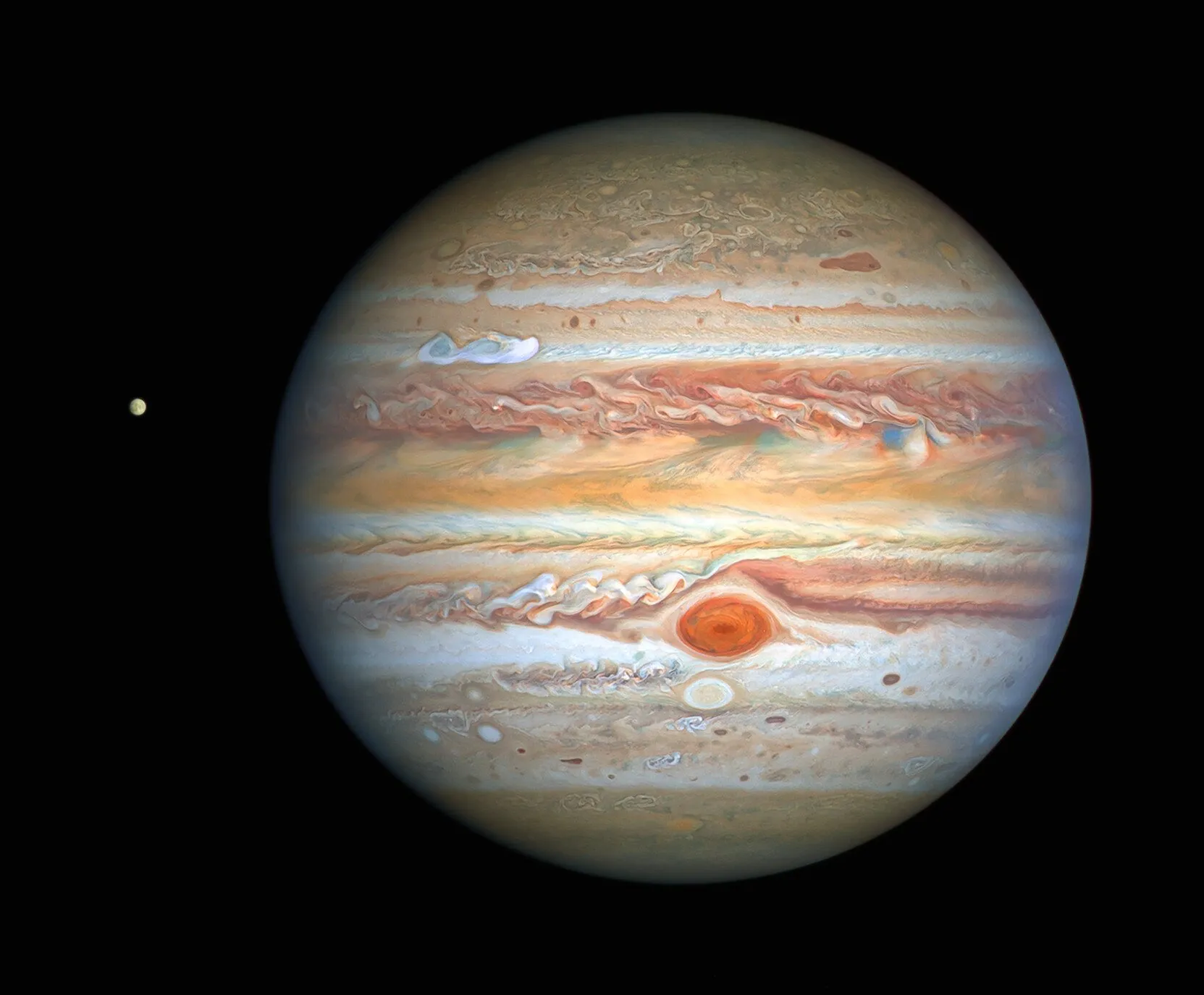
  6. Jupiter

    More than twice the mass of all the other planets combined. Its Great Red Spot is a storm wider than Earth.

    From the Sun: 5.2 AU · Sunlight takes: 43.3 min · One day lasts: 9.9 h · -110 °C

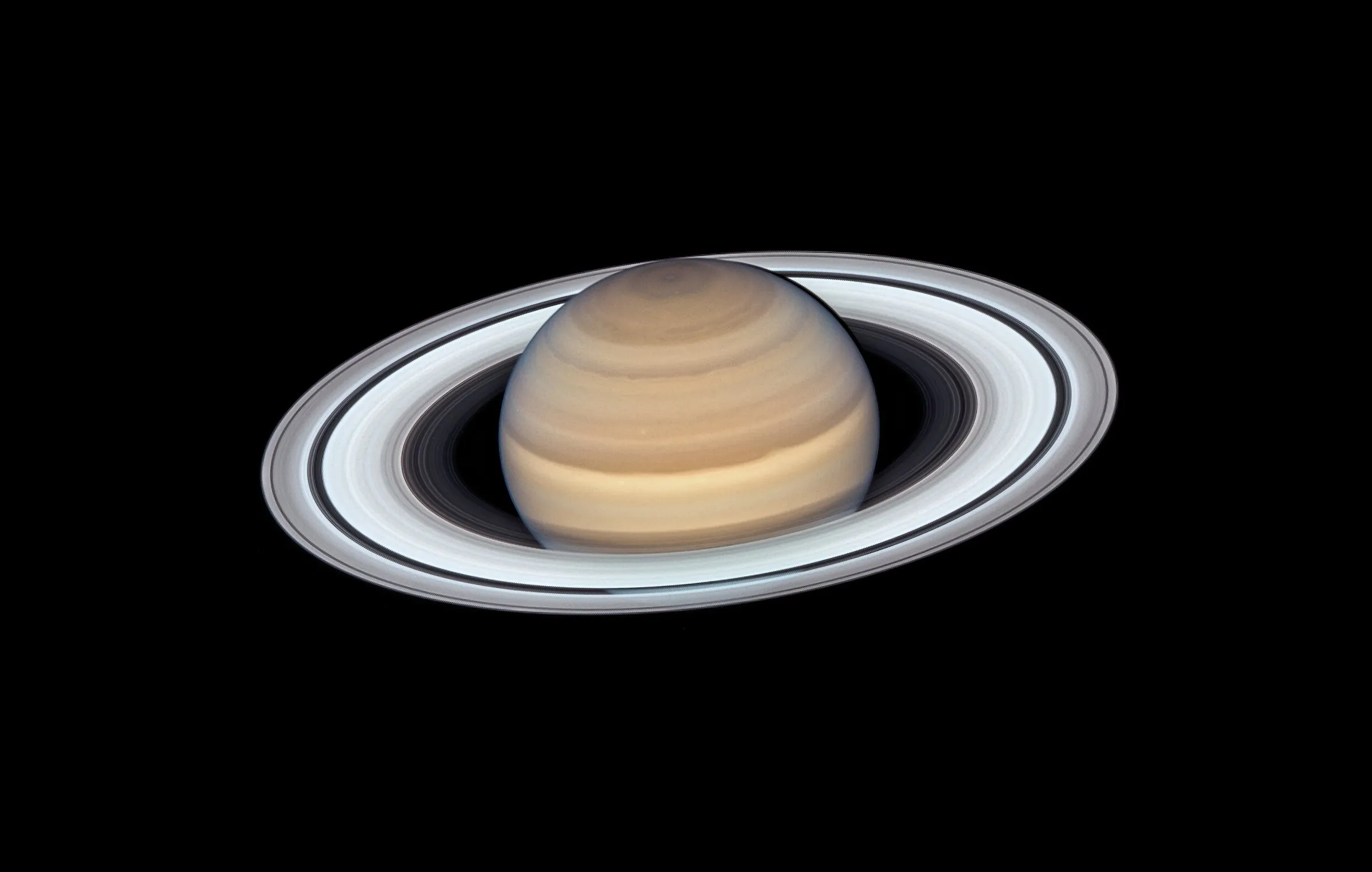
  7. Saturn

    Rings wider than 270,000 km and, in places, about ten metres thick. Saturn is less dense than water.

    From the Sun: 9.5 AU · Sunlight takes: 1 h 19 min · One day lasts: 10.7 h · -140 °C

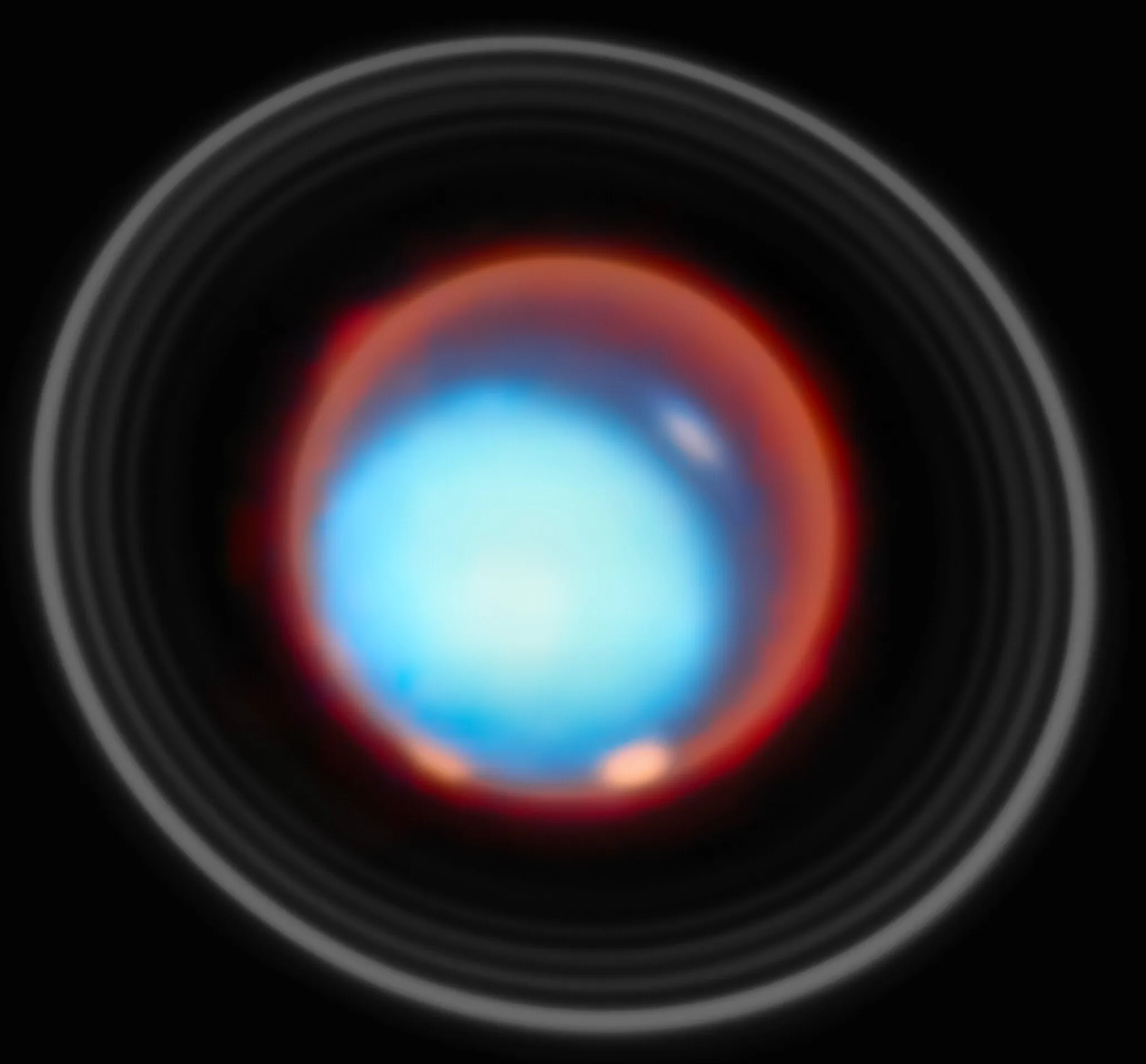
  8. Uranus

    Tipped over at 98 degrees, it rolls around the Sun. Each pole gets 42 years of daylight, then 42 of night.

    From the Sun: 19.2 AU · Sunlight takes: 2 h 40 min · One day lasts: 17.2 h · -195 °C

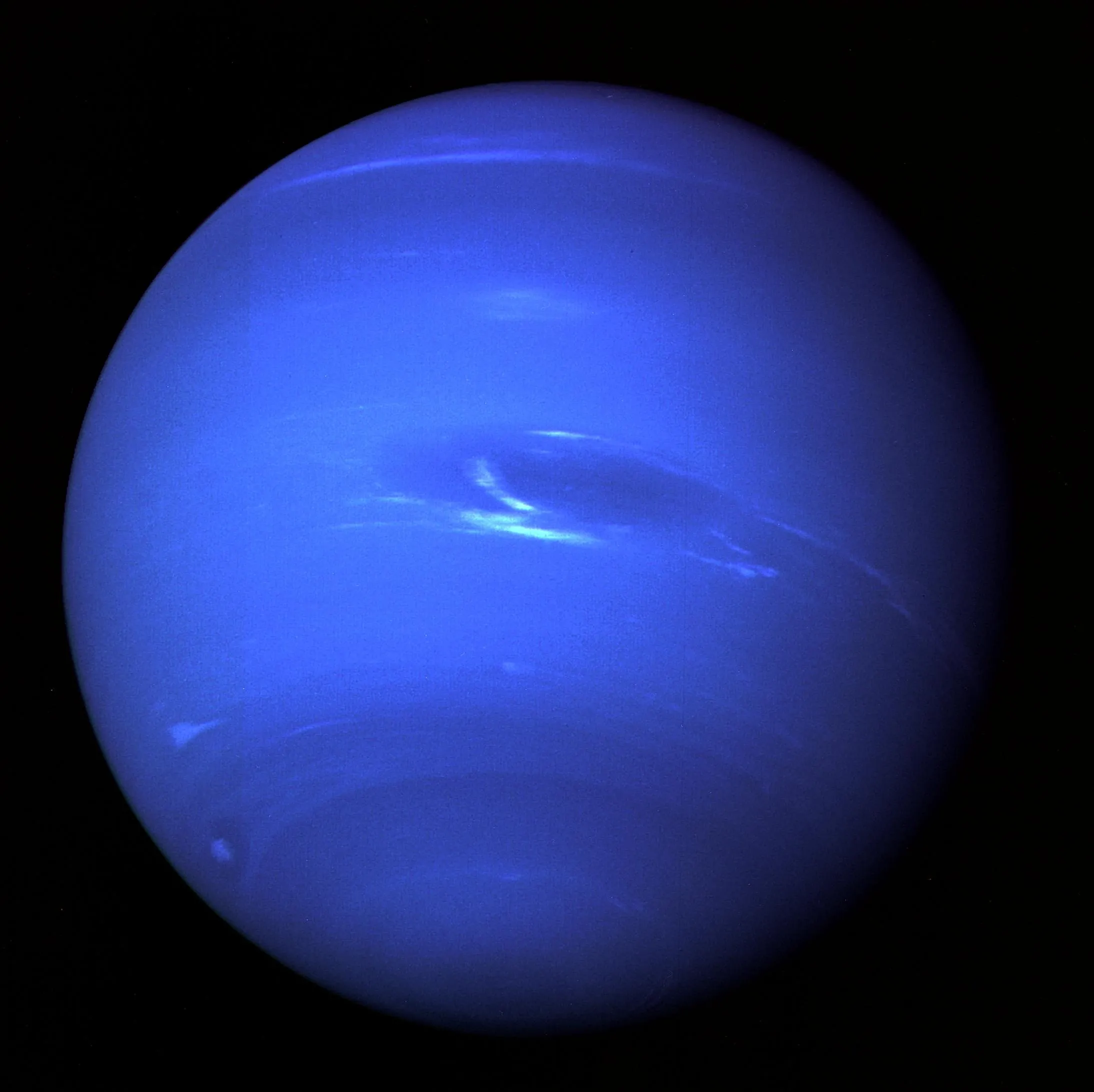
  9. Neptune

    Winds of up to 2,000 km/h, the fastest in the solar system. From here the Sun is only the brightest star in a black sky.

    From the Sun: 30.1 AU · Sunlight takes: 4 h 10 min · One day lasts: 16.1 h · -200 °C

You have just crossed 4.5 billion kilometres. Sunlight makes the same journey in about four hours, and it has been making it for four and a half billion years.

Learn how orbits really work

Every problem on Earth is, at heart, a problem of knowledge. We explain the science behind the threats to our only home, teach the physics of the sky to anyone who looks up, and fund it all in the open. No paywall. No shareholders. Only curiosity, aimed at the future.

Four initiatives

Where we work

Four ways of caring for one small planet: its oceans and air, its energy, the quality of the lives lived on it, and an open classroom for everyone who wants to reach beyond it.

Free space learning, current priority

Magenta Initiative

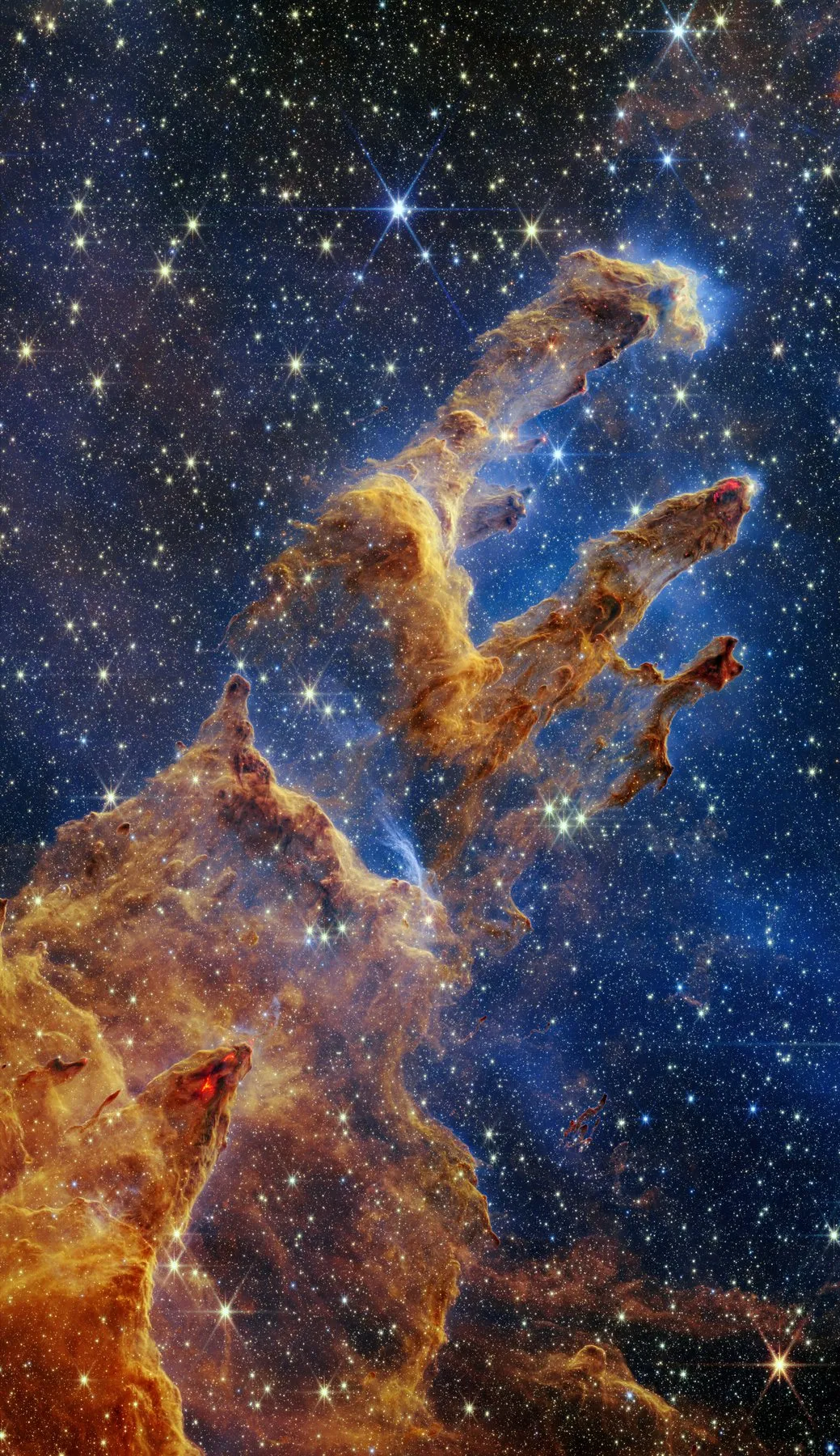
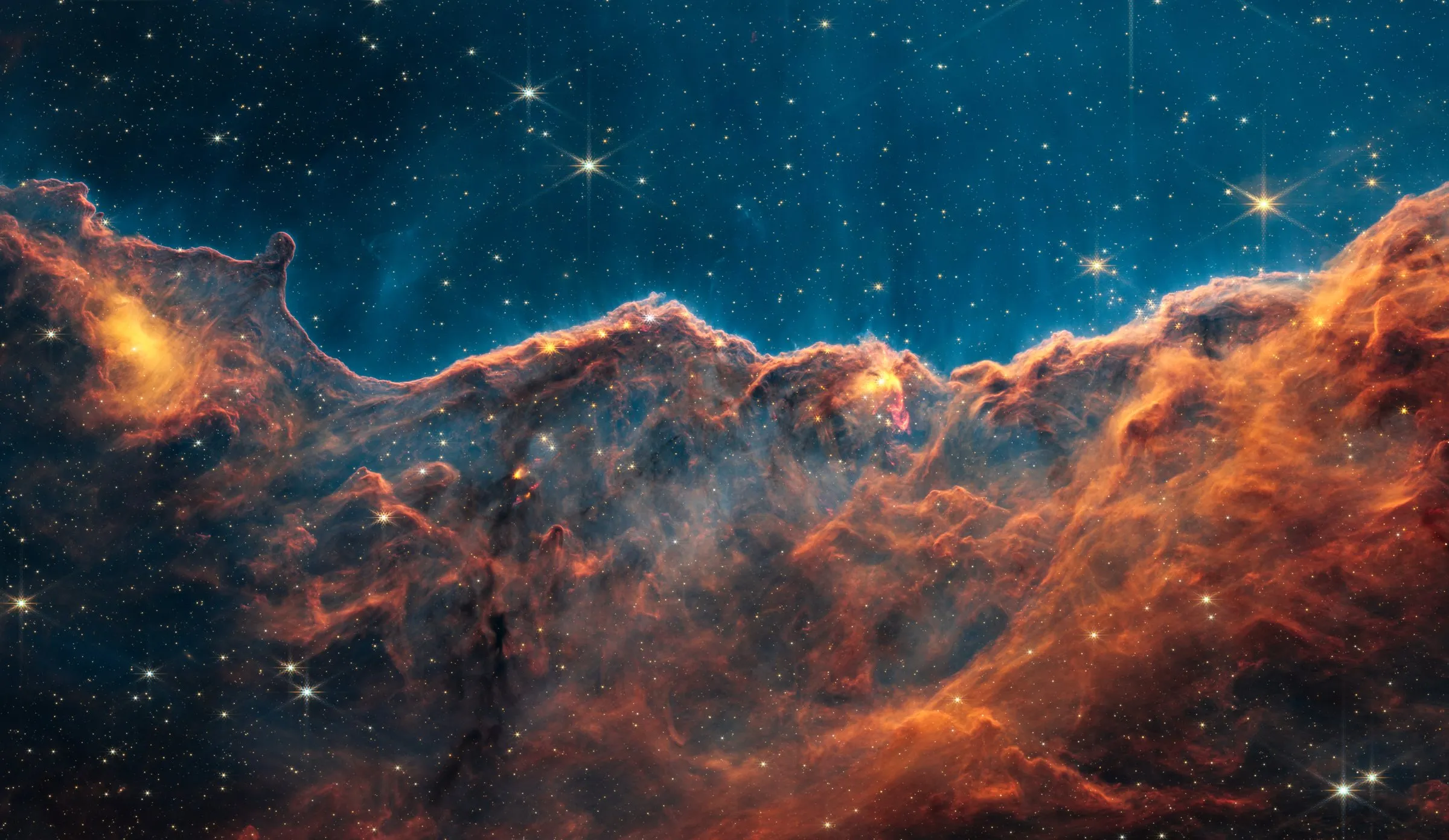
Courses and interactive tools that turn anyone into someone who understands orbits, rockets and the space economy. Free, forever.

Explore Magenta Initiative

NASA, ESA, CSA, STScI; J. DePasquale, A. Koekemoer, A. Pagan (STScI) (CC BY 4.0)

Urgent environmental threats

Blue Initiative

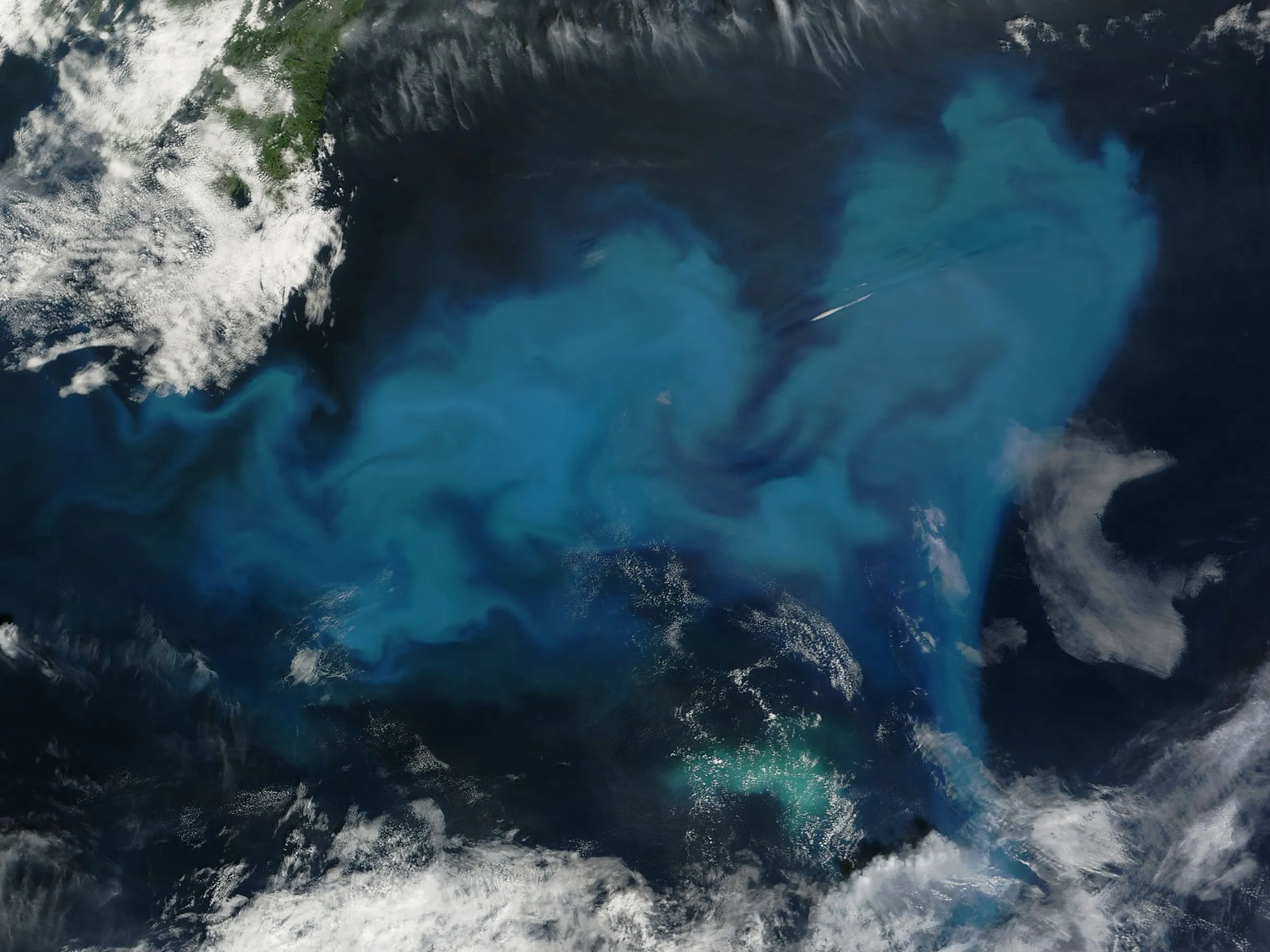
Oceans choking on plastic, air we cannot see, seas that rise a few millimetres a year. We explain the science and the numbers behind them.

Explore Blue Initiative

NASA

Energy and natural resources

Green Initiative

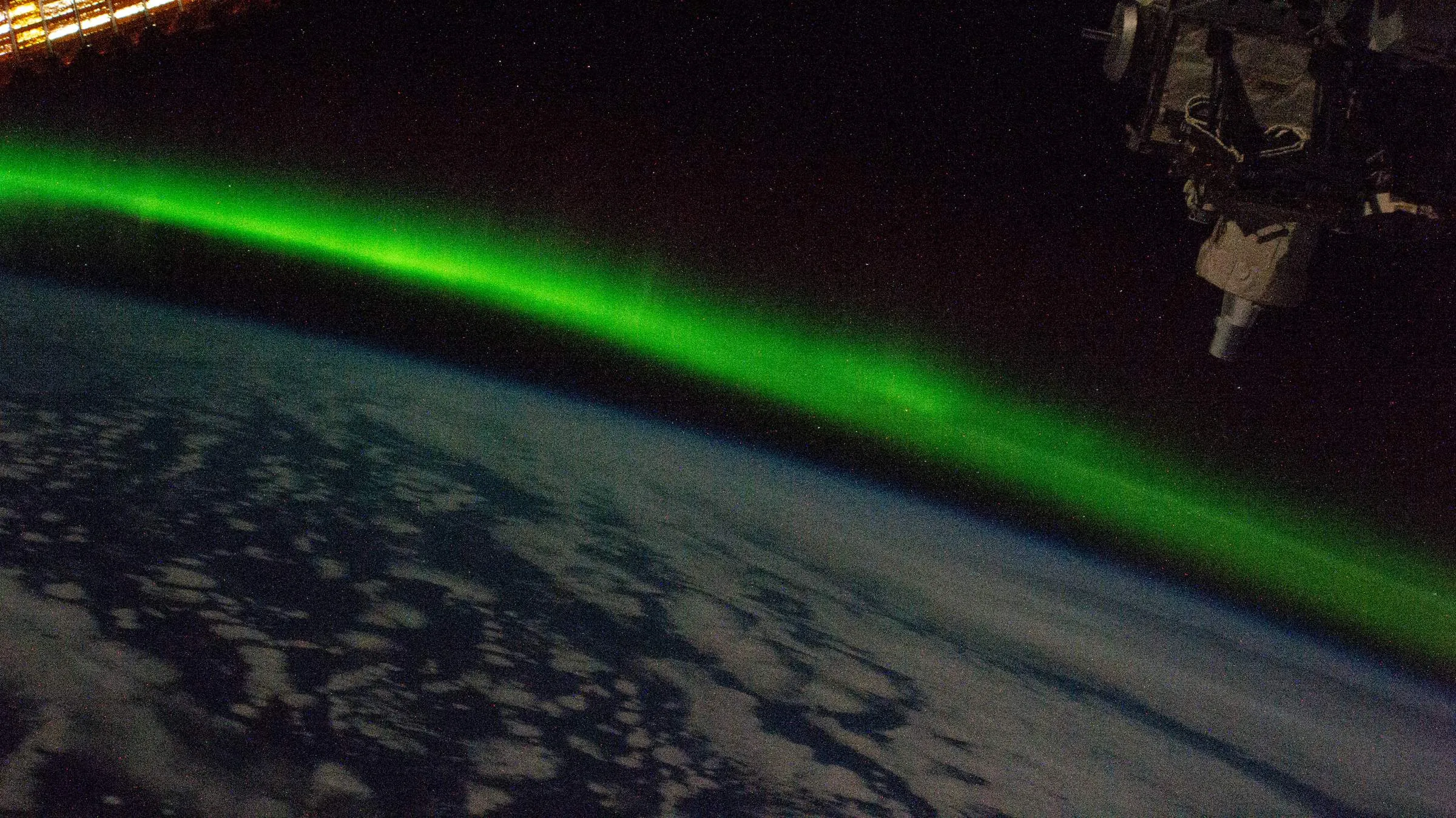
Every watt has a cost somewhere. We follow how population, consumption and technology shape what our one planet can give.

Explore Green Initiative

NASA

Quality of life

Red Initiative

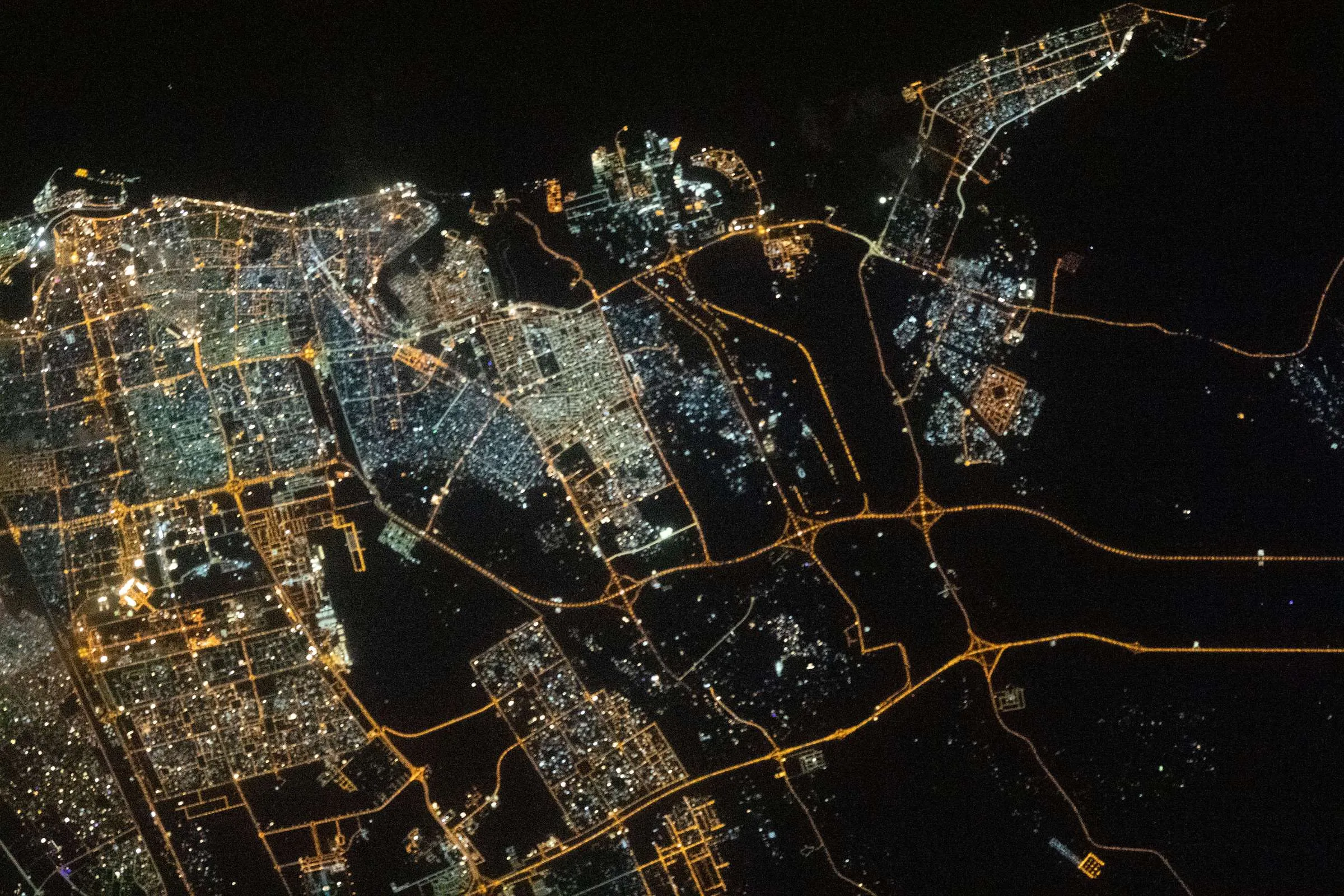
Eight in ten people live under light-polluted skies, and one in three can no longer see the Milky Way from home. We fight for dark skies and follow the research on healthy ageing.

Explore Red Initiative

NASA

Magenta initiative

Learn the sky. Free, forever.

No account, no fee, no ads. Start with the scale of the solar system, end up planning a trip to Mars. Every lesson comes in three depths, from a first look to university level.

NASA, ESA, CSA, and STScI, J. DePasquale (STScI) (CC BY 4.0)

Night sky

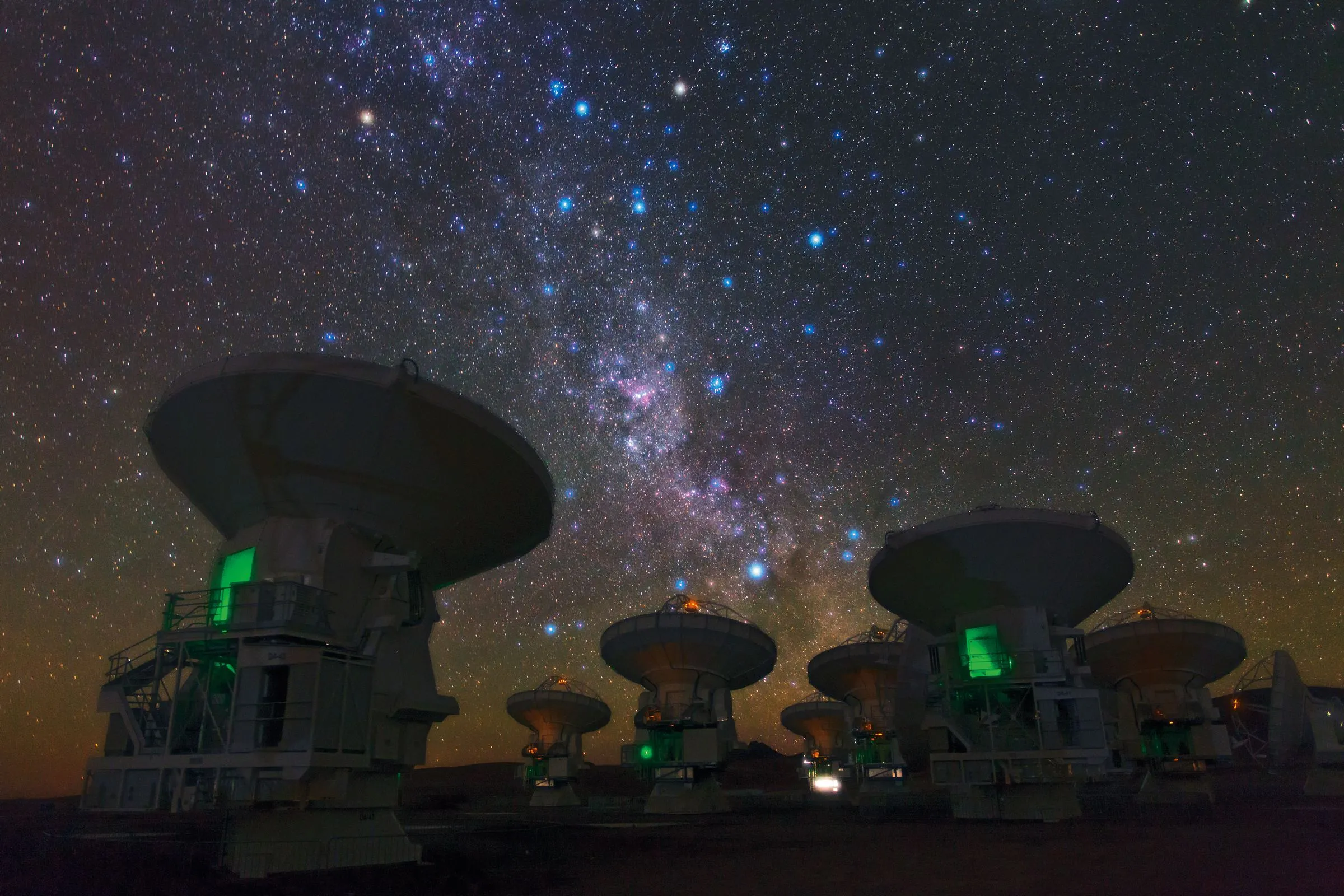
We are losing the stars

For all of human history, anyone could look up and find the Milky Way. Today one person in three never sees it, and eight in ten live under skies that are never truly dark. The cure is simple: shield the light, soften it, and let the night return when no one needs it.

80%of the world's population lives under light-polluted skies. [source]
99%of people in the United States and Europe live under light-polluted night skies. [source]
1 in 3people on Earth can no longer see the Milky Way from where they live. [source]
9.6%average yearly brightening of the night sky seen by citizen scientists, 2011 to 2022. [source]
Bring back the stars

ESO/B. Tafreshi (twanight.org) (CC BY 4.0)

Get involved

Lend a hand, not a coin

Translate a lesson, check the physics, build a tool, organise a dark-sky night. Every contribution is logged, and regular contributors can become members of the DAO.

Find a task
If this taught you something

Help keep it free

Everything here is free, and always will be. If the site has given you something, a donation helps keep the lessons, tools and research open for the next curious mind.

NASA