
Blue Initiative
From orbit, the planet is one blue sphere with no borders. Down here, one river carries a factory's waste into another nation's sea. The Blue Initiative follows that water, and that air, back to its source.
Seen from the International Space Station, Earth has one ocean, one atmosphere and weather systems the size of continents. What you cannot see from up there are the lines on our maps, and pollution cannot see them either. A fertiliser plume in one river becomes a dead zone off another coast. Smoke from one city settles into a sea thousands of kilometres away. The Blue Initiative explains these threats with the best available data, and shows what is known to work.
The initiative is an area of work and participation. Donations are not earmarked: they go to the project’s Treasury, which funds everything Local Solar System does, as explained on the donate page.
Four threats, one planet
- Ocean and water pollution. How water becomes polluted, who is affected, and what actually works to stop it. Read the water pollution explainer.
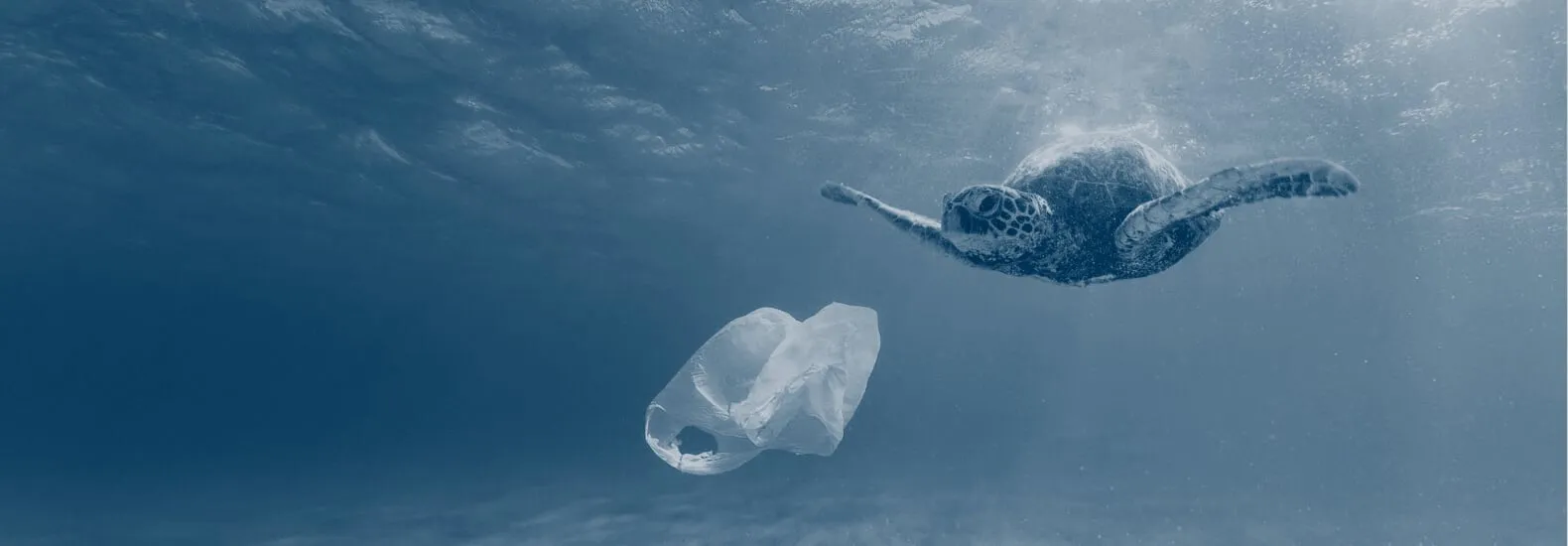
- Plastic pollution. Why plastic persists, how it reaches the sea, and which policies reduce it at the source. Read the plastic pollution explainer.
- Air quality. The links between air pollution, ocean chemistry and public health. Read the air quality explainer.
- Sea-level rise. What is lifting the ocean, why it is speeding up, and what the next decades could bring. Read the sea-level rise explainer.
One closed system
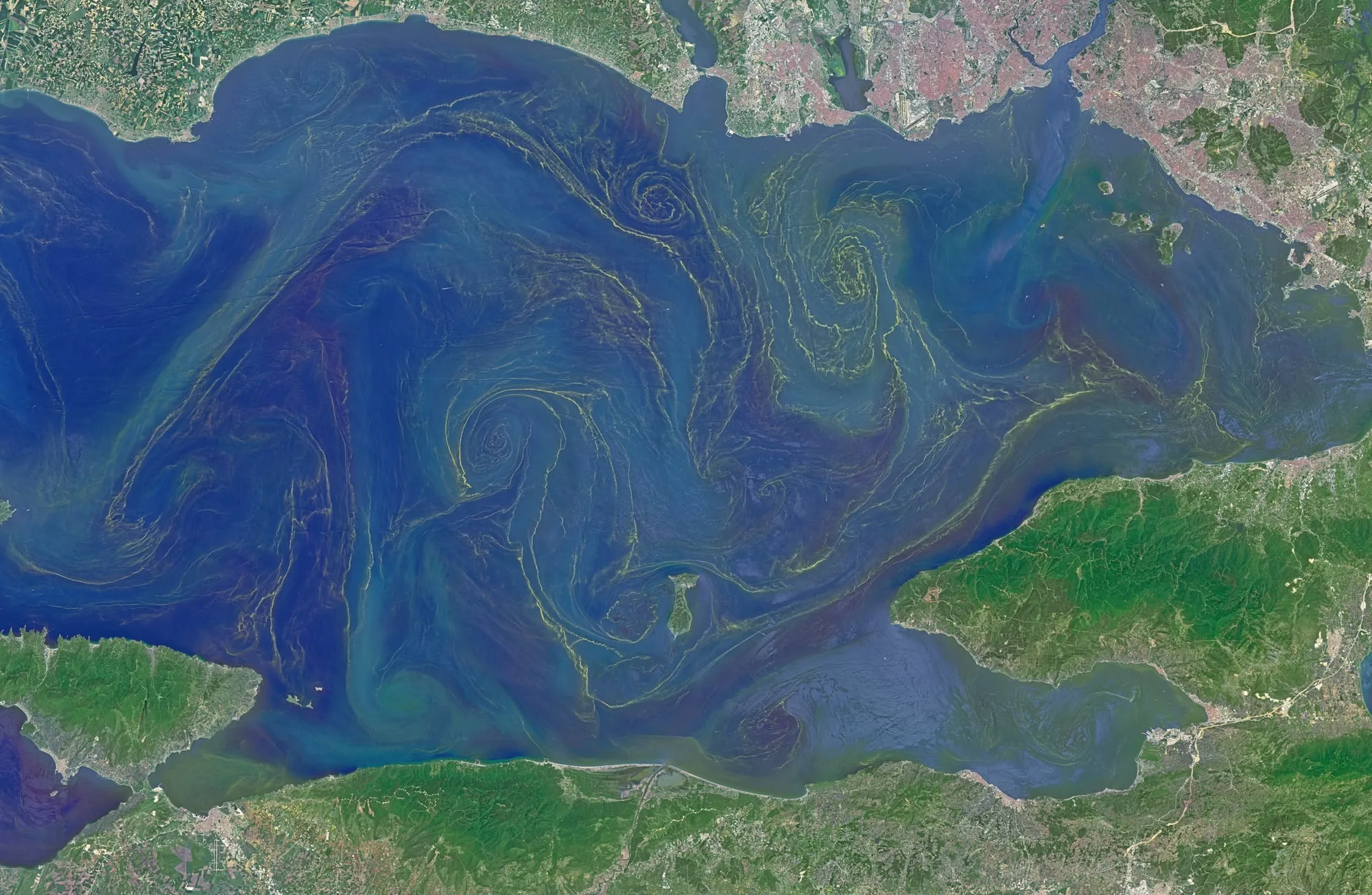
No new water arrives on Earth. Every litre we have has been cycling through clouds, rivers, oceans and living things for billions of years, so every litre we contaminate stays inside the same closed system. The atmosphere works the same way: the carbon dioxide released by a power station on one continent is dissolving into the ocean on every other one.
Pollution follows the money. Change the economics upstream and the river runs clean downstream.
Start at the source
Cleaning beaches and rivers matters, and many organisations do it well. We work one step earlier. We follow each pollutant back to the supply chains, the rules and the prices that make polluting cheaper than not polluting, and we explain the solutions that change those incentives. That is what our tagline, Applying Capitalism to Science, means in practice: solutions that pay for the people who must adopt them are the ones that last.
How you can help
- Read one explainer and share it with a friend, a class or a local group. Understanding is where action starts.
- Measure your own footprint on the water. Find out where your tap water comes from and where your wastewater goes; most water utilities publish quality reports.
- Bring the data to your town. Ask your local council what it spends on wastewater treatment, stormwater and air monitoring, and whether reports are public.
- Volunteer your skills. Translate an explainer, check a figure or help build a visualisation through the contribution board.