
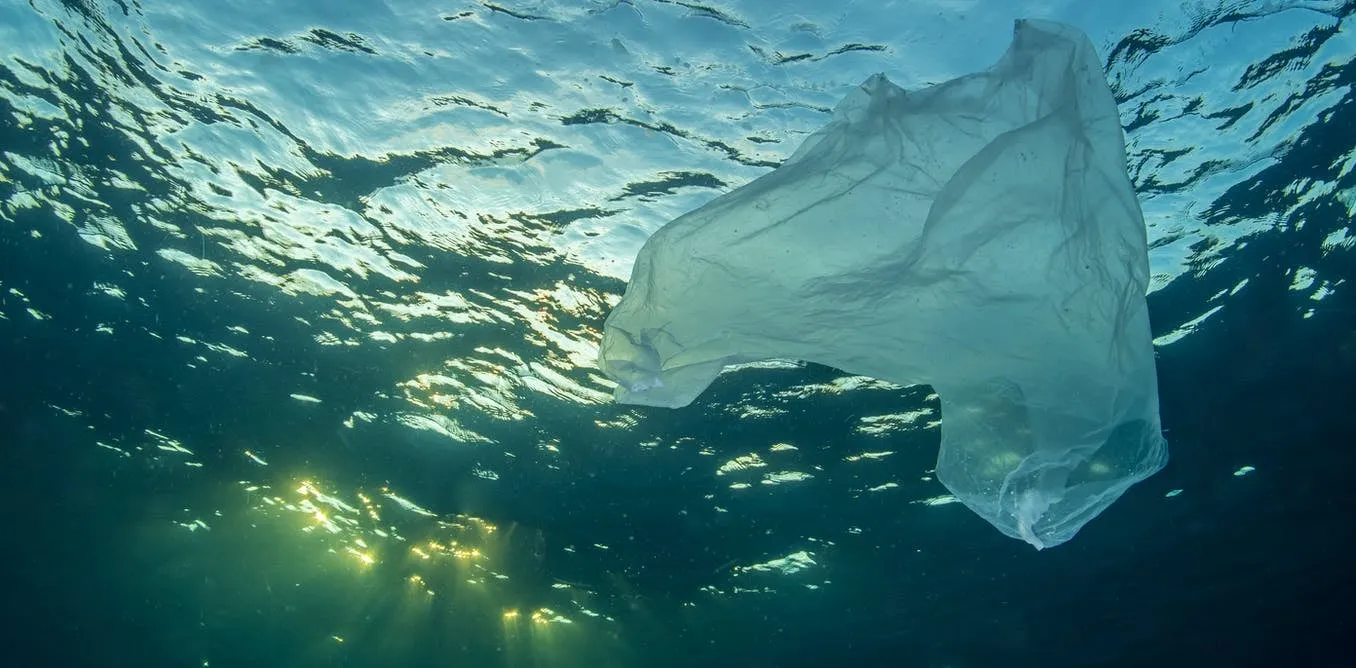
Plastic pollution
Every piece of plastic ever made that has not been burned still exists, somewhere on this planet. Most of it will outlive everyone reading this sentence.
Plastic is a miracle material. It is light, cheap, waterproof and almost indestructible, which is exactly why we use it for everything from medical syringes to crisp packets, and exactly why it has become a problem. The same chemical bonds that make a bottle strong make it last for centuries once it is thrown away. Nature has no enzyme that evolved to eat it quickly.
Why plastic persists
Most plastics are long chains of carbon and hydrogen made from oil and gas. Sunlight and waves do break them, but not into anything harmless: a bottle splits into fragments, the fragments into microplastics smaller than five millimetres, and those into nanoplastics too small to see. Microplastics have now been found from the deepest ocean trenches to Arctic snow, in fish, in drinking water and in human blood.
How it reaches the sea
Only a small share of the world’s plastic is recycled. According to the OECD, the world made about 460 million tonnes of plastic in 2019 and threw away 353 million tonnes. Just 9 percent of that waste was recycled; 22 percent was mismanaged, meaning dumped, burned in the open or lost to the environment. Rivers are the highways: plastic dropped on land is washed into drains, drains into rivers and rivers into the sea.
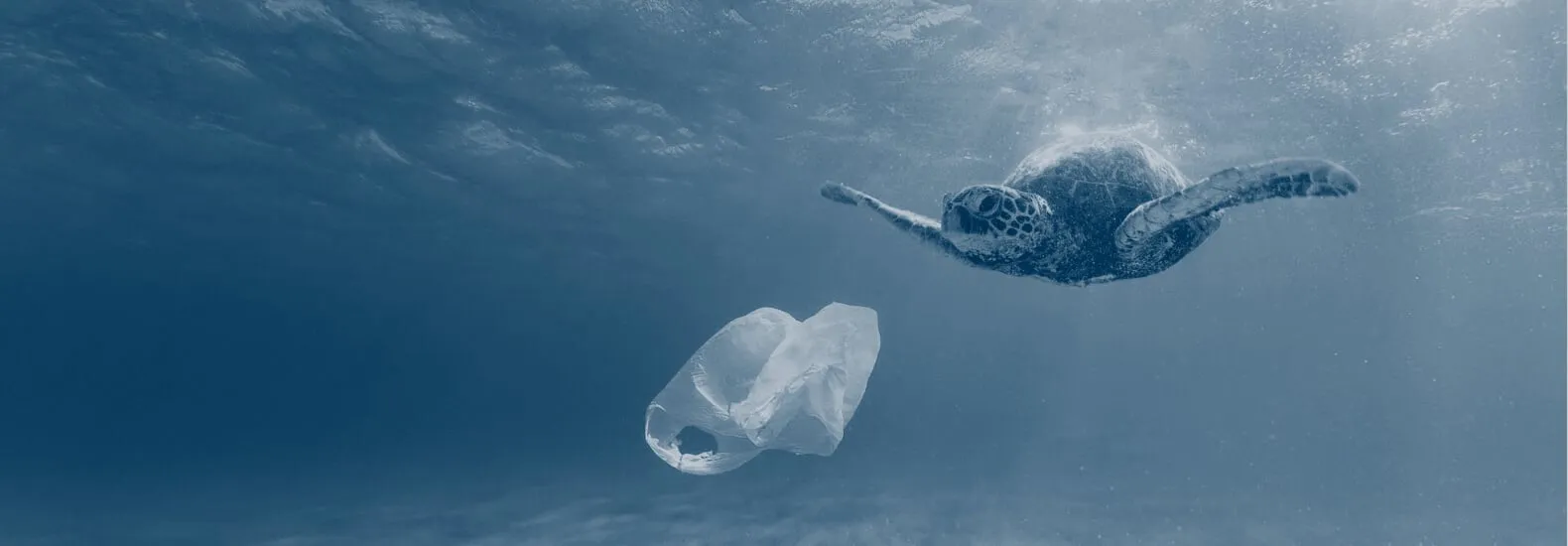
Fishing gear is a special case. Lost and abandoned nets, lines and traps keep catching fish, turtles, seals and seabirds for years, a problem known as ghost fishing, and they make up a large share of the floating plastic in the great ocean gyres.
Recycling is the last line of defence. The first is not making the waste at all.
The invisible part: additives
A plastic product is rarely pure polymer. Manufacturers add plasticisers, flame retardants, colourants and stabilisers, and some of these chemicals can leach out. Some, such as certain phthalates and bisphenols, interfere with hormones and are restricted in a number of countries. The science on their full effects at everyday exposures is still developing, which is itself a reason for caution.
Which policies reduce it at the source
The evidence points to measures that act before plastic becomes waste:
- Design out single use. Bans and charges on single-use bags, straws and cutlery work quickly: bag charges in many countries cut use by well over half within a year.
- Make producers pay. Extended producer responsibility schemes charge companies for the collection and recycling of the packaging they sell, which pushes them to use less and design for recycling.
- Deposit return. Paying a small refundable deposit on bottles and cans reliably achieves collection rates of 90 percent or more where it is well run.
- Collect everything. For billions of people there is no waste collection at all. Building basic collection and sorting is the single biggest lever for stopping plastic reaching the sea.
- A global treaty. United Nations member states have been negotiating a legally binding treaty to end plastic pollution across the whole life cycle of plastic, from production to disposal.
How you can help
- Refuse, then reuse. Carry a bottle, a cup and a bag. The most effective plastic is the one never made.
- Buy loose and refill. Choose loose fruit and vegetables, refill shops and products in glass, metal or paper where they make sense.
- Avoid what cannot be recycled: black plastic trays, multi-layer pouches, polystyrene and anything labelled compostable when your area has no industrial composting.
- Watch out for microplastics at home. Wash synthetic clothes less often, fuller and cooler, and consider a washing machine filter; avoid cosmetics with plastic microbeads.
- Pick up three. Take three pieces of litter from a beach, a park or a riverbank every time you visit. It adds up.
- Ask your town and your shops. Ask for deposit-return schemes, public water fountains and refill options. Ask brands to publish how much plastic they sell and how much they collect.
- Join us. Help translate this explainer or map local plastic data on the contribution board.
Sources and further reading
- OECD (2022), Global Plastics Outlook: Economic Drivers, Environmental Impacts and Policy Options
- Borrelle et al. (2020), Predicted growth in plastic waste exceeds efforts to mitigate plastic pollution, Science 369
- Jambeck et al. (2015), Plastic waste inputs from land into the ocean, Science 347
- NOAA Marine Debris Program, Marine debris
- UNEP, Intergovernmental negotiating committee on plastic pollution