The universe is free. So is learning it.
Plan a trip to Mars. Ride a comet around the Sun. Work out what it costs to mine an asteroid. Free courses, live 3D tools and a sourced knowledge base, in your language, so anyone can imagine businesses at planetary scale and help Earth's economy grow beyond the planet.
The current priority of the Local Solar System Foundation.
Why space, and why now?
Seen from orbit, Earth is small, fragile and very much alone. Learn how the solar system works and what it takes to travel through it, and you see both how precious this planet is and how much opportunity lies beyond it. Knowledge of orbits, energy and resources should not depend on where you were born or what you can pay. It should be free for anyone, anywhere, in their own language.
What is waiting for you
- Learning paths for everyone, from a first look at the night sky to planning a mission and understanding the space economy.
- Interactive tools that run on any phone: a live orrery, an orbit sandbox, a true-scale walk to Neptune and more.
- A knowledge base of planets, moons and small bodies, with every number sourced.
- Every language we can reach, with community review of each translation.
Where the lessons go
Orrery
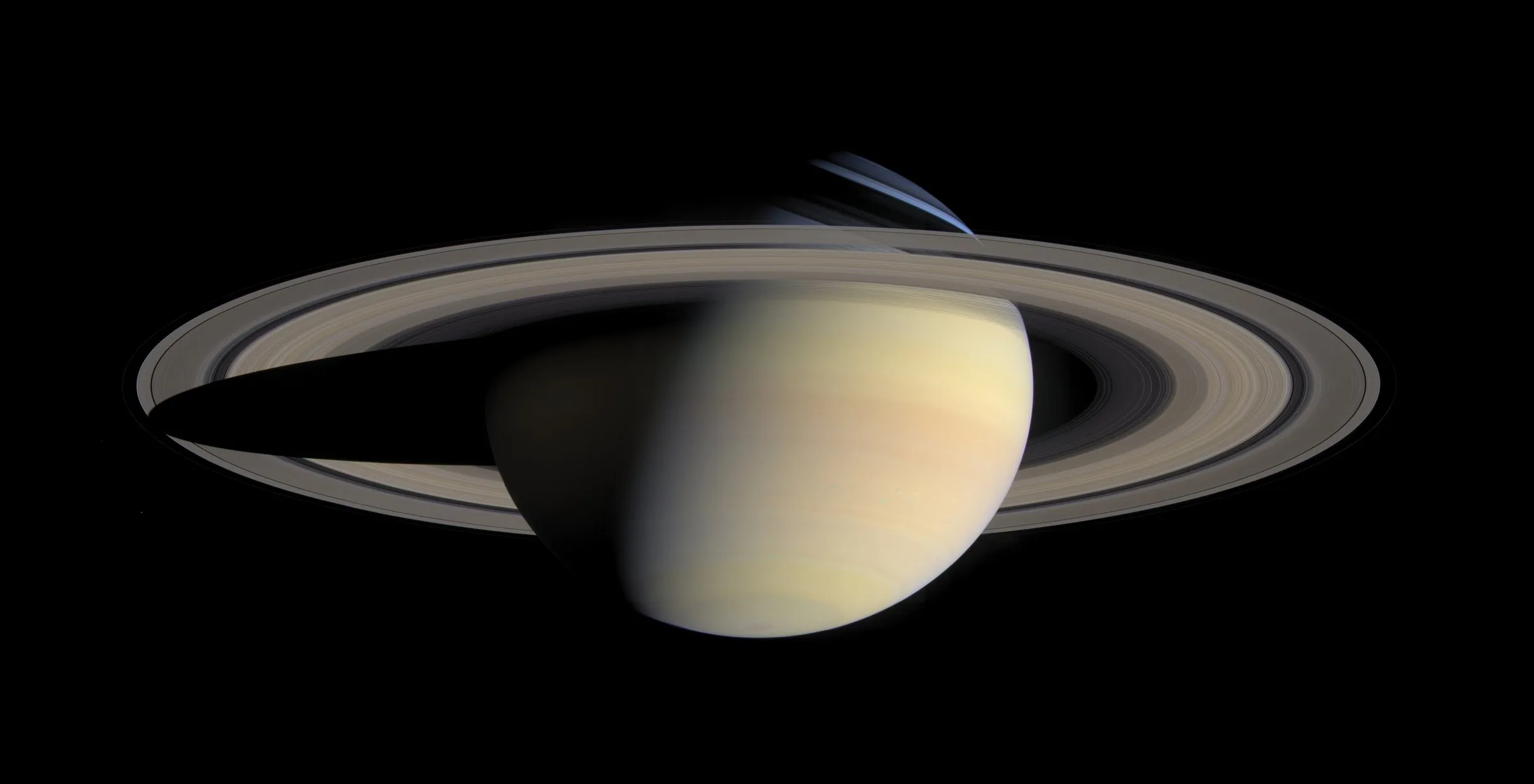
Open full pageThe solar system, right now. Every planet is where it really is today, worked out from NASA JPL's formulas. Press play and time speeds up, so you can watch the planets go round the Sun: the closer a planet is to the Sun, the faster it travels. Tap any world to fly to it and see it turn.
Try this
Readable scale: the planets are drawn far bigger than they really are and the distances are squeezed, so every planet fits on one screen. Switch to true scale to see the real emptiness of space.
How to use it
- Look around
- Drag to turn the view. Scroll, pinch or use the + and - keys to zoom.
- Pick a world
- Tap or click a planet to fly to it and follow it. You will see how far it is from the Sun and from Earth, and how fast it turns. The arrow keys step from planet to planet; Escape or the button at the top goes back to the whole system.
- Time
- Play runs time forward at the chosen speed. Pick any date, or step with the arrows next to it. Now brings you back to today.
- Scale
- Space is so big that no screen can show both the planets and the distances between them at true scale. Readable scale enlarges the planets and squeezes the distances; true scale shows both as they really are.
Compare two worlds
| Earth | Mars |
|---|
Data table (text alternative)
| World | Distance from the Sun now | Light-travel time from the Sun | Ecliptic longitude |
|---|---|---|---|
| Mercury | 0.3095 au | 2 min 34 sec | 93° |
| Venus | 0.7216 au | 6 min 0 sec | 61.9° |
| Earth | 0.9898 au | 8 min 14 sec | 50.1° |
| Mars | 1.607 au | 13 min 22 sec | 106° |
| Jupiter | 5.318 au | 44 min 14 sec | 135° |
| Saturn | 9.422 au | 1 hr 18 min | 12.3° |
| Uranus | 19.43 au | 2 hr 42 min | 63.1° |
| Neptune | 29.88 au | 4 hr 8 min | 2.9° |
Planet positions use JPL's approximate formulas, accurate to about a few arcminutes between 3000 BC and 3000 AD.
Help build it
Translate a lesson, check the science, build a tool or suggest a module. Every contribution is logged on the contribution board.
Get involvedTools and lessons use simplified models for learning only. They must not be used for navigation, mission planning or any operational decision. Certificates are free and non-accredited. Read the educational content disclaimer