
ni Kigenga. ni.
Plan a trip to Mars. Ride a comet around the Sun. Work out what it costs to mine an asteroid. Free courses, live 3D tools and a sourced knowledge base, in your language, so anyone can imagine businesses at planetary scale and help Earth's economy grow beyond the planet.
KIGEZWEHO Bya i Local Solar System Ishingiro
Umwanya, na NIBA?
Seen from orbit, Earth is small, fragile and very much alone. Learn how the solar system works and what it takes to travel through it, and you see both how precious this planet is and how much opportunity lies beyond it. Knowledge of orbits, energy and resources should not depend on where you were born or what you can pay. It should be free for anyone, anywhere, in their own language.
ni kugirango
- Learning paths for everyone, from a first look at the night sky to planning a mission and understanding the space economy.
- Interactive tools that run on any phone: a live orrery, an orbit sandbox, a true-scale walk to Neptune and more.
- A knowledge base of planets, moons and small bodies, with every number sourced.
- Every language we can reach, with community review of each translation.
i
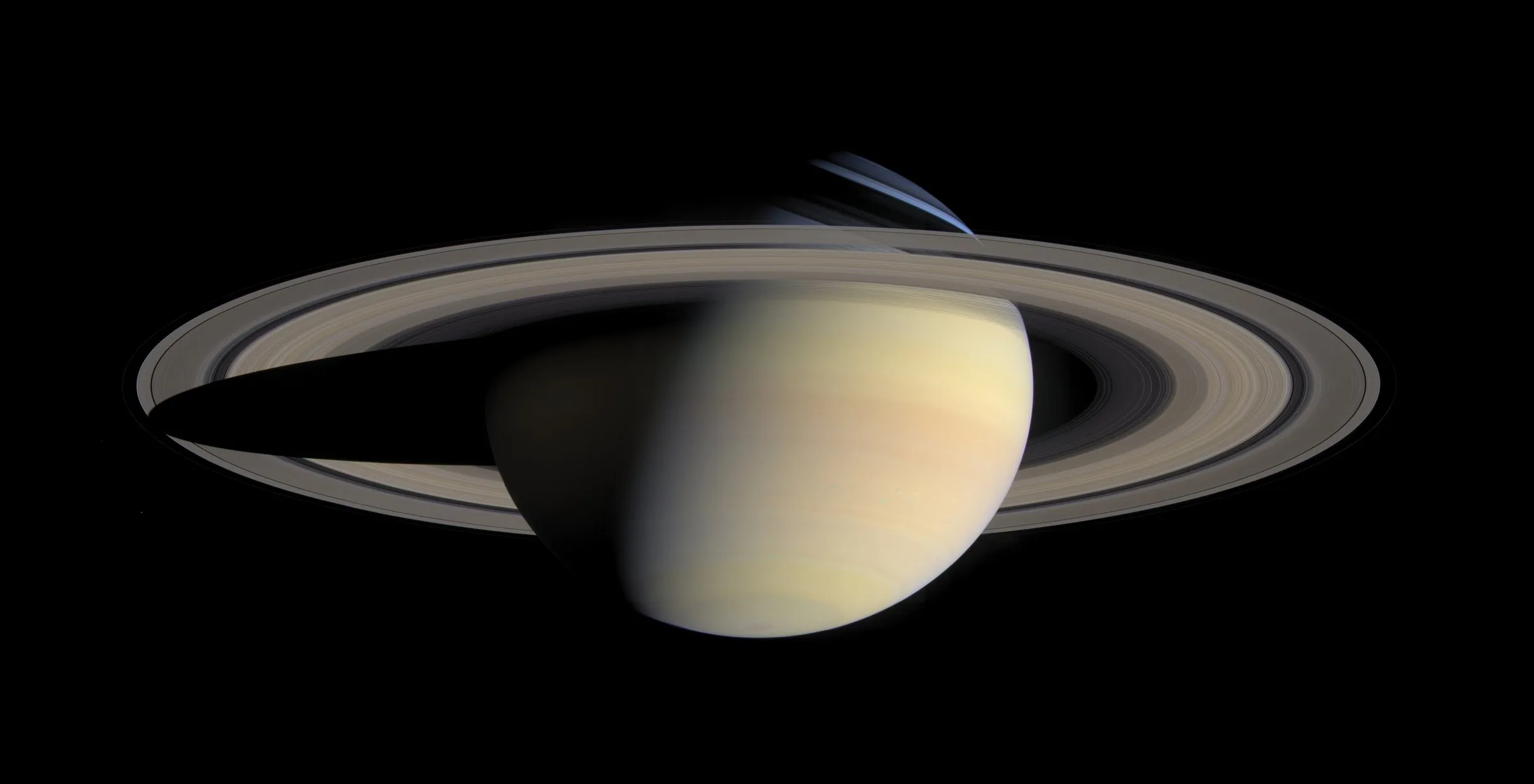
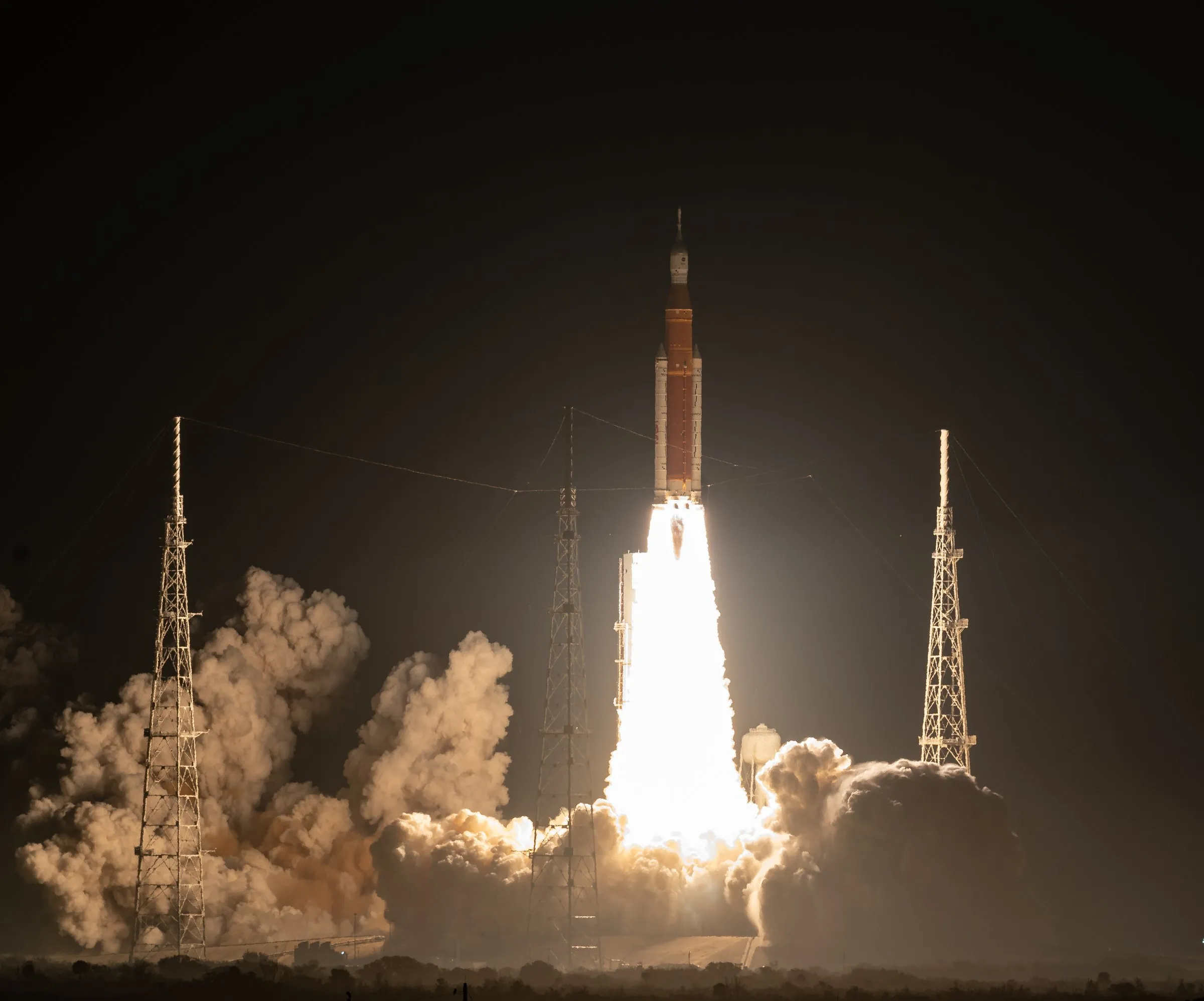
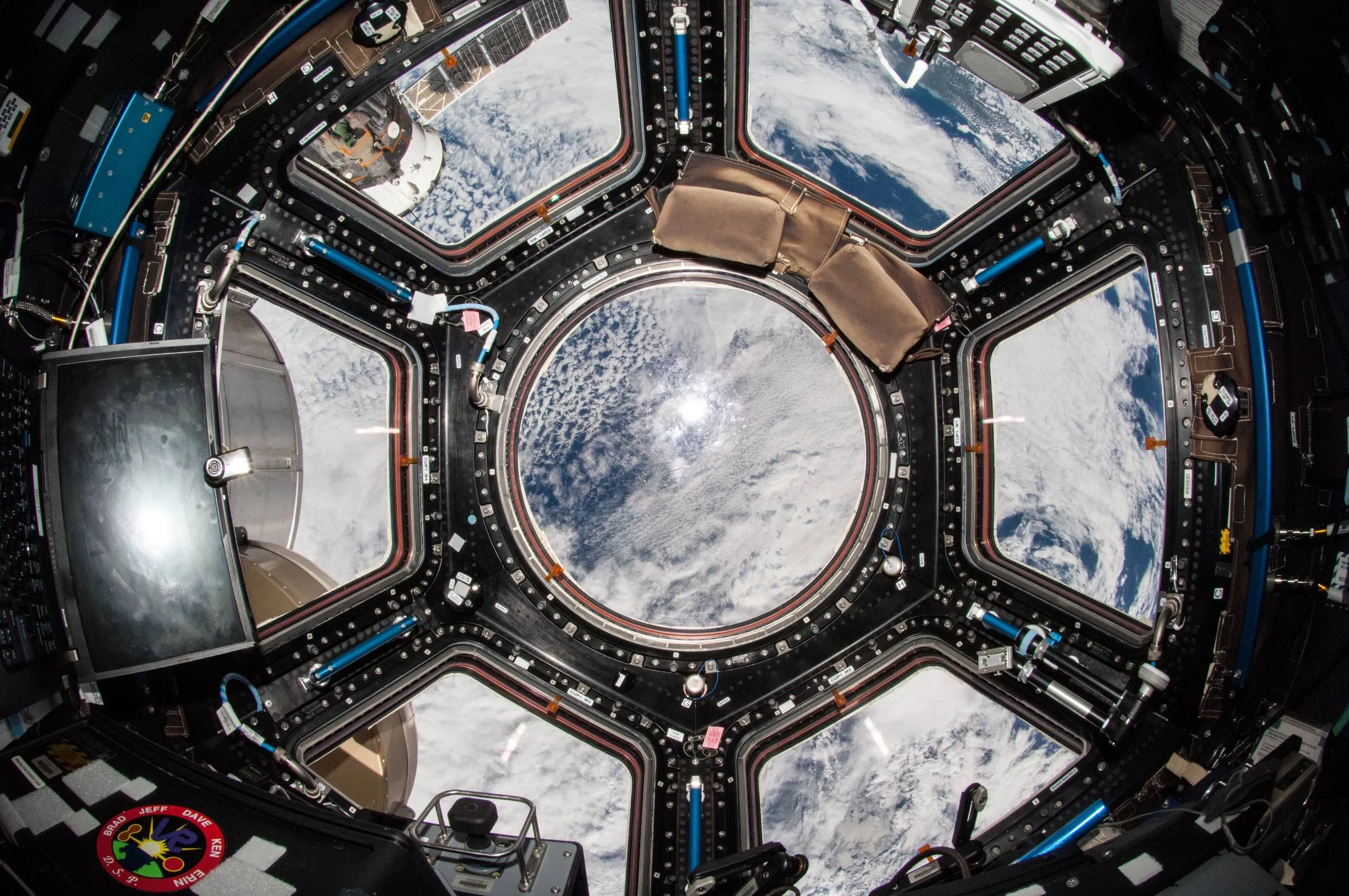
Ibara:
Gufungura Ipaji yuzuyeSisitemu, NONEAHA. Every planet is where it really is today, worked out from NASA JPL's formulas. Press play and time speeds up, so you can watch the planets go round the Sun: the closer a planet is to the Sun, the faster it travels. Tap any world to fly to it and see it turn.
iyi
Readable scale: the planets are drawn far bigger than they really are and the distances are squeezed, so every planet fits on one screen. Switch to true scale to see the real emptiness of space.
Gukoresha
- Gushakisha
- Kuri i Reba., Cyangwa Koresha i + na - Utubuto Kuri Ihindurangano.
- a
- Tap or click a planet to fly to it and follow it. You will see how far it is from the Sun and from Earth, and how fast it turns. The arrow keys step from planet to planet; Escape or the button at the top goes back to the whole system.
- Igihe
- Igihe Imbere Ku i Umuvuduko. Icyo ari cyo cyose Itariki:, Cyangwa Intera Na: i Utubuto Kuri. Inyuma Kuri UYUMUNSI.
- Ipima
- Space is so big that no screen can show both the planets and the distances between them at true scale. Readable scale enlarges the planets and squeezes the distances; true scale shows both as they really are.
Kabiri
| Earth | Mars |
|---|
Ibyatanzwe imbonerahamwe# Umwandiko Igisubizo
| Isi | Kuva: i NONEAHA | Igihe Bivuye i | Ubuhagarike bw'Ikirere |
|---|---|---|---|
| Mercury | 0,3095 Cyangwa | 2 min 34 s | 93° |
| Venus | 0,7216 Cyangwa | 6 min 0 s | 61,9° |
| Earth | 0,9898 Cyangwa | 8 min 14 s | 50,1° |
| Mars | 1,607 Cyangwa | 13 min 22 s | 106° |
| Jupiter | 5,318 Cyangwa | 44 min 14 s | 135° |
| Saturn | 9,422 Cyangwa | 1 h 18 min | 12,3° |
| Uranus | 19,43 Cyangwa | 2 h 42 min | 63,1° |
| Neptune | 29,88 Cyangwa | 4 h 8 min | 2,9° |
Planet positions use JPL's approximate formulas, accurate to about a few arcminutes between 3000 BC and 3000 AD.
Gutunganya...
Translate a lesson, check the science, build a tool or suggest a module. Every contribution is logged on the contribution board.
GushyiramoTools and lessons use simplified models for learning only. They must not be used for navigation, mission planning or any operational decision. Certificates are free and non-accredited. i Ibigize