
Green Initiative
Every light switch is connected to a mine, a pipeline or the wind. The Green Initiative follows the energy, and the materials, all the way back.
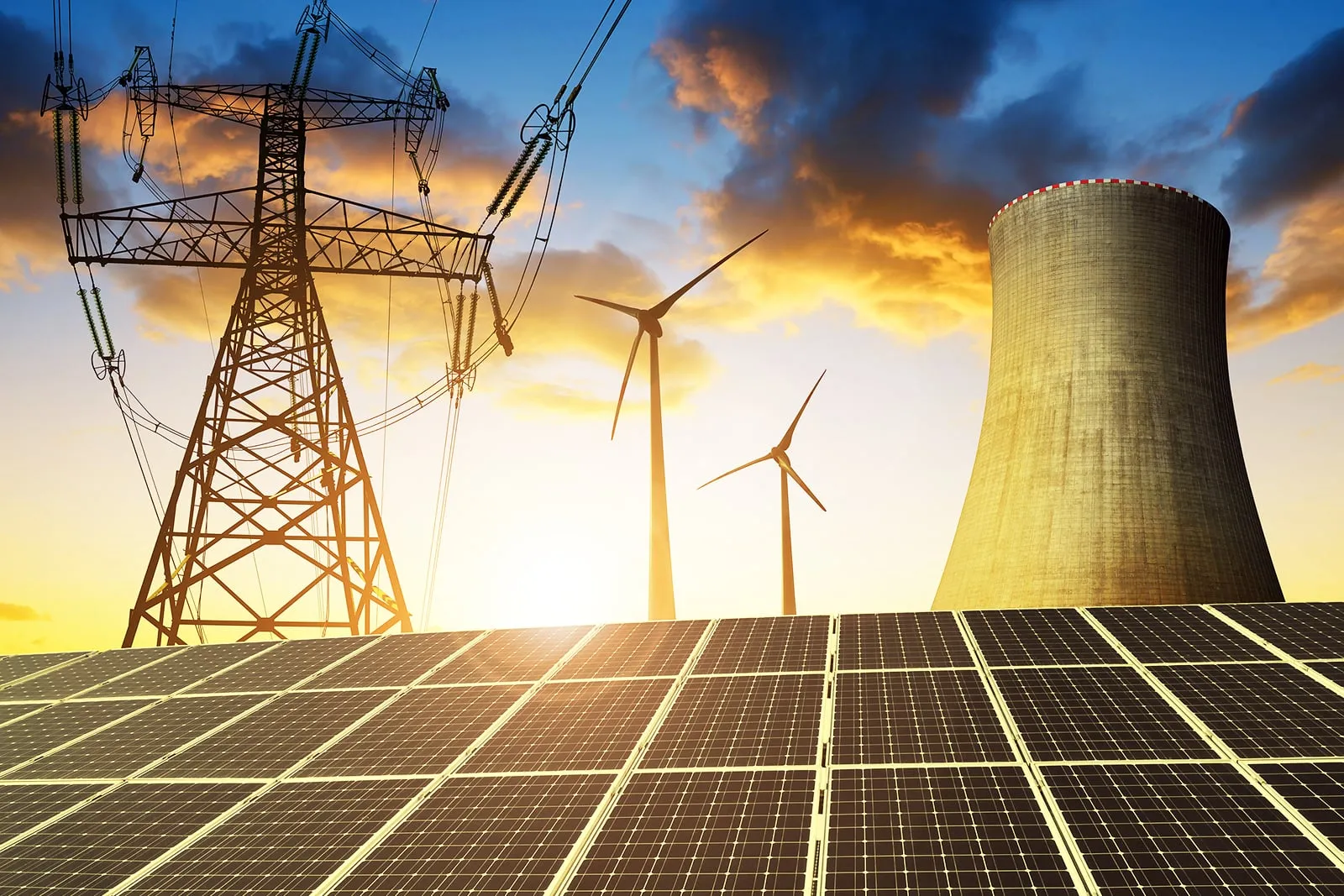
Humanity runs on energy and materials: more than a hundred billion tonnes of stuff dug, grown and pumped out of the planet every year, and a power system that still burns fossil fuels for most of its energy. The Green Initiative explains where this comes from, what it costs the planet, and where engineering can change the equation, including our own open research into a new kind of wind power.
The questions we work on
- Energy sources. How coal, gas, nuclear, hydro, wind and solar really compare over their whole life, in emissions, safety and land. Read the energy sources explainer.
- Population, consumption and resources. How the number of people, how much each of us uses and the technology that meets that demand add up to our footprint on one planet. Read the population and resources explainer.
- The Fan Wall. Can a modular wall of thousands of small fans, the size of the ones that cool a computer, make useful electricity on rooftops and in cities? Our open research programme, with the maths and the honest numbers. Read about the Fan Wall.
Where the planet meets the price tag
The cheapest electricity ever produced now comes from new wind and solar farms in much of the world, and the price of batteries has collapsed. What slows the change is rarely the technology: it is grids, permits, finance and habit. That is the space where Applying Capitalism to Science matters most. A clean solution that is also the cheapest one does not need persuading.
The Stone Age did not end for lack of stones.
How you can help
- Understand your own energy. Read your electricity bill: how much do you use, and where does your supplier’s power come from? Many suppliers let you choose renewable power.
- Cut the waste first. Insulation, draught-proofing, efficient appliances and LED bulbs are the cheapest energy of all.
- Repair, reuse, borrow. The greenest product is the one that lasts; the second greenest is the one that is shared.
- Support local energy. Community solar and wind projects, and rooftop panels on schools and town halls, keep money and power local. Ask your council about them.
- Help the research. Engineers, makers and students can help design and test the Fan Wall; everyone can help translate and share through the contribution board.