
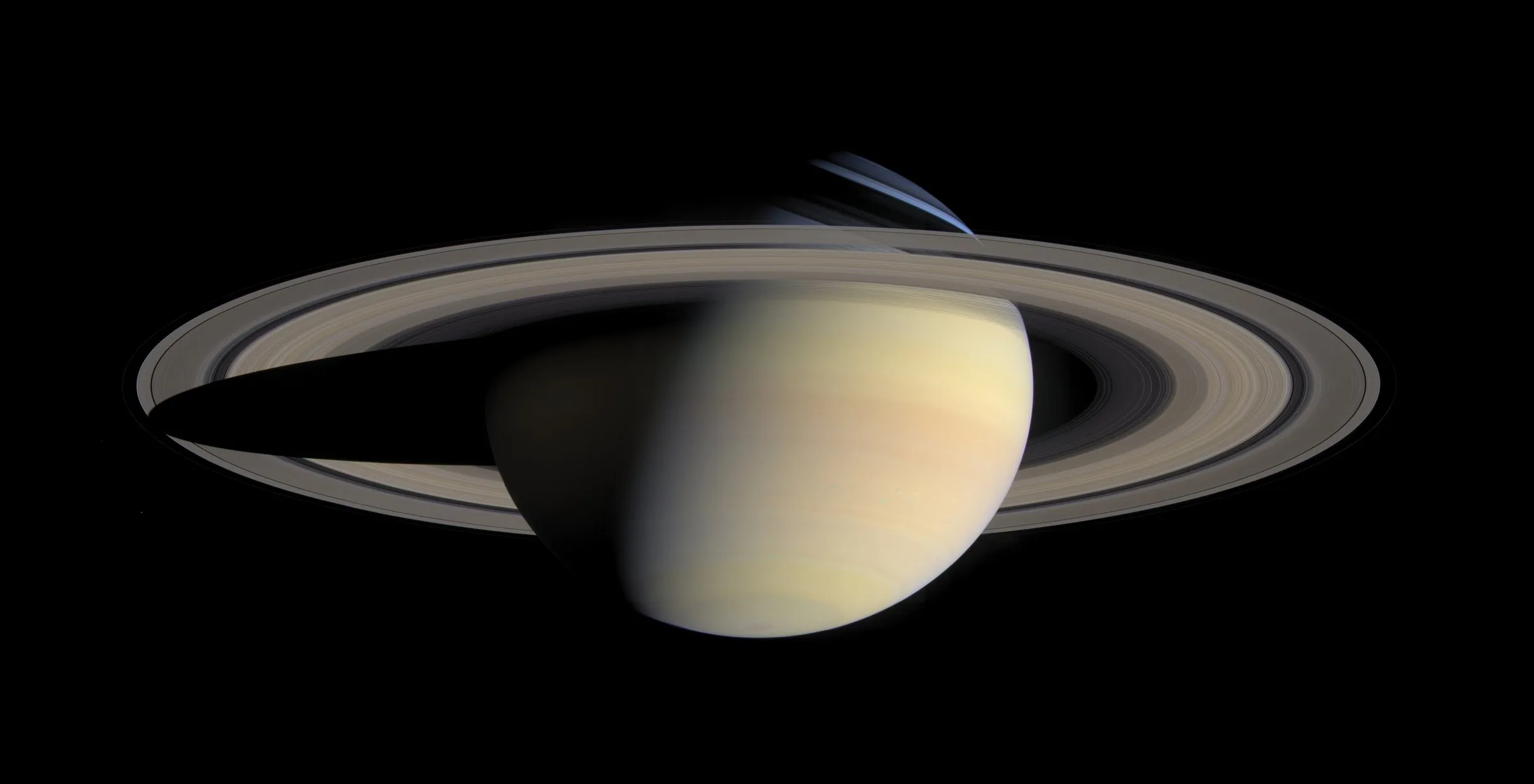
This lesson was drafted by a Local Solar System Foundation team member and could be improved by a qualified reviewer. Are you qualified in this subject?ផ្ដល់យោបល់កែសម្រួល
គ្រាប់កាំភ្លើងរបស់ញូវតុន
បើកទំព័រពេញWhat is this? Isaac Newton imagined a cannon on a mountain so tall that it pokes out of the air.Fire the ball slowly and it falls back down.Fire it fast enough and the ground curves away beneath it as fast as it falls, so it never lands.That is an orbit.
របៀបប្រើវា: Set the launch speed with the slider or a speed button, then press Fire.Earlier shots stay on screen so you can compare them.
How fast is that?
- គ្រាប់របស់អ្នក
- យន្តហោះចម្បាំង, អំពី 900 km/h (0.25 km/s)
- គ្រាប់កាំភ្លើង, ប្រហែល 1 គីឡូម៉ែត្រ / វិនាទី
- ល្បឿនអ័ក្ស
- ល្បឿនគេច
The mountain is drawn far taller than any real one so you can see it.Air resistance is ignored.
ព្យាយាមក្នុងនេះ
- Press "Jet airliner" and fire, then "Rifle bullet" and fire.Notice: Both drop back down almost at once.Even very fast everyday things are nowhere near fast enough to orbit.
- Press "Orbit speed" and fire.Notice: The ball goes all the way round and comes back to the cannon.វាធ្លាក់ចុះទាំងអស់ពេលនេះ ប៉ុន្តែវានៅតែមិនបានទៅដល់ដីដដែល ។នេះជារបៀបដែលស្ថានីយអវកាសអន្តរជាតិនៅតែមានជីវិត។
- Fire a little slower than orbit speed, then a little faster.Notice: Slower: it curves down and lands part of the way round.Faster: the circle stretches into a long oval that swings far out and comes back.
- Press "Escape speed" and fire, then switch the planet to the Moon.Notice: At escape speed the ball leaves and never comes back.On the Moon, with its weaker gravity, orbit speed is only about 1.6 km/s.
គំនិតនៅពីក្រោយវា
Why doesn't the orbiting ball fall down?
វាធ្លាក់ចុះ គ្រប់ពេល ។ ផ្ទៃផែនដីកោងចុះក្រោមដោយប្រមាណជា5ម៉ែត្រ សម្រាប់រាល់8គីឡូម៉ែត្រដែលអ្នកធ្វើដំណើរ ហើយអ្វីដែលបានធ្លាក់ចុះធ្លាក់ចុះប្រហែលជា5ម៉ែត្រក្នុងវិនាទីដំបូងរបស់វា ។ ដូច្នេះបាល់ដែលផ្លាស់ទីទៅខាងក្រៅនៅល្បឿនប្រមាណជា8គីឡូម៉ែត្រក្នុងមួយវិនាទីធ្លាក់ចុះ5ម៉ែត្រក្នុងមួយវិនាទី ខណៈដែលដីធ្លាក់ចេញពីវាដោយ5ម៉ែត្រ ។ វាមិនអាចចូលជិតនឹងដីបានឡើយ ។
ហេតុអ្វីបានជាភ្នំខ្ពស់ម្លេះ?
On Earth the mountain here is about 510 km high (8% of Earth's radius), higher than the International Space Station flies (about 400 km), so the ball starts above almost all of the air.Down in the air, drag would slow and heat the ball long before it reached orbit speed.That is why real rockets climb out of the air first and then speed up sideways.
ប្រភព: ទម្ងន់និងទំហំភពផែនដីពី NASA / JPL (bodies.json); ផ្លូវគឺអ័ក្សរាងកាយពីរជាក់លាក់។ ល្បឿនប្រចាំថ្ងៃគឺជាតួលេខជុំធម្មតា៖ យន្តហោះដឹកអ្នកដំណើរនៅប្រហែល 900 km / h និងគ្រាប់កាំភ្លើងបោះបង់ធុងនៅប្រមាណ 0.7 ទៅ 1.2 km / s, អំពី 1 km / s សម្រាប់មួយយ៉ាងលឿន។
The pull every object has on every other.Earth's gravity pulls everything towards its centre, which is why things fall.
ច្រើនទៀតក្នុងសទ្ទានុក្រម →The path of something that keeps falling around a planet or star without ever hitting it, because it is moving sideways fast enough.
ច្រើនទៀតក្នុងសទ្ទានុក្រម →The speed you must go sideways to circle a planet at a given height without falling in or flying away.គ្រាន់តែនៅលើខ្យល់ផែនដីវាគឺប្រហែល 7.8 គ.ម/ វិ.
ច្រើនទៀតក្នុងសទ្ទានុក្រម →The speed needed to leave a planet for good, never falling back.From Earth's surface it is about 11.2 km/s, ignoring the air.
ច្រើនទៀតក្នុងសទ្ទានុក្រម →Air pushing against a moving object and slowing it down.This tool ignores it;a real cannonball fired this fast would be stopped and burned up by the air.
តារាងទិន្នន័យ (ជំនួសអត្ថបទ)
Slower than the circular speed: it falls back.Between circular and escape speed: it orbits.At or above escape speed: it leaves for good.
| ផ្កាយព្រះគ្រោះ | ល្បឿនអ័ក្សមូលនៅទីនេះ | ល្បឿនគេចនៅទីនេះ |
|---|---|---|
| ផែនដី | 7.61 គម/វិនាទី | 10.8 គម/វិនាទី |
| ព្រះចន្ទ | 1.62 គម/វិនាទី | 2.29 គម/វិនាទី |
| ភពអង្គារ | 3.42 គម/វិនាទី | 4.84 គម/វិនាទី |
The force that pulls an apple to the ground is the same force that holds the Moon in its orbit and the planets around the Sun. Isaac Newton’s great idea was that one law explains them all. Here you will fire his cannon and find out why.
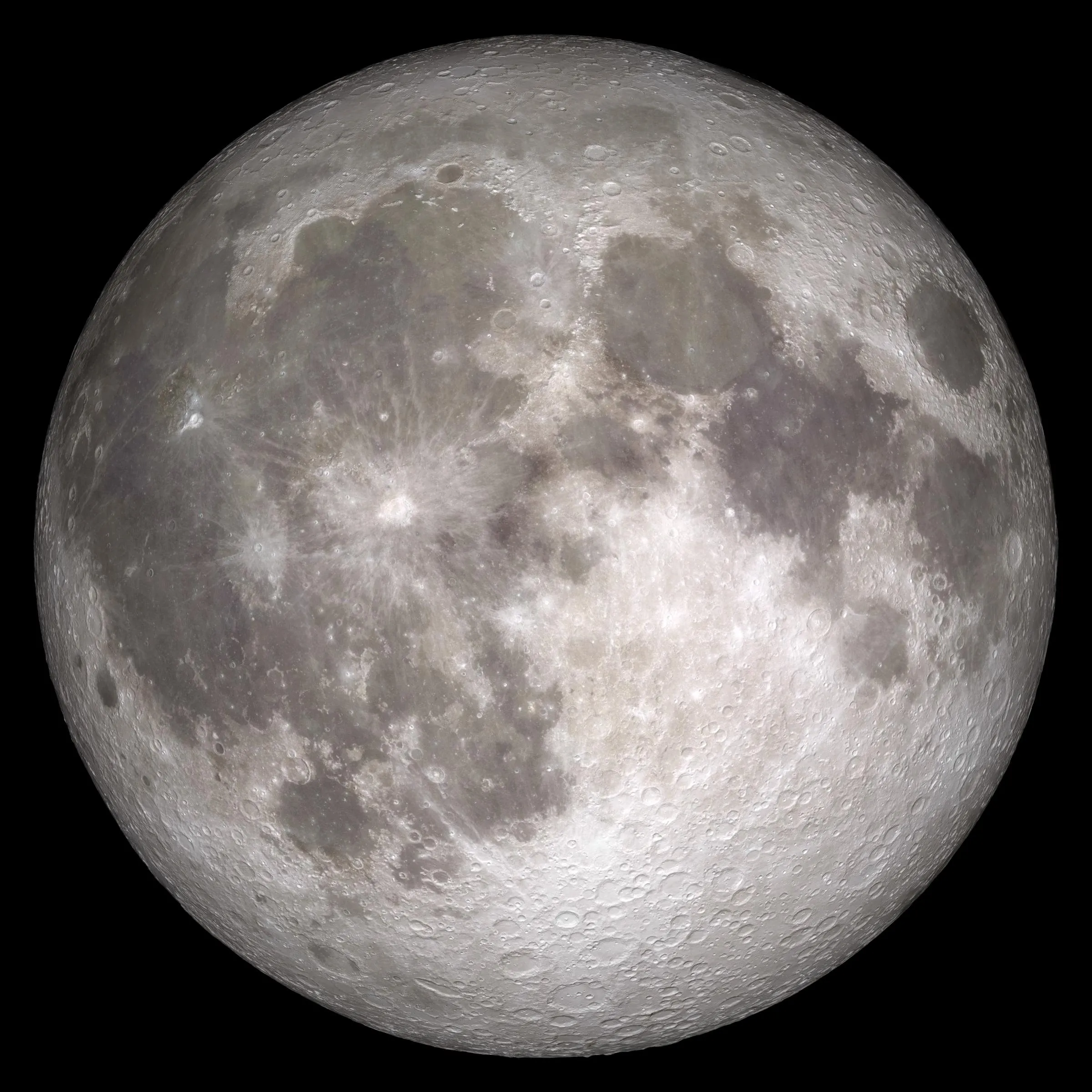
The Moon is falling towards Earth all the time. It just keeps missing.
មើល
Drop a ball and it falls. Throw it sideways and it still falls, but it lands farther away. Isaac Newton បានសួរសំណួរសាមញ្ញមួយ: តើធ្វើដូចម្តេចប្រសិនបើអ្នកបានបោះវា * ពិតប្រាកដ * រហ័ស?
Imagine a cannon on top of an impossibly tall mountain, above the air. Fire a cannonball slowly and it curves down and hits the ground. Fire it faster and it lands farther away. Because Earth is round, the ground curves away beneath the ball. At just the right speed, the ground curves away exactly as fast as the ball falls. The ball keeps falling, but never lands. វាគឺ ស្ថិតក្នុងអ័ក្ស.
Try it with the cannon above. Start slow, then go faster:
- Too slow: it falls back (red).
- Just right: it goes all the way around (green).
- Much faster: it escapes and never comes back (yellow).
នេះក៏ជាមូលហេតុដែលអ្នកបាញ់អវកាសហោះឡើងលើខ្យល់ផងដែរ ។ They are not beyond gravity. They, and their spacecraft, are falling around Earth together.
យល់
Newton’s law of universal gravitation says every mass pulls on every other mass:
F = G · M · m / r²
- F is the force, M and m the two masses, r the distance between their centres.
- G គឺជាអថេររបស់ធរណីមាត្រ: 6.674 × 10⁻¹¹ N m² kg⁻² ។
Two ideas are packed into it:
- រឿងធ្ងន់ធ្ងរទាញកាន់តែខ្លាំង។ ទ្វេដងនៃម៉ាស, កម្លាំងទ្វេដង។
- Distance weakens it fast. Double the distance and the force drops to a quarter. នោះគឺជា ច្បាប់ការេផ្ទុយ ។
Near a planet, the acceleration of anything falling is g = GM / r². សម្រាប់ផែនដីដែលផ្តល់នូវអំពី 9.8 ម៉ែត្រ / s² នៅផ្ទៃ. នៅកំពស់នៃស្ថានីយ៍អវកាសអន្តរជាតិ (ប្រហែល 420 គីឡូម៉ែត្រ) r គឺមានតែ7% ធំជាងនេះ, ដូច្នេះកម្លាំងធ្ងន់នៅតែជា 88% ខ្លាំង។
For a circular orbit, gravity must supply exactly the pull needed to keep turning the path:
v_circular = √(GM / r)
គ្រាន់តែនៅខាងលើផ្ទៃផែនដីនេះគឺប្រហែល 7.9 គីឡូម៉ែត្រ / វិនាទី។ រហ័សជាងគ្រាប់កាំភ្លើង: ប្រហែល 28,000 km / h ។
មេ
In practice we almost never use G and M separately. ផលិតផលរបស់ពួកគេ μ = GM, the gravitational parameter, ត្រូវបានវាស់ដោយផ្ទាល់និងច្បាស់លាស់ជាងមុនពីចលនានៃផ្កាយរណបនិងយានអវកាស។ សម្រាប់ផែនដី μ = 398,600.4355 km³ s⁻², ដែលត្រូវបានគេស្គាល់ថាជាផ្នែកមួយក្នុងចំណោមភាគរយរាប់ពាន់លានខណៈពេលដែល G ផ្ទាល់ត្រូវបានស្គាល់តែទៅលើ 22 ភាគរយក្នុងមួយលាន (CODATA 2018) ។ The mass of Earth quoted in tables is really μ divided by G, and it inherits G’s uncertainty.
The cannon tool solves the motion exactly for a two-body problem. A horizontal launch from radius r₀ with speed v gives angular momentum h = r₀v and a conic orbit:
r( ν) = p / (1 + ecos ν), p = h² / μ, e = |p / r₀ − 1|
where ν is the angle from periapsis. If v is below the circular speed, the launch point is the apoapsis and the path dips inward;if it also dips below the surface, the ball hits the ground. នៅ √( μ/ r₀) អ័ក្សគឺជារង្វង់ (e =0) ។ នៅ √(2μ/r₀) វាក្លាយជាប៉ារ៉ាបូឡា (e = 1) ហើយបាល់រត់ចេញ ។
Newton’s law also explains why the tool’s mountain is drawn so absurdly tall: in reality the air would slow any cannonball long before orbital speed, which is why rockets climb above most of the atmosphere before accelerating sideways.
សាកល្បងវា
On Earth, find the slowest launch speed that still gives an orbit.Then switch to the Moon and to Mars.ហេតុអ្វីបានជាចម្លើយខុសគ្នា?Check it against the numbers in the readout.
អស្ចារ្យ. ការប្រឈមមុខគឺជាកន្លែងដែលការរៀនត្រូវបានចង ។
សំណួររហ័ស
3 quick questions.Pick an answer to see if you are right.
-
If you double the distance between two objects, the gravitational force between them becomes:
- A ខ្លាំងទ្វេដង
- B ខ្លាំងពាក់កណ្ដាល
- C មួយភាគបួនខ្លាំងដូច
- D មិនបានផ្លាស់ប្ដូរ
បង្ហាញចម្លើយ
C. មួយភាគបួនខ្លាំងដូច កម្លាំងទម្ងន់តាមច្បាប់ការេត្រឡប់វិញ ៖ 1/2² = 1/4 ។
-
Astronauts on the International Space Station float because:
- A គ្មានកម្លាំងទាក់ទាញក្នុងចន្លោះទេ
- B ពួកវាធ្លាក់ជុំវិញផែនដីរួមជាមួយស្ថានីយ
- C ស្ថានីយនៅខាងក្រៅបរិយាកាសផែនដី
- D ព្រះច័ន្ទទាញពួកវាឡើង
បង្ហាញចម្លើយ
B. ពួកវាធ្លាក់ជុំវិញផែនដីរួមជាមួយស្ថានីយ នៅកំពស់ស្ថានីយ៍ កម្លាំងទម្ងន់នៅតែមានប្រហែល 90% នៃតម្លៃផ្ទៃរបស់វា ។
-
What is the circular orbit speed just above Earth's surface (ignoring air)?
- A ប្រហែល 0.8 គីឡូម៉ែត្រ/វិនាទី
- B ប្រហែល 7.9 គីឡូម៉ែត្រ/ វិនាទី
- C ប្រហែល 11.2 គីឡូម៉ែត្រ/វិនាទី
- D ប្រហែល 30 គីឡូម៉ែត្រ/ វិនាទី
បង្ហាញចម្លើយ
B. ប្រហែល 7.9 គីឡូម៉ែត្រ/ វិនាទី v = √(GM/r) = √(398,600 / 6,371) ≈ 7.9 km/s ។ 11.2 km/s គឺជាល្បឿនរត់គេចខ្លួន។
បន្ទាត់បញ្ចប់
- បានលេងជាមួយអន្តរកម្ម
- អានមេរៀន
- បានធ្វើការប្រកួត
- បានធ្វើការសាកល្បង
Mark the lesson complete to save it to your progress on this device.
Lesson complete.ល្អណាស់!
ឡើងលើបន្ទាប់ ច្បាប់របស់ Keplerពាក្យក្នុងមេរៀននេះ
ប្រភព
- NASA JPL, Basics of Space Flight, Chapter 3: Gravity and Mechanics
- I. Newton, Philosophiae Naturalis Principia Mathematica (1687), Book III; the cannon thought experiment is in 'A Treatise of the System of the World' (1728)
- CODATA 2018 value of the Newtonian constant of gravitation (NIST)
- JPL SSD: astrodynamic parameters (GM values)
- NASA NSSDCA Planetary Fact Sheet
មេរៀននេះមានអាជ្ញាបណ្ណ CC BY-SA 4.0.