
ეს გაკვეთილი დაწერა Local Solar System Foundation- ის გუნდის წევრმა და მას შეუძლია გააუმჯობესოს კვალიფიციურმა რედაქტორმა. Are you qualified in this subject? რედაქტირების შეთავაზება
ნიუტონის ოსკარი
სრული გვერდის გახსნაWhat is this? Isaac Newton imagined a cannon on a mountain so tall that it pokes out of the air. Fire the ball slowly and it falls back down. Fire it fast enough and the ground curves away beneath it as fast as it falls, so it never lands. That is an orbit.
How to use it: დაყენება სიჩქარის გაშვების ბილიკით ან სიჩქარის ღილაკით, შემდეგ დააჭირეთ გასროლა. წინა გადაცემები რჩება ეკრანზე, ასე რომ შეგიძლიათ შეადაროთ ისინი.
How fast is that?
- Your shot
- Jet airliner, about 900 km/h (0.25 km/s)
- Rifle bullet, about 1 km/s
- ოორბიტა
- სწრაფი
The mountain is drawn far taller than any real one so you can see it. Air resistance is ignored.
Try this
- Press "Jet airliner" and fire, then "Rifle bullet" and fire.შენიშვნა: Both drop back down almost at once. Even very fast everyday things are nowhere near fast enough to orbit.
- Press "Orbit speed" and fire.შენიშვნა: The ball goes all the way round and comes back to the cannon. It is falling the whole time, but it keeps missing the ground. This is how the International Space Station stays up.
- Fire a little slower than orbit speed, then a little faster.შენიშვნა: Slower: it curves down and lands part of the way round. Faster: the circle stretches into a long oval that swings far out and comes back.
- Press "Escape speed" and fire, then switch the planet to the Moon.შენიშვნა: At escape speed the ball leaves and never comes back. On the Moon, with its weaker gravity, orbit speed is only about 1.6 km/s.
The ideas behind it
Why doesn't the orbiting ball fall down?
It does fall, all the time. Earth's surface curves downwards by about 5 metres for every 8 kilometres you travel, and anything dropped falls about 5 metres in its first second. So a ball moving sideways at about 8 kilometres per second falls 5 metres each second while the ground drops away by 5 metres. It never gets any closer to the ground.
Why such a tall mountain?
დედამიწაზე მწვერვალი აქ დაახლოებით 510 კმ სიმაღლისაა (მიწის რადიუსის 8%), უფრო მაღალია ვიდრე საერთაშორისო კოსმოსური სადგურის ფრენა (დაახლოებით 400 კმ), ასე რომ ბურთი თითქმის მთლიანად ჰაერზე იწყება. ქვემოთ ჰაერში, წინააღმდეგობა შეანელებს და გაათბობს ბურთს დიდი ხნით ადრე, ვიდრე ის მიაღწევს ორბიტალურ სიჩქარეს. სწორედ ამიტომ რეალური რაკეტები პირველად ამოდიან ჰაერიდან და შემდეგ სწრაფდებიან გვერდით.
წყაროები: პლანეტების მასები და ზომები NASA/JPL (bodies.json); გზავნილები არის ორი სხეულის ზუსტი ორბიტები. ყოველდღიური სიჩქარეები ტიპიური მოჭრილი ციფრებია: რეაქტიული თვითმფრინავები ფრინავს დაახლოებით 900 კმ/სთ-ით, ხოლო იარაღის ტყვიები ტოვებს ცეცხლს დაახლოებით 0.7-დან 1.2 კმ/წთ-მდე, სწრაფი კი დაახლოებით 1 კმ/წთ-ზე.
The pull every object has on every other. Earth's gravity pulls everything towards its centre, which is why things fall.
ლექსიკონი →The path of something that keeps falling around a planet or star without ever hitting it, because it is moving sideways fast enough.
ლექსიკონი →The speed you must go sideways to circle a planet at a given height without falling in or flying away. Just above Earth's air it is about 7.8 km/s.
ლექსიკონი →The speed needed to leave a planet for good, never falling back. From Earth's surface it is about 11.2 km/s, ignoring the air.
ლექსიკონი →ჰაერი მოძრავი ობიექტის მიმართ და მისი შენელება. ეს ინსტრუმენტი ამას არ ითვალისწინებს; რეალური კანონების ტყვია, რომელიც ასე სწრაფად გაისროლა, აჩერებს და იწვის ჰაერში.
მონაცემთა ცხრილი (ტექსტი ალტერნატივა)
ნელა, ვიდრე ცირკულარული სიჩქარე: ის უკან იხევს. ცირკულარული და გაქცევითი სიჩქარის შორის: ის ორბიტაზეა. გადარჩენის სიჩქარესთან ან მის ზემოთ: იგი სამუდამოდ მიდის.
| პლანეტა | ოორბიტა | Escape speed here |
|---|---|---|
| დედამიწა | 7,61 კმ/წმ | 10,8 კმ/წმ |
| მთვარე | 1,62 კმ/წმ | 2,29 კმ/წმ |
| მარსი | 3,42 კმ/წმ | 4,84 კმ/წმ |
The force that pulls an apple to the ground is the same force that holds the Moon in its orbit and the planets around the Sun. Isaac Newton’s great idea was that one law explains them all. Here you will fire his cannon and find out why.
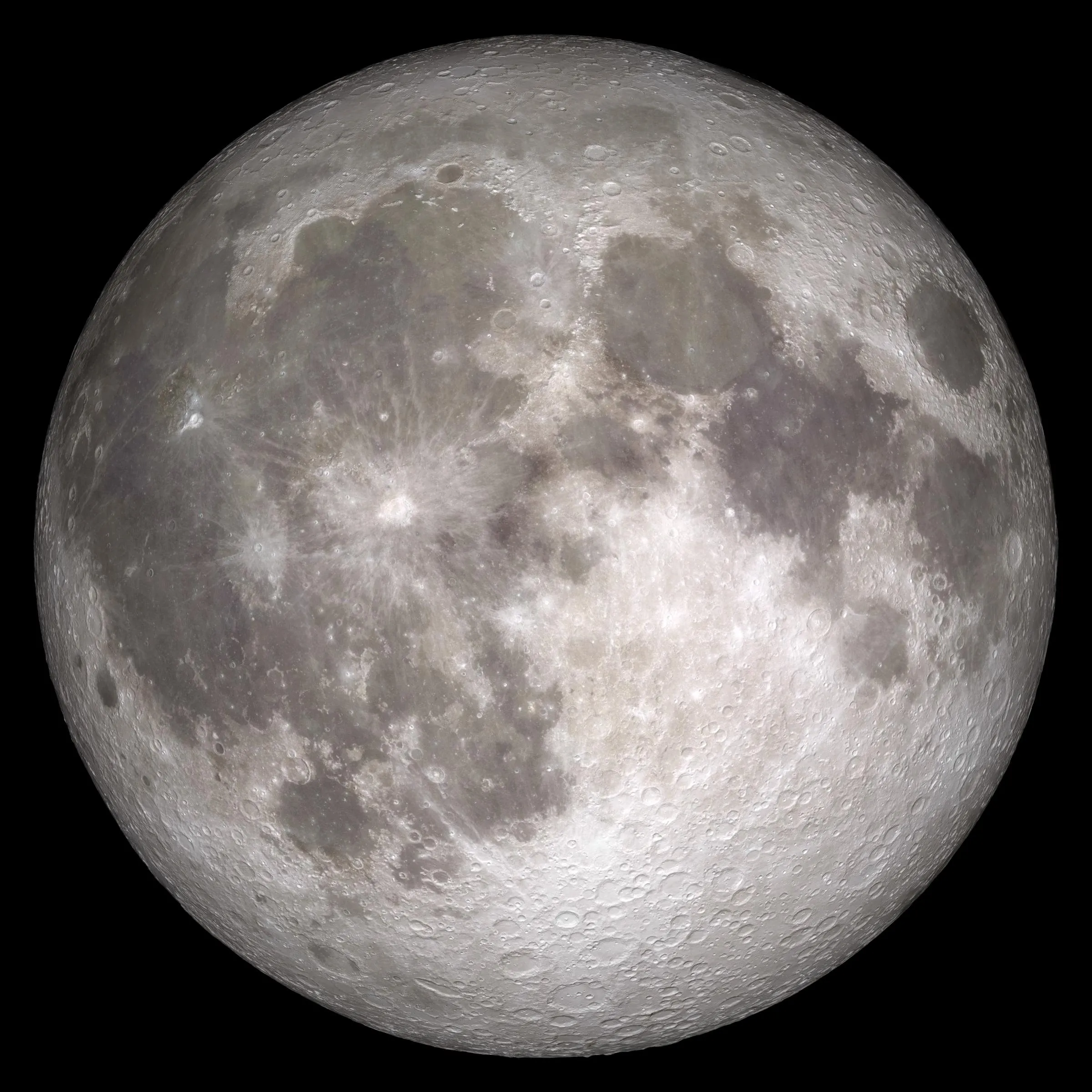
The Moon is falling towards Earth all the time. It just keeps missing.
Look
Drop a ball and it falls. Throw it sideways and it still falls, but it lands farther away. Isaac Newton asked a simple question: what if you threw it really fast?
Imagine a cannon on top of an impossibly tall mountain, above the air. Fire a cannonball slowly and it curves down and hits the ground. Fire it faster and it lands farther away. Because Earth is round, the ground curves away beneath the ball. At just the right speed, the ground curves away exactly as fast as the ball falls. The ball keeps falling, but never lands. It is in orbit.
Try it with the cannon above. Start slow, then go faster:
- ძალიან ნელა: უკან იხევს (წითელი).
- სწორად: ის მთლიანად გარშემო მიდის (მწვანე).
- ძალიან სწრაფად: ის გადის და აღარ ბრუნდება (ყვითელი).
This is also why astronauts float. They are not beyond gravity. They, and their spacecraft, are falling around Earth together.
Understand
Newton’s law of universal gravitation says every mass pulls on every other mass:
F = G · M · m / r²
- F is the force, M and m the two masses, r the distance between their centres.
- G is the gravitational constant: 6.674 × 10⁻¹¹ N m² kg⁻².
Two ideas are packed into it:
- Heavier things pull harder. Double the mass, double the force.
- Distance weakens it fast. Double the distance and the force drops to a quarter. That is the inverse-square law.
Near a planet, the acceleration of anything falling is g = GM / r². For Earth that gives about 9.8 m/s² at the surface. At the height of the International Space Station (about 420 km), r is only 7% larger, so gravity is still about 88% as strong.
For a circular orbit, gravity must supply exactly the pull needed to keep turning the path:
v_ ციკლური = √(GM / r)
Just above Earth’s surface this is about 7.9 km/s. Faster than a rifle bullet: roughly 28,000 km/h.
Master
In practice we almost never use G and M separately. Their product μ = GM, the gravitational parameter, is measured directly and far more precisely from the motion of moons and spacecraft. For Earth, μ = 398,600.4355 km³ s⁻², known to a few parts per billion, while G itself is known only to about 22 parts per million (CODATA 2018). The mass of Earth quoted in tables is really μ divided by G, and it inherits G’s uncertainty.
The cannon tool solves the motion exactly for a two-body problem. A horizontal launch from radius r₀ with speed v gives angular momentum h = r₀v and a conic orbit:
r( ν ) = p / (1 + e cos ν), p = h² / μ, e = |p / r₀ − 1|
სადაც ν არის კუთხე პერიაპიზისგან. თუ v ცირკულარული სიჩქარის ქვემოთა ნაწილია, მაშინ გაშვების წერტილი აპოასპისია და გზის ხაზი შიგნითაა; if it also dips below the surface, the ball hits the ground. At √(μ/r₀) the orbit is a circle (e = 0). At √(2μ/r₀) it becomes a parabola (e = 1) and the ball escapes.
Newton’s law also explains why the tool’s mountain is drawn so absurdly tall: in reality the air would slow any cannonball long before orbital speed, which is why rockets climb above most of the atmosphere before accelerating sideways.
Try it
დედამიწაზე, იპოვეთ ყველაზე დაბალი გაშვების სიჩქარე რომელიც მაინც იძლევა ორბიტას. შემდეგ გადადით მთვარეზე და მარსზე. რატომ არის პასუხი ასე განსხვავებული? შეამოწმეთ ეს რიცხვებს შორის.
Great. Challenges are where the learning sticks.
Quick quiz
3 სწრაფი კითხვები. აირჩიეთ პასუხი, რომ ნახოთ მართალი ხართ თუ არა.
-
If you double the distance between two objects, the gravitational force between them becomes:
- A Twice as strong
- B Half as strong
- C A quarter as strong
- D შეუცვლელი
პასუხის ჩვენება
C. A quarter as strong 1/2² = 1/4.
-
Astronauts on the International Space Station float because:
- A There is no gravity in space
- B They are falling around Earth together with the station
- C The station is outside Earth's atmosphere
- D The Moon pulls them up
პასუხის ჩვენება
B. They are falling around Earth together with the station At the station's height gravity is still about 90% of its surface value.
-
What is the circular orbit speed just above Earth's surface (ignoring air)?
- A About 0.8 km/s
- B About 7.9 km/s
- C About 11.2 km/s
- D About 30 km/s
პასუხის ჩვენება
B. About 7.9 km/s v = √(GM/r) = √(398,600 / 6,371) ≈ 7.9 km/s. 11.2 km/s is the escape speed.
ბოლო ხაზი
- Played with the interactive
- Read the lesson
- Did the challenge
- Took the quiz
გაკვეთილის დასრულების შენიშვნა, რომ ის ამ მოწყობილობაზე თქვენი პროგრესის ჩანაწერში შეინახოთ.
Lesson complete. Well done!
შემდეგი კეპლერის კანონებიამ გაკვეთილის სიტყვები
წყაროები
- NASA JPL, Basics of Space Flight, Chapter 3: Gravity and Mechanics
- I. Newton, Philosophiae Naturalis Principia Mathematica (1687), Book III; the cannon thought experiment is in 'A Treatise of the System of the World' (1728)
- CODATA 2018 value of the Newtonian constant of gravitation (NIST)
- JPL SSD: astrodynamic parameters (GM values)
- NASA NSSDCA Planetary Fact Sheet
ეს გაკვეთილი ლიცენზირებულია CC BY-SA 4.0.