
This lesson was drafted by a Local Solar System Foundation team member and could be improved by a qualified reviewer. Are you qualified in this subject?ផ្ដល់យោបល់កែសម្រួល
ប្រអប់ខ្សាច់អ័ក្ស
បើកទំព័រពេញWhat is an orbit? Throw a ball sideways and it curves down to the ground.Throw it faster and it lands farther away.Throw it fast enough and the ground curves away beneath it as quickly as it falls, so it never lands: it keeps falling around the planet and always misses.That is an orbit.Nothing holds a satellite up;it is falling all the time.
អ្វីដែលកើតឡើង:
ព្យាយាមក្នុងនេះ
ធ្លាក់ត្រឡប់ក្រោយ អូប៊ីត ជម្រះ
·
កំណត់អ័ក្សឲ្យសម (ធាតុអ័ក្ស និងច្បាប់របស់ Kepler)
Astronomers describe an orbit with five numbers called orbital elements.Change them here;the height and speed above follow.
របៀបប្រើវា
- ល្បឿនចំហៀង
- This one control decides what happens.Too slow and it falls back.Fast enough and it goes round in a circle.Faster and it swings out into an ellipse.Faster than escape speed and it leaves for ever.The coloured bar under the slider shows where each begins at the chosen height.
- កម្ពស់
- Where it starts.Higher up, gravity is weaker, so a slower speed is enough to stay in orbit.
- ល្បឿនពេលវេលា
- Real orbits take hours, days or years, so time runs faster here.ពេលវេលា × 1,000 មានន័យថាវិនាទីនីមួយៗនៅលើអេក្រង់គឺ 1,000 វិនាទី (ប្រហែល 17 នាទី) ក្នុងចន្លោះ ។The planet's turning is sped up by the same amount.The numbers shown are always the real ones.
- បទដី
- The gold trail on the ground is the path directly beneath the satellite.Earth turns underneath the orbit, so each lap passes over different places.
- ព្រួញមាស
- Which way it is moving and how fast: the longer the arrow, the faster.
- មើលជុំវិញ
- Drag to turn the view, scroll or pinch to zoom.The faint grid is the plane of Earth's equator (or, around the Sun, the plane of Earth's orbit).
តារាងទិន្នន័យ (ជំនួសអត្ថបទ)
| ជំហានពេលវេលា | ចម្ងាយពីព្រះអាទិត្យបច្ចុប្បន្ន | ល្បឿនឥឡូវ |
|---|
Six numbers. That is all it takes to describe any orbit in the solar system, from the Moon’s to a comet’s. រៀនអានពួកគេ ហើយអ្នកអាចចងកន្លែងដែលពិភពលោកនឹងទៅជាប៉ុន្មានឆ្នាំខាងមុខ ។
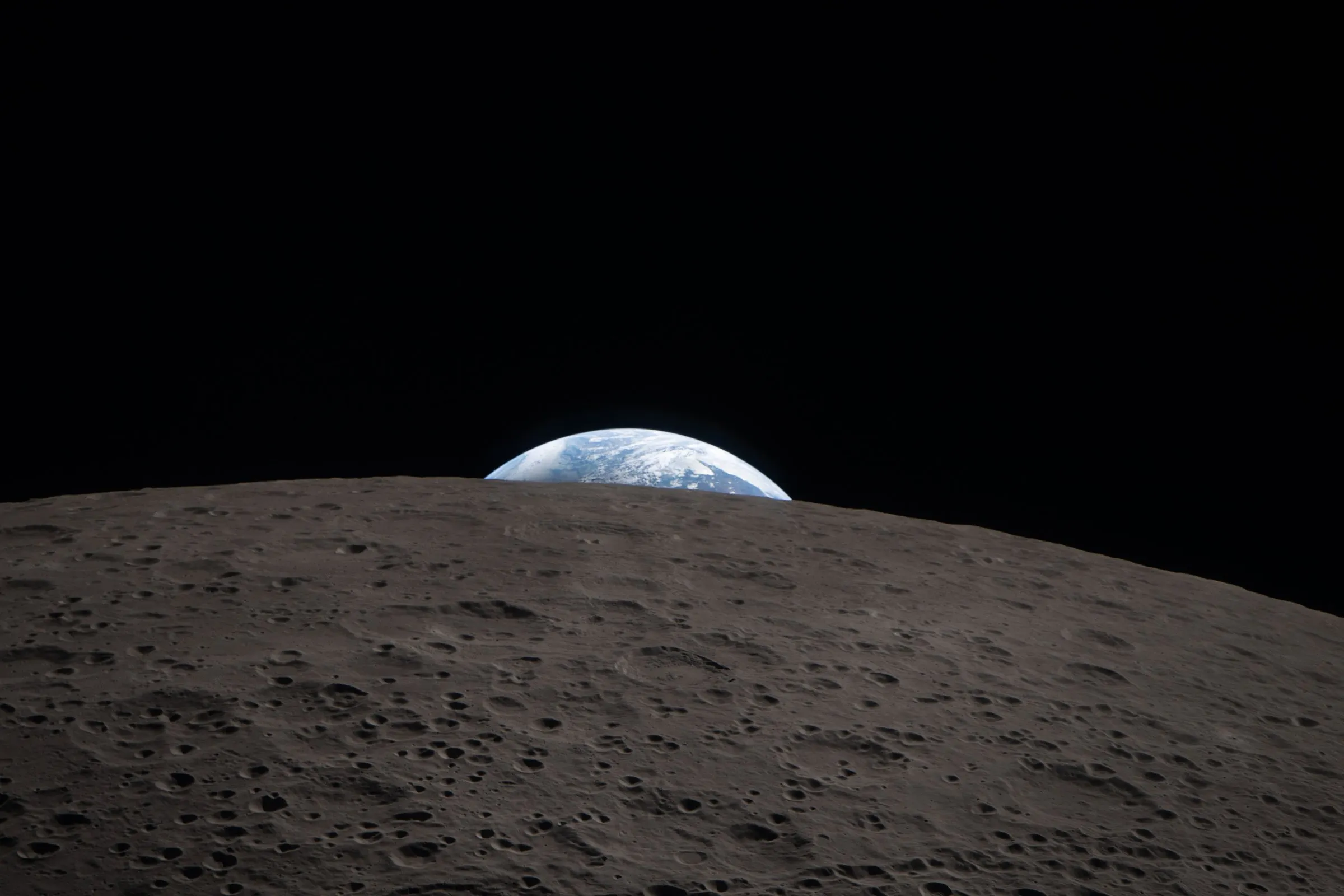
Six numbers describe any orbit in the solar system.
មើល
To describe where a satellite or planet goes, you need to answer a few questions:
- How big is the orbit?
- តើមានរាងដូចម្តេច: មូលឬពង្រីក?
- How tilted is it?
- តើផ្លូវណា ដែលការបង្វិលត្រូវបានជួប?
- Which way does the stretched part point?
- កន្លែង លើអ័ក្សគឺរាងកាយឥឡូវនេះ?
Each answer is one number. Together these six numbers are called the orbital elements, and they describe any orbit.
In the sandbox, the Molniya orbit is loaded. Russian communication satellites use this long, tilted orbit so they hang for hours high above the far north, where geostationary satellites are hard to see. Tick Side view to see the tilt, and play with the sliders.
យល់
| ធាតុ | និមិត្តសញ្ញា | អ្វីដែលវាកំណត់ |
|---|---|---|
| អ័ក្សពាក់កណ្ដាលធំ | បង្កើតបន្ទាត់ | ទំហំ |
| ភាពចម្លែក | និង | រាង |
| មុំ | ផ្លាស់ទីកង់ | បង្វិលយន្តហោះអ័ក្សប្រឆាំងនឹងយន្តហោះយោង |
| រយៈបណ្ដោយថ្នាំងឡើង | Ω | ទិសដែលអ័ក្សកាត់តាមផ្ទៃយោងឡើងលើ |
| អាគុយម៉ង់របស់ចំណុចចុង | ω | ចំណុចដែលនៅជិតបំផុតស្ថិតនៅកន្លែងណា ដែលបានវាស់ក្នុងផ្ទៃអ័ក្សពីថ្នាំងឡើង |
| អថេរមធ្យមនៅពេលសម័យ | ម | កន្លែងដែលរាងកាយនៅពេលវេលាដែលបានផ្ដល់ (សម័យ) |
For planets, the reference plane is usually the ecliptic, the plane of Earth’s orbit, and the reference direction is the March equinox. For Earth satellites, the reference plane is Earth’s equator.
Some meaningful values:
- i = 0°: the orbit lies in the reference plane. ផ្កាយរណប geostationary មាន i = 0 និង e = 0 នៅជុំវិញអេក្វាទ័ររបស់ផែនដី។
- i = 90°: a polar orbit, passing over both poles.
- i > 90°: retrograde, ដើរត្រឡប់ក្រោយ ។
- The Molniya orbit uses i = 63.4° on purpose: at that tilt, Earth’s bulge does not make the periapsis drift around the orbit.
មេ
The three angles are an ordered set of rotations. ចំណុចមួយក្នុងយន្តហោះអ័ក្ស (x′ ទៅកាន់ periapsis, y′ 90° មុខ) ត្រូវបាននាំចូលទៅក្នុងស៊ុមយោងដោយ R_z(−Ω) · R_x(−i) · R_z(−ω) ។ This is exactly the transformation in JPL’s “Approximate Positions of the Planets”, which the site’s orrery uses:
x = (cos ω cos Ω − sin ω sin Ω cos i) x′ + (−sin ω cos Ω − cos ω sin Ω cos i) y′
and similar expressions for y and z.
តារាងភពផ្កាយជាញឹកញាប់ផ្តល់នូវកំណែផ្សេងគ្នាដូចជា៖ អ័ក្សនៃ perihelion ϖ = Ω + ω (មានប្រយោជន៍នៅពេល i គឺតូច ហើយ Ω ត្រូវបានកំណត់យ៉ាងអាក្រក់) និង អ័ក្សមធ្យម L = ϖ + M ។ The JPL tables list a, e, i, L, ϖ, Ω with their rates of change per century, because the other planets slowly perturb every orbit.
ហេតុអ្វីបានជា 63.4°? ផ្ទៃក្រឡានៃភពផែនដីនៅត្រង់ចំណុចកណ្តាល (លក្ខខណ្ឌ J₂) ធ្វើឲ្យមានតួអក្សរថាការផ្លាស់ទីរបស់វាទៅកាន់ចំណុចចុងក្រោយគឺមានអត្រាស្មើនឹង (5 cos² i − 1) ។ វាបាត់ទៅវិញនៅពេល cos² i = 1/5, មានន័យថា i = 63.43° ឬ 116.57°: “ការជ្រុលនិយមសំខាន់” ។ ធាតុដែលនៅថេរក្នុងបញ្ហារាងកាយពីរលោតយឺតក្នុងពិភពលោកពិតហេតុនេះហើយបានជាធាតុកំណត់តែងតែមកជាមួយ epoch, ពេលវេលាដែលពួកគេមានសុពលភាពសម្រាប់ ។
សាកល្បងវា
Load the Molniya orbit, tick 'Side view', then change the inclination from 63.4 degrees to 0 and to 180.Describe in one sentence what each of the three angle sliders does to the orbit.
អស្ចារ្យ. ការប្រឈមមុខគឺជាកន្លែងដែលការរៀនត្រូវបានចង ។
សំណួររហ័ស
3 quick questions.Pick an answer to see if you are right.
-
Which element tells you how tilted an orbit is?
- A ភាពចម្លែក
- B មុំ
- C អ័ក្សពាក់កណ្ដាលធំ
- D អប្បបរមាអវិជ្ជមាន
បង្ហាញចម្លើយ
B. មុំ
-
An orbit with inclination greater than 90 degrees is:
- A មិនអាច
- B Retrograde: the body goes around backwards
- C ជារង្វង់ជានិច្ច
- D ក្រៅប្រព័ន្ធព្រះអាទិត្យ
បង្ហាញចម្លើយ
B. Retrograde: the body goes around backwards Halley's Comet (162 degrees) and Neptune's moon Triton (about 157 degrees) are retrograde.
-
Which two elements describe the size and shape of the orbit?
- A មុំ និងថ្នាំង
- B អ័ក្សពាក់កណ្ដាលធំ និងភាពចម្ងាយពីកណ្តាល
- C អាគុយម៉ង់នៃចំណុចប្រសព្វ និងភាពមិនប្រក្រតីមធ្យម
- D ថ្នាំង និងភាពមិនប្រក្រតីមធ្យម
បង្ហាញចម្លើយ
B. អ័ក្សពាក់កណ្ដាលធំ និងភាពចម្ងាយពីកណ្តាល
បន្ទាត់បញ្ចប់
- បានលេងជាមួយអន្តរកម្ម
- អានមេរៀន
- បានធ្វើការប្រកួត
- បានធ្វើការសាកល្បង
Mark the lesson complete to save it to your progress on this device.
Lesson complete.ល្អណាស់!
ឡើងលើបន្ទាប់ Orbital speed: the vis-viva equationពាក្យក្នុងមេរៀននេះ
ប្រភព
- NASA JPL, Basics of Space Flight, Chapter 3: Gravity and Mechanics
- JPL SSD: Keplerian elements for approximate positions of the planets
- JPL Small-Body Database API documentation (orbital element definitions)
- JPL SSD: Planetary Satellite Mean Elements
- ESA: Types of orbits
មេរៀននេះមានអាជ្ញាបណ្ណ CC BY-SA 4.0.