
Igaragazambere
Twebwe na. Twebwe buri Umunsi, Bya na in A Aho kubariza Nka.
NASA
ni i na i: ku, na, Gihinguranya na, na. Umutwempangano OYA. i A Bya amafaranga, Amahinduka, na i Abantu, Ibyiza by’ Ingororamuco,, na Buri gihe i.
na OYA
i Ishusho ni. A ni Kuri.
- na, Inzira% s Bya i. Ibimenyetso,, na i Kabiri Bya Cyangwa Inzira% s Bya A Kizima, Ifashayobora Abantu Gushaka, na Gushigikira Bya hafi Ibicuruzwa. ni Ishyiraho na Igipimo: i, Inyuma Bya Windows na, na OYA Birutwa Cyangwa. Ikimenyetso, OYA, i in.
- Na Na: i Uruhushya A ubusa A.
- Gucaho umurongo, Cyangwa Uruhushya ku Ikindi, na, ni i na Ishusho Bya Kigaragara in.
- Na:, na Bya, na ya:.
- Gusiba:,, na -.
: A ya:
ni Nka -. Abantu ya: na Na:. Itagi: ku A,, & School; Cyangwa Kuri, KURI Cyangwa Gusimbura, na i amafaranga Kuva:,, na: Kuva:.
ni
- Germany’s railway, Deutsche Bahn, puts the damage from graffiti at about €12 million a year, and recorded some 32,000 cases of vandalism across its network in 2024 (Bahnblogstelle, 2025).
- London’s boroughs spent about £7 million a year on graffiti and its transport companies more than £6 million, before counting the replacement of acid-etched Underground windows, which could add £10 million more. i Igiteranyo Inyungu Kuri i Ubukungu Bya ku Kwirenga £ 100 Miliyoni A Umwaka (London Assembly, 2002).
- In the United States, a figure of $12 billion a year is often quoted in police guidance, though its original calculation is not published (Weisel, US Department of Justice, 2009). i Igiteranyo,,, Amashuri na Gitoya Byose i.
Gusubira inyuma na Inyuma Bya Serivisi Kuri, Na: Acidiye Gusimbura, na Kuva: Kidasanzwe, na i Ubuso ni Kuri Kubika. na, A UMWE Umunsi Bya Gukaraba Kuri ya:.

Kuri Abantu
Amahinduka A. na Soma Nka A Shyiraho Umukono ni in: na Urubuga Ihuza Kigaragara, na, Kuri Bya, Hasi in na A Umugereka: Kuri i (Na, 2004). Nka Icyegeranyo Birenzeho, na, (na, 2009); in Rimwe Ubushakashatsi i Bya Bya ku na (na, 2001). Fixing places helps: in a randomised trial in Philadelphia, cleaning and greening vacant lots cut residents’ reports of vandalism by 39 percent and of feeling unsafe going outside by 58 percent (Branas et al., 2018), and reduced feelings of depression among nearby residents (South et al., 2018). ku Hitamo… Kuri Kwimura: Abakecuru, Abanyeshuri na ku hasi Amafaranga.
Gukwirakwiza
In 1982 James Q. Wilson and George Kelling argued in The Atlantic that visible disorder, left unrepaired, signals that nobody cares and invites more serious offending: the “broken windows” idea (Wilson and Kelling, 1982). Igerageza Nyuma. A Bya Umwanya in, in i, i Na: na in. With graffiti on the walls, the share of people who dropped a flyer as litter rose from 33 to 69 percent, and the share who stole an envelope visibly containing a banknote from a letterbox doubled from 13 to 27 percent (Keizer, Lindenberg and Steg, 2008).
ni, na ni By’ ingirakamaro Kuri Bigyanye. ni; Bya ni. A review of 30 studies found that disorder-focused strategies reduce crime modestly, and that community and problem-solving approaches, such as cleaning up places and working with residents, worked better than mass arrests (Braga, Welsh and Schnell, 2015). ni OYA Kuri, Kuri na i.
A Itagi: Cyavanyweho i & Umunsi ni. A Itagi: Ibumoso: ya: ni.
Akazi
- Gukuraho… - ni. From 1984, once a car had been cleaned it was kept clean: any new graffiti was removed within two hours or the car was taken out of service, so painted trains no longer ran. 1989 i Byose ni ya:. US police guidance reports that rapid removal reduces new graffiti, and many cities now aim to remove tags within 24 to 48 hours, because fast removal takes away the reward of being seen (Weisel, 2009).
- Legal walls and commissioned murals. Philadelphia’s Mural Arts Program began in 1984 as the Philadelphia Anti-Graffiti Network, which worked with young graffiti writers to paint murals instead (Mural Arts Philadelphia). Kuva yashyizweho Birenzeho 4,000 Bya rusange Ubuhanzi Na:, na A Ikimenyetso Bya i Umujyi (City in Pennsylvania, United States). Gicurasi A Umwanya ku.
- Ishusho. - ku, Izuba, Nka ku ubusa, na - Byakoreshejwe Umumaro Ubuso Ubwoko na.
- . - A -, - Hejuru iminsi na Ibisobanuro: Bya.

Ishusho
Kuri Gushushanya ku, na ni. Kuri ni OYA ni, a Kuri, na Ikindi Abantu Na: Twebwe Gushyira ku. , Imiryango na
- A.,, na Inturo: ku, Na: Uruhushya na A Ishusho ku.
- . Icyo ari cyo cyose, i Umukoresha, na i buri Umunsi ni ku OYA Hitamo… ni OYA A.
- i Ikindi. i, i Cyangwa i Kuri A Itagi:, in Amafaranga na in Igihe.
- A., Umushinga, na ya: A Kuri, na Kuri Bya.
- OYA buri wese. Ibara: ku buri; Agaciro:, Ki/ bishaje Cyangwa A. A Byakoreshejwe Umwanya ya: Byombi.

Imirongo, Na
Byose i A Reba, ni i. A Umurongo: Bya A ya: A; A Urubuga: Bya A na Gushisha.

- Amadosiye: Kuva:, na Kuri, na i Birenzeho Bya. Na Aho ni ya: i Abantu. A Bya in Byabonetse A Reba Bya A Cyangwa Hasi A Igiciro ku 5% S Kuri Birenzeho 20% S, i Umurongo:, Inyuma Bya, OYA (, 2002). in Gufungura na i Kigaragara.
i Reba OYA i. Underground transmission cables typically cost 5 to 10 times as much to build as overhead lines (ENTSO-E and Europacable, 2010). Over a whole lifetime the gap narrows: a UK engineering study put overhead lines at £2.2 to £4.2 million per kilometre, against £10.2 to £24.1 million for buried cable, with underground about 4.7 times the lifetime cost on one example route (IET and Parsons Brinckerhoff, 2012). Kuri na A Gihinguranya Na. For local distribution lines on streets, US utilities report underground construction at five to ten times the cost of new overhead lines, though buried lines are far less exposed to storms (Edison Electric Institute, 2013).
ni Kuri Hitamo…: Imirongo i na, Gishya Imirongo na Iburyo: Kuva:, Koresha Hasi - Ibijyana, na Hejuru Ryari: Hejuru. In Great Britain, the regulator set aside £500 million to put existing lines underground in protected landscapes; in Dorset, 22 pylons came down in 2022 after 8.8 km of line was buried (National Grid, Visual Impact Provision).
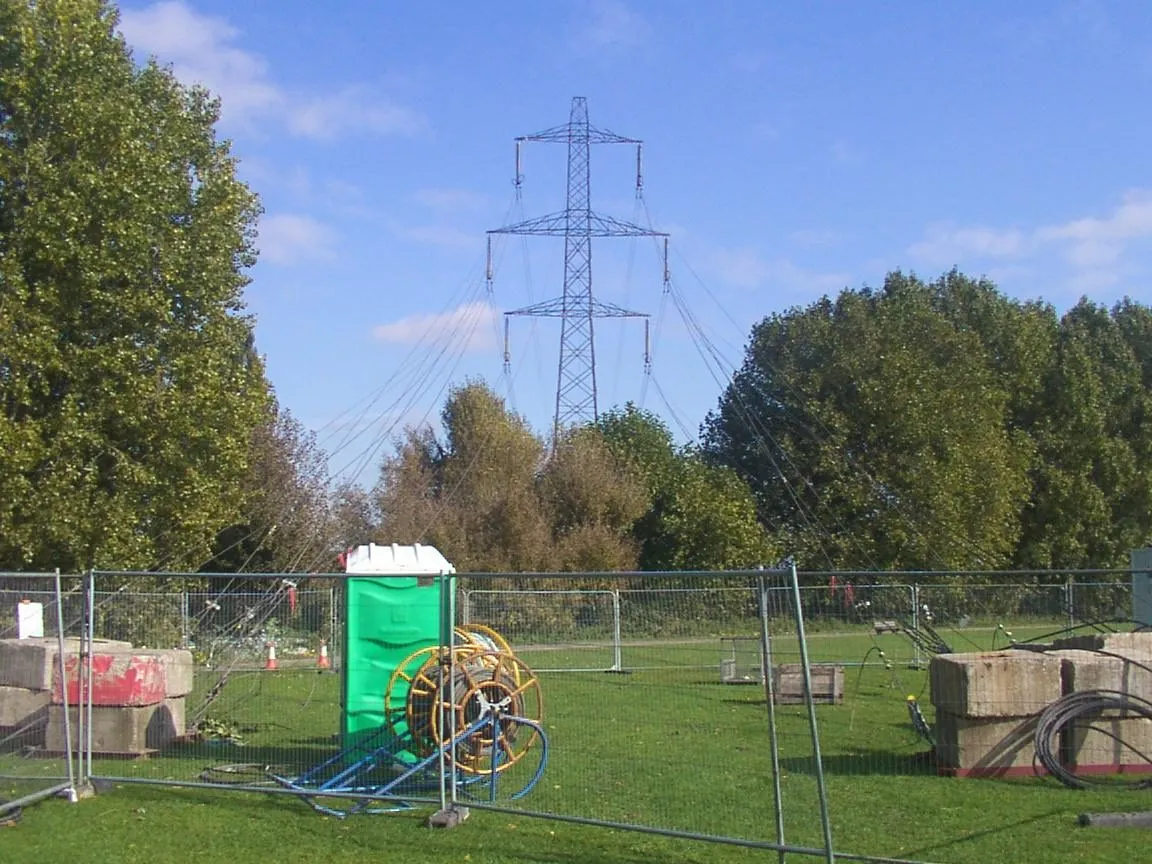
Gikora -, i ni: Bya Telephone, Interineti na hagati na, Kyongewe Rimwe ku Rimwe na Nta narimwe Cyavanyweho. Gushisha,, na A & Impanuka na.

Ibimenyetso
ni OYA A. , Ingendo na ibihugu Hejuru, Hejuru na Hejuru, na Byahinduwe:. Bya ku Abantu; ku ku A, na Hanyuma Kuri.
- New York City: a clean subway fleet. From 1984, once a subway car had been cleaned, it was never allowed to run with graffiti again: new tags were removed within two hours, or the car was taken out of service. By May 1989 the entire fleet was free of graffiti, because painting a train no longer earned an audience (Weisel, 2009).
- Philadelphia: from anti-graffiti network to open-air gallery. What began in 1984 as the Philadelphia Anti-Graffiti Network, working with young graffiti writers, has grown into Mural Arts Philadelphia, which has created more than 4,000 murals with local communities (Mural Arts Philadelphia; City of Philadelphia). In the same city, a randomised trial found that cleaning and greening vacant lots cut residents’ reports of vandalism by 39 percent and of feeling unsafe going outside by 58 percent (Branas et al., 2018).
- São Paulo: a city that set its own rules. By 2006 the streets of Brazil’s largest city were covered in billboards and giant hoardings, much of it put up illegally (BBC News, 2006). Its Clean City Law, in force from January 2007, removed outdoor billboards and set size limits for shop signs (Lei 14.223). Around 15,000 billboards came down, and surveys reported that more than 70 percent of residents approved (Adbusters, 2007). The city also learned a lesson: early clean-up crews painted over officially approved murals, and after protests São Paulo created a register of street art to be kept (Bloomberg, 2008). Hitamo… ya:; ku Ingano:, na Urumuri, ni Twebwe Gushigikira ku iyi Ipaji:.
- The United States: scenic roads. Four US states and more than 700 communities have chosen not to allow billboards at all (Scenic America). Birenzeho Gushyiraho ku Ibimenyetso Gicurasi.
- : Gushyiraho £ 500 Miliyoni Kuri Umurongo: in Byashyizweho. In Dorset, 22 pylons came down in 2022 after 8.8 km of line was put underground (National Grid).
- Inyandiko z’ itariki: Ryari:, na Gushyiraho ya: i Ingano:, Ibara: na Bya in.

iyi Akazi
-
Imiryango & OYA Gutangaza:% S na Ibisubizo Kugenzura… Ku Akazi na, NIBA Nka Kuri Ifashayobora, Kuri Gihinguranya. Local Solar System Oya Na: Icyo ari cyo cyose Bya na Bivuye. , Soma Ishyirahamwe ‘S buri mwaka Ibisobanuro: na Konti.
-
[] (https://www.muralarts.org/) (; Umufatanyabikorwa, i ni A Inyungu -. Ubuhanzi n’abaturanyi, urubyiruko n’abantu bavuye muri gereza, na Birenzeho 4000 kuva mu 1984.
-
(Ubwongereza, Kwiyandikisha 1071737). Kuri Impera Na, na Kuri Ifashayobora Abantu in i na Akazi, Gihinguranya -.
-
[] (https://www.scenic.org/) (, - - - in 1982). Kurinda Na, Kwandika Shyiraho Umukono, na.
Ifashayobora
- Na na Cyangwa Telephone Imirongo; Gikora Ibisobanuro: Gikora Kwimura.
- Itagi: ku Indangakintu…, Cyangwa Kubaza… Kigenga Kwimura.
- Cyangwa Tangira & vendorShortName; a Hejuru Umunsi in, Cyangwa.
- Na in Umwanya, Na: i Abantu.
- Kuri Bigyanye ni, na Ifashayobora Gushaka A, A Cyangwa A Umushinga.
- Gushigikira Bya Ryari: Hejuru, na Kubaza… Gishya.
- Gufasha Biturutse i Ifashayobora.
na
- Keizer, Lindenberg and Steg (2008), The spreading of disorder, Science 322
- Wilson and Kelling (1982), Broken windows, The Atlantic
- Braga, na Schnell (2015), Gukuraho ibyaha? A Isuzuma na Meta -, * Bya in Na * 52
- Sampson and Raudenbush (2004), Seeing disorder: neighborhood stigma and the social construction of “broken windows”, Social Psychology Quarterly 67
- Ross and Mirowsky (2001), Neighborhood disadvantage, disorder, and health, Journal of Health and Social Behavior 42
- Ross and Mirowsky (2009), Neighborhood disorder, subjective alienation, and distress, Journal of Health and Social Behavior 50
- na (2018), Kuri Gusubiramo ubusa, PNAS 115
- na (2018), Bya Ibara:, * Gufungura * 1
- (2009), Graffiti, Ibimenyetso by’ibibazo bishingiye ku mategeko 9,
- (2002), in
- (2025), Ikosa ry’ inyandikonyakwirema
- Vikidiya City in Ontario, Canada,
- , Urutonde; Bya, City in Pennsylvania, United States
- (2002), Imirongo Kigaragara Na Uduciro, * Bya * 23
- na (2010), na Bya Bya Gitoya Bya Birenzeho hejuru
- na (2012), Igenzura ry’amashanyarazi
- (2013), Bya, Bya 2012: ku i Bya
- National Grid, Umushinga
- City of São Paulo, Law 14.223 of 2006, Lei Cidade Limpa
- Amerika, Na Shyiraho Umukono Igenzura na Urutonde
- (2006), Amatangazo y’abagabo, BBC
- (2007), a, *
-
- na Munyakazi Sadate (w. https://web.archive.org/web/20110604072708/http://www.bloomberg.com/apps/news?pid=newsarchive&sid=ar4OrAXUisPQ&refer=latin_america), Bloomberg
- Bivuye i ya: na na - Imimerere Kuva: MukusanyaKDE