
What is light pollution?
Light pollution is light in the wrong place, at the wrong time, in the wrong amount. It is the easiest pollution on Earth to stop.
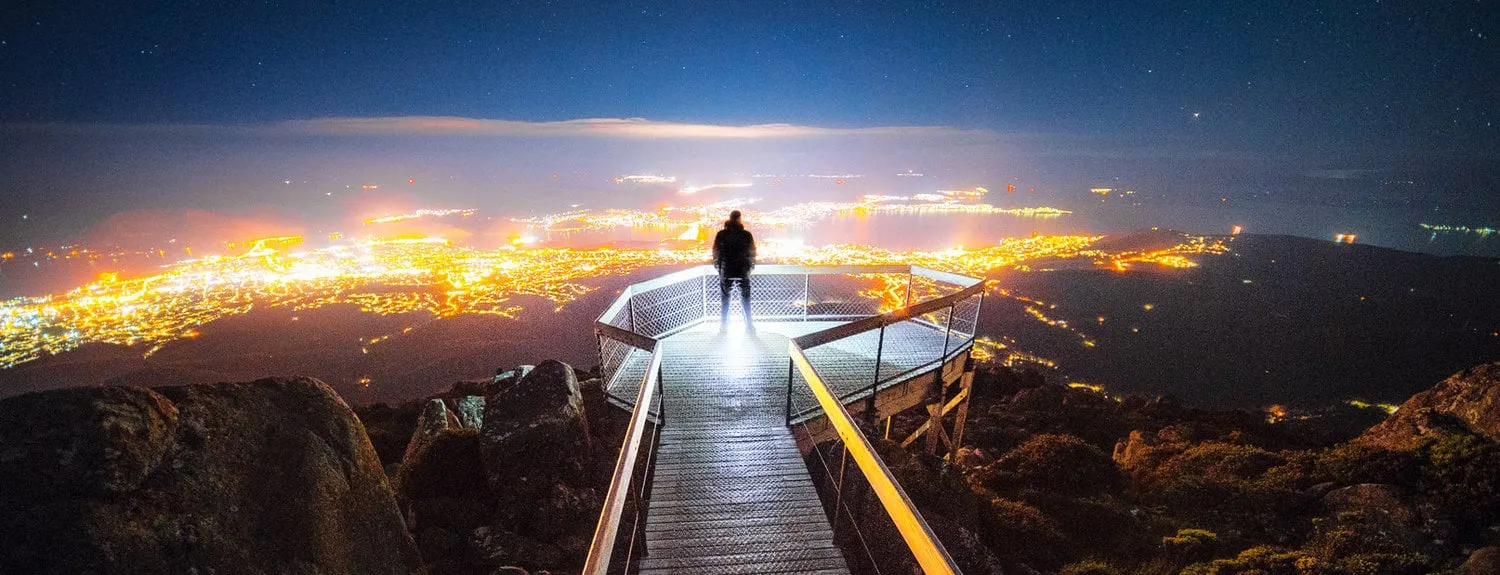
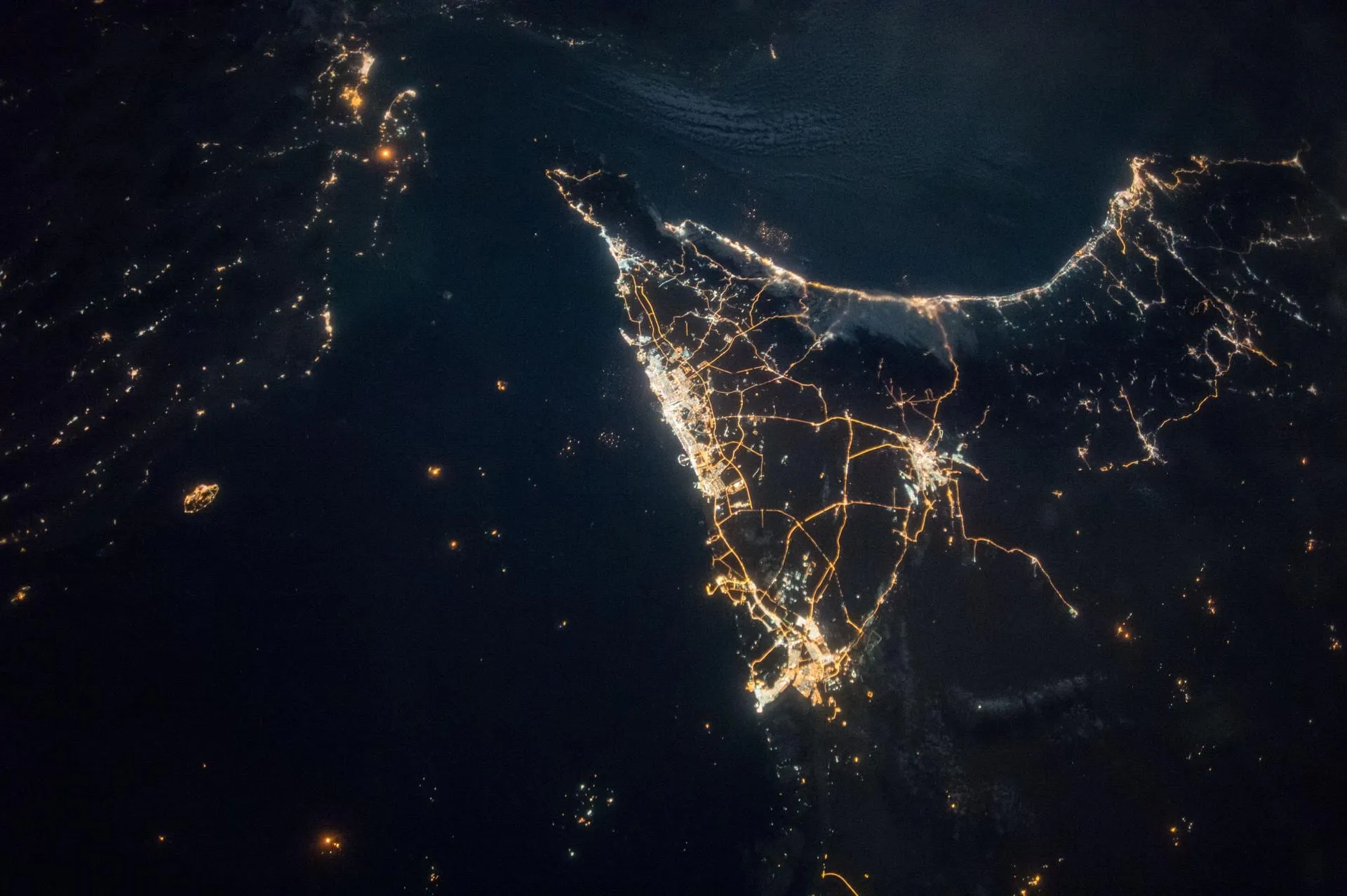
Artificial light is one of the great inventions of humanity. It lets us work, travel and gather after dark, and it makes streets feel safer. But most outdoor lighting is designed badly: it throws light where nobody needs it. The result is light pollution, and in one lifetime it has erased the night sky for most of the planet’s people.
Four ways light goes wrong
- Skyglow. The orange or white dome over towns and cities, caused by light scattering in the atmosphere. It can be seen from hundreds of kilometres away.
- Glare. Excessive brightness that causes visual discomfort and, paradoxically, reduces visibility, especially for older eyes and for drivers.
- Light trespass. Light falling where it is not wanted or needed, such as into a bedroom window or a nature reserve.
- Clutter. Bright, confusing groups of light sources, common in over-lit commercial areas.
Why it matters
Astronomy and culture. The night sky is humanity’s oldest shared heritage. Observatories now have to be built on remote mountaintops, and one in three people can no longer see the Milky Way from home.
Wildlife. Life evolved with a day and a night. Many migrating birds fly at night and navigate by the stars; lit buildings attract and disorient them, and building collisions kill hundreds of millions of birds each year in the United States alone. Sea-turtle hatchlings head for the brightest horizon to find the sea; lights inland lead them the wrong way. Insects swarm around lamps until they die, contributing to insect decline. Bats, frogs and plants all change their behaviour under artificial light.
Human health. Light at night, especially blue-rich light, suppresses melatonin, the hormone that regulates sleep, and shifts the body clock. Research links chronic disruption of the body clock to poorer sleep and other health effects; the evidence on specific diseases is still developing, and we follow it without drawing conclusions it does not support.
Energy and money. Light that shines upward lights nothing. Every unshielded lamp wastes part of the electricity it uses, and the emissions that come with it.
Safety. More light does not automatically mean more safety. Glare creates shadows where the eye cannot see, and studies of street lighting and crime give mixed results.
The night is half of the life of this planet. We have been lighting it as if nobody lived there.
The fix is simple
Most environmental problems are complex and slow. This one is not: the solutions are cheap, available today, and work the instant they are installed. Read how to light outdoors wisely.
How you can help
- Switch off what you do not need, especially decorative and all-night lights.
- Shield and aim down every outdoor light you own; choose warm bulbs of 3000 K or lower.
- Close curtains at night so indoor light stays inside.
- Talk to neighbours about glaring lights, with a practical fix in hand.
- Ask your council and local businesses for shielded, warm, dimmed lighting and for signs to go off after closing time.
- Protect migrating birds: in spring and autumn, turn off unnecessary lights in tall buildings at night.
- Count stars with Globe at Night and start a dark-sky group through the contribution board.
Sources and further reading
- DarkSky International, Light pollution
- Falchi et al. (2016), The new world atlas of artificial night sky brightness, Science Advances
- Kyba et al. (2023), Citizen scientists report global rapid reductions in the visibility of stars, Science
- Loss et al. (2014), Bird-building collisions in the United States, The Condor
- More studies are listed on our scientific publications page.