
Lighting outdoors wisely
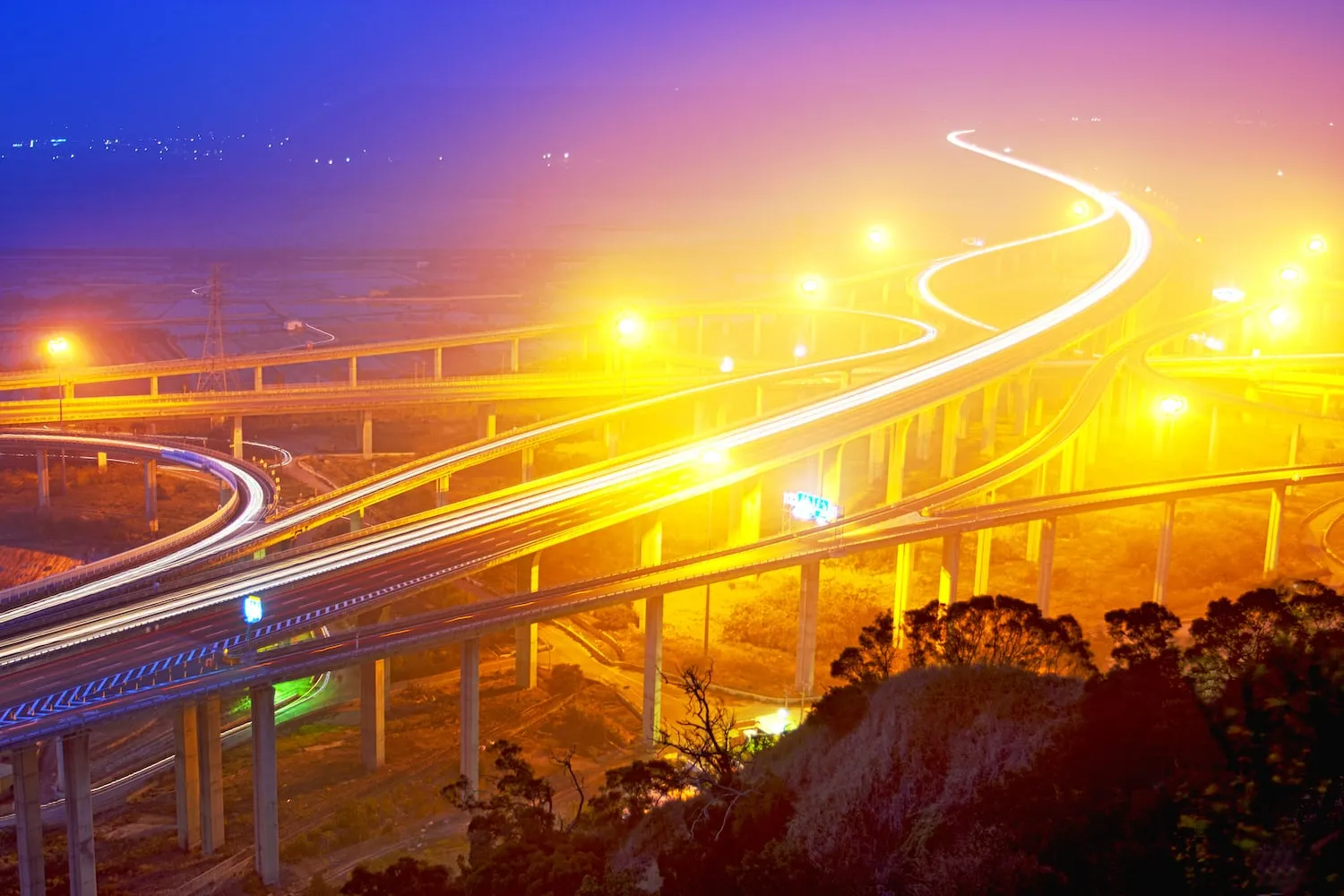
The perfect outdoor light is the one you do not notice: it lights the path, not the sky, the neighbour's bedroom or the eyes of the driver.
Most outdoor light is wasted. It shines sideways into windows, up into the sky, and into the eyes of people who then see less, not more. The fix is not darkness: it is good light. Every rule on this page saves money as well as the stars, and most of them can be applied in an afternoon with a screwdriver.
Five rules for good light
These follow the five principles for responsible outdoor lighting published by DarkSky International and the Illuminating Engineering Society:
- Useful. Light only what needs it, such as a path, a door or the walking area of a car park.
- Targeted. Point light down, where it is needed, with shielding so none escapes above the horizontal.
- Low level. No brighter than necessary. Eyes adapt well to lower levels, and glare disappears.
- Controlled. On only when needed, with timers, dimmers and motion sensors.
- Warm colour. Keep blue light to a minimum: choose 3000 K or lower, and amber light in sensitive places.
Light that goes up lights nothing we need.
What to buy and what to avoid
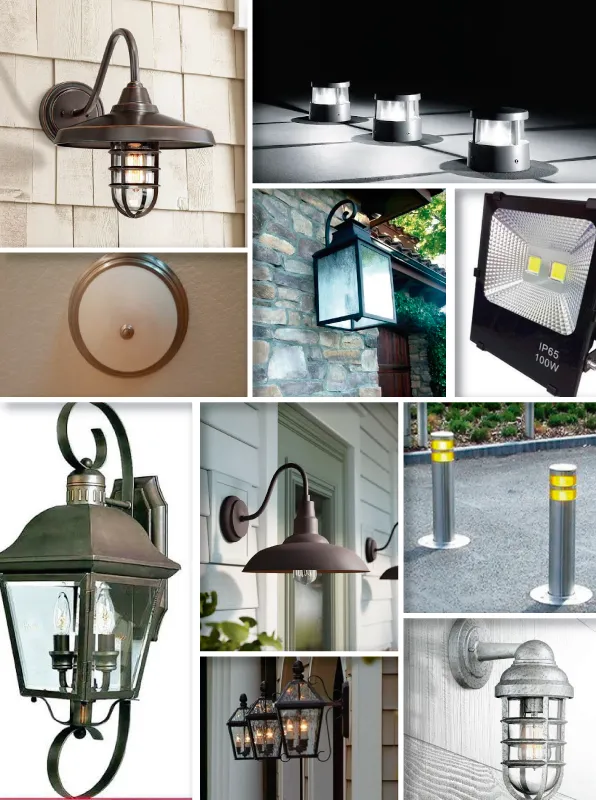
Avoid: exposed bulbs, clear glass lanterns, globes, uplights, and floodlights aimed sideways or up. Avoid bulbs labelled cool white or daylight (4000 K and above) for outdoor use, and “security” floodlights that stay on all night.
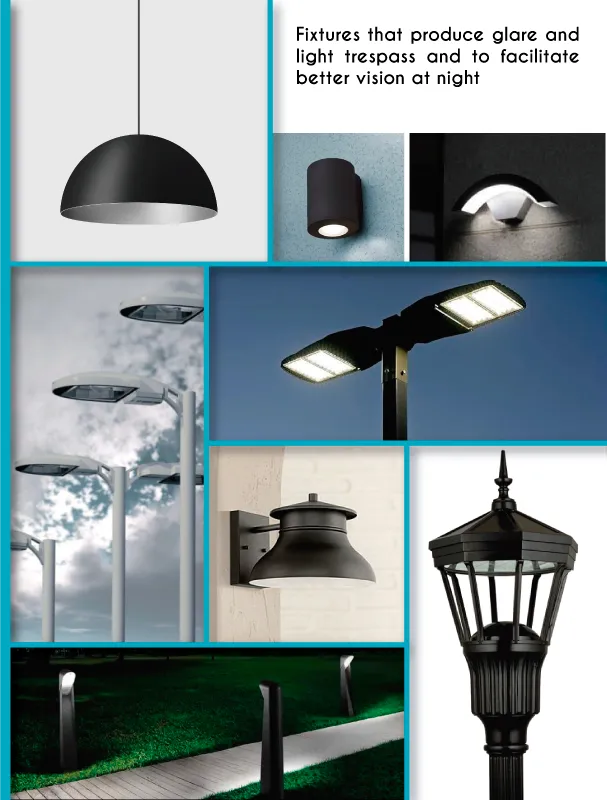
Buy: fixtures described as fully shielded or full cut-off, ideally carrying the DarkSky Approved seal; warm white LED bulbs of 3000 K or lower (2700 K is widely available, and amber around 2200 K is better still); the lowest brightness that works, measured in lumens on the box; and a timer or motion sensor for anything outdoors.
Fix what you already have
You do not need to replace every light. Most existing fixtures can be improved:
- Swap the bulb for a warm white one of lower brightness.
- Add a shield. Retrofit shields and caps are sold for many wall packs and lanterns; a simple metal hood over a porch light can block most of its upward and sideways light.
- Re-aim floodlights straight down, or replace them with a shielded fixture.
- Lower it. A fixture mounted lower lights the ground more and the neighbourhood less.
- Add a timer or a motion sensor, set to a short time. A light that only comes on when someone walks past is safer and cheaper than one that burns all night.
- Close the curtains at night so indoor light does not spill out.
Types of outdoor lamp
- Low-pressure sodium (LPS): very efficient, with a narrow orange glow. Ideal near observatories and sensitive habitats, though colours are hard to tell apart under it.
- High-pressure sodium (HPS): the familiar orange-pink streetlight. Warmer and less blue than white light.
- Metal halide: white light, rich in blue.
- LEDs: now the most common choice. Efficient, long-lasting and, crucially, dimmable: they can drop low when streets are empty and return to full brightness when needed.
Many cities are replacing old streetlights with LEDs. That is a golden chance to cut light pollution, but only if the new lights are shielded and warm. The American Medical Association recommended in 2016 that community lighting stay at 3000 K or lower. A bright, blue-white LED can make skyglow worse than the lamp it replaced.
Why colour matters
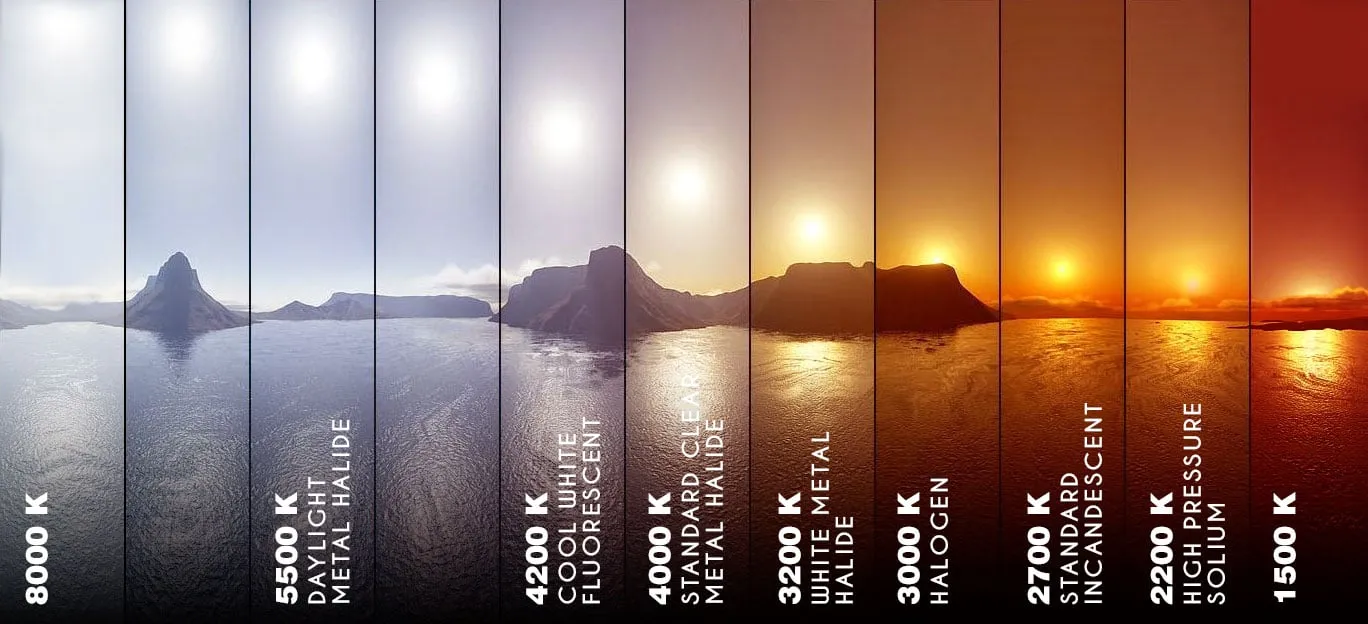
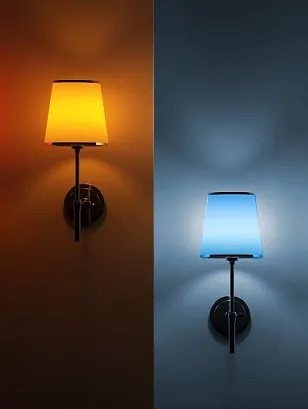
The colour of light is measured as colour temperature, in kelvin (K). Lower numbers mean warmer, more orange light; higher numbers mean cooler, bluer light. Blue light scatters in the atmosphere far more than orange light, so it brightens the sky the most. It is also the part of the spectrum that most strongly tells the body “it is daytime”, and the part that attracts and disorients many insects.
Glare
Glare from poorly shielded lights reduces contrast and hides hazards at night. Older eyes suffer most. Well-shielded light at a moderate level lets the eye adapt and see more, not less.
Talking to neighbours and councils
- Start friendly. Most people have never thought about their lights. Mention that a shielded, warm light is cheaper to run and easier on the eyes; offer this page.
- Offer a practical fix: a warmer bulb, a timer, or a shield. Offering to help fit it often settles the matter.
- For your council, write briefly: ask whether the area has an outdoor lighting policy; ask that new and replacement streetlights be fully shielded, 3000 K or lower, and dimmed late at night; ask for dark-sky protection of parks and nature reserves. Ask for the answer in writing.
- Bring numbers. Councils respond to costs: well-controlled LED lighting can cut street-lighting energy bills substantially.
How you can help
- Fix one light this week: yours.
- Share a before-and-after photo of a light you have shielded or warmed.
- Map the worst glare in your street and send it to your council.
- Volunteer to run a lighting workshop or a star count through the contribution board.
Sources and further reading
- DarkSky International and IES, Five principles for responsible outdoor lighting
- DarkSky International, Lighting basics
- DarkSky International, DarkSky Approved products
- American Medical Association (2016), AMA adopts guidance to reduce harm from high intensity street lights