
This lesson was drafted by a Local Solar System Foundation team member and could be improved by a qualified reviewer. Are you qualified in this subject?ផ្ដល់យោបល់កែសម្រួល
គ្រាប់កាំភ្លើងរបស់ញូវតុន
បើកទំព័រពេញWhat is this? Isaac Newton imagined a cannon on a mountain so tall that it pokes out of the air.Fire the ball slowly and it falls back down.Fire it fast enough and the ground curves away beneath it as fast as it falls, so it never lands.That is an orbit.
របៀបប្រើវា: Set the launch speed with the slider or a speed button, then press Fire.Earlier shots stay on screen so you can compare them.
How fast is that?
- គ្រាប់របស់អ្នក
- យន្តហោះចម្បាំង, អំពី 900 km/h (0.25 km/s)
- គ្រាប់កាំភ្លើង, ប្រហែល 1 គីឡូម៉ែត្រ / វិនាទី
- ល្បឿនអ័ក្ស
- ល្បឿនគេច
The mountain is drawn far taller than any real one so you can see it.Air resistance is ignored.
ព្យាយាមក្នុងនេះ
- Press "Jet airliner" and fire, then "Rifle bullet" and fire.Notice: Both drop back down almost at once.Even very fast everyday things are nowhere near fast enough to orbit.
- Press "Orbit speed" and fire.Notice: The ball goes all the way round and comes back to the cannon.វាធ្លាក់ចុះទាំងអស់ពេលនេះ ប៉ុន្តែវានៅតែមិនបានទៅដល់ដីដដែល ។នេះជារបៀបដែលស្ថានីយអវកាសអន្តរជាតិនៅតែមានជីវិត។
- Fire a little slower than orbit speed, then a little faster.Notice: Slower: it curves down and lands part of the way round.Faster: the circle stretches into a long oval that swings far out and comes back.
- Press "Escape speed" and fire, then switch the planet to the Moon.Notice: At escape speed the ball leaves and never comes back.On the Moon, with its weaker gravity, orbit speed is only about 1.6 km/s.
គំនិតនៅពីក្រោយវា
Why doesn't the orbiting ball fall down?
វាធ្លាក់ចុះ គ្រប់ពេល ។ ផ្ទៃផែនដីកោងចុះក្រោមដោយប្រមាណជា5ម៉ែត្រ សម្រាប់រាល់8គីឡូម៉ែត្រដែលអ្នកធ្វើដំណើរ ហើយអ្វីដែលបានធ្លាក់ចុះធ្លាក់ចុះប្រហែលជា5ម៉ែត្រក្នុងវិនាទីដំបូងរបស់វា ។ ដូច្នេះបាល់ដែលផ្លាស់ទីទៅខាងក្រៅនៅល្បឿនប្រមាណជា8គីឡូម៉ែត្រក្នុងមួយវិនាទីធ្លាក់ចុះ5ម៉ែត្រក្នុងមួយវិនាទី ខណៈដែលដីធ្លាក់ចេញពីវាដោយ5ម៉ែត្រ ។ វាមិនអាចចូលជិតនឹងដីបានឡើយ ។
ហេតុអ្វីបានជាភ្នំខ្ពស់ម្លេះ?
On Earth the mountain here is about 510 km high (8% of Earth's radius), higher than the International Space Station flies (about 400 km), so the ball starts above almost all of the air.Down in the air, drag would slow and heat the ball long before it reached orbit speed.That is why real rockets climb out of the air first and then speed up sideways.
ប្រភព: ទម្ងន់និងទំហំភពផែនដីពី NASA / JPL (bodies.json); ផ្លូវគឺអ័ក្សរាងកាយពីរជាក់លាក់។ ល្បឿនប្រចាំថ្ងៃគឺជាតួលេខជុំធម្មតា៖ យន្តហោះដឹកអ្នកដំណើរនៅប្រហែល 900 km / h និងគ្រាប់កាំភ្លើងបោះបង់ធុងនៅប្រមាណ 0.7 ទៅ 1.2 km / s, អំពី 1 km / s សម្រាប់មួយយ៉ាងលឿន។
The pull every object has on every other.Earth's gravity pulls everything towards its centre, which is why things fall.
ច្រើនទៀតក្នុងសទ្ទានុក្រម →The path of something that keeps falling around a planet or star without ever hitting it, because it is moving sideways fast enough.
ច្រើនទៀតក្នុងសទ្ទានុក្រម →The speed you must go sideways to circle a planet at a given height without falling in or flying away.គ្រាន់តែនៅលើខ្យល់ផែនដីវាគឺប្រហែល 7.8 គ.ម/ វិ.
ច្រើនទៀតក្នុងសទ្ទានុក្រម →The speed needed to leave a planet for good, never falling back.From Earth's surface it is about 11.2 km/s, ignoring the air.
ច្រើនទៀតក្នុងសទ្ទានុក្រម →Air pushing against a moving object and slowing it down.This tool ignores it;a real cannonball fired this fast would be stopped and burned up by the air.
តារាងទិន្នន័យ (ជំនួសអត្ថបទ)
Slower than the circular speed: it falls back.Between circular and escape speed: it orbits.At or above escape speed: it leaves for good.
| ផ្កាយព្រះគ្រោះ | ល្បឿនអ័ក្សមូលនៅទីនេះ | ល្បឿនគេចនៅទីនេះ |
|---|---|---|
| ផែនដី | 7.61 គម/វិនាទី | 10.8 គម/វិនាទី |
| ព្រះចន្ទ | 1.62 គម/វិនាទី | 2.29 គម/វិនាទី |
| ភពអង្គារ | 3.42 គម/វិនាទី | 4.84 គម/វិនាទី |
Throw a ball up and it comes back. Throw it hard enough and it never does. នៅលើភពផែនដី, ល្បឿននោះគឺ 11.2 គីឡូម៉ែត្រក្នុងមួយវិនាទី, និងឈានដល់វាគឺជាហេតុផលដែលរ៉ុក្កែតធំណាស់។
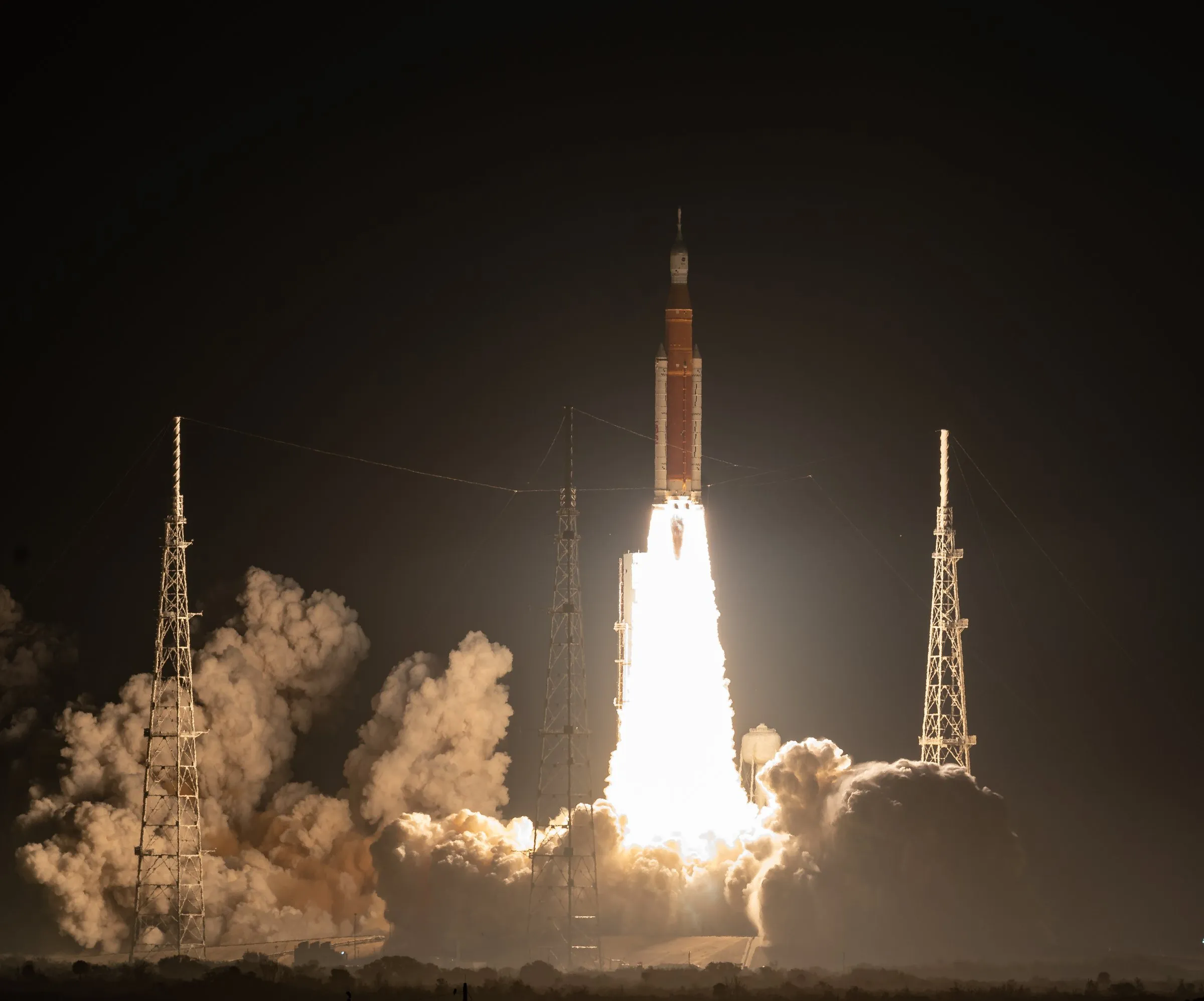
Fast enough, and a thrown object never comes back.
មើល
Throw a ball upwards and it comes back down. Throw it faster, it goes higher before falling back. Is there a speed so fast that it never comes back?
បាទ/ ចាស It is called the escape speed (or escape velocity). Go at least that fast, with nothing slowing you down, and gravity can never pull you back.
| ពិភពលោក | ល្បឿនគេចពីផ្ទៃ |
|---|---|
| ព្រះច័ន្ទ | 2.4 km/s |
| ផ្កាយព្រះអាទិត្យ | 5.0 គីឡូម៉ែត្រ/ វិនាទី |
| ផែនដី | 11.2 km/s |
| ភពព្រះច័ន្ទ | 59.5 km/s |
| ថ្ងៃ | 617.6 km/s |
The Moon’s escape speed is less than a quarter of Earth’s. That is one reason why the Moon could be a useful place to launch things into space from.
In the cannon tool, the Moon is loaded. Try speeds below and above the escape speed shown in the readout.
យល់
Escape happens when the body’s kinetic energy is enough to climb out of the gravitational “well” completely. Setting kinetic energy equal to the energy needed to reach infinity:
½ v² = μ / r ⇒ v_escape = √(2μ / r)
ធៀបនឹងល្បឿនវង់ √ (μ / r): ល្បឿនរត់គេចខ្លួនគឺតែងតែ √2 ≈ 1.414 times ល្បឿនវង់នៅចម្ងាយដូចគ្នា។
Two important facts:
- It does not depend on your mass. A pebble and a spaceship need the same speed. (នាវាអវកាសត្រូវការច្រើនជាងនេះ * ថាមពល *, ជាការពិតណាស់.)
- It depends on where you start. Farther out, r is bigger and escape is easier. ពីកម្ពស់នៃអ័ក្ស geostationary ល្បឿនគេចផុតរបស់ភពផែនដីគឺមានតែប្រហែល 4.3 km / s ។
រ៉ុក្កែតមិនដែលពិតប្រាកដបាញ់ឡើងទៅ 11.2 km / s នៅដី។ They climb steadily while their engines keep pushing. Escape speed is the speed needed for an unpowered object, like the cannonball.
មេ
ក្នុងន័យថាថាមពលអ័ក្សជាក់លាក់ ε = v²/2 − μ/r ការគេចខ្លួនមានន័យថា ε ≥0។ At exactly ε = 0 the path is a parabola and the speed tends to zero at infinity. Faster than that, the path is a hyperbola and the object keeps a leftover speed far away, the hyperbolic excess speed v∞:
v² = v∞² + v_ escape², C₃ = v∞²
អ្នករៀបចំផែនការបេសកកម្មបានលើកឡើងថាថាមពលចាប់ផ្តើមជា C₃ (km² / s²) ។ សម្រាប់ការផ្ទេរភពផែនដី v∞ នៅពេលចេញដំណើរគឺប្រហែល 2.9 km / s ដូច្នេះ C₃ ≈ 8.7 km² / s² ។
This relation hides one of the most useful effects in spaceflight, the Oberth effect: a burn made deep in a gravity well, where you are already moving fast, buys more v∞ than the same burn made far away. ពី 200 គីឡូម៉ែត្រអ័ក្សចតជុំវិញផែនដី (ល្បឿនវង់ 7.78 km/s, ល្បឿនរត់គេចខ្លួន 11.0 km/s), ការឈានដល់ v∞ = 2.9 km/s ត្រូវការតែអំពី 3.6 km/s នៃម៉ាស៊ីនដុត, មិន 3.2 + 2.9 = 6.1 km/s ។ The Delta-v Map uses this for every departure from low Earth orbit.
សាកល្បងវា
On the Moon, fire at a speed just below the escape speed shown in the readout, then just above.Compare the two paths.Then try the same on Earth and Mars.
អស្ចារ្យ. ការប្រឈមមុខគឺជាកន្លែងដែលការរៀនត្រូវបានចង ។
សំណួររហ័ស
3 quick questions.Pick an answer to see if you are right.
-
Earth's escape speed from the surface is about:
- A 7.9 km/s
- B 11.2 km/s
- C 29.8 km/s
- D 617 គីឡូម៉ែត្រ/ វិនាទី
បង្ហាញចម្លើយ
B. 11.2 km/s
-
Escape speed is how many times the circular orbit speed at the same distance?
- A 2
- B √2 (អំពី 1.41)
- C 1/2
- D π
បង្ហាញចម្លើយ
B. √2 (អំពី 1.41)
-
Does escape speed depend on the mass of the object being launched?
- A បាទ/ ចាស វត្ថុធ្ងន់ត្រូវការច្រើន
- B បាទ/ ចាស វត្ថុស្រាលត្រូវការច្រើន
- C ទេតែលើម៉ាស់របស់ភព និងចម្ងាយចាប់ផ្ដើម
- D តែក្នុងបរិយាកាស
បង្ហាញចម្លើយ
C. ទេតែលើម៉ាស់របស់ភព និងចម្ងាយចាប់ផ្ដើម
បន្ទាត់បញ្ចប់
- បានលេងជាមួយអន្តរកម្ម
- អានមេរៀន
- បានធ្វើការប្រកួត
- បានធ្វើការសាកល្បង
Mark the lesson complete to save it to your progress on this device.
Lesson complete.ល្អណាស់!
ឡើងលើបន្ទាប់ ហេតុអ្វីបានជាអ័ក្សធ្លាក់ពាក្យក្នុងមេរៀននេះ
ប្រភព
- NASA JPL, Basics of Space Flight, Chapter 3: Gravity and Mechanics
- NASA NSSDCA Planetary Fact Sheet (escape velocities)
- JPL SSD: Planetary Physical Parameters
- NASA NSSDCA Sun Fact Sheet
មេរៀននេះមានអាជ្ញាបណ្ណ CC BY-SA 4.0.