
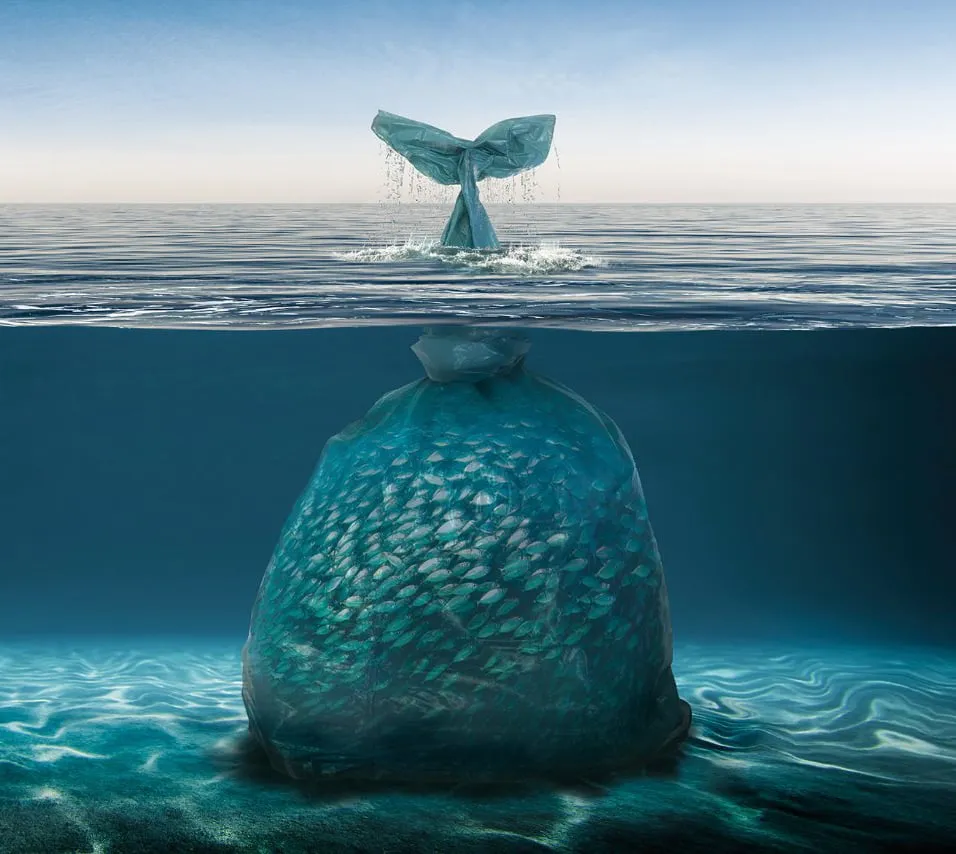
Ocean and water pollution
ni A. Twebwe ku i UYUMUNSI i, na i Oya Inyuma.
ni i. Kuva:, Kuri na, na Nka. Bya Urutonde: Na At today’s scale, with more than eight billion people and industrial farming on every continent, dilution stopped working long ago. Twebwe ku butaka ibara ry’umukara.
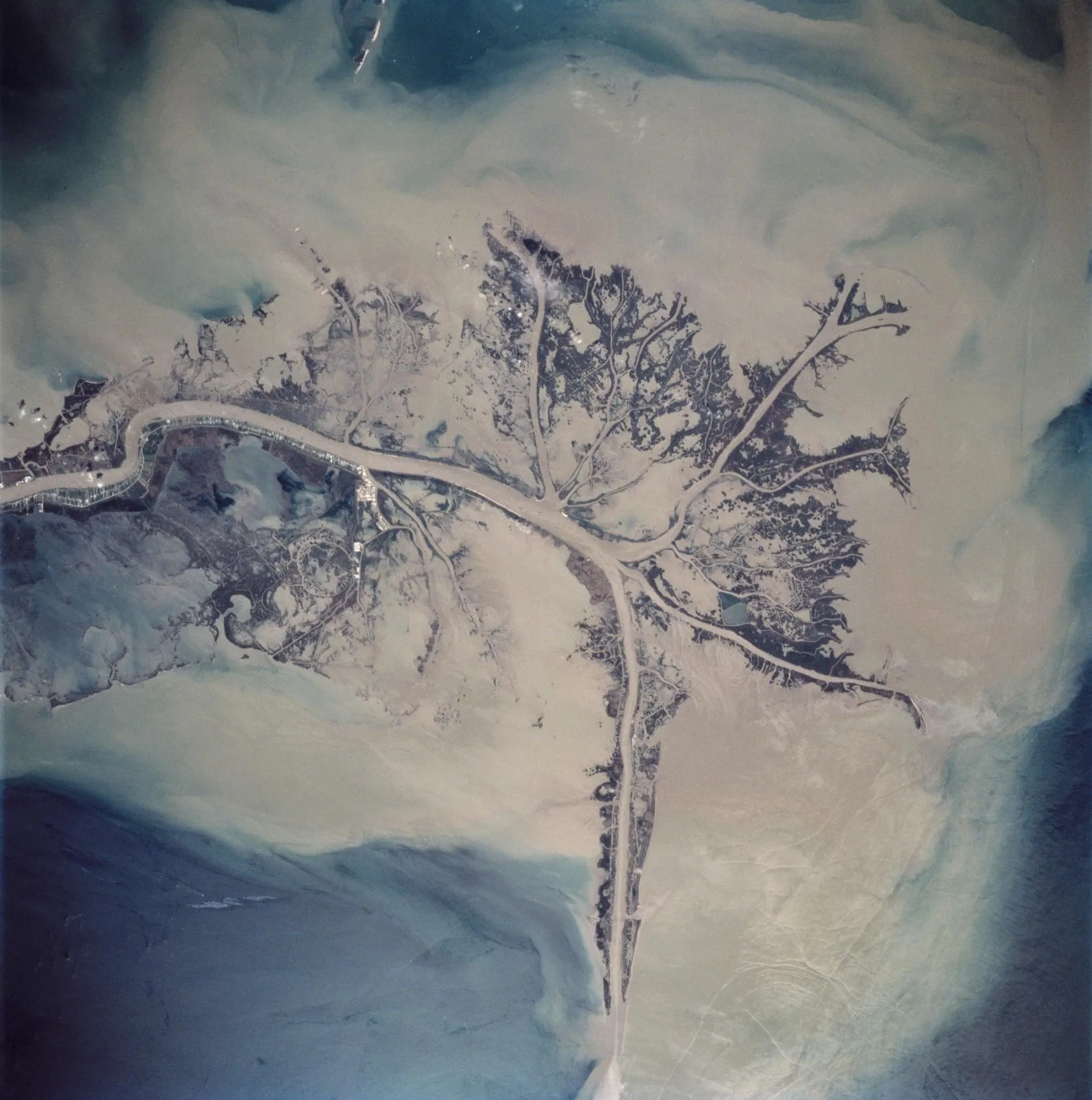
Amashanyarazi
in Kabiri. Inkomoko y’ Akadomo Kuva: A: A, A, A. Kuri Gushaka na, Na: na, Kuri. Inkomoko Kuva: Ku Rimwe: na Amabuye, amavuta na Uburozi, Bivuye. , Oya UMWE Funga.
ni:
- . Na Kuva:, na. Amashanyarazi,, na, ikoresha Hejuru i.
- ., na Kuva: Na ,, na
- . Nka na, Ikoranabuhanga,, na i - Buri gihe (), Hasi Ku Byose.
- Na Kuva: na; Amashanyarazi Kuva:.

ni
Bya. Kuri i, ku 1.7 billion people a - Inkomoko y’amazi Na: in 2022, na 2.2 . Ibibazo by’amazi, isuku n’ubwirinzi ni bimwe mu bitera impfu z’abana.
Imibare ni isuku. In 2022, 57 percent of the world’s people used a safely managed toilet. Birenzeho 1.5 Oya Bisanzwe ku Byose, na 419 million in i Gufungura, in, inyuma Cyangwa Na. In 2020, 44 percent of household wastewater was discharged without safe treatment (WHO, 2024). Oya, i Rimwe.
Gutanga - i, Gitoya Na:. Ibintu Byabonetse NONEAHA Umubare in i; Rimwe Bya i buri in i Bya, ku i. Around the world, the open ocean has lost oxygen as well, and low-oxygen coastal sites have multiplied since the middle of the twentieth century (Breitburg et al., 2018).
A ni A Na: Bya na Oya UMWE.
i
A Bya Kugaragaza: i Ku Rimwe:, na, Byose in i amazina, in, na. ni OYA Bigyanye. Abantu ni i Itangira Kuri Kuva:, na Bya ni Akazi Kuri Kuzana Inyuma.
Na
Pasig Gihinguranya, Ingo Kuri Birenzeho 13. Bya i Umujyi na Gitoya Na: Oya Ukwihuza na Oya Bisanzwe Ikusanya. i, ku i ni Mo Imbere Amasaha. Ishusho i Igice in, i Ishusho na Mutarama in Mumbai, na Bya Gitoya Umujyi Inzuzi in i.

: Na
In Dhaka, the tanneries of Hazaribagh released an estimated 21,600 cubic metres of untreated effluent every day, laden with chromium, sulphur and ammonium, into channels that drain to the Buriganga (Human Rights Watch, 2012). , Bya Abanyeshuri, na Itangira; i Kuri Na: i Isi.

Java, i City in Indonesia ni A Inkomoko Bya amazi na ya: Java. A 2025 study reports that the river received about 35.5 tonnes of human waste every day in 2017, and that about 90 percent of the 3,236 textile factories along it lacked adequate wastewater treatment, so dyes and chemicals went straight into the water (Marselina et al., 2025). 2018 Indonesiya yatangije * Citarum Harum *, A National Porogaramu Kuri Gusubiramo i Basin hamwe igihugu na Leta y’Uturere, i Ingabo, Ibicuruzwa na.
i City in India ni Bikira Mariya ku ijana by’ibihumbi by’abantu na amazi Kuri A Gikomeye Inzira nkeya Bya Inde Na Bangladesh. , nka na Kongeramo Kuri i Bya - * Namami Gange * Porogaramu ya Inde, yatangiye mu 2014, ni kubaka no gukurikirana imiti y’amazi meza n’ibikomokaho (National Mission for Clean Ganga).
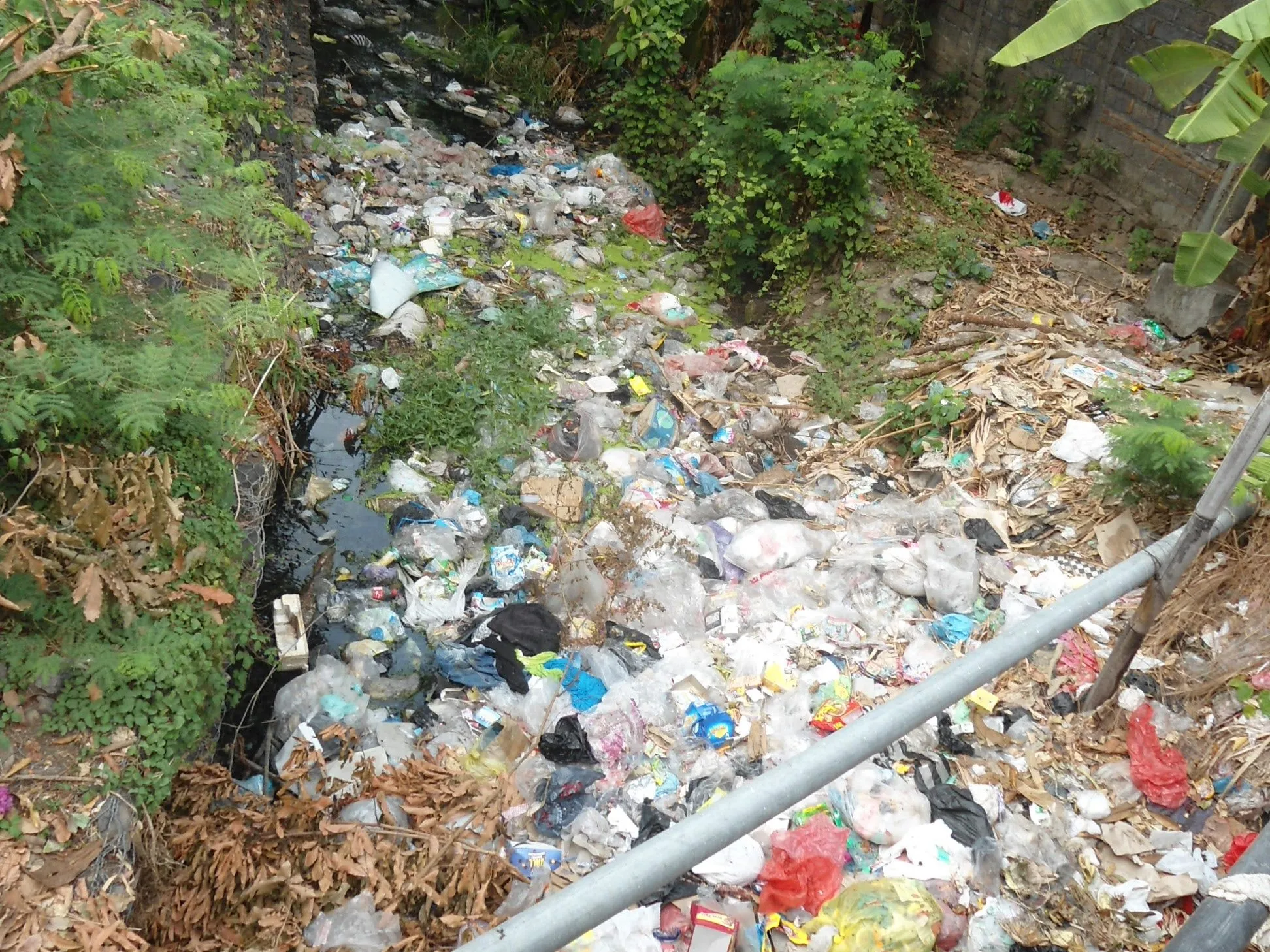
Ibara:
ni i Kigaragara Bya, na i Rimwe Twebwe NONEAHA ku. Koresha, Ivivuwe Umwanya Imibare, Kuri Kuri i:
- na (2017)](https://doi.org/10.1038/ncomms15611) estimated 1.15 to 2.41 million tonnes a year from all rivers, with the top 20 rivers carrying two thirds, led by the Yangtze, the Ganges and the Xi.
- na (2017)](https://doi.org/10.1021/acs.est.7b02368) went further, suggesting that just 10 rivers carry 88 to 95 percent of the global load. "" & Cyangwa, i Abasomyi: Bya hejuru, na Akazi OYA Gushigikira.
- na (2021)](https://doi.org/10.1126/sciadv.aaz5803) Kuva: ni Kuri i na ku Kuri i,, Koresha na Uburebure. They found that more than 1,000 rivers carry 80 percent of river plastic to the ocean, 0.8 to 2.7 million tonnes a year in total, and that small rivers running through big cities are among the worst.
Itondekanya
i Na: i Kinini in i Urugero. Imibare ni Urugero: ya: 2015, Kuri i.
i Ibanjirije. Koresha Ibyatanzwe ya: 2015, Mbere - Hejuru Porogaramu Inzira% s, na ya:. The figures for the Yangtze, the Xi and the Huangpu, for example, describe China’s rivers ten years ago, when its national clean-up had only just begun, and the Pasig figure predates Manila’s newest programme. Ibikurikira >, ku, ni in i munsi.
| Icyiciro | City in Ontario, Canada | Country | Kuri i A Umwaka | Inkomoko |
|---|---|---|---|---|
| 1 | City in California, United States | Ubufilipiniya | 62,600 | Meijer et al. 2021 |
| 2 | City in Ontario, Canada | Ubufilipiniya | 13,500 | Meijer et al. 2021 |
| 3 | Ishusho | Ubuhindi | 13,400 | Meijer et al. 2021 |
| 4 | Igice | Maleziya | 12,800 | Meijer et al. 2021 |
| 5 | City in Philippines | Ubufilipiniya | 12,400 | Meijer et al. 2021 |
| 6 | City in Philippines | Ubufilipiniya | 9,300 | Meijer et al. 2021 |
| 7 | Libiya | Ubufilipiniya | 7,100 | Meijer et al. 2021 |
| 8 | City in India | Ubuhindi | 6,200 | Meijer et al. 2021 |
| 9 | City in Brazil | Ubufilipiniya | 5,300 | Meijer et al. 2021 |
| 10 | City in Italy | Ubufilipiniya | 4,600 | Meijer et al. 2021 |
Urugero: Gitoya, Na: A Urutonde ya::
| Icyiciro | City in Ontario, Canada | Country | a Umwaka | Urutonde | Inkomoko |
|---|---|---|---|---|---|
| 1 | City in China | Ubushinwa | 333,000 | 310,000 to 480,000 | Lebreton et al. 2017 |
| 2 | City in India | Ubuhindi | 115,000 | 105,000 to 172,000 | Lebreton et al. 2017 |
| 3 | Xi | Ubushinwa | 73,900 | 64,600 to 114,000 | Lebreton et al. 2017 |
| 4 | City in China | Ubushinwa | 40,800 | 33,500 to 67,300 | Lebreton et al. 2017 |
| 5 | Gutandukanya | Na | 40,300 | 33,800 to 65,000 | Lebreton et al. 2017 |
| 6 | Ibara: | Ubuhinde | 38,900 | 32,300 to 63,700 | Lebreton et al. 2017 |
| 7 | Amatora | Brazil, Peru, Kolombiya na Ekwadori | 38,900 | 32,200 to 63,800 | Lebreton et al. 2017 |
| 8 | City in California, United States | Ubufilipiniya | 38,800 | 32,100 to 63,700 | Lebreton et al. 2017 |
| 9 | City in Thailand | Myanmar | 35,300 | 29,700 to 56,900 | Lebreton et al. 2017 |
| 10 | Gusoma gusa | Ubuhinde | 32,500 | 26,500 to 54,100 | Lebreton et al. 2017 |
Imibare? , na ni By’ ingirakamaro Kuri. Udushushondanga: Oya i A. & Ubwoko: Bya Birenzeho, na i Urugero Nka Kuri Mo Imbere A Umubarwa Bya Ryari: Na: Umwanya; i ku i Impera Bya. Kabiri Udushushondanga Bigyanye. Kuva: 115,000 A Umwaka in i Kidasanzwe Urugero Kuri 6,200 Ku Muheto in i Rishya Rimwe, i Rishya Urugero A Gitoya Bya i: Bya ni ku, inyuma na in i. Ikindi in, Nka i in, i in na i in Kugaragara hagati i 50 in i Urutonde. i Kabiri ku ni i Ishusho: Kuva: ni OYA, Abantu hafi Kuri, na i.
i
in i Amataliki hejuru OYA A Ibuze. Byahinduwe ku, in Abaturage na in Abakeneye, munsi. Bya ku Rimwe Cyangwa Rimwe. munsi i:, Byakozwe,, na ni OYA. in i Itondekanya -.
City in United Kingdom

Ikosa. Na OYA Gushyiraho Hejuru Na: i By the 1950s so little oxygen was left in parts of the tidal Thames that in 1957 they were declared biologically dead. Imvura, na Ryari: i.
What was done. A clean-up of the river’s sewage works began in 1960 (BBC, 2001). In 2014 Yarangije kugabanya ikoreshwa ry’amazi, Ku Beckton, Crossness, Riverside, na Mogden. In 2016 the 7 km Lee Tunnel began capturing more than 5 million tonnes of sewage a year that used to spill from the largest overflow. The 25 km Thames Tideway Tunnel, a £4.6 billion project paid for through Thames Water customers’ bills, now links to it, so that the system can store 1.6 million cubic metres of storm sewage; it has been fully connected and working since February 2025, and is expected to cut spills into the tidal river from more than fifty in a typical year to about five (Thames Water; Tideway).
What was measured. The first salmon returned in 1974, and by 2001 the river supported 115 species of fish (BBC, 2001). The Zoological Society of London’s 2026 health check found dissolved oxygen rising over the long term from 2007 to 2024 and phosphorus falling since the 1990s; seahorses, eels, seals and even small sharks now live in the estuary (ZSL, 2026).
Not solved yet. The same health check found nitrate still rising from treated sewage, and a slight fall in fish species since the early 1990s that needs more research. Upstream of the tunnel, Thames Water’s overflows and treatment works spilled sewage for 298,081 hours in 2024, up from 196,414 in 2023, according to an analysis of the company’s monitoring data (The Guardian, 2025). Across England, spills fell by 35 percent in 2025, which the Environment Agency says was largely due to a dry year (Environment Agency, 2026).
, na i

What went wrong. On 22 June 1969 a spark from a passing train set fire to an oil slick on the Cuyahoga. It was not the first time: the local sewer district counts 13 fires on the river before 1969 (NEORSD). In the 1970s more than 9 billion gallons of combined sewage and rainwater a year overflowed from the area’s sewers into the river and Lake Erie (NEORSD).
What was done. Cleveland’s voters had already approved a 100 million dollar bond to clean up the city’s waterways, and the mayor took reporters to the river and testified to Congress (NPR, 2019). 1972 i, Kuri Kuva: A A Irenganzira na ya: Gishya (US). In 1987 the river was named a Great Lakes Area of Concern with nine official problems to fix. Since 2011 the sewer district’s Project Clean Lake, a 3 billion dollar, 25-year programme agreed with regulators, has been building tunnels and storage to cut overflows from about 4.5 billion gallons a year to 494 million by 2036 (NEORSD).
Byemewe. ku 2000. By December 2025, 76 of Project Clean Lake’s 78 projects were finished or under way, removing 2 billion gallons of overflow a year. Fish came back: more than 60 species were found in the river by 2014 (NEORSD). The EPA has removed five of the nine official problems: poor appearance (2017), limits on eating fish (2019), algae (2021), fish tumours (2023) and beach closings (2024) (US EPA).
.: na, Ku i, Bya i Ibuganya na Bya. i, in 1911, ku 865,000 ya metero kibe Bya Bikozwe Hejuru Kuva: 2025 Mbere i GicurasiUS).
City in Australia

What went wrong. Before Melbourne’s sewage was piped to a treatment farm at Werribee from 1897, the Yarra was described as one of the world’s dirtiest rivers (Melbourne Water). i Umujyi, inganda, Imihanda na Amashanyarazi
What was done. Sewerage came first, and the river has improved greatly since the 1970s and 1980s (same source). 2017 Victoria yaje i (-) A, A Itegeko i nk’umwe na Bisanzwe, na Gushyiraho i Kuri Kubwira ku (Itegeko Nshinga).
What was measured. The upper Yarra supplies about 70 percent of Melbourne’s drinking water (Melbourne Water). 2013 i Leta Ibiro ku Inzozi na Amabwiriza ya:City in Victoria, Australia).
. Ubuziranenge, Bya, na (). Bya i Ibisobanuro:, na Buri gihe Nka ya: (City in Victoria, Australia).
City in Japan

Ikinyoma. A Bya i na, na i Abantu na Inyamaswa. Byemewe Nka A mu 1956. The factory stopped the process in May 1968, and the government confirmed the cause that September (Ministry of the Environment of Japan).
Byakozwe In 1974 i Bay Kuri Kubika Bivuye. Kuva 1977 Kuri 1990, 1.5 milyaridi metero kibe Bya Birenzeho 25 Inzira Miliyari ya Mercury na Hegitari 58 Bya Ubutaka Akazi Inyungu Bijyanye na 48 Biliyoni yen, Bya Chisso yahembwe Bijyanye na 30 Biliyoni na i National na 9 Biliyoni buri (Impuzandengo Inkomoko).
What was measured. Mercury levels in seven species of fish stayed below the provisional limits for three years in a row, and in 1997 the governor declared the bay safe and the nets were taken away (same source).
OYA Idirishya: Mo Imbere; i OYA. 2024, 3000 Abantu Byemewe Na: Minamata indwara, Icya kabiri in Niigata, na 304 Bya Bariho (National Institute for Minamata Disease). 11,000 Birenzeho Abantu bahawe inkunga mu gihe cy’ibiganiro bya Politiki byageze muri 1995, birenga 48,000 bahawe inkunga mu gihe cy’amategeko y’inkunga yashyizweho mu mwaka wa 2009 (Ibiro by’Umutekano w’Ikirere), na n’inkiko ni: mu 2023 Osaka inkiko yasobanuye ko buri umwe muri 128 mu imwe, mu 2024 a Kumamoto inkiko 144 kubera igihe umubare w’ababuranyi (2024).
Singapour

Ikosa. i 1970s i na i Byuzuye Bya, na. Kuva: na, Umuhanda Na
Ikibazo cyari kimaze gukorwa. 27 Ukwakira 1977, Minisitiri w’Intebe Lee Kuan Yew yashyizeho intego y’imyaka icumi yo kugenzura umugezi. Across the river’s catchment and the neighbouring Kallang Basin, thousands of squatter families were resettled, and 610 pig farms, about 500 duck farms, more than 2,800 backyard trades and about 5,000 street hawkers were moved. 800 ikiyaga Himura Kuri Pasir Panjang ku 1983. The National Library Board puts the cost at about 300 million Singapore dollars, not counting resettlement compensation (National Library Board).
What was measured. By the time the campaign ended in 1987, fish and prawns were breeding in the river again (National Library Board). The Marina Barrage, finished in 2008, turned the river mouth into a freshwater reservoir in 2010, with a catchment of 10,000 hectares (PUB).
OYA OYA Gushaka A - Icyinjijwe Ibijyana Bya i amazina Ubuziranenge. A 2015 study notes that the new reservoir, a former estuary, still suffers from high salinity (Galelli et al., 2015).
City in United Kingdom

What went wrong. Two centuries of industry and the sewage of millions of people made the Mersey one of the most polluted rivers in Europe, and in 1985 it was called the most polluted estuary in the United Kingdom (Mersey Basin Campaign). In the 1970s, long stretches of the upper estuary had no oxygen at all in summer, at every state of the tide (Jones, 2006).
Byakozwe i 25 imyaka, Kuva: 1985 Kuri 2010, Gushyira hamwe Leta, i amazi Company, Ibikorwaremezo naCity in Ontario, Canada). na Imiti na Ibikoresho Bya Ikoranabuhanga: ku 2006 Birenzeho £ 1 Biliyoni (2006).
Byemewe. buri munsi Ibiro Bya Bisanzwe (BOD) i Kuva: Birenzeho 300 in 1972 Kuri hejuru ya 50 in 2000 (2000). The lowest oxygen recorded in the upper estuary rose to 48 percent of saturation in 2001, 58 percent in 2002 and 65 percent in 2003. In November 2001 salmon were caught in the river for the first time in about half a century, and 26 were trapped at Woolston Weir in the autumn of 2002 (Jones, 2006).
., in i Bya i Pass ni, 20% S, ku (Inkomoko). Researchers studying the estuary’s recovery also point to continuing concern about old pollutants passing up the food chain (Hawkins et al., 2020).
City in Massachusetts, United States

What went wrong. Until the 1990s, Boston’s sewage reached its harbour with only basic treatment, and sewage sludge was dumped into it every day. In 1987, 84 combined sewer overflows still released untreated sewage and rainwater into the harbour and its rivers (MWRA).
Byakozwe 1985 A Federal Urukiko i Gishya amazi Uburenganzira Kuri Gushinga Sludge dumping into the harbour stopped in 1991, a new treatment plant on Deer Island opened in stages from 1995, and in 2000 a 9.5-mile tunnel moved the treated outflow far out into the deep water of Massachusetts Bay (MWRA). The Boston Harbor Project cost about 3.8 billion dollars (MWRA). A separate plan of about 906 million dollars closed 34 of the 84 overflows and is designed to cut the volume spilled in a typical year by 88 percent (MWRA).
What was measured. The water authority monitors more than 70 points in the harbour and its rivers and publishes the data, and the state tests the beaches every summer (MWRA). The Charles River’s grade has risen from D to B or better since 2004 (MWRA), and in 2025 every metropolitan beach from Nahant to Nantasket scored above 80 percent for safe swimming, a first (Save the Harbor/Save the Bay, 2025).
Not solved yet. In a typical year the Charles River meets the bacteria standard for swimming only 48 percent of the time, and some overflows still miss their targets (MWRA, 2023). A draft updated overflow plan is open for public comment until 30 October 2026 (City of Somerville).
City in Germany

Ikosa. i i Bya Rimwe Bya i. 1 Nyakanga 1986 A Umuriro Ku A Sandoz Hejuru Kuri 30 Bya i na Fish N’amagana Bya kilometero.
What was done. The countries along the river answered with the Rhine Action Programme in 1987: halve the discharges of 40 dangerous chemicals within ten years, and make the river clean enough for salmon to return (International Commission for the Protection of the Rhine). na, na Gufungura i Gikomeye, Ku in 2000 na in 2006 (ICPR).
What was measured. Heavy metals in the river fell significantly between 1987 and 2000 (ICPR). The nitrogen the Rhine carries to the sea fell from more than 443,000 tonnes in 1985 to about 272,000 tonnes in 2016 (ICPR). Salmon began swimming up from the North Sea into the River Sieg in 1990 and have bred there naturally since 1994; by around 2000, 63 fish species were back, and fish from the Rhine, apart from eel, were safe to eat again (ICPR, Salmon 2020). The commission now lists 71 species, with every fish known from the river’s past back except the European sturgeon (ICPR).
Not solved yet. The salmon are still few: the fish pass at Koblenz counted 11 returning adults in 2025 (ICPR counts). Kabiri Bya i Nitrogen NONEAHA Kuva: na Ikindi, Bivuye Inkomoko ni Gitoya, na OYA Gukuraho Bya Na Ikindi; i bihugu Intego Kuri Gukata ku 30% ku 2040 (Itariki).
Na i

., na Kuva: Rimwe Bya i i Amajyepfo -. From the early 1970s, water near the sea bed ran out of oxygen every year, and in 1983 the low-oxygen area covered about 20,000 square kilometres (Capet et al., 2013).
Byakozwe 1994 i bihugu by’ ikiyaga Shyiraga umukono ku Danube River in Sofia, na kuva 1998 bakoranye hamwe ku rubuga rwa Komisiyo ya International kugirango i Danube River, Na: Gusangira Igenzura na aIDOSIYE).
Bya. Komisiyo Ibisobanuro: in i ku 30% na Porosiyesu ku 50% 15 imyaka (ICPDR). The Black Sea’s low-oxygen zone shrank, although a detailed study found the recovery in the late 1990s was smaller than first thought, and came mainly in the 2000s (Capet et al., 2013).
Not solved yet. In the basin’s 2021 plan, only 24 percent of river length had good ecological status and 36 percent good chemical status, 624 barriers still blocked fish migration, the European sturgeon was extinct in the basin, and nutrient loads were still above those of the 1960s (ICPDR, 2021).
City in Philippines

What went wrong. The Pasig carries the waste of a metropolitan area of more than 13 million people, and was declared biologically dead in the 1990s (GMA News, 2018). It tops the newer model’s list of rivers carrying plastic to the sea, although its authors note that the model overestimates the Pasig compared with measurements made in 2019 (Meijer et al., 2021).
Ikibazo cyari gihari. Kuva 1999 kugeza 2019 i Komisiyo ya Pasig River i Banki na 2018, Ryari itwaye i mbere Asia RiverPrize, 18,719 imiryango ku i na 17 by’i 47 intungamubiri yashyizweho, Gutangira Na: A murongo ku Estero de Paco muri 2010 (GMA News). Komisiyo in 2019 (Philstar, 2019). 2024 a Gishya Porogaramu, Pasig Bigyang Buhay Muli, ni kubaka A Riverside esplanade, wa kane Icyiciro yafunguwe mu Ukwakira 2025 (2025).
What was measured. The commission’s own report shows that organic pollution (BOD) in the river averaged 30.79 milligrams per litre from 2009 to 2014, against a standard of 7, and rose from 23.09 in 2012 to 39.03 in 2014; oxygen averaged only 2.85 milligrams per litre (PRRC, 2014). A 2018 state audit found that 96 percent of the funds for clearing waterways had been used, with between 1 and 28 percent of the planned work done (Rappler, 2018).
OYA Idirishya OYA Gushaka Inyuma - Ubuziranenge Kuva: Nyuma 2014, Twebwe Kuvuga i ni. Kugaragaza: ku; i OYA.
City in Gyeonggi Korea
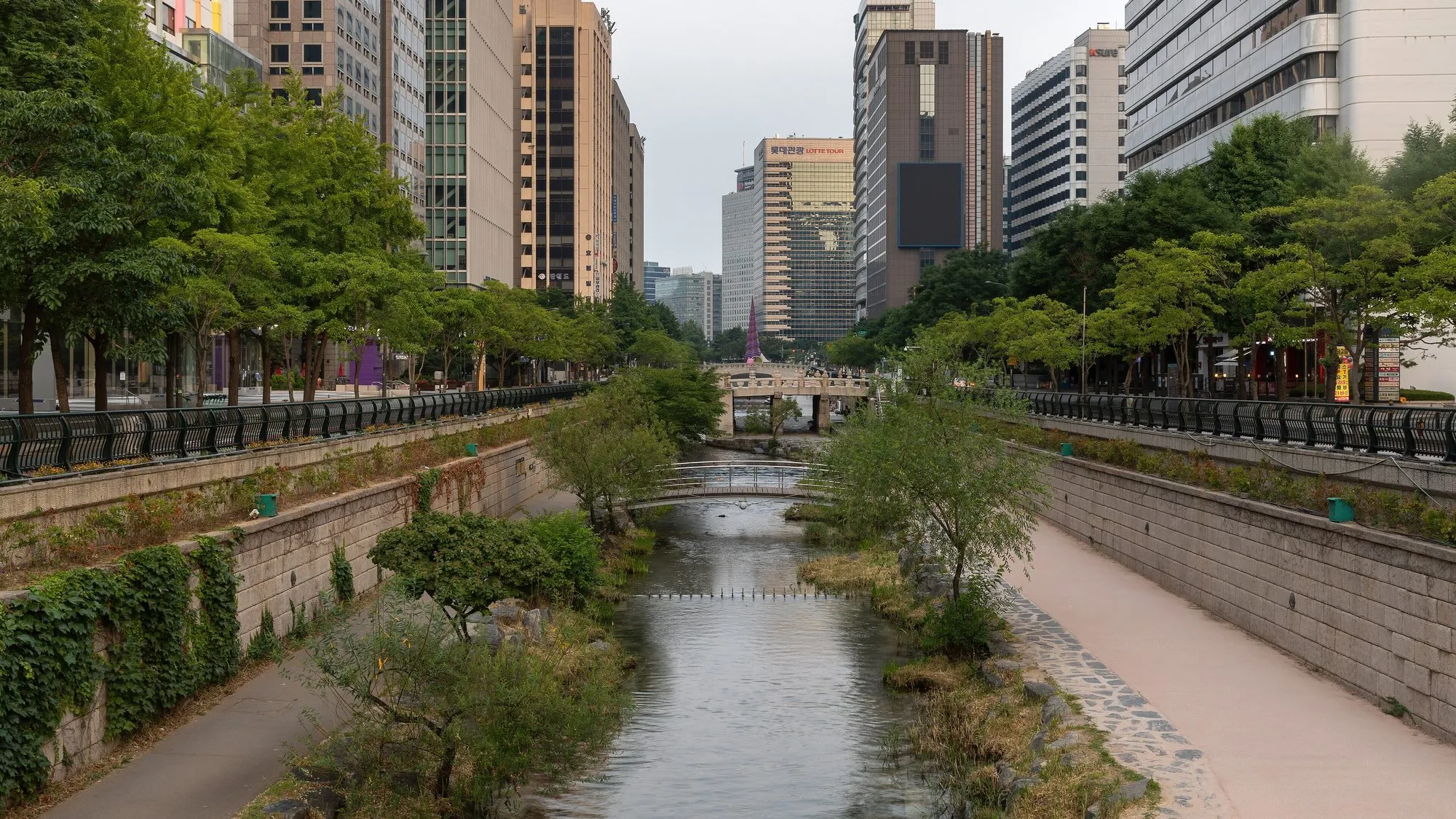
. in i Hagati: Bya Na: na.
What was done. Between 2003 and 2005 the city tore down the motorway and opened up 5.8 kilometres of stream, at a total cost of about 380 million US dollars (Landscape Architecture Foundation, 2011).
Byasuzumwe. 2003 na 2008 i Umubare Bya Ibiribwa Kuva: 4 Kuri 25, Imbwa Kuva: 6 Kuri 36, Inzoka Kuva: 15 Kuri 192 na Ibimera Kuva: 62 Kuri 308. The air along the stream is 3.3 to 5.9 °C cooler than on a parallel road (Landscape Architecture Foundation), and in 2025 surveyors recorded 33 species of fish, the most since the restoration (The Korea Herald, 2025).
Not solved yet. The stream is largely artificial: more than 48,000 tonnes of water a day are pumped into it, mostly treated water from the Han River plus groundwater, and its upkeep costs about 2.9 billion won a year (The Guardian, 2025). In 2011, coliform bacteria in the stream measured many times the standard for swimming (The Korea Herald, 2011).
Ubuhinde

Ikinyoma. ni Bikira Mariya Kuri Bya Miliyari y’abantu na amazi Kuri A Gikomeye Inzira nkeya Bya Inde Na Bangladesh. , nka na Kongera Kuri i Bya -
Ikibazo cyagaragaye. * Namami Gange * ikorwa ry’umushinga w’Ubuhinde, ryatangiye mu 2014, ni kubaka no gukurikirana ibigega by’amazi y’ikiyaga n’ibikomokaho (National Mission for Clean Ganga). Its budget was 20,000 crore rupees to March 2021 and 22,500 crore rupees for a second phase to 2026. 2026, 21.340 crore Frw yakoreshejwe na 355 by’ibikorwa 524 byatewe inkunga (Press Information Bureau, 2026), na ku wa 2025 imiti ishobora gutwara litiro miliyoni 3.446 z’amazi y’ibishanga a munsi yashyizweho cyangwa yahindutse (Press Information Bureau, 2025).
What was measured. Faecal bacteria have fallen at the monitored sites the government reports: the median count at Assi Ghat in Varanasi fell from 2,500 per 100 millilitres in 2014 to 790 in 2025, and at Gandhi Ghat in Patna from 5,400 to 2,200, against a bathing limit of 2,500 (Press Information Bureau, 2026).
Ikibazo. 2025 i Imiterere ya: in Bya Uttar Pradesh, Bihar na Bengal, na Bisanzwe ni hejuru Kuva: Kuri na Kuva: Kuri (Inkomoko). i in 2025, i Itangira Raporo Bya i Yabonetse i amazi Ku ku ku; A Raporo Nyuma a hagati Mu gihe i Umubare w’abarenga (Hindu, 2025).
Na

Ikinyoma. 2015 64.5% Bya Leta Igenzura Utudomo ku Imigezi na amazi Bya I Kuri, i Imibare ya:, na 8.8% V, ya: Ntacyo (Minisiteri y’Ububanyi n’Amahanga, 2016). In March 2013 more than 16,000 dead pigs had been pulled from the Huangpu and its tributaries upstream of Shanghai, a source of the city’s tap water, after farms upstream dumped the carcasses in the river (The Guardian, 2013).
What was done. In April 2015 the State Council issued an Action Plan for Water Pollution Prevention and Control, known as the “Water Ten”, with targets for 2020: more than 70 percent of water in the seven main river basins at Grade III or better, polluting small factories closed, livestock farms moved away from sensitive water and about 95 percent of city sewage treated (State Council, 2015). Kuva 2016 buri na A “Ikirenga”, A Umukozi ku ibara ry’amazi n’ibyavuyemo (Urwego rw’Igihugu rw’Ubugenzacyaha na Guverinoma, 2016; Na Igenzura, Ingingo ya 5). By 2018, 97.8 percent of larger industrial parks had central wastewater treatment with online monitoring, and by 2019 cities had cleaned up 2,513 of the 2,899 “black and smelly” urban water bodies they had identified (Ministry of Ecology and Environment, 2018 and 2019 bulletins). A Yangtze River Protection Law, mu bikorwa kuva Mata 2021, Gishya imiti Igihe kimwe kilometero y’ikiyaga na (Yangtze River Protection Law), na Ubwato bwo ku isoko mu Yangtze ni yahagaritswe imyaka icumi Kuva 2021, Na: Gushigikira i Mukerarugendo (Xinhua, 2026).
Ikigereranyo. 2025, 91.4% Bya National Igenzura Utudomo Ku I Kuri III na 0.6% V; in i Yangtze, 98.9% Bya 1,016 Utudomo Ku I Kuri III (Minisiteri y’Imibereho n’Ibidukikije, 2026). The number of Yangtze finless porpoises rose from about 1,249 in the 2022 survey to 1,426, and 351 fish species were recorded in the basin in 2021 to 2025, 43 more than before the fishing ban (Xinhua, 2026).
Not solved yet. In 2025, 28.4 percent of major lakes and reservoirs were still over-fertilised, and the largest algal bloom on Taihu covered a fifth of the lake; phosphorus remains the main pollutant in the Yangtze main stream (Ministry of Ecology and Environment, 2026). The water grades do not measure plastic: a phased ban on some single-use plastics began in 2020 (NDRC and Ministry of Ecology and Environment, 2020), but we could not find a new measured estimate of the plastic the Yangtze carries to the sea. Urubuga Kuva: 967 Utudomo in 2015 Kuri 3,641 Kuva: 2021, Mbere na Nyuma Imibare OYA.
City in France

Ikosa. in i mu 1923. Kidasanzwe Byombi na, na ku i; Kuri. By the 1970s only about three species of fish were found in the river around Paris (France 3 / AFP, 2025).
Byakozwe 2015 A Imishinga Birenzeho 1.4 Biliyoni Euros in,, na i Bya 23,000 Ukwihuza; Rimwe Ku metero 50,000 na Kuva: 2024 (City in France). The Olympic triathlon and marathon swimming were held in the river in 2024, though rain forced delays (France 24, 2024).
Ikigereranyo. 5 Ukwakira 2025, ku, na (Ubufaransa 24, 2025). In 2026 they welcomed about 120,000 bathers, 20 percent more than in 2025 (City of Paris, 2026). 35 na 40 Fish Ibwoko NONEAHA in i, Kuri i Umujyi wa Paris, i, (Ubufaransa 3 / AFP).
OYA i Kidasanzwe, i Gufungura Ryari: i, i amazi Ubuziranenge na i Kwemera, na i 2026 Umusizi Yahagaritswe Mu rukerera Bya i (Bya). NONEAHA hagati i (3 /).

i in
, i. A Abantu: A, A, A Umuriro, A Byuzuye Bya. Na:, Abantu, amafaranga ya: na, na Kugenzura. Bya Byihuta. Birenzeho A Cyenda, i Amatora ya 25 imyaka, i ni Itegerejwe: kugirango Kuri, na Abantu ku Minamata ni Kuri.
buri Porogaramu, na i Nka Nka. Na, na Kuri Gusiba, i. i, i na i ni igaragaza ko ni ukundi uyu munsi, umwe n’umwe mu gace ku gihe.
ni, na ni OYA A Bya hafi
Kabiri. i City in Malaysia, Gihinguranya Jakarta, 591 kare kilometero, Birenzeho ijana A Bya i City in Germany in Uburayi, na Uburayi Birenzeho Plastike i 300 Bya A Umwaka Kuri i, na i Bigyanye 3.. ni Ubutabazi na: in i, i Impuzandengo Bya ni 1 Kirometero Kuva: A Na 29 Kirometero Kuva: i, na Gihinguranya. i ni. Byihuta Nka.

ni,:
- . in na, na Amerika Kyongewe Bya Bya Abantu in A, in ku na, Oya, Oya Ikusanya: na Oya.
- . na Amafaranga Na: Hasi Inyungu Kuri Gushaka, na i Abantu Kubika, Bitari ngombwa, ya: i Oya Agaciro:.
- . -, Igikubo - Akugara na na ku, Oya Kuri.
- Imirimo mu byatsi., ibihugu by’abakire yahinduwe ahandi ku isi kugirango “kubyaza umusaruro”. China took in about 45 percent of the world’s traded plastic waste from 1992 until it banned most imports in 2018; high-income countries exported about 70 percent of their plastic waste in 2016 to lower-income countries in East Asia and the Pacific, and about 111 million tonnes will need a new destination by 2030 (Brooks et al., 2018). Bya Hejuru in i.

Rimwe
OYA Ku Imipaka, na i. A Gusohoka i; Byabonetse Kuva: Kuri i. Ikindi, na buri igihugu na i Hejuru in i. ni Rimwe, na Twebwe Byose Gusangiza, ni Oya Nka Ikindi.
A in ni a Bya i. Twebwe Kuri, Twebwe Kuri i Icyo ari cyo cyose Rimwe Bya ku.
ni OYA
ni Kuri Reba Nka A Bya. ni OYA. Birenzeho Bya Bya Ishoramari in, na, in Na:, na Bya i Inyuma Kuri i.
- The Mediterranean is a plastic trap. It holds about 1 percent of the world’s sea water but about 7 percent of its microplastics, and more than 200 million visitors each year push marine litter up by about 40 percent in summer (WWF, 2018). Floating plastic was found at every site sampled across the basin, at densities comparable to the ocean’s great garbage patches, adding up to an estimated 1,000 to 3,000 tonnes afloat (Cózar et al., 2015).
- Greece and its islands. A survey of 80 Greek beaches found that plastic made up 43 to 51 percent of the litter, and the most common items were cigarette butts, bottle caps, straws, bottles, food wrappers and bags; Greece recycles only about a fifth of the plastic it uses (WWF, 2018). On four beaches of Corfu, an average of about 142 new items per 100 metres washed up every 15 days, mostly carried in by the sea (Prevenios et al., 2018). On Mediterranean islands, litter arriving on beaches rises up to 4.7 times in the tourist season (Grelaud and Ziveri, 2020).
, CC BY 3.0”)
- In the water and in the fish. In the Thermaic Gulf off Thessaloniki, researchers counted about 750,000 microplastic particles per square kilometre of sea surface and found microplastics in all seven fish species they tested (Kermenidou et al., 2023). Plastic bottles pulled from the floor of the Aegean and Ionian seas stayed almost unchanged for about 15 years before they began to break down (Ioakeimidis et al., 2016).
- The great rivers of Europe. The Rhine carried on average about 890,000 microplastic particles per square kilometre of surface, with a peak of 3.9 million near the Rhine-Ruhr cities (Mani et al., 2015). In the Austrian Danube, drifting plastic outnumbered drifting fish larvae, and the river was estimated to carry about 4.2 tonnes of plastic a day towards the Black Sea (Lechner et al., 2014).
NONEAHA UMWE - Koresha Plastike Ibintu na Kuri kwishyura ya: Hejuru Ikindi munsi - Gukoresha. ni. Byose Kugena ku A, Rimwe, Icyo ari cyo cyose Itegeko.
Bya
Ibihuha ni: & water; ni Rimwe Bya i, in, Igihe KURI, Nka i hejuru Herekana% S. ni:

- i. na ni i UMWE - Igipimo in Urutonde. Imiti na,
- , OYA. Guteranya Koresha, Gucaho umurongo, na Bya Na:, na Kubika Amafaranga ku.

- , Gutangaza:% S. Ryari: Gushyiraho Imipaka, ni Ikomeza: na Ibisubizo rusange. Bibonerana Kuri i Izina: ku i.
- . i amazi Muyunguruzi, Na Gukuraho… ya:
- . ya:, na Abahinzi ya: - amazi, i.
- buri, na i. Nka Oya. in, na kurangiza kugirango i Bya ni, Guhagarara Mbere i amazi.
- Mbere i. , na ku Gitoya Na Kuri. i, OYA i, ku i Gitoya i Itondekanya Ubwoko A Igihinduka Urutonde.
- i. ya: i Ikusanya Bya i Kugurisha, na - Gusubiramo kwishyura Abantu Kuri Inyuma, ya: Gukoresha Na: Bya ya: i.
- ,. Bya na Gusangiza Rimwe - Gukoresha, na Bya na Nka A Bya buri Itondekanya.
Gushigikira
i in i hejuru, OYA. - Imiryango in Mbere i, Igerageza i amazi OYA, Kubona Kuri Urukiko na Guhinduranya Bya Abakorerabushake Ibyatanzwe. Bya i, Na: Ibisubizo. Ku, na NIBA, Kuri Gihinguranya.
- [] (https://theoceancleanup.com/) (Ubwongereza). A - Kuri Gukuraho… In rivers, its solar-powered Interceptors, floating barriers and small conveyor barges catch rubbish in some of the most polluting rivers and gullies, from Kingston in Jamaica to the Motagua in Guatemala, Los Angeles and Bangkok, and its “30 Cities” programme aims at 30 of the most polluting coastal cities. At sea, System 03, a floating barrier that funnels plastic into a retention zone that is emptied onto a ship about every four days, has worked in the Great Pacific Garbage Patch since 2023 and caught almost 500,000 kg there. 65% S Byavuye Na in Igiteranyo; i Ishyirahamwe iyi Kikoresha Kugenzura… ku i Kuva: Igihe Kuri Igihe (Ikiyaga, Ibirwa bya Farowe, Ibiro). i Itondekanya Byakoreshejwe ku iyi Ipaji:. Donations go to Stichting The Ocean Cleanup, a registered public-benefit foundation in the Netherlands, or in the US to American Friends of The Ocean Cleanup, a 501(c)(3) charity (FAQ).
- [Mr. https://www.mrtrashwheel.com/) (Baltimore, Ubwongereza. -, hagati 2014 na 2021, Ku i Bya. A Kuri, na A amazi Inziga ku i, ku -, A na A. Together they collect about 500 US tons (about 450 tonnes) of rubbish a year, about 90 percent of it washed in by rain storms, and volunteers hand-count the contents of a dumpster each year to help inform anti-litter laws. They are run by the Waterfront Partnership of Baltimore, a 501(c)(3) non-profit; the machines are built and maintained by Clearwater Mills, a Maryland company (trash interception, how it works).

- [] (https://waterkeeper.org/) (New York, Akazi. Kuva A Itsinda Bya Abayabo Bivuye 1966, i Amasezerano yashyizweho in 1999 na NONEAHA Amahuza 296 Bya hafi Itsinda mu bihugu Birenzeho 40 Na Imirenge. , na ku nkombe zabyo no gukoresha umuturage ikoranabuhanga, imanza n’imiyoborere gukora kugirango abangiza mu gihe cy’ibikorwa (Bigyanye).
- [] (https://oceanconservancy.org/trash-free-seas/international-coastal-cleanup/) (Washington, D. C.). Its International Coastal Cleanup has brought more than 19 million volunteers to beaches and waterways, who have picked up more than 400 million pounds of rubbish, and it records every item through the Clean Swell app, so the clean-ups also tell us which products end up in the water.
- [] (https://www.surfrider.org/) (, Na: i). Its Blue Water Task Force runs more than 60 volunteer laboratories that test bacteria at more than 600 beaches, bays and creeks, often where official testing stops out of season, and uses the results to push for fixes (Blue Water Task Force).
- [Thames21] (https://www.thames21.org.uk/) (Ikibanza) A Kwiyandikisha (Umubare 1103997) Bya Umwaka Kuri Gusiba na 400 Amamiles Bya Na, i buri munsi Akazi inyuma i hejuru.
Gukora, na
Byashyizweho n’ inzego, amazi amatsinda na inganda, ku Miliyari y’ imico micye na a Amasaha ya:. ni, Kuva: i Kuri i. Biteguye Kuri Birenzeho, i Local Solar System Ishingiro Ipaji: Urutonde Bya hafi Ibikorwa ku, na A Kuri Gushaka Cyangwa Tangira & vendorShortName; A. Umushinga hejuru Nka Nka. , Ubwoko: i Ikintu, i Amasuzuma buri.
Ku rugo
- i Ibiro They cause more than 20,000 sewer blockages a year on Thames Water’s network alone, 28 percent of all its blockages (Thames Water, 2025). 2017 A UMWE “Fatberg” Bya Ibiro na munsi in i London Kuri 250 metero Buri gihe na 130 (BBC, 2017).
- Flush only pee, poo and paper. Wet wipes cause 94 percent of sewer blockages in the United Kingdom, and blocked sewers mean that storm overflows into rivers are used more often (Water UK; Bin the Wipe). , na in i.
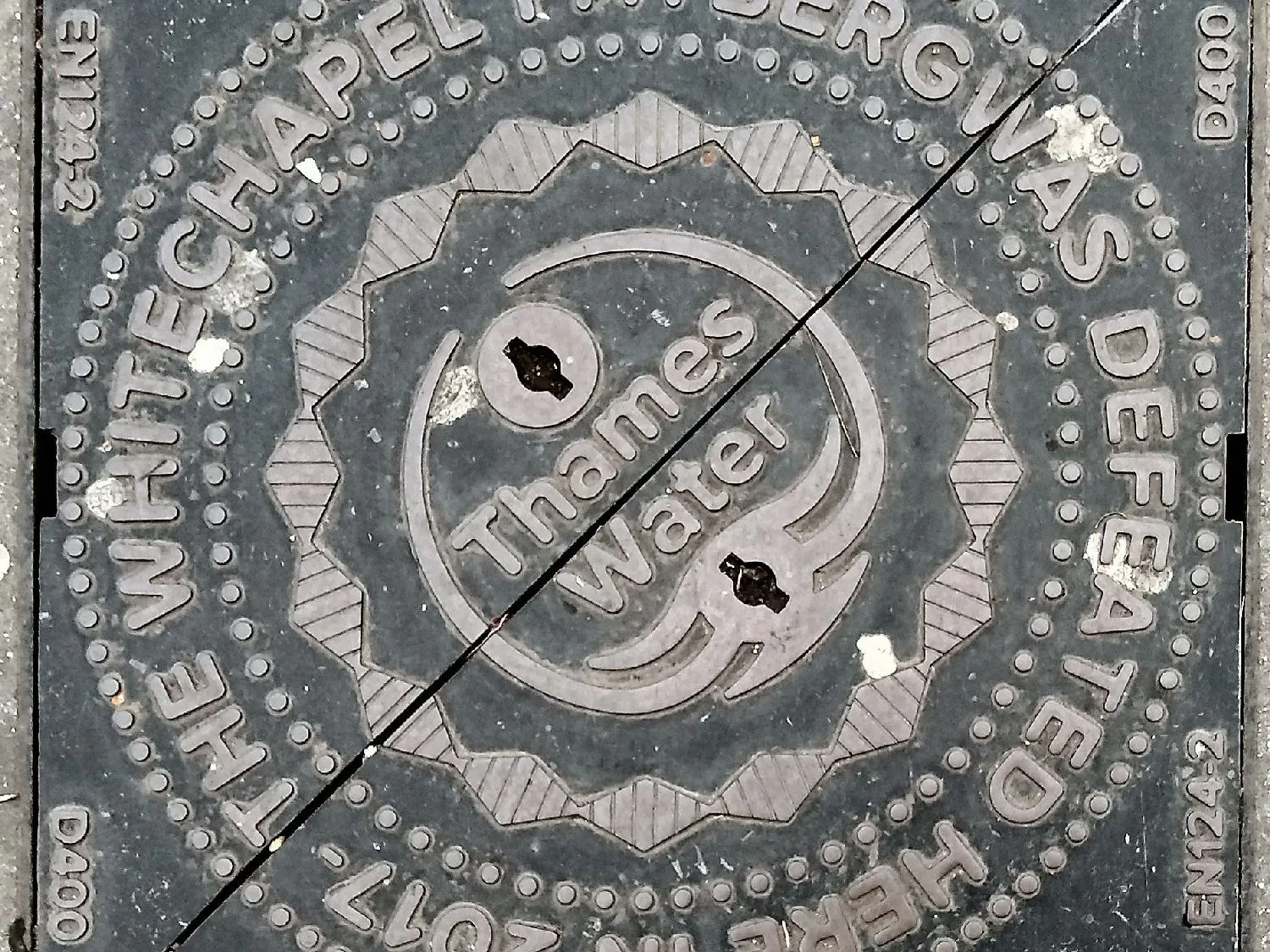
- Inyuma. OYA Cyangwa: Kuri A Cyangwa A - Gusubiramo Igishushanyo (NHS; US). A study of 258 rivers in 104 countries found at least one medicine at a level considered unsafe for wildlife, or of concern for antibiotic resistance, at more than a quarter of the places sampled (Wilkinson et al., 2022).
- ya: , i in i Gukoresha Kuri i Icyo ari cyo cyose (Ubwongereza). , Cyangwa amazi Kuva: i Rimwe; Na Kuri A.
- i, OYA i. na, i Igiteranyo, Gushyiraho Iburyo: Kuva: na, na Nta narimwe Mbere (US). Amashanyarazi, A Bya i Muyunguruzi Mbere.
Ubwoko bw’agakandisho
- A - Hejuru:, Cyangwa Kugena Imiterere Rimwe. ku 20 Ukwakira buri mwaka, na Abategura bavuga abantu mu bihugu 212 na Imirenge (Ubumwe bw’Abibumbye; Umunsi w’Icyunamo). Ibiro Ibara: na i City in United Kingdom buri, na Itsinda Nka Thames21 Icyabaye Byose Umwaka. Hejuru, ya: Urugero: in i Kigenga & app;, i - Hejuru Ibyatanzwe (Ibiro).

-
i. Cyangwa Koresha A, Tangira & vendorShortName; Ku Hasi Cyangwa A Bya Amasaha Nyuma hejuru, na Nta narimwe Kanda, Cyangwa: Kwiruka ni na Raporo. As the Marine Conservation Society puts it, if in doubt, don’t lift (MCS organiser guide, 2026).
-
. - Porogaramu A Byoroheje, na A Kuri Gusangiza Ibisubizo. FreshWater Watch, run by Earthwatch, has collected more than 70,000 sets of measurements from over 22,000 volunteers around the world. i City in Ontario, Canada Abantu in i na Kuri A ya: 15 iminota, Kabiri A Umwaka, Na: A Kigenga & app;. i Itsinda ry’abafatanyabikorwa Kuri Gitoya Kuri. i Ibara: Urubyiruko Igerageza Bya hafi amazi, Amashanyarazi Igerageza na Gufungura Ibyatanzwe in, Ibiro Itsinda in, na Itsinda ry’akazi in i.

- Ryari: ,, A, Cyangwa Amabara: icyitonderwa i Ahantu na Igihe, A Ishusho NIBA ni, na Kanda i Ku Rimwe. In England, the Environment Agency’s incident line is 0800 80 70 60, day and night (UK government); in Scotland, SEPA takes reports online or on 0800 807060 (SEPA); in Ireland, the national complaints line is 1800 365 123 and most councils accept reports through the See it? Say it! app (EPA Ireland); in the United States, the EPA has an online tip form, and emergencies go to the National Response Center on 1-800-424-8802 (US EPA); in Victoria, Australia, EPA Victoria answers on 1300 372 842 (EPA Victoria). Ikindi, Bya hafi Cyangwa National ni i Kuri Tangira & vendorShortName;.
- A. Gukoresha A & School;, A Cyangwa A Itsinda Bya Nyuma Rimwe Bya Cyangwa, na; A in i ni Rimwe - Urugero:. Oya, Rimwe Nka A Bya hafi Igikorwa.
Amagambo
- ya: i Ibyatanzwe. Bya ni rusange. In England and Scotland, The Rivers Trust’s sewage map shows every storm overflow and how often it spilled (The Rivers Trust); in Europe, the European Environment Agency publishes results for more than 22,000 bathing sites, 85 percent of them rated excellent in 2025 (EEA); in the United States, the EPA’s How’s My Waterway shows the condition of local rivers and lakes. ni Oya Ibyatanzwe, Cyangwa amazi OYA, na i Ibiteganijwe ni.
- Gusubiramo na. na Inyuma Mbere A, na Ubwoko i Bya kwishyura ya:. Igihe kya karere Igikonoshwa Akazi.
![Bya Byose Kuri] (.. /.. /.. / “Bya Byose Biteguye ya: Gusubiramo Na:, Kuri Gishya. CC BY-SA 4.0”)
- Back investment in sewers and treatment. In 2022, 42 percent of the world’s household wastewater was not safely treated (UN-Water, 2024). ku iyi Ipaji: ya: Na: rusange amafaranga, Cyangwa Byombi; Gushigikira.
- Abahinzi amazi, na Kubaza… Kuva:. i Kugura Kuri Gutangaza:% S in, na Kuri.
Gutwara
- Nyuma. Ishuri Kuva:, na ni Oya Ibisanzwe Urutonde
- Gusiba Bya A na Hasi UMWE - Koresha na; ni OYA Kuri, Gukurikira Bya hafi.
- Mbere, ikoresha i Bya hafi - Ubwiza Cyangwa, na Inyuma Bya i amazi Nyuma in Na:.
- Na:. Kuri Ifashayobora ku A hanze…, Soma , na Ifashayobora munsi Itangira.
Gusangiza
Ku i Hejuru: Bya i Itondekanya OYA ku Rimwe. ku Bya,: A Inzira:, A Gusubiramo, A & School;, A ya: A, A Igiciro: ya:. , Nka.
, Na Ifashayobora
Abaturage Kuri ni Kuri Gyayo. ,, Abayobozi, Abahanga, Abanyeshuri na in Bya gitoya, na Inyuma Oya Ingingo. Kuri Kuri Rimwe Bya, Nka A, OYA Nka A.
- ku. Bya hafi Imiryango, Kaminuza, na Mbere, na Kubaza… Abantu Bya iyi Imigezi Akazi ku ya:
- Na: na Guhindura… Byombi: Bya hafi Amashami Guhindura… Ikusanya na, na i amazi buri munsi. Kuri Kwihuza, Nta narimwe Kuri Gusimbura.
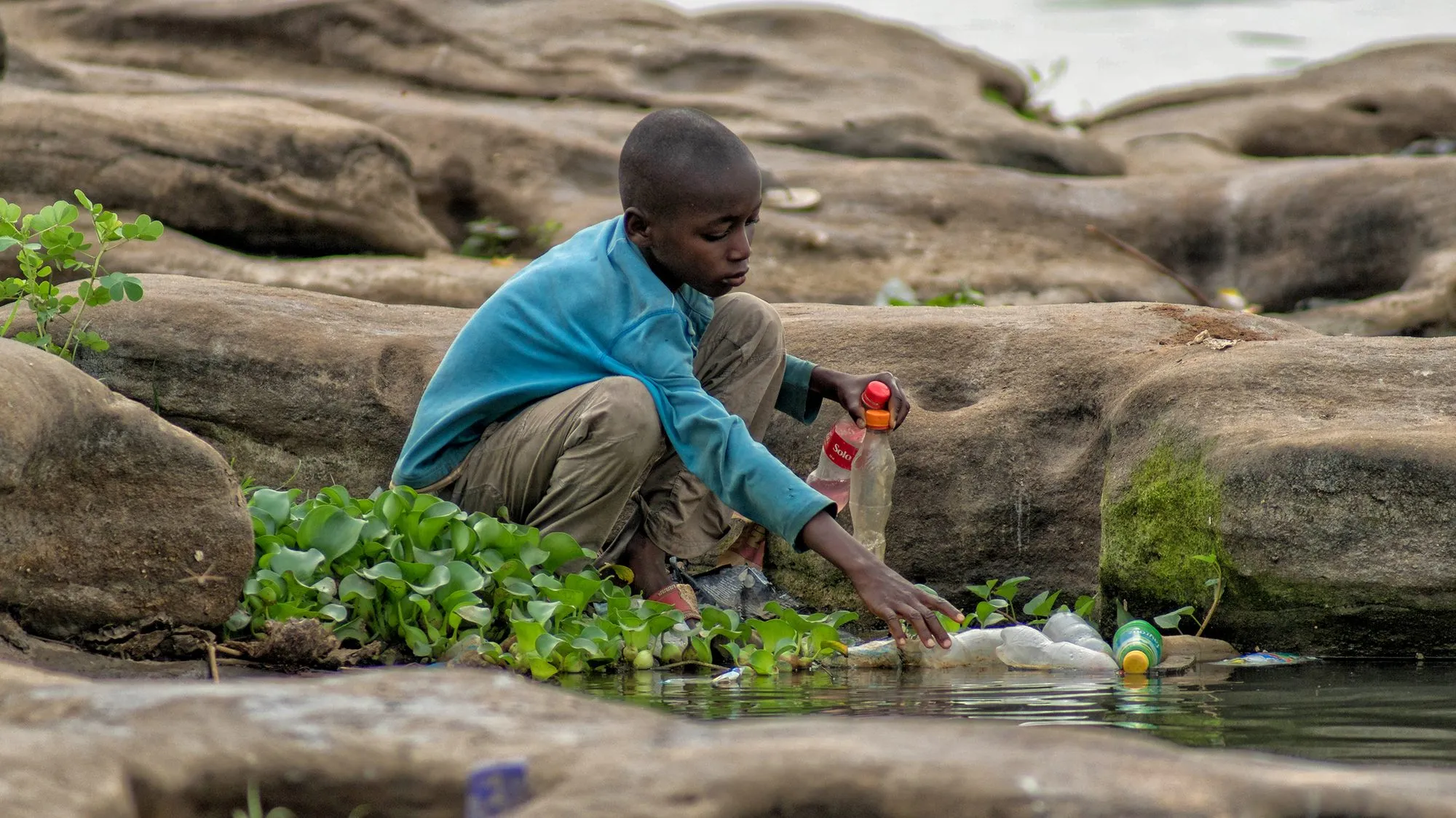
- na. Bigyanye,, Cyangwa, na Akazi. Nyuma na Gufungura Ibyatanzwe, OYA.
- Kurinda Amashanyarazi Gukurikiza Ubutegetsi, Kubona i A, Nta na rimwe in Cyangwa Kuva:, na Bya hafi Amabwiriza na.
- ni. i Local Solar System OYA, Cyangwa Kuri Nka A na Ntabwo
Inyuma, URWANDA Gihinguranya i Ifishi% S: hejuru, na Gutangira A Bya hafi Umutwe i Akazi.
na
- Ishami ry’ubuzima ku isi Umugezi (2023)
- UN-Water, Progress on wastewater treatment, 2024 update
- Diaz and Rosenberg (2008), Spreading dead zones and consequences for marine ecosystems, Science 321
- na (2018), Declining oxygen in the global ocean and coastal waters, Science 359
- Ubwongereza IDOSIYE Ibara:
- Umugabane w’Afurika Ubuziranenge n’amazi
- Ishami ry’ubuzima ku isi Urupapuro rw’ibinyoma (2024)
- na (2021), More than 1000 rivers account for 80% of global riverine plastic emissions into the ocean, Science Advances 7; river data explorer and point file from The Ocean Cleanup
- na (2017), Kuri i, * * 8
- Schmidt, Krauth and Wagner (2017), Export of plastic debris by rivers into the sea, Environmental Science and Technology 51
- na (2018), Kuzana na ku, * * 4
- Human Rights Watch (2012), Ibigo by’ubuvuzi: Ibibazo by’ubuzima bya ndende ya Bangladesh
- , na (2025), Ubwiza Bya i, Heliyumu 11
- Imishinga ya Leta yo kurinda ikiyaga cya Kivu
- (2018), Bya i: Itangira… i Kuva:
- na (2015), in i, * Rimwe * 10
- na (2018), ku: Na, * * 129
- Grelaud and Ziveri (2020), The generation of marine litter in Mediterranean island beaches as an effect of tourism and its mitigation, Scientific Reports 10
- na (2023), Quantification and characterization of microplastics in the Thermaic Gulf, in the North Aegean Sea, Science of the Total Environment 892
- na (2016), Bya in i, * * 6
- na (2015), Ibijyana i, * * 5
- na (2014), The Danube so colourful: a potpourri of plastic litter outnumbers fish larvae in Europe’s second largest river, Environmental Pollution 188
- Ubumwe bw’Uburayi () 2019/904 ku i Kugabanya Bya i Impamvu Bya Ibicuruzwa ku i
- Bya 2015 Raporo ku i Leta Bya i in (2016, in
- Bya Na Bya, 2018 buletin, 2019 buletin na 2025 buletin ku i Leta Bya na (in)
- State Council of China (2015), Action Plan for Water Pollution Prevention and Control (in Chinese)
- General Office of the CPC Central Committee and General Office of the State Council (2016), Opinions on fully implementing the river chief system (in Chinese)
- na Bya i (yahinduwe 2017)
- Itegeko ry’Ubutabazi bw’Ikiyaga cya Yangtze rya Repubulika Iharanira Demokarasi ya Congo (2020, in 2021)
- Komisiyo y’Igihugu y’Iterambere n’Impinduka na Minisiteri y’Ububanyi n’Amahanga n’Umutekano (2020), ku kongera imbaraga mu kugenzura (in Igishinwa)
- Xinhua (2026), Yangtze finless porpoise population increases in China
- (2013), Bya: i in
- Zoological Society of London (2026), The State of the Thames
- , i na Bigyanye
- International Commission for the Protection of the Rhine, The turning point: the Sandoz accident, Salmon 2000 and Salmon 2020 and registered adult salmon at counting stations
- (2019), 50 imyaka Nyuma, Gutwikira Posteri umwana ya:
- Ubwongereza IDOSIYE Bya i na Bya
- National Library Board Singapore, Bya i na Singapore
- PUB Singapore (2008), Birth of the barrage (archived)
- Robinson and Hopton (2011), Cheonggyecheon Stream Restoration Project, Landscape Performance Series, Landscape Architecture Foundation
- France 24 (2024), Women’s triathlon begins at Paris Games after tests confirm Seine water quality
- France 24/ AFP (2025), Kuri Nyuma
- Massachusetts Sisitemu Urutonde na , Na
- i City in Ontario, Canada, Ibirwa bya Farowe, Igaragazambere ry’ikintu na Ibibazo bizwa kenshi
- Bya Baltimore, [Mr. :https://www.mrtrashwheel.com/trash-interception) na ni
- Waterkeeper Alliance, Ibyerekeye
- Ibiro Ibara:
- Ishinga, Itsinda ry’akazi
- Thames21, Ibyerekeye
- BBC News (2001), A tale of two rivers
- < guibutton > Amashanyarazi City in Ontario, Canada
- (2025), Ibyatanzwe in 50% in 2024
- Environment Agency (2026), Fewer and shorter storm overflow spills in 2025, new monitoring data shows
- Northeast Ohio Regional Sewer District, History: wait, the Cuyahoga River burned how many times before 1969?, Combined sewer overflow control, Project Clean Lake and History: how a dying river saved our lives
- Ubwongereza IDOSIYE Ibara:
- Ishami ry’Ibidukikije Kuva: Minamata na in
- Ishami ry’Igihugu ry’Imibare Na
- (2024), Inkiko in Minamata
- National Library Board Singapore, Bya i
- , City in Ontario, Canada
- Galelli, Castelletti and Goedbloed (2015), High-performance integrated control of water quality and quantity in urban water reservoirs, Water Resources Research 51
- Jones (2006), Water quality and fisheries in the Mersey estuary, England: a historical perspective, Marine Pollution Bulletin 53
- (2000), : Inyuma Kuva: i? Solving a 150-year old problem
- Ibara: Imiterere y’ inyandiko na in Iminota (Ikigega)
- na (2020), Bya: - Hejuru, - na Bya in i, * * 156
- Massachusetts Water Resources Authority, Deer Island Treatment Plant, Combined sewer overflows and Joint public notice, Charles River (2023)
- Save the Harbor/Save the Bay (2025), Boston beaches rank as some of the cleanest urban beaches in the country
- Bya Igenzura
- ya: i Bya Ikomeza, in Ubwiza, Ibara:, Ibara: na Ibara:
- , Na (2013), , na Gihinguranya - Bya ku i, * * 10
- International Commission for the Protection of the Danube River, Danube River Protection Convention, Nutrient pollution and Danube River Basin Management Plan, update 2021
- Melbourne City in Australia
- Parliament of Victoria (2017), Yarra River Protection (Wilip-gin Birrarung murron) Act 2017
- Twebwe Ibiranga amazi na Ibiranga Igihe- ngombwa
- GMA News (2018), Pasig River rehabilitation program feted in first Asia RiverPrize awards
- (2019), Duterte yahagaritse Pasig River
- ABS-CBN News (2025), Phase IV of Pasig River esplanade unveiled; site open to public beginning Monday
- Pasig River Rehabilitation Commission, Annual report 2014 (archived)
- (2018), Raporo ku i (Ikigega)
- Imiterere y’ ibara: , Inyandiko y’ igerageza
- (2025), Nyuma, Na: 8 Birenzeho, na (2011), in Na:
- (2025), ’: i A
- Namami (2026) na Namami (2025)
- Hindu (2025), Ubusanzwe, amazi ya Maha Kumbh akoreshwa mu gukaraba
- City of Paris, Se baigner dans la Seine en 2024 et au-delà and Baignades à Paris 2026 (in French)
- France 3 Paris Île-de-France / AFP (2025), Dépollution : des espèces de poisson disparues retrouvent leur habitat dans la Seine (in French)
- US EPA (1998), How wastewater treatment works: the basics (archived), and (2004), Primer for municipal wastewater treatment systems
- (2025), 100 -
- BBC News (2017), ‘Monster’ fatberg found blocking east London sewer
- Ubwongereza Ibara:, na i
- NHS Ifashayobora; Imiterere y’inyandiko
- na (2022), Bya i, PNAS 119
- Ubwongereza kugirango na a
- Ubwoko bw’amadosiye in na Kugaragaza
- ;
- Marine Conservation Society, Great British Beach Clean and Beachwatch organiser guide (2026)
- Ocean Conservancy, Clean Swell app; Thames21, Events
- Ibiro Ibiro; City in Ontario, Canada na in; Itsinda ry’abafatanyabikorwa; Ibara:; Amashanyarazi; Australia; A
- Icyabaye; ; Urwanda
- U Burayi Ubwiza bw’amazi; Bya