
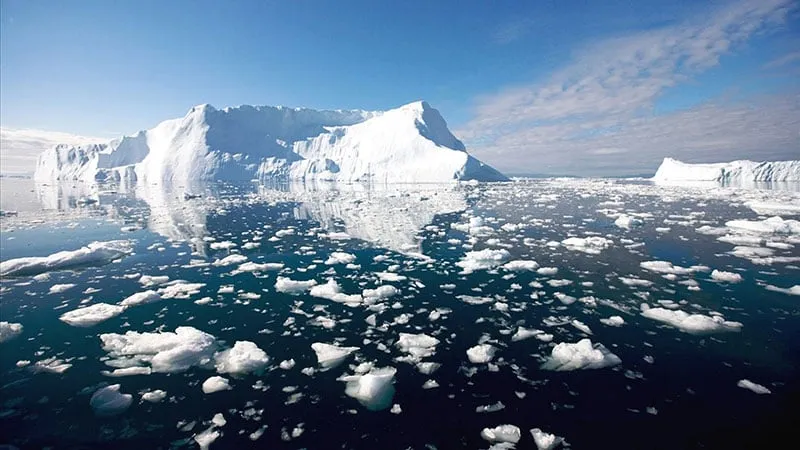
Дарозии уқёнус
Дараҷа
Аз соли 1993, сателитҳо баландии сатҳи уқёнусро аз орбита то дар якчанд сантиметр, борҳо ва борҳо, дар тамоми сайёра муайян кардаанд. Their record leaves little doubt: global mean sea level has risen by about ten centimetres in three decades, and it is rising faster now than when the measurements began. Over the longer record, from 1901 to 2018, the rise was about 20 centimetres, faster than in any century of the past three thousand years, according to the IPCC.
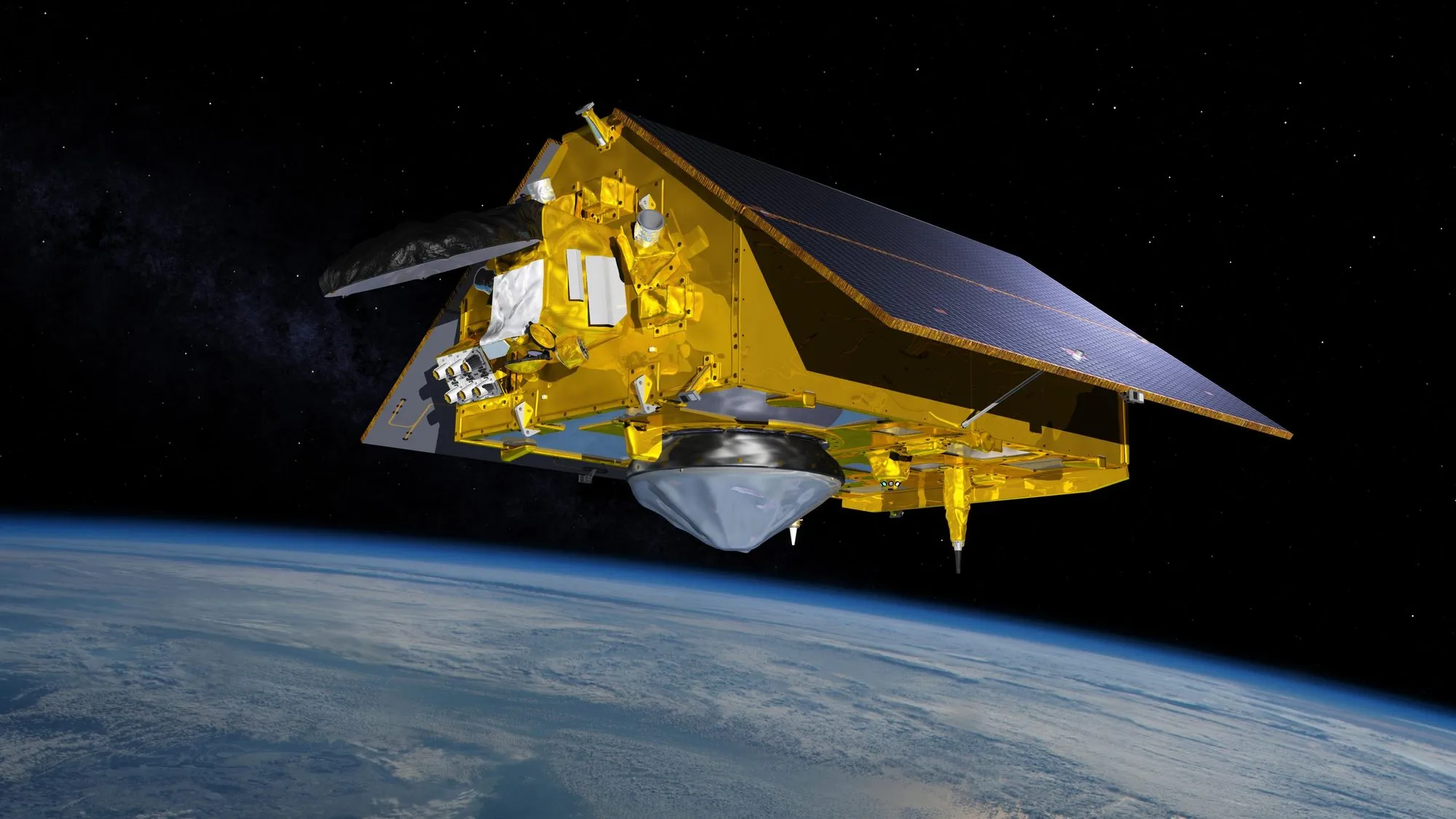
Ду муҳаррик
Дар дарё ду раванд ба амал меояд, ки ҳарду аз гармшавии ҳаво сарчашма мегирад:
- Оби дарёи Вахш гарм аст. Аз ин рӯ, 90% газҳои гармидиҳанда дар атмосфераи Замин ҷамъ мешаванд. Дар ин ҷо обҳои гарми дарёҳо зиёданд. Between 1971 and 2018 this thermal expansion explained about half of the rise.
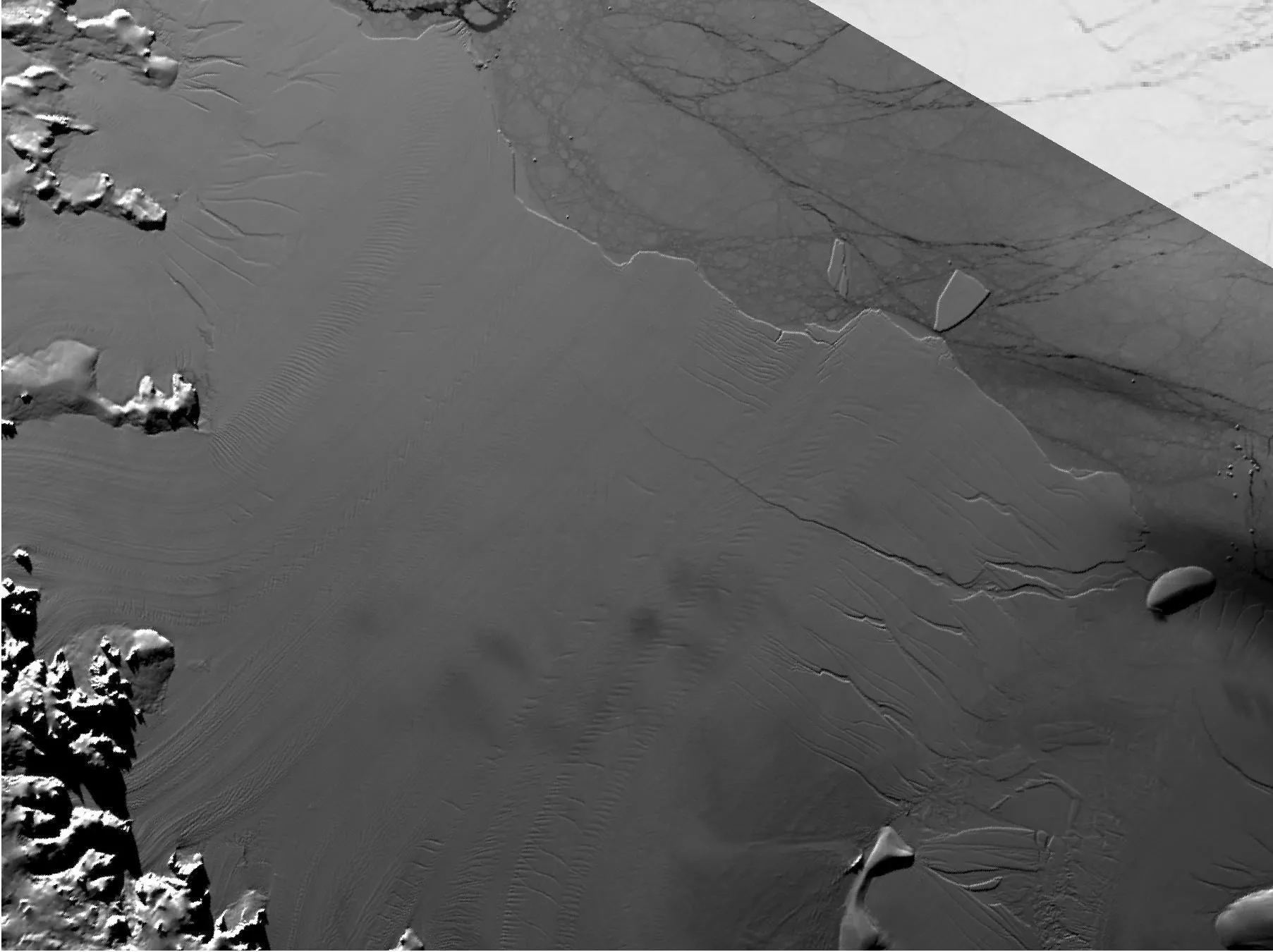
- Дар уқёнуси Ором дар соҳили баҳр ҷойгир аст. Дар ин ҷо дарёи Гренландия ва дарёи Антарктида ба ҳам мепайванданд, ки дар натиҷаи он уқёнуси яхбандӣ пайдо мешавад. Дар уқёнуси Ором, ки дар он ҷо обҳои яхкардашудаи баҳрҳо ба вуҷуд меоянд, обҳои яхкардашудаи баҳрҳо (англ. Ice-covered ocean waters) ном доранд.
Соати суст ва дароз
Дар дарёи Поён оббозӣ кардан мумкин аст. Дар ин давра уқёнусҳо ва баҳрҳо аз гармӣ ва обхезӣ зарар мебинанд, ки дар натиҷаи он сатҳи баҳрҳо баланд мешавад. Ин раванди муайянкуниро мо дар кадом сатҳ ва чӣ қадар вақт анҷом медиҳем. The IPCC’s likely ranges for 2100, relative to 1995 to 2014, run from 0.28 to 0.55 metres in the lowest-emissions pathway to 0.63 to 1.01 metres in the highest. Rises close to two metres by 2100 cannot be ruled out if ice sheets become unstable.
Дар ҳар як даҳсолаи охир сатҳи баҳр дар ин минтақа ба таври назаррас боло рафтааст.
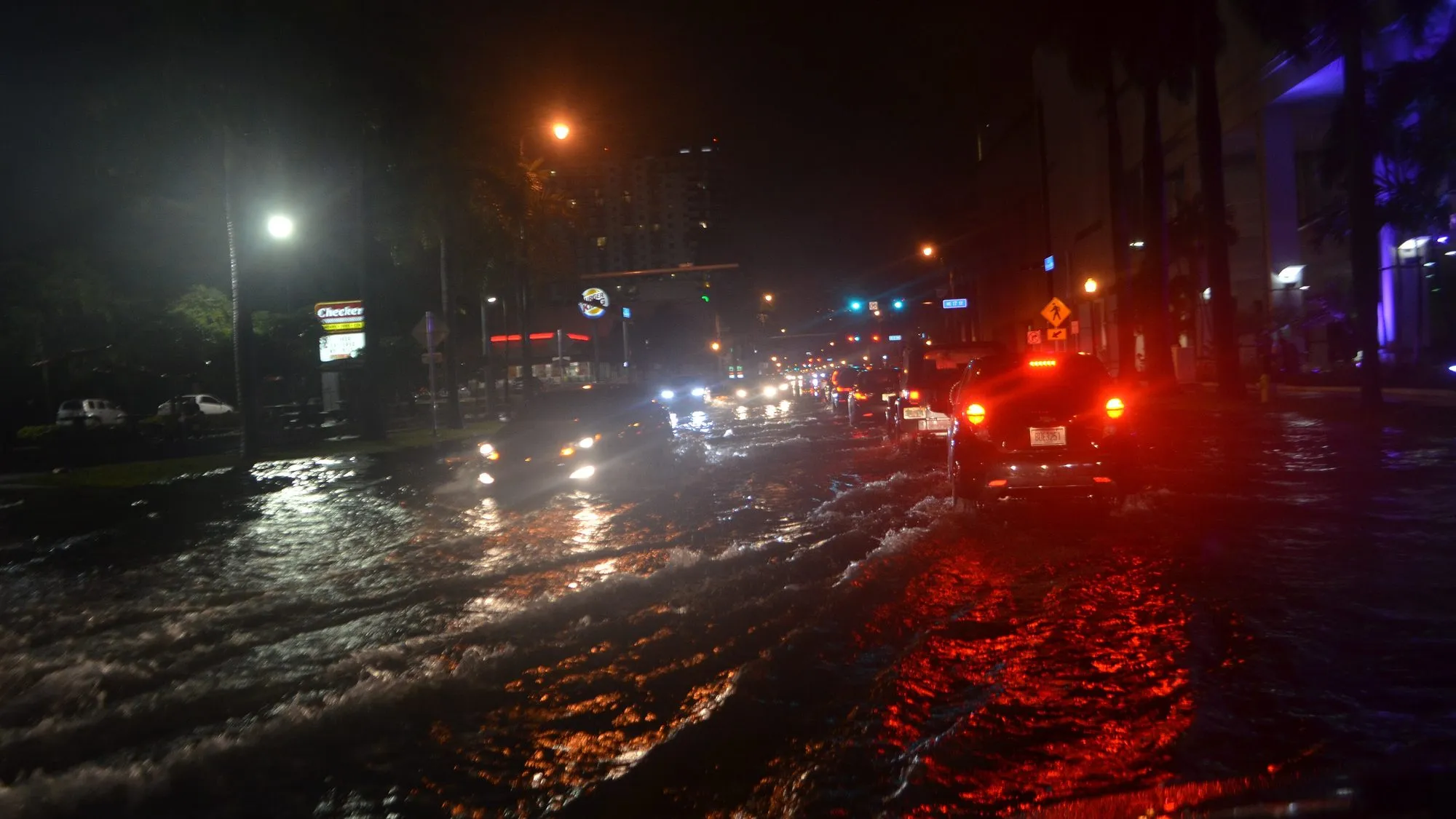
Ин барои одамони оддӣ ва миёна аҳамият надорад. A higher sea turns rare floods into regular ones: in many places, a flood that used to happen once a century is expected to happen every year by 2100 under higher warming. Дар дарёҳои калони Тоҷикистон, аз ҷумла дар дарёи Вахш ва Сир обҳои зеризаминӣ зиёданд, ки ин боиси пайдоиши обанборҳо мегардад.
& Ҷустуҷӯи ҳалли масъала
Дар дарёи Сир, ки аз он ҷо ба баҳр мебарояд, обҳои зиёде мавҷуд аст. Дар ин давра ба раванди истеҳсолот, ки дар он маҳсулоти тайёр ва хизматрасонӣ аз ҷониби корхонаҳои саноатӣ истеҳсол карда мешаванд, таъсири манфии муҳити зист ва тағйирёбии иқлим таъсир мерасонад.
- Cut emissions. The single biggest lever: every tonne of CO2 avoided reduces the eventual rise.

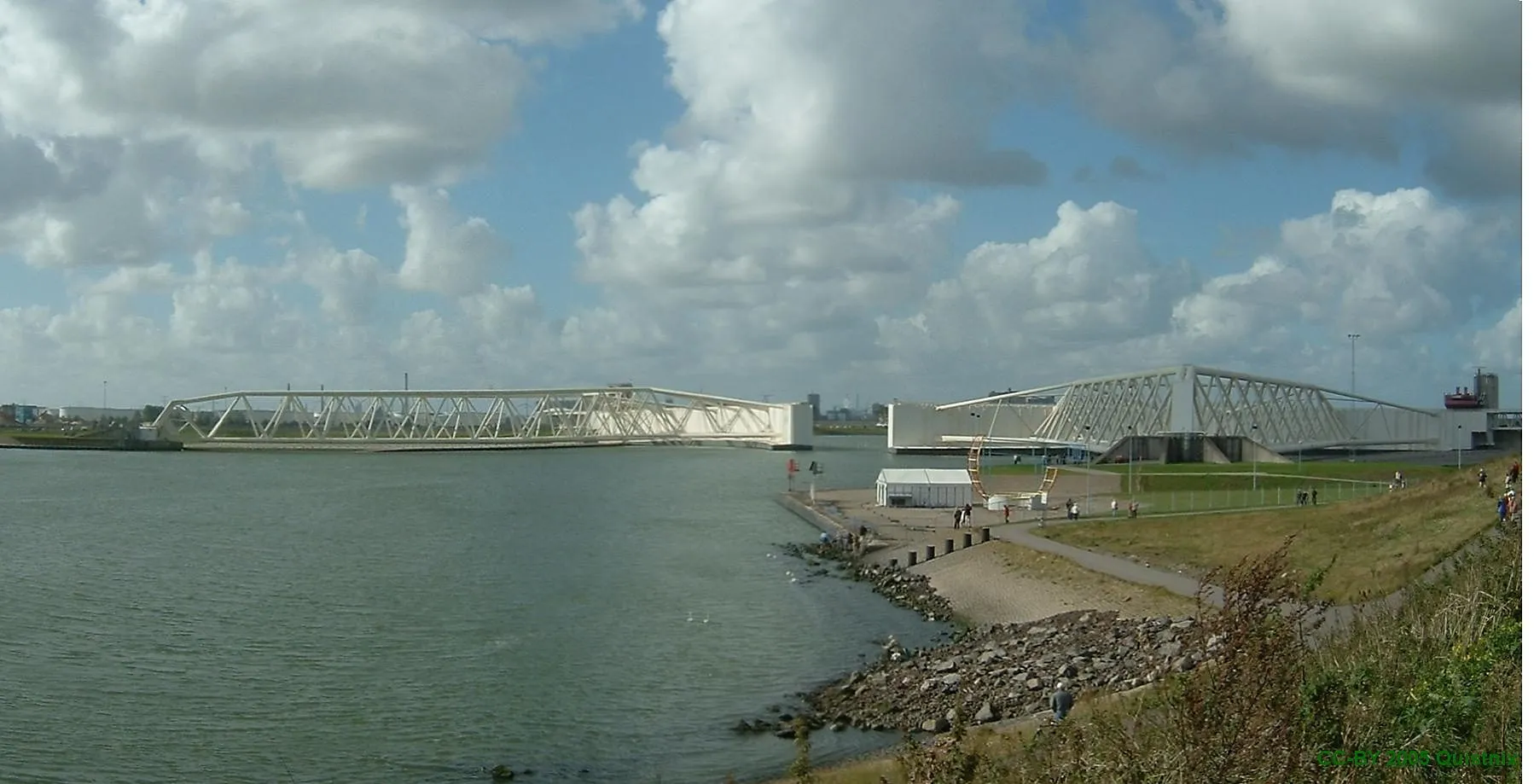
- Департаменти Голландия (нидерл. Departement Holland) — як департамент дар Нидерланд аст. Соли 1953 дар шаҳри Душанбе ба дунё омадааст. Aҳолиаш 1836 нафар аст.. The Netherlands answered with the Delta Works, a chain of dams, sluices and storm-surge barriers that turned about 700 kilometres of ragged coastline into a much shorter, straighter line of about 80. The last great piece, the Maeslant Barrier near Rotterdam, was finished in 1997. Its two gates, each 210 metres wide and 22 metres high, close automatically whenever the water is forecast to rise more than three metres above normal sea level near Rotterdam; they fill with water and sink to the bottom within two hours. Соли 2007 аввалин бор дар Тоҷикистон (с.Водии дарё; Водии дарё).
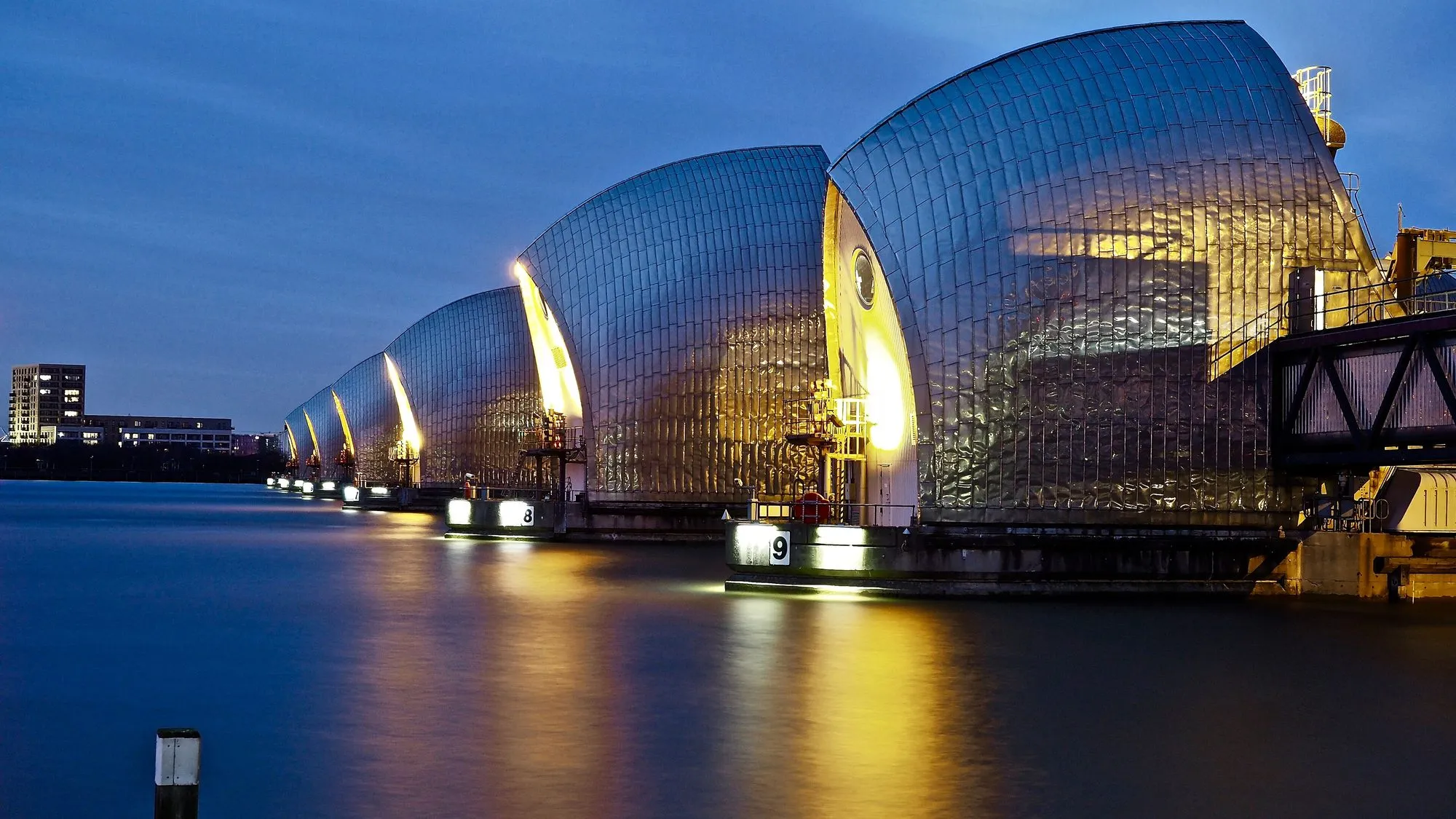
- Protect: the Thames Barrier. London’s barrier spans 520 metres of the Thames at Woolwich and protects 125 square kilometres of central London from tidal surges. Since it began working in 1982 it has been closed 221 times to hold back floods, as of November 2025 (Environment Agency).
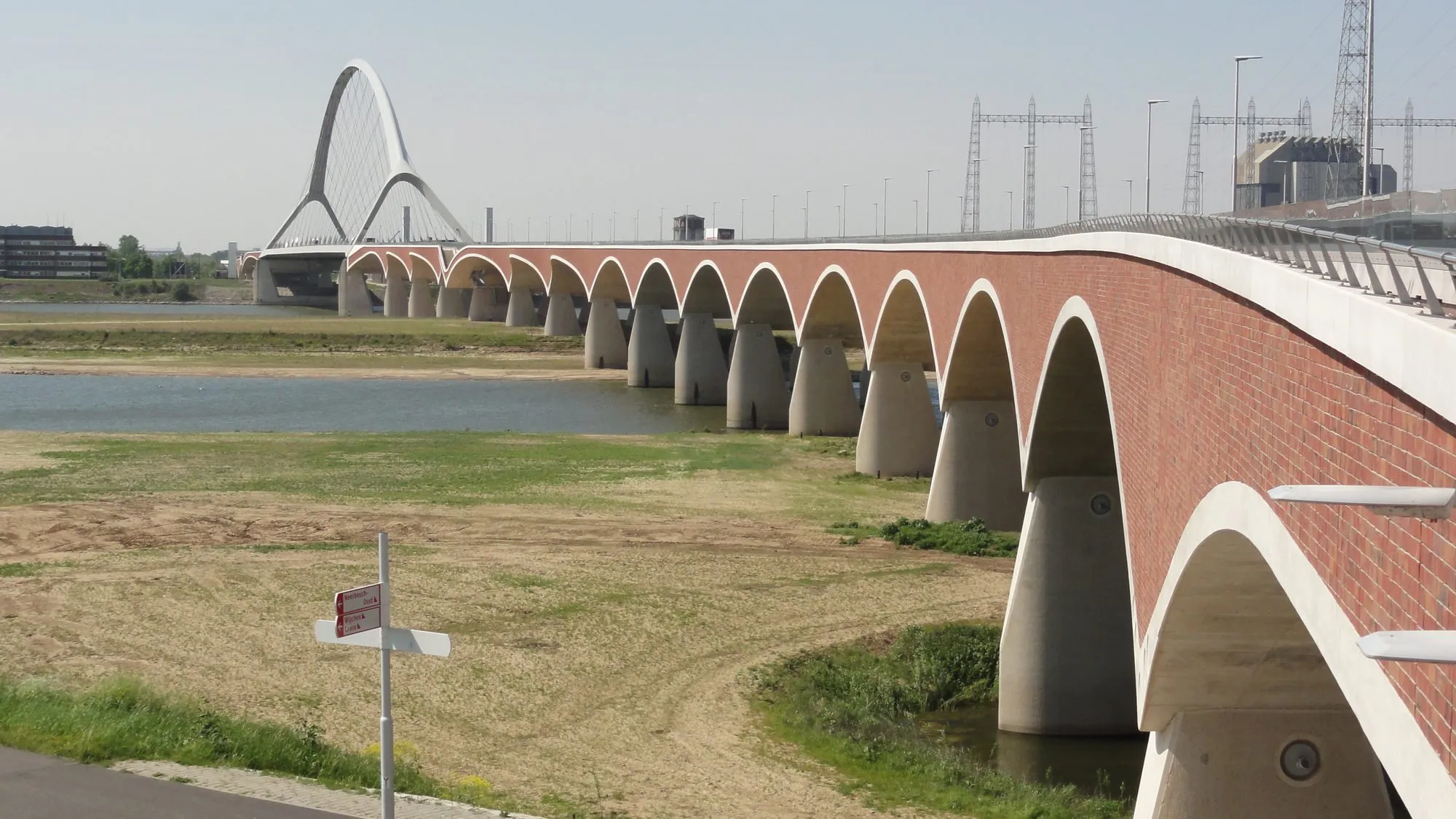
- Make room for water. After river floods in 1993 and 1995, when about 250,000 people in Gelderland alone were evacuated as a precaution, the Netherlands changed its approach: instead of only raising dikes, it gave rivers more space. The Room for the River programme widened the space for high water, for example by digging new flood channels, at 34 locations along the IJssel, Waal, Lower Rhine and Lek between 2006 and 2019, for €2.3 billion, improving safety for around 4 million people (Rijkswaterstaat).
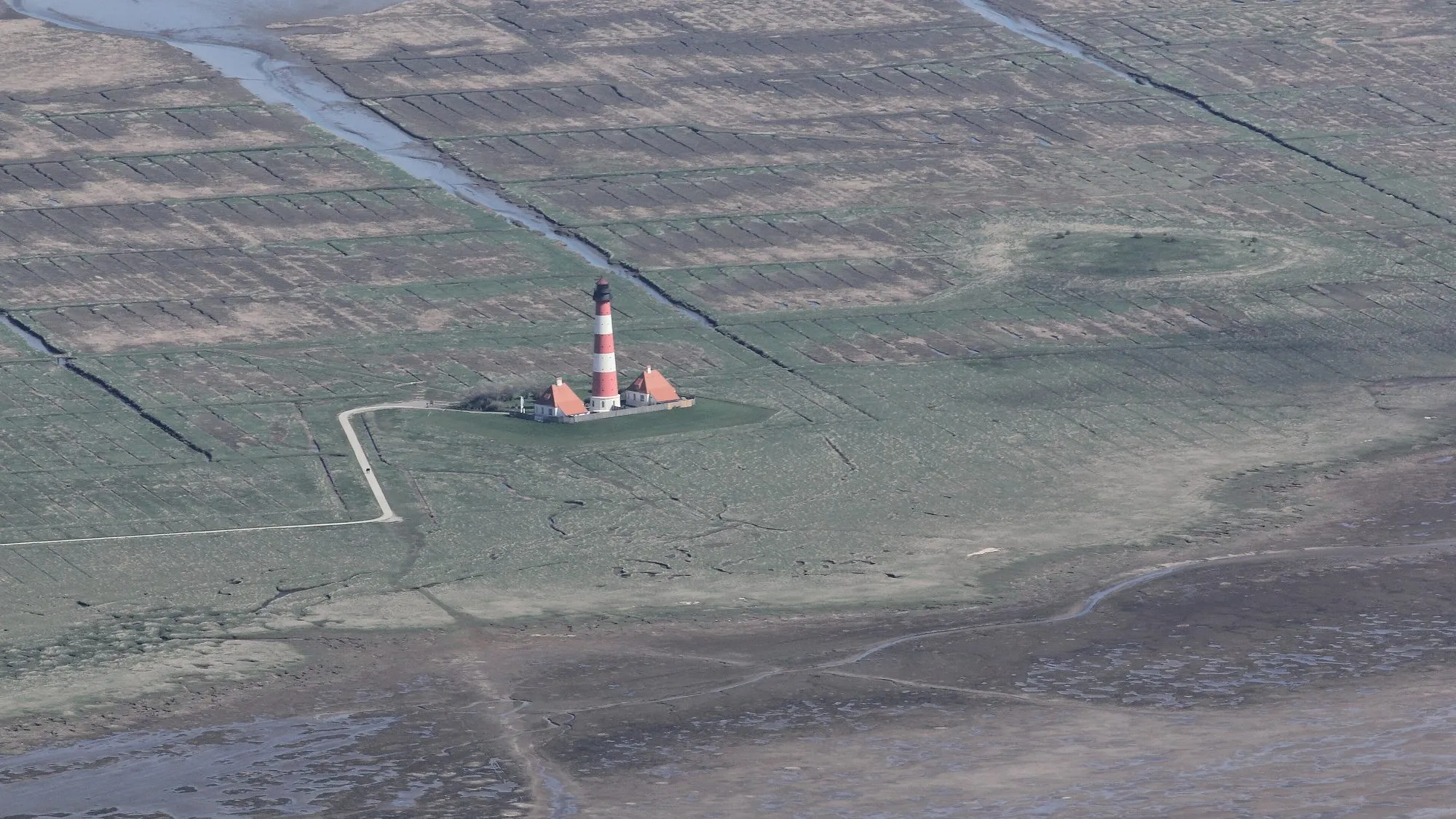
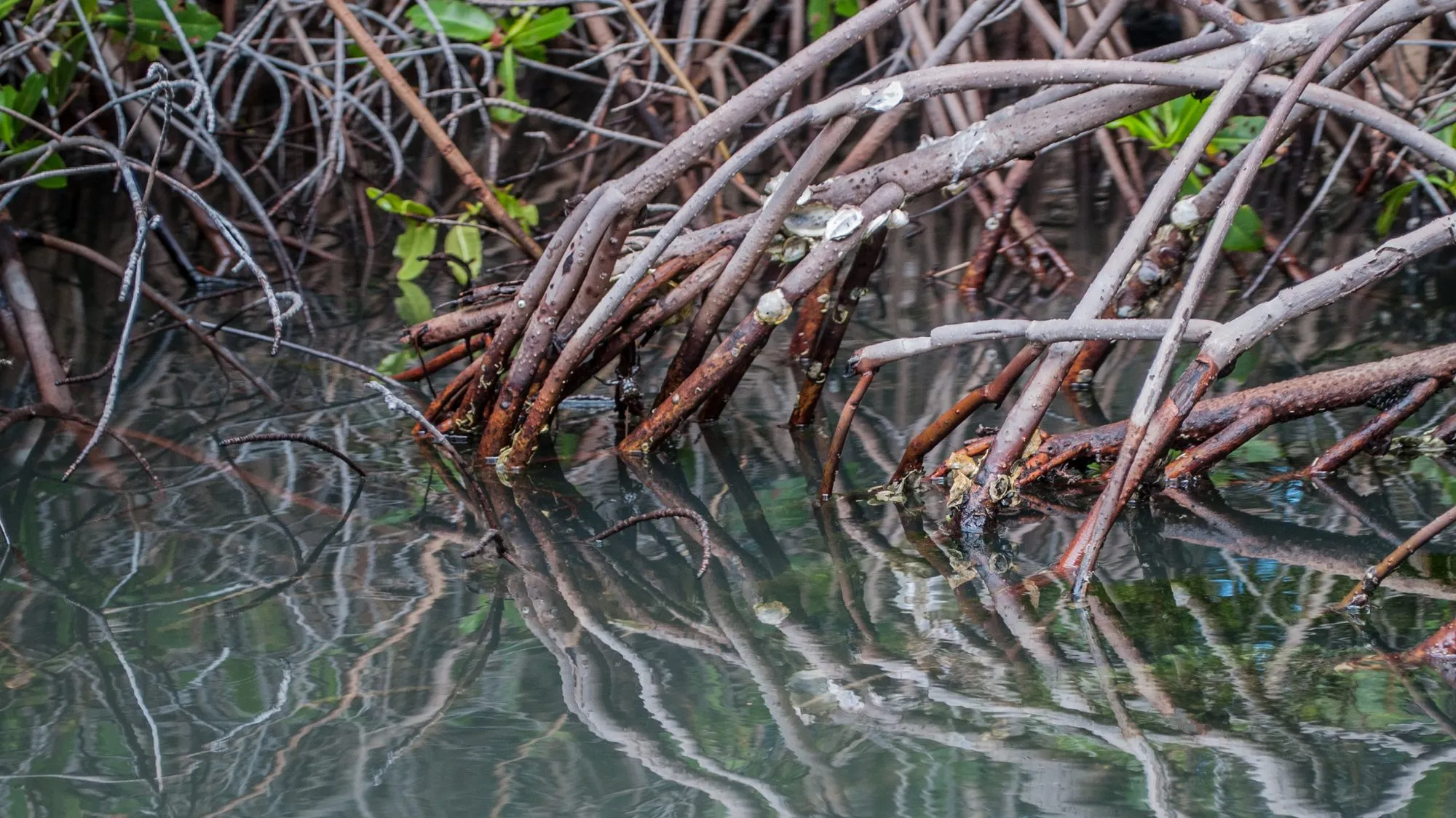
- Дар табиати мо. Дар ин ҷо дарёҳо, кӯлҳо, биёбонҳо ва дигар манзараҳои зебои табиатро метавон дидан кард. Field measurements found wave heights 13 to 66 percent lower for every 100 metres of mangroves (McIvor et al., 2012). Worldwide, mangroves prevent more than US$65 billion of flood damage a year and keep more than 15 million people from being flooded; Vietnam, India and Bangladesh gain the most in people protected (Menéndez et al., 2020). During Hurricane Sandy in 2012, coastal wetlands in the north-eastern United States avoided about US$625 million of flood damage (Narayan et al., 2017).
- Plan retreat where needed: managed realignment. At Medmerry in West Sussex, the Environment Agency, with the RSPB, stopped patching a shingle bank that needed constant repair and, by November 2013, had built 7 kilometres of new embankments further inland, letting the sea in behind. The £28 million scheme reduced flood risk to hundreds of properties, created 183 hectares of new tidal habitat for wildlife and saves about £300,000 a year in repairs (Environment Agency, 2016; Environment Agency).
- & Иловаи забон Дар ин ҷо барои сохтмони роҳҳо, биноҳои баландошёна ва дигар иншоотҳои муҳим истифода бурда мешавад.
- Гӯр карданро бас кунед. Дар ин ҷо об ба дарёи Вахш рехта, он аз баландии зиёд обёрӣ мешавад.
Ин раванд то ҳол ба итмом нарасидааст. Дар дарёи Зарафшон обанборҳои зиёде мавҷуданд, ки аз онҳо оби ошомиданӣ истеҳсол карда мешавад. Аммо ин ҷойҳо нишон медиҳанд, ки як кишваре, ки хатари худро бо ростӣ меомӯзад ва пешакӣ нақша мегирад, метавонад мардумро дар амон нигоҳ дорад.
Корҳои ташкилотҳо
Ин раванди ҷамъоварии маълумотро ҳисоббарорӣ меноманд. Агар шумо ба ин савол ҷавоб диҳед, пас шумо дар бораи он ки чӣ гуна ба даст овардани пули нақд фикр мекунед, фикр кунед. & Тасвирот Local Solar System Дар ин ҷо ҳеҷ гуна аломати ҷудоӣ ва ё ҷудоии ҷинсӣ вуҷуд надорад. Пеш аз он ки шумо диҳед, ҳар як ташкилоти охирин ҳисоботи солона ва ҳисоботро хонед, чунон ки бо ҳар як садақа.
- [Мангрови амали лоиҳа] (https://mangroveactionproject.org/) 501(c)(3) дар соли 1992 таъсис ёфтааст. Дар ин ҷо барои нигоҳ доштани об ва ҳифзи муҳити зист, ки дар он ҷо одамон зиндагӣ мекунанд, ба онҳо лозим аст, ки аз обҳои зеризаминӣ истифода баранд. Дар ин давра дар Тоҷикистон зиёда аз 20 корхонаи саноатӣ бунёд гардиданд.
- Wetlands International is a Dutch public-benefit organisation (ANBI) with offices around the world and work in more than 100 countries. In Demak, on the north coast of Java, where the sea has taken more than 3 kilometres of land in places, it led a 2015 to 2020 programme that built permeable brushwood fences to trap mud so that mangroves could grow back, to protect about 70,000 people from erosion and flooding (Wetlands International).
- Climate Central is a policy-neutral US non-profit (501(c)(3)) founded in 2008. Its free maps let anyone see which land is projected to be below flood levels as the sea rises, and its maps and analyses are used by news outlets in more than 170 countries. Ин аввалин иқдоми ӯ дар самти тарғиби китоб буд.
Чӣ тавр шумо метавонед кӯмак кунед
- Ришори худро бидонед. Ба хона, мактаб ё ҷойи коратонро дар харитаҳои сатҳи дарё ё селҳо нигаред ва агар шумо дар наздикии соҳил зиндагӣ кунед, нақшаи оилавии обхезӣ тартиб диҳед.
- Муҳофизати табиати соҳилӣ. Бо гурӯҳҳои дастгирии мангров, ботлоқзор ва биёбонҳо кӯмак кунед.
- Дар бораи нақшаи мутобиқшавии худ аз шӯрои худ пурсед, ва оё бинои нав ҳанӯз дар замине, ки эҳтимолан сел кунад, иҷозат дода мешавад.
- Тақсимкунии худ ки дар он ҷо бештар аст: гармкунии хона, сафар ва барқ.
- Мубодилаи маълумот. Тарҷума ин шарҳ ё илова кардани маълумоти маҳаллӣ дар бораи ченкунаки обанбор тавассути контрибьюшн борд.
Манбаҳо ва хондани бештар
- IPCC (2021), AR6 Working Group I, Summary for Policymakers
- IPCC (2021), AR6 Working Group I, Chapter 9: Ocean, cryosphere and sea level change
- IPCC (2019), Special Report on the Ocean and Cryosphere in a Changing Climate
- Лабораторияи баландии сателитӣ Дарозии уқёнус. NOAA Laboratory for Satellite Altimetry (англ. NOAA Laboratory for Satellite Altimetry) — як ҳавогарди сохтаи NOAA аст .
- NASA, Тағйирёбии сатҳи баҳр
- Роҳи оҳани Русия Соли 1953 ба ш. ва & Ҷойгиршавӣ: (ба забони немисӣ)
- Водии дарё Барномаи мизи корӣ
- Водии дарё Ҷой барои Роҳи Оҳан
- Агентии муҳити зист Барномаи гузариш
- М. ва ал. (2020), Мақолаи асосӣ: Мангровҳо, * Хабарҳои илмӣ * 10
- Намангон ва ғ. (2017), Шаблон:Шаҳристонҳои Иёлоти Муттаҳидаи Амрико, * Хабарҳои илмӣ * 7
- Аълочии маорифи Ҷумҳурии Тоҷикистон (2016). Шаблон:Шаҳристон World Conservation Union
- Агентии муҳити зист Шаблон:Шаҳристон Шаблон:Шаҳристон Шаблон:Шаҳристон Шаблон:Шаҳристон Шаблон:Шаҳристон Шаблон:Шаҳристон Шаблон:Шаҳристон
- Водии байналмилалӣ Шаблон:Фурудгоҳҳои Индонезия
- McIvor, Möller, Spencer and Spalding (2012), Reduction of wind and swell waves by mangroves, Natural Coastal Protection Series 1, The Nature Conservancy and Wetlands International
- Намангон ва ғ. (2016), Маълумот дар бораи иқлим, табиат ва захираҳои табиӣ дар Тоҷикистон, * PLOS ONE * 11