
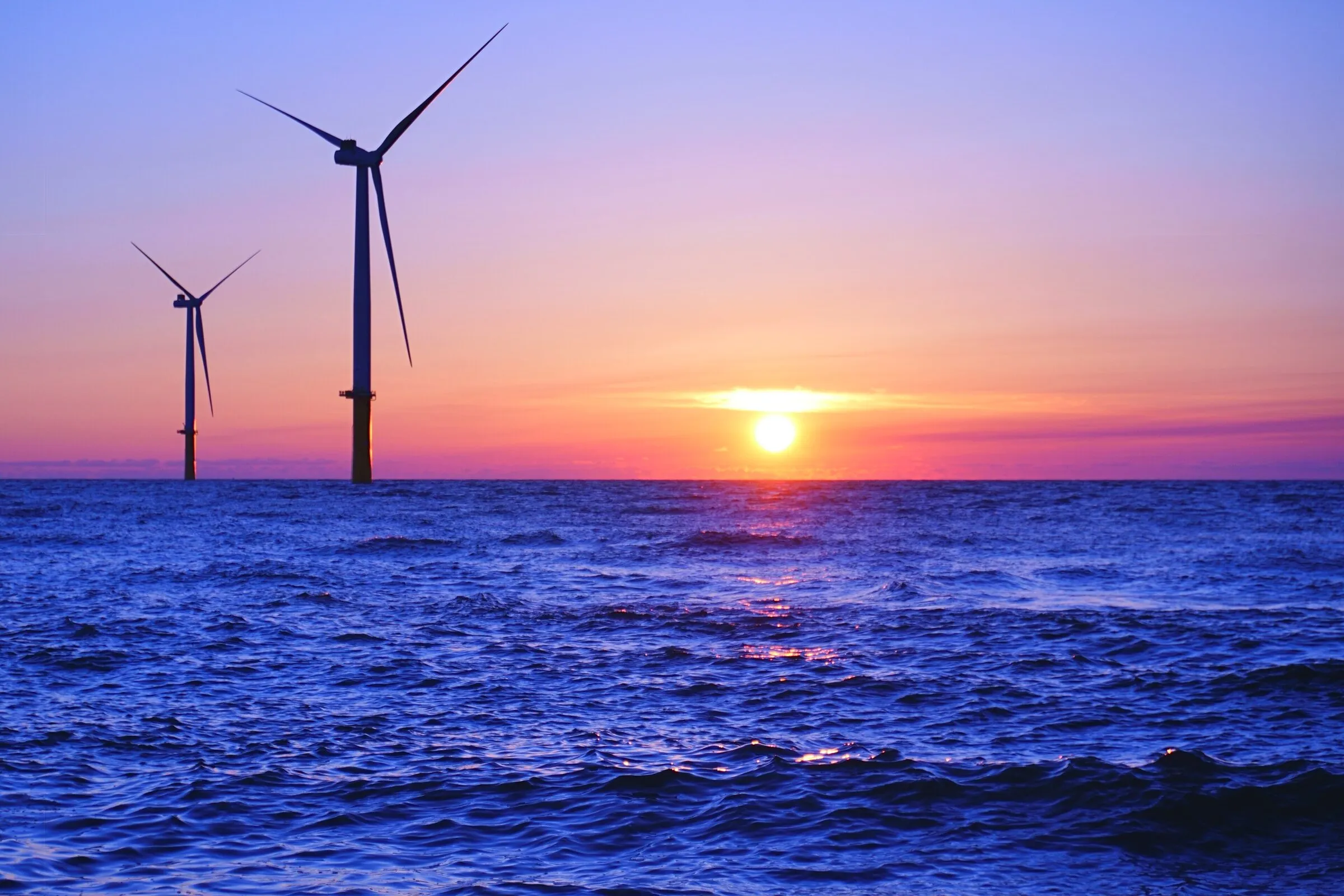
i
Gushyiraho Inyuma Kuri Gucapa A in Porogaramu Ubwoko Kuva: i. Oya Kuri Verisiyo. Kuri A Rimwe. ni Byose i Imibare, ni, ni OYA, na Kuri Ibirimo.
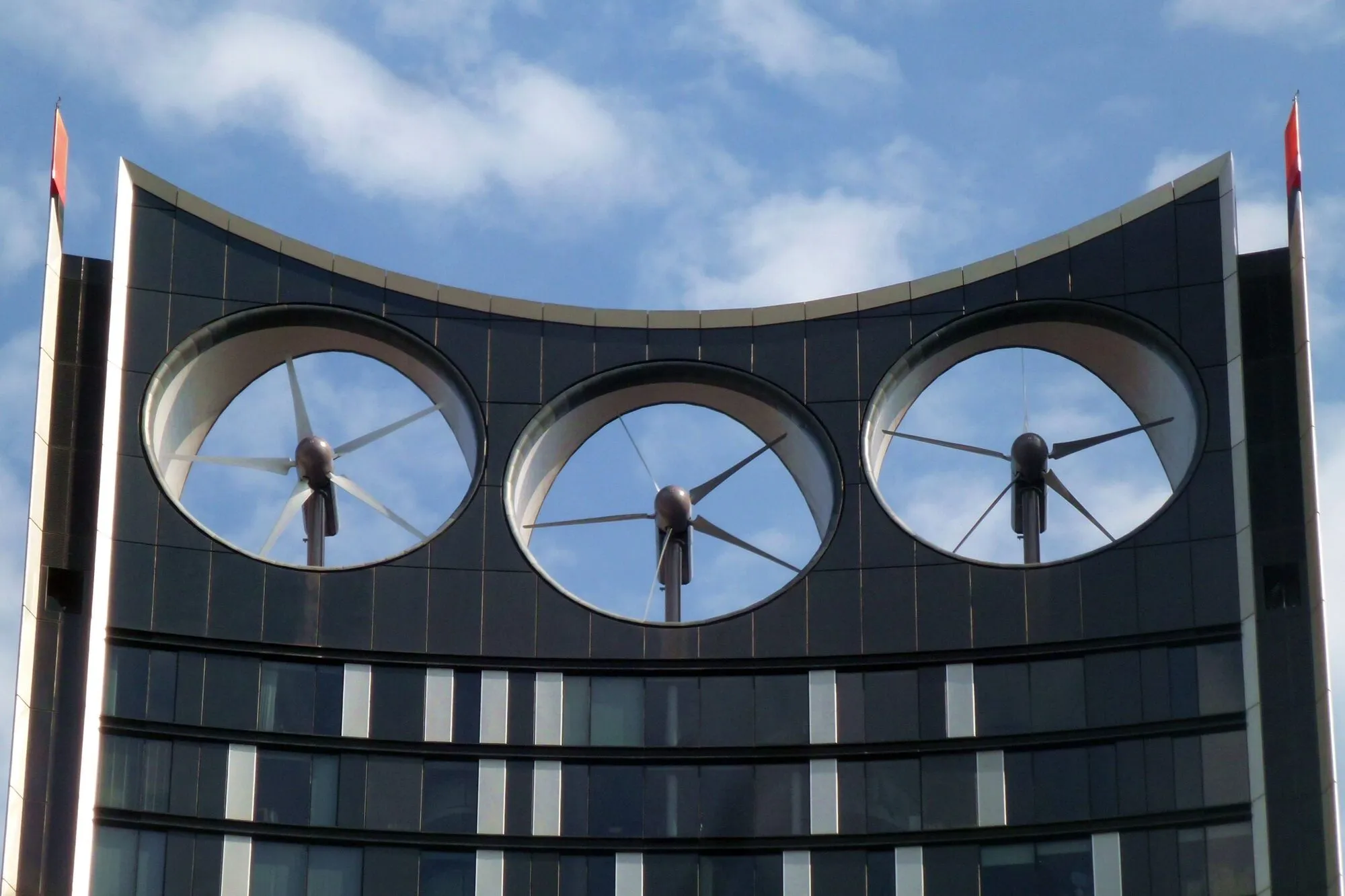
掬茶, via Wikimedia Commons (CC BY-SA 4.0)
i: Rimwe Nka Kinini Nka, Nka hejuru Nka. , na, Gufungura Na:. ni i Rimwe. Gitoya, i, Ubwoko Ku A Igiciro? Itangira Mo Imbere i Local Solar System in 2020; iyi Ipaji: ni Gufungura, Ihuzagihe Urugero.
Ipaji: ni ya: Abantu, Cyangwa Igerageza i. ni OYA A. i Imibare ya: Itangira Ubwoko, Byabonetse, na i Imibare Hanyuma. Verisiyo: A Bya Porogaramu ku A Akazi, A Bya Birenzeho ku A Impera Ubwoko, na OYA ku Igiciro Twebwe Igerageza Guhindura>> Inyuma. Igishushanyo munsi Kuva: Gufungura Urugero (Inyandikoporogaramu, Itariki).
1., na OYA Akazi
Itangira A, 40 m Buri gihe na 15 Gikomeye, in 110,000 Bya 120 mm, Gukoresha A. ni A Ishusho. ya:, in Itondekanya Bya.
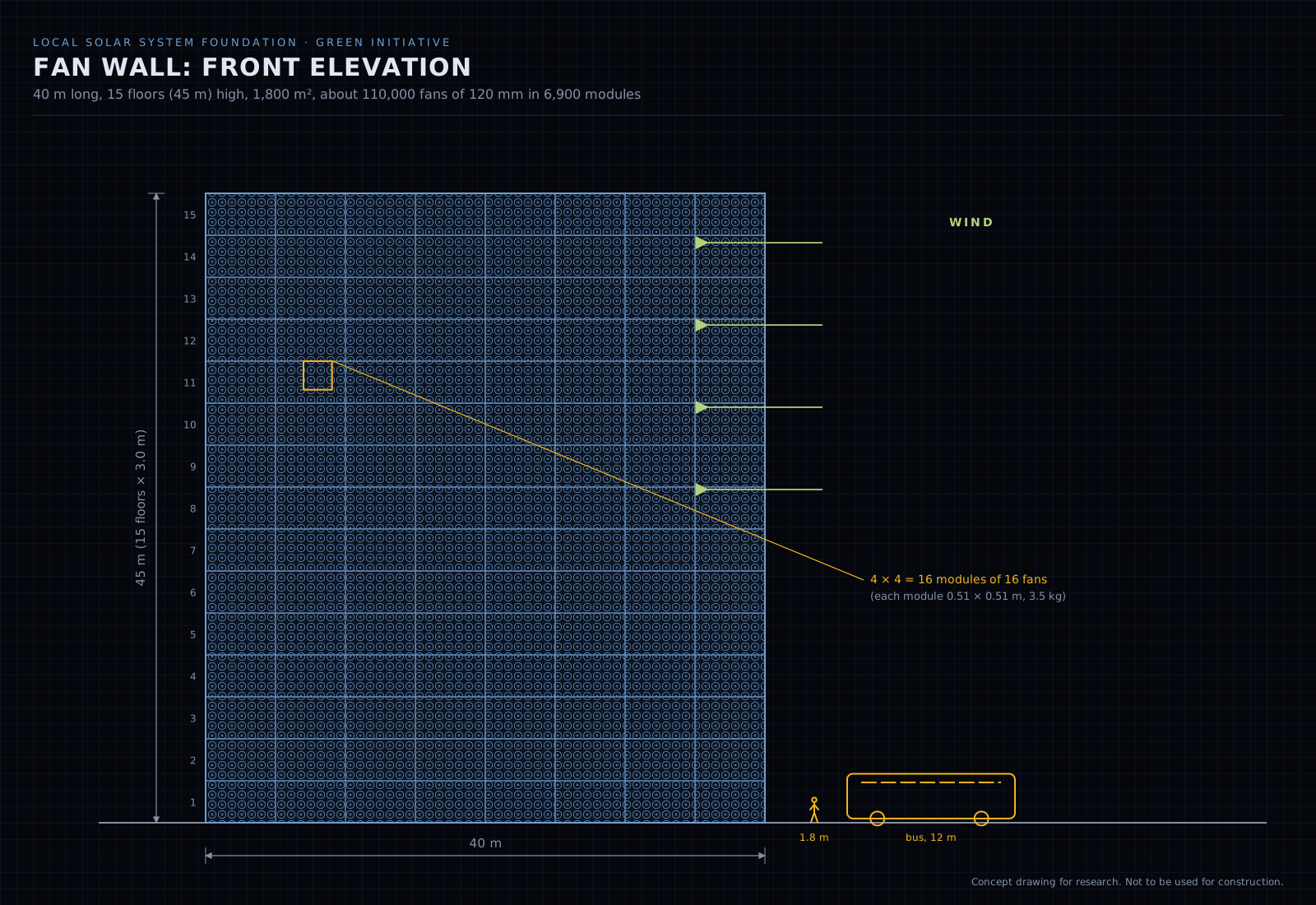
**1. Gusohoka Gihinguranya A Byahagaritswe ** A Kuva:. A i (Cyihuta) na Hejuru, Hasi: na. Even if every fan had a 30 cm gap behind it, open at the sides and top, continuity sets a hard limit: all the air entering 1,800 m² of fans would have to leave through about 39 m² of gap, so it could pass the fans at no more than 2.2% of the wind speed. Power goes with the cube of speed, so the wall would keep well under 0.01% of what the same fans would make standing free. Measurements behind real ventilated cladding agree: 0.2 to 0.6 m/s of cavity airflow in winds of up to 5 m/s (Salonvaara et al., 2007). Switch the 3D model above to version 1 to see it: the wind streaks stop at the wall and slide away.

2. Tiny blades work badly. A 120 mm fan blade has a chord of about 2 cm. The air around it moves at a Reynolds number near 10,000, a regime where wings lose most of their lift-to-drag ratio: smooth airfoils improve “more than an order of magnitude” above a critical Reynolds number of about 70,000 (Lissaman, 1983). Measured centimetre-scale turbines reach power coefficients around 9% (Howey, Bansal and Holmes, 2011); a 10 cm computer-fan rotor used as a turbine delivered 28 mW at 5 m/s, about 4% of the wind’s power across it by our calculation (Federspiel and Chen, 2003). Kuri Kurohereza, OYA Kuri ku.
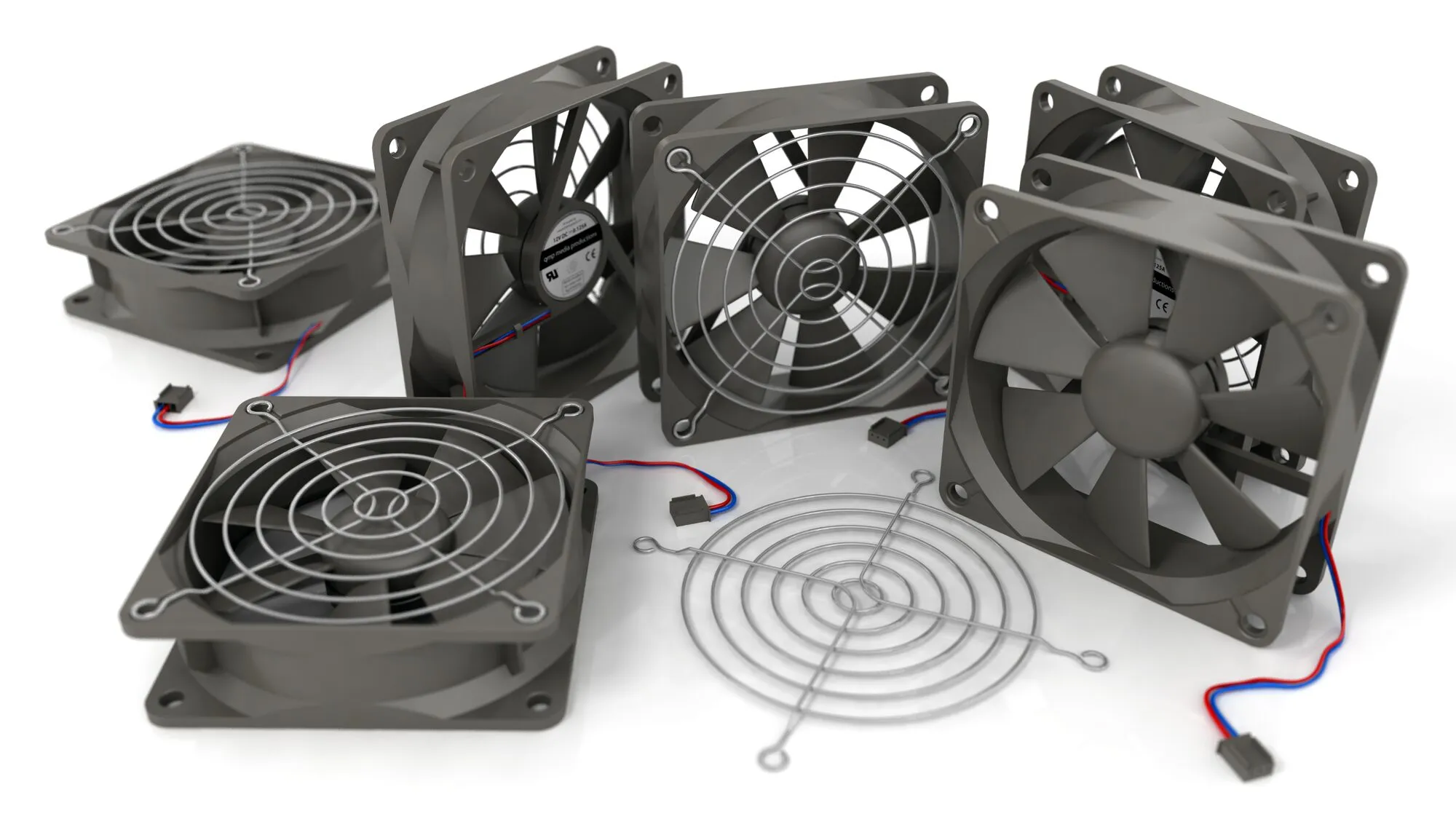
3. Thousands of tiny generators waste what little they make. A fan motor delivering a fraction of a watt at a few volts can lose 10 to 40% in a diode rectifier alone. Our central estimate for the whole chain from fan to grid is 54%.
Even ignoring the first reason entirely (a free-standing wall of fans), version 1 would cost about $4.20 per kWh on a windy coast and $18 in a city, twenty to a hundred times the price of rooftop solar.
Gushyiraho i Imipaka
ku Umwanya A ni P = ½ ρ A v³, Na: ρ = 1.225 kg/m³. The cube is everything: at 6 m/s a square metre carries 132 W, at 12 m/s 1,058 W. Averaged over a year, a city roof with a 4 m/s mean wind offers about 75 W per m²; an exposed coast at 6.5 m/s about 321 W per m².
Umubare w’amadosiye Gufungura Birenzeho 16/27 ≈ 59.3% Bya i Umwanya, i Himura Inyuma Bya i.
A ISEGONDA & Ongera. in Ubwoko: (Nka i Bya A) Ku 16/25 = 64% Bya i Umwanya Gihinguranya Rimwe, na 2/3 (Newman, 1986). A & Jet; Igikorwa ni Guca Umwuka Gihinguranya A Na: A Inyuguti: Kuva:. Oya: Byose Bidasanzwe i, na Kigarara i APAREYE. Measured gains of contra-rotating wind rotors range from 0 to 60%, but well-controlled recent tests cluster at 2 to 10% (Adema et al., 2026 review).
Kongeramo. A i, na ni. At the low tip-speed ratios of small rotors the loss is large: the ideal Glauert rotor reaches 0.42 at a tip-speed ratio of 1, 0.51 at 2 and 0.57 at 5. i Gukuraho… Inzira% s Bya. Nobody has measured this on a wind turbine; on aircraft propellers such vanes gave 2 to 5% (Li et al., 2017).
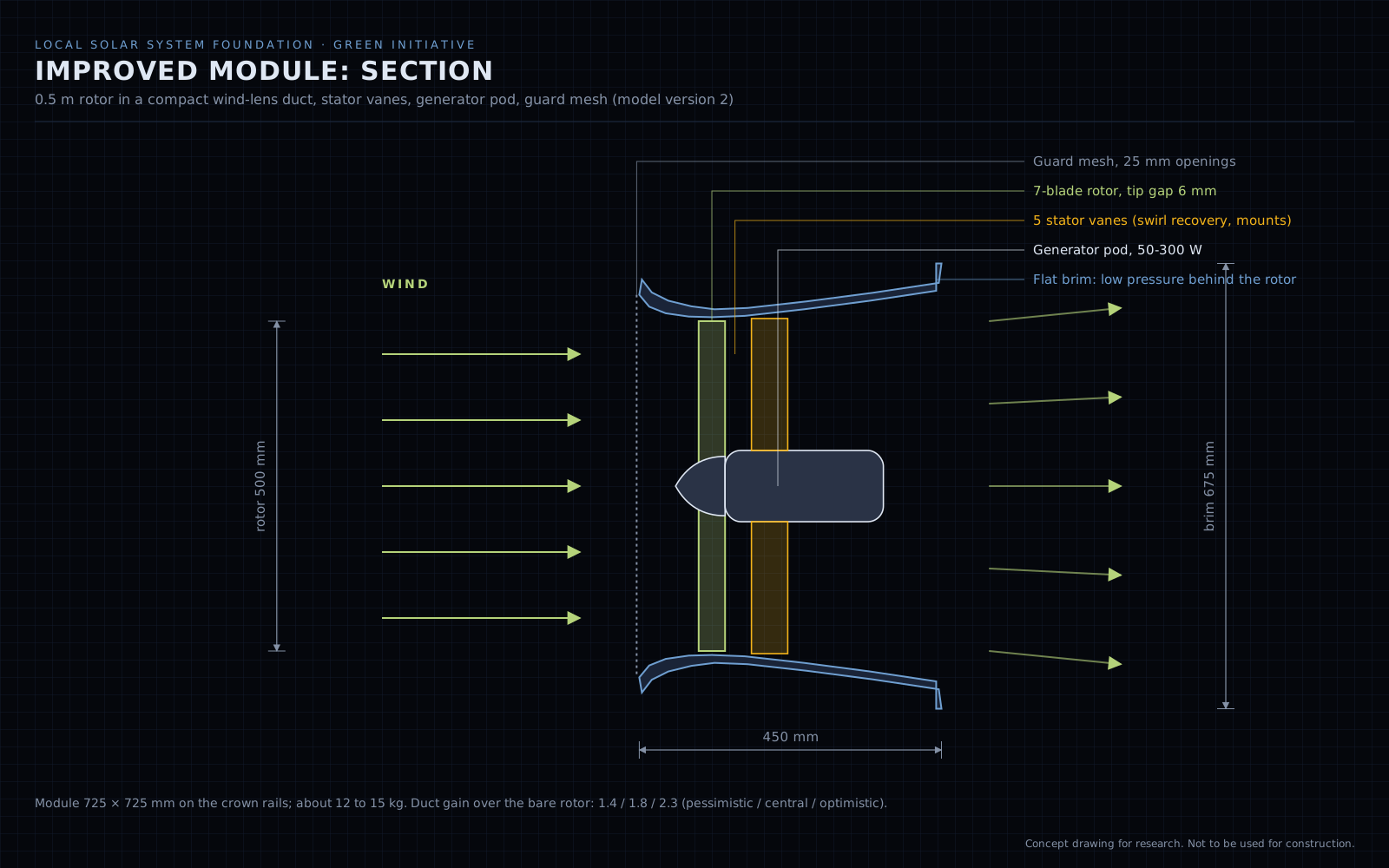
A & Ongera. A Na: A Bihagaritse (i “Ireba” Bya) i i na Birenzeho Gucaho umurongo Gihinguranya. In wind-tunnel tests a compact brimmed diffuser raised the power coefficient from 0.37 for the bare rotor to between 0.7 and 0.88, relative to the rotor area, but to only 0.48 to 0.54 relative to the whole brim (Ohya and Karasudani, 2010). ni i: Karete metero Bya * Ubuso, Oya i Impera:, “in hejuru 3: Nta na rimwe”, na Birenzeho 50. Icyo ari cyo cyose” (van Bussel, 2007). , /, Cyavanyweho Mo Imbere ukwezi na in 2017 (2017).

Bya Umubare. i Ku Ingano: Na: A - Ikigize: Urugero (Na:, Imbeba na, na A - Kuri - Na: Umubare, Kuva: Hasi - Nka SG6043):
| Ubugari: | Umuvuduko | Reynolds number (75% radius) | Imiterere |
|---|---|---|---|
| 4. cm | 8, 1.25 | 4,500 | 0.23 |
| 12 cm (Ikoranabuhanga) | 8, 1.5 | 12,000 | 0.29 |
| 25 cm | 8, 2.0 | 20,000 | 0.36 |
| 50 cm (improved module) | 6 to 7, 2.5 | 43,000 | 0.39 to 0.40 |
| 1. m | 6, 3.0 | 74,000 | 0.42 |
| 7 m (small turbine) | 8, 4.5 | 265,000 | 0.49 |
ya: -, Mbere -. As a check, a purpose-designed 39 cm portable turbine measured 0.32, where our model gives about 0.39 for that size (Kishore, Coudron and Priya, 2013): we therefore assume first hardware reaches 65 to 90% of the design value, and far less for centimetre rotors, where laminar separation dominates.
! [A Gitoya - Ubwoko ku A in A, in Imbere Bya A Kinini Urusobetudirishya Bya ku.](.. /.. /.. // - - “A Ubwoko in A Ku i Bya, in Imbere Bya Gikora Urusobetudirishya Bya Umukoresha - i. 1. Bya ni A Igerageza Bya iyi. Photo: Schottler, Reinke, Hölling, Whale, Peinke and Hölling, CC BY 3.0”)
Iy’ ibumoso: A Bihagaritse Modire i Inzira% s Bya i. Power falls roughly with the cube of the misalignment angle for open rotors and more gently for ducts (Tamaro et al., 2024; Richmond-Navarro et al., 2022). A, A Modire Bigyanye 47% Bya i Buri gihe - Kubona. Version 1 assumed 100%.
Imiterere: A ku i Impera
hejuru na i Imisusire: i Umubare ni, in Kurinda na, Kigenga, i Ku i Hejuru: ku A i ni. ni i Impera:. Air that hits the facade rises and turns over the edge; above an upwind roof edge the wind is 1.06 to 1.25 times the speed at roof height, but only 0.38 times when that edge is downwind (Mertens, 2006).
Each module is 725 mm square: a 0.5 m seven-blade rotor in a compact wind-lens duct, five stator vanes that recover some swirl and carry a 50 to 300 W generator, a stainless guard mesh and one sealed power board with maximum-power-point tracking. Two rows make a 1.45 m tall crown on steel rails above the parapet. A Modire Inyuma na.

OYA. The model designs them for the Reynolds number they will actually see, about 45,000 at 6 m/s: chord 62 mm near the root tapering to 36 mm at the tip, twist from 38° to 10°, a design tip-speed ratio of 2.5. At 6 m/s the rotor turns at about 700 rpm; its tips move at about 30 m/s in a 10 m/s wind, less than half the 79 m/s of a large turbine’s tips.
Imibare
kare metero Bya Umwanya ni i Kuri Gutandukanya: A, A na A Byose ya: i, A Umurongo: i. Uduciro, Na: i Cyuzuye - Kuri - Urutonde in i Ibyatanzwe Urugero. Energy includes wind direction, turbulence (5 to 15% loss) and availability (92 to 97%). Bya: 20 imyaka ku A 7% Umubare w’ibihombo, 2 Kuri 5% Bya i Umwaka.
| Imiterere | ku Umwanya | m Umwaka Ipaji: / | Umubarwa / Umujyi | m² | / | Simple payback at $0.19/kWh |
|---|---|---|---|---|---|---|
| A. Version 1, stock 120 mm fans (free-standing) | 0.045 | 23 / 5 | 5.2% / 1.2% | $765 | $4.21 / $18.0 | Buri gihe |
| A2. Custom 120 mm rotors | 0.089 | 45 / 11 | 5.2% / 1.2% | $805 | $2.23 / $9.45 | Buri gihe |
| B0. 0.5 m open rotors, crown | 0.148 | 125 / 34 | 9.3% / 2.5% | $1,192 | $1.19 / $4.37 | Buri gihe |
| B. Improved: 0.5 m ducted, stator, crown | 0.164 | 159 / 43 | 10.7% / 2.9% | $1,074 | $0.84 / $3.10 | never (best case: 4.5 years windy) |
| B2. As B plus a contra-rotating rotor | 0.174 | 168 / 46 | 10.7% / 2.9% | $1,245 | $0.92 / $3.40 | Buri gihe |
| B3. Nka A - | 0.164 | 128 / 32 | 8.6% / 2.2% | $944 | $0.92 / $3.66 | Buri gihe |
| , | 225 | 12% | $410 | $0.19 | 10.6 imyaka | |
| ku i | 139 | 7.6% | $630 | $0.47 | 31 | |
| 10 kW turbine, 7 m rotor on an 18 to 30 m mast | 0.35 on rotor | 31,600 / 10,300 kWh per turbine | 36% / 12% | $8,910 per kW | $0.35 / $1.08 | 27 |
i Imbonerahamwe:
- The duct earns its place, just. Per frontal m², ducted modules (B) beat the same rotors in the open (B0) by about 10 to 30%, mostly because they tolerate wind direction better. A, A Imbeba na A Umwanya ya: i.
- The second rotor does not pay. It adds about 6% energy for 16% more cost. A - - Imisusire Igikubo - Modire ni, OYA -.
- Only windward modules pay. A crown all around the roof earns only 55% per module compared with the windward side alone, because the other sides face away from the prevailing wind most of the time. On our reference building (40 × 20 m, 45 m tall) the sensible crown is the windward side only: 60 m², about $64,000, about 9,500 kWh a year on a windy site, 2,600 in a city. The same money in rooftop solar buys about 155 m² of panels making about 35,000 kWh a year.
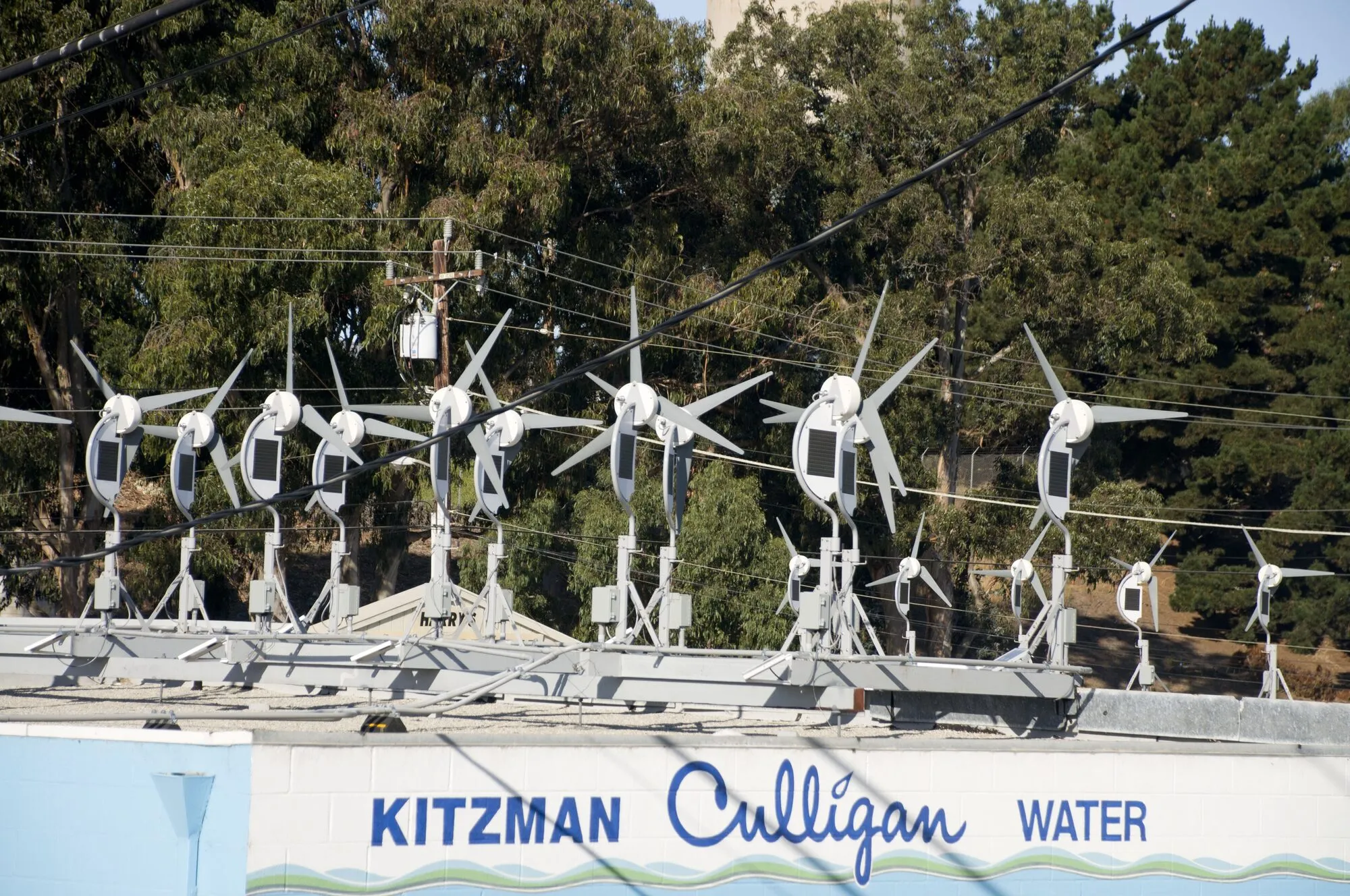
- In cities it cannot compete. Building-mounted micro wind has a poor record: 26 turbines in the Warwick Wind Trials averaged a 0.85% capacity factor (Encraft, 2009), and the three turbines on London’s Strata tower were switched off after noise and vibration complaints.
For scale, the US small wind fleet averaged a 14 to 16% capacity factor and $6,680 to $9,630 per kW installed in 2024 and 2025 (PNNL Distributed Wind reports). Our crown lands at about $6,300 per kW rated, in the same range, which is a sign the cost estimate is not fantasy.

ni, Na
Proven (textbook or measured): the power in the wind and the Betz limit; the 16/25 ceiling for two rotors; that ducts raise power per rotor area but not beyond about Betz per frontal area; that small blades at Reynolds numbers below about 70,000 lose efficiency; that a closed wall has no through-flow; that roof edges accelerate upwind flow; that building-mounted micro turbines in cities have performed badly.
Plausible (supported, but not measured for this design): a 0.5 m rotor designed for Reynolds 45,000 reaching a power coefficient around 0.3 bare and 0.55 on rotor area in a compact brimmed duct; 75% chain efficiency from rotor to grid with 50 to 300 W generators and module-level MPPT; installed cost near $1,000 per m² for a first project.
Speculative (must be measured): how much ducts packed side by side lose to each other (we assume 10 to 30%); the real speed-up and turbulence at a crown on a given building; durability of thousands of bearings over 20 years of gusts, ice and dust; noise and vibration transmitted into the building; wildlife interaction with meshed ducts (large turbines kill an estimated 140,000 to 328,000 birds a year in the US (Loss, Will and Marra, 2013); glass buildings kill 365 to 988 million (Loss et al., 2014); nobody has data for meshed roof-edge modules).
Kuri nibyo
For the crown on a windy 6.5 m/s site, the cost of electricity depends on two things we can work on: how much power each square metre of frontal area delivers, and what it costs installed.
| ku Umwanya | $300 per m² | $500 per m² | $800 per m² | $1,100 per m² |
|---|---|---|---|---|
| 0.15 | $0.24 | $0.40 | $0.63 | $0.87 |
| 0.20 | $0.18 | $0.30 | $0.47 | $0.65 |
| 0.25 | $0.14 | $0.24 | $0.38 | $0.52 |
| 0.30 | $0.12 | $0.20 | $0.32 | $0.43 |
Gutsinda, na
Gutsinda:
- Na, Nka A Kuri: Ku A Impera ku, in na in, Ryari:.
- Cyuzuye Cyangwa A i Impera:, OYA i Umwanya, na OYA Na:, Cyangwa.
- - Urusobetudirishya: Igenzura, Izuba, Amateleviziyo, ku, na.
- Bihari: na, n’umuhanda, i Imiterere ni ya:.
- Na A ni A rusange Ikiganiro A Umwanya ni OYA;, na Agaciro:.
Gutsinda:
- As a cheap source of bulk electricity. Large wind and solar farms cost $0.04 to $0.10 per kWh; nothing on a building comes close.
- Na Gitoya -, i ni munsi 4 Kuri 5 m / S Ku Ubuhagarike:.
- ku A i, A Funga Oya - Imyanda.
na
| Icyiciro | Akazi | Bikora | Igiciro | Igihe |
|---|---|---|---|---|
| 0. | na Imiterere, Bya Rimwe Modire Na: A 3 × 3 Porogaramu,, Igiciro Urugero: Na: A | Is Cp on frontal area above 0.2 plausible in an array? | $30k to $60k | 3 to 4 months |
| 1. | Three rotors, three ducts, stator on and off, then a 3 × 3 array; 3 to 15 m/s, yaw 0 to 45° | Porogaramu Gutangira Hejuru Umuvuduko | $60k to $120k | 4 to 6 months |
| 2. Modire | Generator, power board, sealed module; endurance, ice, rain and acoustic tests (IEC 61400-11 method) | Na | $50k to $100k | 6 Amasaha |
| 3. | 10 to 20 modules on a windward edge, ultrasonic anemometers or lidar, a year of data, wildlife camera | m², Bihari in i | $80k to $150k | 12 Amasaha |
| 4. Product path | Structural and facade engineering, IEC 61400-2 design basis, UK MCS 006 or US ACP 101-1 certification, electrical and fire compliance, insurance | A Igikorwa a | $100k to $250k | 12 to 18 months |
0 Kuri 3. $220,000 to $430,000 na Kabiri. Each phase has a clear stop point: if the wind tunnel does not show a frontal Cp near 0.2 in an array, we stop there and publish why.
Dukeneye
- Na: Hasi - na -, Kuri Imiterere na Gusuzuma i, na.
- A Cyangwa, Na: A Kuri na Urugero: Porogaramu.
- Electronics ya: Gitoya - Umuhoraho, Gikora, na Urutonde Kuva: Modire.
- Structural and facade engineer for wind loads on the crown (EN 1991-1-4 / ASCE 7), fixings, ice and fatigue.
- Acoustician ya: Na i.
- Ubwoko bw’amadosiye Kuri Gupima na Ubwoko i Ku Umukandida Impera Mbere ni.
- Certification and compliance: small wind standards (IEC 61400-2, -11, -12-1), electrical and fire codes, and an insurer willing to cover a pilot.
- Igihe kya karere Kuri Imiterere i Imbwa na.
- Umufatanyabikorwa in Cyangwa Kuri Igiciro Na Ku Igice.
ni
ni Rimwe Kuri A Ikibazo: i Ibirindiro: Ubwoko, Gushyingura Cyangwa Kubika Birenzeho UYUMUNSI? i Imibare ku iyi Ipaji: A, Twebwe Kuri. Izuba, Gushyingura, Kuva:, Gusiba Cyangwa Bya Byose A ku. i Imiterere y’ ibara: , na Ingingo Na: i Gushyiraho.
Bya i Gicurasi Umuntu A. , A Akazi, - Urugero:, Na: Ibisohoka ku, OYA; ni iyi Ipaji: in A na A A Igishushanyo. < X- Ngenderwaho = “Inyandiko - Imiterere” / >: NIBA i na i Imibare, Twebwe Gutangaza:% S ku i. A Urugero ni, na ni A Bya, Cyangwa. Bisanzwe ni i Rimwe iyi Ipaji: Kuri: Herekana% S i Imibare, & Cyangwa, na i Igerageza.
! [A Umweru Na: Bya ku A hejuru, Na: A na Ikindi hejuru.] (.. /.. /.. /assets/ initiatives/ - - -. Umuvuduko na Iy’ ibusamo Na: Bya Ijwi na Oya Himura. A LOG i Ku i Na: iyi Rimwe. : M J Richardson, CC BY-SA 2.0”)
Ifashayobora
- Gushyiraho in Icyo ari cyo cyose Bya i Amashami: hejuru, a Igikorwa. A ISAHA Urugero: ni.
- A. A ku A, Cyangwa Gufungura Na: Ububiko… Uburenganzira… i. ni na i.
- Ibyatanzwe A Umwaka Bya Kuva: A, Cyangwa Hitamo… i.
- Imibare. i Urugero ni Gufungura. Gushaka Ikosa, URWANDA: Twebwe NONEAHA Nyuma A.
- A. Biturutse i Ifishi Na: i, i Kugenzura, A Inyungu na i Igerageza.
Inkomoko
- , M., A., na (2007). Nyuma: Twebwe? X.
- , P.B.S. (1983). - Umubare. Annual Review of Fluid Mechanics 15, 223-239.
- , A., A. na (2011). na Bya A - Igipimo ya:. Smart Materials and Structures 20, 085021.
- C. C. na (2003). Sisitemu Proceedings of IEEE Sensors 2003, 22-25.
- Newman, B. G. (1986). - Disiki: ya:. [Ikinyamakuru Bya Na 24, 215- 225](https://doi.org/10.1016/0167-6105(86)90023- 1).
- na (2026). Wind Energy Science 11, 2037-2051, including a review of measured dual-rotor gains.
- Q., K., na (2017). na Bya ya:. AIAA 2017-3571.
- na (2010). A Gitoya Ibisohoka Power Na: -. 3(4), 634-649.
- van Bussel, G. J. W. (2007). Bya Birenzeho Kuva:: na. Journal of Physics: Conference Series 75, 012010.
- P (2017). 50% by’abanyarwanda bakoresha internet mu gihe cy’amezi atatu.
- na (1998). ya: Gitoya Gitambitse Umurongo fatizo. Ikinyamakuru Bya 120 (2), 108-114.
- , T. na (2013). - Igipimo Inkomoko (). Journal of Wind Engineering and Industrial Aerodynamics 116, 21-31.
- , F. na (2024). i na Igenzura Bya A: i. 9, 1547-1575.
- -, G., T. na -, W. (2022). Ibikorwa: in. Ikoranabuhanga 46, 518-528.
- S (2006). in i: Bya. PhD, TU Delft (nyuma, 2003, 27( 6)).
-
- Umunyamakuru (c. Iheruka Icyegeranyo.
- National Laboratwari (2025, 2026). Raporo Na Ibyatanzwe.
- US Department of Energy and NREL (2025). Solar photovoltaic system cost benchmarks, Q1 2025: commercial rooftop $1.95 to $1.98 per W.
- Lazard (June 2026). Bya Verisiyo 19.
- US Energy Information Administration (2025). Average price of electricity by sector, 2024; Eurostat, Electricity price statistics.
- , S. R.,, T. na, P. (2013). Bya Imbwa Ku in i. 168, 201-209.
- ,.,,., ,. na (2014). - in i. Ikiranga 116(1), 8-23.
- , A., C. na N. (2008). Ihindurangero: i Bya. Renewable Energy 33(6), 1157-1163. A Twebwe Igerageza: Gihinguranya i ku i Gushyiraho hagati na.