
ファン・ウォール
風を使って電気を作るコンピュータファンで建物を覆おうとしました。物理学はそのバージョンに反対しました。より良いものを指摘しました。数学的なこと、証明されたこと、証明されなかったこと、そしてそれを見つけるために必要なことを示します。
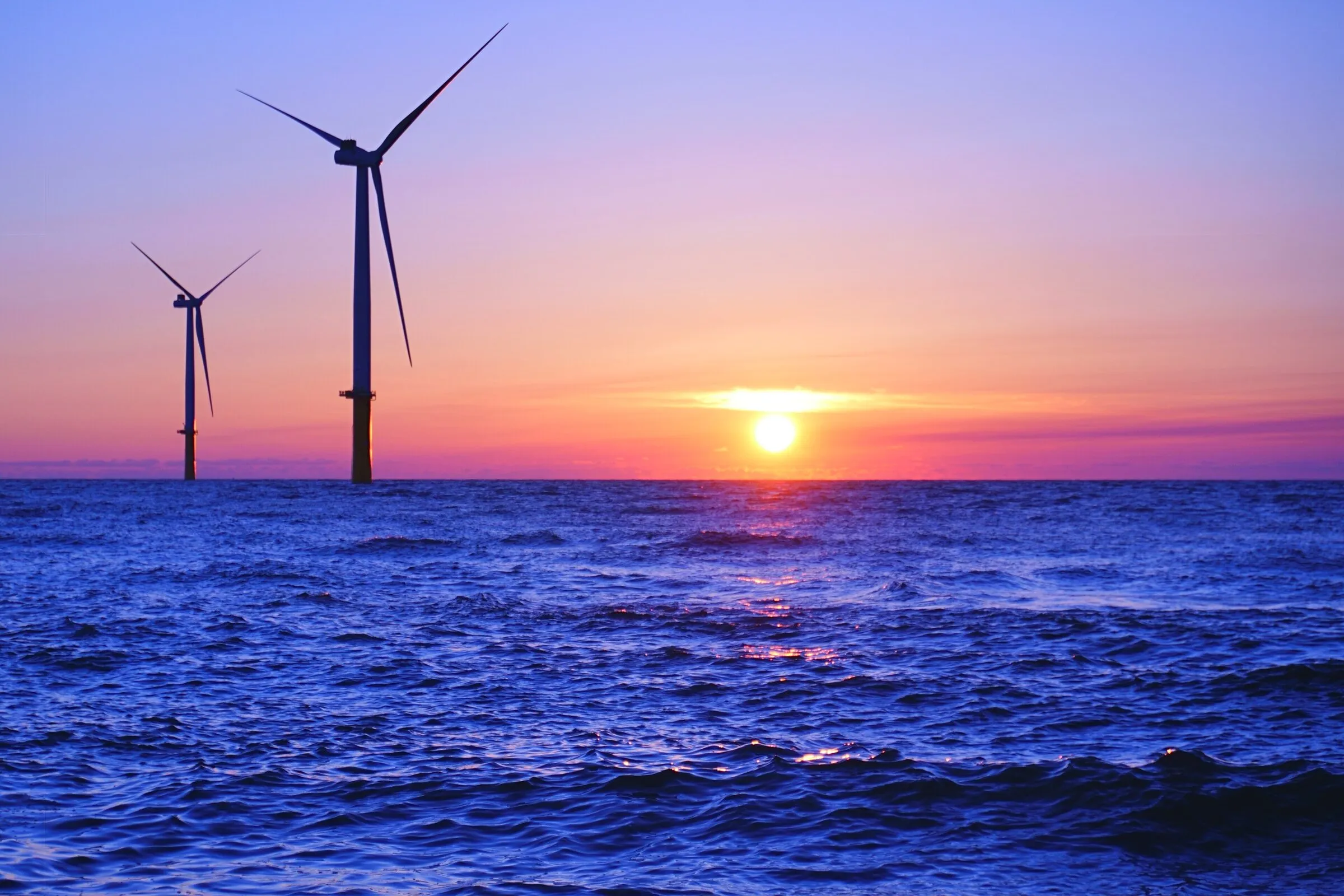
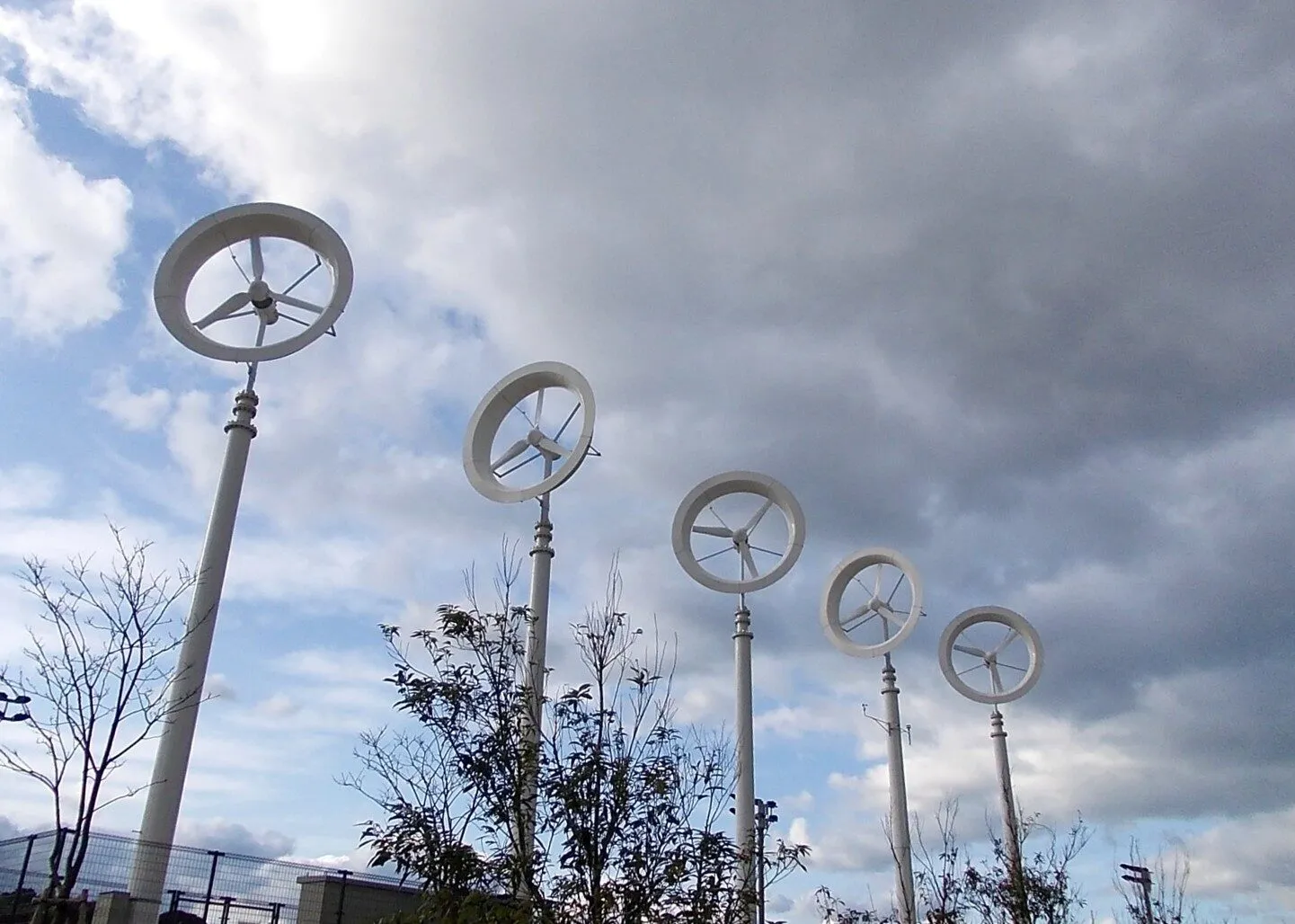
掬茶, via Wikimedia Commons (CC BY-SA 4.0)
あなたが見た全ての風車は 同じ論理に従う: できるだけ大きいロータ、できるだけ高い。 素晴らしい仕事だが クレーンと開けた土地と 何年もかかる許可が必要だ 私たちの疑問は逆である。 都市が既にある場所に設置された多くの小型ロータは、合理的な価格で電気を生産できるか? ファンウォールのアイデアは2020年にLocal Solar System財団内で初めて提案された。
このページは、このアイデアを資金提供し、構築したりテストしたりする人々のために書かれています。 意図的に販売用ブックレットではない。 私たちは最初の設計で数値を実行し,その故障点を見つけて,再設計し,数値をもう一度実行した。 簡単な話だが コンピュータファンは 壁に設置しても 効果がない 風の強い屋根の端に 大きくダクト状のローターを つければ 電気を作れる ソーラーパネルには勝てない 試験がうまく行かない限り 下の図はオープンモデルから得られたものですコード, 日付).
バージョン1と、なぜ動かないのか
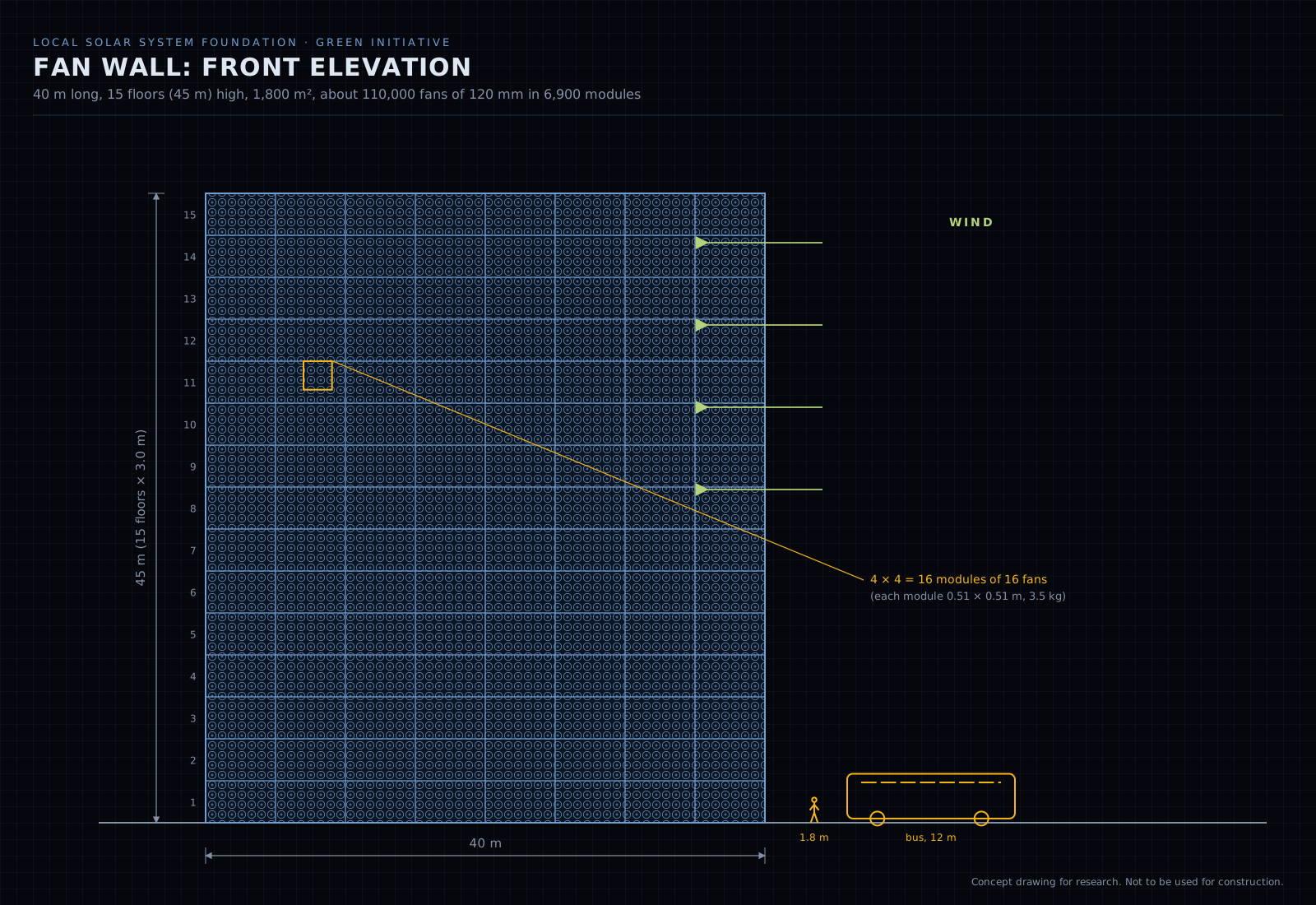
The first idea was a building facade, 40 m long and 15 floors high, covered in about 110,000 fans of 120 mm, each run backwards so its motor becomes a generator. 素敵な写真だ。 It fails for three reasons, in order of importance.
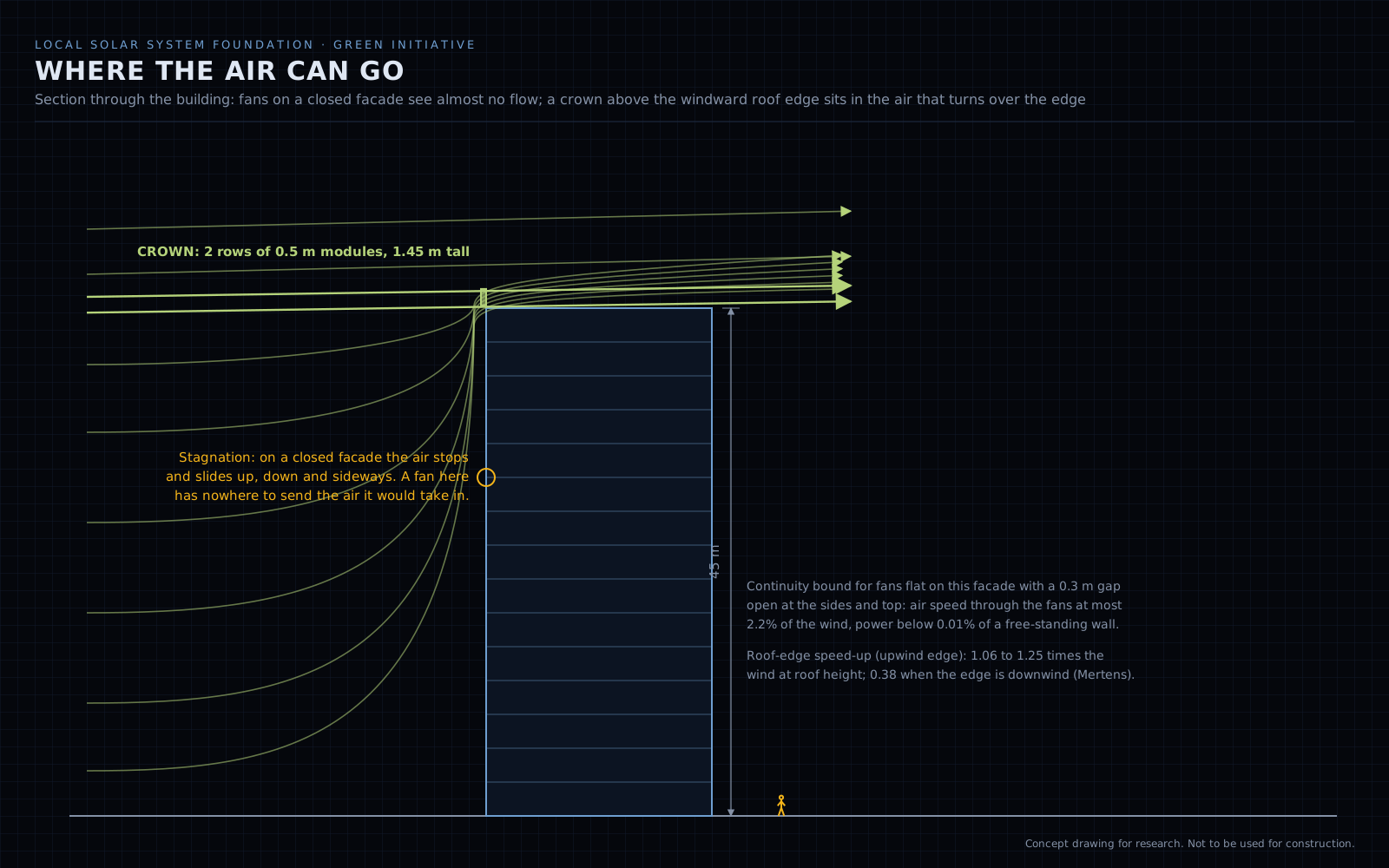
**1. タービンは,通過する空気からエネルギーを得る。 風は固体ファサード上で停止し,上下横方向に滑り込む。 Even if every fan had a 30 cm gap behind it, open at the sides and top, continuity sets a hard limit: all the air entering 1,800 m² of fans would have to leave through about 39 m² of gap, so it could pass the fans at no more than 2.2% of the wind speed. 速度の立方体と共にパワーが加わる だから壁は自由に立つファンよりも 0.01%下で保たれる Measurements behind real ventilated cladding agree: 0.2 to 0.6 m/s of cavity airflow in winds of up to 5 m/s (Salonvaara et al., 2007). 上の3次元モデルをバージョン1に切り替えて見てください。風は壁で止まって滑り去ります。
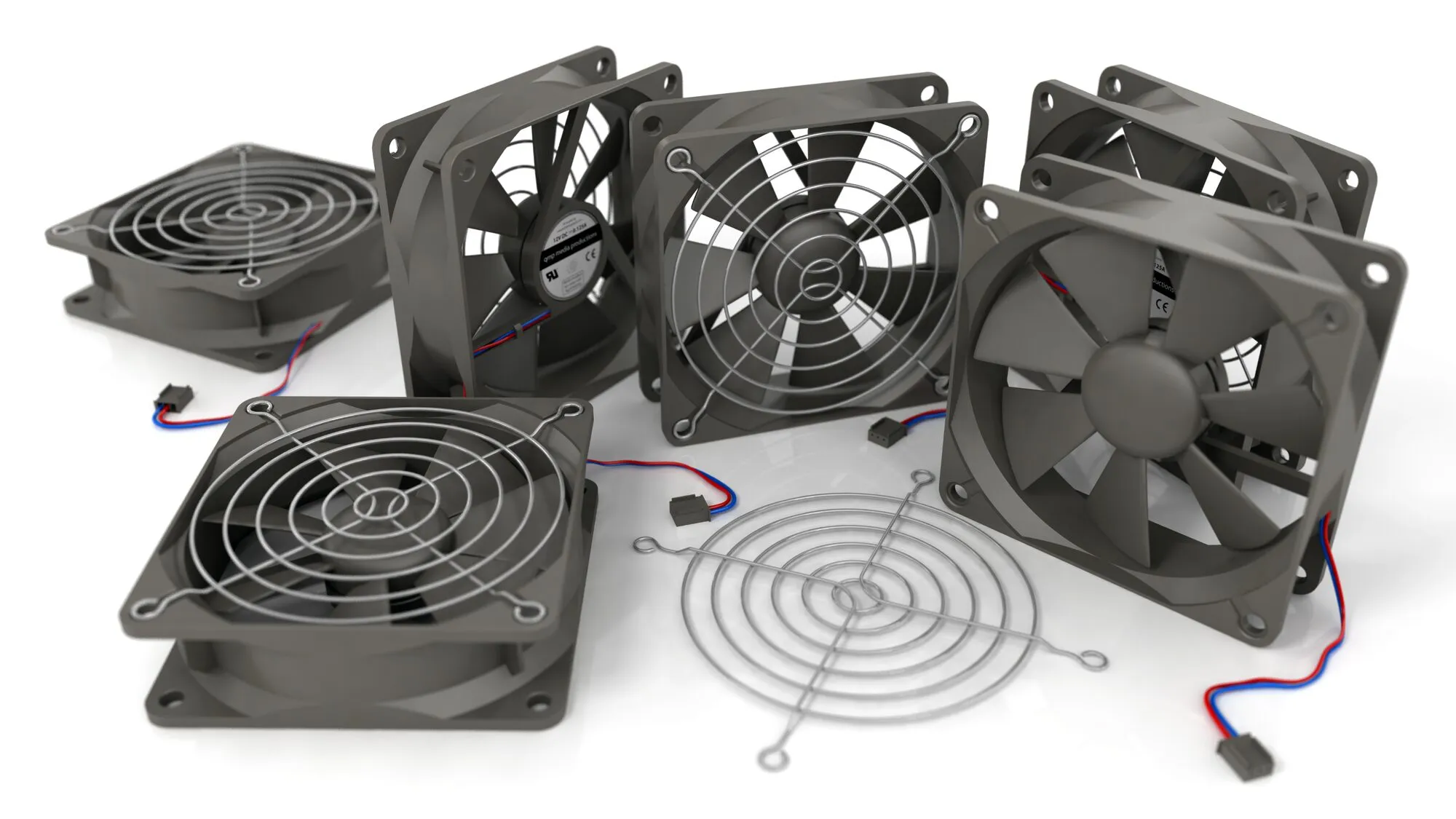
**2. 120mmのファンブレードは,約2cmの弦を持つ。 The air around it moves at a Reynolds number near 10,000, a regime where wings lose most of their lift-to-drag ratio: smooth airfoils improve “more than an order of magnitude” above a critical Reynolds number of about 70,000 (Lissaman, 1983). Measured centimetre-scale turbines reach power coefficients around 9% (Howey, Bansal and Holmes, 2011);a 10 cm computer-fan rotor used as a turbine delivered 28 mW at 5 m/s, about 4% of the wind’s power across it by our calculation (Federspiel and Chen, 2003). コンピュータファンは空気を押し出す形状であり,空気に押されるわけではない。
3. Thousands of tiny generators waste what little they make. A fan motor delivering a fraction of a watt at a few volts can lose 10 to 40% in a diode rectifier alone. ファンからグリッドまでの全チェーンに対する中央推定値は54%である。
Even ignoring the first reason entirely (a free-standing wall of fans), version 1 would cost about $4.20 per kWh on a windy coast and $18 in a city, twenty to a hundred times the price of rooftop solar.
限界を設定する物理学
風によって伝達される電力 A はい P = ½ ρ A v³空気の密度が ρ = 1.225 kg/m³. The cube is everything: at 6 m/s a square metre carries 132 W, at 12 m/s 1,058 W. Averaged over a year, a city roof with a 4 m/s mean wind offers about 75 W per m²;6.5m/sの露出海岸を321 W per m²に対して計算した。
限界だ 開いた回転子は 16/27 ≈ 59.3% 空気が動き回らなければならないからです
What a second rotor can add. Two rotors in series (like the stages of a jet engine) can reach at most 16/25 = 64% of the power through one rotor’s area, and infinitely many only 2/3 (Newman, 1986). ジェットエンジンは,燃焼中の燃料と巨大な圧力差をもつ空気を閉じ込めたコアを通して押し出すために段積みする。 自由風はそのような圧力を提供しない:すべての追加段階が空気をさらに遅くし,デバイス周りのゆっくりとした空気を漏れさせる。 Measured gains of contra-rotating wind rotors range from 0 to 60%, but well-controlled recent tests cluster at 2 to 10% (Adema et al., 2026 review).
固定子の羽根が付けられるもの。 回転子は空気を渦巻きにしておくので,渦はエネルギーを失う。 At the low tip-speed ratios of small rotors the loss is large: the ideal Glauert rotor reaches 0.42 at a tip-speed ratio of 1, 0.51 at 2 and 0.57 at 5. 回転子後方の固定翼はその一部を回収できる。 風車ではこれを測定した者はいないが、航空機のプロペラではこのような羽根が 2%から5% (^ 2017年のリニューアル).
どんなダクトが付けられるか 平面翼を持つダクト(九州大学の「風レンズ」)は,ロータ後方の圧力を低下させ,より多くの空気を通過させる。 In wind-tunnel tests a compact brimmed diffuser raised the power coefficient from 0.37 for the bare rotor to between 0.7 and 0.88, relative to the rotor area, but to only 0.48 to 0.54 relative to the whole brim (Ohya and Karasudani, 2010). これが問題である:ダクトは平方メートル当たりの前面面積に対してBetz限界を破ったことはなく,「実際には3以上の出力増大係数は達成されなかった」,ダクト式タービンは「50年以上の寿命を持っていた。 これまでに商業的な成功はない」(van Bussel, 2007)。 The most expensive recent attempt, FloDesign/Ogin, removed its turbines within six months and was liquidated in 2017 (Gipe, 2017).
レイノルズ数が大きいほど,流れの速度は大きくなる。 翼要素運動量モデル(後退回転,先端及びハブ損失,Reynolds数に従って下がる揚力対抗力比を含むGlauert最適値)を用いて各サイズでの最適なロータを計算した。 セリグのSG6043):
| ロータ径 | 翼の先端速度比 | レイノルズ数 (半径の75%) | デザイン賞 |
|---|---|---|---|
| 4センチ | 8, 1.25 | 4,500 | 0.23 |
| 12cm(コンピュータファン) | 8, 1.5 | 12,000 | 0.29 |
| 25センチ | 8, 2.0 | 20,000 | 0.36 |
| 50cm(改良型) | 6から7、2.5 | 43,000 | 0.39から0.40 |
| 1m | 6, 3.0 | 74,000 | 0.42 |
| 7m(小型タービン) | 8, 4.5 | 265,000 | 0.49 |
これは実際の損失前に 特別に作られた翼の天井値だ As a check, a purpose-designed 39 cm portable turbine measured 0.32, where our model gives about 0.39 for that size (Kishore, Coudron and Priya, 2013): we therefore assume first hardware reaches 65 to 90% of the design value, and far less for centimetre rotors, where laminar separation dominates.
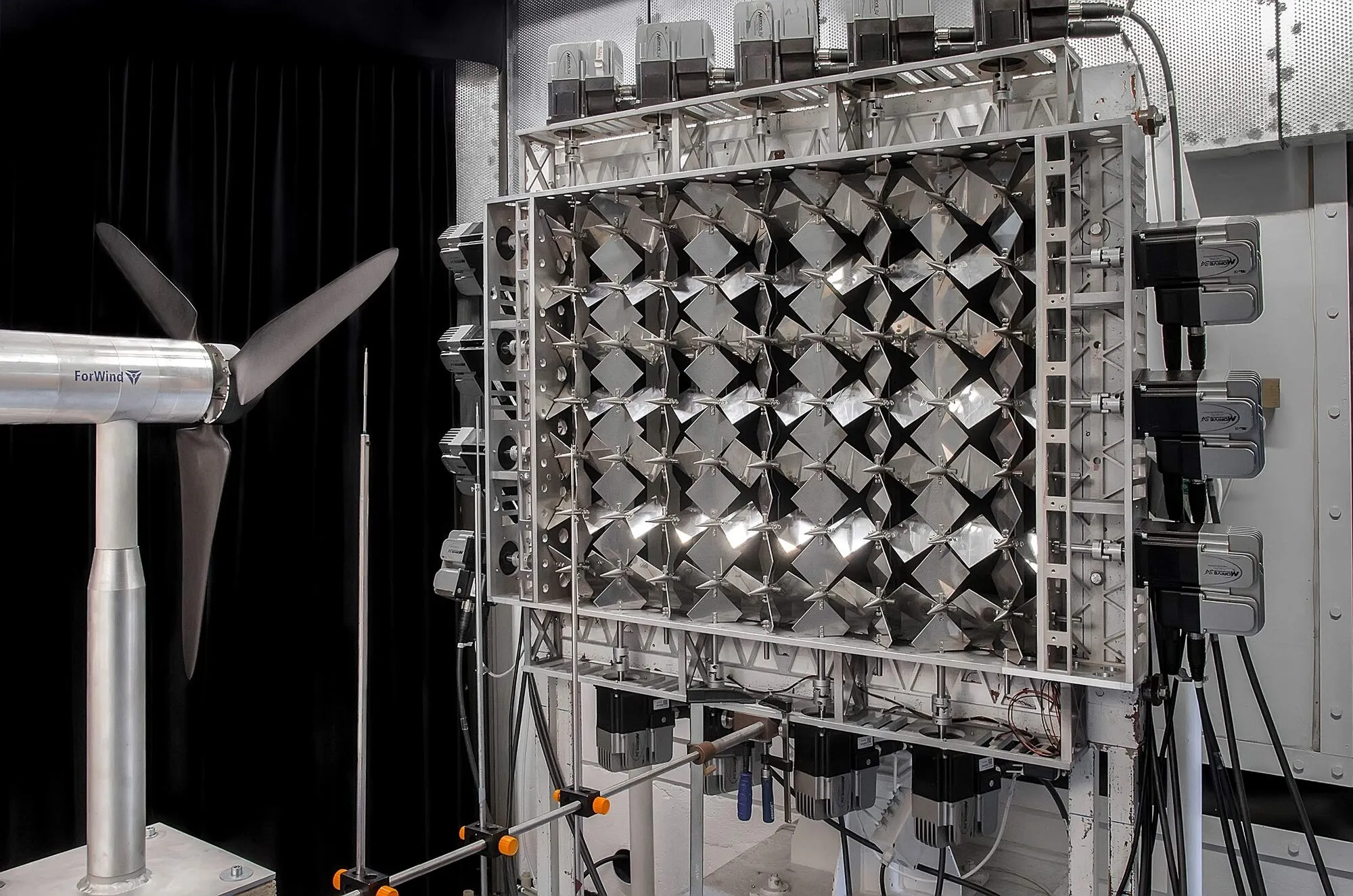
風向 固定モジュールは,その中に吹き込まれる風の一部だけを利用する。 Power falls roughly with the cube of the misalignment angle for open rotors and more gently for ducts (Tamaro et al., 2024;Richmond-Navarro et al., 2022). With a moderate prevailing wind, a module facing it keeps about 47% of the energy an always-aligned rotor would get. バージョン1は100%と仮定した。
改良型:向風側の屋根端に冠を設ける。
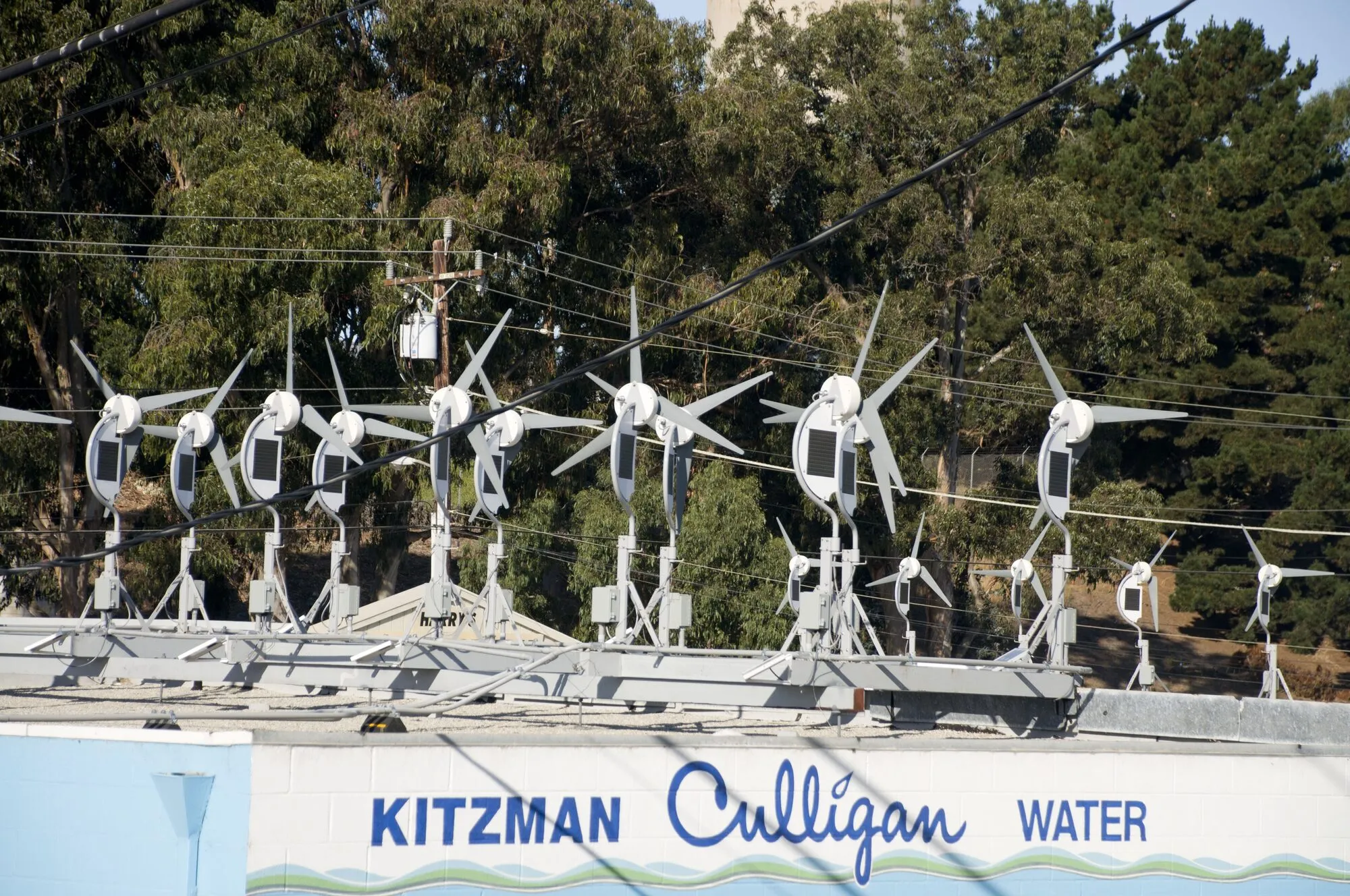
上記のすべてを取り入れれば,設計はほぼ自動的に書き出される:レイノルズ数が良いところで大きなロータ,それらを保護し加速するダクト内で,空気が通れる場所に自由に立ち,建物の流れが最も強いところで風に向かって。 あの場所は屋根の端だ ファサードに衝突した空気は上昇し,端を越えて回転する。above an upwind roof edge the wind is 1.06 to 1.25 times the speed at roof height, but only 0.38 times when that edge is downwind (Mertens, 2006).
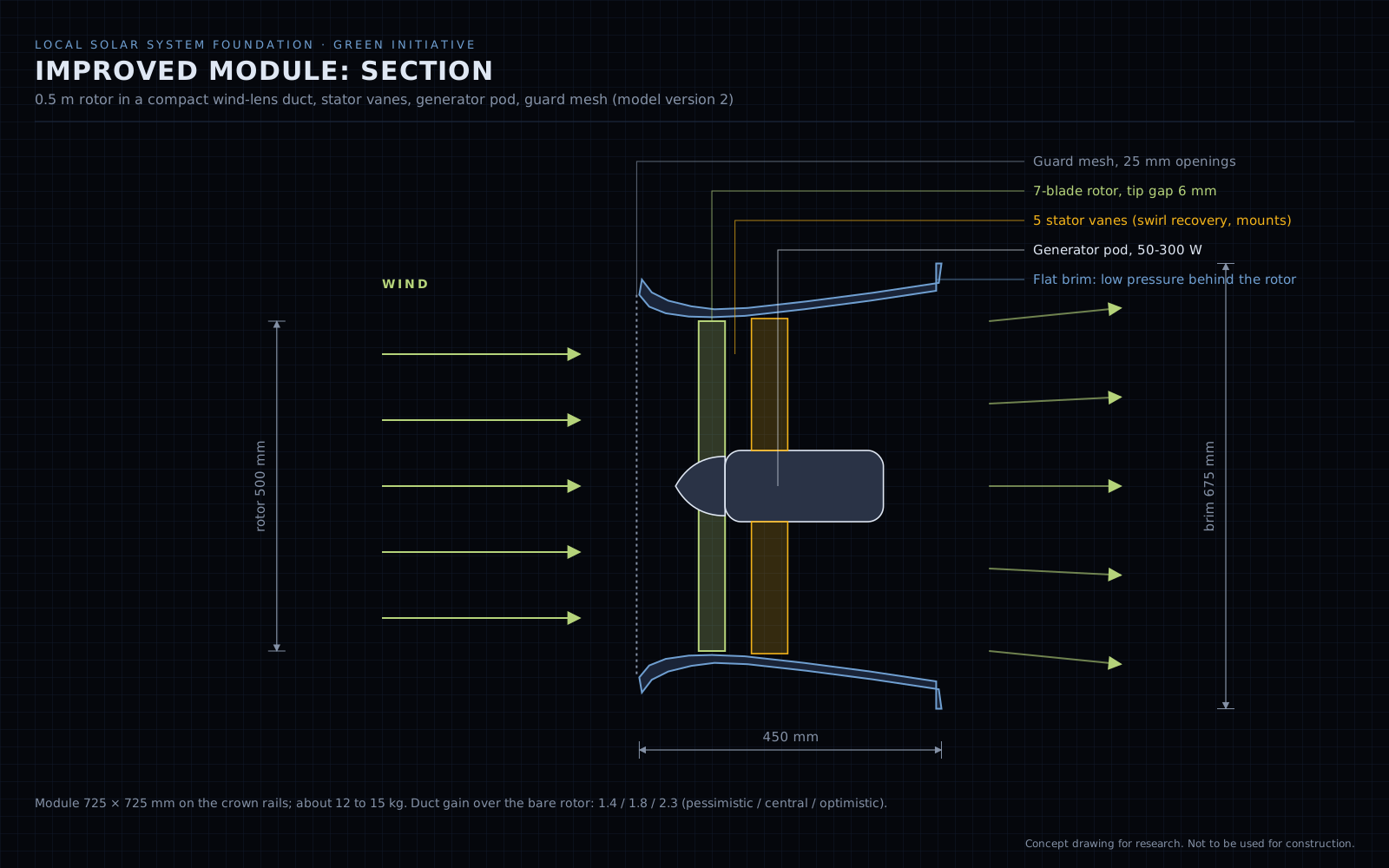
Each module is 725 mm square: a 0.5 m seven-blade rotor in a compact wind-lens duct, five stator vanes that recover some swirl and carry a 50 to 300 W generator, a stainless guard mesh and one sealed power board with maximum-power-point tracking. Two rows make a 1.45 m tall crown on steel rails above the parapet. One person can lift a module out and swap it.
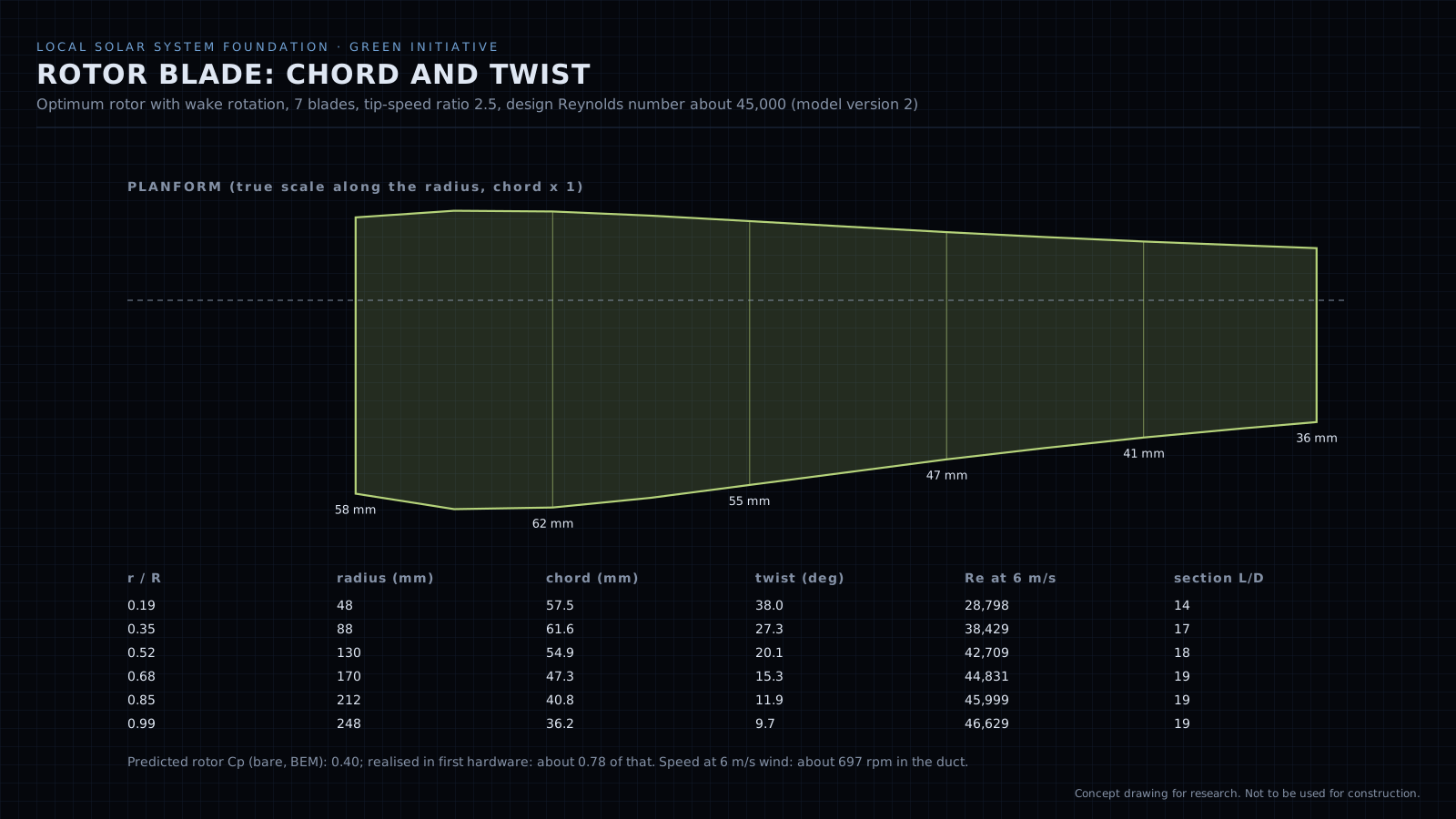
刃は推測できない The model designs them for the Reynolds number they will actually see, about 45,000 at 6 m/s: chord 62 mm near the root tapering to 36 mm at the tip, twist from 38° to 10°, a design tip-speed ratio of 2.5. At 6 m/s the rotor turns at about 700 rpm;its tips move at about 30 m/s in a 10 m/s wind, less than half the 79 m/s of a large turbine’s tips.
真実の数字
風向面積の平方メートル当りを比較すると,外観,屋根冠,高速道路障壁は同じものである風向面に対して競合している。 また,中央値は,悲観的から楽観的までの全範囲を含む。 モデルデータ. エネルギーは風向,乱流(5〜15%の損失)および利用可能性(92〜97%)を含む。 エネルギー費用:実質7%の割引率で20年,保守費は投資額の2〜5%/年。
| デザイン | 前頭部のCp | kWh per m² per year, windy site / city | 風向/都市の容量係数 | Installed cost per m² | Cost per kWh, windy / city | 単純回収率0.19ドル/kWh |
|---|---|---|---|---|---|---|
| A. バージョン1、標準120mmファン(フリースタンド) | 0.045 | 23 / 5 | 5.2% / 1.2% | $765 | $4.21 / $18.0 | 決して |
| A2 120mmローター | 0.089 | 45 / 11 | 5.2% / 1.2% | $805 | $2.23 / $9.45 | 決して |
| B0.0.5 m 開いたローター、クラウン | 0.148 | 125 / 34 | 9.3% / 2.5% | $1,192 | $1.19 / $4.37 | 決して |
| BImproved: 0.5 m ducted, stator, crown | 0.164 | 159 / 43 | 10.7% / 2.9% | $1,074 | $0.84 / $3.10 | 絶対に (最良の場合 4.5年風が強い) |
| B2 逆回転ロータを加えたB | 0.174 | 168 / 46 | 10.7% / 2.9% | $1,245 | $0.92 / $3.40 | 決して |
| B3. 自由に立つ障壁としてのB | 0.164 | 128 / 32 | 8.6% / 2.2% | $944 | $0.92 / $3.66 | 決して |
| 同じ建物の屋上ソーラー | 225 | 12% | $410 | $0.19 | 10.6年 | |
| 南面ソーラー | 139 | 7.6% | $630 | $0.47 | 31年 | |
| 10kWタービン、7mロータ、18~30mマスト | ローターの0.35 | タービン当たり31,600/10,300kWh | 36% / 12% | $8,910 per kW | $0.35 / $1.08 | 27年間の風雨 |
テーブルの上に書いてある
- ダクトはその場所を得た ダクトモジュール(B)は開放状態で同じロータ(B0)を10〜30%圧倒した。 また,ガードや静かな先端,固定子の位置を与える。
- The second rotor does not pay. It adds about 6% energy for 16% more cost. ジェットエンジン型多段風力モジュールは物理的制約を受けるが,野心的な制約ではない。
- 風向モジュールのみ支払い 屋根全体を覆うクラウンは,他の側面がほとんどの時間風から遠ざかっているために,向風側だけに比べてモジュール当たり55%しか稼げない。 On our reference building (40 × 20 m, 45 m tall) the sensible crown is the windward side only: 60 m², about $64,000, about 9,500 kWh a year on a windy site, 2,600 in a city. The same money in rooftop solar buys about 155 m² of panels making about 35,000 kWh a year.
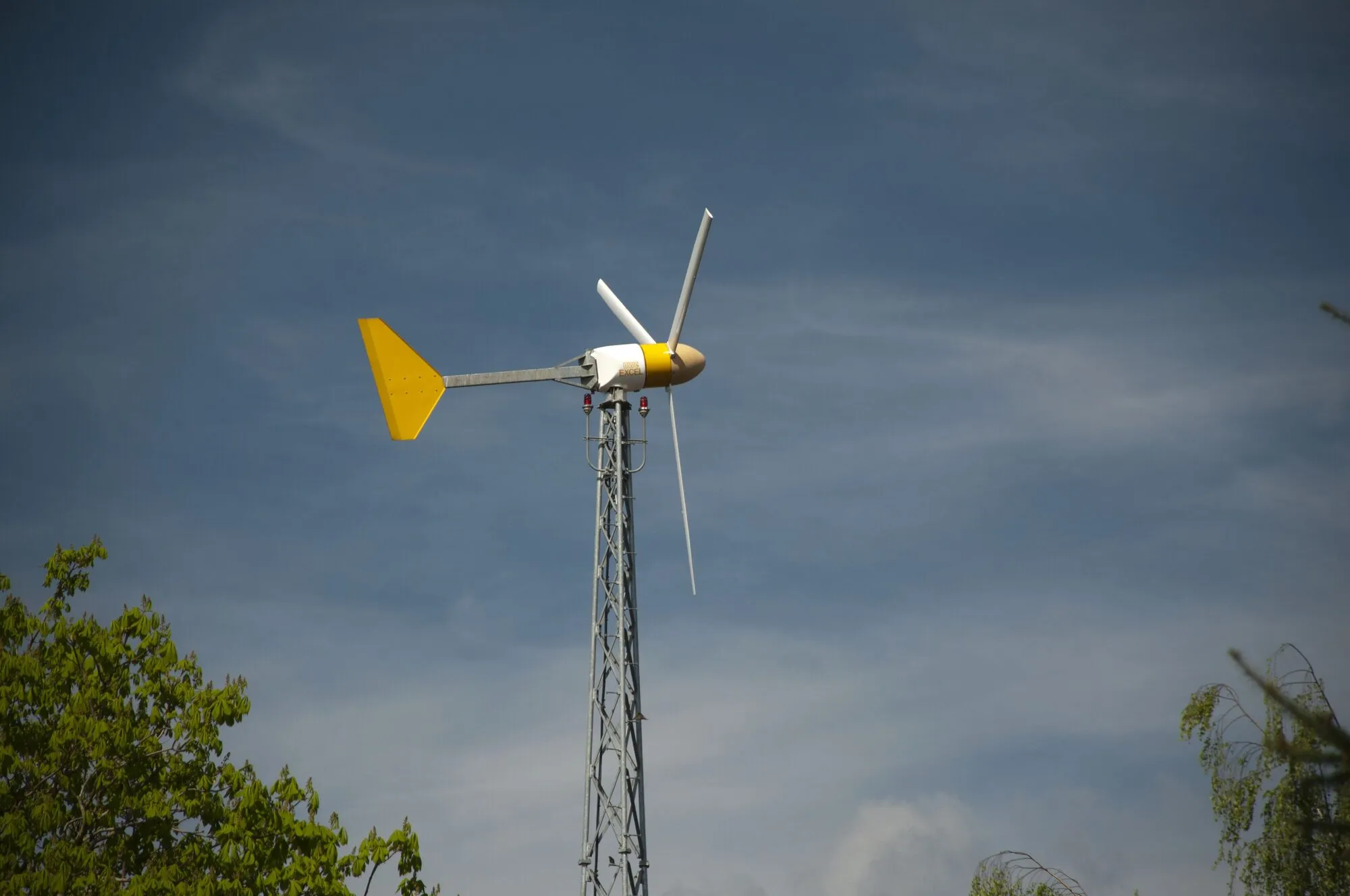
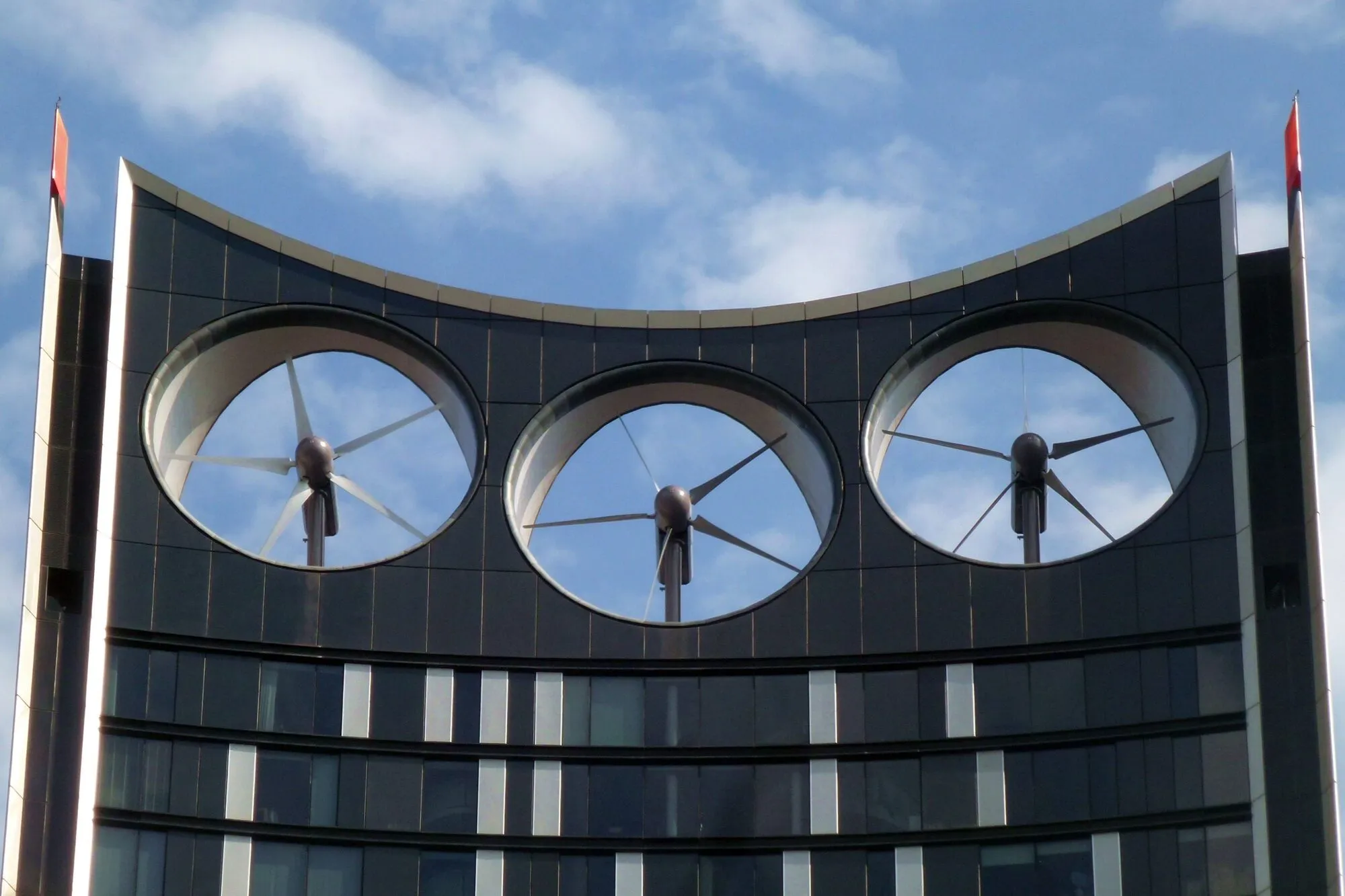
- In cities it cannot compete. Building-mounted micro wind has a poor record: 26 turbines in the Warwick Wind Trials averaged a 0.85% capacity factor (Encraft, 2009), and the three turbines on London’s Strata tower were switched off after noise and vibration complaints.
For scale, the US small wind fleet averaged a 14 to 16% capacity factor and $6,680 to $9,630 per kW installed in 2024 and 2025 (PNNL Distributed Wind reports). Our crown lands at about $6,300 per kW rated, in the same range, which is a sign the cost estimate is not fantasy.
証明されたもの、可能性のあるもの、推測的なもの
Proven (textbook or measured): the power in the wind and the Betz limit;the 16/25 ceiling for two rotors;ダクトはローター面積当たりの 出力を上げるが 前方面積当たりのベッツ以上にはならないレイノルズ数が70,000以下の小さな翼は効率を失います閉じた壁には通過流れがありません屋根の縁が上昇気流を加速させ都市の建物に取り付けられたマイクロタービンは 悪い性能を発揮しています
Plausible (supported, but not measured for this design): a 0.5 m rotor designed for Reynolds 45,000 reaching a power coefficient around 0.3 bare and 0.55 on rotor area in a compact brimmed duct;75% chain efficiency from rotor to grid with 50 to 300 W generators and module-level MPPT;installed cost near $1,000 per m² for a first project.
Speculative (must be measured): 隣り合わせに詰められたダクトが互いにどれだけ損失するか(10から30%と仮定);実際の加速度と乱流を計測しますdurability of thousands of bearings over 20 years of gusts, ice and dust;建物に伝わる騒音や振動wildlife interaction with meshed ducts (large turbines kill an estimated 140,000 to 328,000 birds a year in the US (Loss, Will and Marra, 2013);ガラスの建物が 365から988百万人を殺す(Loss et al., 2014);誰もデータを持っていません
真実でなければならないことは
For the crown on a windy 6.5 m/s site, the cost of electricity depends on two things we can work on: how much power each square metre of frontal area delivers, and what it costs installed.
| 前頭部のCp | 平方メートルあたりの$300 | 500ドル/平方メートル | 800ドル/平方メートル | 平方メートルあたり1,100ドル |
|---|---|---|---|---|
| 0.15 | $0.24 | $0.40 | $0.63 | $0.87 |
| 0.20 | $0.18 | $0.30 | $0.47 | $0.65 |
| 0.25 | $0.14 | $0.24 | $0.38 | $0.52 |
| 0.30 | $0.12 | $0.20 | $0.32 | $0.43 |
勝てる場所と 負けられる場所
勝ち取れるものは
- 風の強い高層ビルや海岸地域太陽光発電の補完として,屋根端風は太陽光パネルが少ない夜間や冬季,嵐時にピークを示す。
- 屋根は既に満たされているか、あるいは影が立っている。 クラウンは屋根面積ではなく,端を利用し,パネルや植物,テラスと競合しない。
- ケーブルが高価なオフグリッド電力: センサー、照明、通信機器、橋やマストの天気観測所、沿岸構造物などです
- 既に存在する障壁: 建築費用が支払われる 高速道路や鉄道の騒音壁、海岸壁や橋梁の柵などです
- 視認性と教育。 回転するクラウンはソーラーパネルではないという公的な声明であり、学校や博物館、ランドマーク建築物がそれを重視している。
勝てない
- 電力の安価なバルク源として。 大規模風力・太陽光発電所のコスト $0.04 to $0.10kWh/年で、建物のどこにも近い。
- 市街地の小路や低層郊外に屋根高さでの平均風速が4〜5m/s以下の場合,このような風洞実験を行った。
- ファサードの上にある 回転子をどのように設計しても,閉じた壁は通過流れがない。
開発のロードマップと費用
| 位相 | ワーク | それが可能にする決定 | 推定費用 | タイム |
|---|---|---|---|---|
| 0.設計研究 | Blade and duct design, CFD of one module and of a 3 × 3 array, electrical topology, cost model with a manufacturer | Is Cp on frontal area above 0.2 plausible in an array? | $30k to $60k | 3~4ヶ月 |
| 1.風洞 | Three rotors, three ducts, stator on and off, then a 3 × 3 array;3 から 15 m/s、ヨー 0 から 45° | 測定したCp,アレイ損失,起動速度,雑音 | $60k to $120k | 4か月から6か月 |
| 2.プロトタイプモジュール | 発電機,電源ボード,密閉モジュール;耐久性,氷,雨,音響試験(IEC61400‐11法) | モジュール効率と耐久性 | $50k to $100k | 6ヶ月 |
| 3.屋上パイロット | 10〜20個のモジュールを 風向きに沿って設置し 超音波風速計やライダーを備えて 一年分のデータと野生動物カメラ | Real kWh per m², availability, noise in the building | $80k to $150k | 12ヶ月 |
| 4.製品経路 | 構造・ファサード工学,IEC61400‐2設計基準,英国MCS006または米国ACP101‐1認証,電気・火災適合性,保険 | 建物の所有者が買える製品 | $100k to $250k | 12か月から18か月 |
Phases 0 to 3 need roughly $220,000 to $430,000 and two years. Each phase has a clear stop point: if the wind tunnel does not show a frontal Cp near 0.2 in an array, we stop there and publish why.
誰が必要なのか
- 低レイノルズとダクトロータの経験を持つ空力学者ブレード,ダクト,固定子の設計と検討を行った。
- 大学風洞や商業用風洞CFD技術者と共にテスト計画とアレイ相互作用のモデル化を行った。
- パワーエレクトロニクス技術者 多くのモジュールからの直流集電を行うことができる
- Structural and facade engineer for wind loads on the crown (EN 1991-1-4 / ASCE 7), fixings, ice and fatigue.
- 音響学者 音響的な騒音や振動を 建物に伝えます
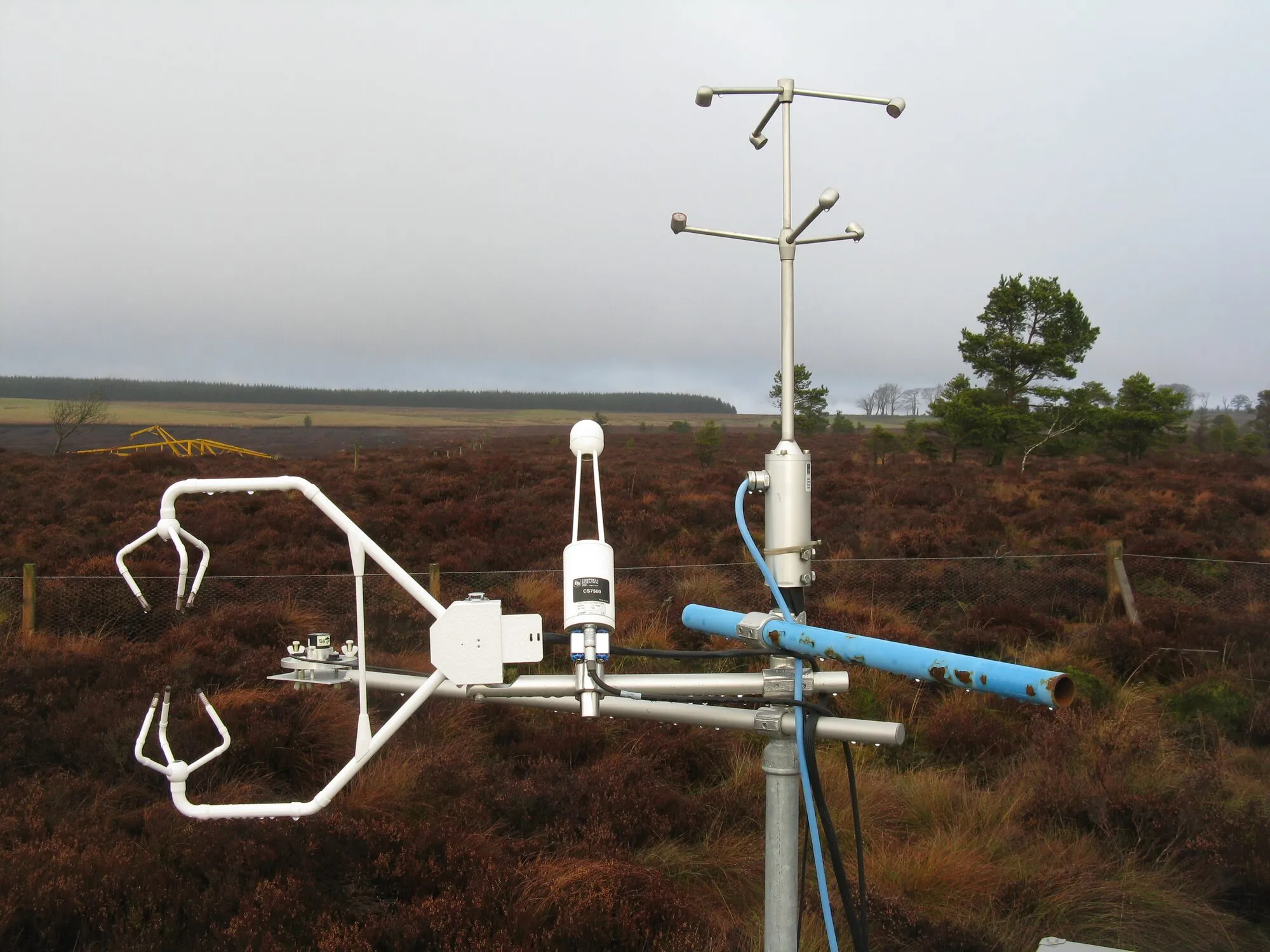
- 都市風力専門家 建設前に候補の屋根端で風を測定しモデル化する必要があります
- 認証とコンプライアンス小型風力標準(IEC61400‐2,−11,−12‐1),電気・火災規則,パイロットを保険に加入させる保険会社。
- 生態学者 鳥やコウモリの監視を設計しました
- 製造パートナー ブレードやダクトの価格を大量に決めるために 射出成形や回転成形を行うことです
もっといいアイデアは歓迎する
ファンウォールは,人々が既に住んでいる場所で,今日よりもクリーンなエネルギーをどのように作り,貯蔵し,または節約できるかという広い問いに対する答えの一つである。 もしこのページの数字が 違うアプローチが良いと あなたを説得したら 聞きたい 屋上ソーラー発電, 熱貯蔵, 水道から回収したエネルギーを, 排熱を それとも 需要のタイミングを賢く決めること 多くの建物に風冠を打ち込むことができました あの アイデアレーダー それぞれの記事は ここで適用する正直さで書かれています
財団のメンバーは ピッチを聞く人がいるかもしれない ピッチングするには,実際に電力を生成し,その出力を計測した機器で実現できる実用的なモデルが必要である。 論文のアイデアも歓迎する。物理学と数値が確実なら、ここでウェブサイトに公開できる。 しかし,実用的なモデルがないと資金調達は非常に困難であり,ここでは資金調達やリターン,導入の約束など何もない。 標準はこのページが満たそうとするものです。数字を示し、あなたの間違いを証明するものを言い、最も安価なテストを提案します。
あなたが助けられる方法
- 専門知識を持って来い あなたが上記のどちらかの分野で働いているなら 任務を提案して. Even an hour reviewing our model is valuable.
- 風のある屋根を提供して 海岸,丘陵,開けた平原の高層建物に安全な屋根アクセスを持つことがパイロットを収容できる。 どこにあるのか、風が通常吹く方向を教えて。
- Share wind data. A year of wind measurements from a roof, bridge or coastal mast helps us choose the pilot site.
- 計算を確認して あの モデル 開いてる もし間違いを見つけたら、私達に伝えてください。パイロットの後より今直してほしい。
- Propose a better idea. Send it through the contribution form with the problem it solves, the physics check, a rough cost per kWh and the cheapest test that could prove it wrong.
ソース
- Salonvaara,M.,Karagiozis,A.,Pazera,M.及びMiller,W. (2007). クラッディング後の空洞:我々は何を学んだか。 建物X会議
- リスマン (1983). 低レイノルズ数の翼形 流体力学年報15,223‐239.
- Howey,D.A.,Bansal,A.及びHolms,A.S. (2011). エネルギー収穫用のセンチメートルスケールの遮蔽風車の設計と性能について述べた。 スマートマテリアルズアンドストラクチャーズ20,085021.
- Federsphill,C.C.とChen,J. (2003). 空気駆動センサー IEEEセンサ2003の講演論文集,22‐25.
- ニューマン (1986). 風車の多重アクチュエータディスク理論。 風力工学と産業空気力学誌24,215‐225.
- Adema,N.等。 (2026). 風力エネルギー学会誌11,2037-2051二重ロータの利得を含めた
- ^ a b c d e f g h i j k l m n o p q r s t u v w x y z aa ab ac adet al. (2017). プロペラ推進システム用の渦回復ベーンの設計と実験的検証を行った。 2017年 - 3571号が廃車。.
- 大屋,Y,カラスダニ,T。 (2010). 風力レンズ技術を用いた高出力の遮蔽式風車。 エネルギー3(4), 634-649.
- ヴァン・ブッセル (2007). 風力発電のトルク増加の科学:ディフューザ実験と理論を再考した。 Journal of Physics: Conference Series 75, 012010.
- ^ a b ギャラリー (2017). Kiwi pension fund loses $50 million in Ogin ducted turbine fiasco.
- ジグエール,P.とセリグ,M.S. (1998). 水平軸風車の翼型を新たに設計した。 太陽エネルギー工学会誌,120(2),108‐114.
- Kishore,R.A.,Coudron,T.およびPriya,S. (2013). 小型風力発電用携帯タービン(SWEPT)の開発を行った。 風力工学と産業空気力学誌116,21‐31.
- ^ a b c d e f g h i j k l m n o p q r s t u v wボッタソも (2024). 非対称回転子の動力と制御について:余弦則を越えて。 風力エネルギー科学9,1547-1575.
- Richmington‐Navarro,G.,Uchida,T.,Calderon‐Munoz,W.R. (2022). 標記の風車の性能を調べた。 Wind Engineering 46, 518-528.
- ^ マーシャル、S。 (2006). 建築環境における風力エネルギー:建物の集中効果. TU Delftの博士論文(Mertens,2003に基づく。 風力工学27(6)).
- 』(2009年)に収録。 ウォリック風力試験.
- 太平洋北西国立研究所(2025年、2026年)。 分散風力市場報告書と技術データ更新.
- ^ アメリカ合衆国エネルギー省とNREL(2025年)。 Solar photovoltaic system cost benchmarks, Q1 2025: commercial rooftop $1.95 to $1.98 per W.
- Lazard (June 2026). エネルギーコストプラス19.
- アメリカ合衆国エネルギー情報局(2025年)。 2024年の部門別電気料金平均ユーロスタット 電気料金統計.
- Loss,S.R.,Will,T.,Marra,P.P. (2013). 風力発電施設における鳥類衝突死亡率の推定。 Biological Conservation 168, 201-209.
- また,Loss,S.R.,Will,T.,Loss,S.S.,Marra,P.P.の報告を紹介した。 (2014). アメリカ合衆国の鳥類建築物衝突事故。 『コンドル』116(1),8-23.
- Grant,A.,Johnstone,C.,Kelli,N. (2008). 都市風力発電の可能性を検討した。 再生可能エネルギー学会誌,33(6),1157‐1163. また,ファサードと屋根の間の圧力差によって駆動されるパラペットを通過するダクトについても検討した。