
Ikoreshwa ry'ibikomoka kuri peteroli
Abantu Gusangiza Rimwe. Twebwe ku ku, Bya, na Twebwe Ubwoko. ni.
NASA
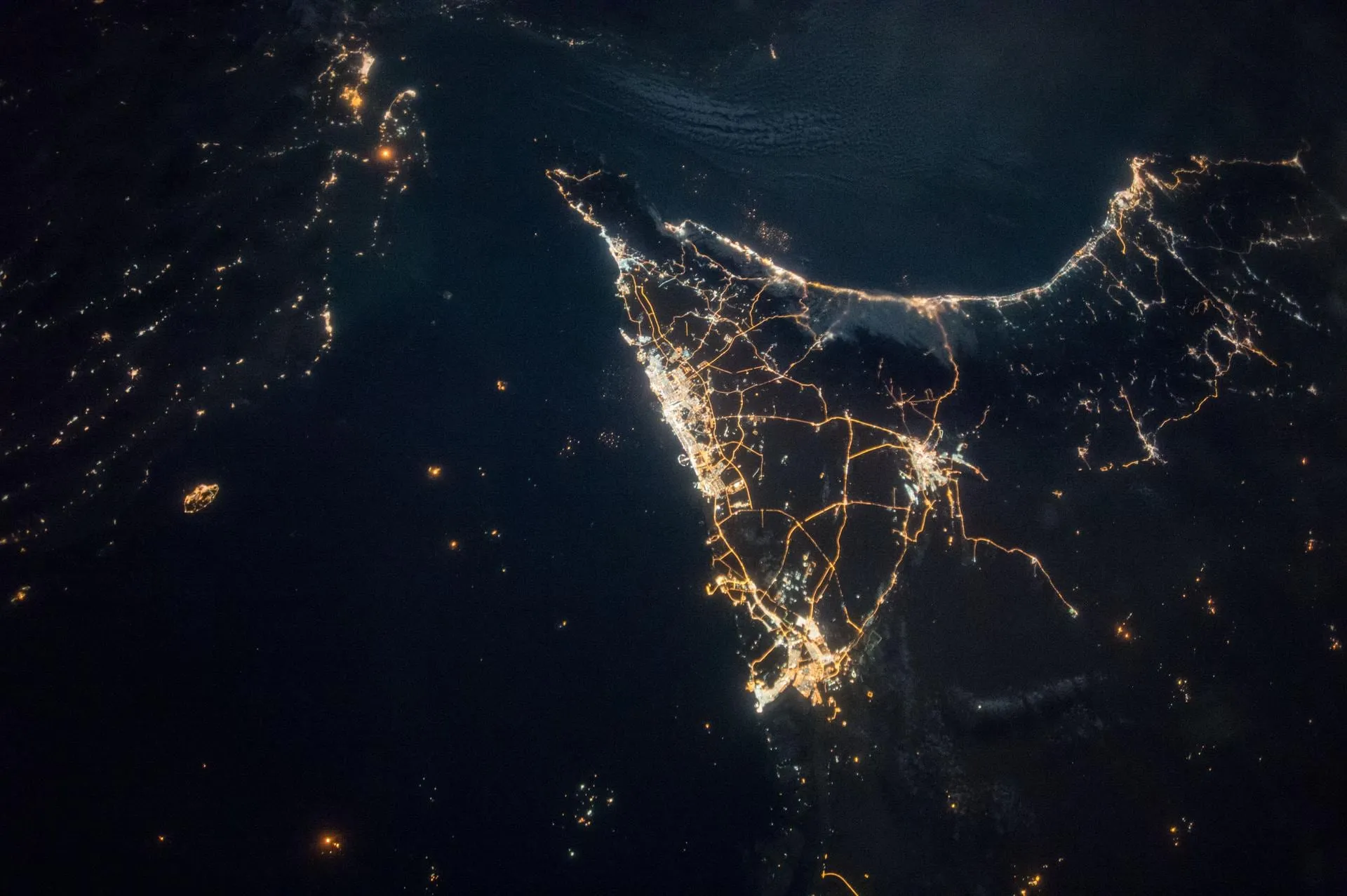
Kuva: Ku, i A Umurongo: Bya Icyatsi i: Bya Bya Abantu Rimwe, Nka ya:. Humanity passed 8 billion people in 2022 and the United Nations expects the population to peak at about 10.3 billion in the mid-2080s before slowly declining. ku Rimwe, Na:,, na Ku i, ni Rimwe Bya i Ibisobanuro: Bya i. ni. buri umuryango’S; Twebwe ni ireme, ubuzima na Hitamo… ya: buri wese.
Byoroheje Itandukanya
Bya: = X x, Cyangwa. ni Bya. ni. ni Igice Bya: i -, i Bya, i. ni OYA A Bya, i, na Byose.
P: Bya
Umubare w’abaturage ni, kubera ko imiryango Hitamo… Kuri Birenzeho abana Nka umwana, Uburezi (Kuri Abagore), na Inyungu. More than half of all countries now have fertility below the replacement level of about 2.1 children per woman. Ubukerarugendo ni in Bya Afurika na Aziya; Ikindi Inyigire na, mu bihugu,.
A: Bya
OYA i, A Umukoresha in A Ubwoko Birenzeho Bya i A Umukoresha in A Rimwe. Nka i Impuzandengo Bya, Bigyanye Amasi; Nka i Impuzandengo Bya, Bya Rimwe (Urusobe rw’amaderese). Bya ni ya: Hejuru ya: -, i Hejuru ya: A (2022).
ni Icyo in Amategeko. Gishya, na in A A Gikomeye Na:, na i ni Kuva:. Igenzura ry’Ibidukikije Amahinduka in Ubutaka Na Nka i Bya: Bya i Ubuso ku Abantu, na Rimwe Na: (2019). Bya iyi ku Icyo ari cyo cyose Igihe Kuri: A ni OYA Inyuma, na Cyangwa A Kuri, NIBA Buri gihe.
The world extracts more than 100 billion tonnes of materials every year, three times as much as in 1970 (UNEP International Resource Panel, 2024).
Ibirwa
ni A Gitoya:,, amazina na Byose ni, na ni Oya Kuri Gyayo. i ya: Ryari: Ibibazo i. , i ni OYA.
Ibirwa bya Farowe ni Nka A: buri Igiti Kuri Himura, na. * * (2005) iyi Konti:. Byahiswemo. i Ubushakashatsi Kuva: Hanyuma A Birenzeho Ishusho. People seem to have arrived later than once thought, around 1200 (Hunt and Lipo, 2006). Polynesian rats that came with them ate palm seeds and stopped the forest regrowing (Hunt and Lipo, 2009). Radiocarbon modelling suggests the population grew steadily until Europeans arrived in 1722 rather than collapsing before them (DiNapoli et al., 2021), and the island’s stone gardens could feed a population of a few thousand (Davis et al., 2024). Some researchers still see climate and resource stress in the record (Lima et al., 2020). ni OYA in ni Nyuma Ihuza: in 1862 na 1863 Birenzeho 1,400 Abantu Kuri Peru, icyorezo, na ku i Impera 1870s Bigyanye 111.
Ikindi Intara Bya Abantu Ubutaka. ku City in Madagascar, ku i Kuri, i Bya & Igiti na Bya ya:, na A Gitoya Igihe Bya (1997). Its neighbour Henderson Island lost several bird species to hunting and was abandoned once the trade that sustained it failed (Weisler, 1995). ku Nauru, A Cyumweru Bya ya: Ahandi: i Hagati Plateau, Bigyanye Bya i Ikirwa, Inyuma na (Nauru). And Norse Greenland shows how pressure on fragile pastures combined with a drying climate (Zhao et al., 2022) and a collapsing ivory trade to end five centuries of settlement.
, Na: i in Imbere. Ifoto: Bjørn Christian Tørrissen, CC BY-SA 3.0”)
Bya Rimwe. i Ubutaka, buri Ikindi Kuri.
A OYA a
Bya iyi i. Impuzandengo: A Umubare w’abaturage i, amazi na Bya A Region Gushigikira, Na: ya: Na: A hejuru Imimerere Bya ya: buri muntu. i isi, Nka, na Birenzeho, Guhitamo Kuri Birenzeho, na ku.
A Ikibazo ya:: A Na: Rimwe. Guteranya ni i Local Solar System i Bya Na, na na Igerageza ku na OYA. Today, people worldwide spend about ten years of their lives in poor health: in 2021 global life expectancy was 71.4 years, and healthy life expectancy 61.9 (WHO, 2024). Cyangwa; Gukataza Gihinguranya na Ubushakashatsi ni A Intego.
ni i Urufunguzo
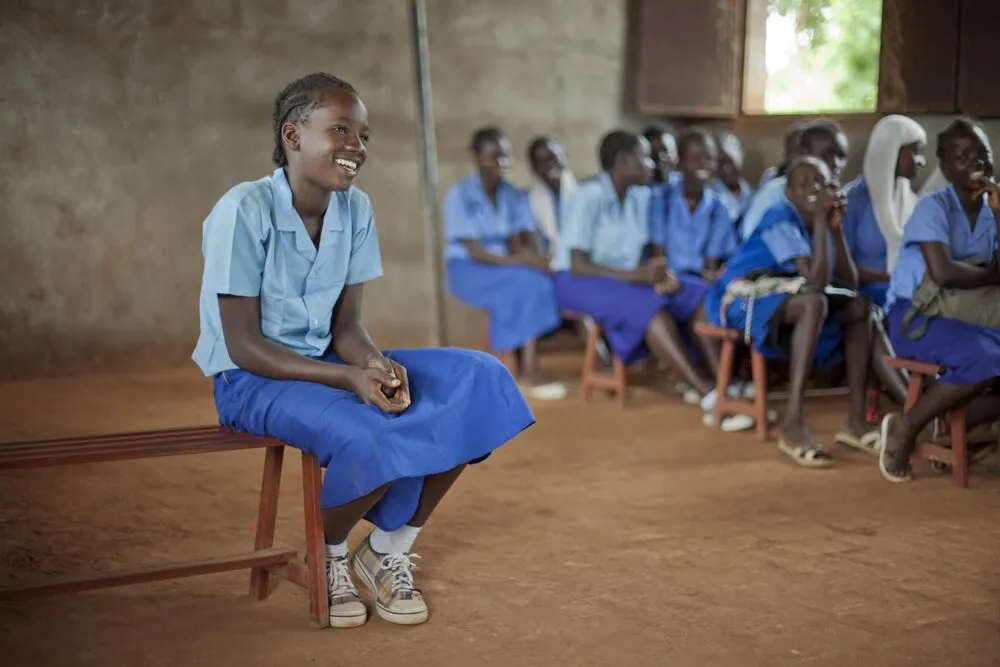
na Kuri A ni, hejuru Byose ni Inyuma Bya. in ishuri Kuri Ubukwe Nyuma, Nyuma, na Na:, ku Ihitamo. The World Bank estimates that limited education for girls costs countries between $15 and $30 trillion in lost lifetime earnings, and that universal secondary education for girls could reduce fertility and slow population growth (Wodon et al., 2018).
Bya a
A Umuhungu, Igihe na, na A Bya Byose. Economists call this the quantity-quality trade-off: with more children, each child tends to receive a smaller share of the family’s resources (Becker and Lewis, 1973). ku, A Kinini umuryango A Ibiro, na ni Kidasanzwe, Abakobwa, Kuva Mu mashuri Mashya Kuri Ifashayobora.
ni ku i. In rural China, studies of twins found that an additional child reduced the schooling of the other children (Li, Zhang and Zhu, 2008; Rosenzweig and Zhang, 2009). In wealthier countries with free schools and health care, such as Norway and Israel, researchers found little or no effect of family size on children’s education (Black, Devereux and Salvanes, 2005; Angrist, Lavy and Schlosser, 2010). ni OYA Gikomeye, rusange Gushigikira ni, buri Birenzeho umwana i umuryango, na rusange Amashuri na Ubuzima Ubwoko i.
ni a Irengayobora:
Igenzura ry’ umuryango ni, Ryari: na Birenzeho Kuri, Na: i Ibisobanuro: na Kuri. Buri gihe na ku: Itegeko na Oya Aho kubariza in Icyo ari cyo cyose. Bito 164 milyaridi abagore isi yose yabuze iby’ingenzi kugirango ingo mu 2021 (UN DESA, 2022), na mu hasi - na hagati - imisoro ibihugu by’amadolari y’abagore bashaka Kuri Kurwanya Ibyatsi nta kinyamwuga (Guttmacher Institute, 2024). Gufunga ko intera i Bya Abagore na abana n’ umuryango Uburenganzira Kuri Birenzeho in buri umwana.
ni: OYA in Imibare, in buri Umuntu Na.
ni i Irengayobora:
hejuru ni Bigyanye, A Na: A Akugara. A ku i. A Gitoya Bya A Cyangwa A Abantu Kuri, Byombi Kuri Abantu ya: i A na Kuri Kuguma. , Gitoya Inzira% s Bya i Ibiteganijwe. ni A Na:, na.
”)
:
i T ni Bidakora. Kuva: na, Ibiro na,, na Umurongo Ubwoko Byose Gukata i Impamvu Bya Igice Bya Inyongera. iyi Gicurasi: i Kuri A Igice Bya Ibisohoka ya:, na in Ubukene Amajyepfo. ni Niba Twebwe Kuzana Abantu Kuri Imiterere.
: i
Abantu ni. Our ancestors have eaten meat for millions of years: stone tools and cut-marked animal bones go back at least 2.6 million years, and possibly 3.4 million (Semaw et al., 1997; McPherron et al., 2010). Meat and animal foods helped fuel the growth of our large brains (Aiello and Wheeler, 1995; Pobiner, 2013). OYA in i, Nka,; Twebwe, na Inzira% s Bya Umunyamuntu Na:. Umuntu Byakozwe Kuri ya:.
ni. Livestock supply chains account for about 12 percent of human-caused greenhouse gas emissions (FAO, 2023), need a large share of the world’s farmland, and industrial farming raises serious questions about animal welfare. Twebwe in ni OYA Hejuru,: Na: Birenzeho na.
- Inyama ni Kuva: Inyama in A, na Icyatsi. Singapore ni i mbere igihugu gutoranya, mu Ukuboza 2020. Leta Zunze Ubumwe z’Amerika in 2023 Na: Inyama Kuva na, na Nyuma na; Inkoko Kuva mu 2024, na Australia na New Zealand Yashyizweho ku itariki ya: 2025 (2025). , na.
- ni OYA. Ku Igipimo, Ibinyamakuru na, na,, hejuru ya: buri munsi (2021). 2021 (, Bya i). ni Gufungura Igerageza Ifashayobora: Umubare w’ abakoresha Ibinyabuzima, Gikomeye na Byoroheje, ya:, na.
- Isesengurabyose Kuri Ubwoko Icyatsi, Nka i in Cyangwa i;.
- Ibyavuye mu isuzuma NONEAHA, ya: i Bya Inyama UYUMVE: hejuru Imikorere, Birenzeho Ibiryo na, Ibiryo Kuva:,, na Birenzeho Kuva: Kuri.

A, Cyangwa Umuhanga, ni Rimwe Bya i Gufungura Igerageza in. Kuri Bivuye.
Kuri Umwanya Na Gufungura
Birenzeho ya mankind in cities, na i UN biteganyijwe Kabiri to by 2050. , - Gicurasi:,, na. A Umubare w’ abantu, na in Abantu Gitoya.

In Hong Kong, where the median home offers 16 square metres per person, about 215,700 people lived in 2021 in subdivided units, flats split into several tiny rooms, often with a shared kitchen or bathroom and little daylight. 11 kare 6 kare, Bigyanye i Ingano: Bya A Umwanya (na Imibare, 2021). Nka Inyungu, Gitoya Ingo ni Bisanzwe in Imijyi.
ya: Ishami ry’Umuryango w’Abibumbye ryita ku Buzima rikora a gikomeye itegeko ko inzego z’ubutegetsi zirinda no kugabanya guhurira mu ngo, kubera ko amazu yaguzwe n’abantu benshi akwirakwiza indwara ziterwa na virusi ndetse n’ibijyanye n’ubuzima bw’umwuka (Imikorere y’umuryango w’Abibumbye wita ku buzima, 2018). Crowding is associated with psychological distress, feeling depressed, family conflict and poorer sleep, and in a survey of 1,194 subdivided-unit residents in Hong Kong, those with stronger social support reported less loneliness, depression, anxiety and stress, a reminder that shared space and community matter when private space is scarce (Chan et al., 2026). < > < / >: Oya Kuri, na Bifitanye isano Kuri Hasi: & School; Na (, 2006; na, 2012).
Na Gufungura
Umwanya ni OYA A. A Ubushakashatsi Bya Rimwe Miliyoni, Hejuru Na: i Icyatsi Umwanya Hejuru Kuri 55% hejuru Bya A Nyuma in Imibereho (et al., 2019). People who spend at least two hours a week in nature report better health and wellbeing (White et al., 2019). i COVID-19, Abantu in Ubwongereza Na: A By’umwihariko Igishanga Cyangwa A Park Mo Igihe Bitoroshye Kugera Raporo na (et al., 2021). A review of more than 140 studies links green space to lower stress hormones, heart rate and blood pressure, though the authors warn that many studies are weak (Twohig-Bennett and Jones, 2018). Na: A Reba Bya1984). The WHO’s review of the evidence links urban green space to lower stress, more physical activity, better mental health and cooler, cleaner air (WHO Europe, 2016).

A Bisanzwe Bya ya: Abantu, ya: A Kuri na, na Kuri,, na Gufungura. ni Inzira% s Bya: A buri Umuntu A Na: Icyatsi ni A Umubare w’abaturage, na in.
Ibimenyetso
Bya iyi ni. , Imijyi na Abahinzi i Isi i ku Ubutaka na Ibikoranabuhanga, Bya Mo Inzira a UMWE. ni, na Byahinduwe:.
Imibereho y’umuryango
- Bangladesh. In the early 1970s a woman in Bangladesh had almost seven children on average; today it is about two (World Bank). i Matlab Porogaramu, Yatangiye: in 1977, Abakozi bashinzwe ubuzima abagore ku rugo Na: Nyina na umwana Ubuzima n’Ikirinda. Fertility in the programme villages fell by about 17 percent compared with similar villages nearby, and women and children there were healthier two decades later (Joshi and Schultz, 2013). Kuva 1994 a National Stipend yahejwe ku abakobwa Kuri Kuguma mu mashuri yisumbuye. ‘Kuri 13% A Umwaka na, na i Porogaramu Ubukwe, Koresha na Uburumbuke, Na: i Inyungu i Ubushakashatsi (Khandker et al., 2021).
- Iran. Fertility fell from more than six children per woman in the mid-1980s to about two by 2000: by two thirds in fifteen years (World Bank). A urusobe rw’ ibigo by’ubuzima mu cyaro yageze icyiciro gikurikiraho cy’ ubuvuzi, harimo no gutegura urugo ku bushake, mu bice. Child deaths fell, and the share of married women using contraception rose from 55 percent in 1990 to 81 percent in 2021 (Corker et al., 2024; Abbasi-Shavazi, McDonald and Hosseini-Chavoshi, 2009).
- Tayilande. Tayilande yatangije a Porogaramu mu 1970. Fertility fell from about six children per woman to below replacement level around 1990, driven by better basic health, girls’ education and the programme itself (Yeung and Abalos, 2025; World Bank).
- Kerala. This Indian state reached below-replacement fertility in the 1990s, while most of India still had large families. Iterambere mu buzima n’iterambere ry’imibereho myiza, na a Buri gihe Urutonde Bya Uburezi na Ubumenyi ku bagore (Nair, 2010).
Imiryango Guhitamo Kuri Birenzeho Abana Rimwe Abanyeshuri, Abagore na Kubona Ubuzima n’Ikibazo cy’imibonano mpuzabitsina. Bya ngombwa.
Birenzeho
- Ubwongereza. Na:, Ibiryo Imishinga, Inama na, na i Amateka Umubare w’ibiryo bikoreshwa mu rugo umuntu umwe, in Council bins, ku a hagati ya 2007 na 2018, Kuva: 91 Kuri 67 kirometero a mwaka, na Igiteranyo cy’ibiryo bikoreshwa mu rugo umuntu umwe ni 22% munsi mu 2021 na 2022 Than in 2007. Hejuru Hanyuma Kuva: 2018, i Akazi Ntabwo (2025).
- Koreya y’Epfo Kuva mu 2005, na kuva 2013 amazu kwishyura ku ifunguro, ikoresha Bidasanzwe Cyangwa, in Seoul, na Kuri i Karita. Bya ifumbire n’inyama intungamubiri Kuva 2% mu 1995 Kuri 95%, na Seoul ya: Gukata i by’ibiribwa ku 47,000 toni mu myaka itanu (2019).

i na i
- Akazu. i, in 1987, i Isi hanze ya: 99% Bya i i Akazu. The layer is now on track to recover to its 1980 state by around 2040 over most of the world, 2045 over the Arctic and 2066 over Antarctica (WMO and UNEP, 2023). ni A & Rusange Ibikorana: Ryari: buri Country.
- Costa Rica. 1997 Costa Rica i Itangira Ubwoko Kuri, Kuri Kurinda na (, 2008). Forest now covers 60 percent of the country, up from 56 percent in 2000 (FAO, via World Bank), and recordings from sites paid under the programme show the sounds of forest wildlife returning (Delgado et al., 2026).
- Ibishanga byahinduwe inganda. Bya Gukuraho buri ibiti biva mu mirima yabo, Abahinzi mu Maradi na Zinder Imirenge yatangiye kurinda na gukata ibiti biva mu kizima imizi. Over two decades from the mid-1980s, about 200 million trees returned on 5 million hectares of land, and they now help secure the livelihoods of about 4.5 million people (Sendzimir et al., 2011).
iyi Akazi
-
ku i hejuru na Gutangaza:% S Ibisubizo. A Ku na, NIBA Akazi, Kuri. Local Solar System Oya Na: Icyo ari cyo cyose Bya na Bivuye. , Soma Ishyirahamwe ‘S Ibisobanuro: na Konti: na Kugenzura Ibisubizo. i Imiryango.
-
CAMFED (Inama y’Igihugu y’Uburezi bw’Abagore, Ubwongereza yashyizweho umukono ku masezerano yo gutanga inkunga 1029161) itanga amafaranga y’ishuri n’amahugurwa ku bana b’abakobwa mu mashuri yisumbuye muri Ghana, Kenya, Malawi, Tanzania, Zambia na Zimbabwe. 9.3 miliyone y’abana bajya mu mashuri hagati ya 1993 na 2025. Urubuga rw’abahoze ari abanyeshuri, CAMFED Association, rufite abarenga 355.000 mu gushyigikira abagore mu matsinda yabo.
-
Kuri (- -) na Abagore’ Ishuri Porogaramu in Asia na. Ibikorwa byayo by’uburezi bw’abakobwa, bifasha abagore kuba mu mashuri, byafashije abagore barenga miliyoni 4.5 mu bihugu 14, birimo Bangladesh, Inde na Nepal.
-
MSI (Ubwongereza yashyizweho 265543) irinda inda zitateguwe n’ubuzima bwo kubyara, mu bihugu 36. Birenzeho 100,000 abagore n’abakobwa buri munsi.
-
Ibikorwa by’abaturage (PSI) (USA - nta nyungu, yashinzwe 1970) Na: Amashyirahamwe ku Imiterere y’urugo, Imibonano mpuzabitsina na Ubuziranenge bwo gusama, Malariya, HIV n’Ikindi
-
[] (https://www.wrap.ngo/) (Yashyizweho) Na:, Ibicuruzwa na Kuri Gukata Bya, na, na Imibare 2007 Baseline, Nka hejuru.
-
[] (https://drawdown.org/) (-) Kigenga, - Bya, Kuva: Kuri, i, Abantu na Gushyira.
Ifashayobora
- Gushigikira, ya: Abagore na in ni Kuri; na. i Amashyirahamwe hejuru A Kuri Tangira & vendorShortName;.
- Imiterere y’urugo , buri gihe ku mategeko n’ubwisanzure bwo gutora.
- Icyatsi Umwanya : Gushyiraho Bya hafi, na, na Kubaza… ya: Imiti na Gufungura Umwanya in Gishya.
- Birenzeho. , Kugura ISEGONDA, na Gusangiza; i in i Ibikorana: Bya Byose.
- Birenzeho A Bya Bihari Kuri ni; Igenzura, Gushyingura na Koresha.
- Igerageza. na Gushigikira Akazi ku, Na hejuru -; Gushyiraho.
- kugirango: Kuri,, na Ibigize Imikemurire.
- i na Ifashayobora iyi Biturutse i Ifashayobora.
na
- United Nations (2024), Impunzi 2024
- Umuryango w’Abibumbye Igihe- ngombwa
- UNEP International Resource Panel (2024), Global Resources Outlook 2024
- & kmail;, Itariki y’itangira na Amasaha
- IPBES (2019), Global Assessment Report on Biodiversity and Ecosystem Services
- UNEP (2024), Food Waste Index Report 2024
- Ehrlich and Holdren (1971), Impact of population growth, Science 171
- (2022), ku 1990 Kuri 2019, * * 5
- Diamond (2005), Collapse: How Societies Choose to Fail or Succeed, Viking
- Hunt and Lipo (2006), Late colonization of Easter Island, Science 311
- Hunt and Lipo (2009), Revisiting Rapa Nui (Easter Island) “ecocide”, Pacific Science 63
- na (2021), Bya Na Icyinjijwe ku, * * 12
- na (2020), Ecology of the collapse of Rapa Nui society, Proceedings of the Royal Society B 287
- na (2024), Bya i kugirango, * * 10
- Kirch (1997), Microcosmic histories: island perspectives on “global” change, American Anthropologist 99
- Weisler (1995), Henderson Island prehistory, Biological Journal of the Linnean Society 56
- Nauru Ibikorwa by’Imishinga
- na (2022), Na: i Bya in, * * 8
- (2024), COVID-19 a Umwaka w’Iterambere in urwego Bya ubuzima
- na (2018), : Bya, Banki y’isi
- Becker and Lewis (1973), On the interaction between the quantity and quality of children, Journal of Political Economy 81
- Li, Zhang and Zhu (2008), The quantity-quality trade-off of children in a developing country, Demography 45
- na (2009), Umubare w’abaturage Igenzura Politiki Birenzeho Umuntu Ishoramari?, * Bya * 76
- , na (2005), Birenzeho i? Bya Ingano y’umuryango na Itondekanya ku, * Bya * 120
- , na (2010), ya: i Ihuza hagati i Igiteranyo na Ubwiza Bya, * Bya * 28
- UN DESA (2022), World Family Planning 2022
- (2024), 2024
- na (1997), 2.5-million-year-old stone tools from Gona, Ethiopia, Nature 385
- na (2010), Evidence for stone-tool-assisted consumption of animal tissues before 3.39 million years ago at Dikika, Ethiopia, Nature 466
- Aiello and Wheeler (1995), The expensive-tissue hypothesis, Current Anthropology 36
- (2013), ya: - ku, * * 4
- FAO (2023), Pathways towards lower emissions
- FSANZ (2025), Approval report A1269: cultured quail as a novel food
- Humbird (2021), Scale-up economics for cultured meat, Biotechnology and Bioengineering 118
- Kupferschmidt (2013), Lab burger adds sizzle to bid for research funds, Science 341
- Ishami ry’ubuhinzi n’ubworozi , Na: Bya i
- na Imibare (2021), in
- na (2026), Ibibazo by’ubukene n’ubuzima bwo mu mutwe hagati y’abaturanyi b’inzu zirimo inkweto, *
- na (2021), The role of perceived public and private green space in subjective health and wellbeing during and after the first peak of the COVID-19 outbreak, Landscape and Urban Planning 211
- Twohig-Bennett and Jones (2018), The health benefits of the great outdoors, Environmental Research 166
- (2018), Imiterere y’ibikorwa
- Evans (2006), Child development and the physical environment, Annual Review of Psychology 57
- Solari and Mare (2012), Housing crowding effects on children’s wellbeing, Social Science Research 41
- na (2019), Icyatsi Umwanya in ni Na: Hasi: Bya Kuva:, PNAS 116
- na (2019), ku 120 iminota A Icyumweru in ni Na: na, * * 9
- Ulrich (1984), View through a window may influence recovery from surgery, Science 224
- WHO Regional Office for Europe (2016), Urban green spaces and health: a review of evidence
- in Ibyatanzwe, Umubare w’abaturage
- Umubare w’abana, Igiteranyo, , Bisanzwe, Abagore na Ubuso
- Joshi and Schultz (2013), Family planning and women’s and children’s health: long-term consequences of an outreach program in Matlab, Bangladesh, Demography 50
- Khandker, Samad, Fuwa and Hayashi (2021), The Female Secondary Stipend and Assistance Program in Bangladesh: what did it accomplish?, Asian Development Bank South Asia Working Paper 81
- -, McDonald na - (2009), in: Na,
- na (2024), Health transitions and the rise of modern contraceptive prevalence: demand, access, and choice, Population and Development Review 50
- Yeung and Abalos (2025), Social determinants of low fertility in Asia, The Lancet Regional Health: Western Pacific 65
- Nair (2010), munsi - in, *Ikinyamakuru Bya, Umubare w’abaturage na * 28
- (2025), Na:
- Broom (2019), South Korea Rimwe 2% by’ibiribwa. 95%, Impuzamashyirahamwe ry’ubukungu ku isi
- WMO and UNEP (2023), Ozone layer recovery is on track, helping avoid global warming by 0.5°C
- Pagiola (2008), Payments for environmental services in Costa Rica, Ecological Economics 65
- na (2026), - Ishusho ku in i kwishyura kugirango Serivisi Porogaramu, *
- Sendzimir, Reij and Magnuszewski (2011), Rebuilding resilience in the Sahel: regreening in the Maradi and Zinder regions of Niger, Ecology and Society 16