
人口・消費・資源
Eight billion people share one planet. How gently we can live on it depends less on how many we are than on what we use, and how we make it.
NASA
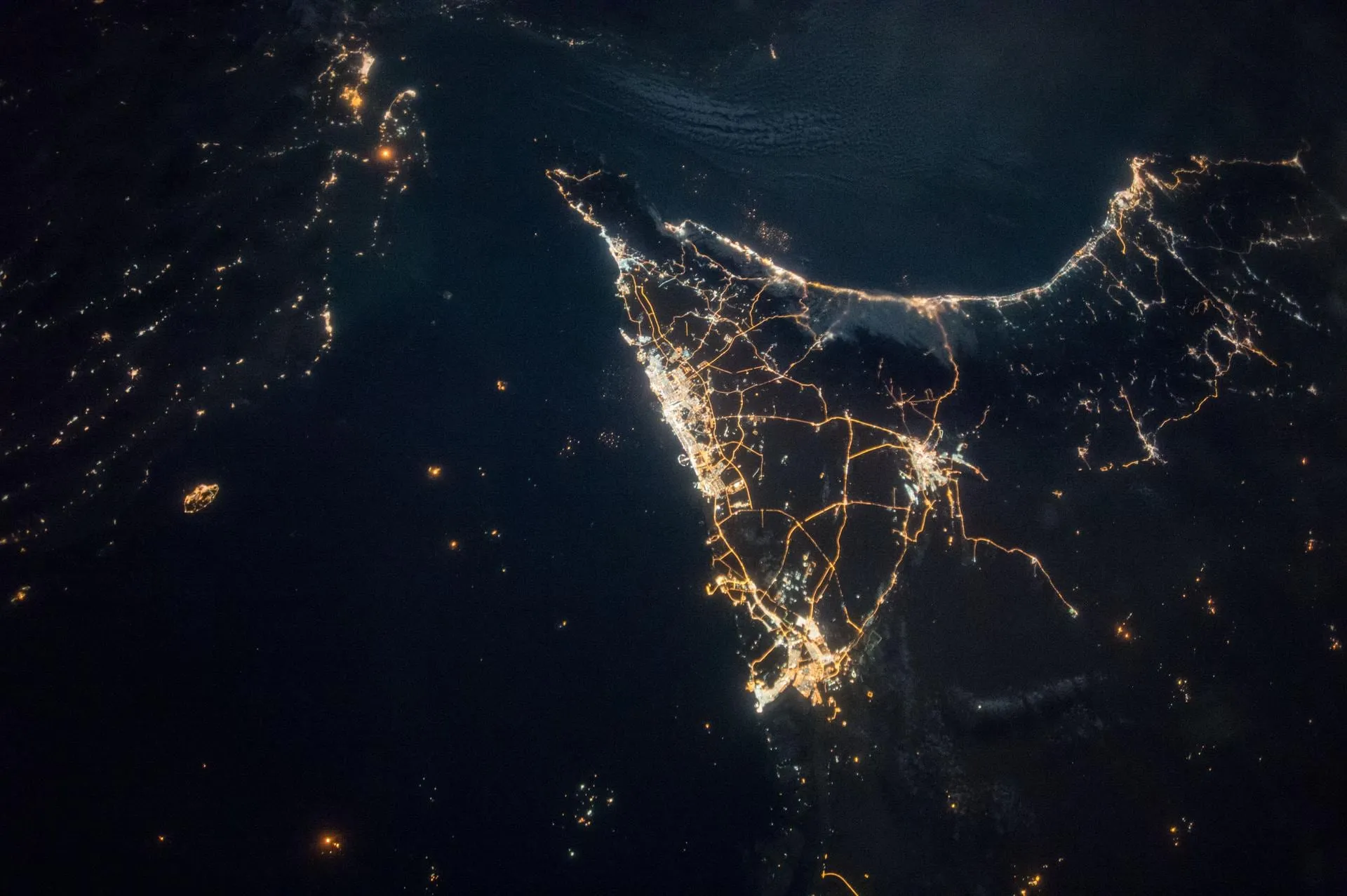
Seen from orbit at night, the Nile draws a line of light through the desert: tens of millions of people living along one river, as people have for seven thousand years. Humanity passed 8 billion people in 2022 and the United Nations expects the population to peak at about 10.3 billion in the mid-2080s before slowly declining. 一つの惑星で どうやって多くの人が 幸せに暮らせるかは 今世紀の決定的な問題の一つです この説明者は教育的である:Local Solar Systemは家族の大きさに関する誰かの個人的な選択について立場をとらない。
一つの単純な方程式
科学者はしばしば人間の影響を単純なアイデンティティでまとめる:Impact = Population x Affluence x Technology,あるいはIPAT。 人口とは、私たちの人数です。 富裕度とは、個人がどれだけ消費するかである。 Technology is how much impact each unit of consumption causes: the emissions per kilowatt-hour, the land per tonne of food, the waste per product. 自然の法則ではないが レバーがどこにあるかを示している。
私たちのうち何人が
子供の生存率,教育(特に女児)および収入が向上すると家族は子供を少なくすることを選択しているので,人口増加はほぼどこでも減速している。 More than half of all countries now have fertility below the replacement level of about 2.1 children per woman. 将来の成長はアフリカとアジアの一部に集中する。
答えは、私たちがどれだけ使うかです
消費は人口よりもずっと不平等である。 The richest tenth of humanity is responsible for roughly half of consumption-based emissions, while the poorest half accounts for about a tenth (Chancel, 2022). The world extracts more than 100 billion tonnes of materials every year, three times as much as in 1970 (UNEP International Resource Panel, 2024). 何十億人もの人々を貧困から救うことは、最も低い消費の場所で消費を上げることになる。
T:エンジニアリングが一番役に立つ場所
ザ・ T 発明が報われる場所です 風力・太陽光発電,効率的な建物や車両,精密農業,リサイクル,循環型設計などが消費単位ごとのインパクトを削減している。 経済生産単位を生産するために必要なエネルギーは数十年間ずっと減少しており、多くの富裕国では所得が上昇し続ける一方で排出量は減少している。
生命に対する資源の減少は、技術が引き出せるレバーである。
都市
More than half of humanity lives in cities, and the UN expects about two thirds to by 2050. 密集した都市は、短い旅行、共有の壁、公共交通機関および共有サービスなど、著しく効率的である。 計画不良の拡張は逆である。 How the next two billion urban homes are built will shape resource use for a century.
あなたが助けられる方法
- もっと長く使う 修理,中古買い取り,借り換え,工具の共有,すでに流通している材料は最も安価な資源である。
- Waste less food. Roughly a fifth of food available to consumers is wasted; plan meals, store food well and use leftovers.
- もっと植物を食べる 植物性食品は土地と水を大幅に節約できます
- 支援教育特に少女の場合は生活を向上させ,その結果選択的に小規模な家族と結びつく。
- 循環ルールを要求修理権,保証期間延長,デポジット制度,リサイクルコンテンツ基準などを取り上げた。
- 会話に参加 この説明書を翻訳してくれます 寄付委員会.
参考文献
- 国連(2024年) 世界人口展望2024
- 国連 世界都市化展望
- UNEP国際資源パネル(2024年)、Global Resources Outlook 2024
- グローバル・フットプリント・ネットワーク 地球オーバーシュートデー
- UNEP (2024), Food Waste Index Report 2024
- Ehrlich and Holdren (1971), Impact of population growth, Science 171
- Chancel (2022), Global carbon inequality over 1990 to 2019, Nature Sustainability 5
- 私たちのデータ世界 人口増加率