

The science of healthy ageing
Nobody can stop the clock yet. But the evidence on how to keep the years healthy is stronger than most people realise, and most of it is free.
The number of people aged 60 and over will double between 2020 and 2050 to about 2.1 billion, according to the World Health Organization. Living longer is one of humanity’s greatest achievements; the question now is how many of those years are healthy. Science draws a clear line between what is established in large human studies and what is still an exciting idea tested in mice. This explainer keeps those two things apart.
Why we age
Researchers describe ageing through a set of connected processes known as the hallmarks of ageing (López-Otín et al., 2023): damage to DNA, the shortening of telomeres at the ends of chromosomes, changes to the chemical marks that switch genes on and off (epigenetics), loss of protein quality control, worn-out mitochondria, cells that stop dividing but do not die (senescent cells), exhausted stem cells, faulty communication between cells, chronic low-grade inflammation, changes in the gut microbiome and disabled cellular recycling (autophagy). None acts alone, which is one reason there is no single cure.

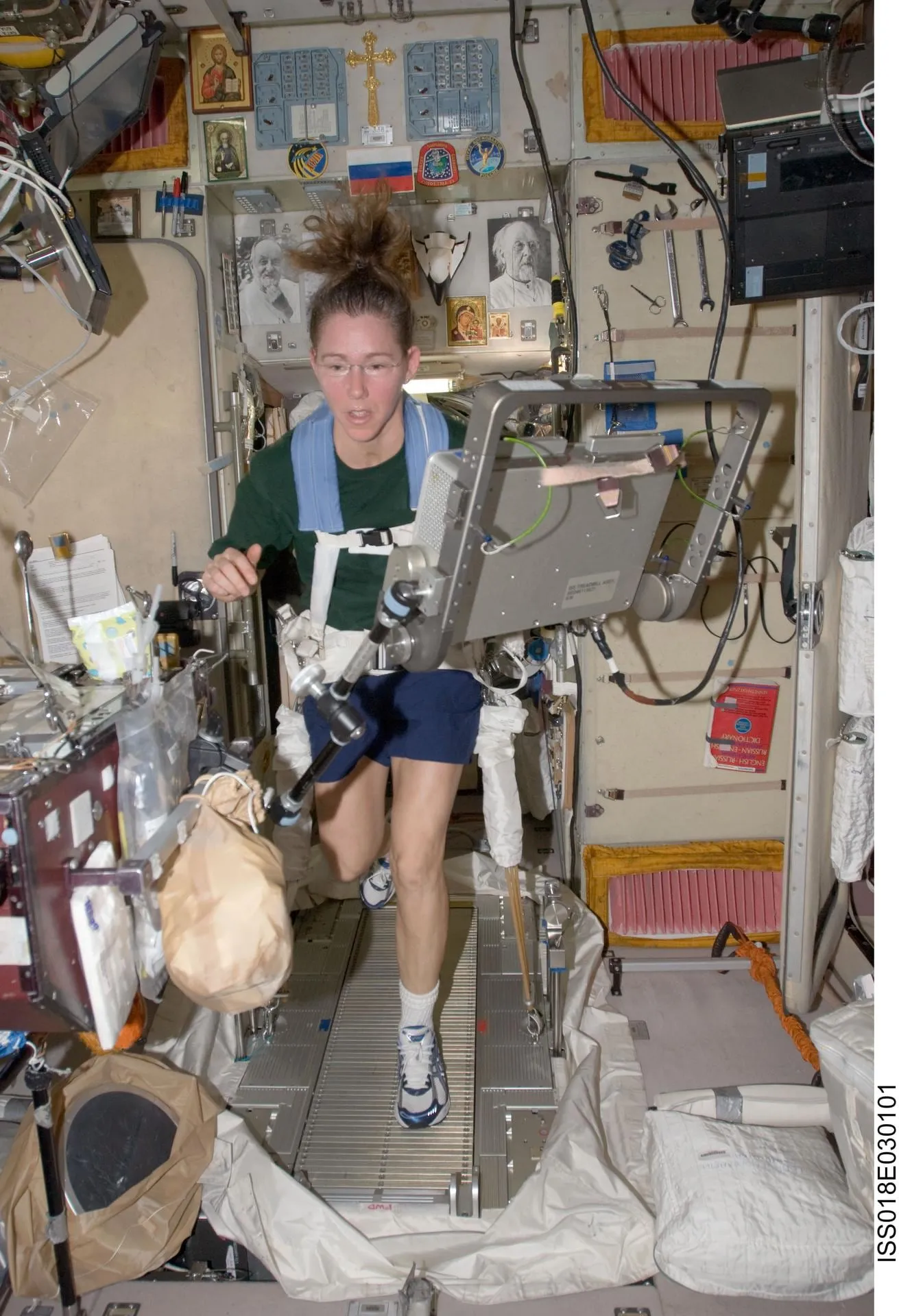
Space is an unexpected laboratory for this. NASA’s Twins Study found that many of Scott Kelly’s biological changes during nearly a year in orbit, including longer telomeres in flight, returned towards normal after landing, while some changes persisted (Garrett-Bakelman et al., 2019). Astronauts exercise for about two hours a day to protect bone and muscle, the same tissues that decline with age on Earth.
What is established
These findings come from large observational studies and randomised trials involving many thousands of people. They are the foundation of public-health guidance around the world.
Physical activity. The World Health Organization recommends that adults do 150 to 300 minutes of moderate activity, or 75 to 150 minutes of vigorous activity, every week, plus muscle-strengthening activities on two or more days. Older adults are advised to add balance training on three or more days to prevent falls. Regular activity is linked to lower risk of heart disease, stroke, type 2 diabetes, several cancers, depression and dementia (WHO, 2020).
Strength. Muscle mass and strength decline with age (sarcopenia), and grip strength predicts health outcomes. Resistance training preserves muscle and bone at any age, including in people over 90.
Not smoking. Smoking remains one of the largest avoidable causes of early death. People who stop before about age 40 avoid more than 90 percent of the excess risk of death caused by continuing to smoke (Jha et al., 2013). Stopping at any age helps.
Blood pressure. High blood pressure damages blood vessels in the heart, brain and kidneys, often without symptoms. In the SPRINT trial, intensive blood-pressure control reduced cardiovascular events and deaths, and reduced mild cognitive impairment (SPRINT MIND, 2019). Blood pressure is checked in seconds and treated cheaply.
Alcohol. Alcohol causes several cancers and many other conditions. The WHO states that no level of drinking is safe for health; less is better.
Sleep. Adults are advised to sleep at least seven hours a night regularly (Watson et al., 2015). Long-term short or disturbed sleep is linked to higher risk of cardiovascular and metabolic disease; untreated sleep apnoea is common and treatable.
Diet patterns. Diets rich in vegetables, fruit, whole grains, legumes, nuts and olive oil, with little processed meat and sugar, are linked to lower risk of heart disease. In the PREDIMED trial, a Mediterranean diet supplemented with olive oil or nuts reduced major cardiovascular events by about 30 percent compared with a reduced-fat diet (Estruch et al., 2018).
Social connection. Loneliness and isolation are linked to earlier death: a large meta-analysis found about 50 percent greater likelihood of survival for people with stronger social relationships (Holt-Lunstad et al., 2010).
Hearing and vision. Hearing loss is the largest single modifiable risk factor for dementia identified by the Lancet Commission. In the ACHIEVE trial, a hearing intervention slowed cognitive decline by about 48 percent over three years among older adults at higher risk (Lin et al., 2023). Untreated vision loss was added as a risk factor in 2024.
Vaccination. Vaccines protect older adults from influenza, pneumonia, shingles and COVID-19, illnesses that hit them hardest. A natural experiment in Wales found that shingles vaccination was followed by about a 20 percent lower chance of a dementia diagnosis over seven years (Eyting et al., 2025); researchers are investigating why.
Learning and purpose. Education early in life, and mentally and socially engaging activity later, are associated with lower dementia risk and better wellbeing.
The most powerful longevity interventions ever tested cost almost nothing: moving, sleeping, not smoking and staying connected.
The research frontier
Research on the biology of ageing is advancing fast, and headlines often run ahead of the evidence. The following are areas of active research. None of them is proven to slow human ageing, some carry real risks, and several are prescription medicines with side effects. We describe them only so readers can understand the news.
- Calorie restriction. Eating fewer calories without malnutrition extends lifespan in many animals. In the CALERIE 2 trial in healthy adults, two years of moderate restriction improved cardiometabolic risk factors (Kraus et al., 2019) and slightly slowed a measure of the pace of biological ageing (Waziry et al., 2023). Long-term effects on human lifespan are unknown. Evidence level: promising.
- GLP-1 medicines. Drugs such as semaglutide, developed for diabetes and obesity, reduced major cardiovascular events by 20 percent in people with obesity and heart disease in the SELECT trial (Lincoff et al., 2023). Whether they affect ageing itself is being studied. Evidence level: promising for specific diseases, unproven for ageing.
- Metformin. A diabetes drug linked in observational studies to lower rates of some age-related diseases. The TAME trial was designed to test it directly in older adults; results are not available. Evidence level: experimental.
- Rapamycin. Extends lifespan in mice, even when started late in life (Harrison et al., 2009). It suppresses the immune system at transplant doses; human ageing trials are small and early. Evidence level: experimental.
- Senolytics. Drugs that clear senescent cells improve several age-related conditions in mice. Early human studies are small. Evidence level: experimental.
- NAD+ precursors. Supplements such as nicotinamide riboside raise NAD+ levels in blood, but human trials have not shown clear clinical benefits so far. Evidence level: experimental.
- Epigenetic clocks. Measurements of chemical marks on DNA that estimate “biological age” (Horvath, 2013). Useful research tools; not a treatment, and consumer tests vary widely. Evidence level: measurement tool.
- Partial reprogramming. Briefly switching on genes that reset cells towards a younger state reversed signs of ageing in mice (Ocampo et al., 2016). It is laboratory research only, with serious safety questions including cancer risk. Evidence level: frontier.
How you can help
- Move a little more, starting today, and add strength and balance exercises. Walking with a friend counts twice: activity and connection.
- Know your numbers. Ask a health professional to check your blood pressure, and follow their advice.
- Test your hearing and eyes, and encourage parents and grandparents to do the same. Hearing aids and glasses are among the simplest protections for the brain.
- Keep in touch. Call someone you have not spoken to for a while; invite an isolated neighbour to something.
- Protect sleep: a regular schedule and a dark, cool bedroom, which is where the Light Initiative meets healthy ageing.
- Be sceptical of miracle claims, and share this page when you see one.
- Help us keep this page accurate. Researchers, clinicians and translators can volunteer on the contribution board.
Sources and further reading
- World Health Organization, Ageing and health, and the Decade of Healthy Ageing
- World Health Organization (2020), Guidelines on physical activity and sedentary behaviour
- Livingston et al. (2024), Dementia prevention, intervention, and care: 2024 report of the Lancet standing Commission, The Lancet 404
- López-Otín et al. (2023), Hallmarks of aging: an expanding universe, Cell 186
- Garrett-Bakelman et al. (2019), The NASA Twins Study, Science 364
- Jha et al. (2013), 21st-century hazards of smoking and benefits of cessation in the United States, NEJM 368
- SPRINT MIND Investigators (2019), Effect of intensive vs standard blood pressure control on probable dementia, JAMA 321
- Estruch et al. (2018), Primary prevention of cardiovascular disease with a Mediterranean diet, NEJM 378
- Holt-Lunstad et al. (2010), Social relationships and mortality risk, PLOS Medicine 7
- Lin et al. (2023), Hearing intervention versus health education control to reduce cognitive decline (ACHIEVE), The Lancet 402
- Eyting et al. (2025), A natural experiment on the effect of herpes zoster vaccination on dementia, Nature
- Watson et al. (2015), Recommended amount of sleep for a healthy adult, Sleep 38
- Kraus et al. (2019), 2 years of calorie restriction and cardiometabolic risk (CALERIE), Lancet Diabetes & Endocrinology 7
- Waziry et al. (2023), Effect of long-term caloric restriction on DNA methylation measures of biological aging, Nature Aging 3
- Lincoff et al. (2023), Semaglutide and cardiovascular outcomes in obesity without diabetes (SELECT), NEJM 389
- Harrison et al. (2009), Rapamycin fed late in life extends lifespan in genetically heterogeneous mice, Nature 460
- Horvath (2013), DNA methylation age of human tissues and cell types, Genome Biology 14
- Ocampo et al. (2016), In vivo amelioration of age-associated hallmarks by partial reprogramming, Cell 167
- U.S. National Institute on Aging, What do we know about healthy aging?