
ដំណាក់កាលព្រះច័ន្ទ និងការលិចព្រះអាទិត្យ
Move the Moon around the Earth and see its phase from Earth, and when eclipses can happen.
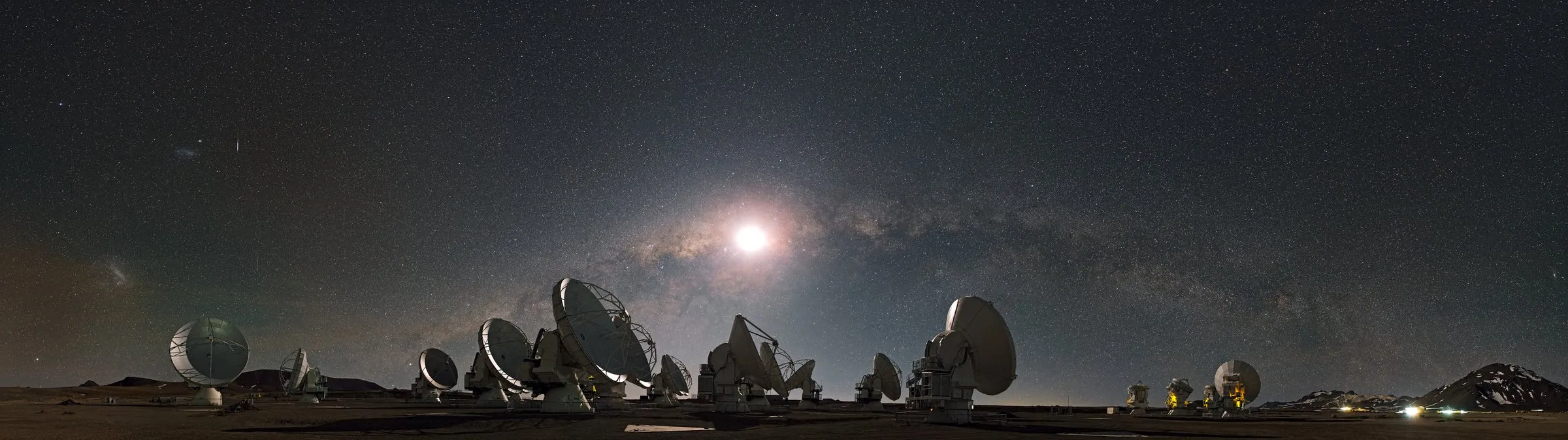
ESO/S. Guisard (www.eso.org/~sguisard) (CC BY 4.0)
ដំណាក់កាលព្រះច័ន្ទ និងការលិចព្រះអាទិត្យ
What is this? The Moon makes no light of its own.The Sun always lights one half of it, and as the Moon travels round Earth, about once every 29.5 days, we see more or less of that lit half.Those changing shapes are the phases.
របៀបប្រើវា: Drag the "Days from today" slider, or press Play.The big view looks down on Earth and the Moon from far above;the small picture shows the Moon as you would see it from Earth.
ព្រះច័ន្ទយប់នេះ
ព្រះច័ន្ទពេញវង់បន្ទាប់: ព្រះច័ន្ទថ្មីបន្ទាប់:
ទិដ្ឋភាពពីលើ
ទិដ្ឋភាពពីភពផែនដី
Seen from the southern hemisphere the Moon is upside down compared with the northern view, so the lit side is flipped.
ព្យាយាមក្នុងនេះ
- Drag until the Moon sits between Earth and the Sun.Notice: That is new Moon.ពាក់កណ្ដាលដែលបានបំភ្លឺមើលឆ្ងាយពីយើង ដូច្នេះយើងមិនឃើញអ្វីទាំងអស់the Moon is in the daytime sky, lost in the Sun's glare.
- បន្តទៅប្រហែល 15 ថ្ងៃ, ទៅព្រះច័ន្ទពេញវង់.Notice: Now Earth is between the Sun and the Moon and we see the whole lit half.A full Moon rises as the Sun sets and is up all night.
- Press Play and watch the message under the numbers at each new and full Moon.Notice: Most months there is no eclipse: the Moon's path is tilted by about 5°, so it usually passes above or below the shadow.Eclipses only happen in "eclipse seasons", about every six months.
- Tick "I live in the southern hemisphere".Notice: The picture turns upside down.From Australia or Argentina the waxing Moon is lit on the left, not the right.
គំនិតនៅពីក្រោយវា
Why do we see phases?
Shine a torch on a ball in a dark room and walk round it: from some places you see all of the lit half, from others only a sliver.The Sun is the torch, the Moon is the ball and you are on Earth in the middle.The phase has nothing to do with Earth's shadow;that only matters during a lunar eclipse.
ប្រភព: ដំណាក់កាលព្រះច័ន្ទពី J. Meeus, Astronomical Algorithms (កំណែទី 2, ឆ្នាំ 1998), ជំពូក 47 ទៅ 48; ការពិនិត្យមើលការលិចផ្កាយពីជំពូក 54 ។ ថ្ងៃខែឆ្នាំថ្មីនិងពេញលេញនៃព្រះច័ន្ទត្រូវបានគណនាពីរូបមន្តដូចគ្នាហើយគឺត្រឹមត្រូវក្នុងរយៈពេលពាក់កណ្តាលថ្ងៃ។
How much of the Moon's sunlit half we can see from Earth.It changes from nothing (new Moon) to all of it (full Moon) and back in about 29.5 days.
Waxing means growing: a little more is lit each night, from new Moon to full Moon.Waning means shrinking: from full Moon back to new Moon.
A crescent Moon is less than half lit, a thin curved sliver.A gibbous Moon is more than half lit but not yet full.
How much of the Moon's face, as we see it from Earth, is lit by the Sun.50% is a half Moon;100% is a full Moon.
The number of days since the last new Moon.វដ្តពេញលេញនៃដំណាក់កាលយកអំពី 29.5 ថ្ងៃ ។
ច្រើនទៀតក្នុងសទ្ទានុក្រម →When one body blocks another's light.In a solar eclipse the Moon blocks the Sun;in a lunar eclipse the Moon passes through Earth's shadow and turns dark or coppery red.
ច្រើនទៀតក្នុងសទ្ទានុក្រម →One of the two points where the Moon's tilted path crosses the plane of Earth's path round the Sun.Eclipses can only happen when a new or full Moon falls near a node.
ច្រើនទៀតក្នុងសទ្ទានុក្រម →តារាងទិន្នន័យ (ជំនួសអត្ថបទ)
| កាលបរិច្ឆេទ | ដំណាក់កាល | បំភ្លឺ |
|---|---|---|
| 12 វិច្ឆិកា | ព្រិលធ្លាក់ | 11.4 % |
| 13 វិច្ឆិកា | ព្រិលធ្លាក់ | 18.1 % |
| 14 វិច្ឆិកា | ព្រិលធ្លាក់ | 25.9 % |
| 15 វិច្ឆិកា | ត្រីមាសទីមួយ | 34.6 % |
| 16 វិច្ឆិកា | ត្រីមាសទីមួយ | 43.9 % |
| 17 វិច្ឆិកា | ត្រីមាសទីមួយ | 53.6 % |
| 18 វិច្ឆិកា | ត្រីមាសទីមួយ | 63.4 % |
| 19 វិច្ឆិកា | ផ្កាយរះឡើងក្រាស់weather condition | 73 % |
| 20 វិច្ឆិកា | ផ្កាយរះឡើងក្រាស់weather condition | 81.9 % |
| 21 វិច្ឆិកា | ផ្កាយរះឡើងក្រាស់weather condition | 89.6 % |
| 22 វិច្ឆិកា | ផ្កាយរះឡើងក្រាស់weather condition | 95.5 % |
| 23 វិច្ឆិកា | ព្រះច័ន្ទពេញវង់ | 99.1 % |
| 24 វិច្ឆិកា | ព្រះច័ន្ទពេញវង់ | 99.9 % |
| 25 វិច្ឆិកា | ព្រះច័ន្ទពេញវង់ | 97.8 % |
| 26 វិច្ឆិកា | កំពុងថយចុះ | 92.9 % |
| 27 វិច្ឆិកា | កំពុងថយចុះ | 85.5 % |
| 28 វិច្ឆិកា | កំពុងថយចុះ | 76.2 % |
| 29 វិច្ឆិកា | ត្រីមាសចុងក្រោយ | 65.7 % |
| 30 វិច្ឆិកា | ត្រីមាសចុងក្រោយ | 54.6 % |
| 1 ធ្នូ | ត្រីមាសចុងក្រោយ | 43.7 % |
| 2 ធ្នូ | ត្រីមាសចុងក្រោយ | 33.3 % |
| 3 ធ្នូ | កំពុងថយចុះ | 24 % |
| 4 ធ្នូ | កំពុងថយចុះ | 15.9 % |
| 5 ធ្នូ | កំពុងថយចុះ | 9.35 % |
| 6 ធ្នូ | កំពុងថយចុះ | 4.45 % |
| 7 ធ្នូ | ផ្កាយថ្មី | 1.33 % |
| 8 ធ្នូ | ផ្កាយថ្មី | 0.0363 % |
| 9 ធ្នូ | ផ្កាយថ្មី | 0.585 % |
| 10 ធ្នូ | ផ្កាយថ្មី | 2.92 % |
| 11 ធ្នូ | ព្រិលធ្លាក់ | 6.93 % |
Tools and lessons use simplified models for learning only.They must not be used for navigation, mission planning or any operational decision.Certificates are free and non-accredited. អានការលុបចោលមាតិកាអប់រំ