
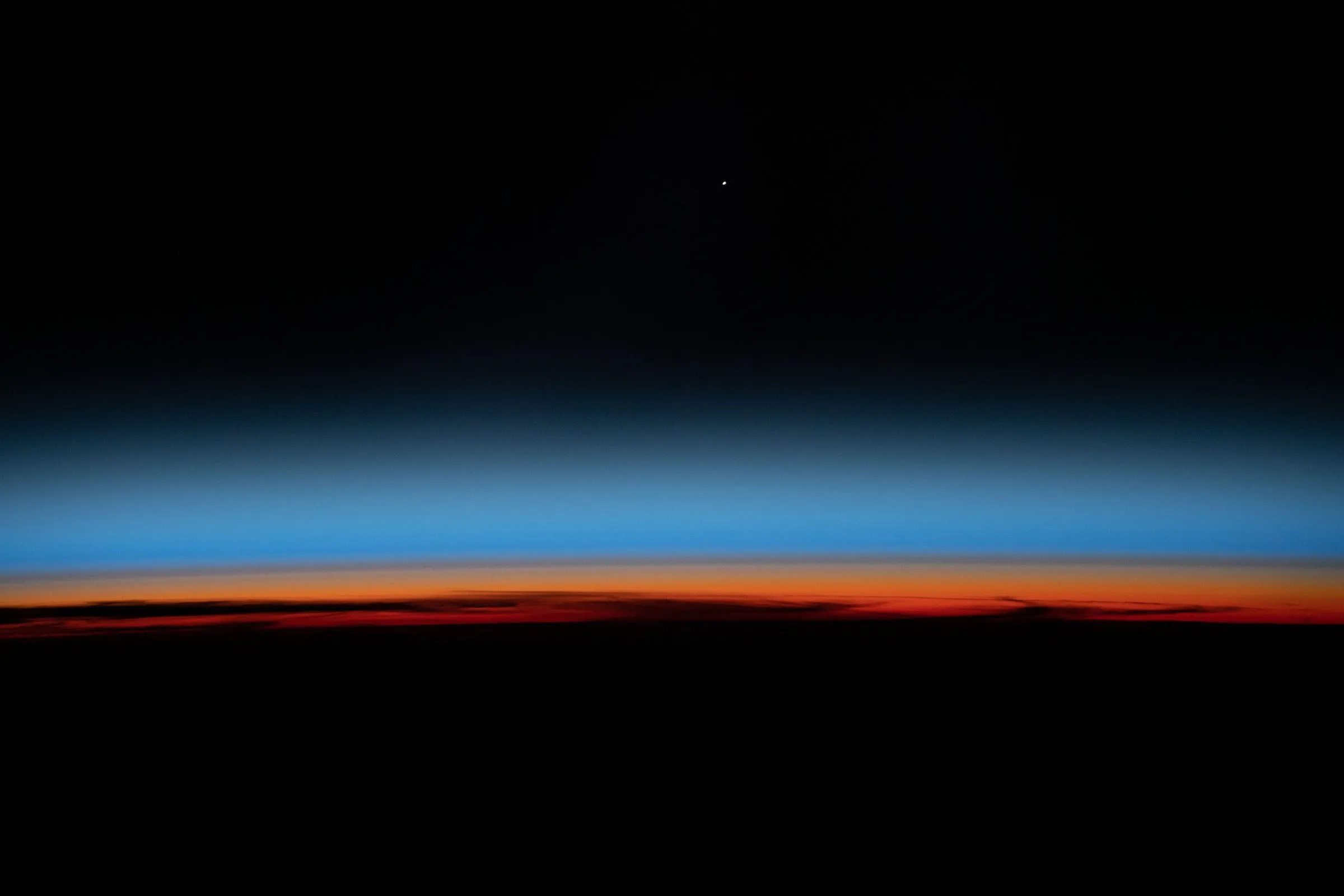
This lesson was drafted by a Local Solar System Foundation team member and could be improved by a qualified reviewer. Are you qualified in this subject?ផ្ដល់យោបល់កែសម្រួល
ដំណាក់កាលព្រះច័ន្ទ និងការលិចព្រះអាទិត្យ
បើកទំព័រពេញWhat is this? The Moon makes no light of its own.The Sun always lights one half of it, and as the Moon travels round Earth, about once every 29.5 days, we see more or less of that lit half.Those changing shapes are the phases.
របៀបប្រើវា: Drag the "Days from today" slider, or press Play.The big view looks down on Earth and the Moon from far above;the small picture shows the Moon as you would see it from Earth.
ព្រះច័ន្ទយប់នេះ
ព្រះច័ន្ទពេញវង់បន្ទាប់: ព្រះច័ន្ទថ្មីបន្ទាប់:
ទិដ្ឋភាពពីលើ
ទិដ្ឋភាពពីភពផែនដី
Seen from the southern hemisphere the Moon is upside down compared with the northern view, so the lit side is flipped.
ព្យាយាមក្នុងនេះ
- Drag until the Moon sits between Earth and the Sun.Notice: That is new Moon.ពាក់កណ្ដាលដែលបានបំភ្លឺមើលឆ្ងាយពីយើង ដូច្នេះយើងមិនឃើញអ្វីទាំងអស់the Moon is in the daytime sky, lost in the Sun's glare.
- បន្តទៅប្រហែល 15 ថ្ងៃ, ទៅព្រះច័ន្ទពេញវង់.Notice: Now Earth is between the Sun and the Moon and we see the whole lit half.A full Moon rises as the Sun sets and is up all night.
- Press Play and watch the message under the numbers at each new and full Moon.Notice: Most months there is no eclipse: the Moon's path is tilted by about 5°, so it usually passes above or below the shadow.Eclipses only happen in "eclipse seasons", about every six months.
- Tick "I live in the southern hemisphere".Notice: The picture turns upside down.From Australia or Argentina the waxing Moon is lit on the left, not the right.
គំនិតនៅពីក្រោយវា
Why do we see phases?
Shine a torch on a ball in a dark room and walk round it: from some places you see all of the lit half, from others only a sliver.The Sun is the torch, the Moon is the ball and you are on Earth in the middle.The phase has nothing to do with Earth's shadow;that only matters during a lunar eclipse.
ប្រភព: ដំណាក់កាលព្រះច័ន្ទពី J. Meeus, Astronomical Algorithms (កំណែទី 2, ឆ្នាំ 1998), ជំពូក 47 ទៅ 48; ការពិនិត្យមើលការលិចផ្កាយពីជំពូក 54 ។ ថ្ងៃខែឆ្នាំថ្មីនិងពេញលេញនៃព្រះច័ន្ទត្រូវបានគណនាពីរូបមន្តដូចគ្នាហើយគឺត្រឹមត្រូវក្នុងរយៈពេលពាក់កណ្តាលថ្ងៃ។
How much of the Moon's sunlit half we can see from Earth.It changes from nothing (new Moon) to all of it (full Moon) and back in about 29.5 days.
Waxing means growing: a little more is lit each night, from new Moon to full Moon.Waning means shrinking: from full Moon back to new Moon.
A crescent Moon is less than half lit, a thin curved sliver.A gibbous Moon is more than half lit but not yet full.
How much of the Moon's face, as we see it from Earth, is lit by the Sun.50% is a half Moon;100% is a full Moon.
The number of days since the last new Moon.វដ្តពេញលេញនៃដំណាក់កាលយកអំពី 29.5 ថ្ងៃ ។
ច្រើនទៀតក្នុងសទ្ទានុក្រម →When one body blocks another's light.In a solar eclipse the Moon blocks the Sun;in a lunar eclipse the Moon passes through Earth's shadow and turns dark or coppery red.
ច្រើនទៀតក្នុងសទ្ទានុក្រម →One of the two points where the Moon's tilted path crosses the plane of Earth's path round the Sun.Eclipses can only happen when a new or full Moon falls near a node.
ច្រើនទៀតក្នុងសទ្ទានុក្រម →តារាងទិន្នន័យ (ជំនួសអត្ថបទ)
| កាលបរិច្ឆេទ | ដំណាក់កាល | បំភ្លឺ |
|---|---|---|
| 12 វិច្ឆិកា | ព្រិលធ្លាក់ | 11.4 % |
| 13 វិច្ឆិកា | ព្រិលធ្លាក់ | 18 % |
| 14 វិច្ឆិកា | ព្រិលធ្លាក់ | 25.8 % |
| 15 វិច្ឆិកា | ត្រីមាសទីមួយ | 34.5 % |
| 16 វិច្ឆិកា | ត្រីមាសទីមួយ | 43.8 % |
| 17 វិច្ឆិកា | ត្រីមាសទីមួយ | 53.5 % |
| 18 វិច្ឆិកា | ត្រីមាសទីមួយ | 63.3 % |
| 19 វិច្ឆិកា | ផ្កាយរះឡើងក្រាស់weather condition | 72.9 % |
| 20 វិច្ឆិកា | ផ្កាយរះឡើងក្រាស់weather condition | 81.8 % |
| 21 វិច្ឆិកា | ផ្កាយរះឡើងក្រាស់weather condition | 89.6 % |
| 22 វិច្ឆិកា | ផ្កាយរះឡើងក្រាស់weather condition | 95.5 % |
| 23 វិច្ឆិកា | ព្រះច័ន្ទពេញវង់ | 99.1 % |
| 24 វិច្ឆិកា | ព្រះច័ន្ទពេញវង់ | 99.9 % |
| 25 វិច្ឆិកា | ព្រះច័ន្ទពេញវង់ | 97.9 % |
| 26 វិច្ឆិកា | កំពុងថយចុះ | 93 % |
| 27 វិច្ឆិកា | កំពុងថយចុះ | 85.6 % |
| 28 វិច្ឆិកា | កំពុងថយចុះ | 76.3 % |
| 29 វិច្ឆិកា | ត្រីមាសចុងក្រោយ | 65.8 % |
| 30 វិច្ឆិកា | ត្រីមាសចុងក្រោយ | 54.8 % |
| 1 ធ្នូ | ត្រីមាសចុងក្រោយ | 43.8 % |
| 2 ធ្នូ | ត្រីមាសចុងក្រោយ | 33.4 % |
| 3 ធ្នូ | កំពុងថយចុះ | 24.1 % |
| 4 ធ្នូ | កំពុងថយចុះ | 16 % |
| 5 ធ្នូ | កំពុងថយចុះ | 9.41 % |
| 6 ធ្នូ | កំពុងថយចុះ | 4.49 % |
| 7 ធ្នូ | ផ្កាយថ្មី | 1.35 % |
| 8 ធ្នូ | ផ្កាយថ្មី | 0.0402 % |
| 9 ធ្នូ | ផ្កាយថ្មី | 0.57 % |
| 10 ធ្នូ | ផ្កាយថ្មី | 2.88 % |
| 11 ធ្នូ | ព្រិលធ្លាក់ | 6.88 % |
The Moon never changes shape. Half of it is always lit by the Sun;what changes is how much of that lit half faces you. Once you see why, eclipses stop being mysterious and start being predictable.
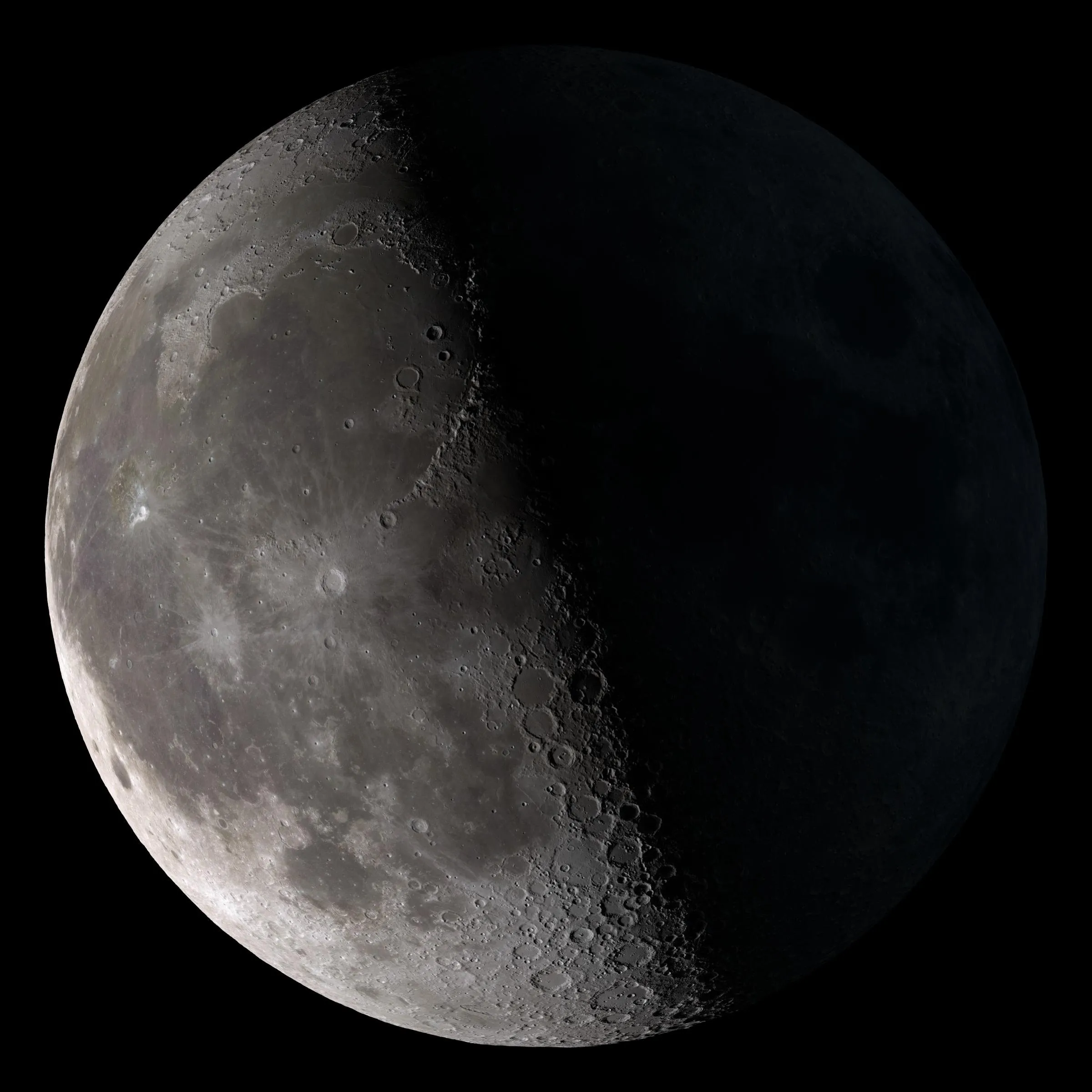
Half of the Moon is always in sunlight. The phases are just our point of view.
មើល
The Moon does not make its own light. It shines because sunlight falls on it. At any moment, one half of the Moon is lit by the Sun and the other half is dark, just like Earth has day and night.
As the Moon goes around Earth, we see different amounts of its sunlit half:
- New Moon: the Moon is between Earth and the Sun. The lit half faces away from us, so we cannot see it.
- First quarter: we see half of the disc lit.
- Full Moon: Earth is between the Sun and the Moon. We see the whole lit half.
- ត្រីមាសចុងក្រោយ: ពាក់កណ្តាលភ្លើងម្តងទៀត, ខាងក្រៅផ្សេងទៀត.
In the tool, the left picture looks down on Earth and the Moon from far above, with the Sun off to the left. The right picture shows what you see from Earth. Move the slider and watch both change together.
Sometimes the Sun, Earth and Moon line up exactly:
- A solar eclipse happens when the Moon’s shadow falls on Earth at new Moon.
- A lunar eclipse happens when Earth’s shadow falls on the Moon at full Moon.
យល់
The Moon goes once around Earth, measured against the stars, in 27.3 days (the sidereal month). ប៉ុន្តែដំណាក់កាលធ្វើឡើងវិញរាល់ 29.5 ថ្ងៃ (ខែ synodic) ។ ហេតុអ្វីបានជាខុសគ្នា? While the Moon goes around Earth, Earth moves about 1/12 of the way around the Sun. The Moon needs about two more days to catch up with the new Sun direction.
ភាគនៃដ្រាយដែលមើលទៅដូចជាបានបើកឡើងអាស្រ័យលើមុំរវាងព្រះអាទិត្យ និងព្រះច័ន្ទដូចដែលឃើញពីផែនដី ដែលហៅថា រយៈទទឹង:
| ការពង្រីក | ដំណាក់កាល | អានប្រភាគ |
|---|---|---|
| 0° | ផ្កាយថ្មី | 0% |
| 90° | ត្រីមាសទីមួយ | 50% |
| 180° | ព្រះច័ន្ទពេញវង់ | 100% |
| 270° | ត្រីមាសចុងក្រោយ | 50% |
If the Moon went around exactly in the same plane as Earth goes around the Sun, we would get a solar eclipse every new Moon and a lunar eclipse every full Moon. But the Moon’s orbit is tilted by about 5.1 degrees. Usually the Moon passes a little above or below the Sun-Earth line, and nothing happens.
ចំណុចពីរដែលអ័ក្សព្រះច័ន្ទឆ្លងកាត់ផ្ទៃអ័ក្សរបស់ផែនដីត្រូវបានហៅថា ថ្នាំង. Eclipses can only happen when a new or full Moon falls close to a node. This happens in two “eclipse seasons” each year, about six months apart.
មេ
The illuminated fraction k follows from the phase angle i (the Sun-Moon-Earth angle):
k = (1 + cos i) / 2
ដោយសារព្រះអាទិត្យមានចម្ងាយ 390 ដងពីភពព្រះច័ន្ទ i ≈ 180° − elongation ។ ឧបករណ៍គណនាខ្ញុំជាមួយស៊េរី Meeus (ក្បួនដោះស្រាយតារាសាស្ត្រ, eq. 48.4), which corrects the mean elongation for the main periodic terms of the Moon’s and the Sun’s orbits. It places new and full Moons to within about half an hour of the precise times, plenty for learning.
ខែស៊ីណូដិកគឺជាការអនុវត្តតាមល្បឿនមុំពីរ: 1/P_syn = 1/P_sid − 1/P_year = 1/27.3217 − 1/365.256, ផ្តល់ឲ្យមានរយៈពេល 29.531 ថ្ងៃ។
Whether an eclipse is possible depends on the Moon’s argument of latitude F, its angle from the ascending node. Meeus ផ្តល់នូវច្បាប់ស្កេនរហ័សមួយ៖ នៅពេលព្រះច័ន្ទថ្មី ឬពេញលេញ បើ |sin F| > 0.36 (F ច្រើនជាង 21° ពីចំណុច) គ្មានការរះទេ ។ The tool applies exactly this test. It is a necessary condition, not a prediction of the eclipse type or where it is visible: that needs the Moon’s distance, Earth’s shadow geometry and much more precise positions.
The nodes are not fixed. ពួកគេរត់ត្រឡប់មកវិញជុំវិញ ecliptic ម្តងក្នុងមួយឆ្នាំ 18.6 ដែលជាមូលហេតុដែលរដូវផ្ការីកមកដល់ប្រហែល 19 ថ្ងៃមុនរៀងរាល់ឆ្នាំនិងផ្នែកនៃមូលហេតុដែលផ្ការីកកើតឡើងឡើងវិញនៅក្នុងវដ្តល្បី 18 ឆ្នាំ saros ។
សាកល្បងវា
Drag the slider to find the next full Moon.តើវានៅជិតថ្នាំង (អាចមានការលិចបាន)?Then find a new Moon.Check a news or observatory website to see whether there really is an eclipse on that date.
អស្ចារ្យ. ការប្រឈមមុខគឺជាកន្លែងដែលការរៀនត្រូវបានចង ។
សំណួររហ័ស
3 quick questions.Pick an answer to see if you are right.
-
What causes the phases of the Moon?
- A ស្រមោលផែនដីធ្លាក់លើព្រះច័ន្ទ
- B How much of the Moon's sunlit half we can see from Earth
- C ពពកនៅលើព្រះច័ន្ទweather condition
- D ព្រះច័ន្ទផ្លាស់ប្ដូរចម្ងាយពីផែនដី
បង្ហាញចម្លើយ
B. How much of the Moon's sunlit half we can see from Earth Earth's shadow only reaches the Moon during a lunar eclipse.Phases are about viewing angle.
-
Why is there not a solar eclipse at every new Moon?
- A ព្រះច័ន្ទតូចពេក
- B The Moon's orbit is tilted about 5 degrees, so it usually passes above or below the Sun
- C ព្រះអាទិត្យផ្លាស់ទីលឿនពេក
- D ថ្ងៃរះតែកើតឡើងក្នុងរដូវក្តៅប៉ុណ្ណោះ
បង្ហាញចម្លើយ
B. The Moon's orbit is tilted about 5 degrees, so it usually passes above or below the Sun
-
About how long is it from one full Moon to the next?
- A 27.3 ថ្ងៃ
- B 29.5 ថ្ងៃ
- C 30 ថ្ងៃពិតប្រាកដ
- D 365 ថ្ងៃ
បង្ហាញចម្លើយ
B. 29.5 ថ្ងៃ 27.3 ថ្ងៃគឺជាអ័ក្សមួយប្រឆាំងនឹងផ្កាយ; ដំណាក់កាលធ្វើឡើងវិញបន្ទាប់ពី 29.5 ថ្ងៃព្រោះភពផែនដីបានផ្លាស់ទីជុំវិញព្រះអាទិត្យក្នុងពេលជាមួយគ្នា។
បន្ទាត់បញ្ចប់
- បានលេងជាមួយអន្តរកម្ម
- អានមេរៀន
- បានធ្វើការប្រកួត
- បានធ្វើការសាកល្បង
Mark the lesson complete to save it to your progress on this device.
Lesson complete.ល្អណាស់!
ឡើងលើបន្ទាប់ ផ្ទៃមេឃពេលយប់ និងការបំពុលពន្លឺពាក្យក្នុងមេរៀននេះ
ប្រភព
- J. Meeus, Astronomical Algorithms, 2nd ed., Willmann-Bell (1998), ISBN 0-943396-61-1, chapters 47, 48 and 54
- NASA NSSDCA Moon Fact Sheet
- NASA Eclipse Web Site (F. Espenak)
- U.S. Naval Observatory: Phases of the Moon
មេរៀននេះមានអាជ្ញាបណ្ណ CC BY-SA 4.0.