
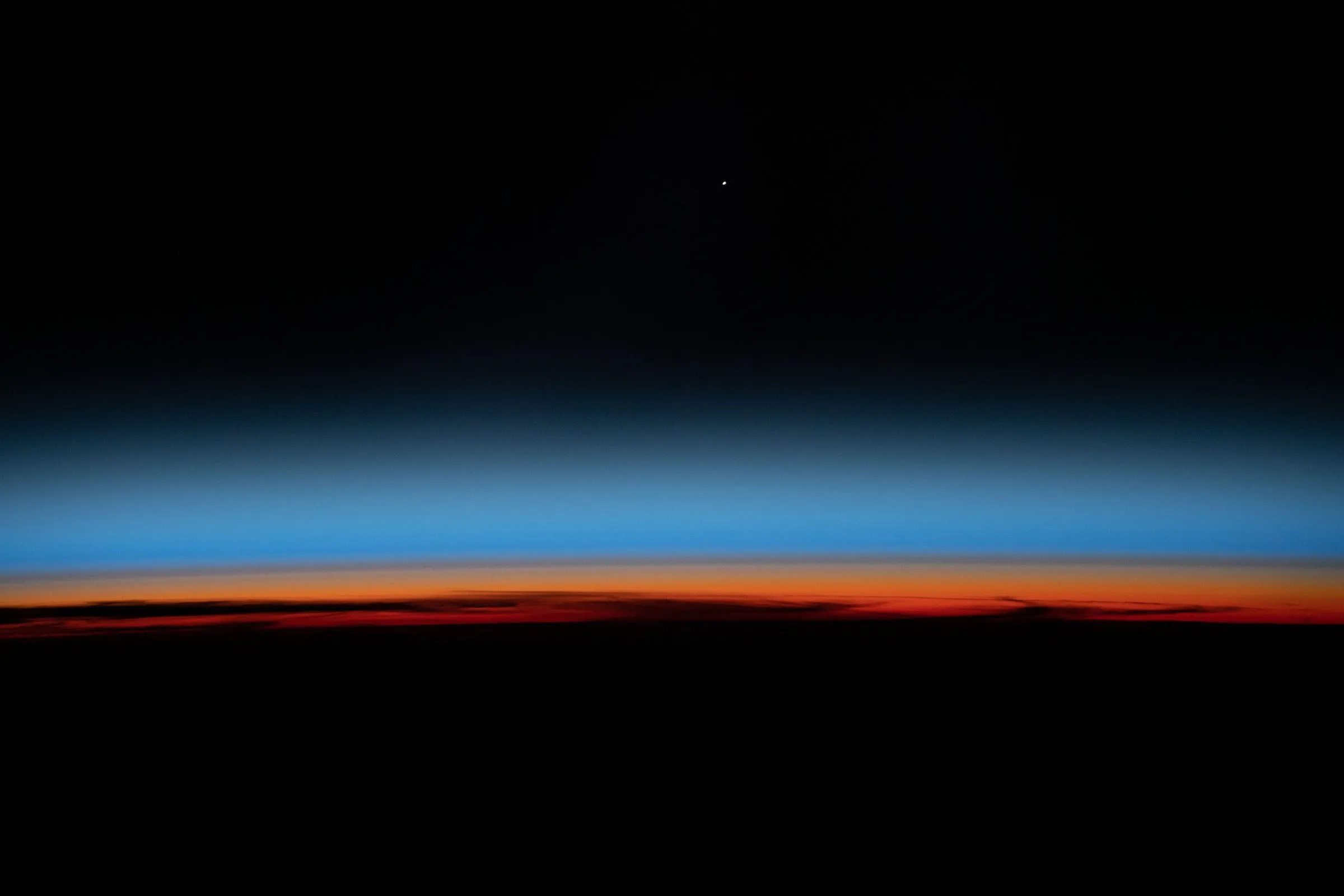
This lesson was drafted by a Local Solar System Foundation team member and could be improved by a qualified reviewer. Are you qualified in this subject?ផ្ដល់យោបល់កែសម្រួល
ផ្ទៃមេឃពេលយប់ និងការបំពុលពន្លឺ
បើកទំព័រពេញWhat is this? ភ្លើងតាមដងផ្លូវ អគារ និងសញ្ញាបង្ហាញពីពន្លឺលើមេឃយប់ ហើយពន្លឺនោះលាក់ផ្កាយដែលងងឹតជាងគេ ។This tool shows real stars from a star catalogue and how many disappear as the sky gets brighter, from a truly dark place to a city centre.
របៀបប្រើវា: Pick the description that sounds most like your sky, or drag the light pollution slider.Drag the sky view to look around.
How dark is your sky?
Pick the one that sounds like the sky where you live.Each picture shows the stars of Orion you could see at that level.
Star positions and brightness from the Yale Bright Star Catalogue.Your location is never stored.
ព្យាយាមក្នុងនេះ
- ចាប់ផ្ដើមនៅកម្រិត 1 (តំបន់ដែលងងឹតពិតប្រាកដ) ហើយអូសទៅ 9 ។Notice: ពីចំនួនផ្កាយប្រមាណ 9,000 នៅលើមេឃទាំងមូល មានតែប្រហែល 400 ដែលនៅសល់នៅក្នុងមជ្ឈមណ្ឌលទីក្រុង ហើយមានតែពាក់កណ្ដាលនៃមេឃដែលស្ថិតនៅលើអ្នកនៅពេលណាមួយប៉ុណ្ណោះ ។
- Choose Orion and compare levels 4 and 8.Notice: The famous shape survives, but the faint stars that fill it in, and the Milky Way behind it, vanish.
- On the next clear night without a Moon, go outside away from direct lights and wait 20 minutes for your eyes to adjust.Notice: Find the picture here that matches what you see: that is roughly your Bortle level.The pictures show the Orion area;any familiar group of stars works.
គំនិតនៅពីក្រោយវា
តើនរណាម្នាក់អាចធ្វើអ្វីបាន?
ការបំពុលពន្លឺគឺជាការបំពុលដែលងាយស្រួលបំផុតដើម្បីជួសជុល ៖ បិទវា ហើយវាបាត់ទៅហើយ ។ ចង្អុលពន្លឺខាងក្រៅចុះក្រោម និងការពារពួកគេ ប្រើអំពូលពណ៌ក្តៅ និងបិទភ្លើងដែលគ្មាននរណាម្នាក់ត្រូវការឡើយ ។
Sources: star positions and brightness from the Yale Bright Star Catalogue (5th revised edition).Sky levels and faintest visible stars from J.អ៊ីBortle, "ការណែនាំអំពីវិមាត្រ Bortle Dark-Sky", Sky & Telescope, ខែកុម្ភៈ 2001 ។ដំបូន្មានពន្លឺ: DarkSky International ។Your location is never asked for or stored.
Artificial light that shines where it is not needed, especially up into the sky.It makes the whole night sky glow and hides the stars.
ច្រើនទៀតក្នុងសទ្ទានុក្រម →មាត្រដ្ឋាន 1 ទៅ 9 នៃភាពងងឹតនៃផ្ទៃមេឃយប់ ដែលបានបោះពុម្ពផ្សាយដោយអ្នកវិទ្យាសាស្ត្រអាជីព John E.បង្វិលក្នុង 2001 ។Level 1 is the darkest sky on Earth;កម្រិត 9 គឺជាមជ្ឈមណ្ឌលទីក្រុង ។
ច្រើនទៀតក្នុងសទ្ទានុក្រម →The scale astronomers use for brightness.Bigger numbers mean fainter: the brightest stars are around magnitude 0 or 1, and the faintest you can see from a truly dark site are about magnitude 7 to 8.
ច្រើនទៀតក្នុងសទ្ទានុក្រម →ភ្នែករបស់អ្នកយឺត ៗ ក្លាយជាមានអារម្មណ៍កាន់តែខ្លាំងនៅក្នុងភាពងងឹត។ វាចំណាយពេលពី 20 ទៅ 30 នាទីហើយមើលទៅលើអេក្រង់ភ្លឺឬពន្លឺចង្កៀងមួយមិនធ្វើវាច្រើនទេ។
តារាងទិន្នន័យ (ជំនួសអត្ថបទ)
| ថ្នាក់ Bortle | ផ្កាយមើលឃើញតិចបំផុត | ផ្កាយមើលឃើញ (ផ្ទៃមេឃទាំងមូល យប់ភ្លឺ) |
|---|---|---|
| 1 | 7.8 | 9,093+ |
| 2 | 7.3 | 9,082+ |
| 3 | 6.8 | 9,002+ |
| 4 | 6.3 | 7,008 |
| 5 | 5.8 | 4,103 |
| 6 | 5.3 | 2,319 |
| 7 | 4.8 | 1,267 |
| 8 | 4.3 | 718 |
| 9 | 3.8 | 409 |
For all of human history people looked up and saw the galaxy we live in. សព្វថ្ងៃនេះមនុស្សម្នាក់ក្នុងចំណោមបីនាក់នៅលើផែនដីមិនអាចមើលឃើញ Milky Way ពីផ្ទះទៀតទេ ។ This lesson teaches you to read the sky, and to understand what we are losing.
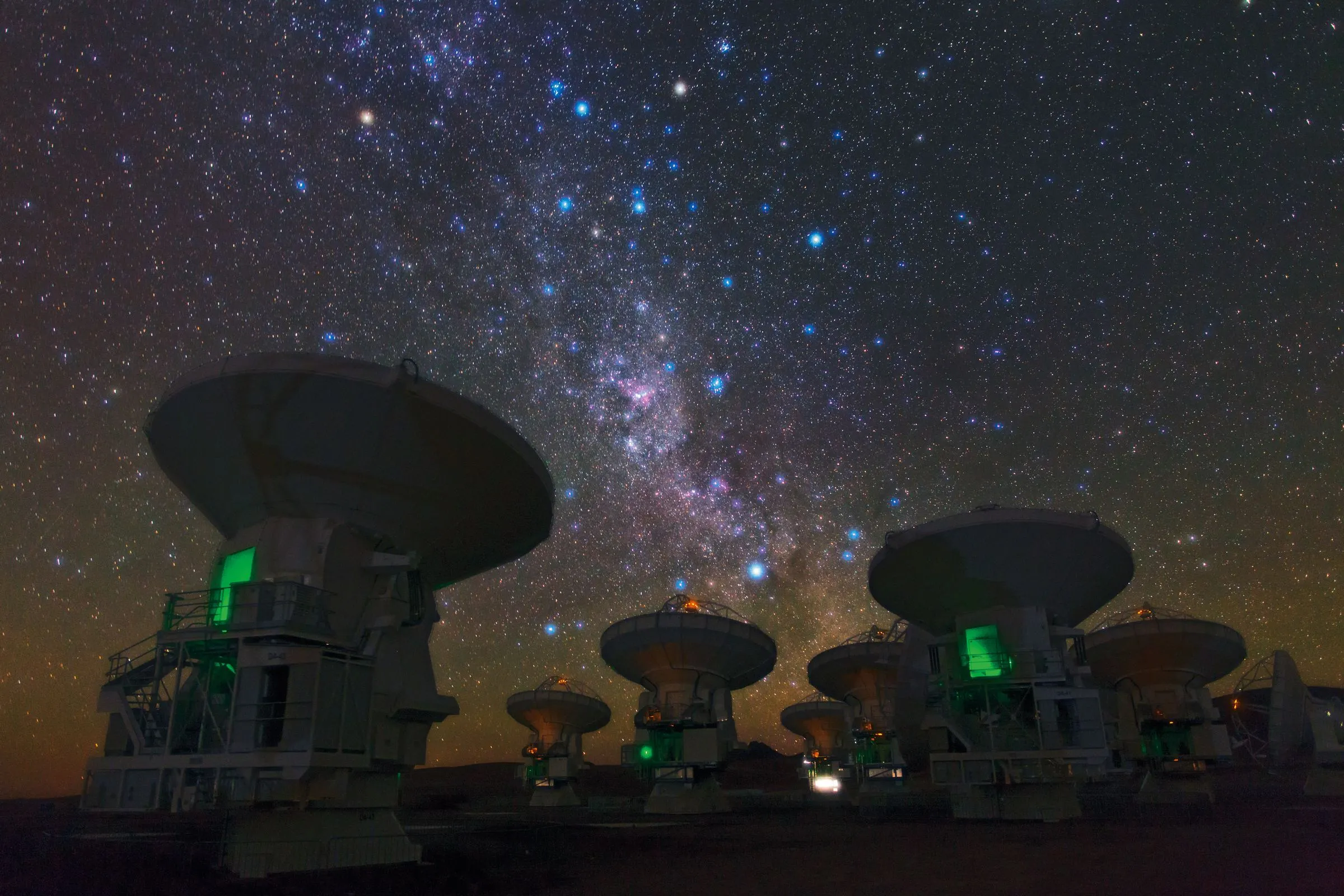
The sky is the oldest book there is. ភាពពុលពន្លឺកំពុងបិទវា ។
មើល
Look at the sky from a city and you might see a few dozen stars. From a truly dark place, far from any town, you can see thousands, and the Milky Way stretches across the sky like a cloud.
The difference is light pollution: artificial light that escapes upwards and makes the sky glow. That glow washes out the faint stars.
អូសគ្រាប់រំកិលក្នុងឧបករណ៍ពី 1 (តំបន់បណ្ដាញងងឹតពិតប្រាកដ) ទៅ 9 (ទីក្រុងខាងក្នុង) ។ The stars are real: they come from a catalogue of the 9,000 or so brightest stars in the sky. Watch how many disappear.
This is not only about stargazing. Night-time light also affects animals that navigate or hunt in the dark, and it wastes energy by lighting the sky instead of the ground. នេះតភ្ជាប់ទៅកាន់របស់យើង គំនិតផ្តួចផ្តើមក្រហម និង គំនិតផ្តួចផ្តើមពន្លឺ របស់ វា សម្រាប់ ការ រក្សា ទុក មេឃ យប់ ។
យល់
អ្នកវិទ្យាសាស្ត្រតាមដានពន្លឺដោយ មាត្រដ្ឋាន. It is a backwards scale: bright stars have small numbers.
- Sirius, the brightest star at night, is about −1.5 ។
- The faintest stars most people can see from a dark site are about magnitude 6 to 7.
- In a city, the limit may be magnitude 4 or brighter.
Bortle scale ដែលបានបោះពុម្ពផ្សាយដោយអ្នកវិទ្យាសាស្ត្រអាជីព John Bortle ក្នុង 2001 រៀបចំផ្ទៃមេឃទៅជាថ្នាក់ចំនួនប្រាំមួយ ។ Each class comes with a typical faintest visible magnitude:
| ថ្នាក់ Bortle | សេចក្ដីពិពណ៌នា | ផ្កាយងងឹតបំផុត |
|---|---|---|
| 1 | តំបន់បណ្ដាញងងឹតល្អ | 7.6 ទៅ 8.0 |
| 3 | ផ្ទៃមេឃនៅតាមជនបទ | 6.6ទៅ 7.0 |
| 5 | ផ្ទៃមេឃនៅតាមតំបន់ជនបទ | 5.6 ទៅ 6.0 |
| 7 | ការផ្លាស់ប្ដូរទីក្រុង/តំបន់ជនបទ | 4.6 ទៅ 5.0 |
| 9 | ផ្ទៃមេឃក្នុងទីក្រុង | 4.0ល្អបំផុត |
Because there are many more faint stars than bright ones, each magnitude you lose hides a lot of them. In the Yale catalogue, about 5,000 stars are brighter than magnitude 6, but only about 500 are brighter than magnitude 4.
2016 ពិភពលោកអាត្លង់តាបានរកឃើញថាជាង 80% នៃមនុស្សនិងជាង 99% នៃប្រជាជននៅសហរដ្ឋអាមេរិកនិងអឺរ៉ុបរស់នៅក្រោមមេឃដែលបំពុលដោយពន្លឺ។
មេ
Magnitude is logarithmic. សម្រាប់ផ្កាយពីរដែលមានលំហូរ F₁ និង F₂ ៖
m₁ − m₂ = −2.5 · log₁₀(F₁ / F₂)
ភាពខុសគ្នានៃ 5 បរិមាណគឺជាក់លាក់មួយកត្តានៃ 100 នៅក្នុងការហូរដូច្នេះបរិមាណមួយគឺជាកត្តានៃ 100 ^ (1 / 5) ≈ 2.512 ។
Why do star counts rise so steeply? If stars were spread uniformly through space, all with the same luminosity, the number brighter than magnitude m would grow as 10^(0.6 m): about four times more stars for each fainter magnitude. The real Galaxy is not uniform, so the observed growth is smaller, around three times per magnitude near the naked-eye limit. You can check it with the catalogue counts in the tool’s data table.
Sky glow adds a background of its own brightness. A star is visible only if it stands out enough against that background, so a brighter sky raises the limiting magnitude. The Bortle limits are rough observer-based ranges, not a physical law, and your own result depends on your eyes, dark adaptation and the weather.
អ្វីដែលធ្វើការប្រឆាំងនឹងការបំពុលពន្លឺ, នេះបើយោងតាមគោលការណ៍ពន្លឺរបស់ DarkSky International: ពន្លឺតែអ្វីដែលត្រូវការពន្លឺ, តែនៅពេលវាត្រូវការវា, មិនភ្លឺជាងចាំបាច់, ចង្អុលទៅក្រោមជាមួយកញ្ចក់ពេញលេញនិងពណ៌ក្តៅ (ពន្លឺខៀវតិច, ដែលបំបែកច្រើននៅក្នុងបរិយាកាស) ។
សាកល្បងវា
Find your own home on the Bortle scale: go outside on a clear moonless night, let your eyes adapt for 20 minutes, and count how many stars you can see inside the rectangle of Orion (or the Southern Cross).Set the slider to match what you saw.
អស្ចារ្យ. ការប្រឈមមុខគឺជាកន្លែងដែលការរៀនត្រូវបានចង ។
សំណួររហ័ស
3 quick questions.Pick an answer to see if you are right.
-
On the magnitude scale, which star is brighter?
- A ផ្កាយមានម៉ាស់ 1
- B ផ្កាយមានម៉ាស់ 6
- C ពួកវាមើលទៅដូចគ្នា
- D វាអាស្រ័យលើពណ៌
បង្ហាញចម្លើយ
A. ផ្កាយមានម៉ាស់ 1 Smaller magnitudes are brighter.Each step of 5 magnitudes is a factor of 100 in brightness.
-
ក្នុងទីក្រុងធំ (Bortle ថ្នាក់ 8 ឬ 9), តើមានផ្កាយប៉ុន្មានដែលអ្នកអាចមើលឃើញក្នុងផ្ទៃមេឃទាំងមូល?
- A ច្រើនជាងមួយរយ
- B ប្រហែល 5,000
- C ប្រហែល 10,000
- D លាន
បង្ហាញចម្លើយ
A. ច្រើនជាងមួយរយ
-
Which of these helps reduce light pollution?
- A ពន្លឺភ្លឺជាង
- B ពន្លឺដែលចង្អុលឡើង
- C ភ្លើងដែលបានការពារដែលចង្អុលចុះក្រោម ពណ៌ក្តៅ និងកម្មវិធីកំណត់ពេល
- D ការបំភ្លឺពណ៌ខៀវ- ស
បង្ហាញចម្លើយ
C. ភ្លើងដែលបានការពារដែលចង្អុលចុះក្រោម ពណ៌ក្តៅ និងកម្មវិធីកំណត់ពេល
បន្ទាត់បញ្ចប់
- បានលេងជាមួយអន្តរកម្ម
- អានមេរៀន
- បានធ្វើការប្រកួត
- បានធ្វើការសាកល្បង
Mark the lesson complete to save it to your progress on this device.
Lesson complete.ល្អណាស់!
That was the last lesson in this path.See everything you have learned. វឌ្ឍនភាពរបស់អ្នក
ពាក្យក្នុងមេរៀននេះ
ប្រភព
- J. E. Bortle, 'Introducing the Bortle Dark-Sky Scale', Sky & Telescope, February 2001
- Yale Bright Star Catalogue, 5th revised ed. (Hoffleit & Warren 1991), CDS catalogue V/50
- F. Falchi et al., 'The new world atlas of artificial night sky brightness', Science Advances 2 (2016)
- DarkSky International: lighting principles
មេរៀននេះមានអាជ្ញាបណ្ណ CC BY-SA 4.0.