
ეს გაკვეთილი დაწერა Local Solar System Foundation- ის გუნდის წევრმა და მას შეუძლია გააუმჯობესოს კვალიფიციურმა რედაქტორმა. Are you qualified in this subject? რედაქტირების შეთავაზება
Night Sky and Light Pollution
სრული გვერდის გახსნაWhat is this? ქუჩის განათებები, შენობები და ნიშნები ღამის ცას ნათელს ხდის და ეს ნათება უფრო მკრთალი ვარსკვლავების შეფარებას ახდენს. ეს ინსტრუმენტი აჩვენებს ვარსკვლავების კატალოგიდან რეალურ ვარსკვლავებს და რამდენი მათგანი იკარგება როცა ცაზე სინათლე იზრდება, ნამდვილად მუქ ადგილიდან ქალაქის ცენტრში.
How to use it: აირჩიეთ თქვენი ცის ყველაზე ახლოს მდგომი აღწერა ან გადაადგილეთ სინათლის დაბინძურების სლაიდერი. გადაადგილეთ ცის ხედი გარშემო შესასწავლად.
How dark is your sky?
Pick the one that sounds like the sky where you live. Each picture shows the stars of Orion you could see at that level.
ვარსკვლავების პოზიციები და სიკაშკაშე Yale Bright Star Catalogue- დან. თქვენი ადგილმდებარეობა არასდროს ინახება.
Try this
- 1-ლი დონეზე დაწყება (ნამდვილად მძიმე ადგილი) და ნელა გადატანა 9-მდე.შენიშვნა: From about 9,000 stars across the whole sky, only about 400 are left in a city centre, and only half of the sky is above you at any time.
- აირჩიეთ ორიონი და შეადარეთ დონეები 4 და 8.შენიშვნა: The famous shape survives, but the faint stars that fill it in, and the Milky Way behind it, vanish.
- On the next clear night without a Moon, go outside away from direct lights and wait 20 minutes for your eyes to adjust.შენიშვნა: იპოვეთ სურათი, რომელიც შეესაბამება თქვენს ნახატს: ეს არის თქვენი Bortle- ის დონე. სურათები აჩვენებს Orion- ის რეგიონს; ნებისმიერი ნაცნობი ვარსკვლავების ჯგუფი მუშაობს.
The ideas behind it
What can anyone do?
Light pollution is the easiest pollution to fix: switch it off and it is gone. Point outdoor lights down and shield them, use warm-coloured bulbs, and turn off lights nobody needs.
წყაროები: ვარსკვლავების პოზიციები და სინათლე Yale Bright Star Catalogue- დან (5th revised edition). ცის დონეები და ყველაზე მკრთალი ვარსკვლავები J. E. Bortle, "Introducing the Bortle Dark- Sky Scale", Sky & Telescope, February 2001. განათების რჩევა: DarkSky International. თქვენი ადგილმდებარეობა არასდროს იკითხება ან ინახება.
Artificial light that shines where it is not needed, especially up into the sky. It makes the whole night sky glow and hides the stars.
ლექსიკონი →ღამის ცის სიბნელის მაჩვენებელი 1- დან 9- მდე, რომელიც გამოქვეყნდა ასტრონომი ამატი ჯონ ე. ბორტლის მიერ 2001 წელს. დონე 1 - ეს დედამიწაზე ყველაზე მუქია; დონე 9 - ქალაქის ცენტრი.
ლექსიკონი →ასტრონომები სინათლის სიმკვრივის დასადგენად ამ სკალას იყენებენ. უფრო დიდი ციფრები უფრო მკრთალს ნიშნავს: ყველაზე მკრთალი ვარსკვლავები 0 ან 1 მაგნიტუდის ფარგლებშია, ხოლო ყველაზე მკრთალები, რომლებიც შესაძლებელია ნახოთ ნამდვილად ბნელ ადგილზე, არიან 7- დან 8 მაგნიტუდამდე.
ლექსიკონი →Your eyes slowly become more sensitive in the dark. It takes 20 to 30 minutes, and one look at a bright screen or torch undoes much of it.
მონაცემთა ცხრილი (ტექსტი ალტერნატივა)
| კლასი | ხილული ვარსკვლავები | ხილული ვარსკვლავები (მთელი ცისარტყელა, მკაფიო ღამე) |
|---|---|---|
| 1 | 7.8 | 9093+ |
| 2 | 7.3 | 9082+ |
| 3 | 6.8 | 9002+ |
| 4 | 6.3 | 7008 |
| 5 | 5.8 | 4103 |
| 6 | 5.3 | 2319 |
| 7 | 4.8 | 1267 |
| 8 | 4.3 | 718 |
| 9 | 3.8 | 409 |
For all of human history people looked up and saw the galaxy we live in. Today one person in three on Earth can no longer see the Milky Way from home. This lesson teaches you to read the sky, and to understand what we are losing.
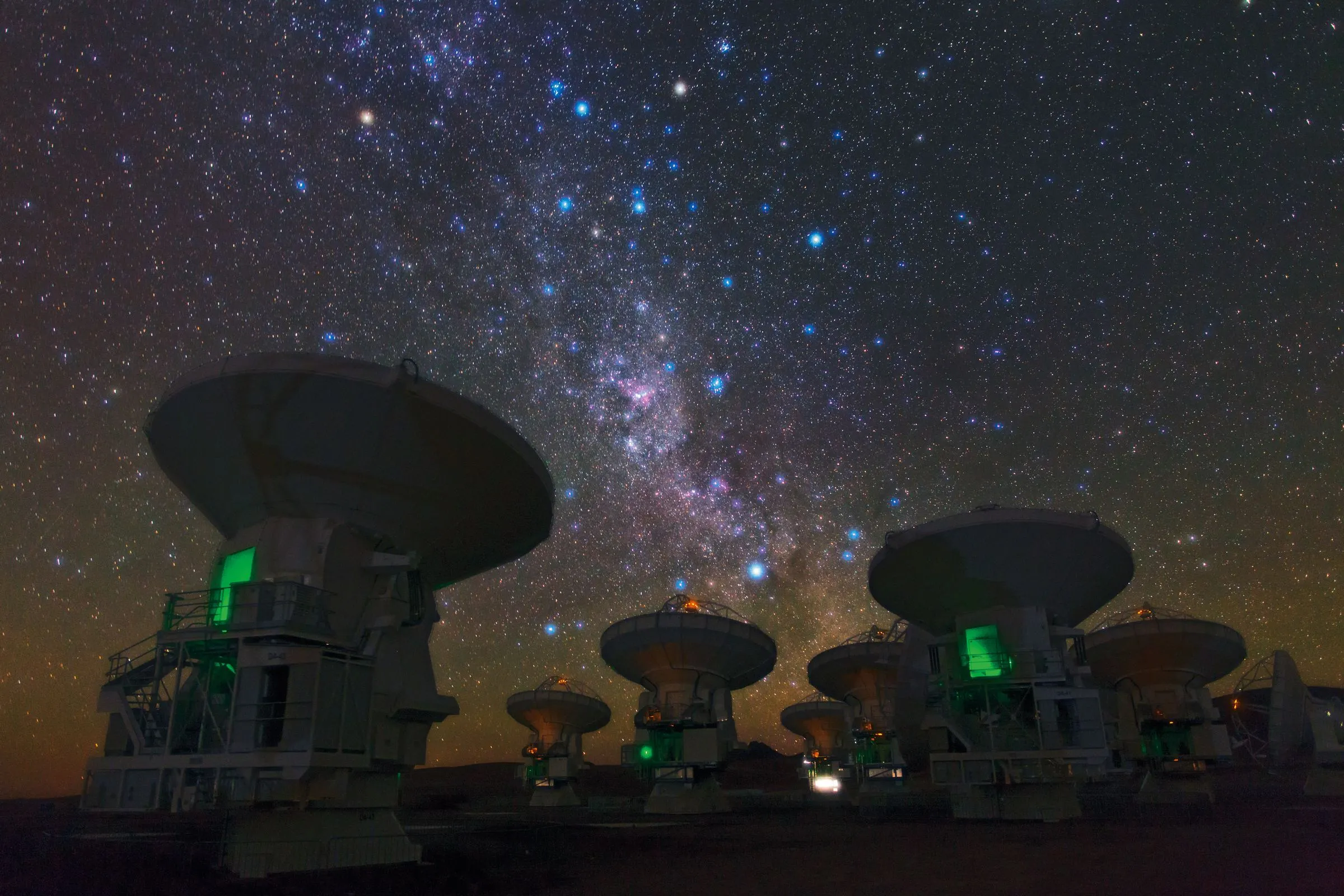
The sky is the oldest book there is. Light pollution is closing it.
Look
Look at the sky from a city and you might see a few dozen stars. From a truly dark place, far from any town, you can see thousands, and the Milky Way stretches across the sky like a cloud.
განსხვავებაა ნათების დაბინძურება: ხელოვნური სინათლე, რომელიც ზემოთ მიდის და ატმოსფეროს ნათებას იწვევს. That glow washes out the faint stars.
Drag the slider in the tool from 1 (a truly dark site) to 9 (inner city). The stars are real: they come from a catalogue of the 9,000 or so brightest stars in the sky. Watch how many disappear.
This is not only about stargazing. Night-time light also affects animals that navigate or hunt in the dark, and it wastes energy by lighting the sky instead of the ground. This connects to our Red Initiative and its Light Initiative for night-sky preservation.
Understand
ასტრონომები სინათლის სიმკვრივეს ითვლიან პარამეტრები. It is a backwards scale: bright stars have small numbers.
- Sirius) — მზის სისტემის ყველაზე ნათელი ვარსკვლავი, მისი მაჩვენებელია −1.5.
- The faintest stars most people can see from a dark site are about magnitude 6 to 7.
- In a city, the limit may be magnitude 4 or brighter.
The Bortle scale, published by the amateur astronomer John Bortle in 2001, sorts skies into nine classes. ყველა კლასი მოდის ტიპიური ყველაზე მცირე ხილული სიმძლავრით:
| კლასი | აღწერა | ყველაზე მცირე ვარსკვლავები |
|---|---|---|
| 1 | Excellent dark site | 7.6-დან 8.0-მდე |
| 3 | სოფლის ცისარტყელა | 6.6-დან 7.0-მდე |
| 5 | Suburban sky | 5.6-დან 6.0-მდე |
| 7 | Suburban/urban transition | 4.6-დან 5.0-მდე |
| 9 | Inner-city sky | 4.0 საუკეთესო |
Because there are many more faint stars than bright ones, each magnitude you lose hides a lot of them. Yele-ს კატალოგში, დაახლოებით 5,000 ვარსკვლავები უფრო ნათელნი არიან ვიდრე 6, მაგრამ მხოლოდ დაახლოებით 500 ვარსკვლავები უფრო ნათელნი არიან ვიდრე 4.
A 2016 world atlas found that more than 80% of people, and more than 99% of people in the United States and Europe, live under light-polluted skies.
Master
Magnitude is logarithmic. For two stars with fluxes F₁ and F₂:
m₁ − m₂ = −2.5 · log₁₀(F₁ / F₂)
5-ის განსხვავება არის ზუსტად 100-ის ფაქტორი, ასე რომ ერთი მაგნიტუდა არის 100^(1/5) ≈ 2.512.
Why do star counts rise so steeply? If stars were spread uniformly through space, all with the same luminosity, the number brighter than magnitude m would grow as 10^(0.6 m): about four times more stars for each fainter magnitude. The real Galaxy is not uniform, so the observed growth is smaller, around three times per magnitude near the naked-eye limit. You can check it with the catalogue counts in the tool’s data table.
Sky glow adds a background of its own brightness. A star is visible only if it stands out enough against that background, so a brighter sky raises the limiting magnitude. The Bortle limits are rough observer-based ranges, not a physical law, and your own result depends on your eyes, dark adaptation and the weather.
What works against light pollution, according to DarkSky International’s lighting principles: light only what needs light, only when it needs it, no brighter than necessary, pointing downwards with full shielding, and in warm colours (less blue light, which scatters more in the atmosphere).
Try it
იპოვეთ საკუთარი სახლი ბორტლის სკალაზე: გადით გარეთ მთვარის გარეშე ღამეს, დატოვეთ თვალები 20 წუთით და გადარიცხეთ რამდენი ვარსკვლავი შეგიძლიათ ნახოთ ორიონის (ან სამხრეთის კვერთხის) მართკუთხედში. დააყენეთ მცველი იმისთვის რომ შეესაბამებოდეს თქვენს მიერ ნანახს.
Great. Challenges are where the learning sticks.
Quick quiz
3 სწრაფი კითხვები. აირჩიეთ პასუხი, რომ ნახოთ მართალი ხართ თუ არა.
-
On the magnitude scale, which star is brighter?
- A A star of magnitude 1
- B A star of magnitude 6
- C They look the same
- D It depends on the colour
პასუხის ჩვენება
A. A star of magnitude 1 მცირე ზომის ვარსკვლავები უფრო ნათელნი არიან. ყოველი 5- ის ზომის ნაბიჯი 100- ით ზრდის სინათლეს.
-
In a big city (Bortle class 8 or 9), roughly how many stars can you see in the whole sky?
- A Several hundred at most
- B About 5,000
- C About 10,000
- D მილიონი
პასუხის ჩვენება
A. Several hundred at most
-
Which of these helps reduce light pollution?
- A Brighter bulbs
- B Lights that point upwards
- C Shielded lights that point down, warm colours and timers
- D ლურჯ- წითელი განათება
პასუხის ჩვენება
C. Shielded lights that point down, warm colours and timers
ბოლო ხაზი
- Played with the interactive
- Read the lesson
- Did the challenge
- Took the quiz
გაკვეთილის დასრულების შენიშვნა, რომ ის ამ მოწყობილობაზე თქვენი პროგრესის ჩანაწერში შეინახოთ.
Lesson complete. Well done!
That was the last lesson in this path. See everything you have learned. თქვენი პროგრესი
ამ გაკვეთილის სიტყვები
წყაროები
- J. E. Bortle, 'Introducing the Bortle Dark-Sky Scale', Sky & Telescope, February 2001
- Yale Bright Star Catalogue, 5th revised ed. (Hoffleit & Warren 1991), CDS catalogue V/50
- F. Falchi et al., 'The new world atlas of artificial night sky brightness', Science Advances 2 (2016)
- DarkSky International: lighting principles
ეს გაკვეთილი ლიცენზირებულია CC BY-SA 4.0.