
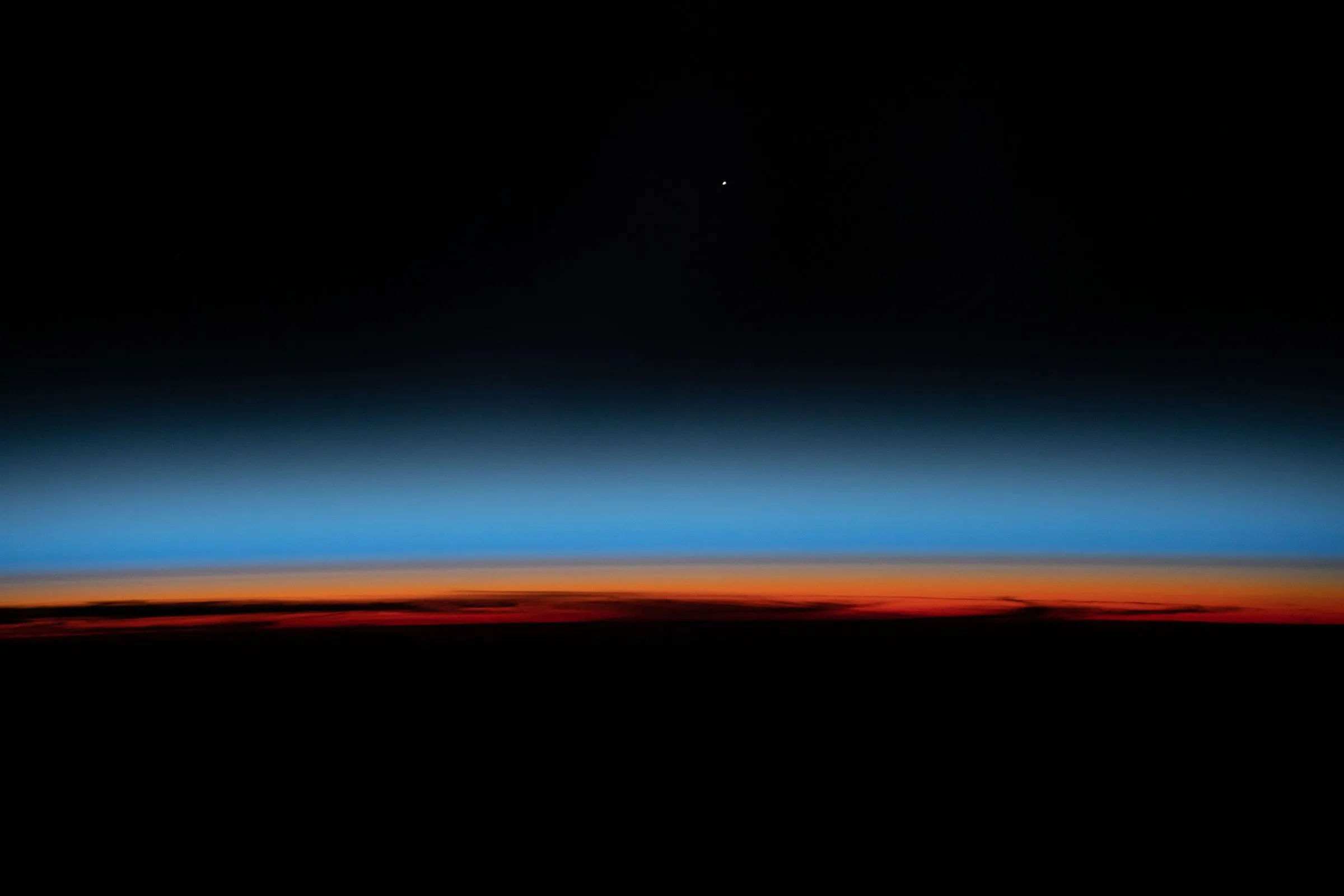
ku A Local Solar System Itsinda Umunyamuryango na ku A. in iyi Ikintu?
Na
Gufungura Ipaji yuzuyeni? The Moon makes no light of its own. The Sun always lights one half of it, and as the Moon travels round Earth, about once every 29.5 days, we see more or less of that lit half. Those changing shapes are the phases.
Gukoresha: i "Kuva: UYUMUNSI" Igishushanyo, Cyangwa Kanda. Gikomeye Reba Hasi ku na i Kuva: hejuru; i Gitoya Ishusho i Nka Kuva:.
Ukwezi
Ukwezi: Gishya Ukwezi:
Kuva: hejuru
Kuva:
Kuva: i i ni Hasi Na: i Reba, i ni.
iyi
- & Kugeza i hagati na i.Icyegeranyo: ni Gishya. Bivuye, Twebwe; i ni in i, in i.
- Bigyanye 15 iminsi, Kuri Byuzuye.Icyegeranyo: ni hagati i na i na Twebwe i. A Cyuzuye Nka i na ni Hejuru Byose Umunsi.
- na i & Ubutumwa i Imibare Ku Gishya na Cyuzuye.Icyegeranyo: ni Oya: i Inzira: ni ku 5 °, hejuru Cyangwa munsi i Igicucu. in "Ikimenyetso", Bigyanye buri Ukwezi:.
- "I in i".Icyegeranyo: Ishusho Hasi. Cyangwa i ni ku i Ibumoso:, OYA i Iburyo:.
Ibitekerezo
Twebwe?
A ku A in A na: Kuva: Byose Bya i, Kuva: Ikindi A. ni i, i ni i na ku in i Hagati. Icyo ari cyo cyose Kuri Na: Igicucu; A.
Sources: Moon phase from J. Meeus, Astronomical Algorithms (2nd edition, 1998), chapters 47 to 48; eclipse screening from chapter 54. Next new and full Moon dates are computed from the same formulas and are accurate to within about half a day.
How much of the Moon's sunlit half we can see from Earth. It changes from nothing (new Moon) to all of it (full Moon) and back in about 29.5 days.
: A Birenzeho ni, Kuva: Gishya Kuri Cyuzuye. Kuva: Cyuzuye Inyuma Kuri Gishya.
A ni Gitoya Nka, A. A ni Birenzeho Nka OYA Cyuzuye.
How much of the Moon's face, as we see it from Earth, is lit by the Sun. 50% is a half Moon; 100% is a full Moon.
The number of days since the last new Moon. A full cycle of phases takes about 29.5 days.
in i Inkoranyamagambo →Rimwe Ikimenyetso. A i i; in A i Gihinguranya Igicucu na Gicurasi Cyangwa Umutuku.
in i Inkoranyamagambo →Bya i Kabiri Utudomo i Inzira: i Ubwato Bya Inzira: i. Ryari: A Gishya Cyangwa Cyuzuye A Node.
in i Inkoranyamagambo →Ibyatanzwe imbonerahamwe# Umwandiko Igisubizo
| Itariki | Icyiciro | Igaragazambere: |
|---|---|---|
| 9 Ukw. | Ukwezi | 0,994 % |
| 10 Ukw. | Ukwezi | 0,00382 % |
| 11 Ukw. | Ukwezi | 1,21 % |
| 12 Ukw. | Ikizamuko | 4,43 % |
| 13 Ukw. | Ikizamuko | 9,41 % |
| 14 Ukw. | Ikizamuko | 15,9 % |
| 15 Ukw. | Ikizamuko | 23,5 % |
| 16 Ukw. | Itangira | 32 % |
| 17 Ukw. | Itangira | 41 % |
| 18 Ukw. | Itangira | 50,5 % |
| 19 Ukw. | Itangira | 60 % |
| 20 Ukw. | Gihinguranya | 69,3 % |
| 21 Ukw. | Gihinguranya | 78,1 % |
| 22 Ukw. | Gihinguranya | 86 % |
| 23 Ukw. | Gihinguranya | 92,5 % |
| 24 Ukw. | Ukwezi | 97,2 % |
| 25 Ukw. | Ukwezi | 99,7 % |
| 26 Ukw. | Ukwezi | 99,6 % |
| 27 Ukw. | Ukwezi | 96,8 % |
| 28 Ukw. | Gisenyi | 91,3 % |
| 29 Ukw. | Gisenyi | 83,5 % |
| 30 Ukw. | Gisenyi | 73,9 % |
| 31 Ukw. | Iheruka | 63,1 % |
| 1 Ugu. | Iheruka | 51,8 % |
| 2 Ugu. | Iheruka | 40,6 % |
| 3 Ugu. | Ikizamuko | 30 % |
| 4 Ugu. | Ikizamuko | 20,7 % |
| 5 Ugu. | Ikizamuko | 12,8 % |
| 6 Ugu. | Ikizamuko | 6,69 % |
| 7 Ugu. | Ukwezi | 2,51 % |
Oya Ishusho. Bya ni Buri gihe ku i; Amahinduka ni Bya. , Guhagarara na Tangira & vendorShortName;.
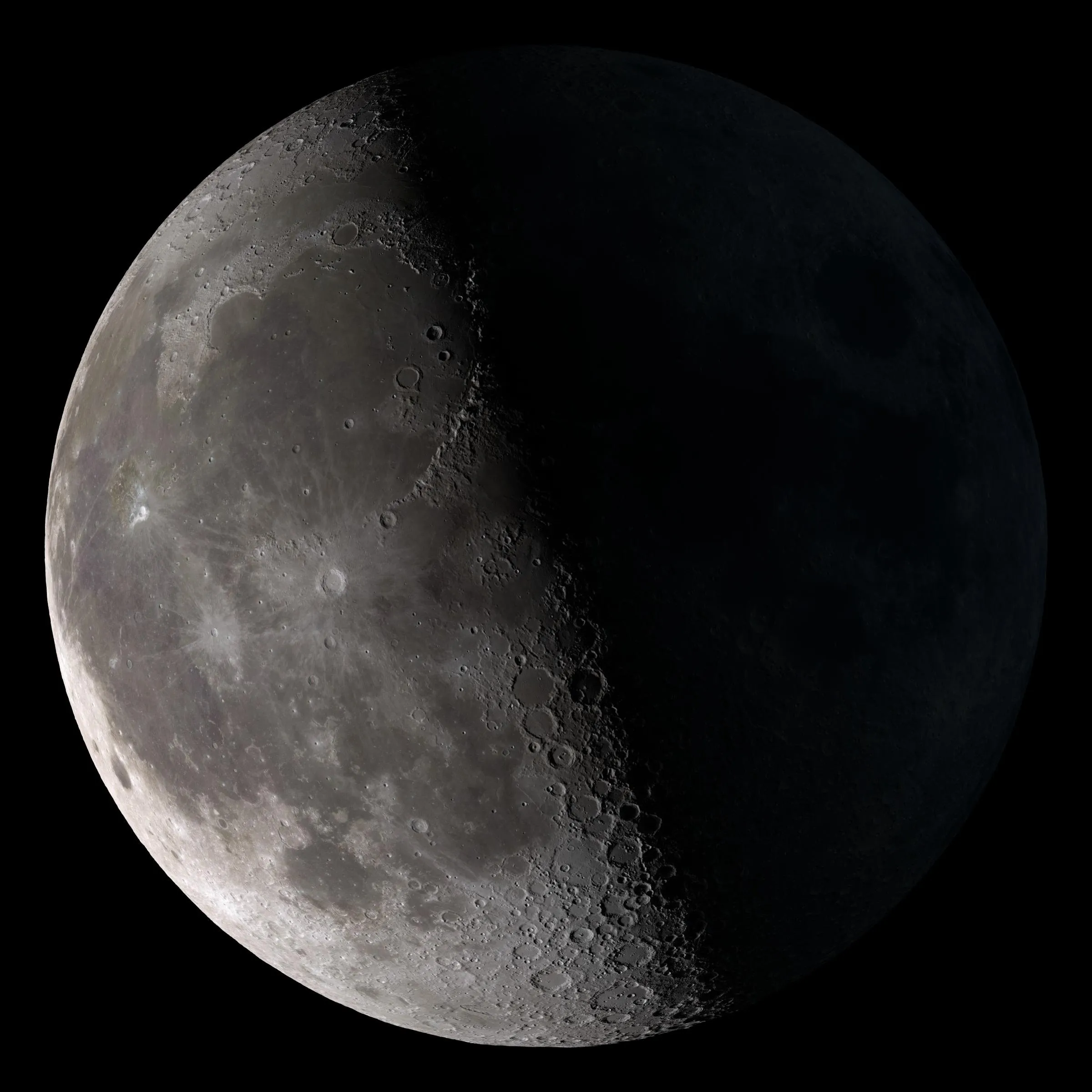
Bya i ni Buri gihe in. ni Ubwoko Bya Reba.
Kureba
OYA Ukwezi: Icyatsi ku. Icyo ari cyo cyose, Rimwe Bya i ni ku i na i Ikindi ni Ikigina, Nka & Umunsi na.
i, Twebwe Bya:
- Ukwezi: i ni hagati na i. Bivuye, Twebwe.
- Itangira: Twebwe Bya i.
- Ukwezi: ni hagati i na i. i.
- Iheruka:, i Ikindi.
i, i Ibumoso: Ishusho Hasi ku na i Kuva: hejuru, Na: i Bidakora Kuri i Ibumoso:. Iburyo: Ishusho Kuva:. i na Guhindura…
i, na Umurongo: Hejuru:
- A Izuba Ryari: i Igicucu ku Ku Gishya.
- A Izuba Ryari: Igicucu ku i Ku Byuzuye.
Gusobanukirwa
The Moon goes once around Earth, measured against the stars, in 27.3 days (the sidereal month). But the phases repeat every 29.5 days (the synodic month). i Itandukaniro? While the Moon goes around Earth, Earth moves about 1/12 of the way around the Sun. Birenzeho iminsi Kuri Hejuru Na: i Gishya Iy’ ibusamo.
Bya i ku i Imfuruka hagati i na i Nka Kuva:, i Ihindurangano:
| Ihindurangano | Icyiciro | Icyiciro |
|---|---|---|
| 0° | Ukwezi | 0% |
| 90° | Itangira | 50% |
| 180° | Ukwezi | 100% |
| 270° | Iheruka | 50% |
i in i Ubwato Nka i, Twebwe Kubona A Gishya na A Cyuzuye. But the Moon’s orbit is tilted by about 5.1 degrees. i A hejuru Cyangwa munsi i - Umurongo:, na.
Kabiri Utudomo i Ubwato bw’ indege Utudomo. Ryari: A Gishya Cyangwa Cyuzuye Kuri A Idosiye. in Kabiri “Igihe cy’ izuba” Umwaka, Bigyanye ukwezi:.
Umunyeshuri
k Kuva: i Imfuruka i (i - - Imfuruka):
k = (1. i) / 2
Because the Sun is about 390 times farther away than the Moon, i ≈ 180° − elongation. i Na: Urutonde (,. 48.4), which corrects the mean elongation for the main periodic terms of the Moon’s and the Sun’s orbits. Gishya na Cyuzuye Kuri Mo Imbere A ISAHA Bya i, ya:.
The synodic month follows from the two angular speeds: 1/P_syn = 1/P_sid − 1/P_year = 1/27.3217 − 1/365.256, giving 29.531 days.
ni ku i Bya Ubugari: , Imfuruka Kuva: i. Meeus gives a quick screening rule: at a new or full Moon, if |sin F| > 0.36 (F more than about 21° from a node), there is no eclipse. iyi Igerageza. ni A, OYA A Bya i Ubwoko Cyangwa ni Kigaragara: i Intera, Igicucu Imiterere na Birenzeho Imyanya.
OYA Byuzuye. They drift backwards around the ecliptic once every 18.6 years, which is why eclipse seasons arrive about 19 days earlier each year, and part of why eclipses repeat in the famous 18-year saros cycle.
Gushaka
i Kuri Gushaka i Ibikurikira > Cyuzuye. ni hafi Kuri A (ni)? Gushaka A Gishya. A Amakuru Cyangwa Ipaji: Kuri ni ku Itariki:.
. i.
Igisubizo
3 Muhugura Ibibazo. Kuri NIBA ni i Iburyo:.
-
i Bya i?
- A Igicucu ku i
- B Bya i Ukwezi: Bivuye
- C ku i
- D Ihindurangero Uburebure Bivuye
i
B. Bya i Ukwezi: Bivuye Igicucu i A. Bigyanye Imfuruka.
-
ni OYA A Ku Gishya?
- A ni Gitoya
- B ni 5 Dogere, hejuru Cyangwa munsi i
- C Byihuta
- D in
i
B. ni 5 Dogere, hejuru Cyangwa munsi i
-
ni Kuva: Rimwe Byuzuye Kuri i Ibikurikira >?
- A 27.3 days
- B 29.5 days
- C 30 days exactly
- D 365 days
i
B. 29.5 days 27.3 days is one orbit against the stars; the phases repeat after 29.5 days because Earth has moved around the Sun meanwhile.
in iyi
Inkomoko
- J. Meeus, Astronomical Algorithms, 2nd ed., Willmann-Bell (1998), ISBN 0-943396-61-1, chapters 47, 48 and 54
- NASA NSSDCA Moon Fact Sheet
- NASA Eclipse Web Site (F. Espenak)
- U.S. Naval Observatory: Phases of the Moon
ni CC BY-SA 4.0.