
This lesson was drafted by a Local Solar System Foundation team member and could be improved by a qualified reviewer. Are you qualified in this subject?ផ្ដល់យោបល់កែសម្រួល
កម្មវិធីរុករករដូវ
បើកទំព័រពេញWhat is this? ហេតុអ្វីបានជារដូវក្តៅត្រជាក់ និងរដូវរងារត្រជាក់?Earth's spin axis is tilted, so through the year each place sees the Sun higher or lower in the sky, and for more or fewer hours.This tool shows that for any place and any date.
របៀបប្រើវា: Choose your city under "Your place" (or drag the latitude), then drag the date or press a solstice button.Drag the 3D Earth to turn it.
កន្លែងរបស់អ្នក: London
See how the Sun behaves where you live, on the date you picked above.
Your browser will ask you first.Your position is used only on this page, to do the sums.It is never stored or sent anywhere.
- ថ្ងៃរះ
- ថ្ងៃលិច
- ពន្លឺថ្ងៃ
- ថ្ងៃខ្ពស់បំផុតនៅ
- មុំខ្ពស់បំផុតរបស់ព្រះអាទិត្យ
បញ្ជីទីក្រុង: GeoNames (geonames.org), CC BY 4.0 ។ថ្ងៃរះ, លិច និងទីតាំងព្រះអាទិត្យ: រូបមន្តនៃ NOAA ការត្រួតពិនិត្យសកលវិទ្យាស្ថានគណនាថាមពលព្រះអាទិត្យ, ពី J.Meeus, Astronomical Algorithms.Sunrise and sunset are when the top edge of the Sun touches a flat horizon, allowing for the way air bends light, so they give slightly longer days than the geometric figure above.Time zones come from your own browser.
Day length here is geometric (the centre of the Sun on a flat horizon).Air bends sunlight, so real days are a few minutes longer.
ព្យាយាមក្នុងនេះ
- Pick your own city, then press "June solstice" and "December solstice".Notice: How much longer is your longest day than your shortest?The farther you live from the equator, the bigger the gap.
- Choose Quito, on the equator, and press Play.Notice: ថ្ងៃនៅតែជិត 12 ម៉ោងពេញមួយឆ្នាំនិងពាក់កណ្តាលអាទិត្យគឺខ្ពស់ជានិច្ច. នៅក្បែរតំបន់ត្រូពិករដូវគឺអំពីភ្លៀង, មិនពន្លឺថ្ងៃ.
- Choose Reykjavík and press "June solstice".Notice: ព្រះអាទិត្យបានគ្របដណ្តប់តែបន្ទាប់ពីពាក់កណ្តាលយប់និងកើនឡើងម្តងទៀតមុនពេល3ព្រឹក, ហើយវាមិនដែលទទួលបានងងឹតពេញលេញ. ខាងជើងនៃរង្វង់អាត្លង់ទិក (66.6 ° N) វាមិនបានកំណត់នៅឡើយទេ.
- Drag the axial tilt to 0°, then to 90°.Notice: គ្មានការបង្វិល, រាល់ថ្ងៃគឺ 12 ម៉ោងវែងនៅគ្រប់ទីកន្លែងនិងរដូវកាលបាត់. ជាមួយនឹងការបង្វិលធំមួយ, ដូច Uranus, ដែលត្រូវបាន tipped នៅខាងរបស់ខ្លួន, រដូវកាលក្លាយជាខ្លាំង.
How far north or south of the equator a place is, from 0° at the equator to 90° at the North or South Pole.ទីក្រុងឡុងដ៍គឺនៅប្រហែល 51.5 ° N;ស៊ីដនីគឺនៅប្រហែល 33.9 ° S.
How far Earth's spin axis leans compared with its path round the Sun: about 23.4°.The tilt, not our distance from the Sun, is what causes the seasons.
ច្រើនទៀតក្នុងសទ្ទានុក្រម →The latitude where the Sun is straight overhead at noon on a given day.វា swings ពី 23.4 ° N នៅខែមិថុនាទៅ 23.4 ° S ក្នុងខែធ្នូនិងត្រឡប់មកវិញ.
ច្រើនទៀតក្នុងសទ្ទានុក្រម →ពីរថ្ងៃក្នុងមួយឆ្នាំ, នៅជុំវិញ 21 ខែមិថុនានិង 21 ខែធ្នូ, នៅពេលដែលព្រះអាទិត្យបានឈានដល់ឆ្ងាយបំផុតរបស់ខ្លួនខាងជើងឬខាងត្បូង. ពួកគេនាំមកនូវថ្ងៃវែងនិងខ្លីបំផុត.
ច្រើនទៀតក្នុងសទ្ទានុក្រម →ពីរថ្ងៃក្នុងមួយឆ្នាំ, នៅជុំវិញ 20 ខែមីនានិង 22 ខែកញ្ញា, នៅពេលដែលព្រះអាទិត្យគឺនៅខាងលើក្បាលនៅតំបន់ត្រូពិកនិងថ្ងៃនិងយប់គឺស្មើគ្នានៅគ្រប់ទីកន្លែង.
ច្រើនទៀតក្នុងសទ្ទានុក្រម →The moment the Sun is highest in the sky on a given day.On the clock it is often not 12:00, because of time zones and summer time.
Near the poles the Sun can stay up for the whole 24 hours in summer (midnight sun) and stay below the horizon all day in winter (polar night).
តារាងទិន្នន័យ (ជំនួសអត្ថបទ)
| រយៈទទឹង | សម័យ | ថ្ងៃចន្ទ | ថ្ងៃចន្ទ |
|---|---|---|---|
| 0° ខាងជើង | 12 h | 12 h | 12 h |
| 23.44° ខាងជើង | 12 h | 13.4 h | 10.6 h |
| 40° ខាងជើង | 12 h | 14.8 h | 9.16 h |
| 51.5° ខាងជើង | 12 h | 16.4 h | 7.6 h |
| 60° ខាងជើង | 12 h | 18.5 h | 5.51 h |
| 66.56° ខាងជើង | 12 h | 24 h | 0 h |
| 80° ខាងជើង | 12 h | 24 h | 0 h |
Earth is closest to the Sun in early January, right in the middle of the northern winter. So distance cannot be what makes summer hot. មូលហេតុពិតប្រាកដគឺការពង្រីកនៃប្រហែល 23 ដឺក្រេ, ហើយវាផ្លាស់ប្តូរអ្វីគ្រប់យ៉ាង.
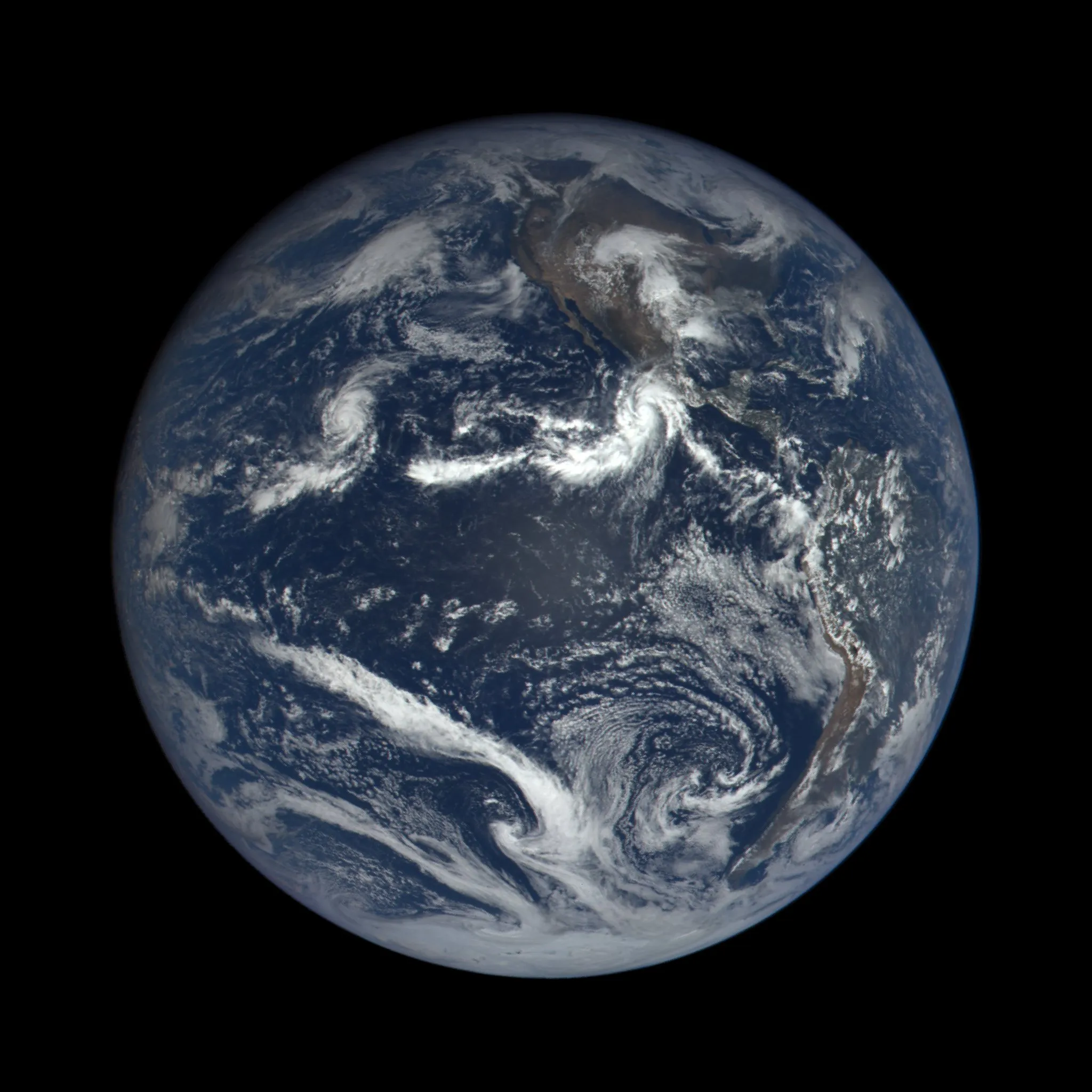
Seasons come from a tilt, not from distance.
មើល
Guess first: in which month is Earth closest to the Sun?
នៅដើមខែមករា ក្នុងពាក់កណ្តាលរដូវរងារខាងជើង So distance cannot be what makes summer.
Many people think summer happens when Earth is closer to the Sun. It is not true. ភពផែនដីនៅជិតព្រះអាទិត្យបំផុតនៅពេលដំបូង មករា, ដែលជារដូវរងានៅអឺរ៉ុបអាមេរិកខាងជើងនិងភាគច្រើននៃអាស៊ី.
ហេតុផលពិតប្រាកដ គឺថាភពផែនដីត្រូវបាន បង្វិល ។ អ័ក្សបង្វិលរបស់វាពឹងផ្អែកលើប្រហែល 23.4 ដឺក្រេ។ The axis keeps pointing the same way in space (towards the North Star) all year. So:
- In June, the northern half of Earth leans towards the Sun. Days are long, the Sun climbs high, and the north has summer. The south has winter.
- ក្នុង ខែ ធ្នូ វាជាការផ្សេងទៀតជុំ.
- In March and September, neither half leans towards the Sun. Day and night are about equal everywhere. នេះគឺ សមកាលកម្ម.
Try the Seasons Explorer above. Move the date and the latitude and watch two things change: how high the Sun gets at noon, and how many hours of daylight there are.
យល់
Two effects make summer warm:
- Height of the Sun. When the Sun is high, its light hits the ground more directly and each square metre gets more energy. When it is low, the same beam is spread over a bigger area.
- Length of the day. ច្រើនម៉ោងនៃពន្លឺព្រះអាទិត្យមានន័យថាពេលវេលាបន្ថែមទៀតដើម្បីធ្វើឱ្យត្រជាក់ឡើងនិងយប់តិចដើម្បីធ្វើអោយស្ងួត។
ទីតាំងព្រះអាទិត្យនៅខាងជើង ឬខាងត្បូងនៃតំបន់ត្រូពិកត្រូវបានហៅថារបស់វា ភាពមិនសមរម្យ. វាផ្លាស់ប្ដូររវាង +23.44° (ខែមិថុនា solstice) និង -23.44° (ខែធ្នូ solstice) ហើយឆ្លងកាត់0° នៅ equinoxes ។
At noon, the Sun’s height above the horizon is:
កម្ពស់ពេលល្ងាច = 90° − |រយៈទទឹង − ភាពប្រែប្រួល|
សម្រាប់ទីក្រុងឡុងដ៍ (51.5° N) នៅខែមិថុនា: 90 − |51.5 − 23.44| = 61.9° ។ ក្នុងខែធ្នូ: 90 − |51.5 + 23.44| = 15.1°។ នោះជាភាពខុសគ្នាដ៏ធំមួយក្នុងការដែលពន្លឺព្រះអាទិត្យធ្វើឲ្យដីឡើងកម្ដៅខ្លាំងប៉ុនណា។
Near the poles something stranger happens. North of the Arctic Circle (66.56° N) there is at least one day each year when the Sun never sets, and one when it never rises.
មេ
The length of daylight comes from the hour angle H₀ of sunset, where the Sun’s centre meets a flat horizon:
cos H₀ = −tan φ · tan δ, daylight = 2H₀ / 15 ម៉ោង
with latitude φ and declination δ, H₀ in degrees. បើ - tan φ · tan δ ≤ −1 ព្រះអាទិត្យមិនដែលកំណត់ឡើយប្រសិនបើវាជា ≥ 1 វាមិនដែលកើនឡើង។ At the equator (φ = 0) the formula gives 12 hours on every day of the year.
នេះជាថ្ងៃ * ធរណីមាត្រ * ។ Real daylight is longer by several minutes because the atmosphere bends light over the horizon (refraction, about 0.57°) and because sunrise is defined by the Sun’s top edge, not its centre (about 0.27°). តារាងថ្ងៃរះផ្លូវការប្រើ −0.833° ជំនួសឲ្យ 0° ។
ភាពប្រែប្រួលនេះមកពីរយៈទទឹងនៃព្រះអាទិត្យ λ និងភាពមិនស្មើគ្នារបស់ផែនដី ε: sin δ = sin ε · sin λ ។ ឧបករណ៍នេះប្រើ U.S. Naval Observatory’s approximate formula for λ, accurate to about 0.01° this century.
The distance effect is real but small. រវាង perihelion (147.1 លានគីឡូម៉ែត្រ) និង aphelion (152.1 លានគីឡូម៉ែត្រ) ពន្លឺព្រះអាទិត្យដែលឈានដល់ផែនដីផ្លាស់ប្តូរដោយ (152.1/147.1)² ≈ 1.069, ប្រហែល 7% ។ ផ្លាស់ប្តូរពន្លឺព្រះអាទិត្យនៅម៉ោងពាក់កណ្តាលថ្ងៃត្រង់ក្នុងមួយម៉ែត្រការ៉េនៅទីក្រុងឡុងដ៍ដោយកត្តានៃអំពើបាប 61.9 ° / អំពើបាប 15.1 ° ≈ 3.4, និងប្រវែងថ្ងៃដោយកត្តាច្រើនជាងពីរ.
សាកល្បងវា
Set the latitude to where you live.Find the date of your longest day.Then drag the axial tilt slider to 0 degrees: what happens to the seasons?Try 90 degrees too, like Uranus.
អស្ចារ្យ. ការប្រឈមមុខគឺជាកន្លែងដែលការរៀនត្រូវបានចង ។
សំណួររហ័ស
3 quick questions.Pick an answer to see if you are right.
-
What mainly causes Earth's seasons?
- A ផែនដីនៅជិតព្រះអាទិត្យជាងក្នុងរដូវក្តៅ
- B មុំអ័ក្សបង្វិលរបស់ផែនដី
- C ព្រះច័ន្ទ
- D ការផ្លាស់ប្ដូរពន្លឺព្រះអាទិត្យ
បង្ហាញចម្លើយ
B. មុំអ័ក្សបង្វិលរបស់ផែនដី Earth is actually closest to the Sun in early January, during northern winter.
-
On the June solstice, which place has 24 hours of daylight?
- A អេក្វាទ័រ
- B London
- C ប៉ូលខាងជើង
- D ប៉ូលខាងត្បូង
បង្ហាញចម្លើយ
C. ប៉ូលខាងជើង
-
At the equinoxes, how long is the day everywhere on Earth (ignoring air effects)?
- A 12 ម៉ោង
- B 24 ម៉ោង
- C វាអាស្រ័យលើរយៈទទឹង
- D 0 ម៉ោង
បង្ហាញចម្លើយ
A. 12 ម៉ោង
បន្ទាត់បញ្ចប់
- បានលេងជាមួយអន្តរកម្ម
- អានមេរៀន
- បានធ្វើការប្រកួត
- បានធ្វើការសាកល្បង
Mark the lesson complete to save it to your progress on this device.
Lesson complete.ល្អណាស់!
ឡើងលើបន្ទាប់ ដំណាក់កាលព្រះច័ន្ទ និងការលិចព្រះអាទិត្យពាក្យក្នុងមេរៀននេះ
ប្រភព
- U.S. Naval Observatory: Approximate Solar Coordinates
- NASA NSSDCA Planetary Fact Sheet (obliquity, perihelion, aphelion)
- JPL SSD: astrodynamic parameters (obliquity of the ecliptic at J2000)
- NASA Space Place: What causes the seasons?
មេរៀននេះមានអាជ្ញាបណ្ណ CC BY-SA 4.0.