
ეს გაკვეთილი დაწერა Local Solar System Foundation- ის გუნდის წევრმა და მას შეუძლია გააუმჯობესოს კვალიფიციურმა რედაქტორმა. Are you qualified in this subject? რედაქტირების შეთავაზება
Seasons Explorer
სრული გვერდის გახსნაWhat is this? რატომ არის ზაფხული ცხელი და ზამთარი ცივი? დედამიწის ბრუნვის ღერძი გადახრილია, ასე რომ წლის განმავლობაში ყოველ ადგილას მზე უფრო მაღალი ან დაბალია ცაში და მეტი ან ნაკლები საათით. ეს ინსტრუმენტი აჩვენებს ამას ნებისმიერ ადგილას და ნებისმიერ თარიღს.
How to use it: აირჩიეთ თქვენი ქალაქი "თქვენი ადგილმდებარეობის" ქვეშ (ან გადაახვიეთ რადიუსი), შემდეგ გადაახვიეთ თარიღი ან დააჭირეთ მზის ჩასვლას. გადაახვიეთ 3D დედამიწა მისი დასაბრუნებლად.
Your place: London
See how the Sun behaves where you live, on the date you picked above.
თქვენი ბრაუზერი პირველად დაგკითხავს. თქვენი პოზიცია გამოიყენება მხოლოდ ამ გვერდზე, თანხების შესატანად. ის არასდროს ინახება ან სადმე არ გაგზავნება.
- მზე ამოდის
- მზე ჩადის
- დღის სინათლე
- მზე ყველაზე მაღალია
- მზე
GeoNames.org (geonames.org), CC BY 4.0. ↑ ოფიციალური საიტი Sunrise, sunset and the Sun's position: formulas of the NOAA Global Monitoring Laboratory solar calculator, from J. Meeus, Astronomical Algorithms. Sunrise and sunset are when the top edge of the Sun touches a flat horizon, allowing for the way air bends light, so they give slightly longer days than the geometric figure above. Time zones come from your own browser.
დღის ხანგრძლივობა აქ გეომეტრიულია (მზის ცენტრი პლატფორმაზე). ჰაერი მზის სინათლეს აბრუნებს, ამიტომ რეალური დღეები რამდენიმე წუთით უფრო დიდია.
Try this
- Pick your own city, then press "June solstice" and "December solstice".შენიშვნა: How much longer is your longest day than your shortest? The farther you live from the equator, the bigger the gap.
- Choose Quito, on the equator, and press Play.შენიშვნა: The day stays close to 12 hours all year and the noon Sun is always high. Near the equator the seasons are about rain, not daylight.
- Choose Reykjavík and press "June solstice".შენიშვნა: The Sun sets just after midnight and rises again before 3 a.m., and it never gets fully dark. North of the Arctic Circle (66.6° N) it does not set at all.
- ღერძის დახრა 0°- ზე, შემდეგ კი 90°- მდე გადატანა.შენიშვნა: With no tilt, every day is 12 hours long everywhere and the seasons vanish. With a huge tilt, like Uranus, which is tipped on its side, the seasons become extreme.
How far north or south of the equator a place is, from 0° at the equator to 90° at the North or South Pole. ლონდონი არის დაახლოებით 51.5° N; Sydney is at about 33.9° S.
How far Earth's spin axis leans compared with its path round the Sun: about 23.4°. The tilt, not our distance from the Sun, is what causes the seasons.
ლექსიკონი →რუკ. It swings from 23.4° N in June to 23.4° S in December and back.
ლექსიკონი →The two days a year, around 21 June and 21 December, when the Sun reaches its farthest north or south. They bring the longest and shortest days.
ლექსიკონი →20 მარტი და 22 სექტემბერი, როდესაც მზეა ზემოთ ეკვატორზე და დღე და ღამე თითქმის ერთნაირი არიან ყველგან.
ლექსიკონი →მომენტში, როდესაც მზე ყველაზე მაღლაა არაბულ ცაზე. დროის ზონების და ლეიტის დროის გამო, საათზე ხშირად არ არის 12: 00.
Near the poles the Sun can stay up for the whole 24 hours in summer (midnight sun) and stay below the horizon all day in winter (polar night).
მონაცემთა ცხრილი (ტექსტი ალტერნატივა)
| Latitude | Equinox | ივნისის საღამო | დეკემბრის მთვარეობა |
|---|---|---|---|
| 0° ნ | 12 ჟმ | 12 ჟმ | 12 ჟმ |
| 23,44° ნ | 12 ჟმ | 13,4 ჟმ | 10,6 ჟმ |
| 40° ნ | 12 ჟმ | 14,8 ჟმ | 9,16 ჟმ |
| 51,5° ნ | 12 ჟმ | 16,4 ჟმ | 7,6 ჟმ |
| 60° ნ | 12 ჟმ | 18,5 ჟმ | 5,51 ჟმ |
| 66,56° ნ | 12 ჟმ | 24 ჟმ | 0 ჟმ |
| 80° ნ | 12 ჟმ | 24 ჟმ | 0 ჟმ |
Earth is closest to the Sun in early January, right in the middle of the northern winter. So distance cannot be what makes summer hot. The real reason is a tilt of about 23 degrees, and it changes everything.
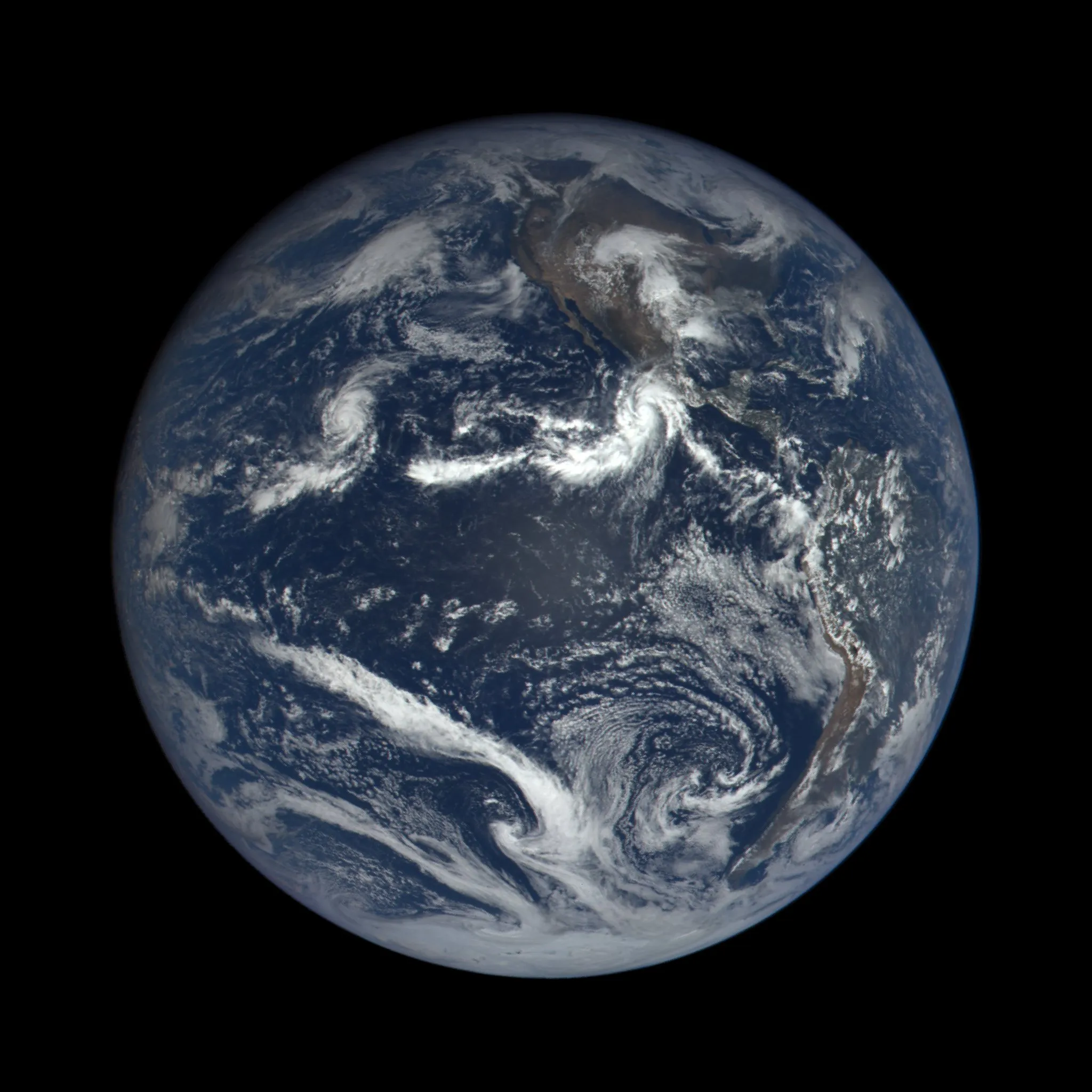
Seasons come from a tilt, not from distance.
Look
Guess first: in which month is Earth closest to the Sun?
In early January, in the middle of northern winter. So distance cannot be what makes summer.
Many people think summer happens when Earth is closer to the Sun. It is not true. Earth is closest to the Sun in early January, which is winter in Europe, North America and most of Asia.
ნამდვილი მიზეზი ისაა, რომ დედამიწა დახრილია. Its spin axis leans by about 23.4 degrees. The axis keeps pointing the same way in space (towards the North Star) all year. ჟლსქაი:
- In June, the northern half of Earth leans towards the Sun. Days are long, the Sun climbs high, and the north has summer. The south has winter.
- In December, it is the other way round.
- In March and September, neither half leans towards the Sun. Day and night are about equal everywhere. These are the equinoxes.
Try the Seasons Explorer above. Move the date and the latitude and watch two things change: how high the Sun gets at noon, and how many hours of daylight there are.
Understand
Two effects make summer warm:
- Height of the Sun. When the Sun is high, its light hits the ground more directly and each square metre gets more energy. When it is low, the same beam is spread over a bigger area.
- Length of the day. More hours of sunlight means more time to warm up and less night to cool down.
The Sun’s position north or south of the equator is called its declination. It swings between +23.44° (June solstice) and −23.44° (December solstice) and crosses 0° at the equinoxes.
At noon, the Sun’s height above the horizon is:
90° ჩრდილოეთი — გ.
For London (51.5° N) in June: 90 − |51.5 − 23.44| = 61.9°. In December: 90 − |51.5 + 23.44| = 15.1°. That is a huge difference in how strongly sunlight heats the ground.
Near the poles something stranger happens. 66,56° ჩრდილოეთ პოლუსური წრე — გრავიტაციული ხაზი დედამიწის ორბიტაზე, რომელიც მდებარეობს პოლუსის ჩრდილოეთით. იგი წარმოადგენს ზღვის დონის სიმაღლის ერთ-ერთ მაქსიმალურ წერტილს.
Master
დღის სინათლის ხანგრძლივობა მოდის საათობრივი კუთხიდან H₀ მზის ჩასვლისას, სადაც მზის ცენტრი შეხვდება პლასტიკური ჰორიზონტს:
cos H₀ = −tan φ · tan δ, დღის სინათლე = 2H₀ / 15 საათი
რუკები If −tan φ · tan δ ≤ −1 the Sun never sets; თუ ის ≥ 1 არის, იგი არასდროს აღარ იმატებს. At the equator (φ = 0) the formula gives 12 hours on every day of the year.
This is the geometric day. Real daylight is longer by several minutes because the atmosphere bends light over the horizon (refraction, about 0.57°) and because sunrise is defined by the Sun’s top edge, not its centre (about 0.27°). Official sunrise tables use −0.833° instead of 0°.
The declination itself comes from the Sun’s ecliptic longitude λ and Earth’s obliquity ε: sin δ = sin ε · sin λ. ინსტრუმენტი იყენებს ამერიკულ Naval Observatory’s approximate formula for λ, accurate to about 0.01° this century.
The distance effect is real but small. Between perihelion (147.1 million km) and aphelion (152.1 million km) the sunlight reaching Earth changes by (152.1/147.1)² ≈ 1.069, about 7%. Tilt changes the noon sunlight per square metre at London by a factor of sin 61.9° / sin 15.1° ≈ 3.4, and the day length by a factor of more than two.
Try it
Set the latitude to where you live. Find the date of your longest day. Then drag the axial tilt slider to 0 degrees: what happens to the seasons? Try 90 degrees too, like Uranus.
Great. Challenges are where the learning sticks.
Quick quiz
3 სწრაფი კითხვები. აირჩიეთ პასუხი, რომ ნახოთ მართალი ხართ თუ არა.
-
What mainly causes Earth's seasons?
- A Earth is closer to the Sun in summer
- B The tilt of Earth's spin axis
- C მთვარე
- D Changes in the Sun's brightness
პასუხის ჩვენება
B. The tilt of Earth's spin axis Earth is actually closest to the Sun in early January, during northern winter.
-
On the June solstice, which place has 24 hours of daylight?
- A ეკვატორი
- B London
- C The North Pole
- D The South Pole
პასუხის ჩვენება
C. The North Pole
-
At the equinoxes, how long is the day everywhere on Earth (ignoring air effects)?
- A 12 საათი
- B 24 საათი
- C It depends on the longitude
- D 0 საათი
პასუხის ჩვენება
A. 12 საათი
ბოლო ხაზი
- Played with the interactive
- Read the lesson
- Did the challenge
- Took the quiz
გაკვეთილის დასრულების შენიშვნა, რომ ის ამ მოწყობილობაზე თქვენი პროგრესის ჩანაწერში შეინახოთ.
Lesson complete. Well done!
შემდეგი მთვარის ფაზები და ჩასვენებებიამ გაკვეთილის სიტყვები
წყაროები
- U.S. Naval Observatory: Approximate Solar Coordinates
- NASA NSSDCA Planetary Fact Sheet (obliquity, perihelion, aphelion)
- JPL SSD: astrodynamic parameters (obliquity of the ecliptic at J2000)
- NASA Space Place: What causes the seasons?
ეს გაკვეთილი ლიცენზირებულია CC BY-SA 4.0.