
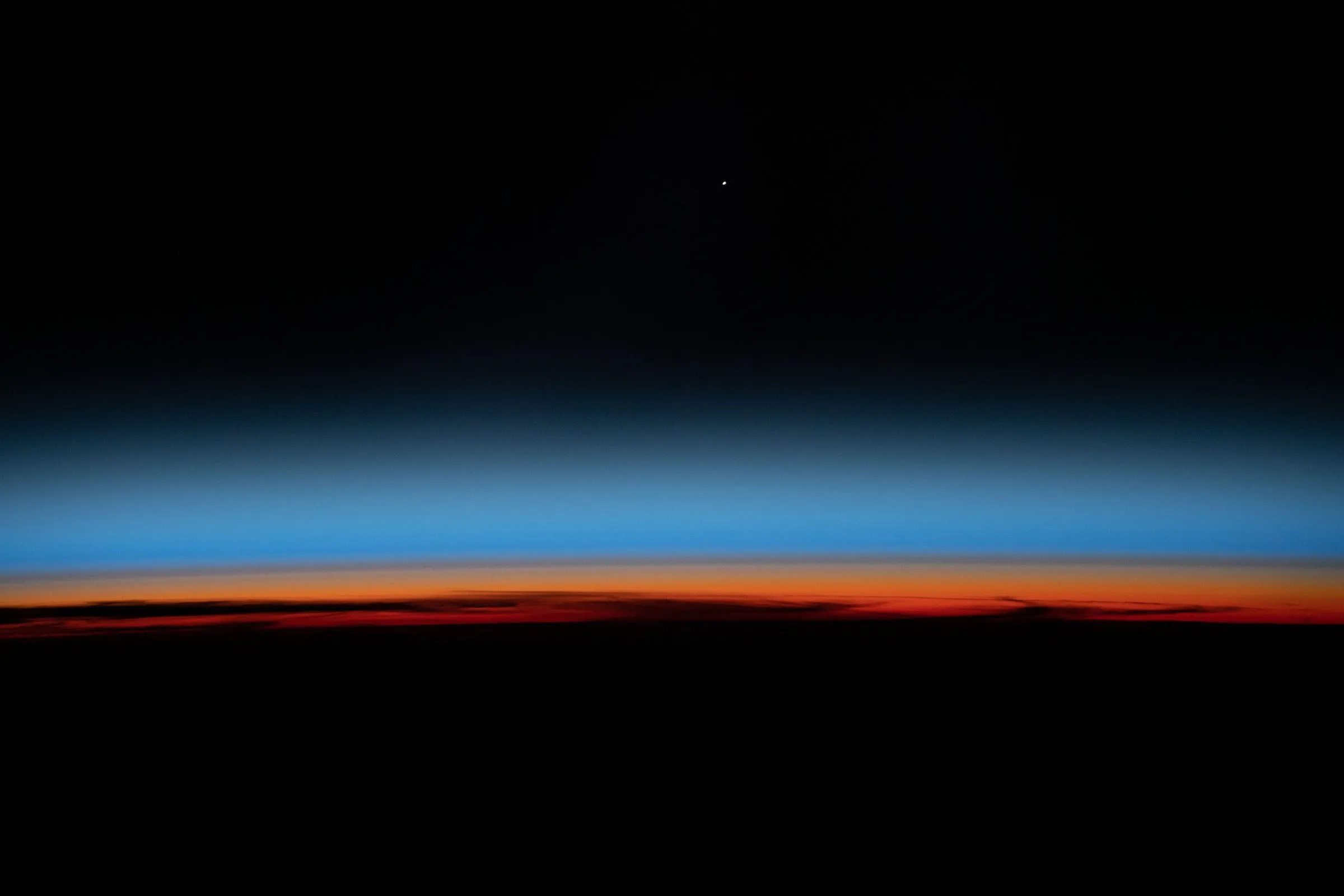
ეს გაკვეთილი დაწერა Local Solar System Foundation- ის გუნდის წევრმა და მას შეუძლია გააუმჯობესოს კვალიფიციურმა რედაქტორმა. Are you qualified in this subject? რედაქტირების შეთავაზება
Orrery
სრული გვერდის გახსნაThe solar system, right now. ყველა პლანეტა არის იქ, სადაც ის დღეს ნამდვილად არის, გამოთვლილი NASA JPL- ს ფორმულებიდან. დააჭირეთ ჩაწერას და დრო გააჩქარდება, ასე რომ თქვენ შეგიძლიათ ნახოთ პლანეტების მზის გარშემო მოძრაობა: რაც უფრო ახლოს არის პლანეტა მზესთან, მით უფრო სწრაფად მოძრაობს იგი. დააჭირეთ ნებისმიერ სამყაროს, რომ მისკენ მიფრინდეთ და მისი ბრუნვის ყურება შეძლოთ.
Try this
კითხვადობის მასშტაბი: პლანეტებს უფრო დიდი ზომები აქვთ ვიდრე რეალურად არიან და მანძილები შეკუმშულია, ასე რომ ყველა პლანეტა ერთ ეკრანზე მოხვდება. გადართვა ნამდვილ მასშტაბზე, რათა ნახოთ სივრცის რეალური ცარიელობა.
How to use it
- Look around
- ხედის გადასატრიალებლად დააწექით. გადინება, შეხება ან + და - კლავიშების გამოყენება მასშტაბის გასაზრდელად.
- Pick a world
- დააწკაპუნეთ ან დააჭირეთ პლანეტას, რომ მიხვიდეთ მასთან და გაჰყვეთ მას. თქვენ ნახავთ რამდენად შორსაა ის მზესა და დედამიწას შორის და რამდენად სწრაფად ბრუნავს. საჩვენებელი კლავიშები გადადის პლანეტიდან პლანეტაზე; Escape ან ზედა ღილაკები უკან ბრუნდება მთელ სისტემაში.
- დრო
- აღდგენა დროის გადატანას მონიშნულ სიჩქარესთან ერთად. აირჩიეთ ნებისმიერი თარიღი ან გადადით მის გვერდით არსებული საჩვენებელის მეშვეობით. ახლა დღეს დაუბრუნებთ.
- მასშტაბირება
- სივრცე იმდენად დიდია, რომ ვერცერთი ეკრანი ვერ აჩვენებს პლანეტებს და მათ შორის მანძილებს ნამდვილ მასშტაბში. წასაკითხი მასშტაბი გაზრდის პლანეტებს და შეკუმშავს მანძილებს; ნამდვილი მასშტაბი აჩვენებს ორივეს ისე, როგორც ისინი რეალურად არიან.
Compare two worlds
| ვენერა | იუპიტერი |
|---|
მონაცემთა ცხრილი (ტექსტი ალტერნატივა)
| World | მდებარეობა | მზე | ელექტრული გრძედი |
|---|---|---|---|
| მერკური | 0,3095 ან | 2 წთ 34 წმ | 93° |
| ვენერა | 0,7216 ან | 6 წთ 0 წმ | 61,9° |
| დედამიწა | 0,9898 ან | 8 წთ 14 წმ | 50,1° |
| მარსი | 1,607 ან | 13 წთ 22 წმ | 106° |
| იუპიტერი | 5,318 ან | 44 წთ 14 წმ | 135° |
| სატურნი | 9,422 ან | 1 სთ 18 წთ | 12,3° |
| ურანი | 19,43 ან | 2 სთ 42 წთ | 63,1° |
| ნეპტუნი | 29,88 ან | 4 სთ 8 წთ | 2,9° |
Planet positions use JPL's approximate formulas, accurate to about a few arcminutes between 3000 BC and 3000 AD.
On Venus, the planet spins so slowly that one turn takes longer than a trip around the Sun. A day is not the same thing everywhere, and neither is a year. Here is how to work out both, on any world.
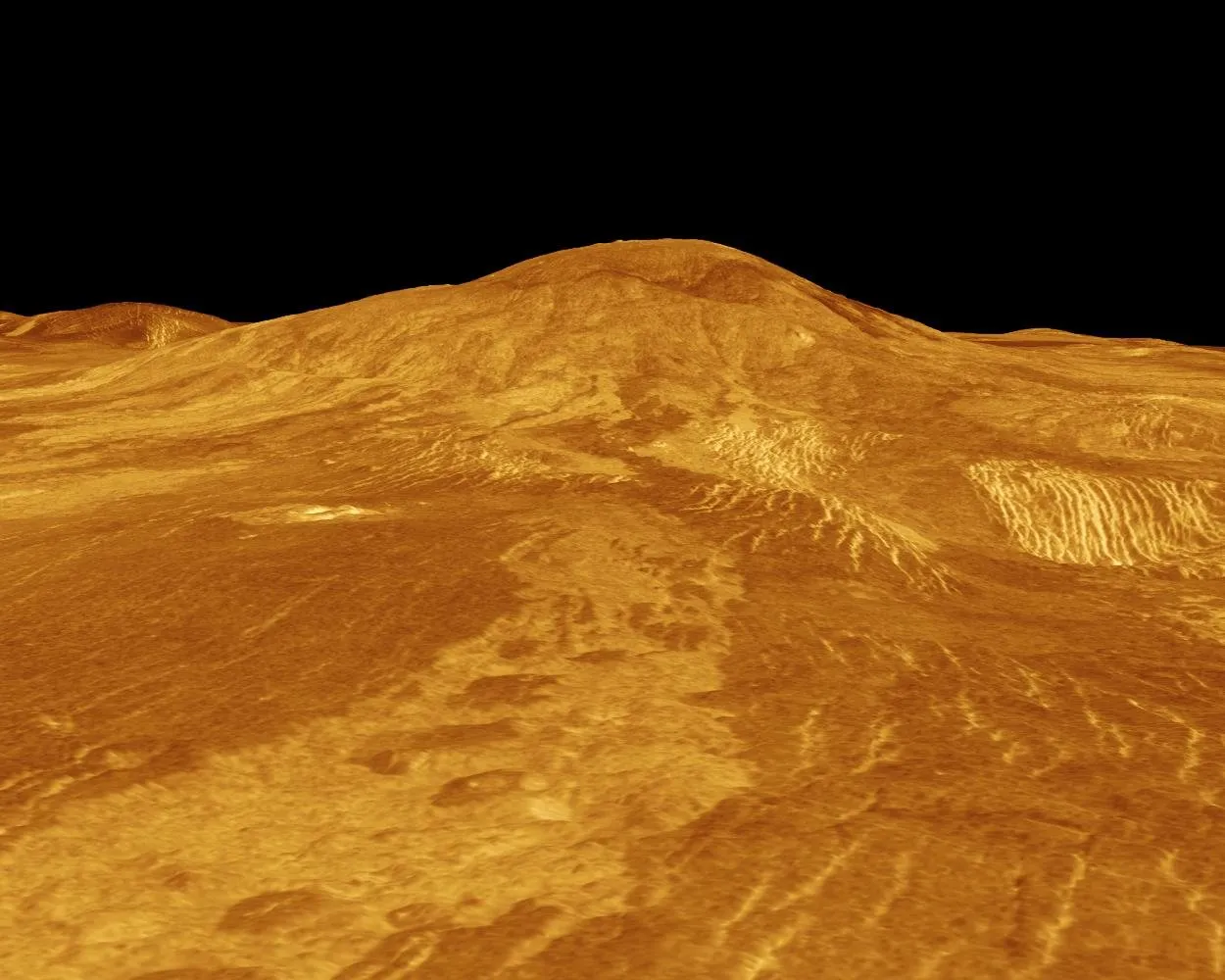
A day and a year are two different clocks, and every world sets them differently.
Look
A day is how long a world takes to spin once. A year is how long it takes to go once around the Sun. 24 საათი და 365 დღე. Other worlds are very different.
| World | დღის ხანგრძლივობა | წლის ხანგრძლივობა |
|---|---|---|
| მერკური | 176 ↑ ქართული საბჭოთა ენციკლოპედია, ტ. | 88 დედამიწის დღე |
| ვენერა | 117 ↑ ქართული საბჭოთა ენციკლოპედია, ტ. | 225 Earth days |
| დედამიწა | 24 საათი | 365 დღე |
| მარსი | 24 ფაჟა, 40 მთნსრთ. | 687 ↑ ქართული საბჭოთა ენციკლოპედია, ტ. |
| იუპიტერი | 9.9 საათი | 11.9 მილიონი წელი |
| სატურნი | 10.7 საათი | 29.4 მილიონი წლის წინ. |
| ურანი | 17.2 საათი | 84 წელი |
| ნეპტუნი | 16.1 საათი | 1648 წელს დასრულდა. |
Some surprises:
- On Mercury, one day (sunrise to sunrise) lasts two of its years.
- Venus უკან იხევს და ძალიან ნელა.
- The giant planets spin fastest of all, even though they are the biggest.
- A Mars day is almost the same as ours, which is handy for rover teams on Earth.
გამოიყენეთ შედარების პანელი ქვემოთ ოთახში, რომ შეადაროთ ნებისმიერი ორი სამყარო.
Understand
There are two kinds of day, and the difference matters.
- The sidereal day is one spin measured against the distant stars. Earth’s is 23 hours 56 minutes 4 seconds.
- The solar day is from one noon to the next. While Earth spins, it also moves about 1/365 of the way around its orbit, so it has to turn a little extra (about 1 degree) before the Sun is back overhead. That takes about 4 more minutes, giving 24 hours.
For most planets the two days are almost the same. For slow spinners they are wildly different. Mercury spins once every 58.6 Earth days, and its year is 88 days. The two motions combine so that one solar day lasts 176 Earth days: exactly two Mercury years. Mercury spins exactly three times for every two orbits, a lock caused by the Sun’s tides.
Venus spins backwards (retrograde), once every 243 Earth days. Because the spin and the orbit go opposite ways, they add up, and the solar day is shorter than the spin: about 117 Earth days.
Years get longer with distance for two reasons: the path is longer, and the planet moves more slowly. დედამიწა მოძრაობს დაახლოებით 29.8 კმ/სთ-ით; Neptune at about 5.4 km/s along a path 30 times longer.
Master
The solar day follows from the two angular speeds. ციფრული
1 / მ_ო_ზ_ურ_ი = 1 / პ_როტ − 1 / პ_ორბ
1/0.99727 − 1/365.256 = 1.00274 − 0.00274 = 1.00000 დღეში, ასე რომ P_solar = 1 დღე.
1/58.646 − 1/87.969 = 0.017052 − 0.011368 = 0.005684, ასე რომ P_solar = 175.9 დღე.
Check Venus (retrograde, P_rot = −243.018 days): 1/(−243.018) − 1/224.701 = −0.004115 − 0.004450 = −0.008565, so |P_solar| = 116.75 days. The minus sign tells you the Sun rises in the west on Venus.
Kepler’s Third Law) — ნეიტრონული ვარსკვლავთა მოძრაობის კანონი, რომელიც ითვალისწინებს ყველა პლანეტასა და მთვარეს შორის მოძრაობას. With T in years and a in au, T = a^1.5. Neptune at a = 30.07 au gives T = 30.07^1.5 = 164.9 years, matching the observed 164.79. The small difference comes from rounding and from the planets’ tiny masses, which Newton’s version of the law includes.
Try it
გამოიყენეთ შედარების პანელი იმ პლანეტების მოსაძებნად, რომელთა დღეები ყველაზე გრძელია და წელიწადები კი ყველაზე მოკლე. შემდეგ შეადარეთ ვენერას დღე მის წელს.
Great. Challenges are where the learning sticks.
Quick quiz
3 სწრაფი კითხვები. აირჩიეთ პასუხი, რომ ნახოთ მართალი ხართ თუ არა.
-
Which planet has the shortest day?
- A მერკური
- B დედამიწა
- C იუპიტერი
- D ნეპტუნი
პასუხის ჩვენება
C. იუპიტერი Jupiter spins once in about 9.9 hours.
-
On Venus, which is longer?
- A მზის დღე (მზე ამოსვლიდან ამოსვლამდე)
- B The year
- C They are exactly the same
- D Venus has no day
პასუხის ჩვენება
B. The year Careful: Venus's year is 224.7 Earth days and its solar day is about 116.8 Earth days, so the year is longer. It is its rotation (243 days) that is longer than its year.
-
Why do planets farther from the Sun have longer years?
- A They spin more slowly
- B Their orbits are longer and they move more slowly
- C The Sun's light takes longer to reach them
- D They have more moons
პასუხის ჩვენება
B. Their orbits are longer and they move more slowly Both effects add up: a bigger circle and a slower speed. Kepler's third law puts numbers on it.
ბოლო ხაზი
- Played with the interactive
- Read the lesson
- Did the challenge
- Took the quiz
გაკვეთილის დასრულების შენიშვნა, რომ ის ამ მოწყობილობაზე თქვენი პროგრესის ჩანაწერში შეინახოთ.
Lesson complete. Well done!
შემდეგი Why we have seasonsამ გაკვეთილის სიტყვები
წყაროები
- NASA NSSDCA Planetary Fact Sheet (length of day, orbital period)
- JPL SSD: Planetary Physical Parameters (sidereal rotation and orbital periods)
- NASA NSSDCA Planetary Fact Sheet Notes (definitions)
ეს გაკვეთილი ლიცენზირებულია CC BY-SA 4.0.