
This lesson was drafted by a Local Solar System Foundation team member and could be improved by a qualified reviewer. Are you qualified in this subject?ផ្ដល់យោបល់កែសម្រួល
អូរ៉េរី
បើកទំព័រពេញThe solar system, right now. Every planet is where it really is today, worked out from NASA JPL's formulas.Press play and time speeds up, so you can watch the planets go round the Sun: the closer a planet is to the Sun, the faster it travels.ចុចលើពិភពលោកណាមួយដើម្បីហោះទៅវា និងមើលវាប្ដូរ ។
ព្យាយាមក្នុងនេះ
Readable scale: the planets are drawn far bigger than they really are and the distances are squeezed, so every planet fits on one screen.Switch to true scale to see the real emptiness of space.
របៀបប្រើវា
- មើលជុំវិញ
- Drag to turn the view.Scroll, pinch or use the + and - keys to zoom.
- ជ្រើសពិភពលោក
- Tap or click a planet to fly to it and follow it.You will see how far it is from the Sun and from Earth, and how fast it turns.The arrow keys step from planet to planet;Escape or the button at the top goes back to the whole system.
- ពេលវេលា
- Play runs time forward at the chosen speed.Pick any date, or step with the arrows next to it.Now brings you back to today.
- មាត្រដ្ឋាន
- Space is so big that no screen can show both the planets and the distances between them at true scale.Readable scale enlarges the planets and squeezes the distances;true scale shows both as they really are.
ប្រៀបធៀបពិភពលោកពីរ
| ភពសុក្រ | ភពព្រហស្បតិ៍ |
|---|
តារាងទិន្នន័យ (ជំនួសអត្ថបទ)
| ពិភពលោក | ចម្ងាយពីព្រះអាទិត្យបច្ចុប្បន្ន | ពេលវេលាធ្វើដំណើរពន្លឺពីព្រះអាទិត្យ | រយៈបណ្ដោយព្រះច័ន្ទ |
|---|---|---|---|
| ភពពុធ | 0.3095 ឬ | 2 នាទី 34 វិនាទី | 93° |
| ភពសុក្រ | 0.7216 ឬ | 6 នាទី 0 វិនាទី | 61.9° |
| ផែនដី | 0.9898 ឬ | 8 នាទី 14 វិនាទី | 50.1° |
| ភពអង្គារ | 1.607 ឬ | 13 នាទី 22 វិនាទី | 106° |
| ភពព្រហស្បតិ៍ | 5.318 ឬ | 44 នាទី 14 វិនាទី | 135° |
| ភពសៅរ៍ | 9.422 ឬ | 1 ម៉ោង 18 នាទី | 12.3° |
| ភពអ៊ុយរ៉ានុស | 19.43 ឬ | 2 ម៉ោង 42 នាទី | 63.1° |
| ភពណិបទូន | 29.88 ឬ | 4 ម៉ោង 8 នាទី | 2.9° |
Planet positions use JPL's approximate formulas, accurate to about a few arcminutes between 3000 BC and 3000 AD.
On Venus, the planet spins so slowly that one turn takes longer than a trip around the Sun. A day is not the same thing everywhere, and neither is a year. Here is how to work out both, on any world.
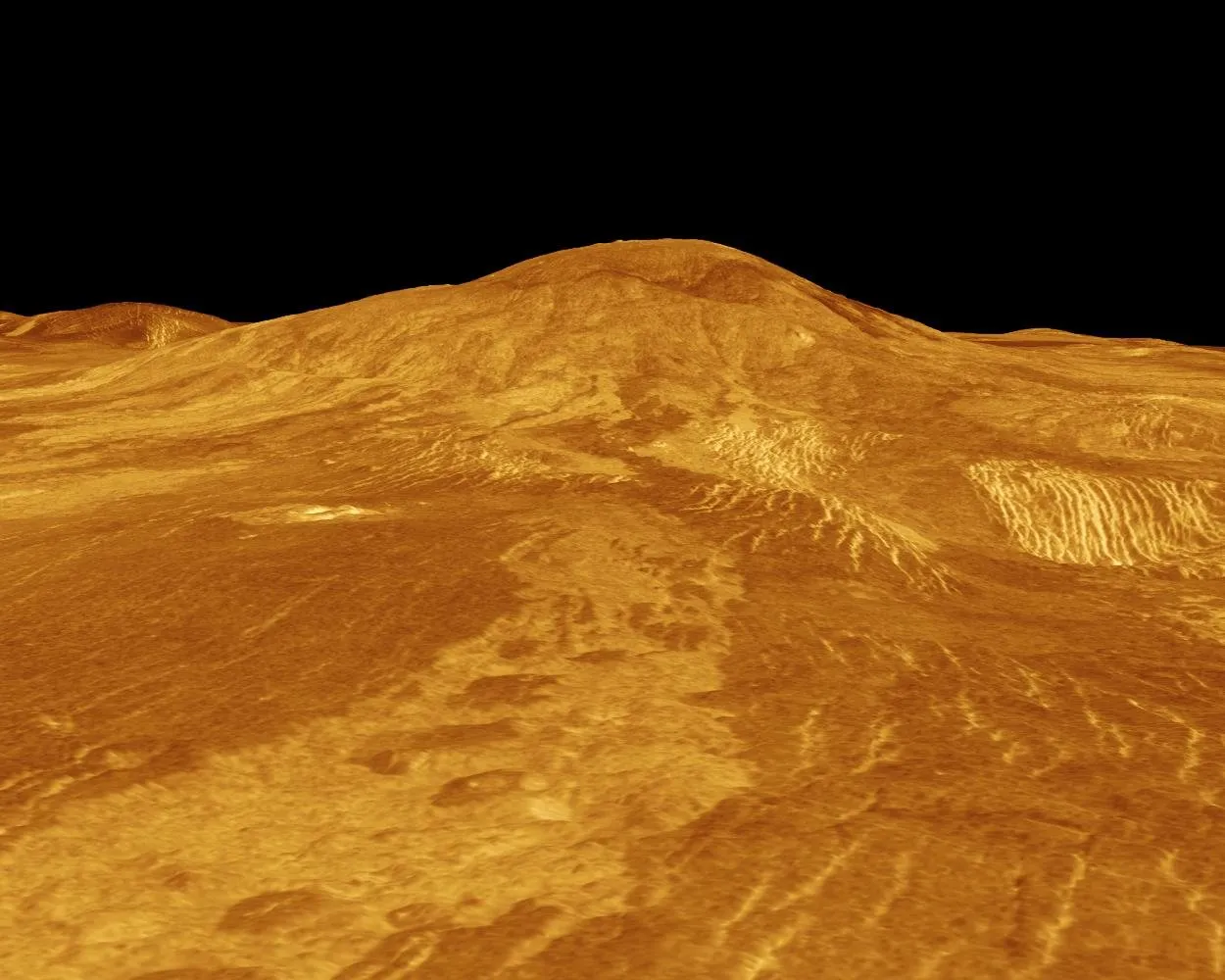
A day and a year are two different clocks, and every world sets them differently.
មើល
ថ្ងៃ គឺជារយៈពេលដែលពិភពលោកត្រូវការដើម្បីបង្វិលម្តង ។ A year is how long it takes to go once around the Sun. នៅលើផែនដីនេះគឺប្រហែល 24 ម៉ោងនិង 365 ថ្ងៃ។ ពិភពលោកផ្សេងទៀតគឺខុសគ្នាខ្លាំងណាស់ ។
| ពិភពលោក | រយៈពេលថ្ងៃ | រយៈពេលនៃឆ្នាំ |
|---|---|---|
| ផ្កាយព្រះអាទិត្យ | 176 Earth days | 88 ថ្ងៃផែនដី |
| ផ្កាយព្រះគ្រោះ | 117 Earth days | 225 Earth days |
| ផែនដី | 24 ម៉ោង | 365 ថ្ងៃ |
| ផ្កាយព្រះអាទិត្យ | 24 ម៉ោង 40 នាទី | 687 Earth days |
| ភពព្រះច័ន្ទ | 9.9 hours | 11.9ឆ្នាំផែនដី |
| ផ្កាយព្រះច័ន្ទ | 10.7ម៉ោង | 29.4ឆ្នាំផែនដី |
| អ៊ុយរ៉ានុស | 17.2ម៉ោង | 84 ឆ្នាំផែនដី |
| ភពព្រះច័ន្ទ | 16.1 hours | 164.8 ឆ្នាំផែនដី |
Some surprises:
- បើក ផ្កាយព្រះអាទិត្យ, មួយថ្ងៃ (ថ្ងៃរះទៅថ្ងៃរះ) មានរយៈពេលពីរឆ្នាំរបស់ខ្លួន.
- Venus spins backwards and very slowly.
- The giant planets spin fastest of all, even though they are the biggest.
- ភាសាអាហ្សង់ទីន ផ្កាយព្រះអាទិត្យ ថ្ងៃគឺស្ទើរតែដូចគ្នានឹងរបស់យើង, ដែលងាយស្រួលសម្រាប់ក្រុម rover នៅលើផែនដី.
Use the comparison panel under the orrery to compare any two worlds.
យល់
មានថ្ងៃពីរប្រភេទ ហើយភាពខុសគ្នាគឺសំខាន់ ។
- The sidereal day is one spin measured against the distant stars. ភពផែនដីគឺ 23 ម៉ោង 56 នាទី4វិនាទី។
- The solar day is from one noon to the next. While Earth spins, it also moves about 1/365 of the way around its orbit, so it has to turn a little extra (about 1 degree) before the Sun is back overhead. ថាត្រូវការប្រហែល4នាទីបន្ថែមទៀត, ផ្តល់ 24 ម៉ោង.
For most planets the two days are almost the same. For slow spinners they are wildly different. ភពព្រះអាទិត្យវិលជុំវិញខ្លួនរៀងរាល់ 58.6 ថ្ងៃនៃផែនដី ហើយឆ្នាំរបស់វាមាន 88 ថ្ងៃ ។ The two motions combine so that one solar day lasts 176 Earth days: exactly two Mercury years. Mercury spins exactly three times for every two orbits, a lock caused by the Sun’s tides.
ភពសុក្របង្វិលថយក្រោយ (ត្រឡប់ក្រោយ), ម្តងក្នុងមួយ 243 ថ្ងៃផែនដី. Because the spin and the orbit go opposite ways, they add up, and the solar day is shorter than the spin: about 117 Earth days.
Years get longer with distance for two reasons: the path is longer, and the planet moves more slowly. ភពផែនដីផ្លាស់ទីនៅប្រហែល 29.8 km / s; Neptune នៅប្រហែល 5.4 km / s តាមផ្លូវ 30 ដងវែងជាង។
មេ
The solar day follows from the two angular speeds. With the sidereal rotation period P_rot (negative for retrograde) and the orbital period P_orb, both measured in the same direction:
1 / P_solar = 1 / P_rot − 1 / P_orb
ពិនិត្យមើលផែនដី: 1/0.99727 − 1/365.256 = 1.00274 − 0.00274 = 1.00000 ក្នុងមួយថ្ងៃ, ដូច្នេះ P_solar = 1 ថ្ងៃ ។
ពិនិត្យមើលភពព្រហស្បតិ៍: 1/58.646 − 1/87.969 = 0.017052 − 0.011368 = 0.005684, so P_solar = 175.9 days.
ពិនិត្យមើល Venus (retrograde, P_rot = −243.018 days): 1/(−243.018) − 1/224.701 = −0.004115 − 0.004450 = −0.008565, so |P_solar| = 116.75 days ។ The minus sign tells you the Sun rises in the west on Venus.
ឆ្នាំតាមច្បាប់ទីបីរបស់ Kepler: T² ∝a³ សម្រាប់អ្វីៗដែលនៅជុំវិញព្រះអាទិត្យ ។ ជាមួយ T ក្នុងឆ្នាំ និងក្នុង au, T = a^1.5 ។ ភពព្រះច័ន្ទនៅក្នុង a=30.07au ផ្តល់ឲ្យ T=30.07^1.5=164.9ឆ្នាំ ដែលផ្គូផ្គងនឹងការសង្កេតឃើញចំនួន 164.79 ។ The small difference comes from rounding and from the planets’ tiny masses, which Newton’s version of the law includes.
សាកល្បងវា
Use the comparison panel to find the world with the longest day and the world with the shortest year among the planets.Then compare Venus's day with its year.
អស្ចារ្យ. ការប្រឈមមុខគឺជាកន្លែងដែលការរៀនត្រូវបានចង ។
សំណួររហ័ស
3 quick questions.Pick an answer to see if you are right.
-
Which planet has the shortest day?
- A ផ្កាយព្រះអាទិត្យ
- B ផែនដី
- C ភពព្រះច័ន្ទ
- D ភពព្រះច័ន្ទ
បង្ហាញចម្លើយ
C. ភពព្រះច័ន្ទ Jupiter spins once in about 9.9 hours.
-
On Venus, which is longer?
- A ថ្ងៃព្រះអាទិត្យ (ពីពេលលិចដល់ពេលរះ)
- B ឆ្នាំ
- C ពួកវាគឺដូចគ្នា
- D ភពសុក្រគ្មានថ្ងៃ
បង្ហាញចម្លើយ
B. ឆ្នាំ ប្រយ័ត្ន: ឆ្នាំរបស់ Venus គឺ 224.7 ថ្ងៃផែនដីនិងថ្ងៃព្រះអាទិត្យគឺប្រហែល 116.8 ថ្ងៃផែនដីដូច្នេះឆ្នាំនេះគឺវែងជាង។ វាគឺជាការបង្វិលរបស់ខ្លួន (243 ថ្ងៃ) ដែលវែងជាងឆ្នាំរបស់ខ្លួន។
-
Why do planets farther from the Sun have longer years?
- A ពួកវាបង្វិលយឺតជាង
- B Their orbits are longer and they move more slowly
- C ពន្លឺព្រះអាទិត្យត្រូវការពេលយូរដើម្បីទៅដល់ពួកវា
- D ពួកវាមានព្រះច័ន្ទច្រើន
បង្ហាញចម្លើយ
B. Their orbits are longer and they move more slowly Both effects add up: a bigger circle and a slower speed.Kepler's third law puts numbers on it.
បន្ទាត់បញ្ចប់
- បានលេងជាមួយអន្តរកម្ម
- អានមេរៀន
- បានធ្វើការប្រកួត
- បានធ្វើការសាកល្បង
Mark the lesson complete to save it to your progress on this device.
Lesson complete.ល្អណាស់!
ឡើងលើបន្ទាប់ ហេតុអ្វីយើងមានរដូវពាក្យក្នុងមេរៀននេះ
ប្រភព
- NASA NSSDCA Planetary Fact Sheet (length of day, orbital period)
- JPL SSD: Planetary Physical Parameters (sidereal rotation and orbital periods)
- NASA NSSDCA Planetary Fact Sheet Notes (definitions)
មេរៀននេះមានអាជ្ញាបណ្ណ CC BY-SA 4.0.