
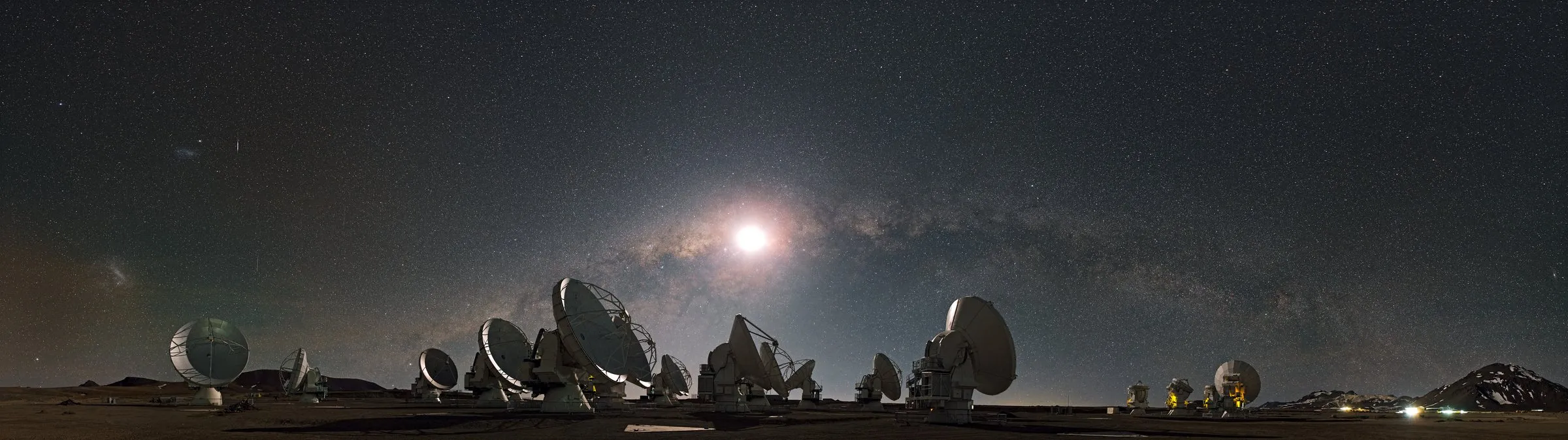
ESO/S. Guisard (www.eso.org/~sguisard) (CC BY 4.0)
V
ni? A Bya Umwanya. Umurongo: ni Rimwe Bya A, na Umubare A Guhindura... Umuvuduko Kuri. Hejuru i na Kubona i Umwanya.
Gukoresha: A Tangira & vendorShortName; na A Intego: Kabiri Utudomo ku i, Koresha i na Ibikubiyemo, Cyangwa Kanda Rimwe Bya i Utubuto. Hejuru na i Umurongo: & Ongera Hejuru.
kugirango iyi
V
Kuri i
Uduciro -, Ibimenyetso. & Ongera na Igishushanyo Amahinduka.
iyi
- Kuri Gyayo Kuva: Ubuso Kuri GitoyaIcyegeranyo: That first step costs 9.4 km/s. Going on from orbit all the way to the Moon's surface costs only about 5.6 km/s more.
- i Hanyuma na Gutandukanya i.Icyegeranyo: They are almost the same: about 15.0 and 15.1 km/s, even though Mars is always more than a hundred times farther away than the Moon. Mars has air to brake with when you land; the Moon has none, so every bit of slowing down costs fuel.
- A Kuva: Umurongo: Inyuma Kuri Umurongo:.Icyegeranyo: The last leg, down to Earth's surface, costs 0 km/s: Earth's air and a heat shield do the braking, as they did for every Apollo crew. Climbing off Mars still costs about 4.1 km/s.
- "Na: Kuva: Hasi Kuri Hasi.Icyegeranyo: Reaching the high orbit where TV and weather satellites sit costs about the same as reaching orbit around the Moon: about 3.9 km/s from low Earth orbit in both cases.
Ibitekerezo
ni - V?
Bya A. Hejuru Igihe Umuvuduko Hejuru na buri Igihe: Igiteranyo ni Delta - V. Umwanya ni Oya Kuri Guca na Oya, buri Amahinduka Bya Umuvuduko, Hejuru Cyangwa Hasi, Kuri Kuva: i Urufaya, na buri Bya.
ni Kuri i Intera?
Being in orbit is not about being high up. It is about going sideways so fast that you keep falling around Earth instead of into it. Just above the air that means about 7.8 km/s (about 28,000 km/h), once round the planet in about 90 minutes. On the way up a rocket also loses roughly 1.5 to 2 km/s fighting gravity and air drag (Earth's spin gives a little back), so this one step costs about 9.4 km/s.
ni ku ku i?
Mars has a thin atmosphere. A lander hits that air at high speed and its heat shield turns the speed into heat; parachutes and a short rocket burn at the end do the rest. So the map counts 0 km/s of rocket fuel for landing on Mars, but 1.63 km/s for the airless Moon, where engines must do all the braking. Leaving Mars is another story: climbing back up to orbit costs about 4.1 km/s.
ni?
Using a planet's air as a free brake. A spacecraft dips into the thin top of the atmosphere, drag slows it, and it saves fuel it would otherwise burn. In 2006 NASA's Mars Reconnaissance Orbiter shrank its orbit this way, with hundreds of dips through Mars's upper air over about five months.
km S?
A rocket has to carry its own fuel, and that fuel has to be pushed along too. So each extra km/s needs more fuel than the one before. That is why the Saturn V that sent astronauts to the Moon weighed nearly 3,000 tonnes at launch, most of it propellant.
: Koresha Bisanzwe Kabiri - Inzira Na: NASA/ Ibyatanzwe (Inyandikoporogaramu -); Kuva: i - V Ingingo ku na Indango. Gutangiza: NASA.: NASA/JPL
"Delta". "Guhindura... in Umuvuduko": A Hejuru, Hasi Cyangwa Guhindura.... Nka A ya: A, in ISEGONDA (km / s).
in i Inkoranyamagambo →Inzira: Bya A Cyangwa Star Buri gihe, ni Himura Bihuta.
in i Inkoranyamagambo →An orbit just above the air, a few hundred kilometres up. The International Space Station flies there, going once round Earth in about 90 minutes.
A high orbit, 35,786 km above the equator, where one trip round Earth takes as long as one turn of Earth (just under 24 hours). A satellite there seems to hang still in the sky, which is why TV and weather satellites use it.
A Byakoreshejwe Kuri Kubona Kuva: Rimwe Ahantu Kuri, Nka A. Kwinjira; OYA.
A Umwuka Nka A Kigenga. i Hejuru: Bya i na Umwuka Kurura Hasi, Ishyingura. Igiciro ni Umunyu, A Umunyu Amarinda Cyangwa.
- Kuri Himura hagati Kabiri: Rimwe Kanda Kuri Tangira & vendorShortName; Bitambitse Inzira: i Gishya, na A ISEGONDA Kanda Ryari: Kubona.
in i Inkoranyamagambo →Ibyatanzwe imbonerahamwe# Umwandiko Igisubizo
| Bivuye | Kuri | → | ← | Byakoreshejwe |
|---|---|---|---|---|
| Ubuso | Low Earth orbit (200 km) | 9,4 km/s | 0 km/s (Koresha) | (): Delta-v budget (Wikipedia, with its cited references), typical values including lossesLaunch to orbit: about 7.8 km/s of orbital speed plus losses to gravity and air drag. |
| Low Earth orbit (200 km) | Guhindura izina... | 2,45 km/s | 2,45 km/s (Koresha) | (): Hohmann perigee burn, 200 km to 35,786 km altitude, equatorial |
| Guhindura izina... | Ishusho | 1,48 km/s | 1,48 km/s | (): Hohmann apogee burn, no plane changeA Tangira & vendorShortName; Ipaji: Kuva: i, Guhindura... i OYA Kyongewe A Isigamwanya. |
| Low Earth orbit (200 km) | Gusohoka | 3,22 km/s | 3,22 km/s (Koresha) | (): Escape speed minus circular speed at 200 km |
| Low Earth orbit (200 km) | Kuri i | 3,13 km/s | 3,13 km/s (Koresha) | (): Raise apogee to the Moon's mean distance |
| Kuri i | (100 km) | 0,82 km/s | 0,82 km/s | (): Patched conic capture into a 100 km lunar orbit |
| (100 km) | Ukwezi | 1,63 km/s | 1,63 km/s | (): Circular speed at 100 km (ideal, no gravity losses; real landings need more) |
| Low Earth orbit (200 km) | Kuri | 3,61 km/s | 3,61 km/s (Koresha) | (): Earth-Mars Hohmann departure from 200 km, Oberth effect included |
| Kuri | Low Mars orbit (300 km) | 2,09 km/s (Koresha) | 2,09 km/s | (): Capture into a 300 km circular Mars orbit |
| Low Mars orbit (300 km) | Ubuso | 0 km/s (Koresha) | 4,1 km/s | (): Delta-v budget (Wikipedia, with its cited references), typical values including lossesi (Ikirere na); i Inyuma Kuri ni i Agaciro:. |
| Low Earth orbit (200 km) | - Asteroide | 4,11 km/s | 4,11 km/s (Koresha) | (): Heliocentric Hohmann 1 au to Bennu's semi-major axis, coplanar (ignores its 6 degree inclination and its eccentricity); departure from 200 km LEO |
| Low Earth orbit (200 km) | Ishusho | 9,48 km/s | 9,48 km/s (Koresha) | (): Heliocentric Hohmann 1 au to Ceres, coplanar (ignores its 10.6 degree inclination); departure from 200 km LEO, capture into a 200 km Ceres orbit |
na Koresha ya:. OYA Byakoreshejwe ya: Ibuganya, Cyangwa Icyo ari cyo cyose. Kigenga na -. i Ibigize