
დელტა- v გრაფიკი
How much change in speed it takes to move between Earth, orbit, the Moon, Mars and the asteroids.
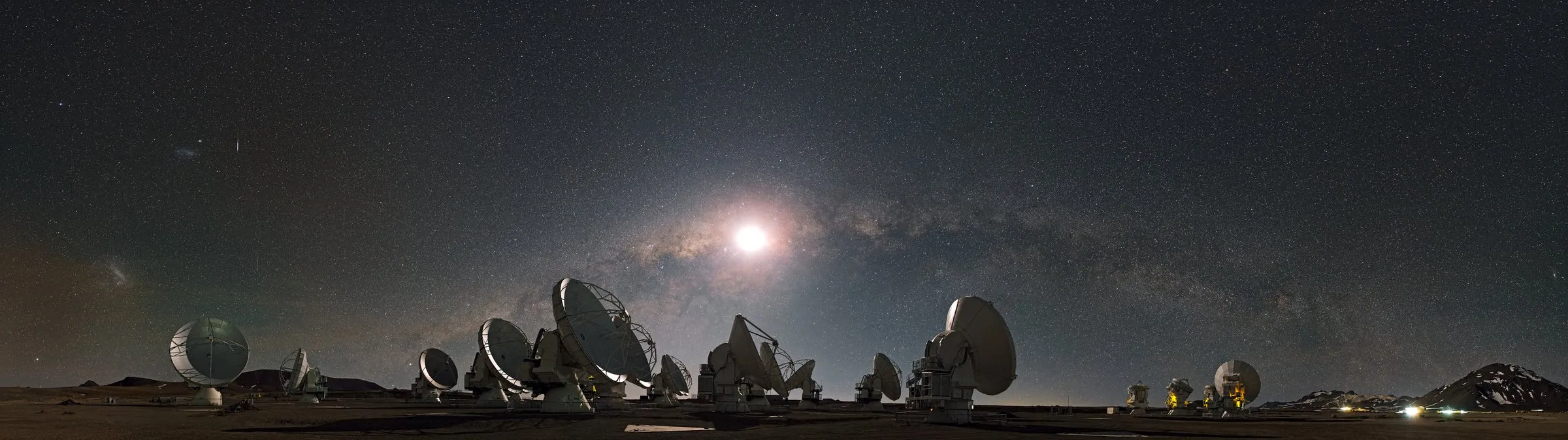
ESO/S. Guisard (www.eso.org/~sguisard) (CC BY 4.0)
დელტა- v გრაფიკი
What is this? კოსმოსური ფრენის რუკა. ყოველი ხაზი არის ერთი ნაბიჯი და მისი ნომერი მიუთითებს რამდენად უნდა შეცვალოს კოსმოსურმა ხომალდმა სიჩქარე იმისთვის, რომ ის ამ ნაბიჯზე გაფრინდეს. თუ ჩათვლით ნაბიჯებს, მიიღებთ გზავნილის ენერგიის ბიუჯეტს.
How to use it: აირჩიეთ დასაწყისი და მიზანი: დააჭირეთ ორ წერტილს რუკაზე, გამოიყენეთ მენიუს "საიდან" და "სადაც", ან დააჭირეთ ერთ-ერთ ღილაკს. მარშრუტი გამოჩნდება და საწვავის ბიუჯეტის ზოლი ყოველ ნაწილს ამატებს.
Fuel budget for this trip
დელტა- v საერთო
Swipe sideways to see the whole map.
Values are one-way, ideal impulsive manoeuvres unless marked typical. Real missions add losses and plane changes.
Try this
- Press "To orbit" to go from Earth's surface to low Earth orbit.შენიშვნა: That first step costs 9.4 km/s. Going on from orbit all the way to the Moon's surface costs only about 5.6 km/s more.
- Press "To the Moon", then "To Mars", and compare the totals.შენიშვნა: They are almost the same: about 15.0 and 15.1 km/s, even though Mars is always more than a hundred times farther away than the Moon. Mars has air to brake with when you land; the Moon has none, so every bit of slowing down costs fuel.
- Plan a trip from Mars surface back to Earth surface.შენიშვნა: The last leg, down to Earth's surface, costs 0 km/s: Earth's air and a heat shield do the braking, as they did for every Apollo crew. Climbing off Mars still costs about 4.1 km/s.
- Press "To geostationary orbit" and compare it with going from low Earth orbit to low lunar orbit.შენიშვნა: Reaching the high orbit where TV and weather satellites sit costs about the same as reaching orbit around the Moon: about 3.9 km/s from low Earth orbit in both cases.
The ideas behind it
What is delta-v?
Think of a road trip. Add up every time you speed up and every time you brake: that total is your delta-v. In space there is no road to push against and no brakes, so every change of speed, up or down, has to come from the rocket engine, and every bit of it costs fuel.
Why is getting to orbit the hardest step?
Being in orbit is not about being high up. It is about going sideways so fast that you keep falling around Earth instead of into it. Just above the air that means about 7.8 km/s (about 28,000 km/h), once round the planet in about 90 minutes. On the way up a rocket also loses roughly 1.5 to 2 km/s fighting gravity and air drag (Earth's spin gives a little back), so this one step costs about 9.4 km/s.
Why is landing on Mars cheaper than landing on the Moon?
Mars has a thin atmosphere. A lander hits that air at high speed and its heat shield turns the speed into heat; parachutes and a short rocket burn at the end do the rest. So the map counts 0 km/s of rocket fuel for landing on Mars, but 1.63 km/s for the airless Moon, where engines must do all the braking. Leaving Mars is another story: climbing back up to orbit costs about 4.1 km/s.
What is aerobraking?
პლანეტარული ჰაერის გამოყენება თავისუფალი საჭის სახით. კოსმოსური ხომალდი ხვდება მარსის ზედა ნაწილში, მისი მოძრაობა შენელებულია და ის ინახავს საწვავს, რომელიც სხვა შემთხვევაში გაიწვის. 2006 წელს NASA- ს მარსის აღდგენითი ორბიტერი ამგვარად შეამცირა თავისი ორბიტა, ასობით ჯერ ჩავარდა მარსის ზედა ნაწილში დაახლოებით ხუთი თვის განმავლობაში.
Why does each km/s matter so much?
A rocket has to carry its own fuel, and that fuel has to be pushed along too. So each extra km/s needs more fuel than the one before. That is why the Saturn V that sent astronauts to the Moon weighed nearly 3,000 tonnes at launch, most of it propellant.
წყაროები: გამოთვლილი ფეხები გამოიყენებენ სტანდარტულ ორბიტალურ ფორმულებს NASA/JPL პლანეტარული მონაცემებით (scripts/build-deltav.mjs); ტიპიური ფეხები დელტა-V ბიუჯეტის სტატიიდან ვიკიპედიაში და მისი ციტირების მისამართები. Saturn V launch mass: NASA. Mars Reconnaissance Orbiter aerobraking: NASA/JPL.
თქვა "delta vee". ეს ნიშნავს "ჩქარის ცვლილება": რამდენად უნდა გააჩეროს კოსმოსური ხომალდი, ან როგორ უნდა შეცვალოს მიმართულება. ეს მუშაობს როგორც საწვავის ბიუჯეტი მოგზაურობისთვის, რომელიც მითითებულია კილომეტრში წამში (km/s).
ლექსიკონი →The path of something that keeps falling around a planet or star without ever hitting it, because it is moving sideways fast enough.
ლექსიკონი →An orbit just above the air, a few hundred kilometres up. The International Space Station flies there, going once round Earth in about 90 minutes.
მაღალი ორბიტა, 35786 კმ- ზე ეკვატორზე, სადაც ერთი მგზავრობა დედამიწის გარშემო ისე ხანგრძლივია, როგორც ერთი ბრუნვა დედამიწაზე (24 საათზე ცოტა ნაკლები). იქ არსებული სატელიტი თითქოსდა კვლავაც ცაშია, ამიტომაც გამოიყენება ტელევიზიისა და ამინდის სატელიტების მიერ.
A stretched orbit used to get from one place to another, like a motorway slip road. You only pass along it; you do not stay there.
Using a planet's air as a free brake. The spacecraft dips into the thin top of the atmosphere and air drag slows it down, saving fuel. The price is heat, so it needs a heat shield or many gentle passes.
The most fuel-saving way to move between two circular orbits: one push to start an oval path that just touches the new orbit, and a second push when you get there.
ლექსიკონი →მონაცემთა ცხრილი (ტექსტი ალტერნატივა)
| & მისამართი: | To | → | ← | How it was worked out |
|---|---|---|---|---|
| დედამიწის ზედაპირი | დაბალი დედამიწის ორბიტა (200 კმ) | 9,4 კმ/წმ | 0 კმ/წმ (can use aerobraking) | ტიპიური (გამოქვეყნებული): Delta-v budget (Wikipedia, with its cited references), typical values including losses7.8 კმ/სთ-ით, პლუს გრავიტაციული და ჰაერის წინააღმდეგობის დაკარგვა. |
| დაბალი დედამიწის ორბიტა (200 კმ) | გეოსტაციონარული ტრანსფერული ორბიტა | 2,45 კმ/წმ | 2,45 კმ/წმ (can use aerobraking) | გამოთვლილი (იდეალური): Hohmann perigee burn, 200 km to 35,786 km altitude, equatorial |
| გეოსტაციონარული ტრანსფერული ორბიტა | გეოსტაციონარული | 1,48 კმ/წმ | 1,48 კმ/წმ | გამოთვლილი (იდეალური): Hohmann apogee burn, no plane changeFrom a launch site away from the equator, also changing the orbit's tilt adds a few hundred metres per second. |
| დაბალი დედამიწის ორბიტა (200 კმ) | Earth escape | 3,22 კმ/წმ | 3,22 კმ/წმ (can use aerobraking) | გამოთვლილი (იდეალური): Escape speed minus circular speed at 200 km |
| დაბალი დედამიწის ორბიტა (200 კმ) | Transfer to the Moon | 3,13 კმ/წმ | 3,13 კმ/წმ (can use aerobraking) | გამოთვლილი (იდეალური): Raise apogee to the Moon's mean distance |
| Transfer to the Moon | დაბალი მთვარის ორბიტა (100 კმ) | 0,82 კმ/წმ | 0,82 კმ/წმ | გამოთვლილი (იდეალური): Patched conic capture into a 100 km lunar orbit |
| დაბალი მთვარის ორბიტა (100 კმ) | მთვარე | 1,63 კმ/წმ | 1,63 კმ/წმ | გამოთვლილი (იდეალური): Circular speed at 100 km (ideal, no gravity losses; real landings need more) |
| დაბალი დედამიწის ორბიტა (200 კმ) | Transfer to Mars | 3,61 კმ/წმ | 3,61 კმ/წმ (can use aerobraking) | გამოთვლილი (იდეალური): Earth-Mars Hohmann departure from 200 km, Oberth effect included |
| Transfer to Mars | მარსის დაბალი ორბიტა (300 კმ) | 2,09 კმ/წმ (can use aerobraking) | 2,09 კმ/წმ | გამოთვლილი (იდეალური): Capture into a 300 km circular Mars orbit |
| მარსის დაბალი ორბიტა (300 კმ) | მარსის ზედაპირი | 0 კმ/წმ (can use aerobraking) | 4,1 კმ/წმ | ტიპიური (გამოქვეყნებული): Delta-v budget (Wikipedia, with its cited references), typical values including lossesLanding mostly uses the atmosphere (heat shield and parachutes); the ascent back to orbit is the published typical value. |
| დაბალი დედამიწის ორბიტა (200 კმ) | ახლო აღმოსავლეთი (ინგლ. | 4,11 კმ/წმ | 4,11 კმ/წმ (can use aerobraking) | გამოთვლილი (იდეალური): Heliocentric Hohmann 1 au to Bennu's semi-major axis, coplanar (ignores its 6 degree inclination and its eccentricity); departure from 200 km LEO |
| დაბალი დედამიწის ორბიტა (200 კმ) | ცერესის ორბიტა | 9,48 კმ/წმ | 9,48 კმ/წმ (can use aerobraking) | გამოთვლილი (იდეალური): Heliocentric Hohmann 1 au to Ceres, coplanar (ignores its 10.6 degree inclination); departure from 200 km LEO, capture into a 200 km Ceres orbit |
ინსტრუმენტები და გაკვეთილები მხოლოდ სწავლის მიზნით იყენებენ გამარტივებულ მოდელებს. ისინი არ უნდა გამოიყენებოდეს ნავიგაციაში, მისიების გეგმვაში ან სხვა ოპერაციულ გადაწყვეტილებებში. სერტიფიკატები უფასოა და არააკრედიტებულია. წაიკითხეთ განათლების შეტყობინება