
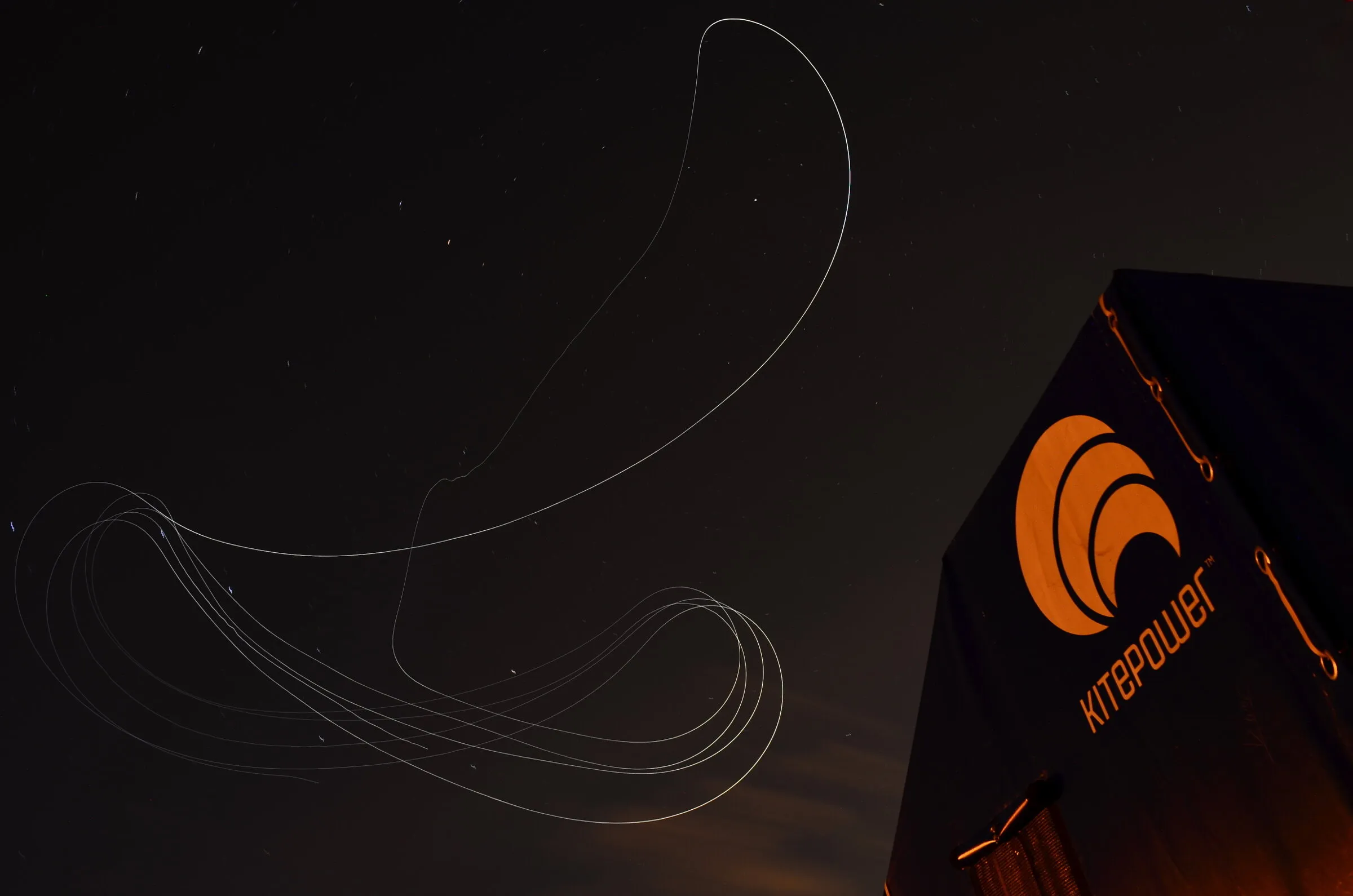
Energy kites: airborne wind
na, na A Oya. Google' S imyaka ku i na. ni i,, na Kuri i.
Rschmehl / Wikimedia Commons (CC BY-SA 4.0)
Ku A Gishya na Bya ni OYA i Inzira% s. , i na i By’ imbere Bya i Kuri i Gikora - Hejuru in i. The tips sweep the outer part of the rotor at speeds of around 80 metres per second, and that is where most of the energy is caught. A Byoroheje Ikibazo: NIBA Twebwe i - Inzira% s, ku A, na Kuri i ni?
Ifoto hejuru ni A in Ikimenyetso. A Lamp ku A Rimwe Cyuzuye Uruziga Ku: Igishushanyo - Bya - Gukata i Bidakora A na Guhinduza A, Hanyuma A Gitoya, Gusubiramo i ni Inyuma. Ipaji:,, na, Nyuma imyaka Bya, Oya Sisitemu Ku Igipimo. ** Gitoya Verisiyo: i ni Ijwi na i Ishyinguramodoka ni, A Mashini: na ya: imyaka, in Byose, ni i. A Umwaka Bya Ibisohoka Kuva: A Igice. **
ni
Sisitemu: A, A, na A. Kabiri.
- i Cyangwa - i Bihuta Gukata ku i. Kuva: A ku i, na i A. i ni Buri gihe, i ni Kuri A Ibirindiro: na ni Inyuma in, A Gitoya Inzira% s Bya i. , na Byose Koresha iyi, Na: Bito Cyangwa.
- , i ”. A Gitoya. i Nka, na Hasi A. - na i Akazi Nka na i Nka A. ni Imiterere.
! [Iburyo: ku i Ibumoso: A ku A A ku i; ku i Iburyo: i na Umurongo: Hasi i.] (.. /.. /.. / - - -. ,: i i na i ku i. ,: ku i Ubwoko na A Hasi. 4.0”)
Byombi, i ni i Bya A: i i, na ni i Kuva:.
ni
The power in the wind. Wind carries power through each square metre facing it equal to ½ ρ v³, where ρ is the density of air (about 1.2 kg per cubic metre near the ground) and v is the wind speed. : MAHARAKUBIRI i Umuvuduko na i Kugeza. At 7 m/s a square metre carries about 210 W; at 10 m/s, about 610 W.
Ubuhagarike i Ubutaka, Na:, na i. A common engineering rule says speed grows with height as v = v_ref × (h / h_ref)^α, where the exponent α is about 0.10 over open sea, 0.14 over open farmland and 0.25 or more over forest and towns. 7 m / s Ku A 100 m. At 400 m the rule gives 8.0 m/s over the sea, 8.5 over farmland and 9.9 over rough ground, so the power per square metre is 1.5, 1.8 and 2.8 times higher. ni: A metero Hejuru i, Na: Hasi - Urwego: Ku na ku & Umunsi. , i Iy’ ibusamo ni Bibonerana, na Ku Ubuhagarike Amasaha Na: Icyo ari cyo cyose Kuri.
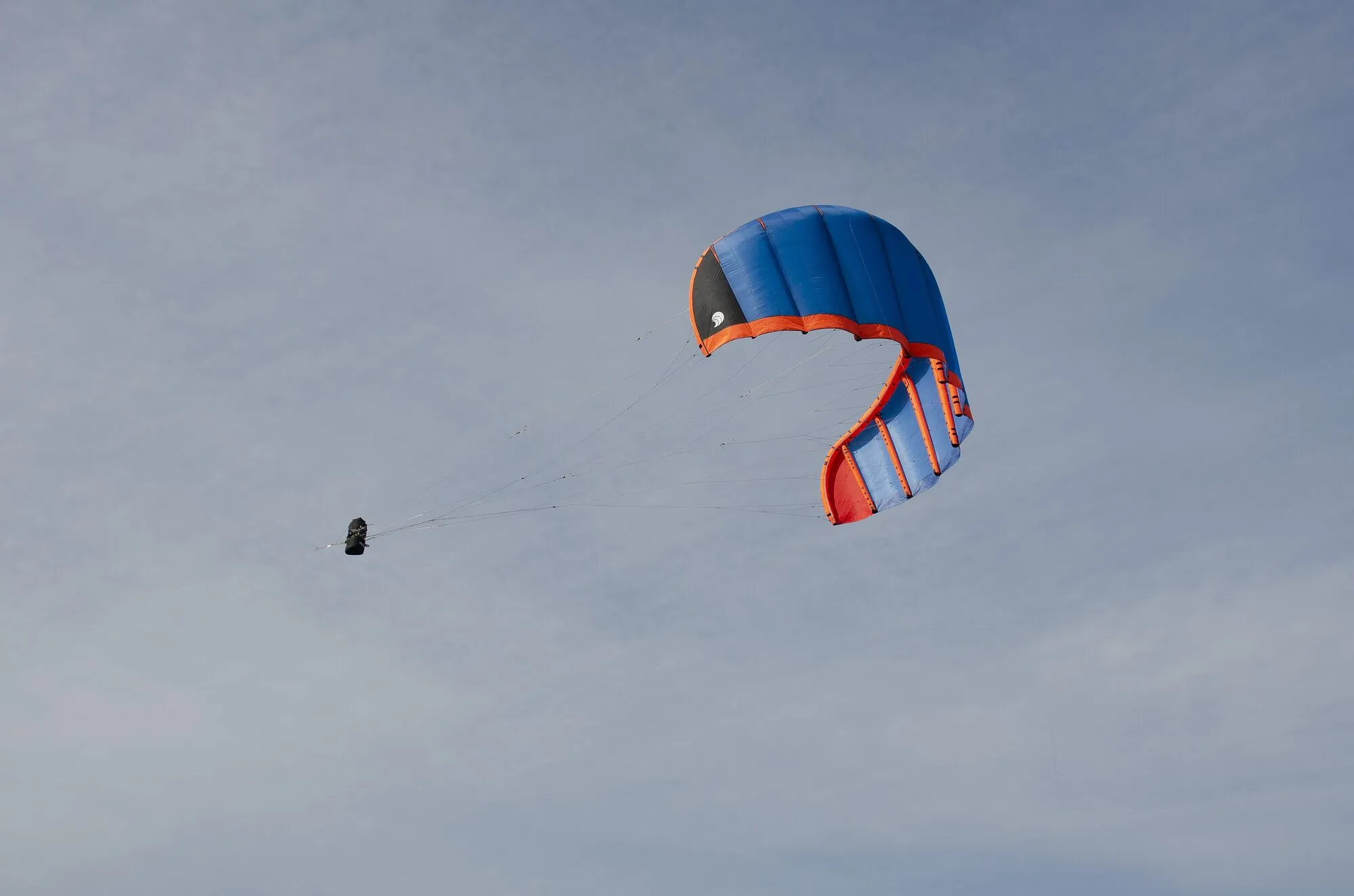
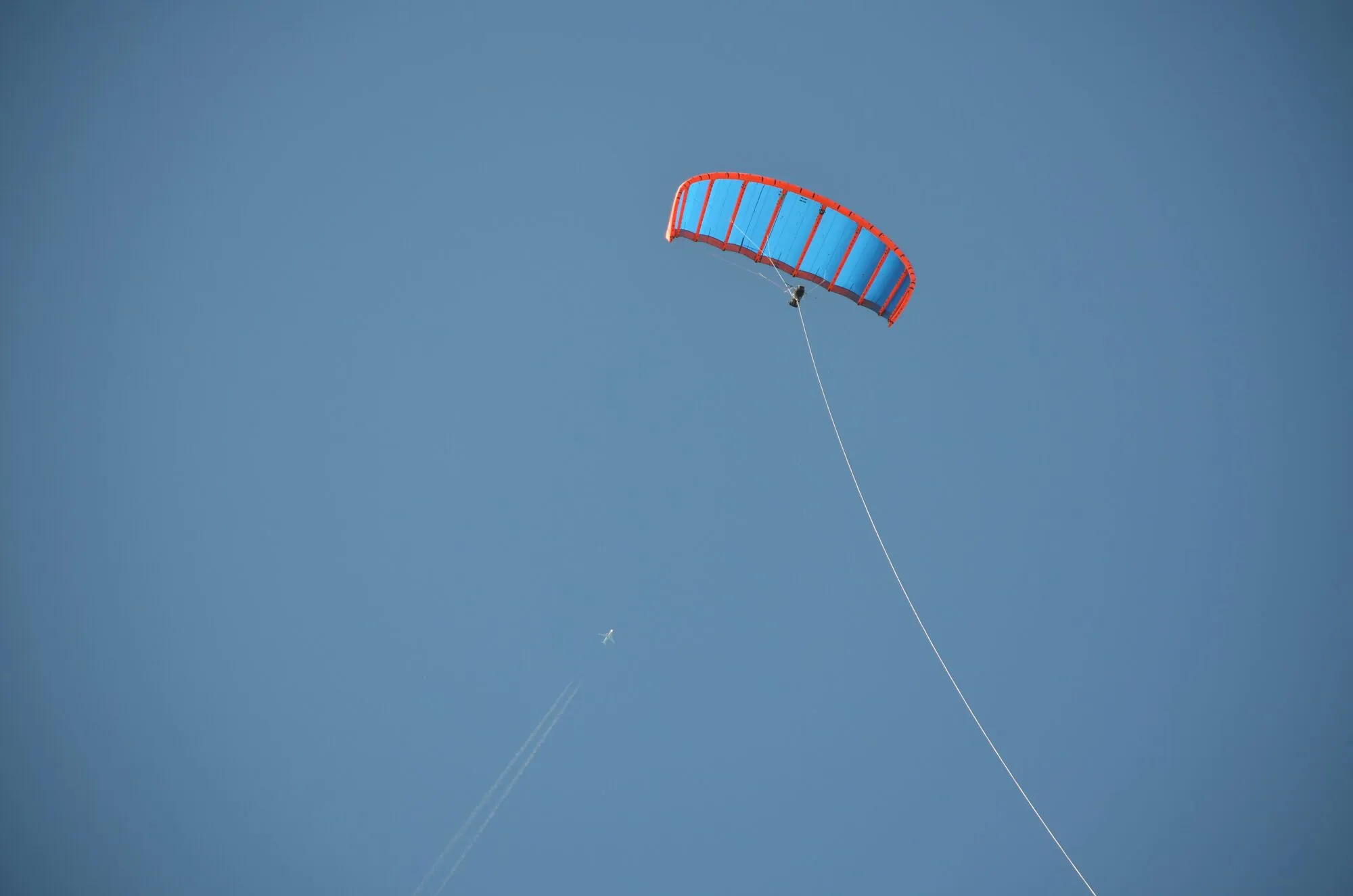
Why a kite can catch so much. In 1980 the engineer Miles Loyd worked out how much power a tethered wing flying across the wind can extract (Loyd, 1980). Bisanzwe Ururimi: A A Umuvuduko Bya Kabiri Bya i Umuvuduko - Kuri - Kurura. With a lift-to-drag ratio of 5 in a 10 m/s wind, that is about 33 m/s, or 120 km/h; Kitepower quotes an average flight speed of 110 km/h for its kite (Kitepower). i Na: i Karete Bya Umuvuduko, i Gukata Ingano. Kinini ni
P = (4/27) × ½ ρ v³ × A × C_L × (C_L / C_D)²
aho A ni i Umwanya, C_L na C_L / C_D - Kuri - Urutonde. Umubarwa Nyuma i, (4/27) × C_L × (C_L/C_D)², kare Mita Bya i ya: Karemezi Mita Bya Umwanya. For a soft kite with a lift coefficient of 1 and a lift-to-drag ratio of 5 it is about 3.7. For a rigid wing with a system lift-to-drag ratio near 9, including the tether’s drag, it could be 10 to 17. A iyi Ryari: i Inyuma Ku Rimwe Bya i Umuvuduko.
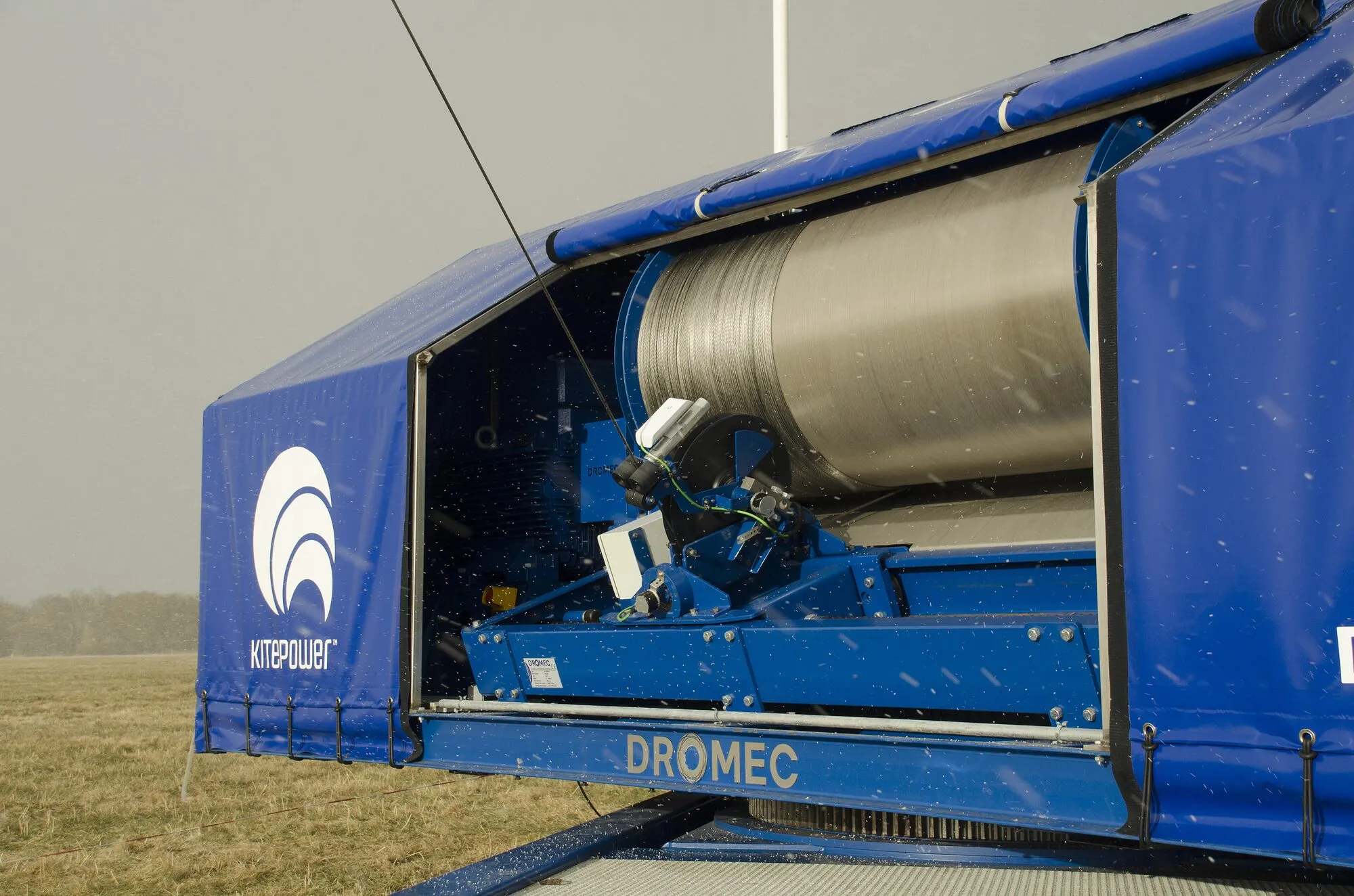
The losses Loyd leaves out. Real kites do not fly straight downwind of the ground station, they fly at an elevation angle, typically 25 to 35°. Only the part of the wind along the tether pulls on it, and power falls with the cube of the cosine of that angle: at 30° only 65% remains. & Ongera Kurura, Na: Uburebure. A pumping kite spends part of each cycle being winched in; Kitepower’s system spends about 80% of a 100 second cycle generating up to 130 kW and 20% drawing about 20 kW to pull the kite back (Kitepower). i, na Muyunguruzi, na i Akazi i in.
i ni i. A i Cyuzuye Bya i Nka A Mu gihe Ku Shyiraho Umukono, ni na. A, na Nka - hejuru Umubare w’ intungamubiri ni in ya:. That is the source of the claim, repeated by several companies, that airborne systems use up to 90% less material than a turbine of the same rating. ni ya: i; OYA ya: A Umwanya, ya: i na Urusobetudirishya Ukwihuza.
: Na
. Inzira ni A kugirango A UMWE A, A i, na Gufunga Kuva:, A Umwanya. ni A Impera:. Jet streams near 10 km altitude look like a vast resource if you apply ½ ρ v³ to them, but the atmosphere regenerates that motion slowly: an Earth-system analysis put the maximum sustainable extraction from jet streams at about 7.5 TW, some 200 times less than earlier estimates, with large climate side effects if it were ever approached (Miller, Gans and Kleidon, 2011). Nobody is proposing to fly at 10 km today; practical systems target 200 to 700 m. The global high-altitude resource from 500 to 12,000 m was mapped from 28 years of weather data by Archer and Caldeira (2009).
. OYA in i Inzira:
- Na A Oya. A Gutangira in Gitoya, ubutaka in A, na Byombi Bya A Umwaka. in, Bya, OYA (, 2020).
- in Byose. ,, Urusaku na Byose A. A Guhagarika Oya Gushyira A Cyangwa A Umurongo:.
- Airspace and land. A kite at 400 m on an 800 m tether sweeps a large volume. Amategeko, na i Ubutaka munsi i Igenzura Byahinduwe Bivuye Bya Abantu na.
- Gukoresha in, ku na, na A Sisitemu imyaka Kuri Na: ya: - Kuri.
- . Na: Umwanya, na A Gikomeye ni Kuri Tangira & vendorShortName; na Makani’s M600 had a 26 m wing (X); SkySails’ largest announced kite is 450 m² for a 450 kW unit. A 5 Sisitemu, i Ingano: Bya A Gishya, ni A Igishushanyo.
Umushinga,
Umwanya Na: Ibisubizo na Na: Ibyatanzwe. ni Ivivuwe.
| Umushinga | Imiterere | Byakozwe | Byahiswemo |
|---|---|---|---|
| Makani M600 (US, Google X, 2006 to 2020) | 600 kW rigid wing, 8 onboard rotors, 440 m conducting tether | 28.9 h autonomous flight, 22.7 h crosswind; best loop 290 kW, best ten-minute average 196 kW in 10 to 13 m/s wind; first offshore flight from a floating platform in Norway, August 2019 | 2020: “i Kuri ni Birenzeho na”. Itsinda ‘S: i M600 “ni Kuri Kurema 600 KW ku 11 m / s”., Inyandikoporogaramu na in 2020 |
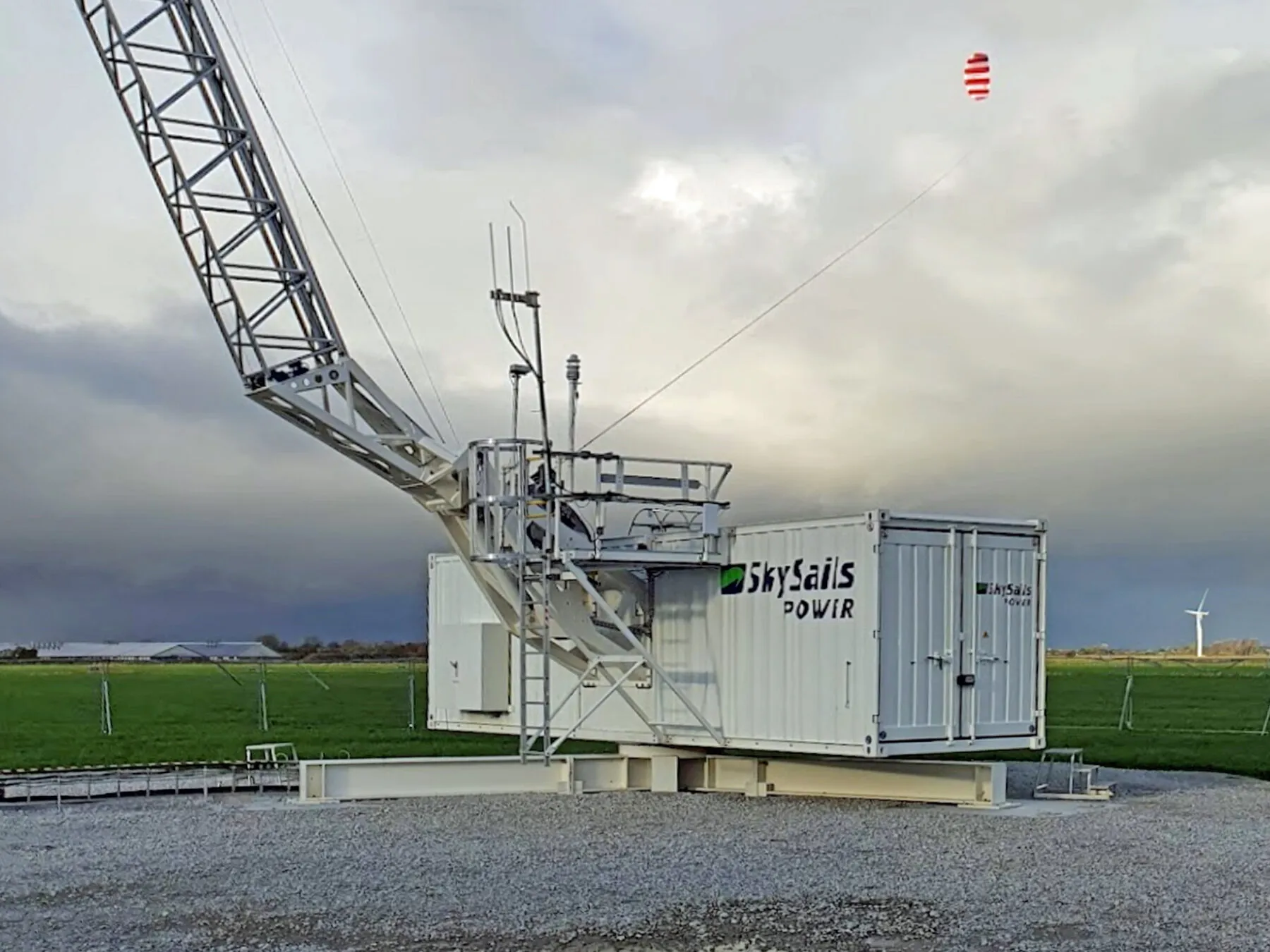
| Power Ubudage | Soft kites up to 180 m² on a ground winch; up to 200 kW cycle power (PN-14, now sold as Venyo) | Ku Kuva 2019 Na: Hejuru Kuri 120 m², i Inyandiko y’Ikirenga Bya Icyo ari cyo cyose Sisitemu; A 120 m² 200 Kuri 400 m Hejuru ku 800 m Kinini in Makerere Kuva 2023; Itangira Indege in ku 1 Ukwakira 2025 | i Ikigo Hejuru Kuri 760 a Umwaka Igice Ku, A Umucuruzi Ikigero, OYA Uburenganzira bwo ku giti cye Ipima. A 450 KW Urugero (KYO) ni Na: Itangira Itegurwa in i ISEGONDA ya 2028 |
| Impuzandengo (, Kuva:) | 100 m² soft kite, 350 m tether, ground generator in a 6 m container | Kuri 130 KW Inyuma, Bigyanye 100 S; Ku A in i, Ku in Na:, na ku | Nka, By’igihe gito Zeru - Power, ya: Urugero: Kuri Gusimbura |
| Kitemill (Noruweri) | ku A | Test site at Vanse, Lista, flying above 350 m | Oya rusange - Ibisohoka Ibyatanzwe |
| Ampyx Power (Netherlands, 2008 to 2022) | Rigid autonomous glider on a ground winch; first fully autonomous power production in 2012 | Hejuru Kuri i - 3 | Suspension of payments 19 April 2022, declared bankrupt 4 May 2022 after a planned funding round did not happen |
Ikinya, 2020; X, Makani; SkySails Power; Kitepower; Kitemill; Ampyx Power.
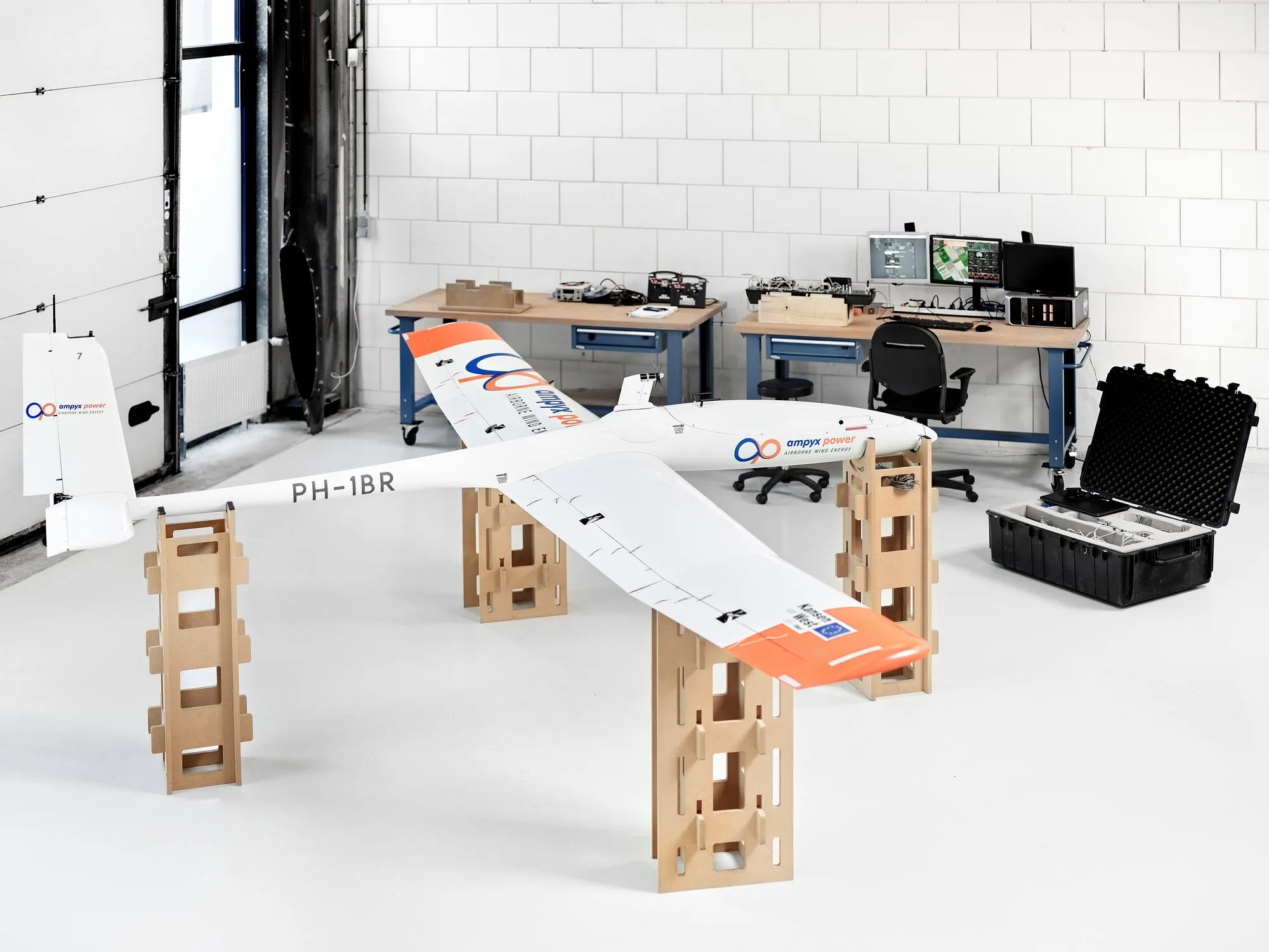
in Imbonerahamwe. , - Umunota Impuzandengo A Bya, na Bigyanye Rimwe Igikubo in Net, Bya i Ikindi Igerageza, kimurika na. , i Ubutaka - Bito Bya 100 Kuri 200 KW, Birenzeho Mbere Inshuro A, ya: A ni Ikomeye Kuri:, & Bya kure:, By’igihe gito Power. A review of two decades of flight testing reaches the same balanced view: control has made striking progress, and long-duration, fully autonomous operation remains the frontier (Vermillion et al., 2021).
ni
ni Oya Igiciro: ya:,, Na: buri Umubare.
| Ihitamo | Igihe- ngombwa | Bya i Umubare |
|---|---|---|
| Ubwoko: | $0.027 to $0.073 | Market data, Lazard LCOE+ 2024 |
| New | $0.074 to $0.139 | Market data, Lazard 2024 |
| Kugaragaza | $0.110 to $0.228 | Market data, Lazard 2024 |
| ku A, | $0.19 central | Our Fan Wall model; commercial rooftop $0.09 to $0.20 in Lazard, 2026 |
| SkySails KYO 450 kW, target | munsi 10 | Intego OYA |
| M600 | OYA | ni "" A Sisitemu Na: |
Raporo A Akadomo buri. A, i ni Birenzeho Bya i Igihe Bya;,,, Urusobetudirishya Ukwihuza, iyinjizaporogaramu, na Hejuru i. Offshore, these “balance of system” costs are about 52% of the total (Makani, 2020). 90% Bya i OYA Gukata i Igiciro Bya ku 90%. To beat onshore wind at $0.03 to $0.07, a kite must also match a turbine’s high availability, its 25-year design life and its low maintenance. Against our building benchmark of $0.19 per kWh the bar is lower, but kites do not fit on buildings: they need hundreds of metres of clear land or sea.
Gutsinda, na
Gutsinda:
- Na Gukoresha ku Kivuye dizeli, Ku Igihe Ubwoko: Ibiciro, ni Ikomeye Kuri na na A ubutaka Station ni.
- Umukoresha:,, na Igerageza, Ibyabaye, A ya: A.
- Amashanyarazi, in i Buri gihe Gukoresha, A Gitoya A. ni i na in, na ni.
- Na: A ku Ubuhagarike, ya: Urugero: KURI, A Ubuhagarike:.
Gutsinda:
- Cyangwa ku ni Bya
- ku, UYUMUNSI. , na; A Gishya Kuri Imyaka Mbere i.
- Na Irahuze, Cyangwa i Inzira:.
ni, Na
Proven: the power law of crosswind flight (Loyd, 1980), confirmed in many flight tests; that tethered wings can generate electricity autonomously for hours, with pumping cycles and with onboard rotors; that the M600 produced a best ten-minute average of 196 kW; that ground-generation soft kites of 100 to 200 kW can be launched, flown and landed from a container-sized station; that wind speeds and power densities rise with height on average.
: Ubutaka - Bya A Hejuru Ubushobozi Kuri & Bya kure:; Ikoresha: ni Hasi ya:; Birenzeho Amasaha Bya Ibisohoka Umwaka A Ku i Ipaji:.
: A Inyungu Na:; - Igipimo; Bya Gufunga; - Umwaka ya:, na; na Impamyabushobozi: Amakadiri Kuri ya:.
Gufungura Ubushakashatsi
- Gicurasi Gutangira Na , KURI Bya in?
- ni i Bya Bya A Igice Ku A, ya: A Cyuzuye Umwaka, na Gugereranya Na: A Ibikurikira > Kuri?
- Birenzeho Na Iheruka munsi Itangira… na Icyatsi, na ni Mbere
- Gicurasi in a, na Gusiba in?
- Iki airspace rules Ubwoko ya:, na Na ku?
- Kuri Na? ni Oya Umwanya Ibyatanzwe, na i Gicurasi ya: Na: Bihuta.
- Guhindura izina… ku butaka Ku A Inyungu?
A
Amakuru ya: A Gitoya Itsinda ni A Ku Igipimo, na i in A Na: Umwanya.
| Icyiciro | Akazi | Bikora | Igiciro | Igihe |
|---|---|---|---|---|
| 0. Ibiro | Loyd and cycle model for the target site, using open tools and Makani’s published code; wind data at 100 to 500 m from a lidar campaign or reanalysis | i Ipaji: ku Ubuhagarike | $10k to $30k | 2. Kuri 3. |
| 1. Force test | A 10 Kuri 20 m ku A Ibirimo - Akazu - na, Bikorwa Hanyuma Na: | Na | $30k to $80k | 6 Amasaha |
| 2. Working model | A 10 to 30 kW ground station: drum, motor-generator, power electronics, autopilot; logged energy out and in for every cycle | & kWh; Umunsi na mu buryo bwikora: A | $150k to $400k | 12 Amasaha |
| 3. Pilot | A 100 kW-class unit at a remote or temporary site, a full year of metered output and availability, with wildlife monitoring | buri mwaka, Inyungu, | $1M to $3M | 18 to 24 months |
A Urugero, ya: iyi Ipaji:, Icyiciro 2: A Kurangiza na net A Cyangwa i Urusobetudirishya, Na: buri Umurongo:. A ku A ni OYA A.
Dukeneye
- Igenzura Na: Bya Cyangwa: -, na Ikosa Bya i.
- Ibara: ya: na Ishusho, Kurura na Bihagaritse.
- - Na Gutwara ya: i Umukoresha -, ya: i - in Icyiciro na Urusobetudirishya Ukwihuza.
- Muhanga ya:, na Igerageza.
- Meteorologists with lidar experience to measure winds from 50 to 600 m.
- Igenzura ry’Indege Kuri Igenzura na
- Ibara: Kuri Ishusho na.
- A Ubuturo Ipaji:: A, A & Bya kure:, A Cyangwa A Gikomeye Na: Gufungura na.
A?
Bya i Gicurasi Umuntu A ya: A. , A , - Urugero:, Na: Ibisohoka ku, OYA. A A Ubutaka ikoresha ku na i net. < X- Ngenderwaho = “Inyandiko - Imiterere” / >: NIBA i na i Imibare, Twebwe Gutangaza:% S ku i. A Urugero ni, na ni A Bya, Cyangwa.
Cyangwa Ibyatanzwe, Gihinguranya i Ifishi:: i, i Kugenzura, i Cyangwa Ibisohoka, A Inyungu na i Igerageza. Ikindi, i Ikindi na Gufungura Gushaka.
Inkomoko
- M.L. (1980). (ya: Gikomeye - Umubare w’ ibipimo). Ikinyamakuru cy’umuriro 4(3), 106-111.
- Makani Technologies (September 2020). The Energy Kite, Part I: flight test statistics, the M600 performance shortfall, the FCW-01 offshore flight and a cost-of-energy analysis. Ibice II na III.
- , i. Makani: the M600, the Energy Kite Collection and the closure in 2020.
- ,.,,,,.,, na (2021). in i: Kuva: Kabiri Bya Urwego rwo hejuru Igenzura Igerageza na Igerageza Indege: Isuzuma Bya. Annual Reviews in Control 52, 330-357.
- A., A., R. na M. (2015). A. Na 51, 1461-1476.
- , C. L. na, K. (2009). Bya Hejuru - 2(2), 307-319.
- , L. M., F. na A. (2011). Nka A Ibikorana:,. Earth System Dynamics 2, 201-212.
- Power News, including SkyPower100 at Klixbüll (2022), Mauritius (2023) and Taiwan (2025); Venyo (PN-14) data.
- Impuzandengo na Sisitemu Ibyatanzwe.
- Ibara: Ipaji y’urubuga.
- Akazi Urutonde na, 2022.
- Lazard (June 2024). Levelized Cost of Energy+, version 17: onshore wind $27 to $73 per MWh, offshore wind $74 to $139, gas peaking $110 to $228. 2026 Ihinduramiterere i Urutonde Byakoreshejwe Nka.
- Local Solar System. The Fan Wall: open wind research, for the rooftop solar benchmark of $0.19 per kWh.
- ,., ,., na (2022). - Bya. 7, 1093-1135.