
گەڕان
کێشکردن، یاساکانی کیپلەر، پێکهاتە ئۆبێرییەکان، خێراییەکان، دەرچوون، هاوسەنگی مووشەکەکان و چۆنیەتی گەشتکردنی فڕۆکە ئاسمانیەکان لە نێوان جیهانەکاندا.
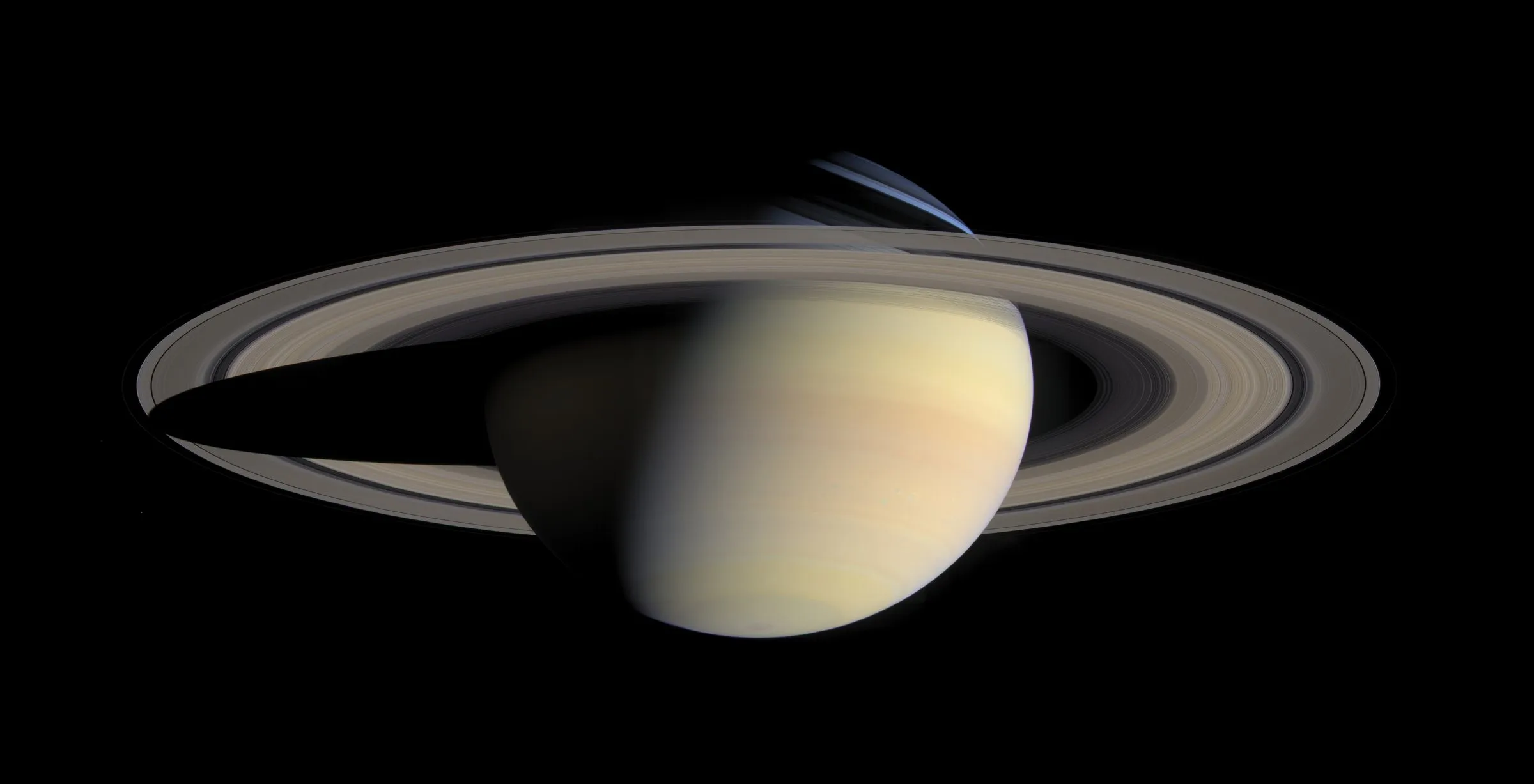
NASA/JPL/Space Science Institute
-
کێشکردن
- Newton's gravity · 12 خولەك تەواو
One law explains falling apples, the Moon's orbit and the path of every planet. Fire Newton's cannon and find out how.
- Newton's gravity · 12 خولەك تەواو
-
یاساکانی کیپلەر
- Kepler's laws · 14 خولەك تەواو
Three rules found from careful observations in the early 1600s still describe every orbit, from moons to exoplanets.
- Kepler's laws · 14 خولەك تەواو
-
بەشی ئۆبیجیتال
- Orbital elements · 14 خولەك تەواو
Six numbers pin down any orbit in space: its size, shape, tilt, orientation and where the body is on it.
- Orbital elements · 14 خولەك تەواو
-
خێرایی ئۆبێر: هاوکێشەی ڤیسێ-ڤێڤا
- Orbital speed: the vis-viva equation · 12 خولەك تەواو
One short equation gives the speed of anything in orbit at any point, if you know how far it is and the size of its orbit.
- Orbital speed: the vis-viva equation · 12 خولەك تەواو
-
خێرایی دەرچوون
- Escape velocity · 12 خولەك تەواو
How fast do you need to go to leave a world for good? And why rockets do not actually need to reach it at the surface.
- Escape velocity · 12 خولەك تەواو
-
بۆچی دەوری خۆر دەکەوێتە خوارەوە
- Why an orbit is a fall · 10 خولەك تەواو
Astronauts float not because there is no gravity up there, but because they are falling all the time, and missing.
- Why an orbit is a fall · 10 خولەك تەواو
-
گەیشتن بە ئۆبێر: وەرچەرخانی جاذبە
- Reaching orbit · 12 خولەك تەواو
Why rockets go up for only a few seconds, then spend ten minutes going sideways: the gravity turn, staging and orbital insertion.
- Reaching orbit · 12 خولەك تەواو
-
هاوسەنگی مووشەک و دلتا-ڤی
- The rocket equation and delta-v · 12 خولەك تەواو
Why rockets are mostly fuel, why they come in stages, and the one equation behind every mission's budget.
- The rocket equation and delta-v · 12 خولەك تەواو
-
گواستنەوەی Hohmann
- Hohmann transfers: changing orbits · 12 خولەك تەواو
To go higher you speed up, and then you arrive slower. The two-burn manoeuvre that moves satellites from low orbit to geostationary orbit.
- Hohmann transfers: changing orbits · 12 خولەك تەواو
-
دەستپێکردنی پەردە
- Launch windows: the road to Mars · 12 خولەك تەواو
You cannot aim at Mars, only at where Mars will be in eight months. Why Mars missions leave every 26 months, all at once.
- Launch windows: the road to Mars · 12 خولەك تەواو
-
داخڵکردنی ئۆبێت: دەستگیرکردن
- Orbital insertion: getting captured · 12 خولەك تەواو
Arriving at a planet is the most dangerous minute of a mission: one burn decides whether you stay or fly past forever.
- Orbital insertion: getting captured · 12 خولەك تەواو
-
یارمەتیدەری جاذبە
- Gravity assists: the free slingshot · 12 خولەك تەواو
How Voyager, Cassini and New Horizons stole speed from planets, and why it never breaks the conservation of energy.
- Gravity assists: the free slingshot · 12 خولەك تەواو
-
خاڵەکانی لاگرانج
- Lagrange points: balance in the sky · 11 خولەك تەواو
Five places around every pair of worlds where a spacecraft can ride along for free, and why the James Webb Space Telescope lives at one of them.
- Lagrange points: balance in the sky · 11 خولەك تەواو
-
چاوپێکەوتن و داخستن
- Rendezvous: catching the space station · 11 خولەك تەواو
To catch something ahead of you in orbit, you drop lower and go slower-looking but faster. The counter-intuitive art of meeting in space.
- Rendezvous: catching the space station · 11 خولەك تەواو
-
گەڕانەوە بۆ ماڵەوە
- Coming home: reentry · 11 خولەك تەواو
A small push slows a spacecraft by a hundred metres per second, and the air takes care of the other 7.8 kilometres per second, as a fireball.
- Coming home: reentry · 11 خولەك تەواو
-
پەڕەی _پێست
بە خێرایی
-
ئەستێرە و هەسارە
بە خێرایی
ئامرازەکان و وانەکان تەنها بۆ فێربوون بەکاردەهێنرێن. نابێت بەکاربهێنرێن بۆ گەڕان، پلانی ئەرک یان هەر بڕیارێکی کارگێڕی. گواستنەوەی بڕوانامە بێ پارەیەو پشتگیری ناکرێت نوسراوەکانی پەروەردەیی بخوێنەوە