
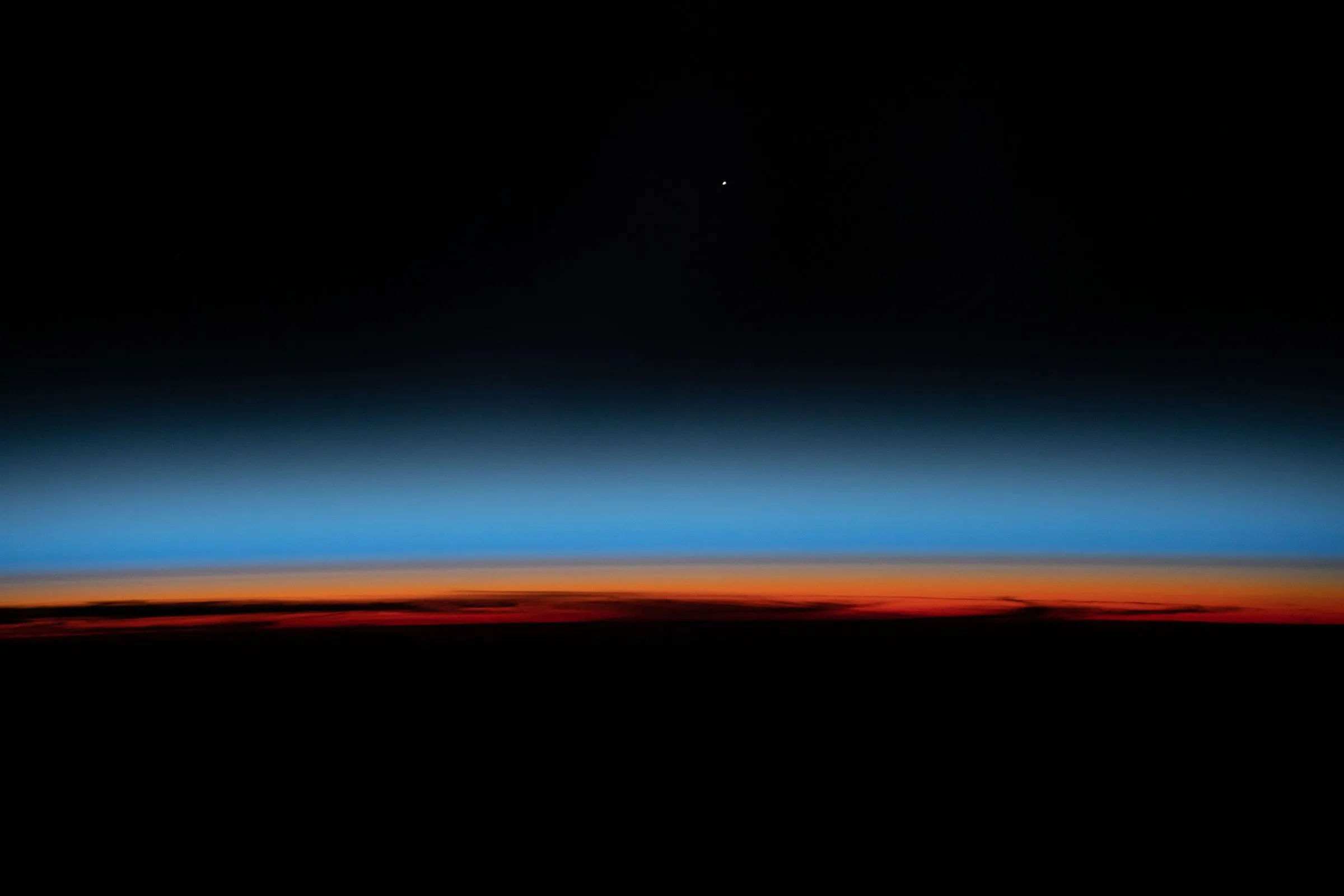
دا درس د Local Solar System بنسټ ټیم غړی لخوا لیکل شوی و او کیدای شي د یو وړ کتنه کونکي لخوا ښه شي. تاسو په دې موضوع کې وړتيا لرئ؟ د سمون وړاندیز وکړئ
لويوالی
ټول مخ پرانيستلدلته هرڅه په ریښتیني پیمانه کې دي: د ورته تناسب اندازه او واټن. هر پیکسل چې تاسو یې لرې کوئ تاسو ۳٬۰۰۰ کیلومتره نیسي.
Scrolling ساتل. هر عکس چې تاسو د لمریز سیسټم لیدلی دی دا خالي ځایونه راوباسي.
مرکوری مخکې دی، چیرې چې د لمر رڼا نږدې اوه ځله د ځمکې په پرتله قوي ده.
لا څه نه. تاسو د ۱۶٬۸۰۰٬۰۰۰ km له امله مروري تېر شوى دى.
د لمر رڼا چې تاسو ته تېرېږي اوس ۵ دقیقه ۵ sec مخکې لمر پرېښود.
ځمکه مخ ته ده. وګورئ چې څومره کوچني کورونه راځي.
.مارچ لا هم مخکې دی ۵۸٬۸۰۰٬۰۰۰ km
د ځمکې څخه یوه راډیو پیغام مریخ ته رسیدو لپاره 3 او 22 دقیقې وخت نیسي، د دې پورې اړه لري چې دواړه سیارې چیرته دي.
تاسو کولی شئ په هغه ځای کې چې تاسو یې له ځمکه څخه تیر کړی وي ۴٬۶۱۱ Earths خوا ته خوا ته ترتیب کړئ.
تاسو 14% د لارې له مارچ ته سيريس.
لا څه نه. تاسو د ۵۳٬۱۰۰٬۰۰۰ km له امله مارچ تېر شوى دى.
د لمر رڼا چې تاسو ته تېرېږي اوس ۱۷ دقیقه ۶ sec مخکې لمر پرېښود.
.سيريس لا هم مخکې دی ۷۹٬۶۰۰٬۰۰۰ km
تاسو د ستوربېړۍ په کمربند کې یاست. آیا تاسو څه ووهئ؟ په اوسط ډول د ستوربېړۍ شاوخوا یو ملیون کیلومتره لرې دي.
تاسو کولی شئ په هغه ځای کې چې تاسو یې له مارچ څخه تیر کړی وي ۱۲٬۴۹۷ Earths خوا ته خوا ته ترتیب کړئ.
تاسو 17% د لارې له سيريس ته مشتري.
لا څه نه. تاسو د ۱۲۲٬۰۰۰٬۰۰۰ km له امله سيريس تېر شوى دى.
د لمر رڼا چې تاسو ته تېرېږي اوس ۳۳ دقیقه ۸ sec مخکې لمر پرېښود.
.مشتري لا هم مخکې دی ۱۲۲٬۰۰۰٬۰۰۰ km
تاسو کولی شئ په هغه ځای کې چې تاسو یې له سيريس څخه تیر کړی وي ۲۳٬۸۴۶ Earths خوا ته خوا ته ترتیب کړئ.
تاسو 10% د لارې له مشتري ته زحل.
لا څه نه. تاسو د ۱۳۰٬۰۰۰٬۰۰۰ km له امله مشتري تېر شوى دى.
د لمر رڼا چې تاسو ته تېرېږي اوس ۵۴ دقیقه ۵ sec مخکې لمر پرېښود.
.زحل لا هم مخکې دی ۳۸۹٬۰۰۰٬۰۰۰ km
ویجر 1 د مشتري څخه زحل ته د سفر لپاره شاوخوا 20 میاشتې وخت واخیست.
تاسو کولی شئ په هغه ځای کې چې تاسو یې له مشتري څخه تیر کړی وي ۳۰٬۵۲۹ Earths خوا ته خوا ته ترتیب کړئ.
تاسو 70% د لارې له مشتري ته زحل.
لا څه نه. تاسو د ۵۱۹٬۰۰۰٬۰۰۰ km له امله مشتري تېر شوى دى.
د لمر رڼا چې تاسو ته تېرېږي اوس ۱ h ۱۶ دقیقه مخکې لمر پرېښود.
.اورانوس لا هم مخکې دی ۱٫۳۱G km
تاسو کولی شئ په هغه ځای کې چې تاسو یې له زحل څخه تیر کړی وي ۲۰٬۶۰۵ Earths خوا ته خوا ته ترتیب کړئ.
تاسو 27% د لارې له زحل ته اورانوس.
لا څه نه. تاسو د ۵۲۵٬۰۰۰٬۰۰۰ km له امله زحل تېر شوى دى.
اورانوس د زحل په څیر له لمر څخه دوه چنده لیرې دی. هرڅومره چې تاسو لاړشئ، نو دا خالي کیږي.
د لمر رڼا چې تاسو ته تېرېږي اوس ۲ h ۳ دقیقه مخکې لمر پرېښود.
.اورانوس لا هم مخکې دی ۵۲۵٬۰۰۰٬۰۰۰ km
تاسو کولی شئ په هغه ځای کې چې تاسو یې له زحل څخه تیر کړی وي ۸۲٬۴۱۸ Earths خوا ته خوا ته ترتیب کړئ.
تاسو 82% د لارې له زحل ته اورانوس.
لا څه نه. تاسو د ۱٫۳۱G km له امله زحل تېر شوى دى.
د لمر رڼا چې تاسو ته تېرېږي اوس ۲ h ۴۸ دقیقه مخکې لمر پرېښود.
.نيپتون لا هم مخکې دی ۱٫۳۳G km
تاسو کولی شئ په هغه ځای کې چې تاسو یې له اورانوس څخه تیر کړی وي ۳۴٬۸۴۰ Earths خوا ته خوا ته ترتیب کړئ.
تاسو 36% د لارې له اورانوس ته نيپتون.
لا څه نه. تاسو د ۷۴۰٬۰۰۰٬۰۰۰ km له امله اورانوس تېر شوى دى.
ویجر 2 ته د دې خلا له لارې د تېرېدو لپاره شاوخوا درې او نیم کاله وخت ونیو، په 1986 کې اورانوس څخه تر 1989 کې نیپتون پورې.
د لمر رڼا چې تاسو ته تېرېږي اوس ۳ h ۳۷ دقیقه مخکې لمر پرېښود.
.نيپتون لا هم مخکې دی ۴۴۴٬۰۰۰٬۰۰۰ km
تاسو کولی شئ په هغه ځای کې چې تاسو یې له اورانوس څخه تیر کړی وي ۱۰۴٬۵۱۹ Earths خوا ته خوا ته ترتیب کړئ.
تاسو 91% د لارې له اورانوس ته نيپتون.
لا څه نه. تاسو د ۱۲۹٬۰۰۰٬۰۰۰ km له امله نيپتون تېر شوى دى.
د لمر رڼا چې تاسو ته تېرېږي اوس ۴ h ۲۴ دقیقه مخکې لمر پرېښود.
د کویپر کمربند: د یخ نړۍ یوه حلقه چې د پلوتو وروسته خپره شوې، نیو هورایزونز یوازې یو له دوی څخه نږدې پرواز وکړ.
.پلوتو لا هم مخکې دی ۹۰۶٬۰۰۰٬۰۰۰ km
تاسو کولی شئ په هغه ځای کې چې تاسو یې له نيپتون څخه تیر کړی وي ۵۰٬۷۹۸ Earths خوا ته خوا ته ترتیب کړئ.
تاسو 55% د لارې له نيپتون ته پلوتو.
لا څه نه. تاسو د ۹۰۶٬۰۰۰٬۰۰۰ km له امله نيپتون تېر شوى دى.
د نوي افقونو، یو له ترټولو چټکو فضايي الوتکو څخه چې کله هم پیل شوی، د پلوتو ته رسیدو لپاره نهه او نیم کاله وخت واخیست. د لمر رڼا په شاوخوا پنځه او نیم ساعتونو کې د پلوتو اوسط فاصله ترلاسه کوي.
د لمر رڼا چې تاسو ته تېرېږي اوس ۵ h ۱۵ دقیقه مخکې لمر پرېښود.
.پلوتو لا هم مخکې دی ۱۲۹٬۰۰۰٬۰۰۰ km
د راوتلو لپاره په چوکاټ کې ښکته لاړ شئ، يا لاندې خپلکارې الوتکه پېل کړئ.
د سفر پای
شاته وګورئ. هغه روښانه ستوري لمر دی.
اومتوک لښتيال (د ليکنې بديل)
| نړۍ | قطر | له لمر څخه واټن | د لمر څخه د رڼا سفر وخت | px |
|---|---|---|---|---|
| مروري | ۴٬۸۷۹ km | ۰٫۳۸۷ au | ۳ دقیقه ۱۳ sec | ۱۹٬۳۰۳ |
| زحل | ۱۲٬۱۰۴ km | ۰٫۷۲۳ au | ۶ دقیقه ۱ sec | ۳۶٬۰۷۰ |
| ځمکه | ۱۲٬۷۴۲ km | ۱ au | ۸ دقیقه ۱۹ sec | ۴۹٬۸۶۶ |
| مارچ | ۶٬۷۷۹ km | ۱٫۵۲ au | ۱۲ دقیقه ۴۰ sec | ۷۵٬۹۸۱ |
| سيريس | ۹۳۹ km | ۲٫۷۷ au | ۲۳ دقیقه ۰ sec | ۱۳۷٬۹۰۷ |
| مشتري | ۱۳۹٬۸۲۲ km | ۵٫۲ au | ۴۳ دقیقه ۱۶ sec | ۲۵۹٬۴۴۷ |
| زحل | ۱۱۶٬۴۶۴ km | ۹٫۵۴ au | ۱ h ۱۹ دقیقه | ۴۷۵٬۵۵۵ |
| اورانوس | ۵۰٬۷۲۴ km | ۱۹٫۲ au | ۲ h ۴۰ دقیقه | ۹۵۶٬۸۸۶ |
| نيپتون | ۴۹٬۲۴۴ km | ۳۰٫۱ au | ۴ h ۱۰ دقیقه | ۱٬۴۹۹٬۴۶۵ |
| پلوتو | ۲٬۳۷۷ km | ۳۹٫۶ au | ۵ h ۲۹ دقیقه | ۱٬۹۷۴٬۱۲۵ |
Almost every picture of the solar system lies. To fit on a page, the planets are squeezed together and blown up in size. Walk it at true scale and you discover the real star of the show: empty space.
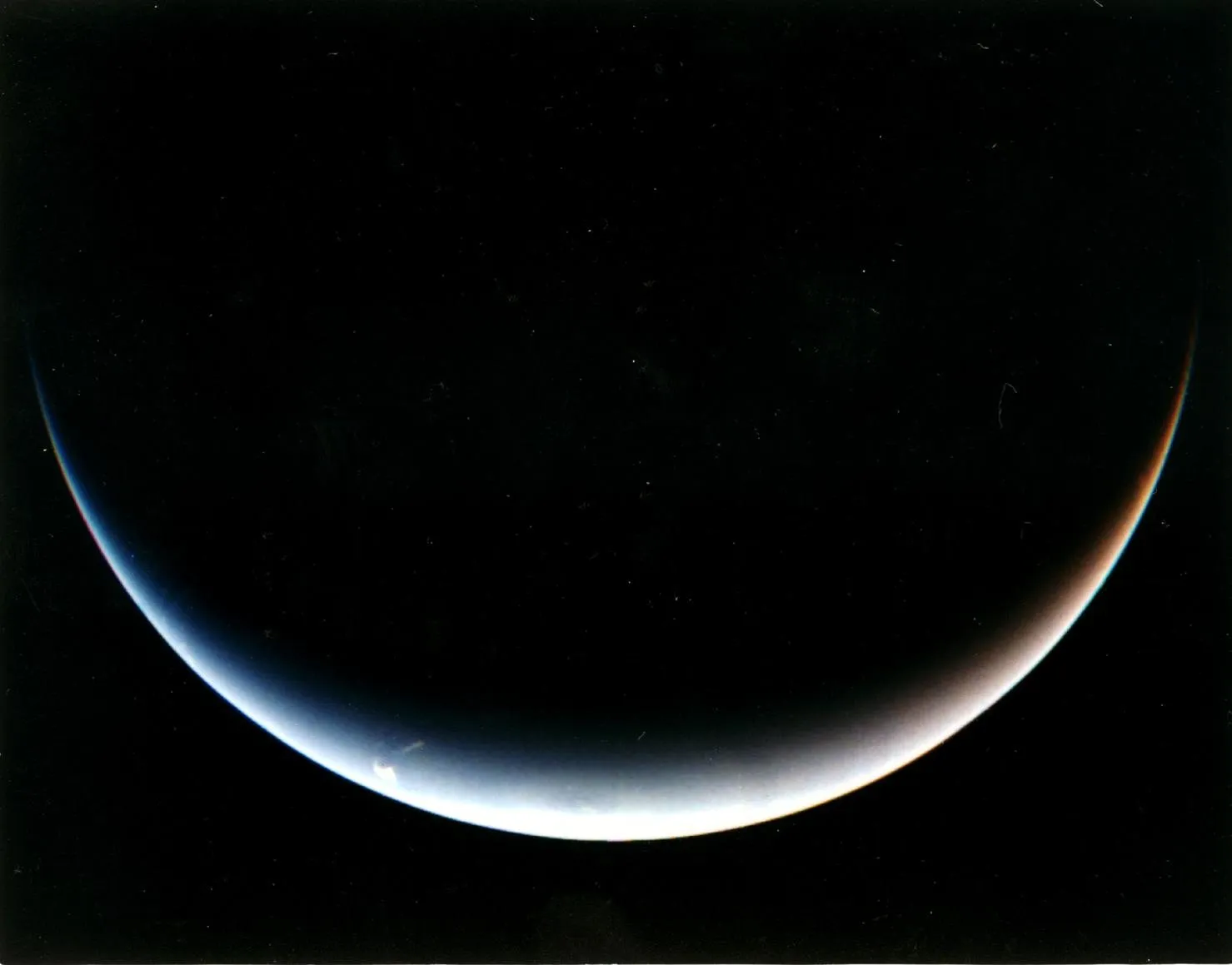
The solar system is mostly empty space, and that emptiness is the whole story.
Look
Most pictures of the solar system squeeze the planets together like beads on a string, and draw them far too big. They have to: at true scale, a page would be almost completely empty.
Guess first: if the Sun were a beach ball, how far away would Earth be? A step? A room? A street?
A street. With the Sun as a 1-metre ball, Earth is a 9 mm pea about 107 metres away: roughly the length of a football pitch. Keep that picture in mind as you travel.
The Scale Walk above is drawn at true scale: sizes and distances in the same proportion. Every pixel you scroll carries you 3,000 km. Scroll inside the frame, press Next world, or tap a planet on the journey map at the top.
- The journey map is to scale too. The white marker is you. Notice how the Sun and the four inner planets crowd together at the far left.
- The odometer counts kilometres and the time sunlight has needed to get where you are.
- When you stop near a world, the camera locks on and leans in (the zoom is shown next to the scale bar), and a card tells you where you are.
- Earth, a globe 12,742 km across, is almost 50,000 scrolled pixels from the Sun. Neptune is about 1.5 million pixels away.
Notice how much of the trip is just black, with only a few lines of narration drifting past. That is the real solar system: tiny worlds separated by enormous emptiness.
Understand
A scale model divides every length by the same number. Here the number is 3,000: 3,000 km of real space becomes 1 pixel.
| World | Real diameter | Diameter at 1 px = 3,000 km | Distance from Sun | At this scale |
|---|---|---|---|---|
| Sun | 1,391,400 km | 464 px | 0 | 0 |
| Earth | 12,742 km | 4 px | 149.6 million km | 49,866 px |
| Jupiter | 139,822 km | 47 px | 778.3 million km | 259,437 px |
| Neptune | 49,244 km | 16 px | 4,498 million km | 1,499,000 px |
A handy comparison uses the Sun as a 1-metre ball. Divide everything by the Sun’s diameter (1.39 million km):
- Earth is a 9 mm pea, 107 m away.
- Jupiter is a 10 cm grapefruit, 560 m away.
- Neptune is a 3.5 cm marble, 3.2 km away.
- The nearest star, Proxima Centauri, would be another ball about 29,000 km away: more than two thirds of the way around the real Earth.
Try the autopilot at 1×, the real speed of light. You move 100 pixels per second, which feels slow on screen. Real sunlight really does need 8 minutes to reach Earth and more than 4 hours to reach Neptune. The faster settings compress time, not distance: the autopilot still brakes and pauses at every world.
Guess first: scrolling with a mouse wheel, are you moving faster or slower than light?
Much faster. A brisk scroll carries you millions of kilometres per second, often ten or more times the speed of light; the speed readout under the odometer shows it. Even so, the outer planets take a long time to reach. That is how big the distances are.
Master
Two separate compressions distort normal diagrams: the size scale and the distance scale. The ratio of the Sun-Neptune distance (4.5 × 10⁹ km) to Earth’s diameter (1.27 × 10⁴ km) is about 350,000. A screen 1,000 pixels tall can resolve a range of about 1,000, so no single static image can show both the planets and their spacing. Interactive zoom, logarithmic axes or a scroll-length model like this one are the only honest options.
This is also why the orrery on this site offers two modes. Readable scale compresses distance with a square root (r_screen ∝ √r) and draws planets at fixed legible sizes. True scale is linear in both size and distance, so the planets shrink to sub-pixel dots.
The emptiness has consequences for spaceflight. Travelling between planets is not like driving between cities: the planets move, the distances are huge, and the energy cost depends far more on changes of speed than on distance. That idea, delta-v, is at the heart of the Navigator path.
A last scale fact: the asteroid belt, often drawn as a crowded field of rocks, is so sparse that spacecraft cross it without any special manoeuvres. The Kuiper belt beyond Neptune is emptier still.
هڅه کول
Set the autopilot speed to 1× and press 'Travel at the speed of light'. Watch the light-time clock as you reach Earth: about 8 minutes 20 seconds. Before you look at the table, guess how long the same trip takes to Neptune, then check.
لوی. ننګونې دي چېرته چې د زده کړې سټیکونه.
چټکه پوښتنه
3 چټک پوښتنې. د ځواب غوره کړئ چې وګورئ که تاسو سم یاست.
-
If the Sun were a ball 1 metre wide, about how big would Earth be?
- A A football
- B A grapefruit
- C About 9 millimetres, like a pea
- D About 1 millimetre
ځواب ښودل
C. About 9 millimetres, like a pea The Sun is about 109 times wider than Earth, so 1 m ÷ 109 ≈ 9 mm.
-
At that same scale, how far away would Earth be from the 1-metre Sun?
- A About 1 metre
- B About 10 metres
- C About 107 metres
- D About 1 kilometre
ځواب ښودل
C. About 107 metres 1 au is about 107.5 Sun diameters, so Earth would be a pea about the length of a football pitch away.
-
Why do most drawings of the solar system show the planets close together?
- A Because they really are close
- B Because at true scale the planets would be too small to see on the page
- C Because the drawings show the planets at their closest approach
- D Because of light pollution
ځواب ښودل
B. Because at true scale the planets would be too small to see on the page
پای ليکه
- د تعاملي سره لوبېدلی
- درس ولولئ
- د چالش ترسره کول
- د پوښتنې ځواب
د دې لپاره چې په دې وزله کې يې خپل پرمختګ ته وساتئ، ټوله درسنه نښه کړئ.
زده کړه بشپړه شوه. ښه ترسره شو!
راتلونکی بره Days and years on each worldپه دې درس کې ويېونه
سرچينې
- NASA NSSDCA Planetary Fact Sheet (diameters, distances)
- JPL SSD: Approximate Positions of the Planets (semi-major axes)
- NASA NSSDCA: Schoolyard Solar System scale model
دا درس د CC BY-SA 4.0 منښتليک لري.