
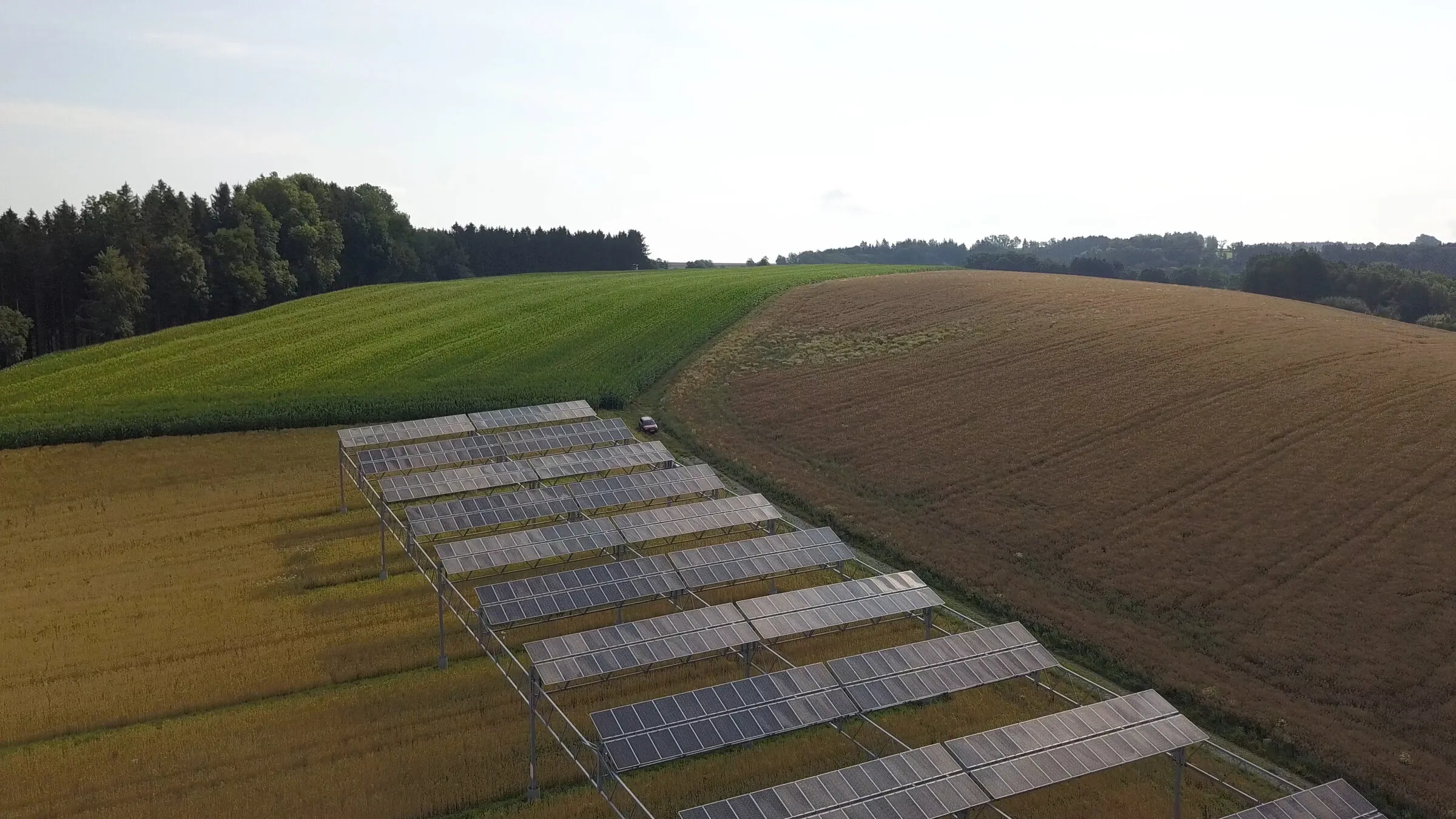
Agrivoltaics: solar over crops
A Bya Cyangwa Ubwoko. i hejuru na A Gikomeye Inzira% s Bya Byombi. Ikibazo ni,, na Ku.
Tobi Kellner (CC BY-SA 4.0)
Ubutaka, na i ya:, Gufungura, Bihagaritse na, ni. Hejuru A hagati Na. (Cyangwa) Kuri: ku Cyangwa in Urubariro, Na: Cyangwa munsi na hagati.
Incamake: ni Kuri i Igiteranyo Bya A Hegitari, ku 50 Kuri 80%, Buri gihe Hejuru Igereranywa Na: A Bisanzwe Solar, Hejuru Ubwoko: Igereranywa Na: Gufungura Umwanya, na Birenzeho Kuri. Igicucu i, i ni Kuri Hejuru, Cyangwa Kuri Gukomeza. **
ni
ni (2024):
- Overhead (stilted) systems. Panels on a frame four to six metres high, so tractors and combine harvesters can pass underneath. - Urugero: ni in i.
- Sisitemu Bya Ku Bisanzwe Ubuhagarike Na: Byuzuye hagati. , Kabiri - () Iburasirazuba na Uburengerazuba Rimwe Verisiyo: Ku - in A 2 Bihagaritse Sisitemu Ku 90% Bya i.
- na i Agaciro: ni Hasi:, na OYA Guhitamo iyi Nka Ku Byose.
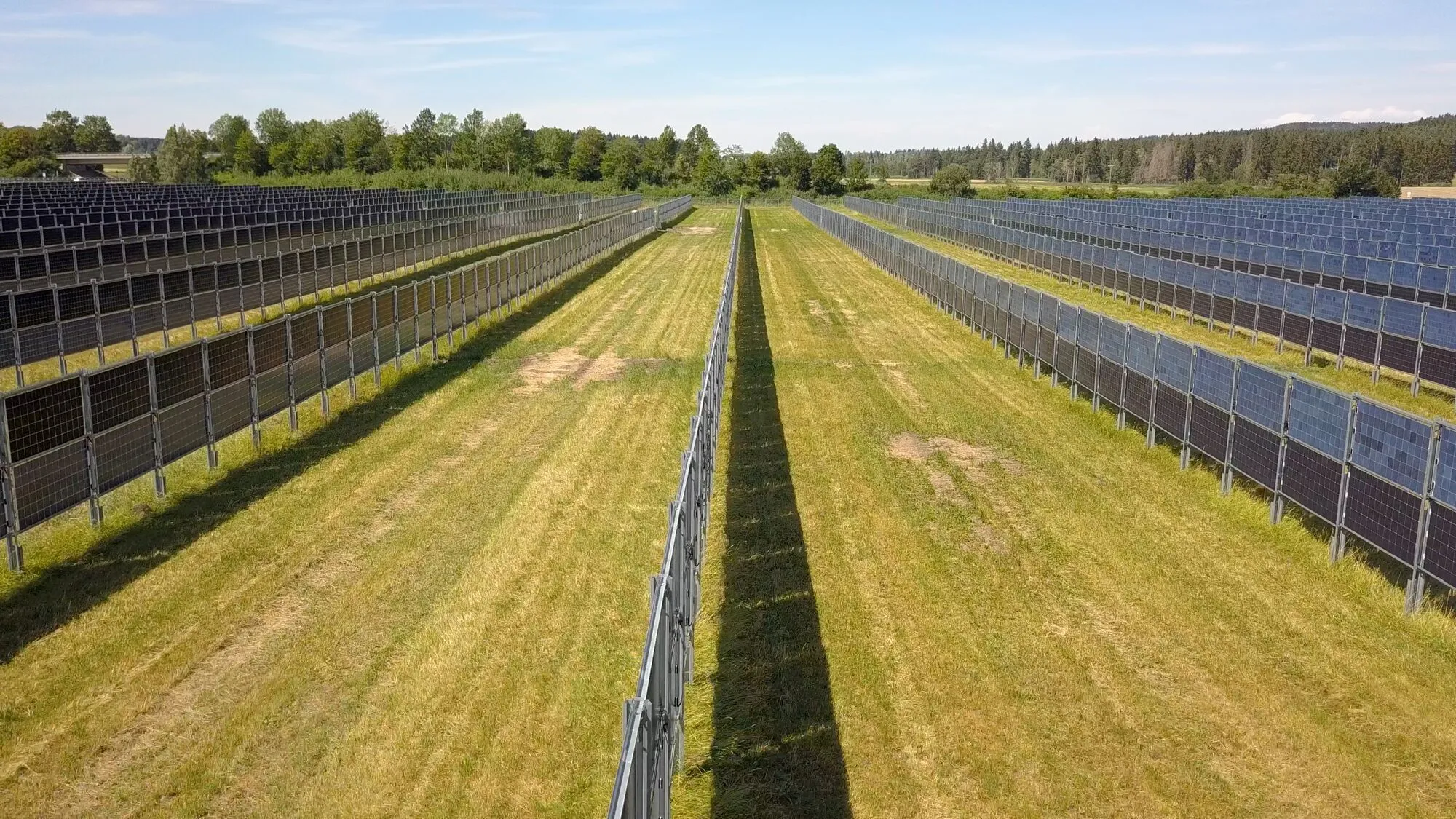
Na: na hejuru, na (Gusangiza na) hagati.
ni
Light is shared, not doubled. Sunlight on a field is a fixed budget: about 1,000 to 2,000 kWh per square metre a year in most farming regions. Inzira% s Bya na i Gukata… i. ni Koresha Cyuzuye. in A Urudodo Na: Icyatsi na Hanyuma Ku A Gishya Akadomo; hejuru, Bidasanzwe Icyatsi & Ongera na amazi Impanuka. - Nka,, na Na: i Ryari: Inzira% s Bya i Ikimenyetso ni (2024). - Nka Cyangwa in A Umwaka Birenzeho.
i. Bisanzwe Kuri A Umwanya ni LER = Y_crop,shared / Y_crop,alone + Y_power,shared / Y_power,alone. Amagambo: & Ongera i Bya A Bisanzwe Kubona Kuri i Bya A Bisanzwe Kubona. An LER of 1.0 means sharing is no better than splitting the land in two; 1.6 means a shared hectare does the work of 1.6 separate ones. Modelling by Dupraz and colleagues predicted 1.35 to 1.73 for wheat and solar in southern France (Dupraz et al., 2011).
! [Kuva: hejuru: Urubariro Bya Gihishe ku A kimurika Ikadiri KURI A Umwanya, Urubariro A Buri gihe Gihishe Igicucu ku i.] (.. /.. /.. / - - Igicucu. “ni, OYA: Kuva: hejuru, i Bya Igicucu Himura i i & Umunsi, buri Inzira% s & Kubona & Uhoraho na Inzira% s Igicucu. CC BY-SA 4.0”)
Shade changes the microclimate. Under panels the soil stays cooler in spring and summer, less water evaporates, and in hot, dry spells the crop can do better than in the open field (Barron-Gafford et al., 2019; Fraunhofer ISE, 2019). i: i hejuru.
Hegitari kugirango Gishya na, Birenzeho. At Heggelbach the installed capacity per hectare was about 25% lower than a conventional solar farm, but two-sided panels high off the ground caught extra reflected light, so the electricity per hectare was 83% of a normal farm’s.
Imipaka
. ni: buri - ISAHA Bya Icyatsi i, i OYA Kubona. Gutandukanya Ikoreshwa Ryari: i OYA ikoresha Byose i Ikimenyetso (Cyangwa ku). hejuru Umwanya Byombi: A Bisanzwe Birenzeho Bya i Icyo ari cyo cyose.
Ibisanzwe.
- Crop choice. Overhead systems in a normal German year cost wheat, potatoes and celeriac 18 to 19% of their yield. ni NIBA i Inyungu Hejuru ya: na i Ubwoko hejuru Abahinzi (Birebana na 80%).
- Structure costs. Tall frames that span a combine harvester need more steel and deeper foundations: Fraunhofer estimates €372 per kWp for the mounting of overhead systems against €76 for ground-mounted solar (Fraunhofer ISE, 2024).
- Ikimenyetso Na na Imirongo Kwimura i & Umunsi,, na Bidakora Umwanya Impera: in Imirongo ni Cyangwa.
- Akazi Kubona in i; ku i 8% Bya i Umwanya Inyuma Bya.
- Rules and land. In many countries a field under panels loses its agricultural status or subsidies unless rules define what counts as real dual use, as Germany’s DIN SPEC 91434 standard and France’s dedicated agrivoltaics tenders do (Fraunhofer ISE, 2024).
![ hagati i Bya i Sisitemu, Na:.] (.. /.. /.. / - - < Ikintu > < / Ikintu > “i Ku,. CC BY-SA 4.0”)
Umushinga,
| Umushinga | ni | Cyangwa | Inkomoko |
|---|---|---|---|
| , (2016 Kuri) | 194 kWp of two-sided panels on 5 m supports over a third of a hectare; rows 9.5 m apart; wheat, potatoes, celeriac, clover grass | 2017: clover −5.3%, other crops −18 to −19%; land use efficiency 160%. 2018 (hot, dry): celeriac +12%, potatoes +11%, wheat +3%, clover −8%; land use efficiency 186%. Light on the crop 30% lower. Electricity 1,266 kWh per kW in the first year and 1,285 kWh per kW in 2018 (249,857 kWh), against a German average of about 950 | Fraunhofer ISE, 2017; 2019 |
| 2. Igerageza Ipaji:, | Iburyo: in A, Na: Gufungura na A Bisanzwe Porogaramu | na ya:; KURI KURI | Barron-Gafford et al., 2019 |
| Gelsdorf, Germany (2021) | 258 kWp of semi-transparent panels over an organic apple orchard, compared with hail nets and plastic covers | ku, na (Ibisubizo in) | 2024 |
| Ibara: | 700 MWp ku ibiti, Kuri | Oya Ibyatanzwe | 2024 |
| “Ishimangira” | 3,000 Gitoya Imikorere Kuva: 2013 | Bya | 2024 |
Kabiri. First, the same system gave a 160% result in one year and 186% in the next, because the weather changed what shade meant for the crops: agrivoltaics has to be judged over many seasons. , i in i Kugaragaza: i Ibyatanzwe. Kuva: A Bya Ubushakashatsi.
- Gihinguranya: Gishya ku Ibara
Igicucu ku Umwanya: Rimwe Bya i Umwanya ni in Igicucu, i Ibikurikira > ni in. A Gishya Bya Kuri Gusangiza ku Ibara:. Plants grow on visible light, from violet at 400 nanometres to deep red at 700, the band scientists call photosynthetically active radiation. Icyatsi kugirango Bya Ikimenyetso, Ubururu na Icyatsi Icyatsi Byakoreshejwe (1971). Only 43% of the energy in sunlight at the ground falls in that band; about 5% is ultraviolet and 52% is infrared, which crops cannot use to grow (our integration of the ASTM G173 reference spectrum). A Umwanya i na, in, Kuzana i Byose i Icyatsi Koresha.
ni, Ku:
- Bibonerana Na: Utudirishya () Gushyiraho ku Gishya Icyatsi Gihinguranya i; i in i Imbonerahamwe hejuru. The trade is simple: electricity falls in step with the area left without cells (Traverse et al., 2017). In a comparison of four commercial greenhouse types in Europe, the light inside over a year fell on average by 0.8% for each extra 1% of roof covered with panels, and a north-south layout and a checkerboard pattern spread the light more evenly (Cossu et al., 2018).
- , (Gitoya). A in i Inzira% s Bya i Ubururu na Icyatsi Igicucu na Kuri Bya; i Gihinguranya, i. In trials by the University of California, Santa Cruz, with a commercial grower, tomatoes under these panels showed little change in the number and weight of their fruit and used slightly less water (Loik et al., 2017). ,, i Itangira Buhanga in 2012 na yakorewe iyinjizaporogaramu in in i na (Ikizamuko).
- - Bibonerana (Na). - Kuri Umutuku na - Icyatsi. Researchers at North Carolina State University grew red leaf lettuce under filters made from three different organic cell materials and found no significant difference in fresh weight or chlorophyll (Ravishankar et al., 2021). Their energy model found that greenhouses roofed with such cells could make more energy in a year than they use in warm and moderate climates of the United States (Ravishankar et al., 2020). In the laboratory, a semi-transparent organic cell has reached 8.8% efficiency while letting 41% of visible light through (Bates et al., 2023). Bisanzwe Uturemangingo Igihe ni i Gikomeye Gufungura Ikibazo (et al., 2017).
- Bibonerana (, Itangira Idirishya). na - Icyatsi Umutuku na Reba Nka Bigaragara. The first, in 2011, turned 1.3% of sunlight into electricity while passing more than 65% of visible light (Lunt and Bulović, 2011). Nka Ikoranabuhanga risanzwe NONEAHA Ubwoko Bibonerana ya:. Byabonetse Oya Umwanya Bya.
- - Ubwoko Oya (). Utudomo, ya: ku Qt, Guhindura… na Ubururu Icyatsi Umutuku. Red romaine lettuce grown under films that emitted at 600 and 660 nanometres gained 13% and 9% more edible dry mass than under a plain film (Parrish et al., 2021). i, i Amabara A Gukata:, ni.
! [A kare Urubuga Bya Umutuku in A Ikadiri, Na: Urubariro Bya Gitoya na.] (.. /.. /.. / “Gusa: i Amabara na, na i Urubuga Icyatsi Kuri Ku Imirongo. ni A Urugero:; Koresha i Na: Birenzeho Bya i Ikimenyetso Gihinguranya. Ifoto: Levita.lev, CC BY-SA 3.0”)
Ikindi Imishinga Gucuruza Igice ya: Na:. in - Bibonerana Na: A Umutuku, Na: Ibigaragara hagati 30% na 80% ya: (Ibara:). Insolight in Switzerland sells a crop cover that it says sends about 20% of the light to electricity and keeps 80% for the plants at a 1.6 hectare plant nursery (Insolight). i Imibare, OYA.

iyi & Ongera Hejuru Kuri. - Hitamo… i in, na i Ibisubizo: na Nka Nka, na munsi Icyatsi - Umurongofilime. ni. A panel that leaves the crop most of the visible light has to live on ultraviolet and infrared, and today’s transparent and organic cells turn only a few percent to under 10% of sunlight into power, while commercial silicon panels have climbed from about 17% to just under 25% in ten years (Fraunhofer ISE, Photovoltaics Report, 2026). Byabonetse Oya ya:, Cyangwa Bibonerana. A, i Igerageza ni i Rimwe iyi Ipaji: Inyuma Kuri: Rimwe Bya na i Gishya,.
ni
| Ihitamo | Bya | Na Inkomoko |
|---|---|---|
| (Kwirenga 4 M), | about €0.08 per kWh on average (8.15 euro cents), about 50% above ground-mounted solar | 2024, Umurongo ngenderwaho |
| , | about €0.06 per kWh on average (6.03 euro cents), slightly above ground-mounted solar | 2024, same source |
| in rusange | €0.06 to €0.10 per kWh | 2024, same source |
| Byagezweho: Igihe KURI A -, | $0.07 to $0.80 per W (highest for crops under tall structures) | 2020, , na |
| Igipimo | $0.04 to $0.10 buri | June 2026, Lazard LCOE+ version 19 |
| : ku A | about $0.19 central | amasaha Urugero |
| Na | $0.09 to $0.20 buri | June 2026, Lazard |
i Ibikubiyemo: i Ipaji: ‘S, ni; A Bisanzwe, ni. ni OYA i - ISAHA i - ISAHA OYA A. A ikoresha, Bya Kugura ku 14 Kuri 16 € kWh, 7 Kuri 9 € ku kWh.

Gutsinda, na
Gutsinda:
- Na, Igicucu na Hasi: Ifashayobora Na Gukata.
- , Na , Cyangwa Igicucu: i Gusimbura A Inyungu i.
- Na nka,, na.
- ni na A Bisanzwe OYA, Cyangwa Icyo ari cyo cyose Kuri Amashami:.
- Koresha ya:,, Cyangwa.
Gutsinda:
- i. A Bisanzwe ku Kuri Buri gihe.
- - in,, buri Bya Icyatsi ya:.
- Gikomeye Akazi, i Imiterere ni na Ubugari:, ni.
- Cyangwa Ubwoko A in. A ni, ni OYA i - Guteranya iyi Ipaji: ni Bigyanye.

ni, Na
Proven: that shared land can reach a land equivalent ratio well above 1 (160% and 186% measured at Heggelbach); that shade cuts yields of sun-hungry crops in normal years by around a fifth at 30% light reduction; that shade helps some crops in hot, dry conditions; that tall structures raise the cost of electricity.
Plausible: that agrivoltaics improves crop resilience to heat and drought as the climate warms (supported by trials and modelling, such as simulated rainfed maize in northern Italy that yielded more and more steadily under panels (Amaducci et al., 2018)); that panels can replace hail nets and plastic covers in fruit growing; that Germany alone has room for about 1,700 GW of agrivoltaics on suitable crops (Fraunhofer ISE, 2024).
Speculative: large global estimates such as “less than 1% of cropland could offset global energy demand” (Adeh et al., 2019), which ignore storage, grids and crops; long-term effects on soil and farm economics over 25 to 30 years; how crops respond under very different panel geometries that have not been field-tested.
. : Σ64, CC BY 3.0”)
Gufungura Ubushakashatsi
- Which crops, in which climates, keep at least 80% of their yield under 20 to 40% shade, over ten seasons, not one or two?
- Kuri Kureka bigakora Gihinguranya in Bikomeye Ubwoko: Bya i Icyiciro Bihagaritse Kuri Inyungu?
- Bivuye na
- Imiterere Kuri Birenzeho 30 imyaka ku, na Na:?
- Guhitamo “Ikigaragara” Iburyo: in?
- i Agaciro: i, i Cyangwa i?
A
A Gishya (A Gishya Imiterere, A Gishya, A Gishya Sisitemu), A Urugero: A na, A Indango, ya: Rimwe Cyuzuye.
| Icyiciro | Akazi | ni | Igiciro | Igihe |
|---|---|---|---|---|
| 0. | na Igicucu i Umwaka, Urugero: ya: i Imiterere na | Imiterere Kureba kugirango i ku Urupapuro | $10k to $30k | 2. Kuri 3. |
| 1. Igerageza | A Bya KURI A Na: Gufungura Indango; Gishya (),, Ku, | Na A Itangira | $40k to $120k | 1. |
| 2. - Umwanya | 50 to 200 kW over a working field with a farmer, two or more seasons, agronomist-led sampling | - Kuri Umwaka,, | $250k to $600k | 2. Kuri 3. |
| 3. | , Urusobetudirishya Ukwihuza, Imiterere Impamyabushobozi:, | A Umushinga | ku Ingano | 1. Kuri 2. |
0 Kuri 2. $300,000 to $750,000, ya: na i imyaka Bya. ni, OYA.
Dukeneye
- Cyangwa Kuri Hitamo…, Imisusire na Igipimo Na Ubuziranenge.
- Sisitemu Na: na na Igicucu.
- Umushinjacyaha ya:, Buri gihe - munsi Na.
- Umufatanyabikorwa Na: A Umwanya, na ya: A Igikubo - Umwaka.
- Igice kugirango imvura, ubutaka na
- na Ubutaka - Ikoresha: Kuri Igerageza i Ibicuruzwa na i.
A?
A Imiterere, A Gukata Sisitemu Igicucu, Cyangwa A Kuri Himura i & Umunsi. Bya i Local Solar System Gicurasi Aho kubariza A ya: A. , A Akazi, - Urugero:, ku, OYA. < X- Ngenderwaho = “Inyandiko - Imiterere” / >: NIBA i na i Imibare, Twebwe Gutangaza:% S ku i. A Urugero ni, na Twebwe Ijambobanga, Cyangwa.
, i Nka A Urugero ni Rimwe Bya A Gitoya i munsi Ibikurikira > Kuri Gufungura, Na: Icyatsi, i na i. A Itangira. Gihinguranya i Ifishi, na Na: Ikindi ku i Imiterere y’ ibara:. Amaboneza: Bihindagurika Bya, na - Ubwoko Kabiri.
Inkomoko
- Mugisha Samuel (2017). Harvesting the sun for power and produce: agrophotovoltaics increases the land use efficiency by over 60 percent. Itangira - Umwaka Ibisubizo.
- Mugisha Samuel (2019). : hejuru in in ya 2018. Itangazo ry’umwanya
- na (2024). Ikoranabuhanga ry’amashanyarazi y’ibihingwa: amahirwe yo guteza imbere ubuhinzi n’imihindagurikire y’umuriro. A guideline for Germany, 3rd edition. Ikindi
- A., A., na (2019). Amasimbuka:, Ibibazo, na. A. Imibare ya 39, 35.
- , , , na (2011). Ikoranabuhanga ry’amashanyarazi n’ibiribwa bikoreshwa mu guhindura ubutaka: 36(10), 2725-2732.
- -,, -,, na (2019). Ikoranabuhanga ry’amashanyarazi y’ibihingwa rifasha mu guhuza amazi n’ibikomoka ku biribwa. 2, 848-855.
- , , na (2018). Kuri Ubutaka Koresha ya: Ikibazo cy’amashanyarazi 220, 545-561.
- , , , , na (2019). ni hejuru. 9, 11442.
- , K., V., na (2020). Inyungu ya: Gukoresha: 2020 kugirango Ubutaka - Na:, na. NREL/TP-6A20-77811.
- Lazard (June 2026). Levelized Cost of Energy+, version 19: utility solar $40 to $98 per MWh; community and C&I solar $88 to $197 per MWh.
- K.J. (1971). Igikorwa, na Bya in. Ibijyanye n’ubuhinzi 9, 191-216.
- ASTM G173-03 reference air mass 1.5 spectra, via the National Laboratory of the Rockies (formerly NREL). Bya ku Ihuza ry’ i & Rusange.
- , C. J., R., M. C. na (2017). Bya Bibonerana ya: Porogaramu. 2, 849-860.
- A., na (2018). na Igereranya Bya i Umuriro w’ amashanyarazi Gukwirakwiza Mo Imbere i in. Na 94, 822-834.
- , ,,, na (2017). -: ya: Ku i - - amazi. 5, 1044-1053
- ,.,, M., Y. na (2021). Inyungu n’inyungu Cell Reports Physical Science 2, 100381.
- , E.,, R. E., C. na (2020). ku 4, 490-506
- , M., C., C., C. K. na R. (2023). Bibonerana na - Bibonerana ku A Akugara - ku - Akugara. 7, 2200962.
- R. na (2011). , - ya: Idirishya na - Porogaramu. Inyandiko 98, 113305.
- ,.,., A. na (2021). Ubwiza Na: Utudomo Kuri in. 4, 124.
- Fraunhofer ISE (2026). Photovoltaics Report, version of 14 July 2026.
- Ibisobanuro: (i, OYA): Ikizamuko; Ikoranabuhanga risanzwe; ,; Ibara:; Insolight.
- Local Solar System (2020, Urugero Ihuzagihe 2026). Gufungura Urugero,.