
This lesson was drafted by a Local Solar System Foundation team member and could be improved by a qualified reviewer. Are you qualified in this subject?ផ្ដល់យោបល់កែសម្រួល
អូរ៉េរី
បើកទំព័រពេញThe solar system, right now. Every planet is where it really is today, worked out from NASA JPL's formulas.Press play and time speeds up, so you can watch the planets go round the Sun: the closer a planet is to the Sun, the faster it travels.ចុចលើពិភពលោកណាមួយដើម្បីហោះទៅវា និងមើលវាប្ដូរ ។
ព្យាយាមក្នុងនេះ
Readable scale: the planets are drawn far bigger than they really are and the distances are squeezed, so every planet fits on one screen.Switch to true scale to see the real emptiness of space.
របៀបប្រើវា
- មើលជុំវិញ
- Drag to turn the view.Scroll, pinch or use the + and - keys to zoom.
- ជ្រើសពិភពលោក
- Tap or click a planet to fly to it and follow it.You will see how far it is from the Sun and from Earth, and how fast it turns.The arrow keys step from planet to planet;Escape or the button at the top goes back to the whole system.
- ពេលវេលា
- Play runs time forward at the chosen speed.Pick any date, or step with the arrows next to it.Now brings you back to today.
- មាត្រដ្ឋាន
- Space is so big that no screen can show both the planets and the distances between them at true scale.Readable scale enlarges the planets and squeezes the distances;true scale shows both as they really are.
ប្រៀបធៀបពិភពលោកពីរ
| ផែនដី | ព្រះអាទិត្យ |
|---|
តារាងទិន្នន័យ (ជំនួសអត្ថបទ)
| ពិភពលោក | ចម្ងាយពីព្រះអាទិត្យបច្ចុប្បន្ន | ពេលវេលាធ្វើដំណើរពន្លឺពីព្រះអាទិត្យ | រយៈបណ្ដោយព្រះច័ន្ទ |
|---|---|---|---|
| ភពពុធ | 0.3095 ឬ | 2 នាទី 34 វិនាទី | 93° |
| ភពសុក្រ | 0.7216 ឬ | 6 នាទី 0 វិនាទី | 61.9° |
| ផែនដី | 0.9898 ឬ | 8 នាទី 14 វិនាទី | 50.1° |
| ភពអង្គារ | 1.607 ឬ | 13 នាទី 22 វិនាទី | 106° |
| ភពព្រហស្បតិ៍ | 5.318 ឬ | 44 នាទី 14 វិនាទី | 135° |
| ភពសៅរ៍ | 9.422 ឬ | 1 ម៉ោង 18 នាទី | 12.3° |
| ភពអ៊ុយរ៉ានុស | 19.43 ឬ | 2 ម៉ោង 42 នាទី | 63.1° |
| ភពណិបទូន | 29.88 ឬ | 4 ម៉ោង 8 នាទី | 2.9° |
Planet positions use JPL's approximate formulas, accurate to about a few arcminutes between 3000 BC and 3000 AD.
Look up on a clear night and every star you can see with your own eyes belongs to one galaxy, the Milky Way. You are standing on a spinning ball of rock, circling one ordinary star among billions. This lesson finds out exactly where.
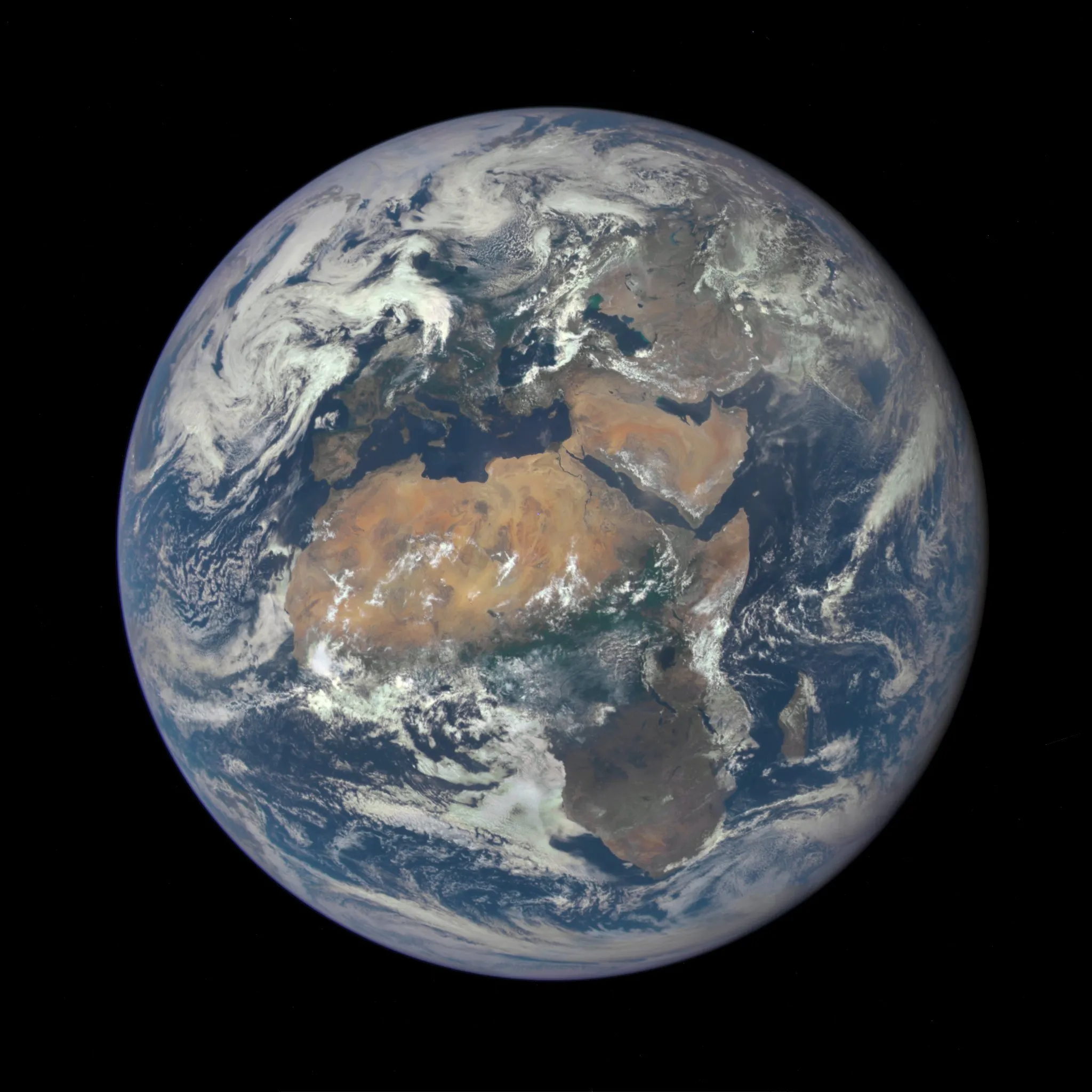
Every star you can see with your own eyes belongs to the Milky Way.
មើល
Stand outside on a clear night. ដីក្រោមជើងរបស់អ្នកគឺជាផ្នែកមួយនៃបាល់ថ្ម 12,742 គ.ម. ទទឹង។ That ball, Earth, is spinning once a day and racing around a star, the Sun, once a year.
The Sun is so big that about 1.3 million Earths would fit inside it. It is so heavy that it holds almost all the mass of everything that orbits it: planets, moons, dwarf planets, asteroids and comets. រួមគ្នា, ព្រះអាទិត្យនិងអ្វីគ្រប់យ៉ាងដែលកាន់ដោយចលនារបស់វាគឺ ប្រព័ន្ធព្រះអាទិត្យ.
In the orrery above, the yellow dot in the middle is the Sun. Press Play and watch the planets move. The closer a planet is to the Sun, the faster it goes around:
- មេគង្គ ចំណាយពេល 88 ថ្ងៃ ។
- ភពផែនដី ចំណាយពេលមួយឆ្នាំ។
- ភពព្រះច័ន្ទ, ភពដែលឆ្ងាយបំផុត, ចំណាយពេលជិត 165 ឆ្នាំ ។
ប្រព័ន្ធព្រះអាទិត្យរបស់យើងគឺជាមួយនឹងប្រព័ន្ធផ្កាយរាប់ពាន់លានក្នុងការវិលដ៏ធំនៃផ្កាយដែលហៅថា ផ្លូវទឹកដោះគោ. On a very dark night you can see it as a faint band of light across the sky. Every star you can see with your own eyes belongs to it.
យល់
Distances in space are so large that kilometres become awkward, so astronomers use bigger rulers.
The astronomical unit (au) is roughly the average distance between Earth and the Sun. ចាប់តាំងពីឆ្នាំ 2012 វាមានតម្លៃជាក់លាក់: 149,597,870,700 ម៉ែត្រ, ប្រហែល 149.6 លានគីឡូម៉ែត្រ។ With it, the solar system becomes easy to picture:
| ពិភពលោក | ចម្ងាយមធ្យមពីព្រះអាទិត្យ |
|---|---|
| ផ្កាយព្រះអាទិត្យ | 0.39 ឬ |
| ផែនដី | 1.00 ម៉ោង |
| ភពព្រះច័ន្ទ | 5.2 ឬ |
| ភពព្រះច័ន្ទ | 30.1 ឬ |
Light-time is the time light needs to cover a distance. Light moves at 299,792 km per second, so:
ពេលវេលា = ចម្ងាយ ÷ ល្បឿនពន្លឺ
សម្រាប់ 1 au: 149,597,871 km ÷ 299,792 km/s ≈ 499 s ឬ 8 នាទី 19 វិនាទី ។ When you look at the Sun (never directly, it damages your eyes), you see light that left it about eight minutes ago. Sunlight takes over four hours to reach Neptune.
ឆ្នាំពន្លឺ គឺជាចម្ងាយដែលពន្លឺធ្វើដំណើរក្នុងមួយឆ្នាំ: ប្រហែល 9.46 ប៊ីលានគីឡូម៉ែត្រឬ 63,241 au ។ The nearest star after the Sun, Proxima Centauri, is about 4.2 light-years away. The Milky Way is roughly 100,000 light-years across.
មេ
The au used to be measured: it was defined through the Gaussian gravitational constant, so its length in metres was a quantity astronomers had to determine. Radar ranging of Venus and spacecraft tracking in the late twentieth century pinned it down to a few metres. ក្នុង 2012 សហភាពអវកាសវិទ្យាអន្តរជាតិបានធ្វើឲ្យវាជាចំនួនថេរ (វិសាលភាព B2), ដូច្នេះ au គឺឥឡូវនេះគ្រាន់តែជាឯកតា, ដូចជាម៉ែត្រ.
អ្វីដែលយើងពិតប្រាកដណាស់វាស់យ៉ាងត្រឹមត្រូវនៅថ្ងៃនេះគឺប៉ារ៉ាម៉ែត្ររបស់ព្រះអាទិត្យ, GM☉ = 1.32712440041 × 10²⁰ m³ s⁻², ពីចលនានៃភពនិងយានអវកាស។ ផលិតផល G × M គឺត្រូវបានគេស្គាល់ថាល្អប្រសើរជាង G ឬ M តែមួយ ព្រោះ G គឺជាចំនួនថេរដែលដឹងច្បាស់បំផុតក្នុងវិទ្យាសាស្ត្រ។ That is why orbital mechanics works with μ = GM throughout, as you will see in the Navigator path.
Two practical consequences:
- Earth’s distance is not constant. ភពផែនដីមានអ័ក្សចម្ងាយពីព្រះអាទិត្យប្រហែល 0.0167 ដូច្នេះចម្ងាយរបស់វាពីព្រះអាទិត្យចាប់ពីប្រហែល 147.1 លានគីឡូម៉ែត្រ (ដើមខែមករា, perihelion) ទៅ 152.1 លានគីឡូម៉ែត្រ (ដើមខែកក្កដា, aphelion) ។ Seasons are not caused by this: January is winter in the northern hemisphere. មូលហេតុពិតប្រាកដត្រូវបានគ្របដណ្តប់ក្នុងមេរៀនរដូវ ។
- Light-time is a real engineering limit. A radio command to a rover on Mars takes between about 3 and 22 minutes one way, depending on where both planets are in their orbits. Spacecraft far away must be able to act on their own.
សាកល្បងវា
In the orrery, set the date to your next birthday.Where is Earth compared with today?Now find the date when Earth is closest to the Sun (early January) and check the distance in the comparison table.
អស្ចារ្យ. ការប្រឈមមុខគឺជាកន្លែងដែលការរៀនត្រូវបានចង ។
សំណួររហ័ស
3 quick questions.Pick an answer to see if you are right.
-
About how long does sunlight take to reach Earth?
- A 8 វិនាទី
- B 8 នាទី 20 វិនាទី
- C 8 ម៉ោង
- D 8 ថ្ងៃ
បង្ហាញចម្លើយ
B. 8 នាទី 20 វិនាទី ភពផែនដីមានប្រវែងជាមធ្យម 149.6 លានគីឡូម៉ែត្រពីព្រះអាទិត្យនិងពន្លឺធ្វើដំណើរ 299,792 គីឡូម៉ែត្រក្នុងមួយវិនាទីដូច្នេះការធ្វើដំណើរចំណាយពេលប្រហែល 499 វិនាទី។
-
What is one astronomical unit (au)?
- A អង្កត់ផ្ចិតព្រះអាទិត្យ
- B ចម្ងាយដែលពន្លឺធ្វើដំណើរក្នុងមួយឆ្នាំ
- C អំពី 149.6 លានគីឡូម៉ែត្រ, ប្រហែលជាចម្ងាយមធ្យមភពព្រះអាទិត្យ
- D ចម្ងាយពីភពផែនដីទៅព្រះច័ន្ទ
បង្ហាញចម្លើយ
C. អំពី 149.6 លានគីឡូម៉ែត្រ, ប្រហែលជាចម្ងាយមធ្យមភពព្រះអាទិត្យ ចាប់តាំងពីឆ្នាំ 2012 au ត្រូវបានកំណត់ជាជាក់លាក់ 149,597,870,700 ម៉ែត្រ.
-
Which object holds almost all the mass of the solar system?
- A ភពព្រះច័ន្ទ
- B ព្រះអាទិត្យ
- C ផែនដី
- D កាំបិតផ្កាយរណប
បង្ហាញចម្លើយ
B. ព្រះអាទិត្យ The Sun is about 1,000 times as massive as Jupiter and 333,000 times as massive as Earth.
បន្ទាត់បញ្ចប់
- បានលេងជាមួយអន្តរកម្ម
- អានមេរៀន
- បានធ្វើការប្រកួត
- បានធ្វើការសាកល្បង
Mark the lesson complete to save it to your progress on this device.
Lesson complete.ល្អណាស់!
ឡើងលើបន្ទាប់ ដើរពីព្រះអាទិត្យទៅភពនេប៉ាល់ពាក្យក្នុងមេរៀននេះ
ប្រភព
- NASA NSSDCA Sun Fact Sheet
- NASA NSSDCA Planetary Fact Sheet
- JPL Solar System Dynamics: astrodynamic parameters (astronomical unit, speed of light)
- IAU 2012 Resolution B2 on the astronomical unit (IAU list of resolutions)
- NASA Science: Milky Way galaxy
មេរៀននេះមានអាជ្ញាបណ្ណ CC BY-SA 4.0.