
ეს გაკვეთილი დაწერა Local Solar System Foundation- ის გუნდის წევრმა და მას შეუძლია გააუმჯობესოს კვალიფიციურმა რედაქტორმა. Are you qualified in this subject? რედაქტირების შეთავაზება
Orrery
სრული გვერდის გახსნაThe solar system, right now. ყველა პლანეტა არის იქ, სადაც ის დღეს ნამდვილად არის, გამოთვლილი NASA JPL- ს ფორმულებიდან. დააჭირეთ ჩაწერას და დრო გააჩქარდება, ასე რომ თქვენ შეგიძლიათ ნახოთ პლანეტების მზის გარშემო მოძრაობა: რაც უფრო ახლოს არის პლანეტა მზესთან, მით უფრო სწრაფად მოძრაობს იგი. დააჭირეთ ნებისმიერ სამყაროს, რომ მისკენ მიფრინდეთ და მისი ბრუნვის ყურება შეძლოთ.
Try this
კითხვადობის მასშტაბი: პლანეტებს უფრო დიდი ზომები აქვთ ვიდრე რეალურად არიან და მანძილები შეკუმშულია, ასე რომ ყველა პლანეტა ერთ ეკრანზე მოხვდება. გადართვა ნამდვილ მასშტაბზე, რათა ნახოთ სივრცის რეალური ცარიელობა.
How to use it
- Look around
- ხედის გადასატრიალებლად დააწექით. გადინება, შეხება ან + და - კლავიშების გამოყენება მასშტაბის გასაზრდელად.
- Pick a world
- დააწკაპუნეთ ან დააჭირეთ პლანეტას, რომ მიხვიდეთ მასთან და გაჰყვეთ მას. თქვენ ნახავთ რამდენად შორსაა ის მზესა და დედამიწას შორის და რამდენად სწრაფად ბრუნავს. საჩვენებელი კლავიშები გადადის პლანეტიდან პლანეტაზე; Escape ან ზედა ღილაკები უკან ბრუნდება მთელ სისტემაში.
- დრო
- აღდგენა დროის გადატანას მონიშნულ სიჩქარესთან ერთად. აირჩიეთ ნებისმიერი თარიღი ან გადადით მის გვერდით არსებული საჩვენებელის მეშვეობით. ახლა დღეს დაუბრუნებთ.
- მასშტაბირება
- სივრცე იმდენად დიდია, რომ ვერცერთი ეკრანი ვერ აჩვენებს პლანეტებს და მათ შორის მანძილებს ნამდვილ მასშტაბში. წასაკითხი მასშტაბი გაზრდის პლანეტებს და შეკუმშავს მანძილებს; ნამდვილი მასშტაბი აჩვენებს ორივეს ისე, როგორც ისინი რეალურად არიან.
Compare two worlds
| დედამიწა | მზე |
|---|
მონაცემთა ცხრილი (ტექსტი ალტერნატივა)
| World | მდებარეობა | მზე | ელექტრული გრძედი |
|---|---|---|---|
| მერკური | 0,3095 ან | 2 წთ 34 წმ | 93° |
| ვენერა | 0,7216 ან | 6 წთ 0 წმ | 61,9° |
| დედამიწა | 0,9898 ან | 8 წთ 14 წმ | 50,1° |
| მარსი | 1,607 ან | 13 წთ 22 წმ | 106° |
| იუპიტერი | 5,318 ან | 44 წთ 14 წმ | 135° |
| სატურნი | 9,422 ან | 1 სთ 18 წთ | 12,3° |
| ურანი | 19,43 ან | 2 სთ 42 წთ | 63,1° |
| ნეპტუნი | 29,88 ან | 4 სთ 8 წთ | 2,9° |
Planet positions use JPL's approximate formulas, accurate to about a few arcminutes between 3000 BC and 3000 AD.
Look up on a clear night and every star you can see with your own eyes belongs to one galaxy, the Milky Way. You are standing on a spinning ball of rock, circling one ordinary star among billions. This lesson finds out exactly where.
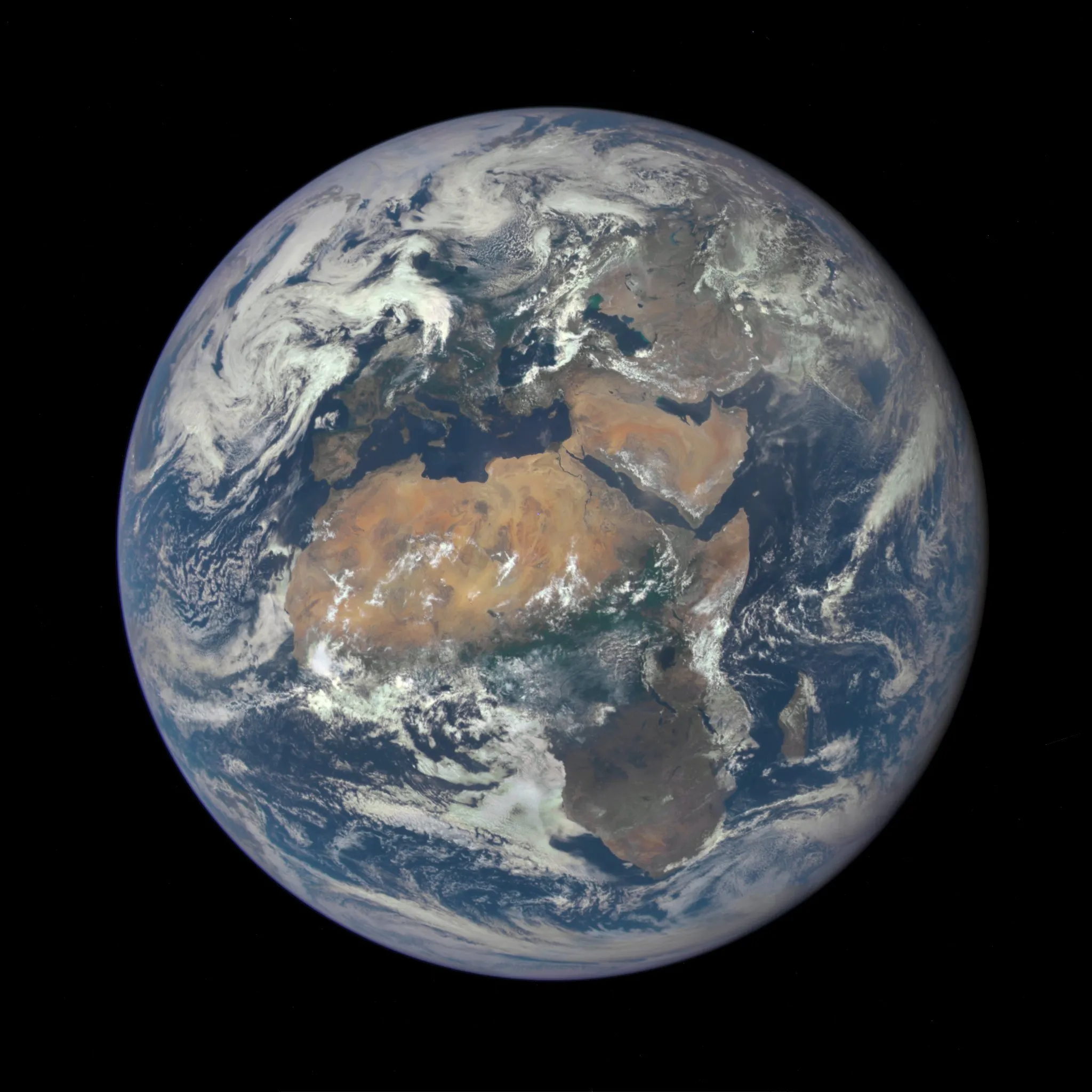
Every star you can see with your own eyes belongs to the Milky Way.
Look
Stand outside on a clear night. The ground under your feet is part of a rocky ball 12,742 km wide. That ball, Earth, is spinning once a day and racing around a star, the Sun, once a year.
The Sun is so big that about 1.3 million Earths would fit inside it. It is so heavy that it holds almost all the mass of everything that orbits it: planets, moons, dwarf planets, asteroids and comets. Together, the Sun and everything held by its gravity is the solar system.
In the orrery above, the yellow dot in the middle is the Sun. Press Play and watch the planets move. The closer a planet is to the Sun, the faster it goes around:
- Mercury takes 88 days.
- Earth takes one year.
- Neptune, the farthest planet, takes almost 165 years.
Our solar system is one of billions of star systems in a huge spiral of stars called the Milky Way. On a very dark night you can see it as a faint band of light across the sky. Every star you can see with your own eyes belongs to it.
Understand
Distances in space are so large that kilometres become awkward, so astronomers use bigger rulers.
The astronomical unit (au) is roughly the average distance between Earth and the Sun. Since 2012 it has an exact value: 149,597,870,700 metres, about 149.6 million km. With it, the solar system becomes easy to picture:
| World | შუალედური მანძილი მზესთან |
|---|---|
| მერკური | 0.39 ან მეტი |
| დედამიწა | 1.00 ან |
| იუპიტერი | 5.2 ან |
| ნეპტუნი | 30.1 au |
ნათების დრო არის დრო, რომელიც სინათლეს სჭირდება მანძილის გადასაფარებლად. ჟგვრლთნარა ჟვ ოპვმვჟრგა ჟ 299,792 კმ გ ჟვკსნეა.
დრო = მანძილი ÷ სინათლის სიჩქარე
For 1 au: 149,597,871 km ÷ 299,792 km/s ≈ 499 s, or 8 minutes 19 seconds. When you look at the Sun (never directly, it damages your eyes), you see light that left it about eight minutes ago. Sunlight takes over four hours to reach Neptune.
The light-year is the distance light travels in one year: about 9.46 trillion km, or 63,241 au. The nearest star after the Sun, Proxima Centauri, is about 4.2 light-years away. 100,000 წლის წინ ატლანტის ზღვა იყო წყნარი ოყლედი.
Master
The au used to be measured: it was defined through the Gaussian gravitational constant, so its length in metres was a quantity astronomers had to determine. Radar ranging of Venus and spacecraft tracking in the late twentieth century pinned it down to a few metres. 2012 წელს, საერთაშორისო ასტრონომიული კავშირმა იგი დაამტკიცა როგორც ფიქსირებული რიცხვი (Resolution B2), ასე რომ, au ახლა არის უბრალოდ ერთეული, როგორიც მეტრი.
What we actually measure very precisely today is the Sun’s gravitational parameter, GM☉ = 1.32712440041 × 10²⁰ m³ s⁻², from the motion of planets and spacecraft. G × M-ის პროდუქტი უფრო კარგად არის ცნობილი, ვიდრე მხოლოდ G ან M, რადგან G ერთ-ერთი ყველაზე ნაკლებად ზუსტად ცნობილი კონსტანტაა ფიზიკაში. That is why orbital mechanics works with μ = GM throughout, as you will see in the Navigator path.
Two practical consequences:
- Earth’s distance is not constant. Earth’s orbit has an eccentricity of about 0.0167, so its distance from the Sun ranges from about 147.1 million km (early January, perihelion) to 152.1 million km (early July, aphelion). Seasons are not caused by this: January is winter in the northern hemisphere. The real cause is covered in the Seasons lesson.
- Light-time is a real engineering limit. A radio command to a rover on Mars takes between about 3 and 22 minutes one way, depending on where both planets are in their orbits. Spacecraft far away must be able to act on their own.
Try it
მენიუში, დააწკაპუნეთ შემდეგი დაბადების დღის თარიღს. სად არის დედამიწა დღესთან შედარებით? ახლა მოძებნეთ თარიღი, როდესაც დედამიწა ყველაზე ახლოს იქნება მზესთან (იანვრის დასაწყისი) და შეამოწმეთ მანძილი შედარების ცხრილში.
Great. Challenges are where the learning sticks.
Quick quiz
3 სწრაფი კითხვები. აირჩიეთ პასუხი, რომ ნახოთ მართალი ხართ თუ არა.
-
About how long does sunlight take to reach Earth?
- A 8 წამი
- B 8 minutes 20 seconds
- C 8 საათი
- D 8 დღე
პასუხის ჩვენება
B. 8 minutes 20 seconds Earth is on average 149.6 million km from the Sun and light travels 299,792 km every second, so the trip takes about 499 seconds.
-
რა არის ერთი ასტრონომიული ერთეული (AU)?
- A მზე
- B The distance light travels in a year
- C About 149.6 million km, roughly the average Earth-Sun distance
- D The distance from Earth to the Moon
პასუხის ჩვენება
C. About 149.6 million km, roughly the average Earth-Sun distance Since 2012 the au is defined as exactly 149,597,870,700 metres.
-
Which object holds almost all the mass of the solar system?
- A იუპიტერი
- B მზე
- C დედამიწა
- D The asteroid belt
პასუხის ჩვენება
B. მზე The Sun is about 1,000 times as massive as Jupiter and 333,000 times as massive as Earth.
ბოლო ხაზი
- Played with the interactive
- Read the lesson
- Did the challenge
- Took the quiz
გაკვეთილის დასრულების შენიშვნა, რომ ის ამ მოწყობილობაზე თქვენი პროგრესის ჩანაწერში შეინახოთ.
Lesson complete. Well done!
შემდეგი A walk from the Sun to Neptuneამ გაკვეთილის სიტყვები
წყაროები
- NASA NSSDCA Sun Fact Sheet
- NASA NSSDCA Planetary Fact Sheet
- JPL Solar System Dynamics: astrodynamic parameters (astronomical unit, speed of light)
- IAU 2012 Resolution B2 on the astronomical unit (IAU list of resolutions)
- NASA Science: Milky Way galaxy
ეს გაკვეთილი ლიცენზირებულია CC BY-SA 4.0.