სინათლის ინიციატივა
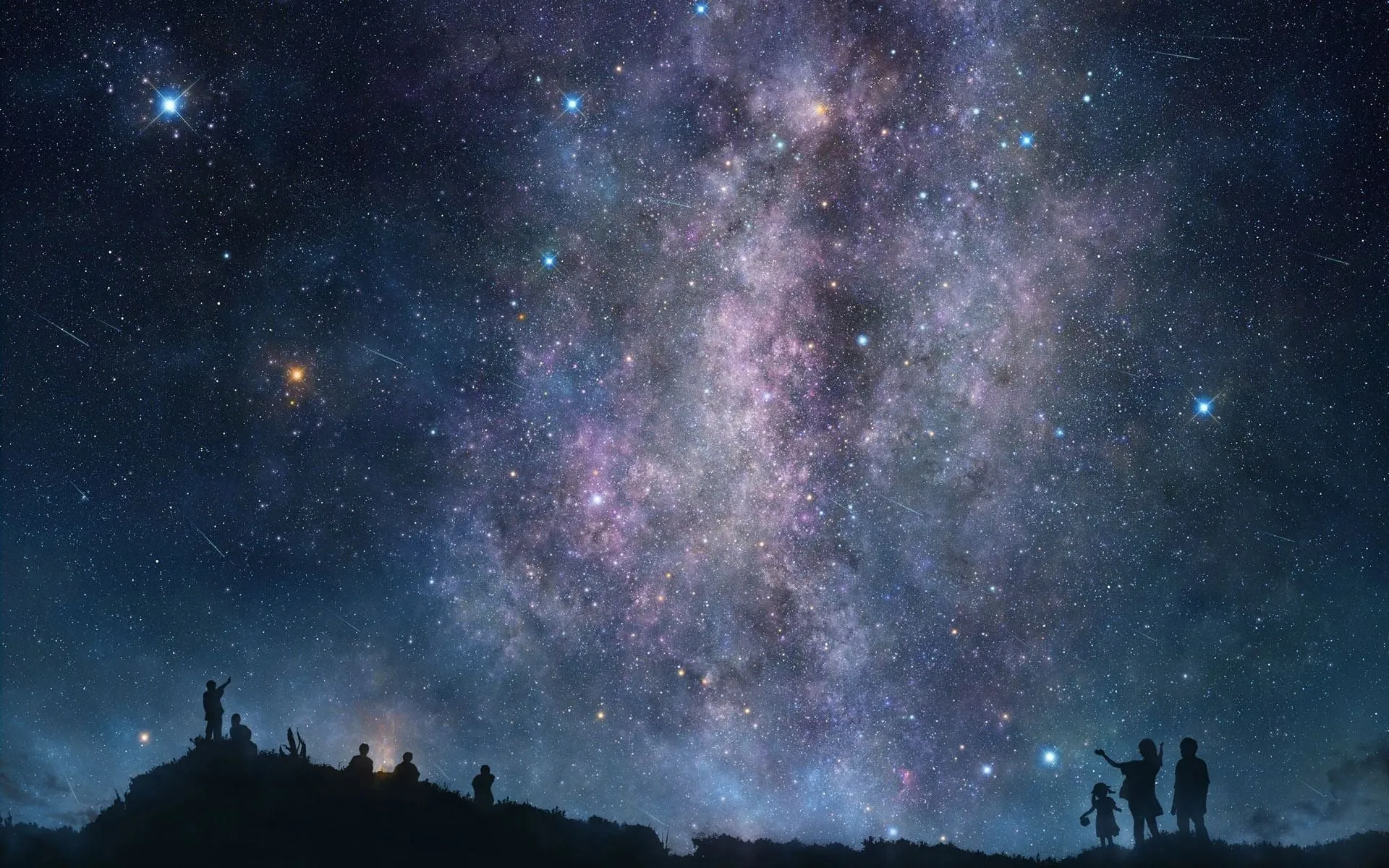
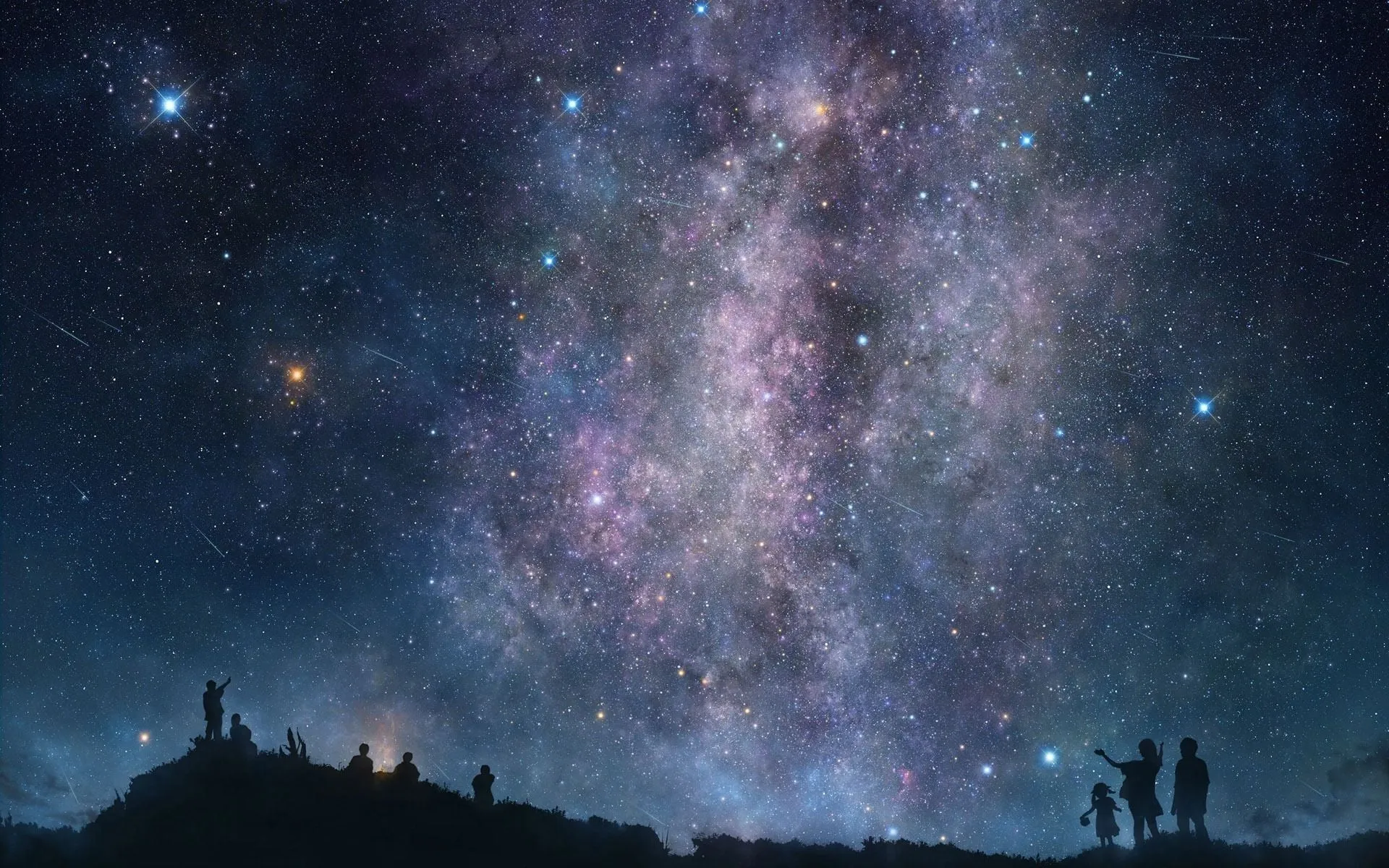
For all of history, anyone could look up and see the Milky Way. Most children born today never will, unless we switch the problem off.
For hundreds of thousands of years, every human being who looked up on a clear night saw the same thing: thousands of stars and the pale river of the Milky Way. It shaped calendars, navigation, religions and science. In one lifetime we have hidden it behind a glowing dome of wasted light. The Light Initiative exists to bring it back, and this is one environmental problem that can be fixed the night you decide to fix it.
The night sky in numbers
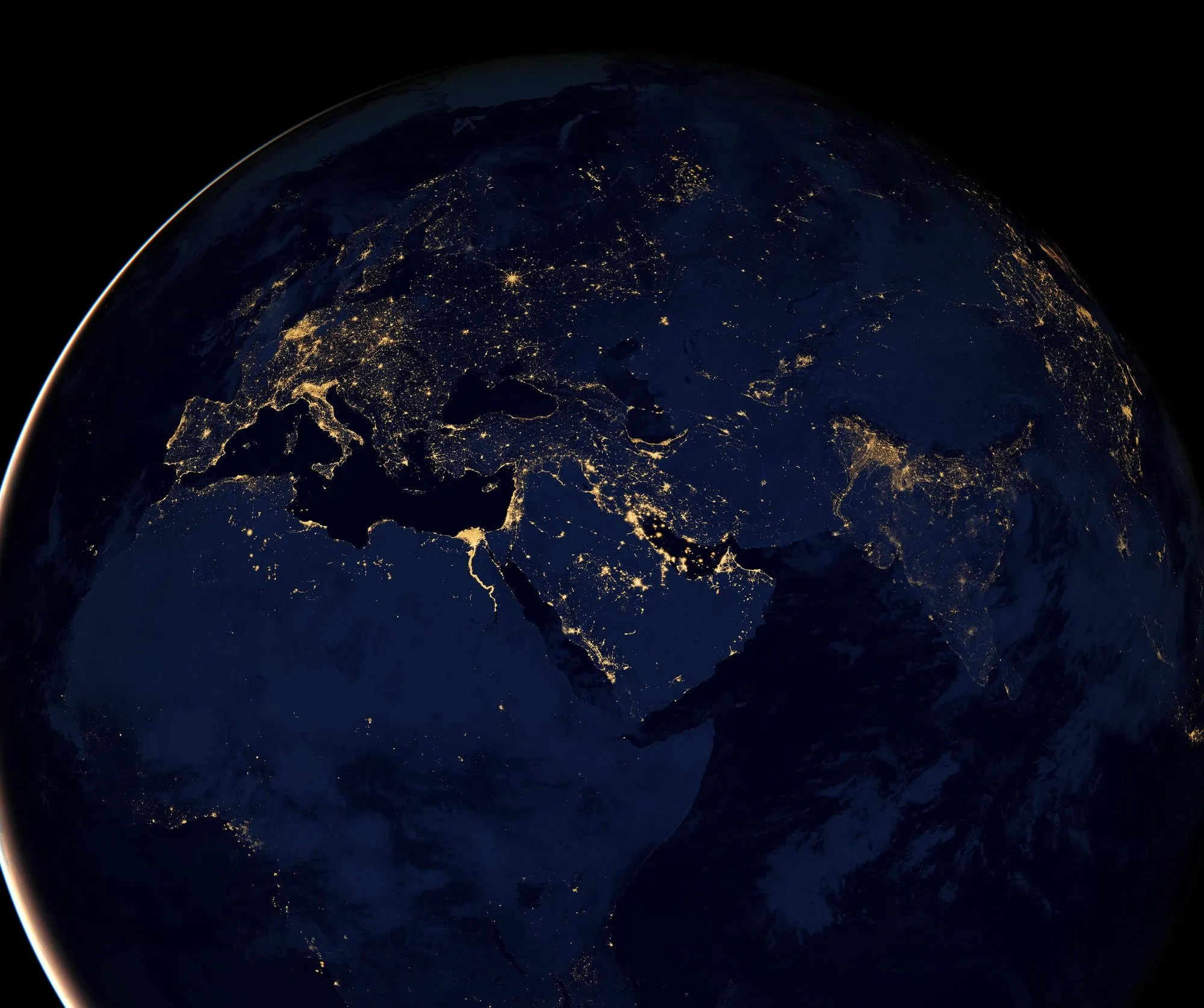
According to the world atlas of artificial sky brightness, 80 percent of the world’s people, and 99 percent of people in the United States and Europe, live under light-polluted skies. One in three people on Earth can no longer see the Milky Way from where they live. And it is getting worse: tens of thousands of citizen scientists counting stars found that the night sky brightened by an average of 9.6 percent a year between 2011 and 2022, which doubles the brightness in less than eight years.
The good news
Unlike greenhouse gases, light pollution does not accumulate. Switch off, shield or dim a lamp and the darkness returns instantly. The solutions are cheap, available in any hardware shop, and usually save money on electricity. Whole towns, islands and parks around the world have become certified dark-sky places by changing their lights.
Light pollution is the only pollution that disappears the moment you switch it off.
What the Light Initiative does
- Explains light pollution and its effects in plain language: see what light pollution is.
- Shows how to fix it, with practical guidance for homes, businesses and towns: see lighting outdoors wisely.
- დაკავშირება ცა და სწავლა. ჩვენი უფასო კოსმოსური სწავლების პლატფორმა იწყება ცა შენზე.
- Supports local action, such as dark-sky evenings, star counts and conversations with councils, organised by volunteers through the contribution board.
How dark is your sky?
The Light Pollution Map by Jurij Stare shows artificial sky brightness anywhere in the world, based on satellite data. The citizen-science project Globe at Night lets anyone measure their own sky with nothing more than their eyes, and adds your count to the global record.
How you can help
- Count your stars. Take part in Globe at Night a few times a year; your observation becomes data.
- Fix your own lights first: დაფარე ისინი, მიმართე ქვემოთ, გააცხელე ისინი, შეამჩნიე ისინი და დააყენე ტაიმერზე ან მოძრაობის სენსორზე.
- Talk to your neighbours. Most bright lights are left on out of habit, not need. A friendly conversation and a leaflet with this page often works.
- Write to your council. Ask for a lighting policy with full shielding, warm colour temperatures of 3000 K or lower, dimming after midnight, and dark-sky protection for parks.
- Ask businesses ნიშნების და ავტოსადგომის შუქების გამორთვა დახურვის შემდეგ.
- Host a star party. A telescope on a dark night changes minds faster than any statistic. Start one through the contribution board.
წყაროები და დამატებითი კითხვა
- ოალკა (ლათ. (2016), The new world atlas of artificial night sky brightness, ნატურალისტური განვითარება 2
- ოჰაიმო (ინგლ. (2023), Citizen scientists report global rapid reductions in the visibility of stars from 2011 to 2022, ნატურა 379
- Loss et al. (2014), Bird-building collisions in the United States, კონდორი 116
- Bortle, J. E. (2001), Introducing the Bortle Dark-Sky Scale, ასტროლოგია და ტელესკოპი
- DarkSky International, საერთაშორისო თბილი ადგილები