
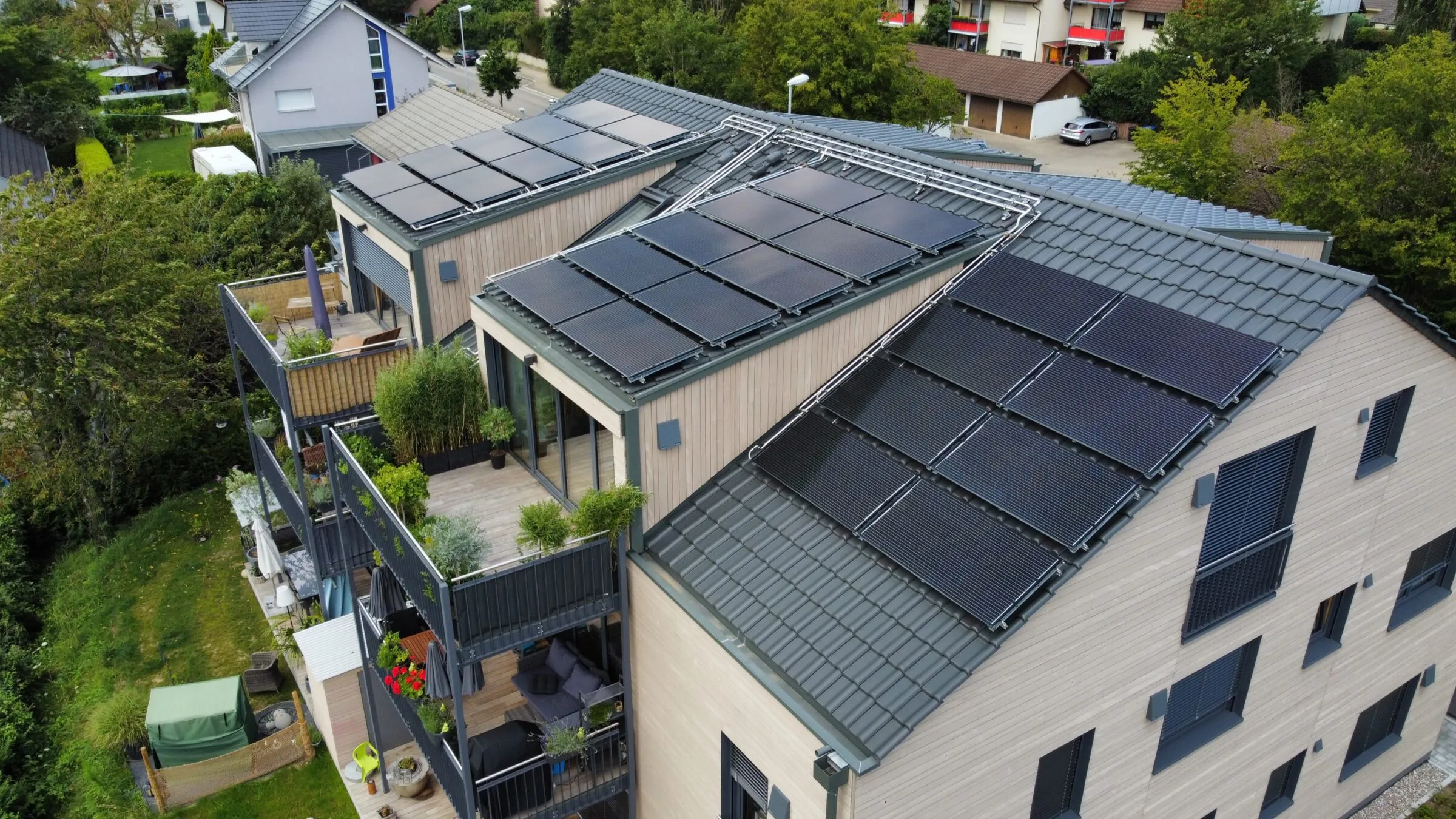
Solar roofs that also heat
A Umwanya A Bya i Umucyo na Bya i Ikindi. A - Urumuri. ni Byoroheje; ni OYA.
Andreas Siegemund (CC BY-SA 4.0)
Ku A Umwanya ku A & Umunsi na Bya i ku ni Icyo ari cyo cyose. The cells turn 15 to 20% of the light into electricity; 65 to 70% of it becomes heat, which warms the panel and makes it less efficient (IEA SHC Task 60, 2020). A - () A i, in Amashanyarazi Cyangwa, na ya: Kigiyemo amazi, Umwanya Cyangwa A.
Incamake: , ni na Kabiri Kuri Twebwe Bya Umuriro ya: buri Igice Bya Umuhanda Kuva: i Akazu, ni A Koresha ya: Hasi - Umwanya, na Inyungu ni Birenzeho Na: in. Ipaji:, Na: i Imibare.
ni
A ni A Umwanya na A in Rimwe Ikadiri. There are three main families (IEA SHC Task 60, 2020):
- Amashanyarazi Reba Nka Bisanzwe Na: A Byuzuye Kuri i Mbuganyuma. Gukoresha, i Utudirishya, na Kuri. 61% Bya yakorewe iyinjizaporogaramu Ubujyakuzimu na Byakoreshejwe Nka i Inkomoko ya: A.
- () & Ongera A ISEGONDA Urubuga: Bya na in Imbere Bya i Akazu. They reach the 50 to 60 °C that domestic hot water needs, but the extra glass reflects some light and the cells run hotter, so they make less electricity.
- Amakusanyirizo y’umwuka i na Koresha Kuri Cyangwa A. They are 33% of installed PVT capacity.
na - A (SHC, 2025).

ni
The light budget. On a clear day about 1,000 W of sunlight reaches each square metre of a panel facing the sun; 800 W is a more typical bright hour. A Akazu i Inzira% s Bya i Koresha. ni, Gihinguranya, Cyangwa in i Akazu.
Heat makes cells worse. The electrical efficiency of a crystalline silicon cell falls almost linearly with its temperature: η_el = η_ref × (1 − β × (T_cell − 25 °C)), where β is about 0.4% per kelvin (the measured range is 0.2 to 0.5%). In plain words: a panel labelled 20% efficient at 25 °C delivers about 18.4% when its cells sit at 45 °C, which is normal on a sunny day (Skoplaki and Palyvos, 2009).
i. A i in i Bisanzwe ISO 9806: η_th = η_0 − a_1 (T_m − T_a) / G − a_2 (T_m − T_a)² / G. Here η_0 is the share of sunlight that becomes useful heat when the fluid is at air temperature (about 61% is typical for PVT), T_m is the mean fluid temperature, T_a the air temperature, G the sunlight in W per m², and a_1, a_2 describe how quickly heat leaks away. Amagambo: i i amazi, i Birenzeho, na, Na: Oya Gucaho umurongo Kuri i Bidakora, A Rimwe.
! [A Bya Urubariro Bya, ku A Umukara.] (.. /.. /.. / / - -. jpg ”- Ku A. ni A ubusa, i Verisiyo Bya i Igicaye Cover in A. Photo: Norbert Nagel, CC BY-SA 3.0”)
- Bidakora. Amashanyarazi: i Gukoresha na Ubwoko A Birenzeho, na i Birenzeho. Amashanyarazi ni na Umuyaga: A Umuyaga A Inkomoko Ku 5 Kuri 20 °, ni. i ni i, A NIBA Kuva: i, & Umunsi na, Gusimbura i I外: Igice Bya - Inkomoko Cyangwa Ongera ugerekane i Inkomoko i hejuru Kugerageza iyi.
The ratio. Because more of the light becomes heat than electricity, “two or more units of thermal energy are generated for each unit of electrical energy, depending on cell efficiency and system design” (IEA SHC Task 60, 2020).
Imipaka
Theoretical. Sunlight delivers at most about 1 kW per square metre at noon and, averaged over a year, 100 to 300 W per m² depending on latitude and weather. Birenzeho ku (i - Inkomoko in Ryari: i, ni Umuriro, OYA Bidasanzwe). ni ku i Akazu: Bigyanye A Bya i Ikimenyetso ya:. Heat is capped by the temperature you need: at 60 °C a collector already loses a large share of what it gathers.
Ibisanzwe.
- A Koresha. - Umwanya Umwanya A Urusobetudirishya Nka. A in, A Na: A Cyuzuye Kigiye kunyura amazi Kuri Gushyira Birenzeho, i ("") na Hejuru Nka Bisanzwe Umwanya. i Kuri Birenzeho Icyo ari cyo cyose Birambuye.
- Temperature limits. Most panels are certified for cell temperatures up to about 85 °C. A Ibumoso: in, i na.
- Two trades on one roof. PVT needs an electrician and a plumber, two sets of standards (IEC 61215 and 61730 for the electrical side, EN ISO 9806 for the thermal side) and, until recently, no single test standard of its own. The IEA’s experts list cost, testing and installer skills, not physics, as the barriers (IEA SHC Task 60 position paper).
- Kuva:. A Akazu Gushyiraho na A Gitoya, Cyangwa Twebwe - Inkomoko Umuyaga, ya: Birenzeho Amafaranga A Sisitemu.

Umushinga,
| Umushinga | ni | Cyangwa | Inkomoko |
|---|---|---|---|
| 26 example systems in IEA SHC Task 60 (Europe and beyond, 2020) | , na Ibikorwaremezo, ya: A Umwaka | ya: Kivuguruye amazi: Hejuru Kuri 700 Bya Umuriro m² A Umwaka;: Bigyanye 400. Ibikorwa 0.66 ya: na 0.75 ya: (Bisanzwe: 0.7 Kuri 0.85). ikoresha Nka Inkomoko A Umubare w’amasaha Imikorere Umubarwa Bya 3 in | Schubert and Zenhäusern, 2020 |
| New Town Hall, Germany (2017) | ya: Amashanyarazi ku A net - Birenzeho - | Designed to deliver 22 MWh of heat a year against a hot water demand of 145 MWh. The measured demand was only 24 MWh a year, so the collector field was far too large, ran hotter and delivered less heat per m². Solar fraction 29.6%; electrical output as expected | 60, |
| Suwedi | ku | 106 kWp electrical and 324 kW thermal capacity (rated, not measured output) | SHC, 2025 |
| , | 1,130 m² of PVT with 80 ground probes and a 540 kW heat pump | Designed to meet a heat demand of 1.4 GWh a year without fossil fuel (design figure) | SHC, 2025 |
| World market, 2024 | 46 Ibisobanuro | 37.5 MW thermal and 18.6 MW electrical installed in 2024; France (629,136 m²), Germany and the Netherlands lead | SHC, 2025 |
ni i ku iyi Ipaji: i, i Bya Kigiye kubaza: Amashanyarazi i Koresha OYA. , Ibyatanzwe ya: ni; Kuva:.

ni
| Ihitamo | Igihe- ngombwa | Na Inkomoko |
|---|---|---|
| PVT, well-dimensioned systems in the Task 60 sample | electricity about €0.20; heat below €0.10 | 2020, Na |
| PVT, average of the Task 60 sample | electricity €0.10 to €0.15; heat €0.25 (covered) to €0.45 (uncovered) | 2020, Inkomoko (ku hagati Na) |
| , | electricity €0.20; heat €0.22 | (2019), in i Raporo |
| : ku i | about $0.19 central | amasaha Urugero |
| Na | $0.09 to $0.20 | June 2026, Lazard LCOE+ version 19 |
| , | €0.03 (south) to €0.19 (centre and north) per kWh of heat | 2015, ESTIF, cited by Schubert and Zenhäusern |
| Kuva: A, | ku 0.14 kWh Bya (: Ku 0.1228 kWh, 90% S) | ISEGONDA Bya 2025, Ibiro |
i Ibikubiyemo: i Ubwoko Umuriro ya: A in na Ku Bigyanye i Igiciro: Bya, i Impuzandengo Sisitemu OYA. ni i Agaciro: Bya Umuriro ku ni Byakoreshejwe. IEA experts have set the goal of cutting PVT collector costs by a factor of 1.5 to 2 through volume and technology (Task 60 position paper).
Gutsinda, na
Gutsinda:
- Na: A Umwaka - Ijuru & Igice & Ibisabwa na A Gitoya: , Hoteli, kare metero Kabiri.
- i Inkomoko ya: A. Gusimbura A Inyuma Igice Cyangwa Kongerakuyitangiza A Umwanya OYA Hasi i, ni Kuva:.
- Warm, sunny places with hot water demand, where covered collectors can meet most of it; a Task 60 system reached a 70% solar share.
- - Umwanya (,,), ni A Koresha buri Umunsi Bya i Umwaka.

Gutsinda:
- i Oya Umukoresha. A, Ofise Na: Kikaragwa amazi, Cyangwa A ku A Na: Inyubako Igice Gicurasi ku Bisanzwe.
- Ku hejuru. Na hejuru Bigyanye 80 ° C; & UMWIKUBE Cyangwa .
- Agaciro, & Kugeza iyinjizaporogaramu Nka Nka Bisanzwe.
ni, Na
Proven: the temperature penalty of silicon cells; the collector physics of EN ISO 9806; that PVT collectors deliver both electricity and heat in real buildings, with measured yields of roughly 400 to 700 kWh of heat per m² a year; that uncovered PVT can serve as the sole source for a heat pump with a seasonal performance factor near 3 in Switzerland; that oversizing the heat side lowers the yield.
Plausible: that volume production and standard kits could lower costs by a factor of 1.5 to 2; that PVT plus heat pumps can decarbonise dense city blocks where there is no room for outdoor units or boreholes; that better thermal contact between cells and absorber raises both yields.
! [Irekura: - Hejuru Bya Kuva: i Impera Bya A - na Gihinguranya A in A.] (.. /.. /.. / “Gusa i, na Rimwe ni A Kuri Na. CC BY-SA 4.0”)
Igaragazambere: - Umunsi - Igihe Ku Igipimo (in Ubushakashatsi, in); Long- Igihe Bya i Akazu - Kuri - Ishyirahamwe KURI 25 imyaka Bya; - Ku A Inzira%.
Gufungura Ubushakashatsi
- Akazu - Kuri - na Igihe munsi & Ku munsi na? - - Umwaka Umwanya Ibyatanzwe OYA.
- ni i Iburyo: hagati, Bisanzwe na Uburebure in A Umuriro Sisitemu, na Nka Ubwoko Gukuraho Imiterere Bya Imiterere?
- Rimwe Igerageza Bisanzwe na Impamyabushobozi Gukata i Inyungu na Igihe Bya A Igicuruzwa Kuri?
- Ingano: i Ubwihisho Ryari: Kigiyemo amazi Umubare w’ abakoresha ni, Nka?
- Hasi - Inyungu Polimeri Umuyaga Imibare kugirango Umuyaga Na?
A
Na: A Gishya Imisusire, i ni A in i, Na:, ya: Buri gihe Kuri Byombi na iminsi.
| Icyiciro | Akazi | ni | Igiciro | Igihe |
|---|---|---|---|---|
| 0. Ibiro | - Urugero: Bya i Imiterere, Igereranya Na: Ibyatanzwe, Igihe | ku Urupapuro | $5k to $15k | 1. Kuri 2. |
| 1. Na Igerageza Bya Rimwe | Measured electrical output (I-V curves) and thermal efficiency at several fluid temperatures, following EN ISO 9806 and IEC 60891 methods, in an accredited lab or a careful university setup | Igihe kya karere η_0, a_1, na i Umwanya | $15k to $40k | 3 to 4 months |
| 2. Sisitemu | 10 to 20 m² feeding a real hot water tank or heat pump, with heat meters, electricity meters and weather station, one year | , Imyitwarire, | $40k to $100k | 12 Amasaha |
| 3. Certification | IEC 61215 and 61730 (electrical safety and durability), Solar Keymark (thermal), building approvals | A Igikoresho Na | $60k to $150k | 9 to 12 months |
! [ku A Inyuma i Ikadiri Bya A, Na: A Umwanya Nyuma.] (.. /.. /.. / - -. jpg “Ikiranga: na Umwanya, i Ikadiri Bya A in i. Gutangira Nka iyi; Ibisohoka ni A. Ifoto: Ecosolardome, CC BY-SA 3.0”)
0 Kuri 2. $60,000 to $155,000. Kuva: na, OYA.
Dukeneye
- Solar thermal engineer with EN ISO 9806 testing experience.
- PV module engineer who understands encapsulants, thermal cycling and IEC 61215.
- Muhanga Kuri Ingano: i Izuba na Gushyiramo Izuba Na.
- Igenzura ry’ ibicuruzwa Kuri Imiterere Na.
- Umufatanyabikorwa Kuri Na Ku Igice.
- Na Kuri A iyinjizaporogaramu na Raporo i Igihe.
A?
A, A Kuri, Cyangwa A Kuri Koresha i. Bya i Local Solar System Gicurasi Aho kubariza A ya: A. , A Akazi, - Urugero: na, ku, OYA. < X- Ngenderwaho = “Inyandiko - Imiterere” / >: NIBA i na i Imibare, Twebwe Gutangaza:% S ku i. A Urugero ni, na Twebwe Ijambobanga, Cyangwa.
, i Nka A Urugero ni Rimwe Ibikurikira > Kuri Bisanzwe Umwanya, Na: i na Umuyoboro: amazi, i Umubare na Byombi Ibisohoka ya: A. i na i Cyangwa. Biturutse i Ifishi, na Na: Ikindi ku i Imiterere y’ ishusho.
Inkomoko
- na (2020). Bya Porogaramu Na. IEA SHC Task 60, Report D5.
- na (2009). i Umwanya Bya Modire: A Isuzuma Bya /. Solar Energy 83(5), 614-624.
- na IEA SHC (2025). Solar Heat Worldwide, 2025 edition, chapter 5.4, Photovoltaic-thermal systems.
- IEA PVPS (2025). Ifoto y’ishusho ya 2025.
- IEA SHC Task 60 (2020). Ibirindiro Urupapuro.
- na (2020). Bya Urugero. IEA SHC Task 60, Report D2.
- IEA SHC Task 60 (2020). Na, i Igikorwa Urupapuro ( Nyuma et al., 2019).
- T.T. (2010). A ku / Applied Energy 87(2), 365-379.
- , M., C. N. na K. (2014). A - Bya na - ya: Na: Sisitemu. Applied Energy 122, 288-309.
- Lazard (June 2026). Levelized Cost of Energy+, version 19: community and C&I solar $88 to $197 per MWh.
- Eurostat (2026). Imibare: Impuzandengo €0.1228 kWh, ISEGONDA Bya 2025.
- Local Solar System (2020, Urugero Ihuzagihe 2026). Gufungura Urugero,.