
Waste-heat recovery
Power stations, factories, sewers and data centres pour enormous amounts of heat into the air and water every day. Much of it could warm homes instead. Almost none of it could make electricity. Here is why, and where recovery works.
Helen Ltd / Wikimedia Commons (CC BY-SA 3.0)
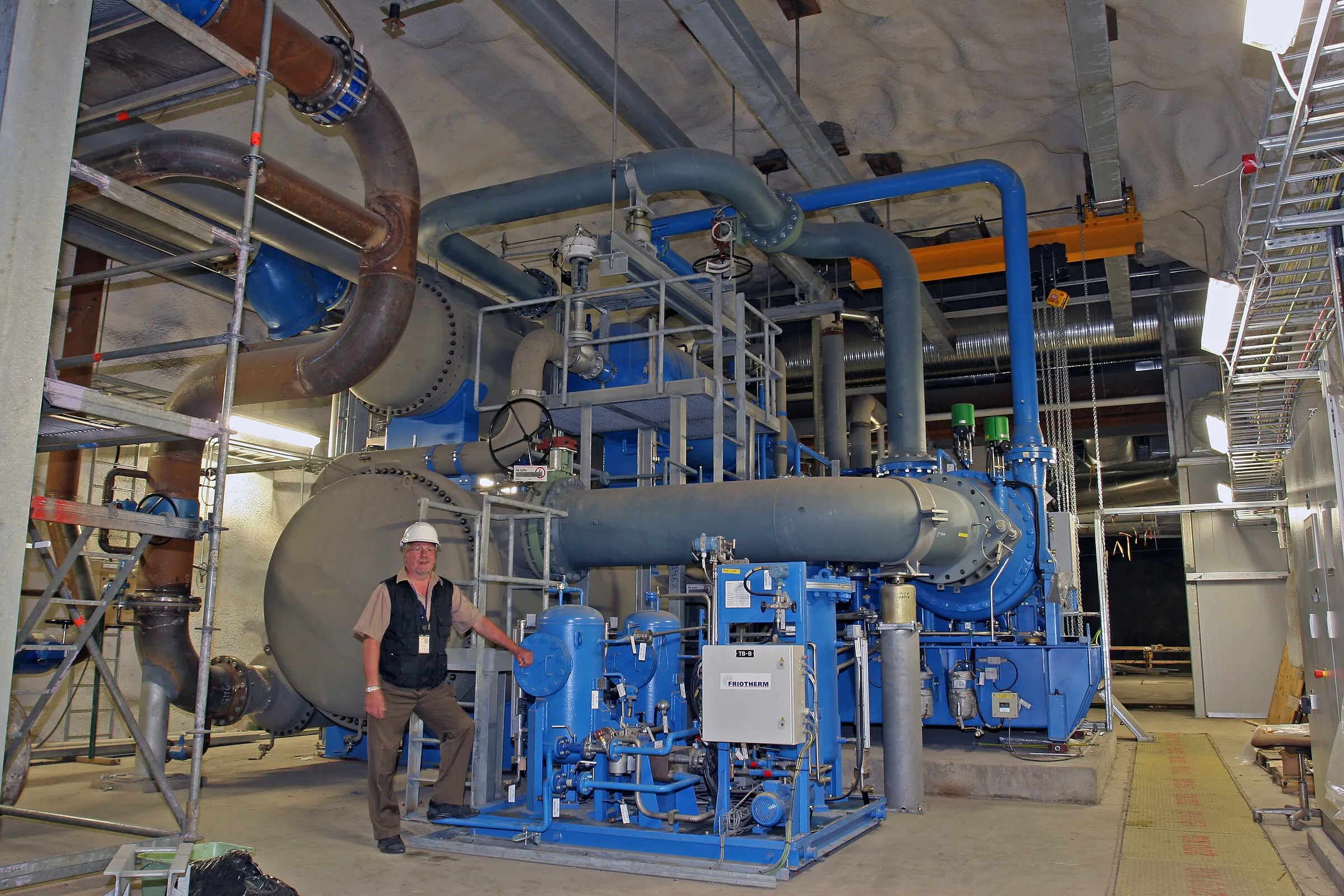
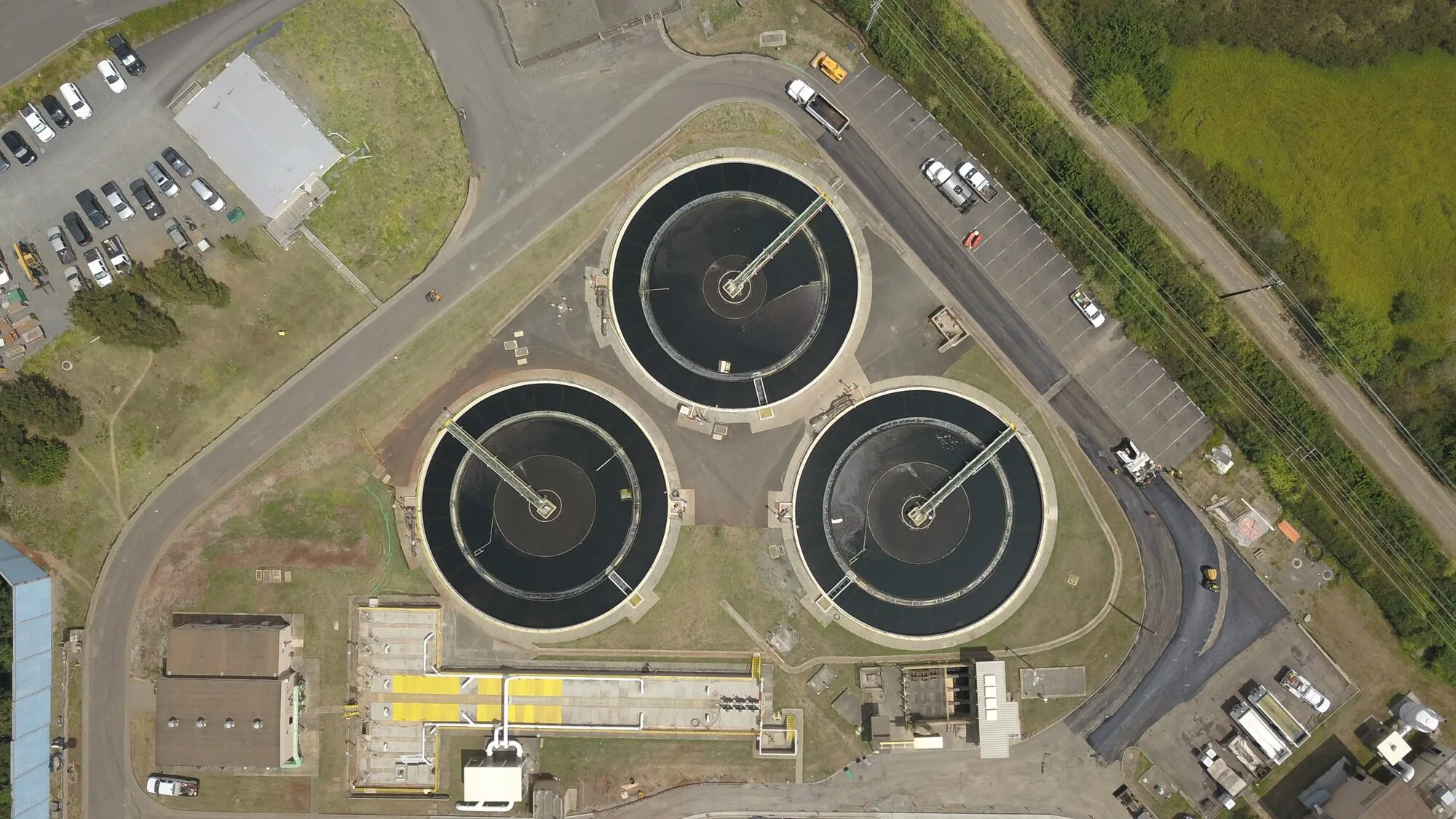
Under a park in Helsinki, in caverns cut into the bedrock, a row of large heat pumps takes heat from the city’s treated wastewater and from the water returning from its district cooling network, and puts it into the district heating that warms homes. The Katri Vala plant, run by the city’s energy company Helen, produced 570,000 MWh of heat in 2017 from five large heat pumps, and a sixth, added in 2021, was expected to raise that by up to 200,000 MWh a year; its capacity reached about 123 MW (Wikipedia, Energy in Finland, citing Helen, 2018). The heat was already there. It used to flow into the Baltic Sea.
Waste heat is the largest “energy source” nobody counts. A 2016 study estimated that 72% of the world’s primary energy is lost after conversion, mostly as heat, and that 63% of the waste heat streams are below 100 °C (Forman et al., 2016). The second number is the important one. Heat that cool is almost useless for making electricity and very useful for warming buildings. This page explains why, and what it takes to use it.
What it is
Waste-heat recovery means capturing heat that a process releases anyway and delivering it to something that needs heat. It has three common forms:
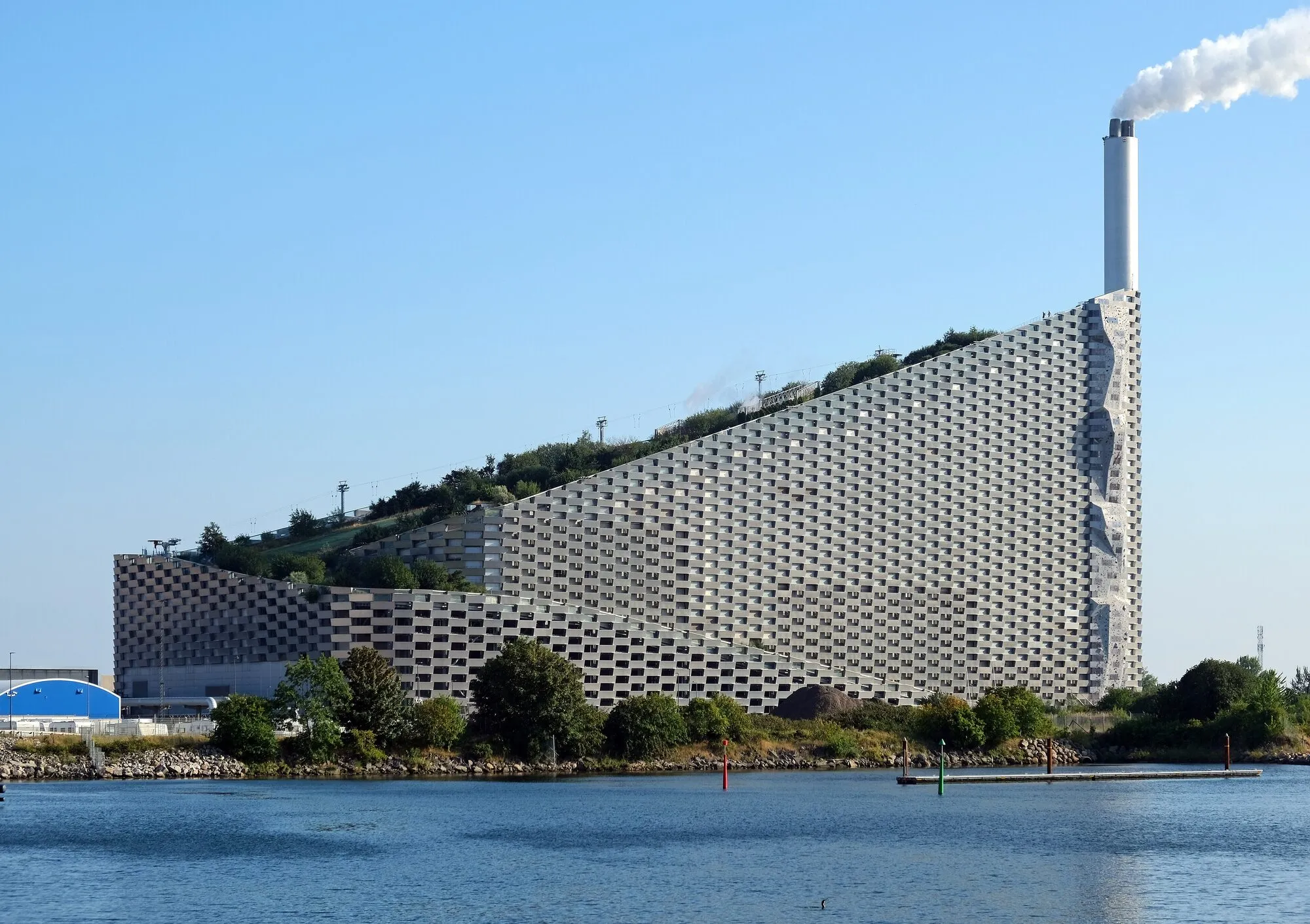
- Direct use. Hot water or gas from a factory, incinerator or power station passes through a heat exchanger into a district heating network or another process. This is how most of Denmark’s and Sweden’s heat networks began.
- Heat pumps on cool sources. Sewage, data centres, supermarkets, metro tunnels and cooling water are only 10 to 40 °C. A large heat pump lifts that heat to the 60 to 90 °C that networks need, using much less electricity than a boiler would.
- Making electricity. Hot exhaust from kilns, furnaces and engines, typically above 200 °C, can drive a steam turbine or an organic Rankine cycle (ORC), a small turbine that uses a fluid that boils at lower temperatures than water.
How it works
The value of heat is set by its temperature. One kWh of heat at 30 °C and one kWh at 600 °C are the same amount of energy but not the same resource. The Carnot efficiency, the ceiling for any engine that turns heat into work, is η = 1 − T_cold / T_hot, with temperatures in kelvin. With the environment at 25 °C (298 K):
- heat at 30 °C (303 K):
1 − 298/303 = 1.6% - heat at 90 °C (363 K):
1 − 298/363 = 18% - heat at 300 °C (573 K):
1 − 298/573 = 48%
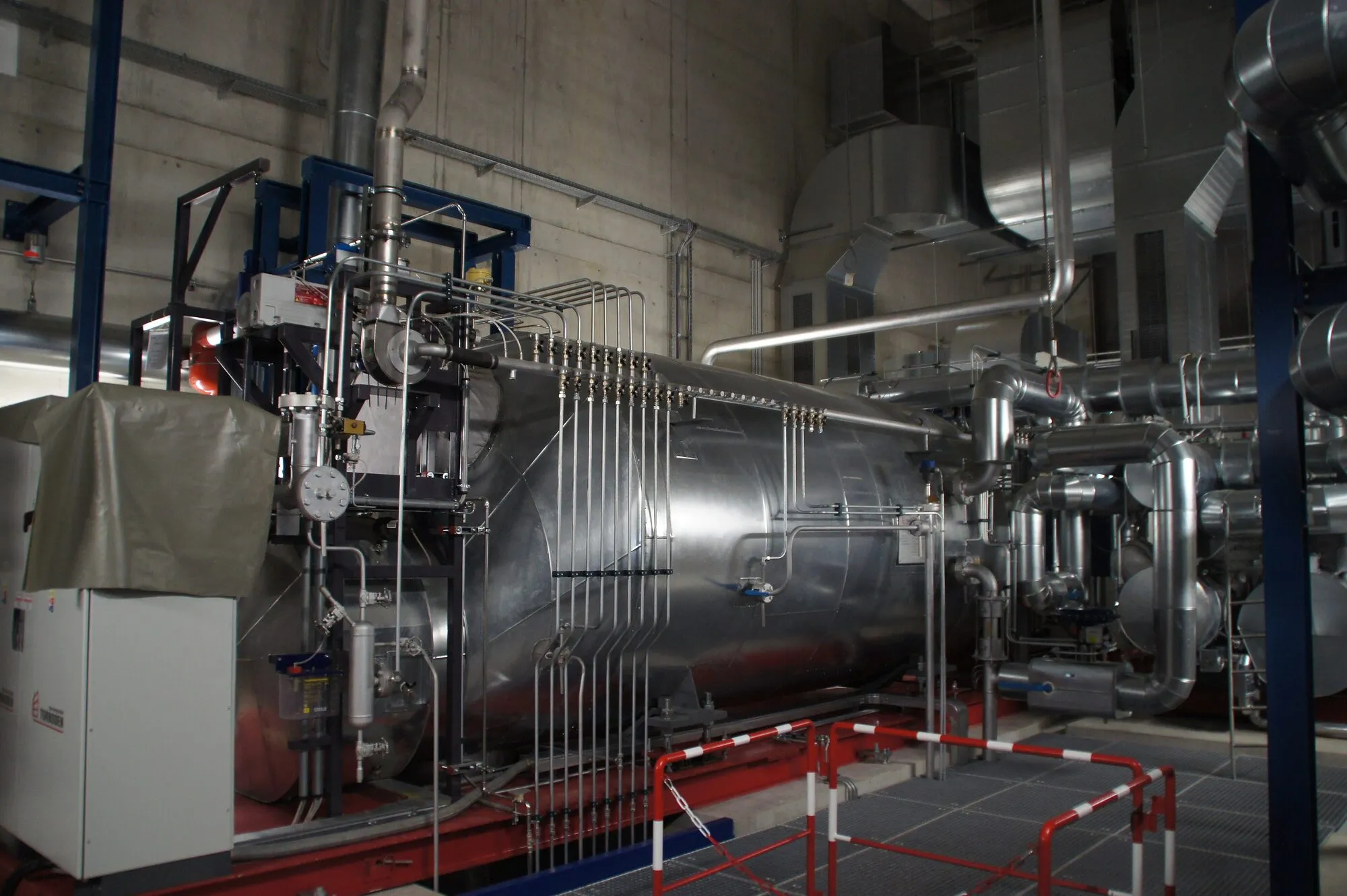
Real machines reach less than half of these ceilings. Organic Rankine cycles, the usual choice for recovering electricity from moderate heat, typically convert roughly 5 to 20% of the heat, rising with its temperature (Quoilin et al., 2013). Below about 80 °C, making electricity is rarely worth the machinery.
Heat pumps work the other way round. A heat pump’s ceiling is COP = T_hot / (T_hot − T_cold): the smaller the lift, the more heat per unit of electricity. Lifting 30 °C data-centre heat to 80 °C has a Carnot COP of about 6.4; real large heat pumps reach about half, around 3. So 100 kWh of 30 °C waste heat plus about 45 kWh of electricity becomes about 145 kWh of network heat. The electricity is not wasted: it ends up as heat too.
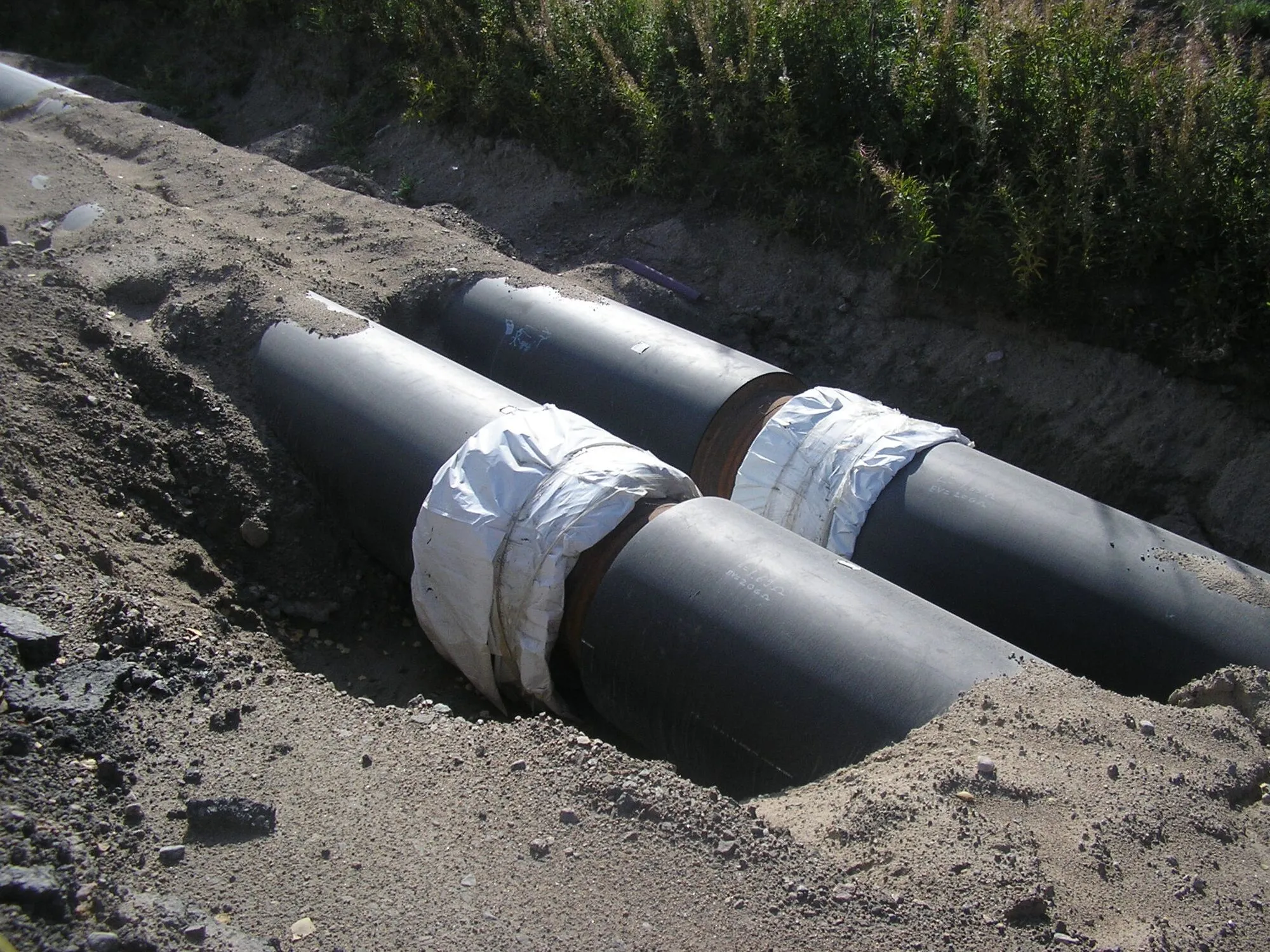
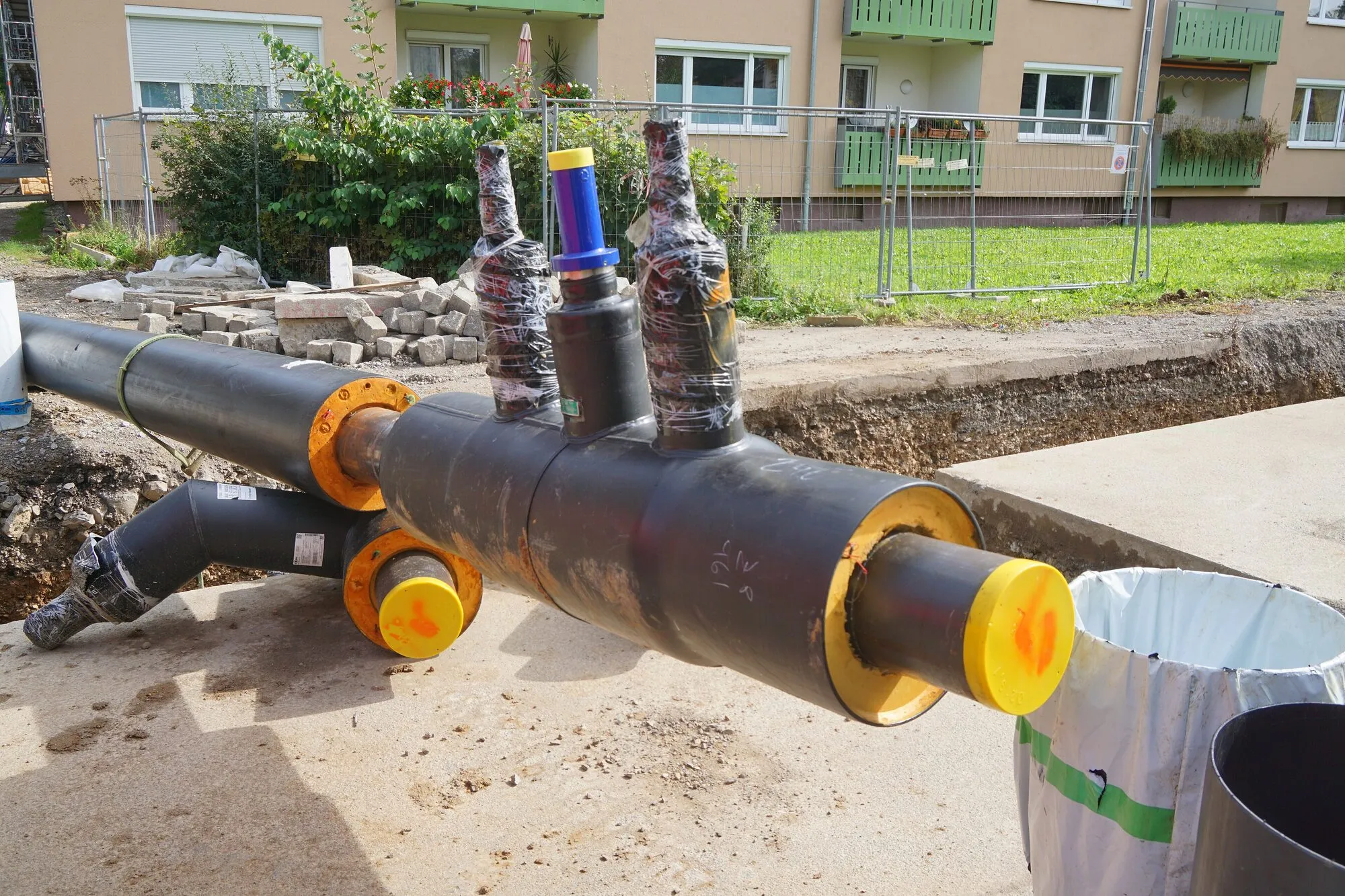
Distance is the other constraint. Heat is expensive to move. Pipes, trenches and pumping cost far more per kWh than electricity cables, and warm water loses heat along the way. Waste heat is valuable when a heat user sits close to the source, or when a heat network already runs past it. Modern “fourth generation” networks run at lower temperatures (around 50 to 70 °C) precisely so that more low-grade heat can be used (Lund et al., 2014).
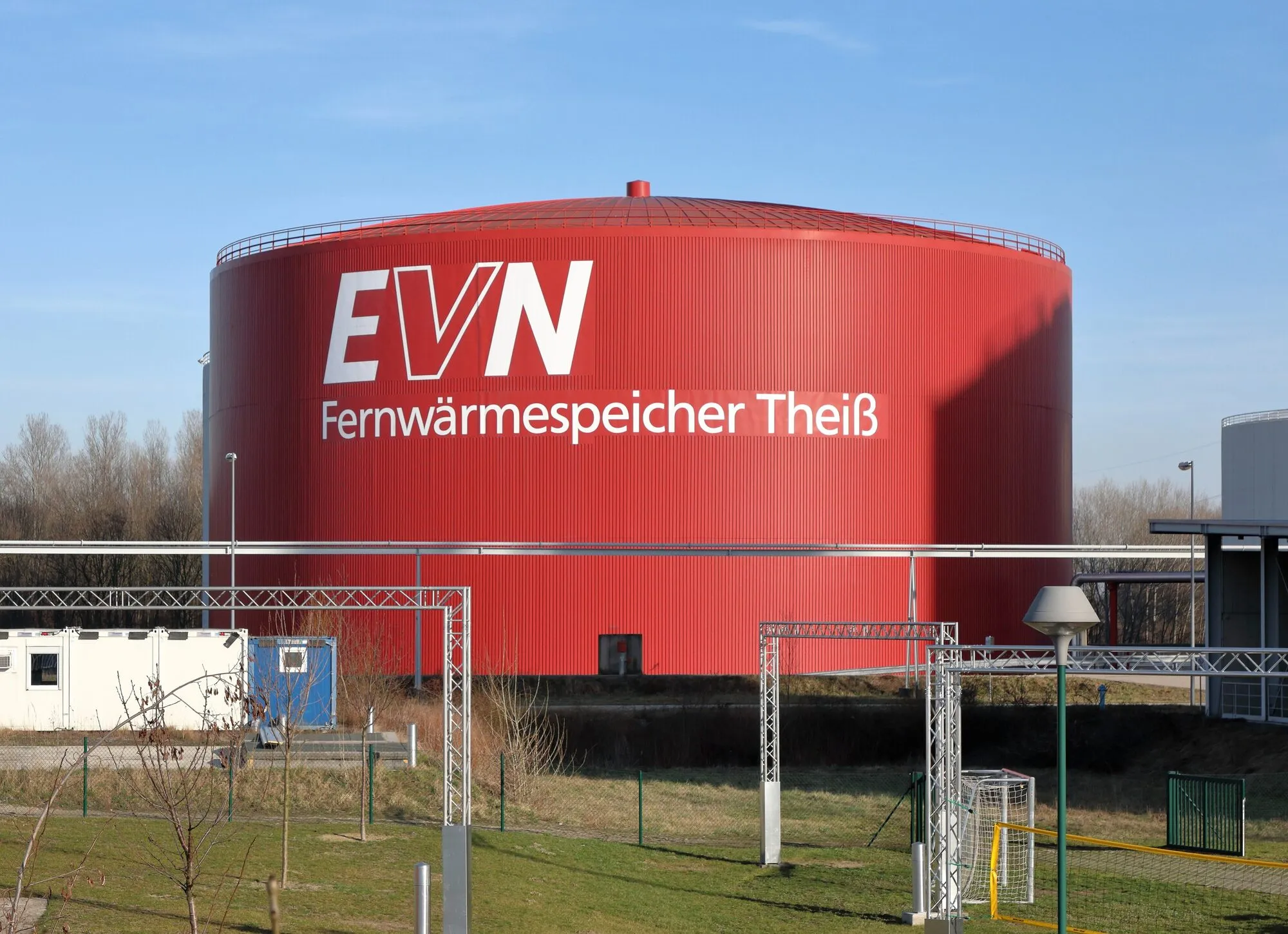
Timing is the third. A data centre makes heat all year; homes need most of it in winter. Networks balance this with heat storage, other heat sources and, in summer, by dumping heat that cannot be used.
The limits
- Temperature. Most waste heat is too cool for electricity. The Carnot equation is not negotiable.
- Distance. A source far from any heat user is practically worthless, however large.
- Mismatch in time. Industrial and data-centre heat is steady; heating demand is seasonal and peaks on cold mornings.
- Reliability and contracts. A network cannot depend on a factory that might close or a data centre that might move. Contracts, backup capacity and sharing of risk are as important as engineering.
- Efficiency first. The best waste heat is the heat not produced. Better processes and efficient servers reduce what is available to recover, and that is a good thing.
Real projects, measured
| Project | Where, when | Heat source and scale | What is reported |
|---|---|---|---|
| Katri Vala heating and cooling plant | Helsinki, Finland, since 2006, expanded since | Treated wastewater and district cooling return water, large heat pumps in rock caverns | 570,000 MWh of heat in 2017 from five heat pumps; a sixth from 2021 adds up to 200,000 MWh a year; about 123 MW in total (Helen, 2018; Wikipedia) |
| Meta Odense data centre with Fjernvarme Fyn | Odense, Denmark, since 2020 | Server heat lifted by heat pumps into the city network | Goal: 100,000 MWh of heat a year, enough for 6,900 homes (Meta, 2020) |
| Stockholm Data Parks | Stockholm, Sweden, since 2017 | Stockholm Exergi buys heat from data centres for the city’s network | A programme for “a data centre industry where no heat is wasted” (Stockholm Data Parks) |
| Northern European data centres | Finland, Sweden, Denmark, Norway | Modelled potential | Data-centre heat could cover a noticeable share of district heating in Nordic cities if networks and prices allow (Wahlroos et al., 2018) |
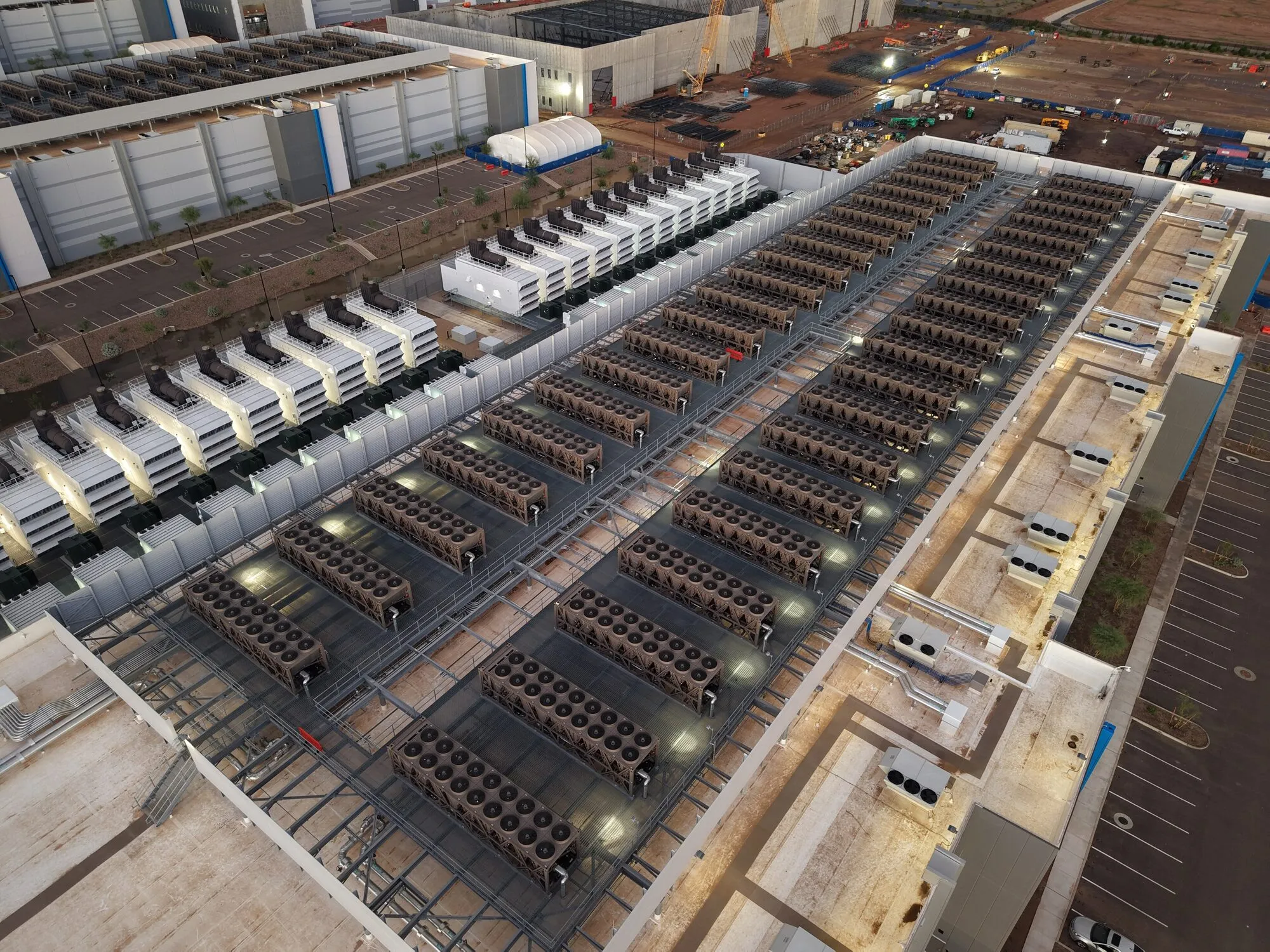
Two policy signals show where this is heading. Germany now requires new data centres that start operating from July 2026 to reuse at least 10% of their energy, rising to 15% from July 2027 and 20% from July 2028, unless a heat-network agreement is in place (Energieeffizienzgesetz, section 11). And data centres are growing fast: the IEA estimates they used about 415 TWh of electricity in 2024, around 1.5% of the world’s electricity, heading towards about 945 TWh by 2030 (IEA, Energy and AI, 2025). Nearly all of that electricity ends up as low-temperature heat.
In Denmark, Finland and Sweden district heating supplies a large share of the heat market, which is why they lead in waste-heat use (Werner, 2017). Elsewhere the missing piece is usually the network, not the heat.
What it costs
Waste-heat recovery does not generate electricity, so the site-wide benchmark (rooftop solar at about $0.19 per kWh in our Fan Wall model, within Lazard’s June 2026 range of $0.09 to $0.20 for commercial rooftop solar) applies only to the small high-temperature cases that make electricity. For heat, the competitor is a gas boiler. Using the same round numbers as on our thermal storage page (wholesale gas at €35 per MWh, carbon at €70 per tonne, a 90% boiler), gas heat costs about 5 to 6 euro cents per kWh.
Heat from a low-temperature source through a large heat pump costs the electricity divided by the COP, plus the equipment spread over the heat it delivers. Published costs for large heat pumps and connections vary widely by site, so we show the range as a calculation (20 years, 7% real discount rate, COP 3, pipes and connection not included):
| Heat pump installed cost per kW of heat | Electricity €50 per MWh, 3,000 hours a year | Electricity €50, 6,000 hours | Electricity €100, 3,000 hours | Electricity €100, 6,000 hours |
|---|---|---|---|---|
| €500 | 3.2 c | 2.4 c | 4.9 c | 4.1 c |
| €1,000 | 4.8 c | 3.2 c | 6.5 c | 4.9 c |
| €1,500 | 6.4 c | 4.0 c | 8.1 c | 5.7 c |
Euro cents per kWh of heat. Our calculation: equipment cost × 0.0944 ÷ hours + electricity price ÷ 3.
Recovered heat is usually competitive with gas when the heat pump runs many hours a year and the source is next to a network. Its weak points are the pipes (a new connection of a few kilometres can cost more than the heat pump) and the risk that the source disappears. Direct use of hot industrial heat, with no heat pump at all, is typically the cheapest heat a network can buy.
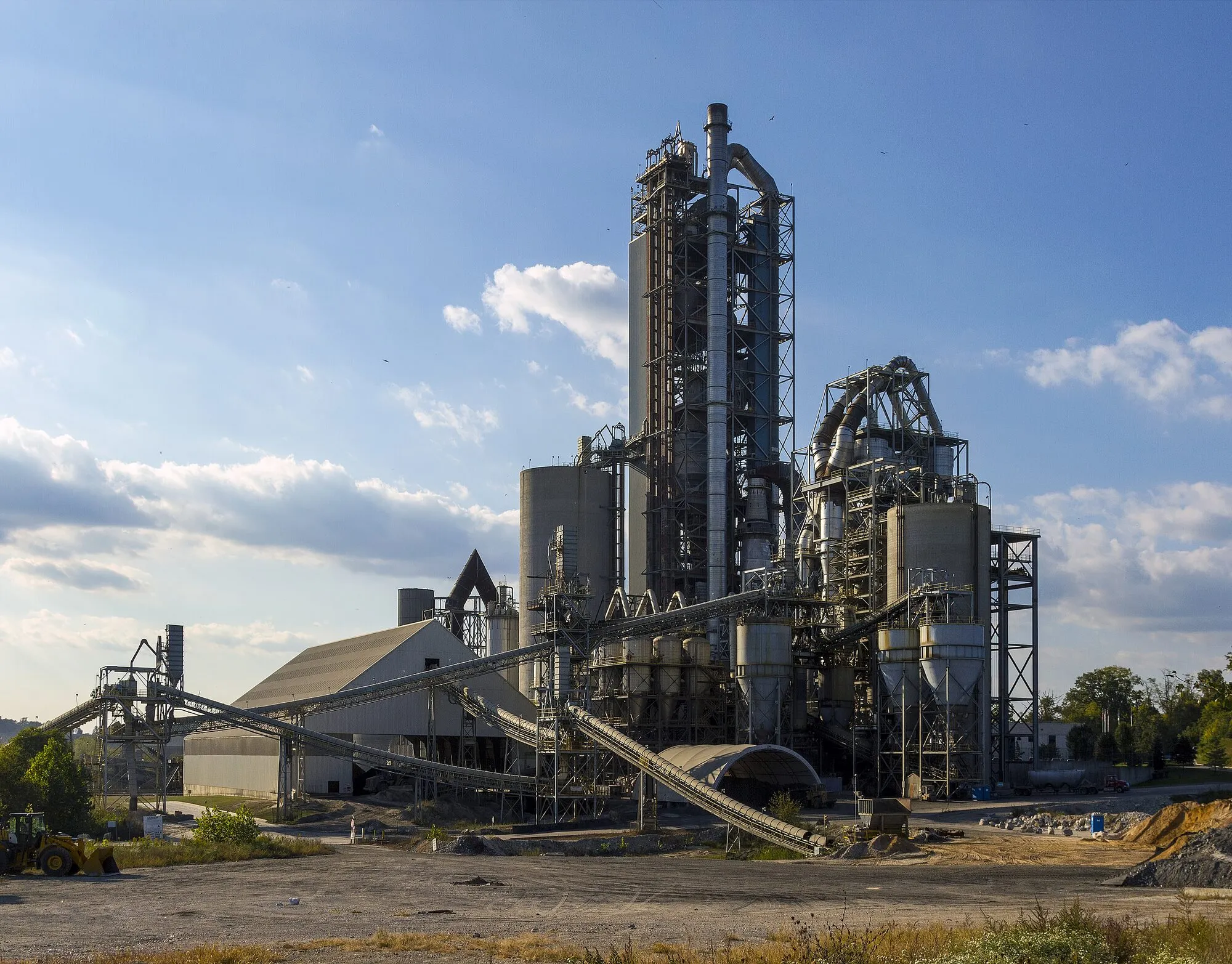
Making electricity from waste heat is different: an ORC unit only competes where the heat is hot, steady and free, and even then its output is small compared with the heat going in.
Where it can win, and where it cannot
It can win:
- Cities with heat networks next to data centres, sewage works, metro systems, supermarkets and factories.
- Industrial parks, where one plant’s waste heat is another plant’s process heat.
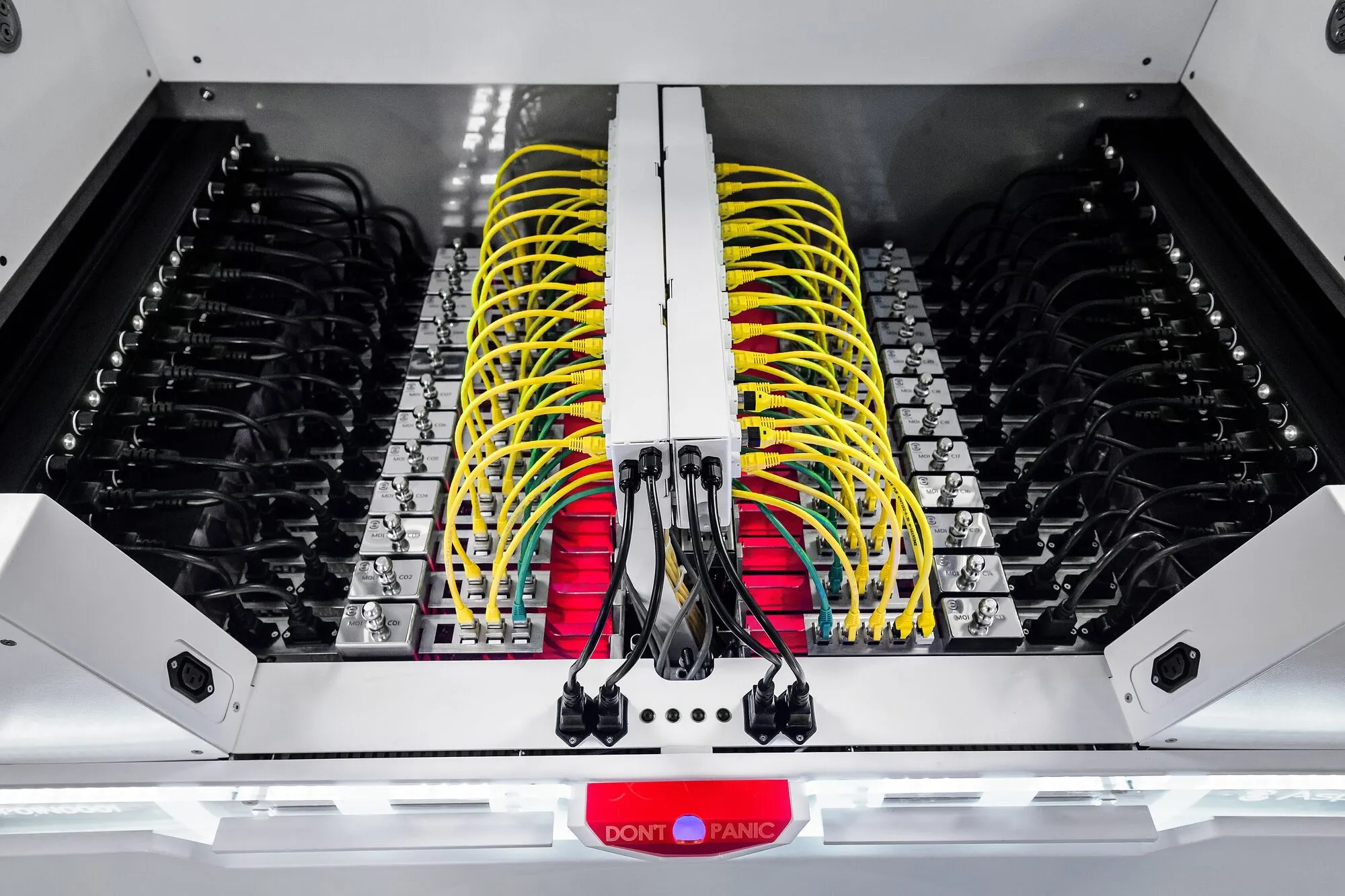
- New data centres designed from the start to deliver warm water, especially with liquid cooling at 40 to 60 °C.
- High-temperature industry (cement, glass, steel, chemicals), where exhaust above 250 °C can drive an ORC or steam turbine for electricity, or preheat materials.
- Sewage heat, which is steady, close to cities and available in winter.
It cannot win:
- Remote sources with no heat user nearby: a desert data centre or an isolated plant.
- Turning low-temperature heat into electricity. At 30 to 60 °C the Carnot ceiling is a few percent; no gadget changes that.
- Places without heat networks, until someone builds one. The network, not the heat, is usually the real investment.
- As a reason to keep wasteful processes. Efficiency comes first.
What is proven, plausible and speculative
Proven: the Carnot limits on heat-to-power and on heat pumps; large-scale heat recovery from sewage and data centres into district heating in Helsinki, Odense and Stockholm; industrial heat feeding networks across Denmark and Sweden; ORC units recovering electricity from hot industrial exhaust.
Plausible: most new large data centres in Europe delivering usable heat, helped by rules like Germany’s; lower-temperature networks that take more low-grade heat; liquid-cooled servers delivering 50 to 60 °C water that needs little or no heat pump.
Speculative: economically meaningful electricity from heat below 80 °C; heat recovery in cities with no network plan; thermoelectric panels on ordinary waste-heat surfaces paying for themselves.
Open research questions
- Mapping. Where, at what temperature and in what quantity is waste heat available, compared with where heat is needed? Open, local maps are rare.
- Contracts and risk. Who pays for the connection, and who carries the risk if the source closes?
- Lower-temperature networks. How to convert existing high-temperature networks and buildings to run cooler.
- High-temperature heat pumps delivering steam at 120 to 200 °C for industry, from waste heat at 60 to 100 °C.
- Seasonal storage that holds summer data-centre heat for winter.
- Measured performance. Published yearly data on heat delivered, electricity used and costs for real projects.
What a working prototype would need
Heat pumps and heat exchangers are mature. The useful innovations are in connecting sources to users cheaply, in high-temperature heat pumps, and in control. A working model should deliver measured heat to a real user.
| Phase | Work | Decision it enables | Rough cost | Time |
|---|---|---|---|---|
| 1. Heat audit | Measure the flow and temperature of a real waste stream for several weeks with loggers; map heat users within 1 to 2 km | Is there enough heat, at a useful temperature, close enough to a user? | $5k to $20k | 1 to 3 months |
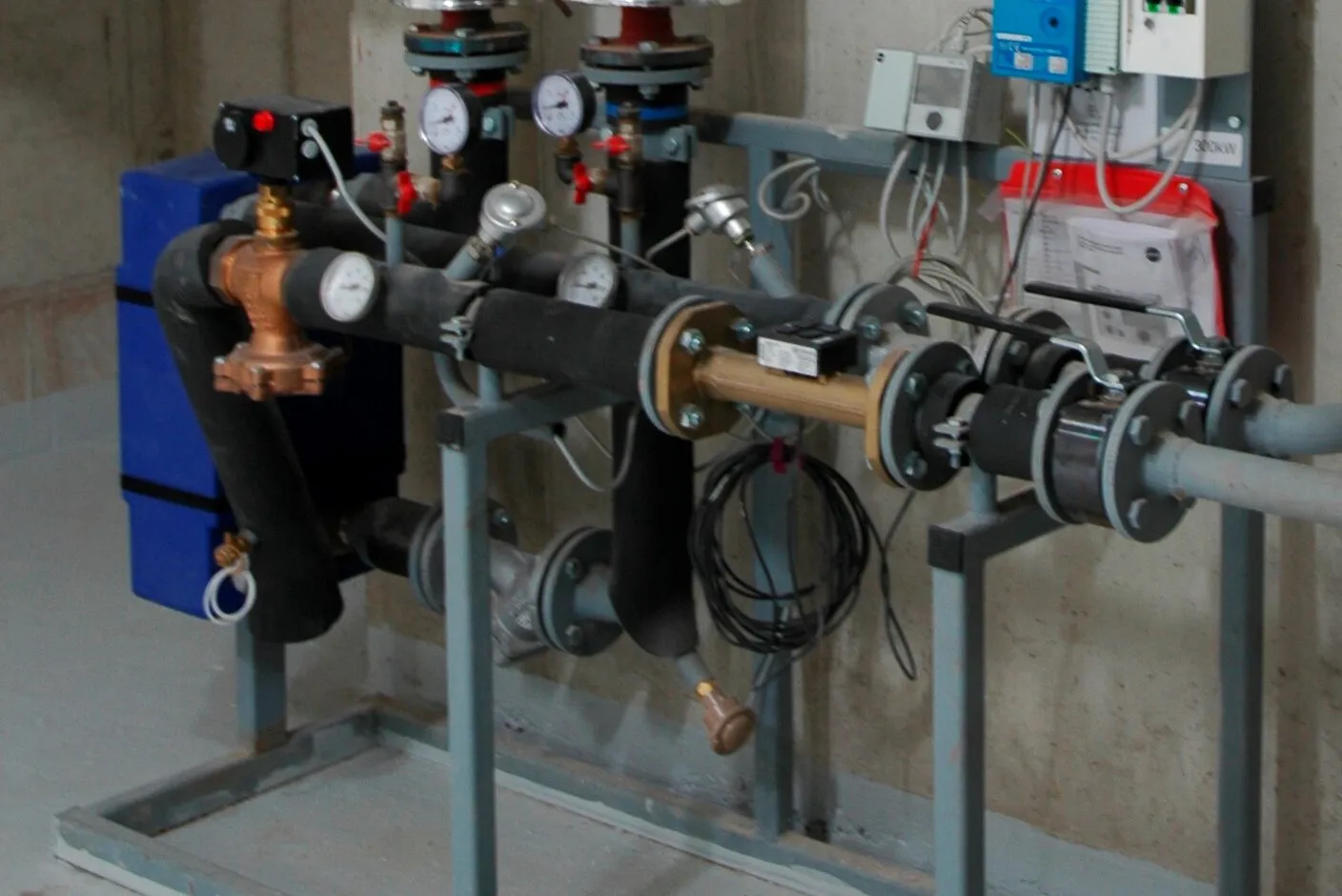
| 2. Bench demonstrator | A 10 to 50 kW heat exchanger and heat pump on the real source, with heat and electricity meters | Measured COP, fouling and reliability on the real stream | $30k to $150k | 6 to 12 months |
| 3. Pilot connection | A connection to one building or a small network, a year of data, a heat supply contract | Real cost per kWh of heat and contract model | $0.3M to $2M | 12 to 24 months |
Who we need
- District heating engineers and network operators.
- Heat pump specialists, especially for large and high-temperature machines.
- Data-centre and industrial energy managers willing to share temperature and flow data.
- Urban planners and GIS analysts to map sources and users.
- Lawyers and economists to design heat contracts that share risk fairly.
- Process engineers for fouling, corrosion and cleaning of heat exchangers on dirty streams such as sewage and flue gas.
Have a better idea?
Some members of the Foundation may have contacts who could hear a pitch for a strong energy idea. To be pitched, an idea needs a working, real-life model that actually produces power; for a heat-recovery idea, that means a model that delivers measured heat or electricity, with its output and its own energy use logged on instruments, not claimed. Paper ideas are welcome too: if the physics and the numbers are solid, we can publish them here on the website. But raising capital without a working model is very difficult, and nothing here is a promise of funding, returns or introductions.
Send your idea through the contribution form with the problem it solves, the physics check, a rough cost per kWh, and the cheapest test that could prove it wrong. If you have a working model, include its measured output and how you measured it. The energy sources page compares this and the other alternatives on the idea radar.
Sources
- Forman, C., Muritala, I.K., Pardemann, R. and Meyer, B. (2016). Estimating the global waste heat potential. Renewable and Sustainable Energy Reviews 57, 1568-1579.
- Helen (2018). New heat pump to be built again in Helsinki; Wikipedia, Energy in Finland.
- Meta (2020). Odense data center: heat recovery.
- Stockholm Data Parks. Programme website.
- Wahlroos, M., Pärssinen, M., Rinne, S., Syri, S. and Manner, J. (2018). Future views on waste heat utilization: case of data centers in Northern Europe. Renewable and Sustainable Energy Reviews 82, 1749-1764.
- Quoilin, S., Van Den Broek, M., Declaye, S., Dewallef, P. and Lemort, V. (2013). Techno-economic survey of Organic Rankine Cycle (ORC) systems. Renewable and Sustainable Energy Reviews 22, 168-186.
- Lund, H., Werner, S., Wiltshire, R. et al. (2014). 4th Generation District Heating (4GDH). Energy 68, 1-11.
- Werner, S. (2017). International review of district heating and cooling. Energy 137, 617-631.
- Germany (2023). Energieeffizienzgesetz (EnEfG), section 11: data centres.
- IEA (2025). Energy and AI.
- Lazard (June 2026). Levelized Cost of Energy+, version 19.
- Local Solar System Foundation. The Fan Wall open model: the rooftop solar benchmark of $0.19 per kWh.
- Wikipedia. Amager Bakke: 157 to 247 MW of district heating and up to 63 MW of electricity from municipal waste, with a ski slope on the roof.