
MukusanyaKDE
, i Ubuhagarike: na i Uburebure Bya i & Umunsi ya: Icyo ari cyo cyose Ahantu na Itariki:.
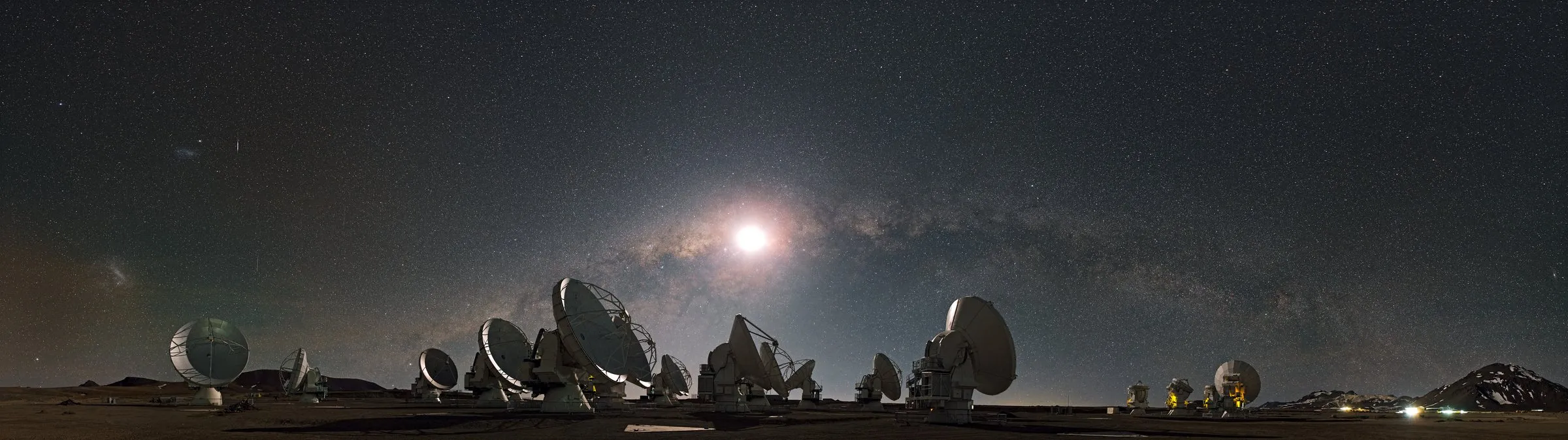
ESO/S. Guisard (www.eso.org/~sguisard) (CC BY 4.0)
MukusanyaKDE
ni? na? Gukaraga Umurongo fatizo ni, Gihinguranya i Umwaka Ibirindiro: i Cyangwa Hasi: in i, na ya: Birenzeho Cyangwa Amasaha. ya: Icyo ari cyo cyose Ibirindiro: na Icyo ari cyo cyose Itariki:.
Gukoresha: Choose your city under "Your place" (or drag the latitude), then drag the date or press a solstice button. Drag the 3D Earth to turn it.
<B Ahantu B: London
i, ku i Itariki: hejuru.
Mucukumbuzi Itangira. Ibirindiro: ni Byakoreshejwe ku iyi Ipaji:, Kuri i. ni Oya Cyangwa Yoherejwe:.
- Izuba rirashe
- Izuba ririrashe
- Izuba
- ku
- Imfuruka
City list: GeoNames (geonames.org), CC BY 4.0. Sunrise, sunset and the Sun's position: formulas of the NOAA Global Monitoring Laboratory solar calculator, from J. Meeus, Astronomical Algorithms. Sunrise and sunset are when the top edge of the Sun touches a flat horizon, allowing for the way air bends light, so they give slightly longer days than the geometric figure above. Time zones come from your own browser.
Uburebure ni Gitambitse (i Hagati Bya i ku A Bihagaritse). Icyatsi, A iminota.
iyi
- Umujyi:, Hanyuma Kanda "Na"Icyegeranyo: ni & Umunsi? Kuva: i, i Igice.
- , ku i Ibisimbuka, na Kanda.Icyegeranyo: & Umunsi Kuri 12 Amasaha umwaka: na i ni Buri gihe Kinini. i Ibisimbuka- ruguru i Bigyanye, OYA.
- na Kanda ".Icyegeranyo: The Sun sets just after midnight and rises again before 3 a.m., and it never gets fully dark. North of the Arctic Circle (66.6° N) it does not set at all.
- Drag the axial tilt to 0°, then to 90°.Icyegeranyo: Oya, buri & Umunsi ni 12 Amasaha Birenzeho na i. A, Nka, ni ku, i.
How far north or south of the equator a place is, from 0° at the equator to 90° at the North or South Pole. London is at about 51.5° N; Sydney is at about 33.9° S.
How far Earth's spin axis leans compared with its path round the Sun: about 23.4°. The tilt, not our distance from the Sun, is what causes the seasons.
in i Inkoranyamagambo →The latitude where the Sun is straight overhead at noon on a given day. It swings from 23.4° N in June to 23.4° S in December and back.
in i Inkoranyamagambo →The two days a year, around 21 June and 21 December, when the Sun reaches its farthest north or south. They bring the longest and shortest days.
in i Inkoranyamagambo →The two days a year, around 20 March and 22 September, when the Sun is overhead at the equator and day and night are roughly equal everywhere.
in i Inkoranyamagambo →The moment the Sun is highest in the sky on a given day. On the clock it is often not 12:00, because of time zones and summer time.
i i Hejuru ya: i 24 Amasaha in (Izuba) na munsi i Byose & Umunsi in (Umugoroba).
Ibyatanzwe imbonerahamwe# Umwandiko Igisubizo
| Latitudini | Equinox | Ukwezi kw'icyumweru | Mutarama |
|---|---|---|---|
| 0° N | 12 h | 12 h | 12 h |
| 23,44° N | 12 h | 13,4 h | 10,6 h |
| 40° N | 12 h | 14,8 h | 9,16 h |
| 51,5° N | 12 h | 16,4 h | 7,6 h |
| 60° N | 12 h | 18,5 h | 5,51 h |
| 66,56° N | 12 h | 24 h | 0 h |
| 80° N | 12 h | 24 h | 0 h |
na Koresha ya:. OYA Byakoreshejwe ya: Ibuganya, Cyangwa Icyo ari cyo cyose. Kigenga na -. i Ibigize