
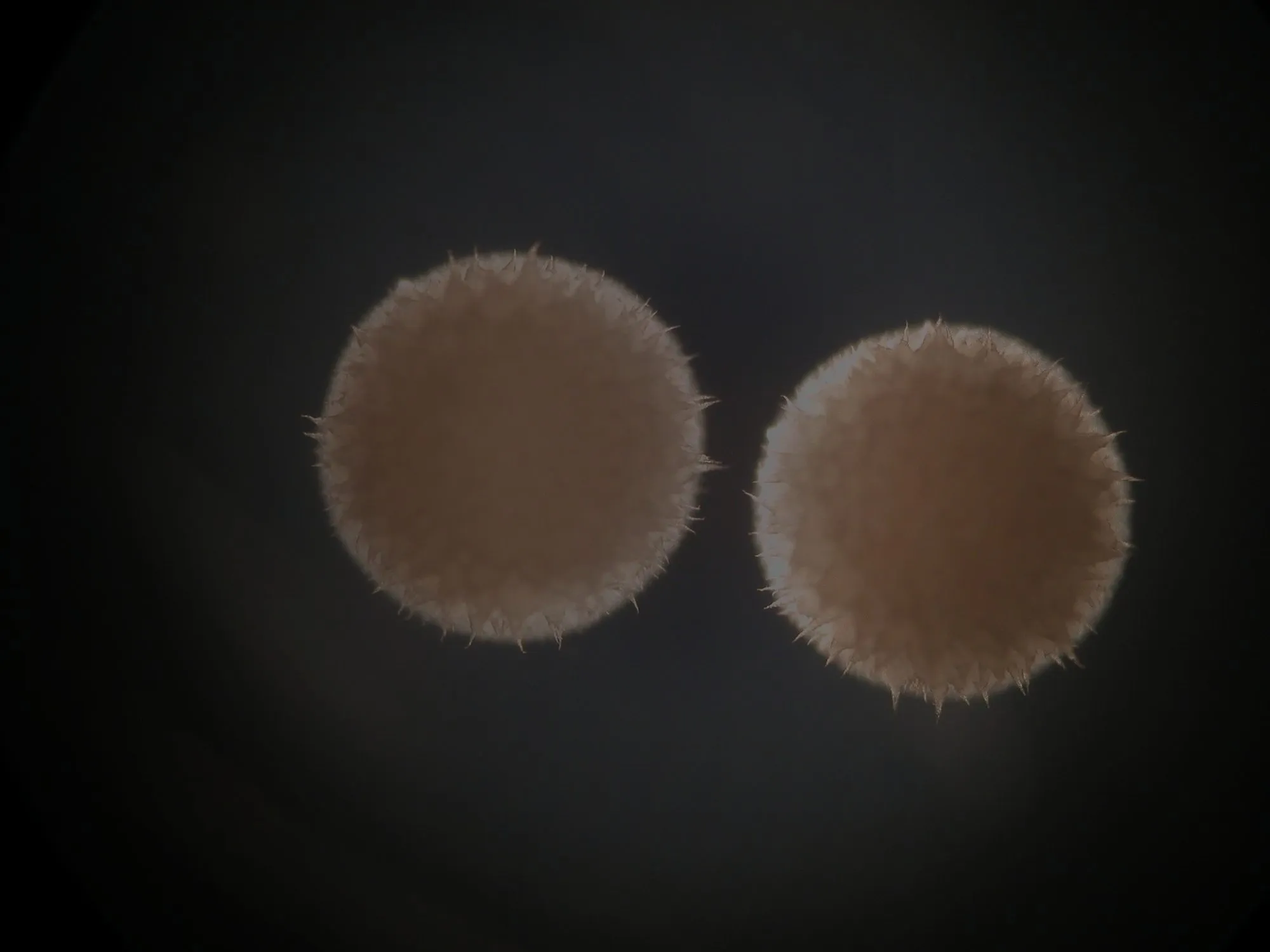
Reversing ageing: the science
Most of the diseases that end our lives have one root cause in common: ageing itself. For the first time, scientists can slow it in animals and reverse some of its marks in cells. None of this is yet proven to reverse human ageing, but the science is real, and it is moving fast.
Snuupo / Wikimedia Commons (CC BY-SA 4.0)
For most of history, people died young of infections, injuries and childbirth. Today, in most of the world, they die old, and they die of a short list of chronic diseases: heart disease, stroke, cancer, dementia, diabetes and lung disease. Each of these illnesses has its own specialists, charities and drugs. But they share one overwhelming risk factor, and it is not smoking, diet or genes. It is age. A growing field of science, called geroscience, asks a simple question: instead of fighting each disease of old age separately, can we slow the ageing process that drives them all? This page sets out, as clearly and honestly as we can, what that research has shown, what it has not, and what it could mean for all of us.
Why ageing is the root of most chronic disease
Look at almost any common chronic disease by age and the same shape appears: rare in young adults, then rising steeply with every decade. In the United States in 2025, about 0.5 percent of adults aged 18 to 44 had ever been diagnosed with coronary heart disease; among people aged 75 and over it was 19 percent. Any cancer: 2 percent against 33 percent. Arthritis: 6 percent against 53 percent (NCHS, NHIS 2025). New cancer diagnoses rise from about 236 per 100,000 people a year at ages 40 to 44 to about 2,400 at 80 to 84 (NCI SEER). The share of people living with dementia roughly doubles every five to six years after 65, reaching about one in three at 90 and over (Manly et al., 2022).
In the US data above, coronary heart disease is about 38 times as common at 75 and over as at 18 to 44. That is why a group of leading researchers described ageing as “the greatest risk factor for a majority of chronic diseases” and proposed that treating ageing itself could delay many of them together (Kennedy et al., 2014). This is the geroscience hypothesis. It has a practical consequence. Curing one disease of old age adds surprisingly little life, because the others are waiting: people saved from a heart attack go on to face cancer, dementia or a stroke a few years later. Slowing ageing would push all of them back at once.
Economists have tried to put a value on this. A 2013 study for the US found that a modest delay in ageing would add about 2.2 years of life expectancy, most of them healthy, worth about $7.1 trillion over 50 years (Goldman et al., 2013). A 2021 study estimated that slowing ageing enough to add one year of life expectancy would be worth $38 trillion to the US, and ten years $367 trillion (Scott, Ellison and Sinclair, 2021). These are models built on assumptions, but they show why governments and investors are paying attention.
What actually goes wrong: the hallmarks of ageing
Ageing is not one process but many, happening together and feeding each other. In 2013 a team led by Carlos López-Otín grouped them into nine hallmarks of ageing, and in 2023 expanded the list to twelve (López-Otín et al., 2013; López-Otín et al., 2023). In plain words:
- Genomic instability: damage to DNA builds up faster than it is repaired.
- Telomere attrition: the protective caps on the ends of chromosomes wear down.
- Epigenetic alterations: the chemical marks that switch genes on and off drift out of their youthful pattern.
- Loss of proteostasis: proteins fold wrongly and clump together.
- Disabled macroautophagy: the cell’s recycling system slows down.
- Deregulated nutrient sensing: growth signals such as mTOR and insulin stay switched on when repair would be better.
- Mitochondrial dysfunction: the cell’s power stations make less energy and more harmful by-products.
- Cellular senescence: damaged cells stop dividing but refuse to die, and release inflammatory signals.
- Stem cell exhaustion: the reserves that repair tissues run down.
- Altered intercellular communication: signals between cells and organs go wrong.
- Chronic inflammation: a low, constant inflammation, sometimes called “inflammageing”.
- Dysbiosis: the balance of microbes in the gut shifts.
Every approach on this page targets one or more of these hallmarks. The criteria for a hallmark are demanding: it must appear with age, speeding it up must speed up ageing, and slowing it must slow ageing. That last test is where the hope comes from, because for several of these processes, researchers have already done it in animals.
How sure are we? An evidence scale
The word “anti-ageing” covers everything from habits proven in millions of people to ideas tested in a single mouse study. To keep them apart, every approach on this page carries one of four grades:
- Proven in people: large human studies and randomised trials show fewer diseases and deaths.
- Promising human trials: randomised trials in people show real effects, but not yet on ageing itself.
- Strong in animals: repeated, robust results in animals; human evidence small, mixed or just starting.
- Early or speculative: weak, contested or single-study evidence, or human trials so far mostly without clear benefit.
To be plain: nothing on this page has yet been shown to slow or reverse human ageing as a whole. No drug, supplement or gene therapy is approved to treat ageing anywhere in the world. So why are serious scientists excited? Because twenty years ago nobody could reliably extend the life of a normal mammal with a drug, and now several drugs do it, in careful tests at several laboratories at once; because old cells can be made to behave like young ones again in a dish and, in some tissues, in living animals; and because the first human trials aimed at the biology of ageing, rather than at one disease, are now under way. The distance from mouse to human is long, and many promising ideas fail on it. But the direction is clear.
Nutrient sensing: mTOR and rapamycin
Evidence grade: promising human trials
What it is. Every cell has to decide whether to grow or to repair itself. A protein complex called mTOR (the mechanistic target of rapamycin) makes that call: when food and growth signals are plentiful, mTOR says “grow”; when they are scarce, it steps back and the cell switches to maintenance, including recycling its worn-out parts through autophagy. Throughout adult life, mTOR tends to stay switched on more than is good for us. Turning it down is one of the most consistent ways to lengthen life in yeast, worms, flies and mice.
Rapamycin is a drug that blocks mTOR. It was discovered in a soil sample from Rapa Nui (Easter Island), which gave it its name, where it is made by a bacterium, Streptomyces hygroscopicus (Vézina, Kudelski and Sehgal, 1975). At high doses it has been used for decades to stop the body rejecting transplanted organs.
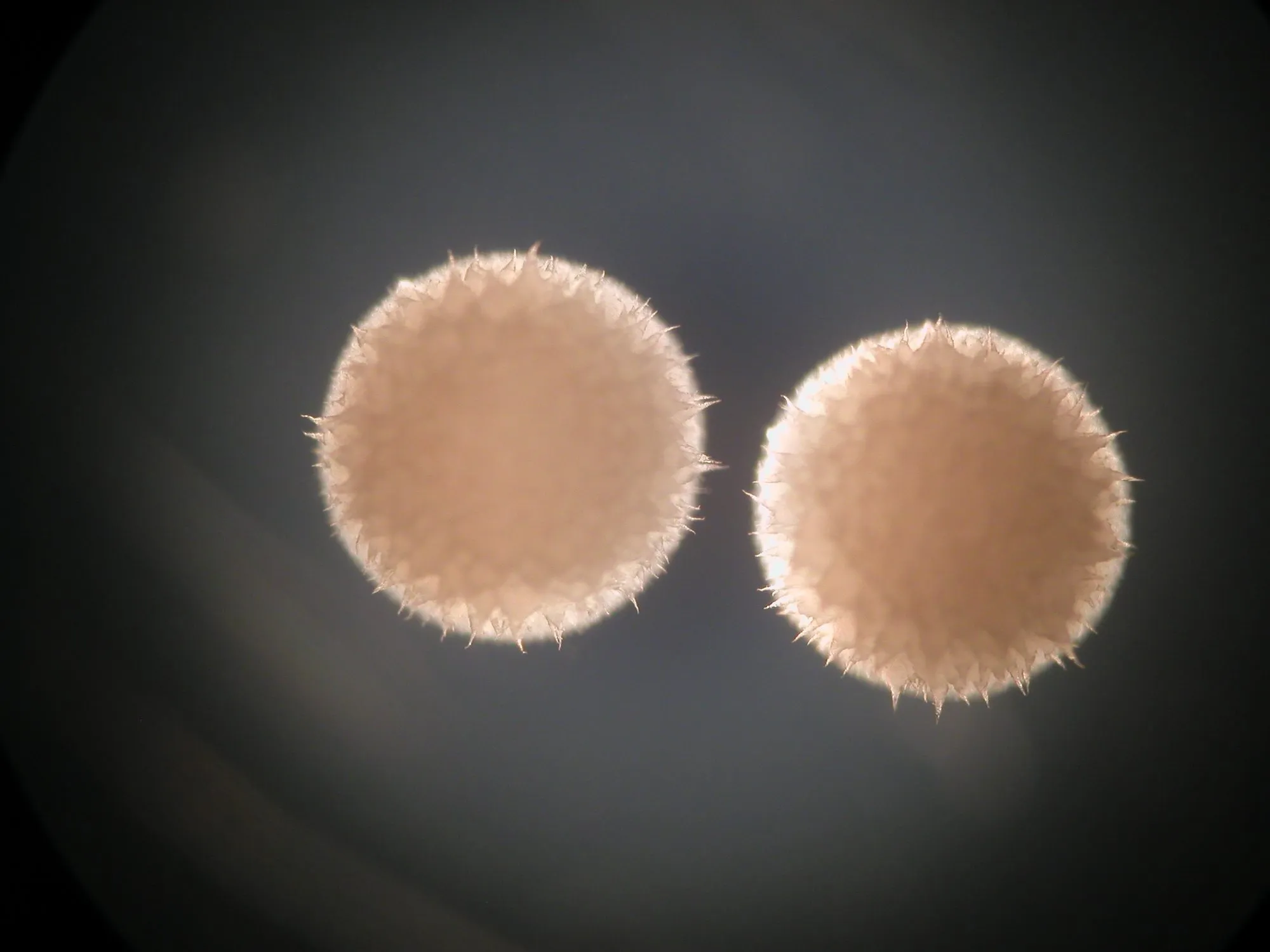
In animals. In 2009 the US National Institute on Aging’s Interventions Testing Program, which tests compounds in genetically varied mice at three laboratories at once, reported that rapamycin lengthened life even when it was first given at 600 days old, late in a mouse’s life. From that age, life expectancy rose by 28 percent in males and 38 percent in females (Harrison et al., 2009). At a higher dose started in middle age, median lifespan rose by 23 percent in males and 26 percent in females (Miller et al., 2014). Rapamycin is the only single drug in the programme to work this strongly in both sexes, and it remains the most reproducible life-extending drug in mammals.
In people. The human evidence is small but real. In a randomised trial in older volunteers, six weeks of everolimus, a close relative of rapamycin, improved the response to a flu vaccine by about 20 percent (Mannick et al., 2014), and a later trial of a related combination reduced infections over the following year (Mannick et al., 2018). But a larger phase 3 trial of a similar drug, in more than 1,000 older people, found no reduction in respiratory illness (Mannick et al., 2021). The PEARL trial gave healthy adults low weekly doses of rapamycin for 48 weeks. It did not change its main measure, visceral fat, and side effects were similar to placebo; some secondary measures, such as lean muscle in women on the higher dose, improved (Moel et al., 2025). A 2024 review of 19 studies found no serious adverse events in healthy people, but more infections and higher blood fats in people who already had age-related disease (Lee, Kuerec and Maier, 2024).
Risks. At transplant doses, rapamycin suppresses the immune system and carries warnings about serious infections and some cancers. Mouth ulcers, raised cholesterol and triglycerides, slower wound healing and fluid build-up are all listed side effects (US FDA sirolimus label). In mice, long-term use also causes insulin resistance (Lamming et al., 2012). Researchers are now testing lower and intermittent doses, and new drugs that block only the part of mTOR linked to longevity.
Senolytics: clearing out “zombie” cells
Evidence grade: strong in animals
What it is. When a cell is badly damaged, it can enter a state called senescence: it stops dividing, which protects against cancer, but it does not die. Senescent cells build up with age. Worse, they release a cocktail of inflammatory signals, the senescence-associated secretory phenotype (SASP), that harms the healthy cells around them (Coppé et al., 2008). Senolytics are drugs designed to kill senescent cells selectively.
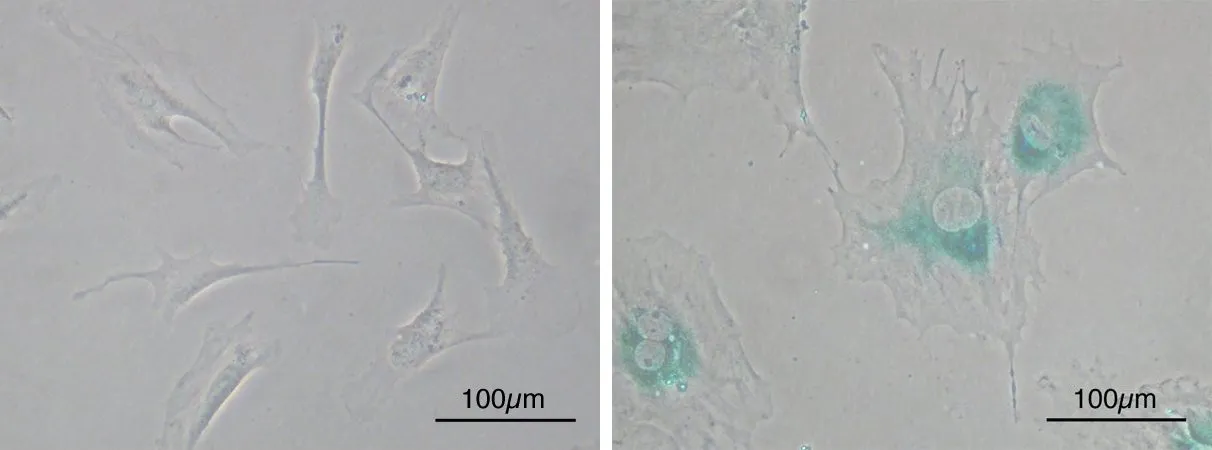
In animals. In 2011, researchers genetically engineered mice so that their senescent cells could be removed on demand. Clearing them delayed age-related damage in fat, muscle and the eye (Baker et al., 2011). In normal mice, removing these cells from middle age lengthened median lifespan by 24 to 27 percent (Baker et al., 2016). The first senolytic drug combination, dasatinib plus quercetin, was found in 2015 (Zhu et al., 2015). Given to very old mice, it improved physical function and increased remaining lifespan by 36 percent (Xu et al., 2018). Fisetin, a natural compound found in strawberries, extended lifespan when given to old mice (Yousefzadeh et al., 2018).
In people. The first human results are small and mixed. In 14 people with a lung disease, idiopathic pulmonary fibrosis, three weeks of dasatinib plus quercetin improved walking distance and speed, though not lung function, in a trial without a placebo group (Justice et al., 2019). In nine people with diabetic kidney disease, the drugs reduced senescent cells in fat and skin and lowered inflammatory signals in the blood (Hickson et al., 2019). But in a randomised trial in 60 older women, the drugs did not improve bone overall; only women with the most senescent cells seemed to benefit (Farr et al., 2024). In a feasibility study in five people with Alzheimer’s disease, dasatinib reached the fluid around the brain but quercetin did not (Gonzales et al., 2023). Larger fisetin trials at the Mayo Clinic are still running (ClinicalTrials.gov NCT03675724).
The first company built around senolytics, Unity Biotechnology, tested an eye injection, UBX1325 (foselutoclax), for diabetic eye disease. After an encouraging early trial, a larger phase 2 trial comparing it with a standard treatment missed its main goal (Unity Biotechnology, 2025), and the company was dissolved later that year (SEC filing, 2025).
Risks. Dasatinib is a cancer medicine with serious side effects, including effects on blood counts. Senescent cells also have useful jobs, for example in wound healing, so clearing them is not free of risk.
NAD+, NMN and NR
Evidence grade: early or speculative
What it is. NAD+ is a small molecule every cell needs to turn food into energy and to repair DNA. Its levels fall with age in several tissues. Two precursors that the body can turn into NAD+, nicotinamide mononucleotide (NMN) and nicotinamide riboside (NR), are sold as supplements.
In animals. In mice, a year of NMN in drinking water eased several age-related changes, including weight gain and declining energy use (Mills et al., 2016), and NR improved mitochondrial and stem cell function and modestly lengthened life in old mice (Zhang et al., 2016). But when the Interventions Testing Program tested NR with its rigorous design, it did not extend lifespan in either sex (Harrison et al., 2021).
In people. NR and NMN reliably raise NAD+ in blood (Martens et al., 2018). The best-known positive trial gave NMN to 25 women with prediabetes for ten weeks: muscle insulin sensitivity improved by about 25 percent, while blood pressure, blood fats and body composition did not change (Yoshino et al., 2021). In a small trial in Parkinson’s disease, NR raised NAD in the brain with mild clinical improvement (Brakedal et al., 2022); a larger trial has finished and its results are awaited. Reviews that pool the trials so far find the supplements safe in the short term but with mostly no clear benefit for blood sugar, blood fats or muscle (Zhang et al., 2025; Prokopidis et al., 2025). What is not shown: that raising NAD+ slows ageing or prevents any disease in people.
Regulation. In 2022 the US Food and Drug Administration said NMN could not be sold as a dietary supplement because it was being studied as a drug; in September 2025 it reversed that view (FDA, 2025). Being on sale says nothing about whether a product works.
Sirtuins and the resveratrol story
Evidence grade: early or speculative
What it is. Sirtuins are a family of enzymes, seven in mammals, that use NAD+ to control DNA repair, metabolism and gene activity. In 2003 a study reported that resveratrol, a compound found in red grapes, activated a sirtuin and lengthened the life of yeast (Howitz et al., 2003). In 2006 resveratrol improved the health and survival of mice on a high-calorie diet (Baur et al., 2006). In 2008 the drug company GSK bought Sirtris, a company developing sirtuin activators, for about $720 million (GSK and Sirtris, 2008).
Why it faded. The story did not hold up well. Resveratrol did not extend the lifespan of normal mice on a normal diet (Pearson et al., 2008), including in the Interventions Testing Program (Miller et al., 2011). Biochemists found that its apparent activation of the sirtuin SIRT1 depended on an artificial fluorescent tag used in the test (Kaeberlein et al., 2005; Pacholec et al., 2010). And the original lifespan effects of extra sirtuin in worms and flies largely disappeared when the genetic backgrounds were properly controlled (Burnett et al., 2011).
What remains credible. Sirtuins still matter. Mice engineered to make more of one sirtuin, SIRT6, lived longer: males only in the first study (Kanfi et al., 2012), and in a later study 27 percent longer median life in males and 15 percent in females, with less frailty (Roichman et al., 2021). That is genetics, not a pill. No sirtuin-activating supplement has been shown to slow ageing in people.
Telomeres and telomerase
Evidence grade: early or speculative
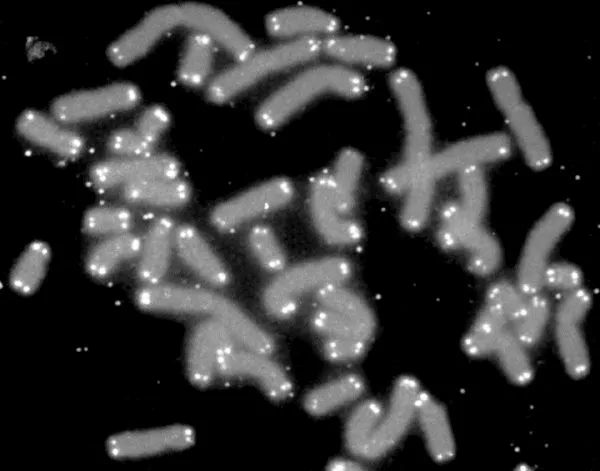
What it is. Telomeres are repeated stretches of DNA that cap the ends of our chromosomes, like the plastic tips on shoelaces. They shorten a little each time most cells divide; when they become too short, the cell stops dividing or dies. An enzyme called telomerase can rebuild them. Elizabeth Blackburn, Carol Greider and Jack Szostak shared the 2009 Nobel Prize in Physiology or Medicine for discovering how this works (Nobel Prize, 2009).
In animals. In 2012 a team at the Spanish National Cancer Research Centre gave adult mice a gene therapy that switched telomerase back on. Median lifespan rose by 24 percent in mice treated at one year old and 13 percent in mice treated at two years, with no increase in cancer (Bernardes de Jesus et al., 2012). It remains an important but largely unreplicated result.
The cancer problem. Cancer cells need to divide without limit, and most of them do it by switching telomerase on: in a landmark study, 90 of 101 tumour samples had telomerase activity, and none of 50 normal tissues did (Kim et al., 1994). People whose genes give them longer telomeres have a lower risk of coronary heart disease but a higher risk of several cancers, including glioma, lung adenocarcinoma and melanoma (Haycock et al., 2017). Short telomeres are not simply “bad” and long ones “good”.
In people. Some rare inherited diseases, such as dyskeratosis congenita, are caused by faulty telomerase and cause failing bone marrow, lung scarring and early death (Armanios and Blackburn, 2012). In a trial in these patients, the hormone danazol lengthened telomeres in 11 of 12 people who could be assessed (Townsley et al., 2016). That is a treatment for a rare disease, not for ageing. Be sceptical of any claim that a product or clinic “lengthens your telomeres” to make you younger: in 2015 the head of one company said she had received an unproven telomerase gene therapy abroad, but the claims have never been independently verified in a peer-reviewed study (MIT Technology Review, 2015).
Partial reprogramming with Yamanaka factors
Evidence grade: strong in animals, first human trial under way
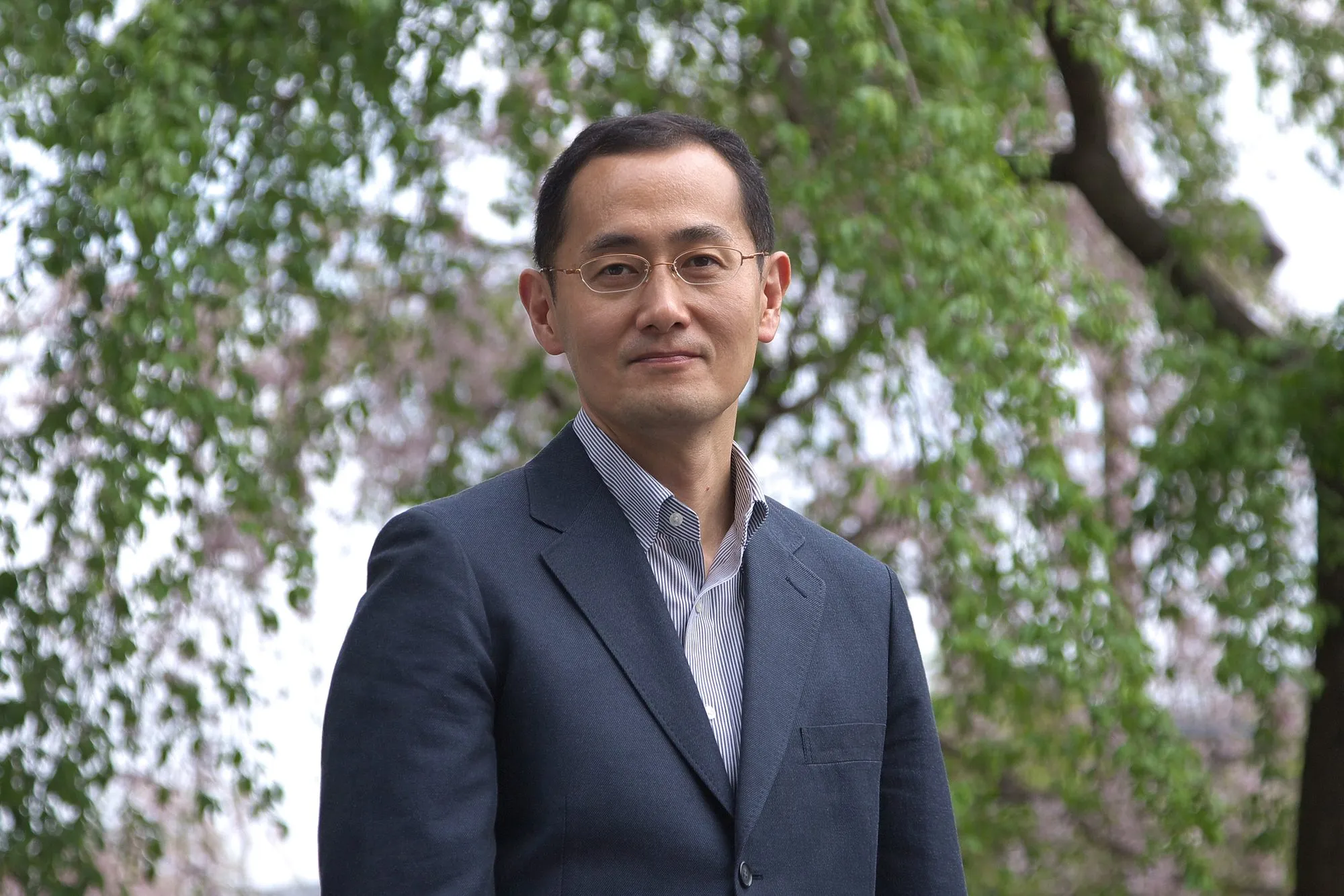
What it is. In 2006 Shinya Yamanaka showed that switching on just four genes, now called the Yamanaka factors (OCT4, SOX2, KLF4 and c-MYC, or OSKM), turns an adult skin cell back into an embryo-like stem cell that can become any cell type (Takahashi and Yamanaka, 2006). He shared the 2012 Nobel Prize for it (Nobel Prize, 2012). Along the way, the cell’s age is wiped clean: the chemical marks on its DNA return to a youthful pattern. The idea of partial reprogramming is to switch the factors on only briefly, long enough to reset the marks of age but not long enough for the cell to forget what it is.
In animals. In 2016, mice that age prematurely were given OSKM in cycles, two days on and five days off. Their organs showed fewer signs of ageing and they lived longer (Ocampo et al., 2016). In 2020, three of the factors (OSK, leaving out the cancer-linked c-MYC) were delivered to the eyes of mice with a glaucoma-like injury and of old mice, and restored their vision by resetting the marks on the DNA of their nerve cells (Lu et al., 2020). Longer-term partial reprogramming in normal ageing mice shifted many molecular markers towards a younger state (Browder et al., 2022), and in one small study, an OSK gene therapy given to very old male mice doubled their remaining median lifespan (Macip et al., 2024).
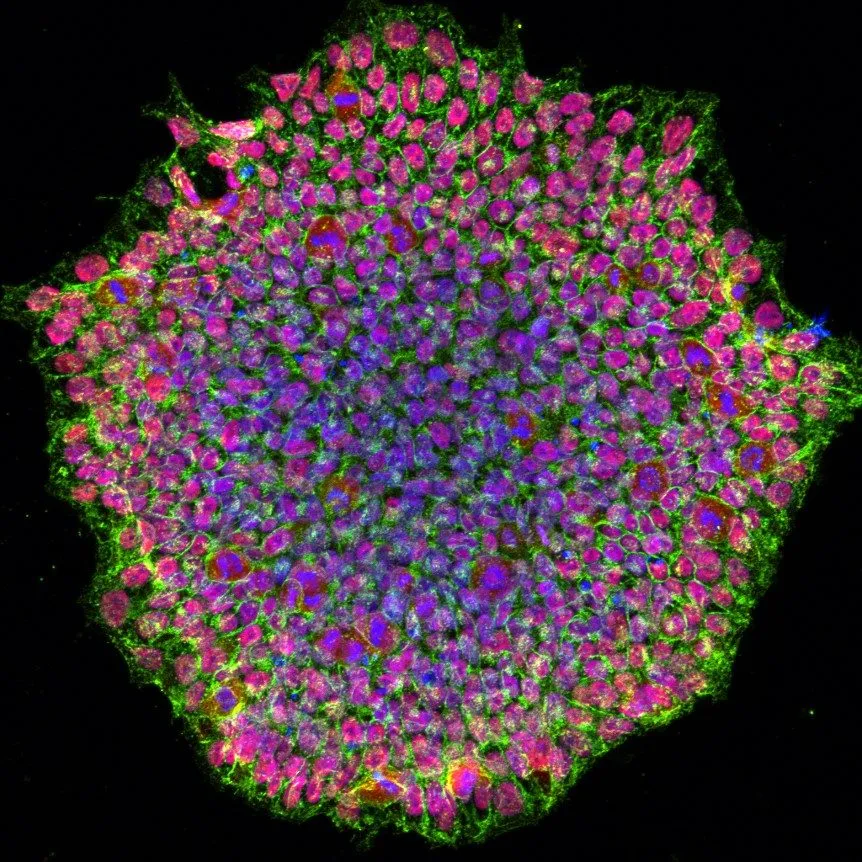
Risks. Going too far is dangerous. When the factors were switched on continuously in living mice, cells lost their identity and formed tumours called teratomas (Abad et al., 2013); in another study, continuous OSKM caused liver and intestinal failure and death within about a week (Parras et al., 2023). Controlling the dose, the timing and which cells receive the genes is the central challenge.
The companies and the first trial. Partial reprogramming has attracted some of the largest investments in biotechnology. Altos Labs launched in January 2022 with $3 billion (Altos Labs, 2022). Retro Biosciences, backed with $180 million by Sam Altman (MIT Technology Review, 2023), works on reprogramming and says its first drug, a pill aimed at cellular recycling, entered a phase 1 trial in 2025 (Retro Biosciences, 2026). NewLimit raised $435 million in 2026 and says it plans a first human trial of a liver therapy (NewLimit, 2026). The first reprogramming therapy to reach people is ER-100 from Life Biosciences, an OSK gene therapy injected into the eye for two diseases of the optic nerve, glaucoma and non-arteritic anterior ischaemic optic neuropathy (NAION). The US Food and Drug Administration cleared the trial in January 2026 (Life Biosciences, 2026), and the first patient was treated in June 2026 in a phase 1 safety study of 18 people (ClinicalTrials.gov NCT07290244; Life Biosciences, 2026). Results will take years. Company announcements are not peer-reviewed evidence, and we will update this page as results are published.
Other serious avenues
Drugs that extend mouse lifespan
Evidence grade: strong in animals
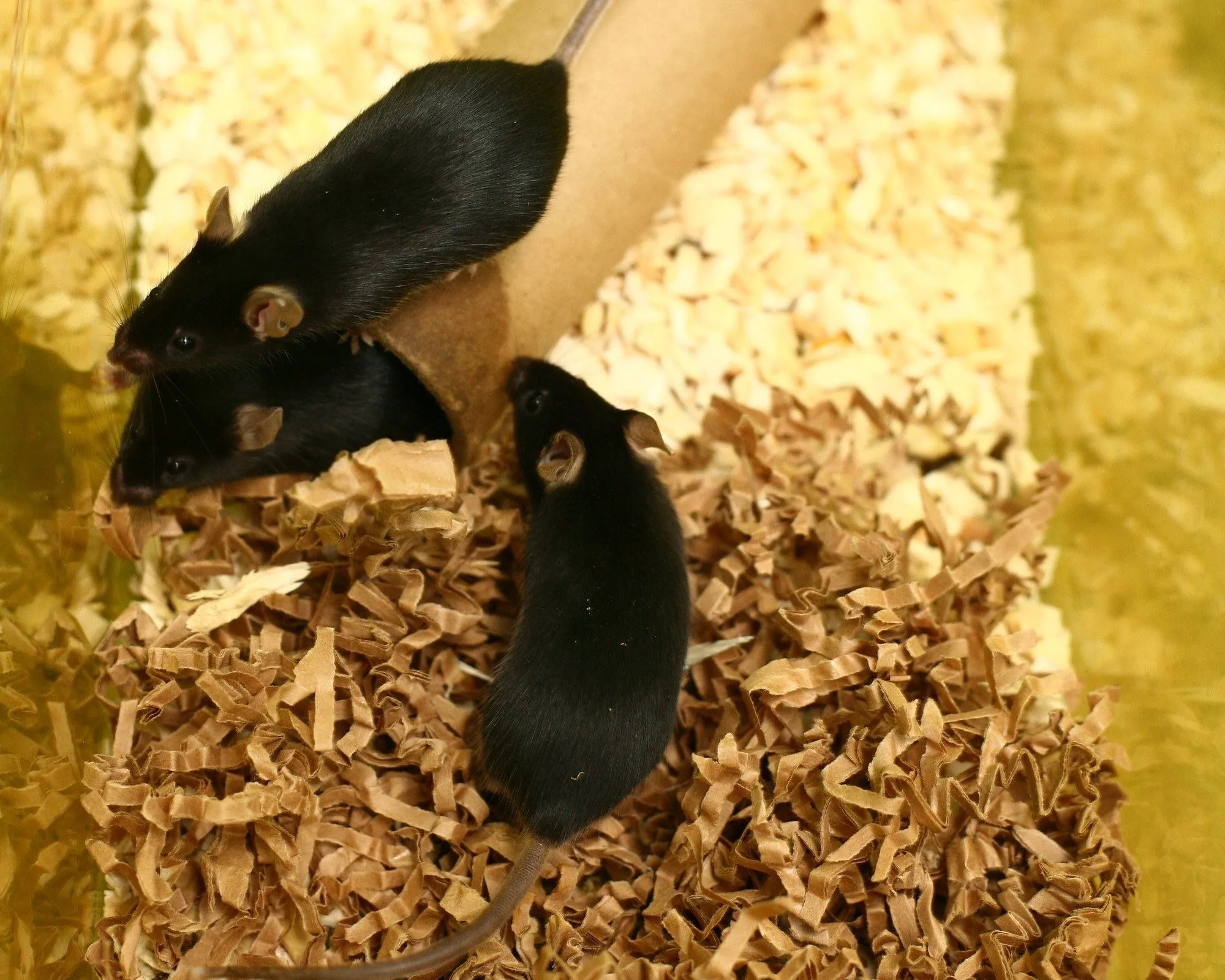
Since 2004 the Interventions Testing Program has tested 54 compounds in more than 30,000 mice (Jiang et al., 2025). Its design is strict: the same test runs at three laboratories, with genetically varied mice, so a result must hold up in all of them. Besides rapamycin, several compounds passed: the diabetes drug acarbose added 22 percent to male median lifespan but only 5 percent in females (Harrison et al., 2014); 17-alpha-estradiol, a weak form of oestrogen, added 19 percent in males and nothing in females (Strong et al., 2016); and the diabetes drug canagliflozin added 14 percent in males only (Miller et al., 2020). Rapamycin combined with acarbose gave the biggest gains so far: 34 percent in males and 28 percent in females (Strong et al., 2022). Why males benefit so much more often is itself an important question. None of these drugs has been tested for ageing in people.
Metformin and the TAME trial
Evidence grade: early or speculative
Metformin is a cheap diabetes medicine used for more than sixty years. A 2014 study of UK health records found that people with diabetes taking metformin lived slightly longer than matched people without diabetes (Bannister et al., 2014), which made it a leading candidate for an anti-ageing drug. The TAME trial (Targeting Aging with Metformin) was designed to test whether it delays heart disease, cancer, dementia and death together in older adults, and to persuade regulators to treat ageing as something a drug can target (Barzilai et al., 2016). As of September 2026 we could find no published results. Meanwhile the case has weakened: a Danish study including twins found no survival advantage for metformin users (Keys et al., 2022); metformin alone did not significantly extend mouse lifespan in the Interventions Testing Program (Strong et al., 2016); and in two trials in older adults it blunted the benefits of exercise training (Konopka et al., 2019; Walton et al., 2019).
GLP-1 medicines
Evidence grade: promising human trials
Drugs such as semaglutide mimic a gut hormone, GLP-1, and were developed for diabetes and obesity. In the SELECT trial of 17,604 people with obesity and heart disease, semaglutide cut heart attacks, strokes and cardiovascular deaths by 20 percent (Lincoff et al., 2023). A study of US veterans with diabetes linked GLP-1 drugs to lower risk of many conditions, including dementia, addiction and infections, and higher risk of others, such as digestive problems and pancreatitis (Xie, Choi and Al-Aly, 2025), but such observational studies cannot prove cause. And in two large trials in early Alzheimer’s disease, oral semaglutide did not slow decline (Cummings et al., 2026). These are powerful medicines for specific diseases; whether they slow ageing itself is unknown.
Calorie restriction
Evidence grade: promising human trials
Eating less without malnutrition lengthens life in many species, and it was the first “anti-ageing intervention” ever found. In monkeys, the two big long-term studies at first seemed to disagree, but a joint analysis concluded that calorie restriction does improve health and survival when the details of diet and age are taken into account (Mattison et al., 2017). In the CALERIE 2 trial, 218 healthy, non-obese adults were asked to eat 25 percent less for two years and managed about 12 percent. Their blood pressure, cholesterol and insulin sensitivity improved (Kraus et al., 2019), and one measure of the pace of biological ageing, DunedinPACE, slowed by 2 to 3 percent, though two other clocks did not change (Waziry et al., 2023). Calorie restriction can cost muscle and bone, and is not safe for people with or at risk of eating disorders, or for frail older people.
Young blood and plasma exchange
Evidence grade: early or speculative
When the circulations of an old and a young mouse are joined, some of the old mouse’s tissues, such as muscle and liver, repair themselves better (Conboy et al., 2005). One blood protein, GDF11, was hailed as the rejuvenating factor, but later work could not reproduce the results (Egerman et al., 2015). Some researchers now think that diluting harmful factors in old blood matters more than adding young ones: in old mice, simply replacing half the plasma with a salt and albumin solution improved muscle, liver and brain tissue (Mehdipour et al., 2020). In a small placebo-controlled trial, repeated therapeutic plasma exchange (replacing plasma with a solution of albumin) shifted several epigenetic clocks towards a younger age (Fuentealba et al., 2025), and in a trial in Alzheimer’s disease it slowed decline in daily activities in people with moderate disease (Boada et al., 2020). In 2019 the US Food and Drug Administration warned the public that infusions of plasma from young donors have “no proven clinical benefit” and carry real risks (FDA, 2019).
Epigenetic clocks: measuring biological age
A measuring tool, not a treatment
To test whether anything slows ageing, researchers need a way to measure it without waiting decades. Epigenetic clocks read the chemical marks (methylation) at hundreds of places on the DNA and estimate age from the pattern. The first, by Steve Horvath, worked across dozens of tissues (Horvath, 2013; Hannum et al., 2013). Later clocks were trained to predict health rather than calendar age: PhenoAge (Levine et al., 2018), GrimAge, which strongly predicts time to death (Lu et al., 2019), and DunedinPACE, which estimates how fast someone is ageing now, like a speedometer (Belsky et al., 2022). People whose clocks run ahead of their age do die sooner on average (Chen et al., 2016).
What they cannot yet tell us: whether turning a clock back makes a person healthier. A treatment could change the marks without changing the biology beneath. Clocks can also be noisy: the same blood sample measured twice has given readings up to nine years apart, although improved versions reduce this (Higgins-Chen et al., 2022). Consumer “biological age” tests vary widely and should not guide medical decisions.
What is proven today in people
Evidence grade: proven in people
While the science above matures, the strongest evidence for more healthy years comes from habits and treatments tested in very large numbers of people. None of them reverses ageing, but together they delay the diseases of age by years, and most of them cost little or nothing.
Physical activity. The World Health Organization recommends 150 to 300 minutes of moderate activity, or 75 to 150 minutes of vigorous activity, every week, with muscle-strengthening on two or more days and, for older adults, balance training to prevent falls. Regular activity is linked to lower risk of heart disease, stroke, type 2 diabetes, several cancers, depression and dementia (WHO, 2020). Strength training builds muscle at any age.

Not smoking. People who stop smoking before about age 40 avoid more than 90 percent of the extra risk of death from continuing (Jha et al., 2013). Stopping at any age helps.
Blood pressure and cholesterol. In the SPRINT trial, intensive blood-pressure control reduced cardiovascular events and deaths, and reduced mild cognitive impairment (SPRINT MIND, 2019). High blood pressure usually has no symptoms, so measuring it is the only way to know.
Diet. In the PREDIMED trial, a Mediterranean diet supplemented with olive oil or nuts reduced major cardiovascular events by about 30 percent compared with a reduced-fat diet (Estruch et al., 2018). The WHO states that no level of alcohol is safe for health; less is better.
Sleep. Adults are advised to sleep at least seven hours a night regularly (Watson et al., 2015); long-term short or disturbed sleep is linked to heart and metabolic disease, and sleep apnoea is common and treatable.
Social connection. In a large meta-analysis, people with stronger social relationships had about 50 percent greater likelihood of survival over the study periods (Holt-Lunstad et al., 2010).
Hearing, vision and vaccines. Hearing loss is the largest single modifiable risk factor for dementia identified by the Lancet Commission, which links 45 percent of dementia cases to 14 modifiable factors (Livingston et al., 2024). In the ACHIEVE trial, a hearing intervention slowed cognitive decline by about 48 percent over three years among older adults at higher risk (Lin et al., 2023). A natural experiment in Wales found that shingles vaccination was followed by about 20 percent fewer dementia diagnoses over seven years (Eyting et al., 2025).

When whole places change. The largest gains have come when communities changed together. In North Karelia, Finland, a region-wide programme from 1972 cut smoking, cholesterol and blood pressure, and deaths from coronary heart disease among people aged 35 to 64 fell by 82 percent in men and 84 percent in women by 2012 (Jousilahti et al., 2016; Puska et al., 2016). After Scotland banned smoking in enclosed public places in 2006, hospital admissions for heart attacks and unstable angina fell by 17 percent in a year (Pell et al., 2008). In Finland’s FINGER trial, a two-year programme of diet, exercise, brain training and vascular checks improved thinking and memory in people at risk of dementia (Ngandu et al., 2015), and in Taketoyo, Japan, older people who took part in community salons were about half as likely to develop disability over five years (Hikichi et al., 2015).
The most powerful longevity interventions ever tested cost almost nothing: moving, sleeping, not smoking and staying connected. The new science aims to add to them, not replace them.
How longer healthy lives would change population
The world is going through a demographic turn that has never happened before. According to the United Nations, the global fertility rate is now 2.25 births per woman, down from 3.31 in 1990; more than half of all countries and areas have fertility below the replacement level of about 2.1, and nearly one in five below 1.4. The world’s population, 8.2 billion in 2024, is projected to peak at about 10.3 billion in the mid-2080s and fall slightly to 10.2 billion by 2100. In 63 countries and areas, holding 28 percent of humanity, population has already peaked. By the late 2070s, people aged 65 and over are projected to outnumber children under 18 (UN World Population Prospects 2024). The reasons fertility falls, and why the Local Solar System Foundation supports education and real choice for every family, are set out on our page on population, consumption and resources.
An older population is usually described as a burden: fewer workers supporting more retirees. The standard measure, the old-age dependency ratio, counts people aged 65 and over for every 100 people aged 20 to 64. Calculated from the UN figures, it was 18 for the world in 2024 and is projected to reach 29 in 2050 and 44 in 2100; in Japan it is already 55 (UN World Population Prospects 2024).
Old age is not a fixed number
That measure assumes that a 65-year-old in 2100 will be as frail as a 65-year-old in 1950. The demographers Warren Sanderson and Sergei Scherbov argued that this is misleading. They proposed measuring age by the years people have left to live, not the years they have lived, and showed that populations can “grow younger” by this measure even as their average age rises (Sanderson and Scherbov, 2005; Sanderson and Scherbov, 2010). One version sets the threshold of old age where remaining life expectancy falls below 15 years: for French women, that was 58 in 1900 and nearly 75 in 2012 (Sanderson and Scherbov, 2015).
The key word is healthy. Worldwide, life expectancy rose from 66.8 to 73.1 years between 2000 and 2019, while the gap between life expectancy and healthy life expectancy widened from 8.5 to 9.6 years (WHO Global Health Observatory; Garmany and Terzic, 2024). Extra years spent in poor health do add to the pressure on families and health systems. Extra years in good health are different: people can keep working if they wish, care for others, volunteer, learn and contribute. That is why the science on this page matters for population, not only for individuals.
The chart above is an illustration, not a forecast. It uses the UN’s projected population and asks one question: if people gained healthy years and the age at which they typically stop working and need more support moved up with them, how would the balance change? If that line moved from 65 to 70, the world of 2100 would have about 31 older people for every 100 of working age instead of 44; at 75, about 21, close to today’s level. The assumptions are large: that extra years are healthy, that work and pensions adapt, and that the gains reach everyone, not only the wealthy.
Later, healthier parenthood
Parents are having children later almost everywhere. Across OECD countries, the average age of mothers at their first birth rose from 26.4 in 2000 to 29.6 in 2024 (OECD Family Database). The ovaries show marked ageing earlier than most other tissues in the body (Garrison, 2026), and declining fertility in the late thirties and forties limits how many children people who start later can have. Research on reproductive ageing is now a part of geroscience: for example, the VIBRANT trial at Columbia University tested whether low-dose rapamycin can slow the loss of eggs in women aged 35 to 45 (ClinicalTrials.gov NCT05836025); its results have not yet been published. If reproductive ageing could be safely slowed, people who want children could have them later, without the pressure of a closing window.
Why many demographers expect decline to last
It is important to be honest about the opposite view. The Global Burden of Disease forecasters expect 155 of 204 countries and territories to have fertility below replacement by 2050 and 198 by 2100; of 47 countries where fertility has rebounded, only three have returned above replacement (GBD 2021 Fertility and Forecasting Collaborators, 2024). The UN judges that countries with very low fertility whose populations have already peaked are highly unlikely to return to replacement within 30 years (UN World Population Prospects 2024). Some demographers describe a possible low-fertility trap, in which smaller generations, smaller ideal family sizes and economic pressures reinforce each other (Lutz, Skirbekk and Testa, 2006), and economists Dean Spears and Michael Geruso argue that without a change in course, the world’s population could shrink for a long time after its peak (Spears and Geruso, 2025). Longer lives alone do not solve this: they slow decline, but in the long run a population that has too few births still shrinks.
Our hypothesis: decline is a temporary problem
The Local Solar System Foundation’s view is that population decline is a temporary problem, a transition to adapt to rather than a permanent crisis. We present this as a hypothesis, with our reasons and with the evidence that would prove it right or wrong.
The reasoning.
- Longer healthy lives mean fewer births are needed for a stable population. In a population that neither grows nor shrinks, its size equals the number of births each year multiplied by life expectancy at birth, a basic identity of demography (Preston, Heuveline and Guillot, 2001). If life expectancy rose from about 73 years to 90, the same population could be sustained with about a fifth fewer births each year.
- Health, not age, determines who needs support. If geroscience delays the diseases of age by even a few years, the effective dependency ratio could stay close to today’s even as the population grows older, as the chart above illustrates.
- A longer fertile window could let people have the children they want. If reproductive ageing can be slowed safely, later parenthood would no longer mean fewer children.
- Fertility has recovered before. Among the most developed countries, some studies found that further progress in development was associated with rising fertility (Myrskylä, Kohler and Billari, 2009), especially where work and family life are easier to combine (Luci-Greulich and Thévenon, 2014), though this finding is disputed (Harttgen and Vollmer, 2014).
- A gentler decline gives time to adapt. The UN projects a slow peak and a slight fall this century, not a collapse, which leaves decades for science, work and family policy to adapt.
What would test it. The hypothesis would gain support if: healthy life expectancy rises faster than life expectancy, closing the gap; a trial shows that one intervention delays several diseases of age at once, as TAME was designed to do; births at older ages rise enough that completed family sizes stop falling; and projections of old-age dependency measured by health, rather than by fixed age, stay stable. It would be weakened if the healthy-years gap keeps widening, if the first human trials of rapamycin, senolytics and reprogramming fail, and if fertility keeps falling even where parents have long, healthy lives, good support and real choice. We will follow the evidence and update this page as it comes in.
A world with fewer, longer-lived people can also be a lighter one on the planet, which is why this question belongs with the Local Solar System Foundation’s work on balance between people and resources.
Be careful: supplements, clinics and self-experimenting
Organisations doing this work
These non-profit organisations publish what they do and report measurable results. If you would like to support healthy ageing, please look at their work and consider giving to them directly, through their own websites. The Local Solar System Foundation has no affiliation with any of them and receives nothing from them. Before you give, read each organisation’s own annual reports and accounts.
- HelpAge International (United Kingdom, registered charity 288180). Works with partner organisations in many countries so that older people have access to health care, social care and income security, and speaks up for their rights.
- Age UK (United Kingdom, registered charity 1128267). Offers practical support to older people facing poverty, isolation and neglect, and researches and campaigns for better policy.
- British Heart Foundation (United Kingdom, registered charity 225971). The largest independent funder of research into heart and circulatory disease in the UK.
- American Heart Association (United States, tax-exempt non-profit). Funds research into heart disease and stroke and runs public programmes on prevention.
- Alzheimer’s Society (United Kingdom, registered charity 296645) and the Alzheimer’s Association (United States, tax-exempt non-profit). Both support people living with dementia and their carers, and fund research into prevention, treatment and care.
How you can help
- Start with what is proven. Move a little more today, add strength and balance exercises, and ask a health professional to check your blood pressure.
- Test your hearing and eyes, and encourage parents and grandparents to do the same.
- Keep in touch. Call someone you have not spoken to for a while; invite an isolated neighbour to something.
- Follow the trials, not the adverts. Results from registered trials, published in peer-reviewed journals, are what count.
- Be sceptical of miracle claims, and share this page when you see one.
- Help us keep this page accurate. Researchers, clinicians and translators can volunteer on the contribution board.
Sources and further reading
- Kennedy et al. (2014), Geroscience: linking aging to chronic disease, Cell 159
- López-Otín et al. (2013), The hallmarks of aging, Cell 153
- López-Otín et al. (2023), Hallmarks of aging: an expanding universe, Cell 186
- Goldman et al. (2013), Substantial health and economic returns from delayed aging may warrant a new focus for medical research, Health Affairs 32
- Scott, Ellison and Sinclair (2021), The economic value of targeting aging, Nature Aging 1
- US National Center for Health Statistics (2026), NHIS Adult Summary Health Statistics, 2025, and the NHIS 2025 sample adult file
- US National Cancer Institute, SEER*Explorer, cancer incidence by age, 2019 to 2023
- Manly et al. (2022), Estimating the prevalence of dementia and mild cognitive impairment in the US, JAMA Neurology 79
- Garmany and Terzic (2024), Global healthspan-lifespan gaps among 183 World Health Organization member states, JAMA Network Open 7
- US National Institute on Aging, Interventions Testing Program
- Vézina, Kudelski and Sehgal (1975), Rapamycin (AY-22,989), a new antifungal antibiotic, Journal of Antibiotics 28
- Harrison et al. (2009), Rapamycin fed late in life extends lifespan in genetically heterogeneous mice, Nature 460
- Miller et al. (2011), Rapamycin, but not resveratrol or simvastatin, extends life span of genetically heterogeneous mice, Journals of Gerontology A 66
- Miller et al. (2014), Rapamycin-mediated lifespan increase in mice is dose and sex dependent, Aging Cell 13
- Mannick et al. (2014), mTOR inhibition improves immune function in the elderly, Science Translational Medicine 6
- Mannick et al. (2018), TORC1 inhibition enhances immune function and reduces infections in the elderly, Science Translational Medicine 10
- Mannick et al. (2021), Targeting the biology of ageing with mTOR inhibitors to improve immune function in older adults: phase 2b and phase 3 randomised trials, Lancet Healthy Longevity 2
- Moel et al. (2025), Influence of rapamycin on safety and healthspan metrics after one year: PEARL trial results, Aging 17
- Lee, Kuerec and Maier (2024), Targeting ageing with rapamycin and its derivatives in humans: a systematic review, Lancet Healthy Longevity 5
- Lamming et al. (2012), Rapamycin-induced insulin resistance is mediated by mTORC2 loss and uncoupled from longevity, Science 335
- US National Library of Medicine, DailyMed: sirolimus prescribing information
- Coppé et al. (2008), Senescence-associated secretory phenotypes reveal cell-nonautonomous functions of oncogenic RAS and the p53 tumor suppressor, PLOS Biology 6
- Baker et al. (2011), Clearance of p16Ink4a-positive senescent cells delays ageing-associated disorders, Nature 479
- Baker et al. (2016), Naturally occurring p16Ink4a-positive cells shorten healthy lifespan, Nature 530
- Zhu et al. (2015), The Achilles’ heel of senescent cells: from transcriptome to senolytic drugs, Aging Cell 14
- Xu et al. (2018), Senolytics improve physical function and increase lifespan in old age, Nature Medicine 24
- Yousefzadeh et al. (2018), Fisetin is a senotherapeutic that extends health and lifespan, EBioMedicine 36
- Justice et al. (2019), Senolytics in idiopathic pulmonary fibrosis: results from a first-in-human, open-label, pilot study, EBioMedicine 40
- Hickson et al. (2019), Senolytics decrease senescent cells in humans, EBioMedicine 47
- Farr et al. (2024), Effects of intermittent senolytic therapy on bone metabolism in postmenopausal women: a phase 2 randomized controlled trial, Nature Medicine 30
- Gonzales et al. (2023), Senolytic therapy in mild Alzheimer’s disease: a phase 1 feasibility trial, Nature Medicine 29
- Unity Biotechnology (2025), ASPIRE phase 2b topline results and certificate of dissolution, US Securities and Exchange Commission filings
- Mills et al. (2016), Long-term administration of nicotinamide mononucleotide mitigates age-associated physiological decline in mice, Cell Metabolism 24
- Zhang et al. (2016), NAD+ repletion improves mitochondrial and stem cell function and enhances life span in mice, Science 352
- Harrison et al. (2021), 17-a-estradiol late in life extends lifespan in aging UM-HET3 male mice; nicotinamide riboside and three other drugs do not affect lifespan in either sex, Aging Cell 20
- Martens et al. (2018), Chronic nicotinamide riboside supplementation is well-tolerated and elevates NAD+ in healthy middle-aged and older adults, Nature Communications 9
- Yoshino et al. (2021), Nicotinamide mononucleotide increases muscle insulin sensitivity in prediabetic women, Science 372
- Brakedal et al. (2022), The NADPARK study: a randomized phase I trial of nicotinamide riboside supplementation in Parkinson’s disease, Cell Metabolism 34
- Zhang et al. (2025), Efficacy of oral nicotinamide mononucleotide supplementation on glucose and lipid metabolism for adults: a systematic review, Critical Reviews in Food Science and Nutrition 65
- Prokopidis et al. (2025), The effect of nicotinamide mononucleotide and riboside on skeletal muscle mass and function, Journal of Cachexia, Sarcopenia and Muscle 16
- US Food and Drug Administration (2025), response to citizen petition on NMN, docket FDA-2023-P-0872
- Howitz et al. (2003), Small molecule activators of sirtuins extend Saccharomyces cerevisiae lifespan, Nature 425
- Baur et al. (2006), Resveratrol improves health and survival of mice on a high-calorie diet, Nature 444
- Pearson et al. (2008), Resveratrol delays age-related deterioration and mimics transcriptional aspects of dietary restriction without extending life span, Cell Metabolism 8
- Kaeberlein et al. (2005), Substrate-specific activation of sirtuins by resveratrol, Journal of Biological Chemistry 280
- Pacholec et al. (2010), SRT1720, SRT2183, SRT1460, and resveratrol are not direct activators of SIRT1, Journal of Biological Chemistry 285
- Burnett et al. (2011), Absence of effects of Sir2 overexpression on lifespan in C. elegans and Drosophila, Nature 477
- GlaxoSmithKline and Sirtris Pharmaceuticals (2008), tender offer statement, US Securities and Exchange Commission
- Kanfi et al. (2012), The sirtuin SIRT6 regulates lifespan in male mice, Nature 483
- Roichman et al. (2021), Restoration of energy homeostasis by SIRT6 extends healthy lifespan, Nature Communications 12
- The Nobel Prize in Physiology or Medicine 2009 and 2012
- Bernardes de Jesus et al. (2012), Telomerase gene therapy in adult and old mice delays aging and increases longevity without increasing cancer, EMBO Molecular Medicine 4
- Kim et al. (1994), Specific association of human telomerase activity with immortal cells and cancer, Science 266
- Telomeres Mendelian Randomization Collaboration, Haycock et al. (2017), Association between telomere length and risk of cancer and non-neoplastic diseases, JAMA Oncology 3
- Armanios and Blackburn (2012), The telomere syndromes, Nature Reviews Genetics 13
- Townsley et al. (2016), Danazol treatment for telomere diseases, NEJM 374
- Takahashi and Yamanaka (2006), Induction of pluripotent stem cells from mouse embryonic and adult fibroblast cultures by defined factors, Cell 126
- Ocampo et al. (2016), In vivo amelioration of age-associated hallmarks by partial reprogramming, Cell 167
- Lu et al. (2020), Reprogramming to recover youthful epigenetic information and restore vision, Nature 588
- Browder et al. (2022), In vivo partial reprogramming alters age-associated molecular changes during physiological aging in mice, Nature Aging 2
- Macip et al. (2024), Gene therapy-mediated partial reprogramming extends lifespan and reverses age-related changes in aged mice, Cellular Reprogramming 26
- Abad et al. (2013), Reprogramming in vivo produces teratomas and iPS cells with totipotency features, Nature 502
- Parras et al. (2023), In vivo reprogramming leads to premature death linked to hepatic and intestinal failure, Nature Aging 3
- Life Biosciences (2026), FDA clearance of IND for ER-100 and first patient dosed; trial record NCT07290244
- Company announcements: Altos Labs (2022), Retro Biosciences (2026), NewLimit (2026); and MIT Technology Review (2023) on Retro Biosciences
- Jiang et al. (2025), review of the Interventions Testing Program, Journals of Gerontology A 80
- Harrison et al. (2014), Acarbose, 17-α-estradiol, and nordihydroguaiaretic acid extend mouse lifespan preferentially in males, Aging Cell 13
- Strong et al. (2016), Longer lifespan in male mice treated with a weakly estrogenic agonist, an antioxidant, an α-glucosidase inhibitor or a Nrf2-inducer, Aging Cell 15
- Strong et al. (2008), Nordihydroguaiaretic acid and aspirin increase lifespan of genetically heterogeneous male mice, Aging Cell 7
- Miller et al. (2019), Glycine supplementation extends lifespan of male and female mice, Aging Cell 18
- Miller et al. (2020), Canagliflozin extends life span in genetically heterogeneous male but not female mice, JCI Insight 5
- Strong et al. (2022), Lifespan benefits for the combination of rapamycin plus acarbose and for captopril in genetically heterogeneous mice, Aging Cell 21
- Bannister et al. (2014), Can people with type 2 diabetes live longer than those without?, Diabetes, Obesity and Metabolism 16
- Barzilai et al. (2016), Metformin as a tool to target aging, Cell Metabolism 23
- Keys et al. (2022), Reassessing the evidence of a survival advantage in type 2 diabetes treated with metformin compared with controls without diabetes, International Journal of Epidemiology 51
- Konopka et al. (2019), Metformin inhibits mitochondrial adaptations to aerobic exercise training in older adults, Aging Cell 18
- Walton et al. (2019), Metformin blunts muscle hypertrophy in response to progressive resistance exercise training in older adults (MASTERS), Aging Cell 18
- Lincoff et al. (2023), Semaglutide and cardiovascular outcomes in obesity without diabetes (SELECT), NEJM 389
- Xie, Choi and Al-Aly (2025), Mapping the effectiveness and risks of GLP-1 receptor agonists, Nature Medicine 31
- Cummings et al. (2026), Oral semaglutide in early Alzheimer’s disease (evoke and evoke+), The Lancet 407
- Mattison et al. (2017), Caloric restriction improves health and survival of rhesus monkeys, Nature Communications 8
- Kraus et al. (2019), 2 years of calorie restriction and cardiometabolic risk (CALERIE), Lancet Diabetes & Endocrinology 7
- Waziry et al. (2023), Effect of long-term caloric restriction on DNA methylation measures of biological aging, Nature Aging 3
- Conboy et al. (2005), Rejuvenation of aged progenitor cells by exposure to a young systemic environment, Nature 433
- Mehdipour et al. (2020), Rejuvenation of three germ layers tissues by exchanging old blood plasma with saline-albumin, Aging 12
- Egerman et al. (2015), GDF11 increases with age and inhibits skeletal muscle regeneration, Cell Metabolism 22
- Fuentealba et al. (2025), Multi-omics analysis reveals biomarkers that contribute to biological age rejuvenation in response to therapeutic plasma exchange, Aging Cell 24
- Boada et al. (2020), A randomized, controlled clinical trial of plasma exchange with albumin replacement for Alzheimer’s disease (AMBAR), Alzheimer’s & Dementia 16
- US Food and Drug Administration (2019), Statement cautioning consumers against receiving young donor plasma infusions
- Horvath (2013), DNA methylation age of human tissues and cell types, Genome Biology 14
- Hannum et al. (2013), Genome-wide methylation profiles reveal quantitative views of human aging rates, Molecular Cell 49
- Levine et al. (2018), An epigenetic biomarker of aging for lifespan and healthspan (PhenoAge), Aging 10
- Lu et al. (2019), DNA methylation GrimAge strongly predicts lifespan and healthspan, Aging 11
- Belsky et al. (2022), DunedinPACE, a DNA methylation biomarker of the pace of aging, eLife 11
- Chen et al. (2016), DNA methylation-based measures of biological age: meta-analysis predicting time to death, Aging 8
- Higgins-Chen et al. (2022), A computational solution for bolstering reliability of epigenetic clocks, Nature Aging 2
- World Health Organization (2020), Guidelines on physical activity and sedentary behaviour
- Jha et al. (2013), 21st-century hazards of smoking and benefits of cessation in the United States, NEJM 368
- SPRINT MIND Investigators (2019), Effect of intensive vs standard blood pressure control on probable dementia, JAMA 321
- Estruch et al. (2018), Primary prevention of cardiovascular disease with a Mediterranean diet, NEJM 378
- Watson et al. (2015), Recommended amount of sleep for a healthy adult, Sleep 38
- Holt-Lunstad et al. (2010), Social relationships and mortality risk, PLOS Medicine 7
- Livingston et al. (2024), Dementia prevention, intervention, and care: 2024 report of the Lancet standing Commission, The Lancet 404
- Lin et al. (2023), Hearing intervention versus health education control to reduce cognitive decline (ACHIEVE), The Lancet 402
- Eyting et al. (2025), A natural experiment on the effect of herpes zoster vaccination on dementia, Nature
- Paluch et al. (2022), Daily steps and all-cause mortality: a meta-analysis of 15 international cohorts, The Lancet Public Health 7
- Jousilahti et al. (2016), 40-year CHD mortality trends and the role of risk factors in mortality decline: the North Karelia Project experience, Global Heart 11
- Puska et al. (2016), Background, principles, implementation, and general experiences of the North Karelia Project, Global Heart 11
- Vartiainen et al. (2010), Thirty-five-year trends in cardiovascular risk factors in Finland, International Journal of Epidemiology 39
- Pell et al. (2008), Smoke-free legislation and hospitalizations for acute coronary syndrome, NEJM 359
- Ngandu et al. (2015), A 2 year multidomain intervention to prevent cognitive decline in at-risk elderly people (FINGER), The Lancet 385
- Hikichi et al. (2015), Effect of a community intervention programme promoting social interactions on functional disability prevention for older adults: the JAGES Taketoyo study, Journal of Epidemiology and Community Health 69
- United Nations, Department of Economic and Social Affairs, Population Division (2024), World Population Prospects 2024: Summary of Results and data files
- Sanderson and Scherbov (2005), Average remaining lifetimes can increase as human populations age, Nature 435
- Sanderson and Scherbov (2010), Remeasuring aging, Science 329
- Sanderson and Scherbov (2015), Faster increases in human life expectancy could lead to slower population aging, PLOS ONE 10
- World Health Organization, Global Health Observatory: life expectancy and healthy life expectancy
- OECD Family Database, Age of mothers at childbirth and age-specific fertility
- Garrison (2026), Beyond reproduction: the ovary as a systemic regulator of female health and aging, PLOS Biology 24
- VIBRANT study of rapamycin and ovarian ageing, ClinicalTrials.gov NCT05836025
- GBD 2021 Fertility and Forecasting Collaborators (2024), Global fertility in 204 countries and territories, 1950 to 2021, with forecasts to 2100, The Lancet 403
- Lutz, Skirbekk and Testa (2006), The low-fertility trap hypothesis, Vienna Yearbook of Population Research
- Spears and Geruso (2025), After the Spike: Population, Progress, and the Case for People, Simon & Schuster
- Preston, Heuveline and Guillot (2001), Demography: Measuring and Modeling Population Processes, Blackwell
- Myrskylä, Kohler and Billari (2009), Advances in development reverse fertility declines, Nature 460
- Luci-Greulich and Thévenon (2014), Does economic advancement ‘cause’ a re-increase in fertility?, European Journal of Population 30
- Harttgen and Vollmer (2014), A reversal in the relationship of human development with fertility?, Demography 51
- MIT Technology Review (2015), 2015 in biomedicine
- Charity details from the Charity Commission for England and Wales register and US non-profit status from ProPublica Nonprofit Explorer