
پلۆتۆن
A dwarf planet in the Kuiper belt, with a heart-shaped nitrogen-ice plain and five moons.
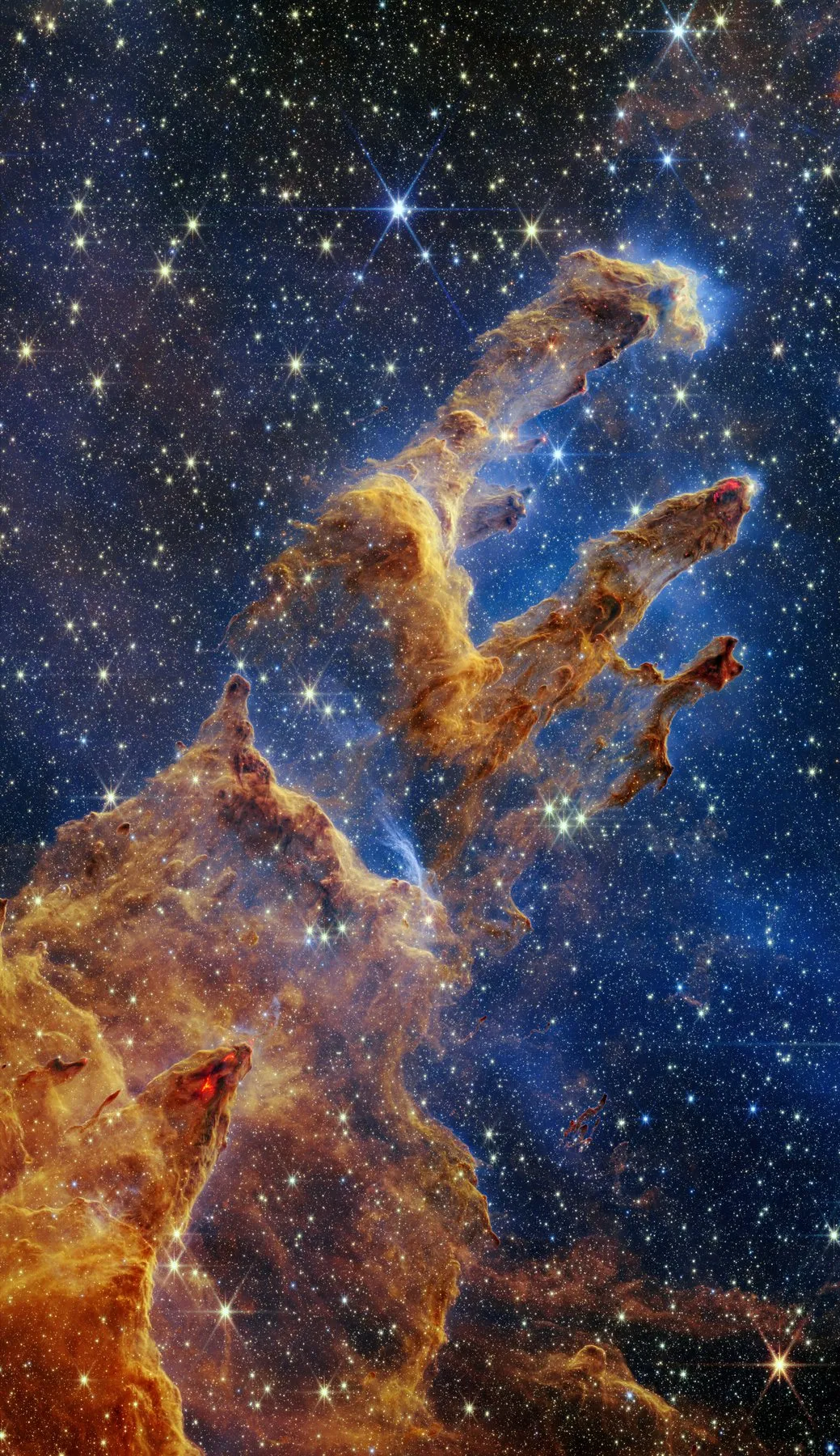
NASA, ESA, CSA, STScI; J. DePasquale, A. Koekemoer, A. Pagan (STScI) (CC BY 4.0)
The planet that became a dwarf planet, and turned out to have mountains of ice and a heart-shaped plain.
Pluto was discovered by Clyde Tombaugh in 1930 and was considered the ninth planet until the IAU defined the term planet in 2006. It is a dwarf planet in the Kuiper belt.
NASA’s New Horizons flew past in 2015 and revealed mountains of water ice and Sputnik Planitia, a vast plain of nitrogen ice. Its largest moon, Charon, is so big relative to Pluto that the two orbit a point in space between them.
لە ناو کێڵگەکەدا لێکۆڵینەوە بکە
سەرچاوەی زانیاریەکان
ئامرازەکان و وانەکان تەنها بۆ فێربوون بەکاردەهێنرێن. نابێت بەکاربهێنرێن بۆ گەڕان، پلانی ئەرک یان هەر بڕیارێکی کارگێڕی. گواستنەوەی بڕوانامە بێ پارەیەو پشتگیری ناکرێت نوسراوەکانی پەروەردەیی بخوێنەوە