
Тритон
Neptune's largest moon, which orbits backwards and is probably a captured Kuiper belt object.
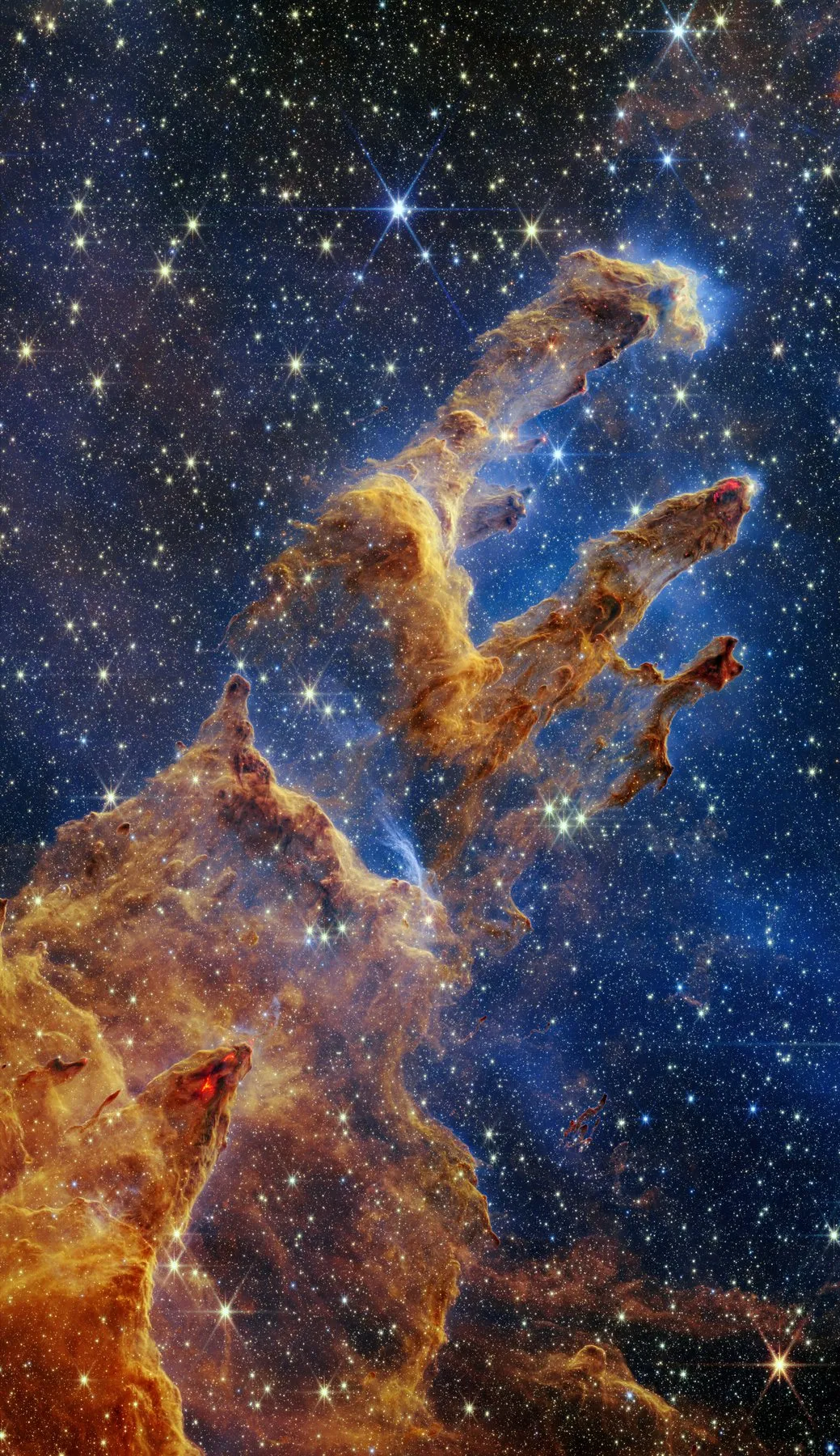
NASA, ESA, CSA, STScI; J. DePasquale, A. Koekemoer, A. Pagan (STScI) (CC BY 4.0)
A moon that orbits backwards, and one of the coldest places ever measured.
Triton orbits Neptune in the opposite direction to Neptune’s rotation, which strongly suggests it was captured rather than formed in place.
When Voyager 2 flew past in 1989 it saw a young, sparsely cratered surface and active geyser-like plumes. Its surface temperature of about −235 °C makes it one of the coldest places measured in the solar system.
Маълумот манбалари
Асбоблар ва дарсликлар фақатгина ўрганиш учун соддалаштирилган моделларни қўллашади. Улар навигация, вазифани режалаштириш ёки бошқа операциявий қарорлар учун фойдаланилмаслиги керак. Сертификатлар бепул ва аккредитацияланмаган. Маълумотлар мазмунини ўқинг