
ٽرانس
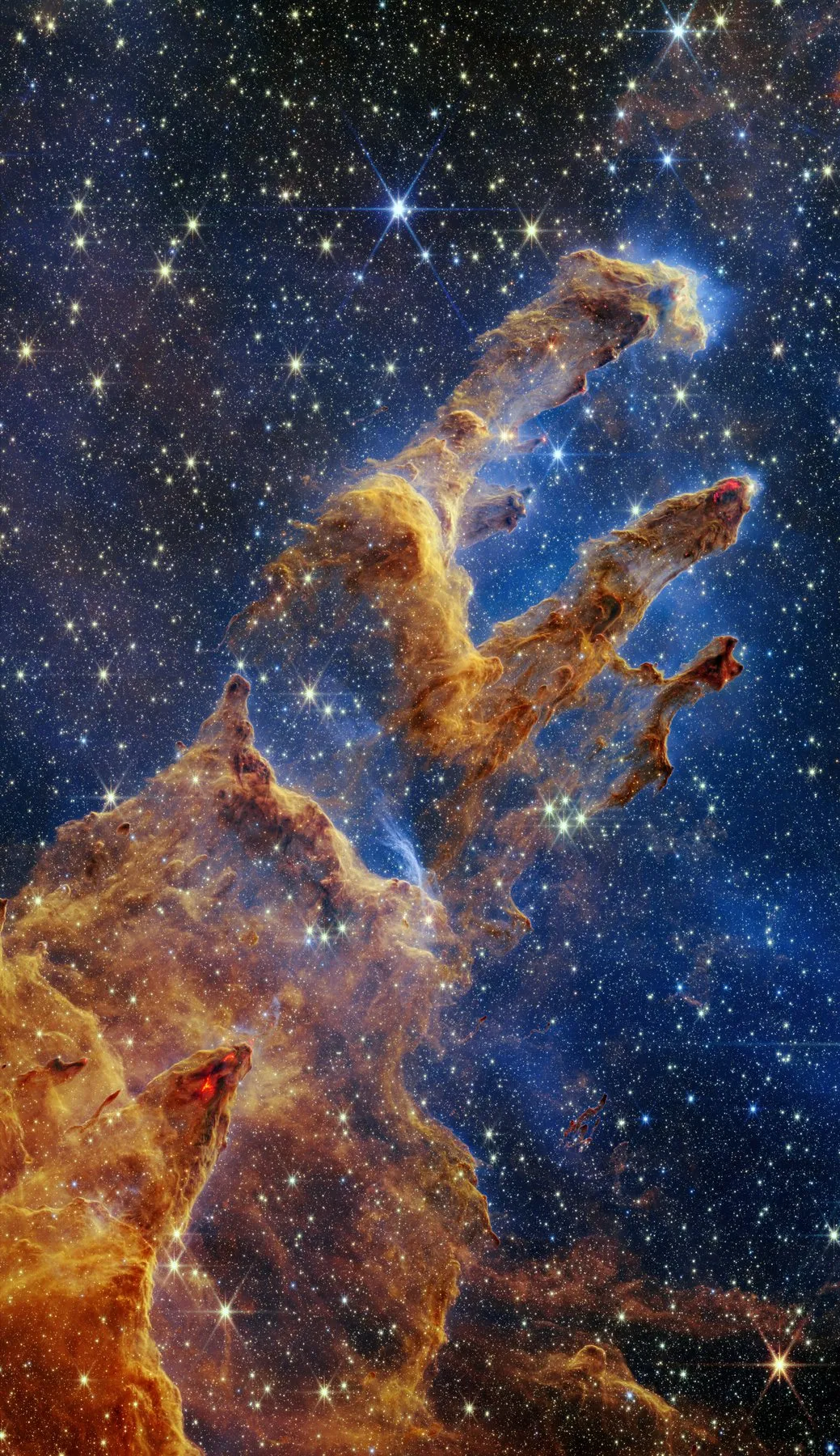
Neptune's largest moon, which orbits backwards and is probably a captured Kuiper belt object.
NASA, ESA, CSA, STScI; J. DePasquale, A. Koekemoer, A. Pagan (STScI) (CC BY 4.0)
A moon that orbits backwards, and one of the coldest places ever measured.
Triton orbits Neptune in the opposite direction to Neptune’s rotation, which strongly suggests it was captured rather than formed in place.
When Voyager 2 flew past in 1989 it saw a young, sparsely cratered surface and active geyser-like plumes. Its surface temperature of about −235 °C makes it one of the coldest places measured in the solar system.
ڊيٽا
اوزار ۽ سکيا صرف سکڻ لاءِ آسان ماڊل استعمال ڪندا آھن. انھن کي ھلائڻ، ميشن منصوبابندي يا ڪنھن به آپريشنل فيصلي لاءِ استعمال نه ڪجي. سرٽيفڪيٽ مفت آھن ۽ غير تصديق ٿيل آھن. تعليمي مواد جي ذميواري کان انڪار پڙهو