Àwọn ààyè-iṣẹ́
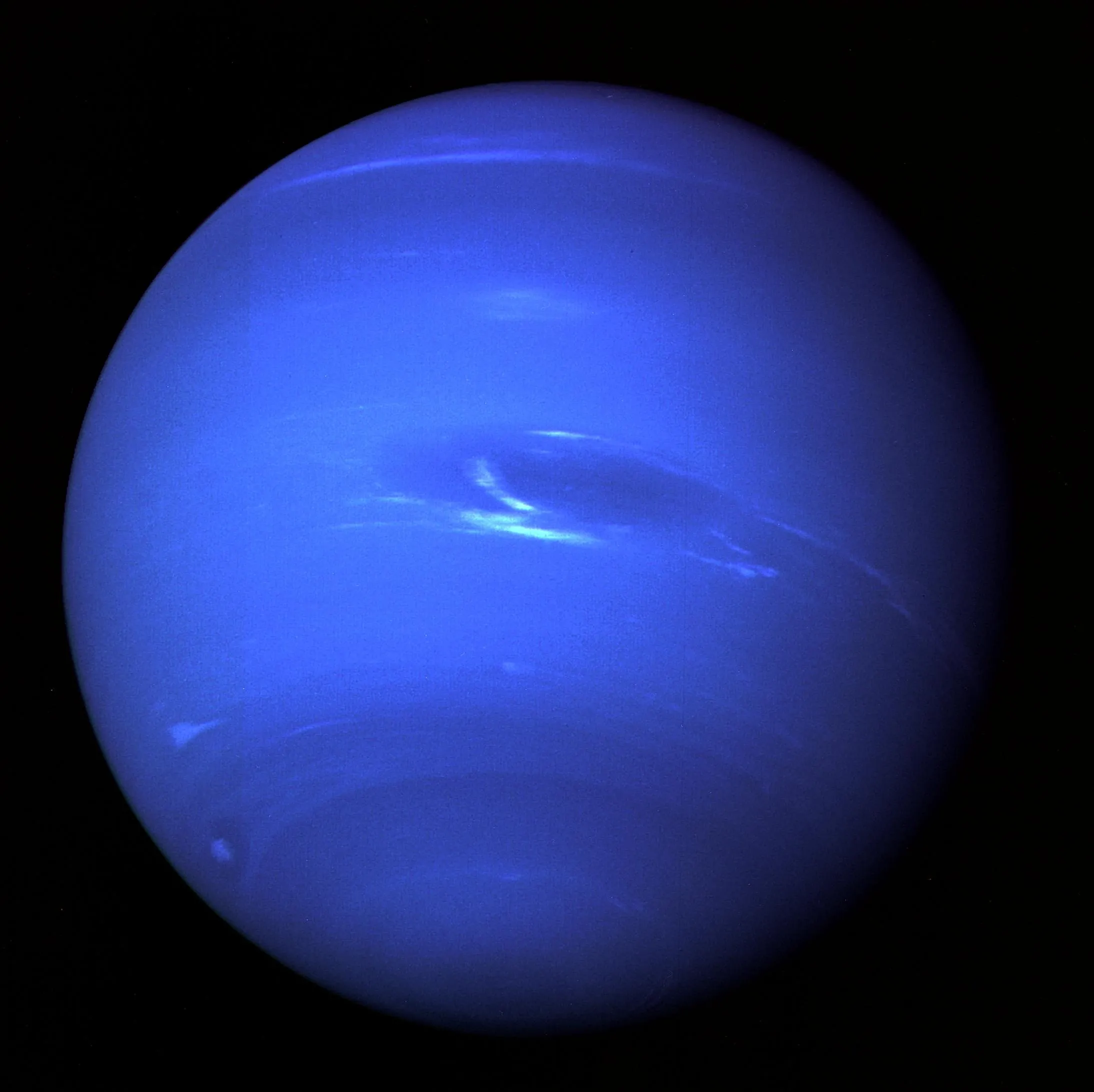
The farthest planet, an ice giant with the fastest winds measured in the solar system.
NASA/JPL
A planet found with a pencil before it was seen through a telescope, and home to the fastest winds known on any planet.
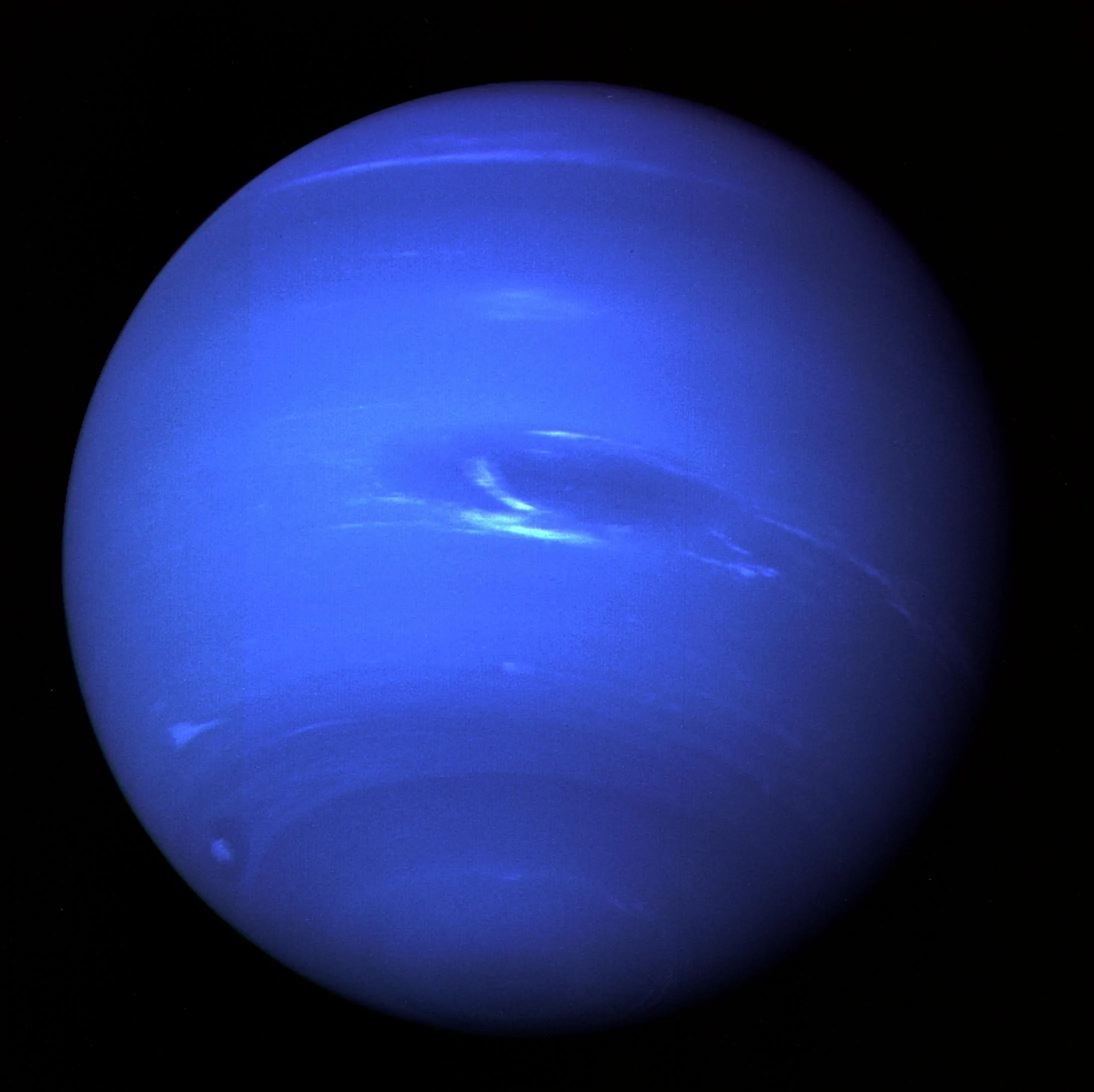
Neptune is similar in size and composition to Uranus but slightly denser and more massive. Winds in its atmosphere reach about 2,000 km/h.
It was the first planet found by mathematical prediction: irregularities in Uranus’s motion led Urbain Le Verrier to calculate its position, and Johann Galle found it in 1846. Its largest moon, Triton, orbits backwards and is probably a captured Kuiper belt object.
Àwọn ààyè-iṣẹ́ nínú ìmọ̀dá
Wáròyìn nínú àwọn ìṣàmúlò-ètò
Àwọn ìṣàmúlò-ètò ààyè-iṣẹ́
Àwọn ìrànwọ́ àti àkọlé lòòlù àwọn módè́ì tí a fi pamọ́ fún ìmọ̀. Kò yẹ ki wọn lò fún ìṣàfihàn, ìṣàmúlò-ètò àti àwọn ìṣẹ̀dá iṣẹ́. Àwọn ìwé-ẹ̀rì ní ọ̀fẹ̀ àti àwọn ààyè-iṣẹ́ kò ní ìgbà gbà. Ka àwọn ìṣàmúlò-ètò ìròyìn